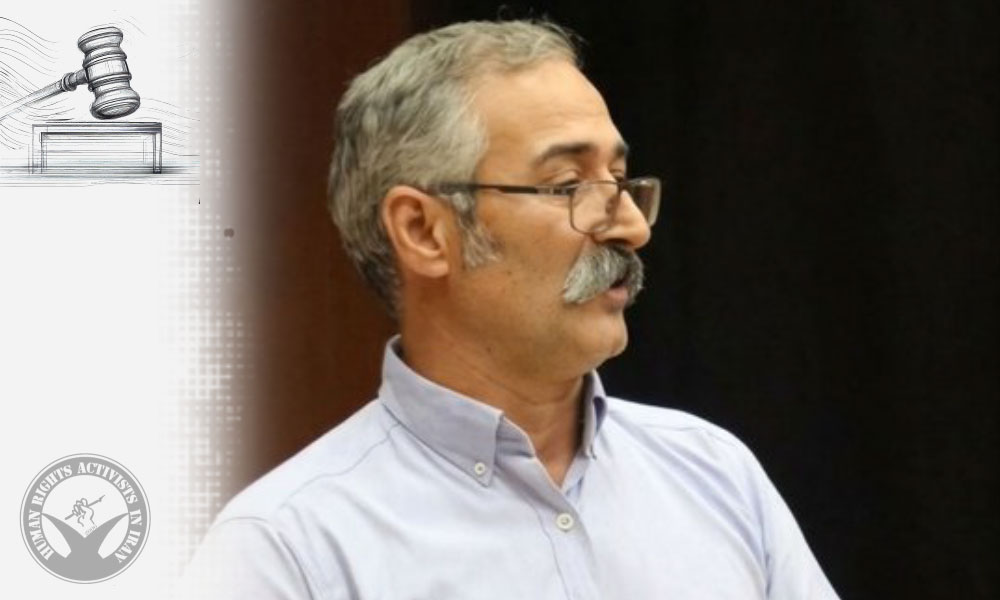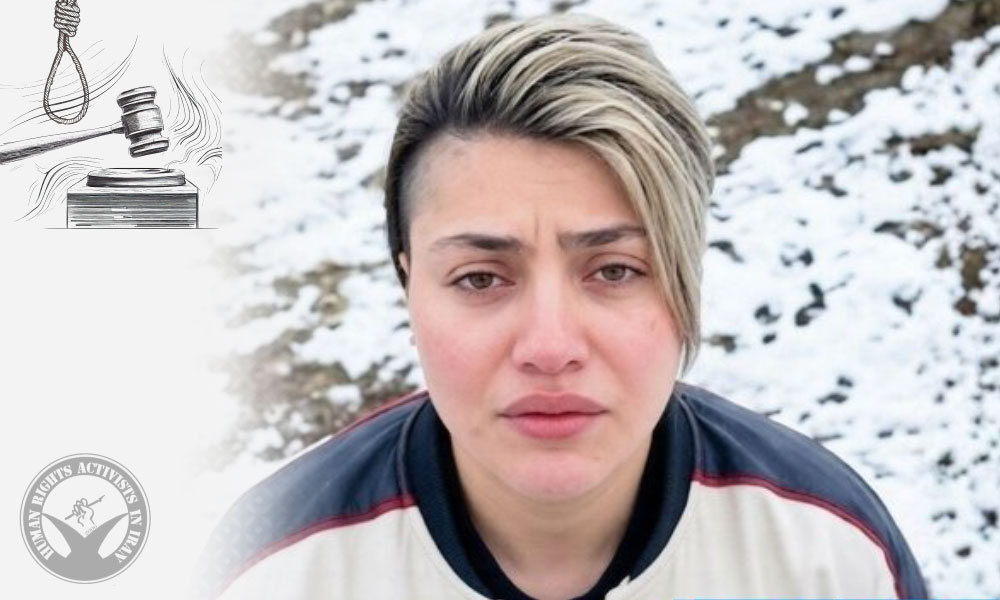
Mahshad Keshani Arrested by Security Forces in Isfahan

HRANA – Mahshad Keshani, who was previously arrested during the January 2026 protests, was arrested again by security forces in Isfahan on the morning of Monday, August 3, and taken to an undisclosed location.

According to HRANA, Mahshad Keshani has been arrested.

According to information received by HRANA, at around 7:00 a.m. on Monday, August 3, three plainclothes men and one plainclothes woman went to Ms. Keshani’s family home in Isfahan. After arresting her, they took her away without identifying the agency responsible for the arrest. According to her family, the officers stated that the arrest was related to a new judicial case against her.

A source close to her family confirmed the news to HRANA, stating: “Ms. Keshani is facing charges in this new case including inciting people to wage war with the intent to disrupt national security, and disrupting public order and peace.”

The source further added: “Mahshad Keshani was first arrested on December 31, 2025, during the nationwide protests in Isfahan. At the same time that this new case was opened, she was transferred to Dolatabad Prison in Isfahan to serve a previous prison sentence. She was ultimately released in July 2026, after completing that sentence and posting bail in the case related to the protests.”

As of the time of this report, there is no information regarding her whereabouts or condition, and she has not been permitted to contact her family.

In 2024, in a joint case involving 21 other political defendants, Mahshad Keshani was sentenced by Branch 1 of the Isfahan Revolutionary Court, presided over by Judge Mohammad Tavakkoli, to a total of six years in prison on charges of membership in groups or organizations with the intent to disrupt national security and propaganda against the state. Under Article 134 of the Islamic Penal Code, five years of the sentence became enforceable, although four years and six months of that term was suspended for 10 years. She was also sentenced to a two-year travel ban and a two-year ban on online activities.

Mahshad Keshani had previously been arrested by security forces on July 11, 2023, and was released some time later on bail.

Babak Eslami Farsani, Attorney, Sentenced to Prison

HRANA  – Babak Eslami Farsani, an attorney, has been sentenced to nine months in prison by Branch 23 of the Tehran Revolutionary Court.

According to HRANA, Babak Eslami Farsani has been sentenced to imprisonment.

Based on a ruling issued on Sunday, August 2, by Branch 23 of the Tehran Revolutionary Court, Mr. Eslami Farsani was sentenced to nine months in prison on the charge of propaganda against the state.

In Late May of this year, he had been summoned to Branch 4 of the Investigation Office of the Public and Revolutionary Prosecutor’s Office in Tehran’s District 33.

Babak Eslami Farsani, an attorney, has represented the family of Mehrshad Shahidi, one of those killed during the 2022 nationwide protests in Arak. In connection with this representation, a judicial case had previously been opened against him at the Public and Revolutionary Prosecutor’s Office of Arak County.

Miandoab County: Five Citizens Sentenced to Prison

HRANA –Five residents of Miandoab have each been sentenced to eight months in prison by Branch 103 of the Criminal Court Two of Miandoab County in a joint case.

According to HRANA, five citizens in Miandoab have been sentenced to imprisonment.

Under a ruling issued by Branch 103 of the Criminal Court Two of Miandoab County on July 22, 2026, Jalal Koudarilu, Ramin Eslami, Hossein Javadzadeh, Arash Kahpour, and Reza Pahlavanian were each sentenced to eight months in prison on the charge of “propaganda against the regime” in a joint case.

The charge was based on their critical activities on the social media platform Instagram.

Their trial was held before the same branch on July 18, 2026. The indictment had previously been issued in May 2026 by the review branch of the Public and Revolutionary Prosecutor’s Office in Miandoab.

Jalal Koudarilu (also spelled Korddarilu), Ramin Eslami Barough, Hossein Javadzadeh, Arash Kahpour, and Reza Pahlavanian were arrested separately by agents of the Ministry of Intelligence in Miandoab in February 2026. They were released on bail in late-February.

Mr. Koudarilu has previously been summoned and arrested on prior occasions.

January 2026 Protests: Mahmoud Shaddel Sentenced to Prison

HRANA – Mahmoud Shaddel, a resident of Ashkhaneh who was arrested during the January 2026 protests, has been sentenced to three years of discretionary imprisonment by Branch 2 of the Revolutionary Court of Bojnurd.

According to HRANA, citing Kurdpa, Mahmoud Shaddel has been sentenced to prison.

According to the report, Branch 2 of the Revolutionary Court of Bojnord sentenced Mr. Shaddel to three years of discretionary imprisonment on charges of “propaganda against the regime” and “assembly and collusion against national security.”

The verdict was communicated to him verbally on July 11, 2026.

Mr. Shaddel was arrested by security forces in January 2026 during the nationwide protests that month. After two weeks in detention, he was released on bail. During his arrest, security forces also opened fire on his vehicle.

Ashkhaneh is a county in North Khorasan Province, northeastern Iran.

Appeals Court Upholds One-Year Prison Sentence for Baha’i Citizen Amin Imanian

HRANA – The Mazandaran Province Court of Appeals has upheld, in full, the one-year prison sentence issued against Amin Imanian, a Baha’i resident of Babol.

According to HRANA, Amin Imanian has been sentenced to imprisonment.

Based on information received by HRANA, Branch 9 of the Mazandaran Province Court of Appeals sentenced Mr. Imanian to one year in prison on the charge of “propaganda against the regime.” The ruling was electronically served on him on July 21.

Mr. Imanian had previously been sentenced to the same term of imprisonment by Branch 1 of the Babol Revolutionary Court at the trial stage.

Previously, an informed source told HRANA that Mr. Imanian is active in the sport of boxing, working as both a boxing coach and a referee.

Over the past decade, the Baha’i community in Iran has been subjected to more security-related and judicial persecution than any other religious minority in the country. According to HRA’s annual reports, an average of 62.41% of all reported violations of the rights of religious minorities during the past calendar year involved violations of the rights of Baha’i citizens.

Subscribe to Our Newsletter

Now is definitely not the time to stop reading!

Masoud Ghalandari Sentenced to Prison and Fine

HRANA – Masoud Ghalandari, a resident of Yasuj, has been sentenced in three separate cases by the Boyer-Ahmad Revolutionary Court and the Boyer-Ahmad Criminal Court to a total of 7 years, 9 months, and 15 days in prison, along with paying a fine.

According to HRANA, Masoud Ghalandari has been sentenced to imprisonment and a monetary fine.

According to information received by HRANA, Mr. Ghalandari was tried in three separate cases, one before the Boyer-Ahmad Revolutionary Court and two before Branch 106 of the Boyer-Ahmad Criminal Court No. 2. Altogether, he was sentenced to 7 years, 9 months, and 15 days in prison, in addition to a 50 million tomans fine.

Under a ruling issued by the Boyer-Ahmad Revolutionary Court on July 15, 2026, and communicated verbally to Ghalandari on July 26, 2026, he was sentenced to 7 months and 15 days for “propaganda against the regime,” and 3 years and 6 months for “sending information to foreign media outlets”; 15 months for “insulting the Supreme Leader.”

In addition, Branch 106 of the Boyer-Ahmad Criminal Court No. 2 issued two rulings on July 21, 2026. In one case, Ghalandari was sentenced to 14 months’ imprisonment for “spreading false information through computer systems,” and 15 months’ imprisonment for “inciting or provoking people to engage in war and mutual killings with the intent to disrupt the country’s security.”

In a separate case before the same branch, he was sentenced to pay a 50 million tomans fine on the charge of “spreading falsehoods with the intent to disturb public opinion.”

Mr. Ghalandari was released from Yasuj Prison on July 19, 2026, after posting 8 billion tomans bail and providing a guarantor.

He had been arrested on March 14, 2026, by agents of the IRGC Intelligence Organization outside the Yasuj Electricity Department, where he worked. The arrest was reportedly carried out with violence. The agents also searched his family home and confiscated several items, including his computer, laptop, tablet, hard drives, flash drives, and mobile phones belonging to him and his family members.

It is worth noting that following his arrest, state media published a video containing what appeared to be Mr. Ghalandari’s forced confession. The circumstances under which the recording was made remain unknown. According to these media outlets, his arrest was linked to the 2025 nationwide protests.

Masoud Ghalandari, aged approximately 37, is a resident of Yasuj and has previously faced arrest and judicial action due to his activities.

Background on the January 2026 Protests

It should be noted that protests and strikes by shopkeepers and bazaar merchants began in Tehran on Sunday, December 28, 2025, and within two days spread beyond markets and commercial centers. With the participation of students, citizens, and various social groups, these protests became one of the largest protest movements of recent years. Following the crackdown by security and law enforcement forces, thousands were killed or injured, and tens of thousands were arrested or summoned by security agencies. For more information, readers may refer to HRANA’s comprehensive report titled “Crimson Winter,” documenting the first fifty days following the outbreak of Iran’s nationwide protests.
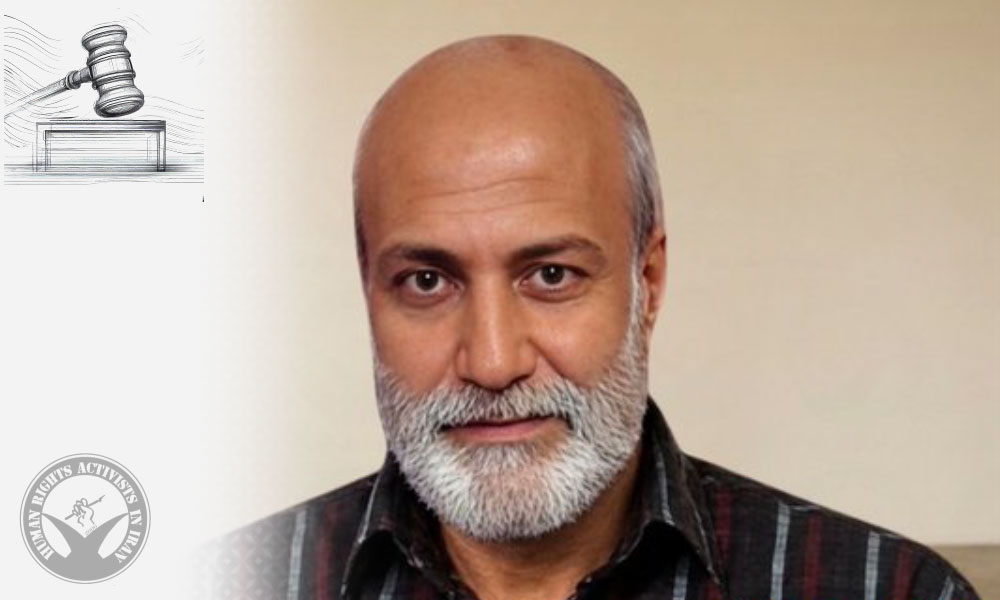
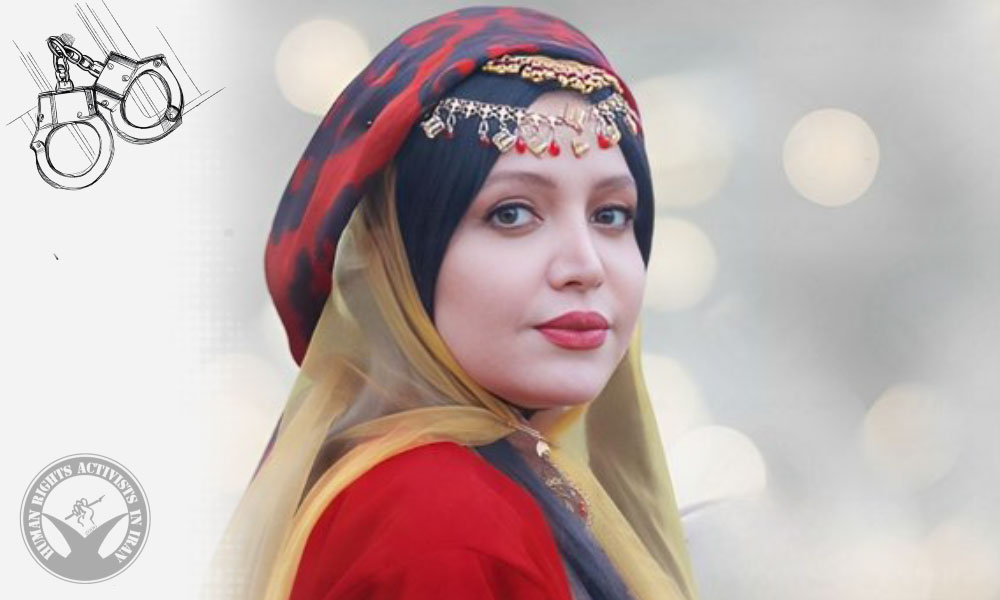
Three Political Prisoners Beaten and Transferred to Unknown Location from Evin

HRANA – On Saturday, prison guards at Evin Prison entered Ward 7, assaulted political prisoners Amirhossein Moradi, Ehsan Rostami, and Afshin Rangriz, and subsequently transferred them to an undisclosed location. The three prisoners were reportedly injured during the assault.

According to HRANA, three political prisoners have been transferred from Evin Prison to an unknown location.

Based on information received by HRANA, at approximately 11:30 a.m. Saturday, August 1, 2026, prison guards entered Ward 7, where political prisoners are held. The officers beat Amirhossein Moradi, Ehsan Rostami, and Afshin Rangriz before removing them from the ward and transferring them to an undisclosed location.

A source familiar with the matter confirmed to HRANA that the severity of the assault left all three prisoners injured and their clothing torn. The source also stated that Yousefi, Deputy Director of Health at Evin Prison, Fathollahi, Head of the Prison Guard, Rostami, Deputy Head of the Guard, and Mahmoudi, Head of Ward 7, were present during the incident.

Prison authorities have not announced the reason for transferring the prisoners. The lack of information regarding their whereabouts and physical condition has heightened concerns among their fellow inmates and family members.

As of the time of publication, no information has been obtained regarding the prisoners’ location or physical condition, including the extent of their injuries or whether they were taken to the prison infirmary to receive medical treatment.

Amirhossein Moradi, a physics student at Sharif University of Technology, was arrested by agents of the Ministry of Intelligence on April 10, 2020, and transferred to Evin Prison. In a joint case with Ali Younesi, he was initially sentenced to 10 years’ imprisonment, the maximum applicable sentence, which was upheld on appeal. Following the acceptance of his request for judicial review, his enforceable sentence was reduced to six years and eight months. In a separate case, he was also sentenced to 15 months’ imprisonment on the charge of “propaganda against the state.”

Ehsan Rostami, a cultural activist working in the publishing and book sector, was arrested by security forces in Tehran on August 19, 2025, and transferred to Ward 209 of Evin Prison. During his detention, he went on a hunger strike to protest his prolonged legal uncertainty and the pressure imposed on him. After being formally charged with “baghi” (armed rebellion), he was transferred to another section of Evin Prison.

Afshin Rangriz, an expelled university student, also remains in a state of judicial limbo, with his legal case still unresolved.

January 2026 Protests: 17-Year-Old Benjamin Vahidi Arrested to Serve Prison Sentence

HRANA – Benjamin Vahidi, a 17-year-old resident of Bojnurd, was arrested to begin serving his prison sentence. He had previously been sentenced in absentia to two years in prison and a paying a fine in connection with the January 2026 protests.

According to HRANA, Benjamin Vahidi has been arrested to serve his sentence.

A source familiar with the teenager’s family confirmed the arrest to HRANA, stating that in late July, several officers entered the family’s home at around 9:00 p.m. and arrested him after physically assaulting him. Following his arrest, he was initially transferred to Police Station No. 11 in Bojnurd. His current place of detention remains unknown.

The source added that the family was informed Benjamin would be denied phone calls and visitation rights until the monetary fine is paid.

Benjamin Vahidi had previously been convicted by a judicial authority in Bojnurd in connection with the protests on charges including “disrupting public order and peace,” “damaging public property,” and “clashing with law enforcement officers.” He was sentenced to two years of discretionary imprisonment and ordered to pay a 100 million toman fine. The sentence was issued in absentia, without Mr. Vahidi’s presence in court and without access to legal counsel. His family has also been informed that the verdict is final.

Benjamin Vahidi, 17, is an athlete specializing in boxing and mixed martial arts (MMA).

Background on the January 2026 Protests

It should be noted that protests and strikes by shopkeepers and bazaar merchants began in Tehran on Sunday, December 28, 2025, and within two days spread beyond markets and commercial centers. With the participation of students, citizens, and various social groups, these protests became one of the largest protest movements of recent years. Following the crackdown by security and law enforcement forces, thousands were killed or injured, and tens of thousands were arrested or summoned by security agencies. For more information, readers may refer to HRANA’s comprehensive report titled “Crimson Winter,” documenting the first fifty days following the outbreak of Iran’s nationwide protests.
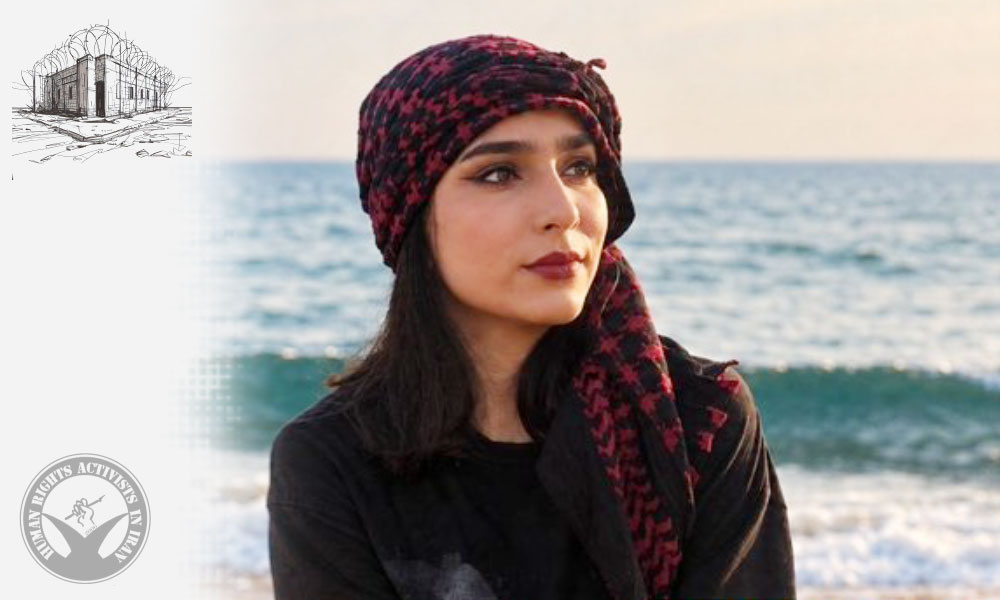
January 2026 Protests: Amir Mohammad Hajari Sentenced to Prison

HRANA – Amir Mohammad Hajari, a resident of Ashkhaneh who was arrested during the January 2026 protests, has been sentenced by Branch 2 of the Bojnurd Revolutionary Court to four years and two days in prison.

According to HRANA, citing Kurdpa, Amir Mohammad Hajari has been sentenced to imprisonment.

Under a ruling issued on July 19, 2026, by Branch 2 of the Bojnurd Revolutionary Court, presided over by Judge Sadegh Rafiei, Mr. Hajari was sentenced to three years, six months, and one day in prison on the charge of “assembly and collusion against national security,” and six months and one day in prison on the charge of “propaganda against the regime.” Under Article 134 of the Islamic Penal Code, only the harshest sentence, three years, six months, and one day in prison, will be enforceable.

According to the report, Mr. Hajari was denied access to a lawyer throughout all stages of the judicial proceedings.

The verdict was communicated to him orally, and he is expected to report to prison within the next week to begin serving his sentence.

Amir Mohammad Hajari, a 24-year-old resident of Ashkhaneh in North Khorasan Province, was arrested on January 19, 2026, during the nationwide protests after security forces raided his home without presenting a judicial warrant. He was released from Bojnurd Prison on January 31, 2026, after posting bail.

Background on the January 2026 Protests

It should be noted that protests and strikes by shopkeepers and bazaar merchants began in Tehran on Sunday, December 28, 2025, and within two days spread beyond markets and commercial centers. With the participation of students, citizens, and various social groups, these protests became one of the largest protest movements of recent years. Following the crackdown by security and law enforcement forces, thousands were killed or injured, and tens of thousands were arrested or summoned by security agencies. For more information, readers may refer to HRANA’s comprehensive report titled “Crimson Winter,” documenting the first fifty days following the outbreak of Iran’s nationwide protests.
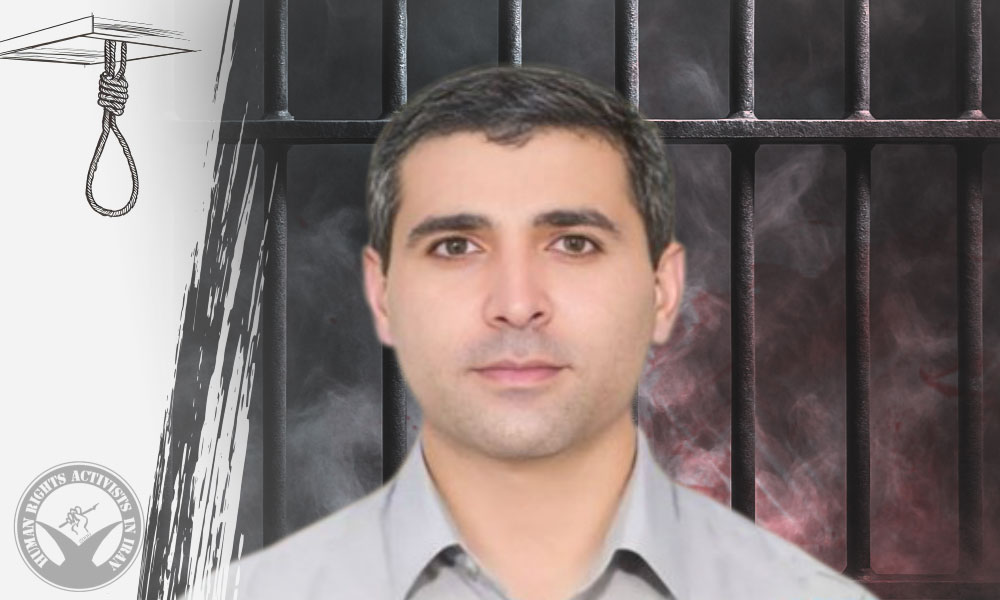
Omid Behzad and Pouria Safvat Executed on Alleged Espionage Charges

HRANA – Iran’s judiciary has announced the execution of Omid Behzad and Pouria Safvat, two prisoners convicted on charges of “espionage.” The executions were carried out today, August 3, 2026, after their death sentences were upheld by the Supreme Court.

According to HRANA, citing Mizan, Omid Behzad and Pouria Safvat have been executed.

According to the report, following the issuance of the indictment, the two prisoners were sentenced to death on charges of “espionage and intelligence cooperation with Israel.” The sentences were carried out early Monday morning after being affirmed by the Supreme Court.

The Judiciary’s Media Center claimed that during the war between Iran, the United States, and Israel, the two men transmitted information related to military, law enforcement, and security facilities through communication channels and media platforms to individuals allegedly linked to Israel’s intelligence service.

Previously, a video of the two prisoners’ confessions had been published. It remains unclear under what circumstances those confessions were obtained.

No information has been made public regarding the court branch that handled the case, the date of their arrest, the length of their detention, the location where the executions were carried out, whether they had access to legal counsel of their choice, or how the court proceedings were conducted. The claims made by judicial authorities have not been independently verified.

In the months following the 12-day war, the number of executions carried out on charges including espionage and cooperation with Israel has increased.