Three Baha’i Citizens Remain Detained in Legal Limbo at Tir Kola Prison in Sari

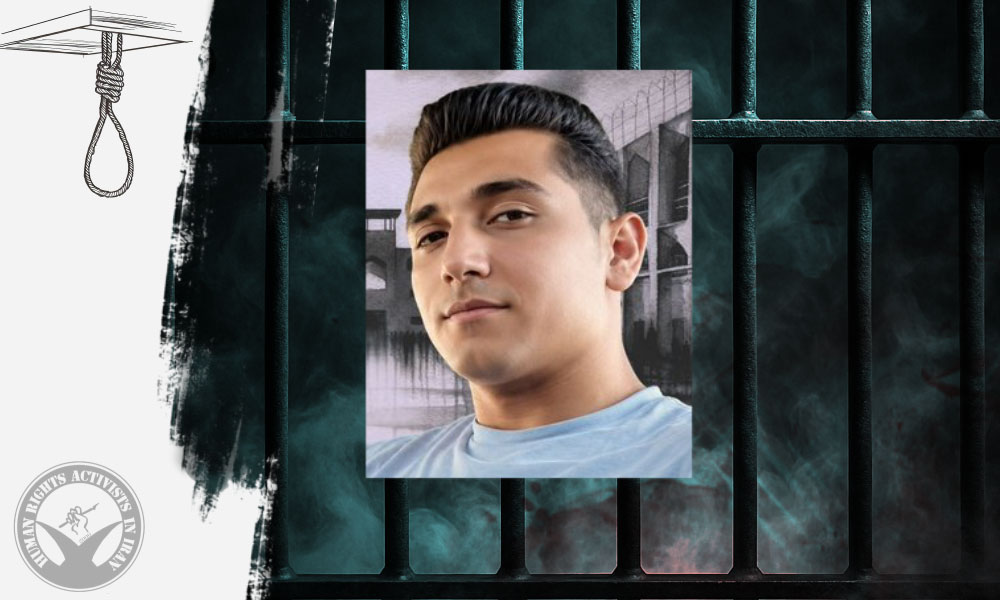
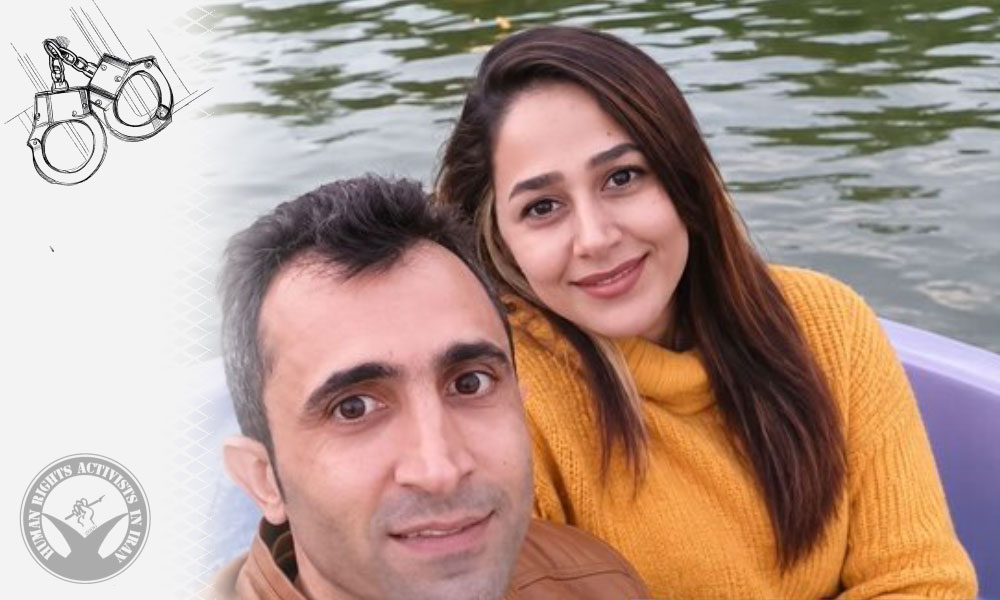
HRANA – Two weeks after the arrests of Soraya Manouchehrzadeh, Fakhereh Zahedi, and Shima Sanaei, the three Baha’i citizens remain detained in legal limbo at Tir Kola Prison in Sari.

According to HRANA, the news agency of Human Rights Activists in Iran, Soraya Manouchehrzadeh, Shima Sanaei, and Fakhereh Zahedi remain in prison.

Two weeks have passed since the arrest of these three Baha’i citizens, and they continue to be held in legal limbo at Tir Kola Prison in Sari. According to information received by HRANA, they have been permitted to make only one phone call to their families during this period.

An informed source familiar with their situation told HRANA: “According to their families, interrogations of the three citizens at the Ministry of Intelligence’s detention facility in Sari produced no substantial evidence against them. Nevertheless, in recent days, several of their neighbors have been summoned to the Ministry’s intelligence office.”

The families of the three citizens also learned, three days after their arrests, that Amin Nasrollah-Chamani, an investigator with Branch 7 of the Sari Revolutionary Prosecutor’s Office, had set bail at two billion tomans for each of them. However, despite the bail being secured and guarantors being introduced, the judicial authority’s administrative office refused to register it.

The detention orders for the three Baha’i citizens were extended for one month in late August.

An informed source had previously told HRANA regarding the manner of Shima Sanaei’s arrest: “At 9 a.m. on Saturday, August 22, approximately 12 Ministry of Intelligence agents broke the lock on Ms. Sanaei’s family home, entered the premises, arrested her, and transferred her to the Ministry of Intelligence office in Sari. At the same time, agents searched her residence and confiscated a number of personal belongings, including religious images, books, and documents. Because Ms. Sanaei’s father was not home, a local shopkeeper who learned of the agents’ presence went to the house and was beaten by them.”

Manouchehrzadeh and Zahedi were also arrested in operations involving multiple security personnel. Approximately 14 agents, five private vehicles, and a representative of the prosecutor’s office were involved in the arrests. During Ms. Manouchehrzadeh’s arrest, agents simultaneously searched her family home and confiscated a number of her personal and electronic belongings.

On Saturday, August 22, Soraya Manouchehrzadeh, Shima Sanaei, and Fakhereh Zahedi were arrested in Sari along with Maral Roshani and Negar Badiei. They were initially taken to a detention facility known as “Keshoui” and were later transferred to Tir Kola Prison in Sari. Maral Roshani and Negar Badiei were released at approximately 7 p.m. that same day after several hours of interrogation.

Soraya Manouchehrzadeh is a Montessori instructor; Shima Sanaei works as a health and personal care products salesperson; and Fakhereh Zahedi is married, a homemaker, and the mother of two young children.

Over the past decade, Iran’s Baha’i community has faced more security and judicial actions than any other religious minority in the country. A review of HRA’s annual reports shows that, over the past year, an average of 62.41% of reports concerning religious minorities involved violations of the rights of Baha’i citizens.

Prisoner Executed in Lakan Prison, Rasht

HRANA – At dawn on Monday, August 31, a prisoner who had previously been sentenced to death on a murder charge was executed in Lakan Prison in Rasht.

According to HRANA, citing Iran Human Rights Organization, a prisoner was executed in Lakan Prison in Rasht at dawn on Monday, August 31, 2026.

The prisoner has been identified as Mojtaba Salahi Laghani, a resident of Laghan village in Shaft County.

According to the report, Mr. Salahi was arrested approximately four years ago on a murder charge and was subsequently sentenced to death by the judiciary.

According to HRA’s Annual Report, in 2025 at least 2,063 citizens, including 61 women and 2 juvenile offenders, were executed. Of these, the sentences of 11 individuals were carried out in public. During the same period, 172 other individuals were sentenced to death.

January 2026 Protests: Saman Ghaderi Sentenced to 14 Years in Prison

HRANA – Branch 26 of the Tehran Revolutionary Court sentenced Saman Ghaderi, a resident of Urmia and one of those arrested in connection with the January 2026 protests, to a total of 14 years in prison. He is currently being held in the Greater Tehran Prison.

According to HRANA, Saman Ghaderi has been sentenced to imprisonment.

According to a ruling issued by Branch 26 of the Tehran Revolutionary Court, presided over by Judge Iman Afshari, and served on Mr. Ghaderi on Tuesday, August 25, he was sentenced to 11 years in prison on the charge of “acting against national security” and three years on the charge of “insulting the sacred.”

An informed source close to the family of the political defendant confirmed the news to HRANA and said: “Following the notification of the ruling, Mr. Ghaderi challenged the verdict and filed an appeal.”

Saman Ghaderi was arrested in Tehran in March 2026 by agents of the Islamic Revolutionary Guard Corps Intelligence Organization in connection with the January 2026 protests. After completing the initial stages of interrogation, he was transferred to the Greater Tehran Prison.

Saman Ghaderi is 37 years old and from Urmia.

Justice Beyond Borders: HRA Files Criminal Complaint and Holds Event in Berlin

Berlin — On September 3, 2026, as Human Rights Activists in Iran (HRA) filed a criminal complaint with Germany’s Federal Public Prosecutor General concerning the crackdown on Iran’s nationwide protests, prominent lawyers, activists, and human rights experts gathered in Berlin to examine legal avenues for pursuing accountability for serious human rights violations committed during the protests.

The event, held at betahaus in Berlin’s Kreuzberg district, was hosted by Human Rights Activists in Iran (HRA) and UpRights.

The panel was moderated by Skylar Thompson, Deputy Director at HRA, and featured Jennifer Connet, Legal Advisor at HRA; Valérie Gabard, Co-Director of UpRights; and Sina Yousefi, an Iranian human rights lawyer and former Deputy Chair of the Human Rights Commission of the East Azerbaijan Bar Association.

Panelists examined HRA’s investigation into the crackdown, including more than 60 interviews conducted with victims and witnesses, as well as extensive perpetrator mapping. They also discussed why Germany was chosen as a jurisdiction in which to pursue accountability and HRA’s plans to continue supporting judicial action against individuals allegedly responsible for abuses committed during the crackdown, including through accountability efforts across Europe.

Skylar Thompson outlined efforts by HRA and UpRights to pursue legal action in Germany in connection with the crackdown and discussed plans to continue this work through cooperation with investigative and prosecutorial efforts across Europe. As victims and witnesses continue to leave Iran while alleged perpetrators remain shielded by impunity, Thompson emphasized the importance of sustained documentation and international coordination.

Thompson stressed that documentation provides the foundation for both present and future accountability efforts and has been fundamental to HRA’s filing in Germany.

Sina Yousefi reflected on his experience practicing law in Iran in the aftermath of the 2022 nationwide protests and described patterns of repression targeting protesters. He emphasized that those experiences have not occurred in a vacuum and are in fact relevant to our understanding of recent events. 

Jennifer Connet discussed HRA’s months of documentation and engagement with victims and witnesses. Connet emphasized that the courage and trust of victims and witnesses have been essential to documenting alleged violations and creating opportunities to pursue judicial avenues at the international level.

Valérie Gabard, Co-Director of UpRights, addressed the complaint filed by HRA and UpRights with German prosecutors, stating:

“Since the crimes committed in Iran are not linked to a single suspect or an isolated incident, but rather to a state-backed system that has been operating for several decades, requesting a structural investigation [within the German judicial system] makes sense, as such an investigation can establish a framework that supports future criminal accountability [of the Iranian government].”

The event concluded with questions from participants and a broader discussion of the legal strategies, challenges, and opportunities associated with pursuing accountability beyond Iran’s borders.

Criminal Complaint Filed in Germany

The Berlin event followed HRA’s filing of a criminal complaint with Germany’s Federal Public Prosecutor General on September 3, 2026, seeking the opening of a structural investigation into alleged crimes against humanity committed in Iran under Section 7 of Germany’s Code of Crimes against International Law (VStGB). The complaint draws on extensive documentation and evidence collected by HRA. Further details on the filing, its legal basis, and the underlying evidence are available in HRA’s report on the criminal complaint.

Sima Sabto and Nahid Falahati Remain in Detention Without Due Process After 73 Days

HRANA – Sima Sabto and Nahid Falahati, Baha’i citizens residing in Shiraz, remain in detention without resolution of their legal status at Adelabad Prison more than 70 days after their arrests. They have been denied phone calls and visits with their families.

According to HRANA, Sima Sabto and Nahid Falahati remain detained in Adelabad Prison in Shiraz amid continued legal uncertainty.

According to information received by HRANA, 73 days have passed since their arrests, and they continue to be held at Adelabad Prison without resolution of their legal status. The two Baha’i citizens remain deprived of phone calls and visits with their families.

Previously, an informed source told HRANA that the authorities had provided no explanation for imposing these restrictions or denying the two citizens phone contact and visits with their families.

Sima Sabto, who is married and has two daughters, ages 19 and 24, was arrested by security forces at her home in Shiraz on June 23, 2026. Since her arrest, this Baha’i citizen has been interrogated on several occasions and has been charged with “propaganda against the regime.”

Nahid Falahati was also arrested by IRGC Intelligence forces in Shiraz on June 23, 2026, and transferred to Adelabad Prison. To date, no information has been obtained regarding the charges brought against this Baha’i citizen.

Over the past decade, Iran’s Baha’i community has faced more security and judicial actions than any other religious minority. A review of HRA’s annual reports shows that, over the past three years, an average of 72% of reports concerning religious minorities have involved violations of the rights of Baha’i citizens.

Subscribe to Our Newsletter

Now is definitely not the time to stop reading!

HRA Files Criminal Complaint in Germany Seeking Investigation into Crimes Against Humanity in Iran

HRANA- The 109-page submission presents evidence from the December 2025-January 2026 crackdown, including information from more than 60 victim and witness interviews and information concerning suspected perpetrators

3 September 2026

BERLIN, Germany — Human Rights Activists in Iran (HRA), with legal support from UpRights and in conjunction with German counsel, has submitted a criminal complaint to Germany’s Federal Prosecutor General requesting the opening of a structural investigation into alleged crimes against humanity committed by Iranian State authorities under Section 7 of the German Code of Crimes against International Law (Völkerstrafgesetzbuch, or VStGB).

Download the Executive Summary of the September 2026 Submission to the German Federal Prosecutor.

The 109-page submission is the result of months of intensive investigation by dedicated HRA teams. It draws on more than 60 interviews with victims, witnesses, and family members inside Iran, in Turkey, and across Europe and North America, together with extensive documentary and digital evidence. HRA also conducted a detailed analysis of weapons used, injury analysis, suspected perpetrators, relevant institutions, and the command structures allegedly involved in the crackdown.

The submission also identifies suspected perpetrators, mapping their roles, institutional affiliations, connections to documented incidents, and positions within the command structures that HRA alleges were responsible for the crackdown.

The filing presents selected incidents that HRA argues indicate that crimes against humanity were committed in Iran between December 2025 and January 2026. It also addresses specific suspected perpetrators and sets out HRA’s analysis of what it describes as a widespread or systematic attack against the civilian population, a contextual element required for crimes against humanity.

Why Germany

HRA recognizes that calls for German prosecutors to investigate international crimes committed in Iran have been made before. This submission builds on those efforts with substantial new evidence concerning the December 2025–January 2026 crackdown and a detailed legal and factual case for why Germany is particularly well placed to act now.

Germany is not removed from the consequences of repression in Iran. It is home to a significant Iranian diaspora, including victims, witnesses, human rights defenders, journalists, and others who have fled persecution. The effects of repression can extend beyond Iran’s borders, as Iranian authorities seek to intimidate, threaten, or otherwise exert pressure on critics and diaspora communities abroad.

The complaint specifically sets out connections between the documented crimes and Germany and the wider European Union, including witnesses and injured persons with whom HRA is in contact.

The filing asks the Federal Prosecutor General to assess both the opening of a structural investigation and the potential initiation of proceedings against individual suspects. A structural investigation does not depend on having a particular suspect immediately available for prosecution. It can enable German authorities to systematically collect, preserve, and analyze evidence concerning alleged international crimes, identify responsible structures and individuals, and prepare for future individual proceedings when jurisdictional opportunities arise.

The filing therefore asks the Federal Prosecutor General to assess both the opening of a structural investigation and the potential initiation of proceedings against individual suspects. German counsel states that the Federal Prosecutor General has jurisdiction under the VStGB in conjunction with the relevant provisions of Germany’s Courts Constitution Act.

A structural investigation does not depend on having a particular suspect immediately available for prosecution. It can enable German authorities to systematically collect, preserve, and analyze evidence concerning alleged international crimes, identify responsible structures and individuals, and prepare for future individual proceedings when jurisdictional opportunities arise.

Germany’s experience demonstrates the practical importance of this approach. Structural investigations into crimes committed in Syria laid important groundwork for subsequent German cases against individual perpetrators ongoing today. Similar investigative mechanisms have also been used in relation to international crimes committed in Ukraine. For Iran, opening such an investigation now would provide a mechanism for preserving evidence, engaging witnesses who are already in Europe, and building cases that can be acted upon should suspected perpetrators come within reach of German authorities.

For victims and witnesses, the significance is equally concrete: evidence gathered today may determine whether accountability becomes possible tomorrow.

Building on Months of Investigation

What HRA is making public today is a heavily redacted, illustrative overview of its findings, intended to provide an accessible account of the evidence and analysis contained in the criminal complaint while protecting witnesses, investigative methods, and other sensitive information.

HRA would like to acknowledge that this work would not have been possible without the extraordinary courage and trust of the victims, witnesses, family members, and experts—including those inside Iran—who shared their experiences, evidence, and expertise with HRA over the past six months.

Their testimony and cooperation form the foundation of this effort to preserve evidence, identify those who may bear responsibility, and pursue accountability through available international and domestic legal mechanisms.


For media inquiries on the action taken, please contact Jennifer Connet, HRA Legal Advisor, at jennifer @ hramail.com

January 2026 Protests: Sadegh Saedinia Sentenced to More Than 12 Years in Prison and Property Confiscation

HRANA – The conviction of Sadegh Saedinia, one of those arrested during the nationwide protests of January 2026, has been upheld by the Supreme Court. He had previously been sentenced to 12 years, six months, and one day in prison, confiscation of all movable and immovable property, and a two-year ban from working in the café business.

According to HRANA, citing Mizan, the sentences issued against Sadegh Saedinia have been upheld by the Supreme Court.

Mr. Saedinia had previously been sentenced by a court to 12 years, six months, and one day in prison and the confiscation of all his movable and immovable property in favor of the state on the charge of “media and propaganda activities against national security in favor of opposition groups.” As an additional punishment, he was also sentenced to a two-year ban from working in the café business following the completion of his prison term.

According to the indictment issued in this case, the charges brought against this citizen include “propaganda or media activities against national security, taking operational measures to disrupt security through the publication of content on social media, participating in gatherings, closing cafés and shops owned by him, encouraging employees to participate in gatherings, and engaging in propaganda against the regime.”

Earlier, during the judicial proceedings in this case, all branches of cafés owned by Sadegh Saedinia were sealed by judicial order.

In May 2026, the Judiciary Media Center announced that a court session had been held at the Qom Revolutionary Court to hear the charges against Sadegh Saedinia.

Sadegh Saedinia, son of Mohammad Ali, aged approximately 49, was arrested in January 2026 for supporting the nationwide protests and was transferred to Langroud Prison in Qom.

Payam Faridian’s Prison Sentence Reduced to Two Years on Appeal

HRANA – Payam Faridian, a Baha’i citizen residing in Mashhad who had previously been sentenced to three years in prison by Branch 2 of the city’s Revolutionary Court, received a reduced sentence on appeal. Branch 5 of the Razavi Khorasan Province Court of Appeals reduced his prison sentence to two years.

According to HRANA, the prison sentence of Payam Faridian, a Baha’i citizen residing in Mashhad, was reduced on appeal.

According to information received by HRANA, Mr. Faridian had previously been sentenced by Branch 2 of the Mashhad Revolutionary Court to three years in prison on the charge of “assembly and collusion,” pursuant to Article 610 of the Islamic Penal Code.

Following the filing of an appeal, his case was reviewed by Branch 5 of the Razavi Khorasan Province Court of Appeals, which reduced Payam Faridian’s prison sentence from three years to two years.

Payam Faridian is a photographer and ceramic artist residing in Mashhad. He was previously arrested by security forces at his workplace in Mashhad on January 22, 2026.

He was ultimately released on bail.

Qorveh: Hazhir Yaghoubi Sentenced to Imprisonment and Flogging

HRANA – Hazhir Yaghoubi, a resident of Qorveh and one of those arrested during the January 2026 protests, was sentenced by a criminal court to one year in prison and 31 lashes.

According to HRANA, citing Kolbar News, Hazhir Yaghoubi has been sentenced to imprisonment and flogging.

According to the report, under a ruling issued by the criminal court and communicated to Mr. Yaghoubi, he was sentenced to one year in prison and 31 lashes.

Hazhir Yaghoubi was arrested by security forces during the January 2026 protests in connection with a strike by shopkeepers in Qorveh. After spending some time in detention, he was temporarily released on bail pending the completion of judicial proceedings.

Hazhir Yaghoubi is a resident of Qorveh and a local shopkeeper.

Background on the January 2026 Protests

It should be noted that protests and strikes by shopkeepers and bazaar merchants began in Tehran on Sunday, December 28, 2025, and within two days spread beyond markets and commercial centers. With the participation of students, citizens, and various social groups, these protests became one of the largest protest movements of recent years. Following the crackdown by security and law enforcement forces, thousands were killed or injured, and tens of thousands were arrested or summoned by security agencies. For more information, readers may refer to HRANA’s comprehensive report titled “Crimson Winter,” documenting the first fifty days following the outbreak of Iran’s nationwide protests.

Prisoner Executed in Shiraz’s Adelabad Prison

HRANA – At dawn today, Wednesday, September 2, the death sentence of a prisoner who had previously been sentenced to death on a murder charge was carried out in Shiraz’s Adelabad Prison.

According to HRANA, a prisoner was executed in Shiraz’s Adelabad Prison.

HRANA has confirmed the identity of the prisoner, who was hanged at dawn today, Wednesday, September 2, as Aziz Roshanayi.

According to information received by HRANA, Mr. Roshanayi had previously been arrested on a murder charge and was subsequently sentenced to death by a criminal court.

As of the time of this report, the prisoner’s execution has not been officially announced by prison officials or the relevant authorities.

According to HRA’s Annual Report, in 2025 at least 2,063 citizens, including 61 women and 2 juvenile offenders, were executed. Of these, the sentences of 11 individuals were carried out in public. During the same period, 172 other individuals were sentenced to death.