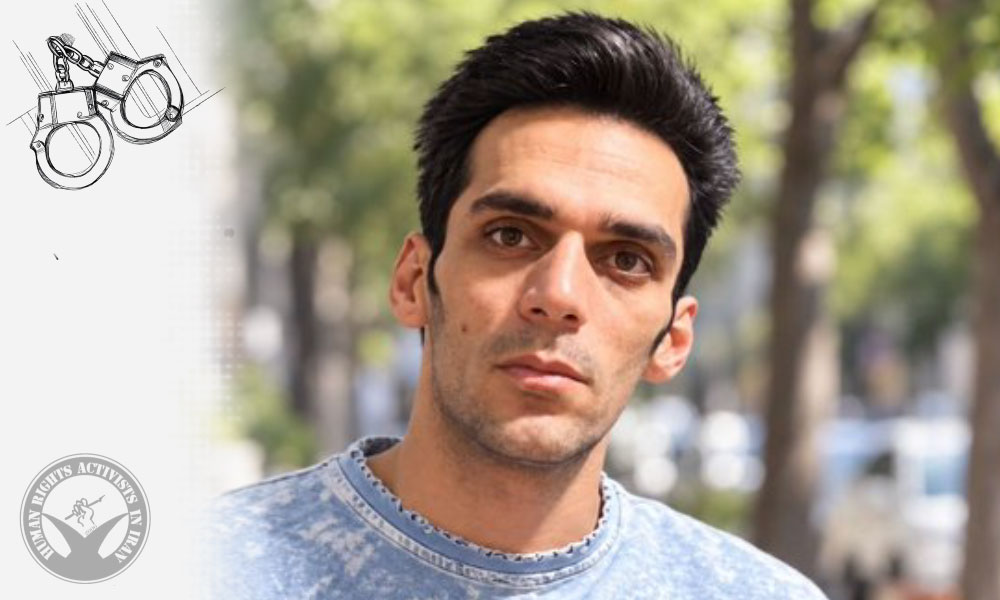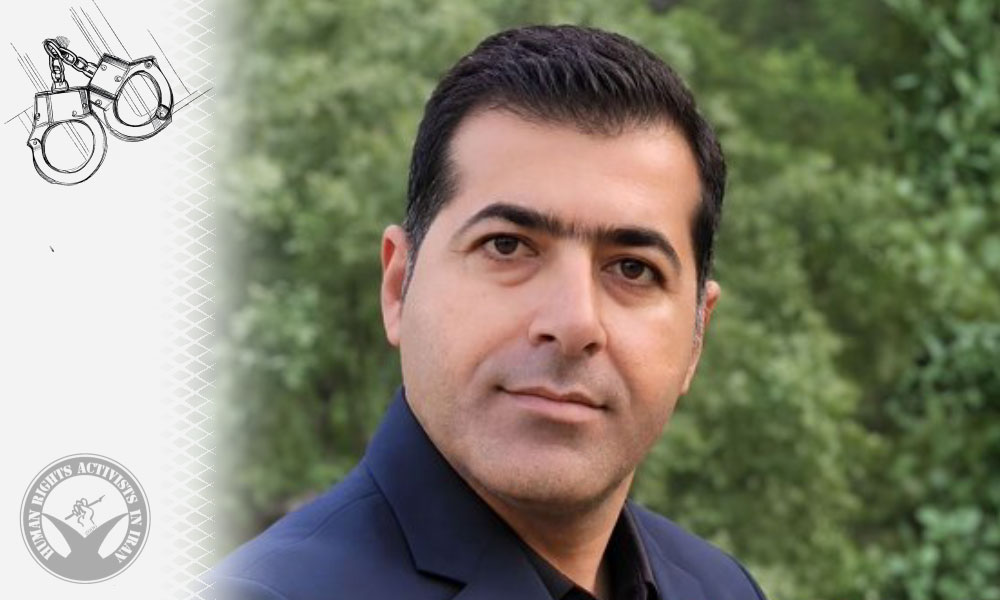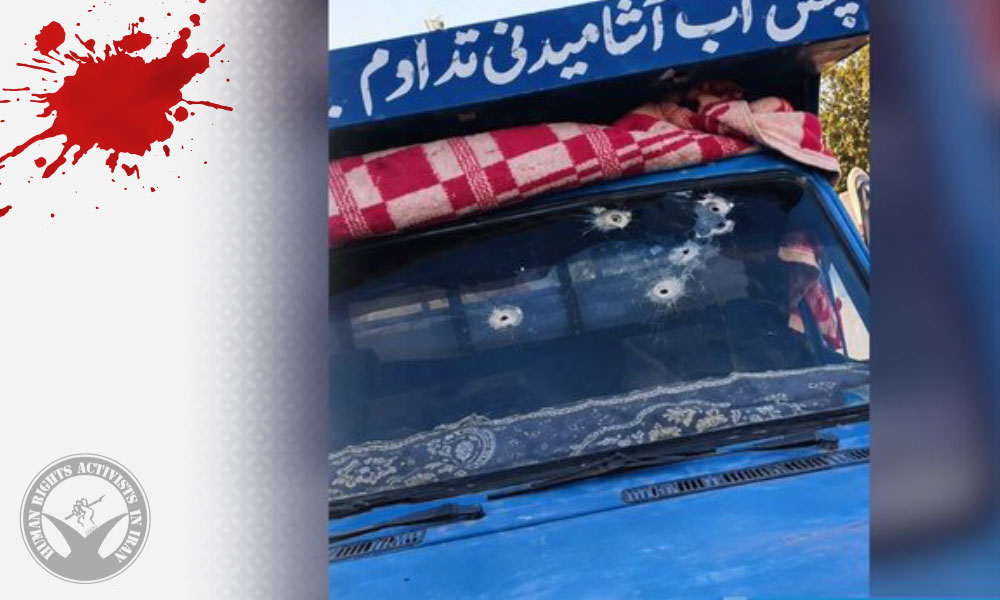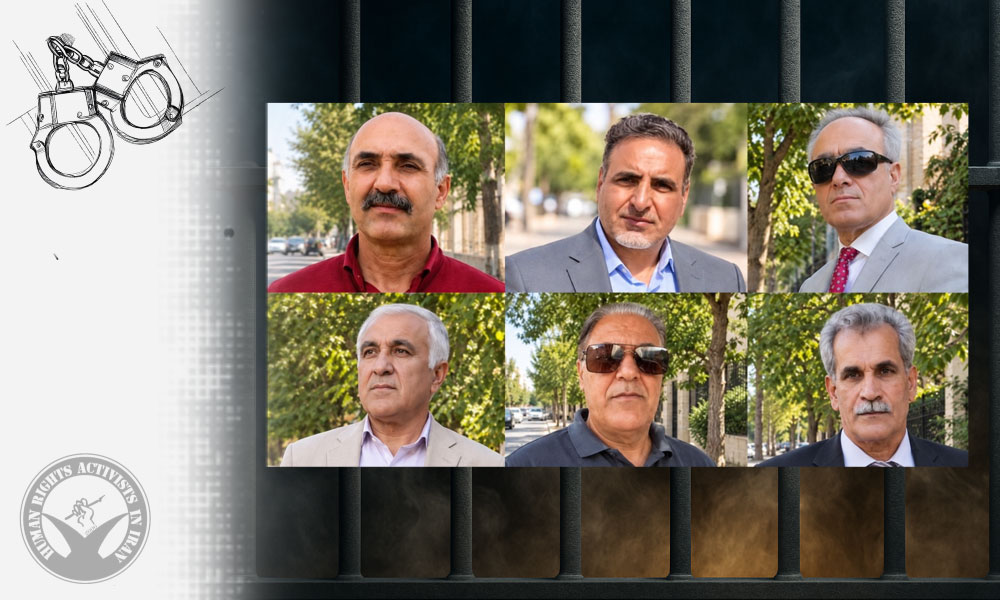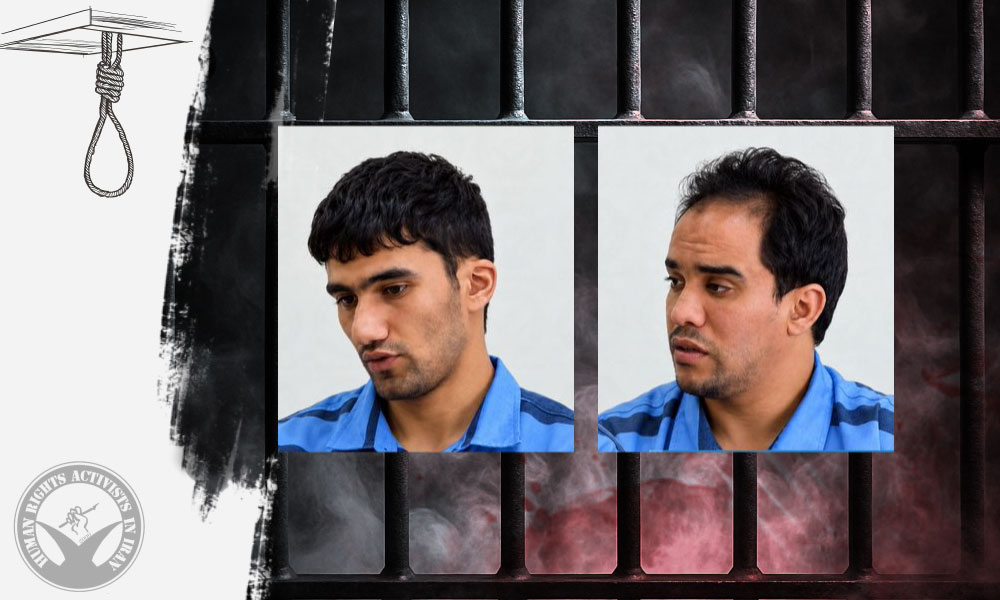
Six Citizens Arrested by Security Forces in Marivan

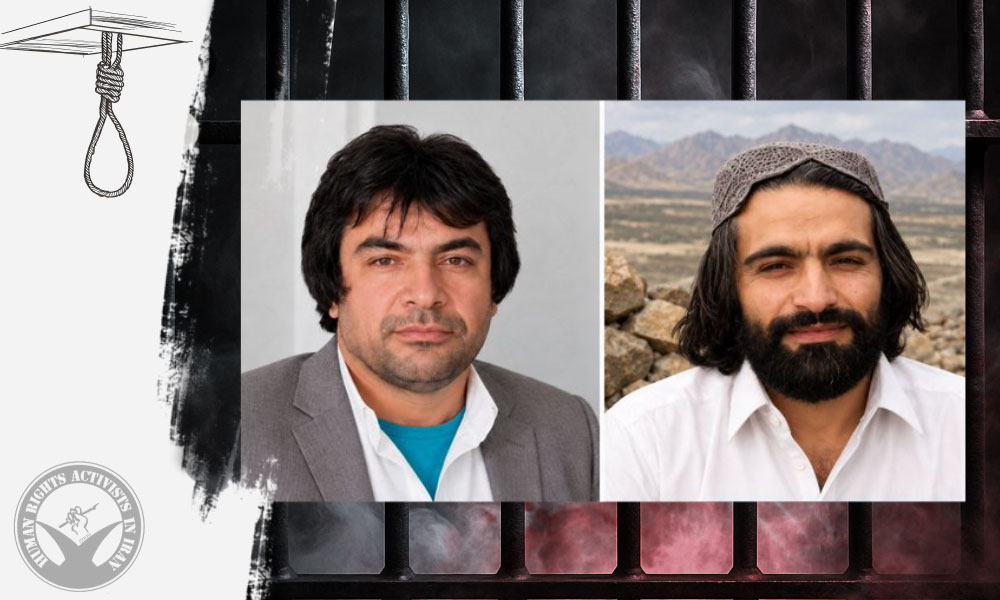
HRANA – Today, August 6, six residents of the village of Ney in Marivan County, were arrested by security forces in the village and taken to an undisclosed location.

According to HRANA, citing Kurdpa, six citizens were arrested in the village of Ney, located in Marivan County.

The identities of the detainees have been reported as Zanyar Asvar, Arya Maroufi, Pashtivan Tatar, Saman Khosravi, Havari Parvazeh, and Saro Roshani. All are residents of the village of Ney in Marivan County.

According to the report, the arrests were carried out in a coordinated operation by security forces in the village early this morning.

As of the time of publication, no information is available regarding the reasons for their arrests, their whereabouts, or the charges brought against them.

January 2026 Protests: Naeim Lashkari’s Five-Year Prison Sentence Upheld

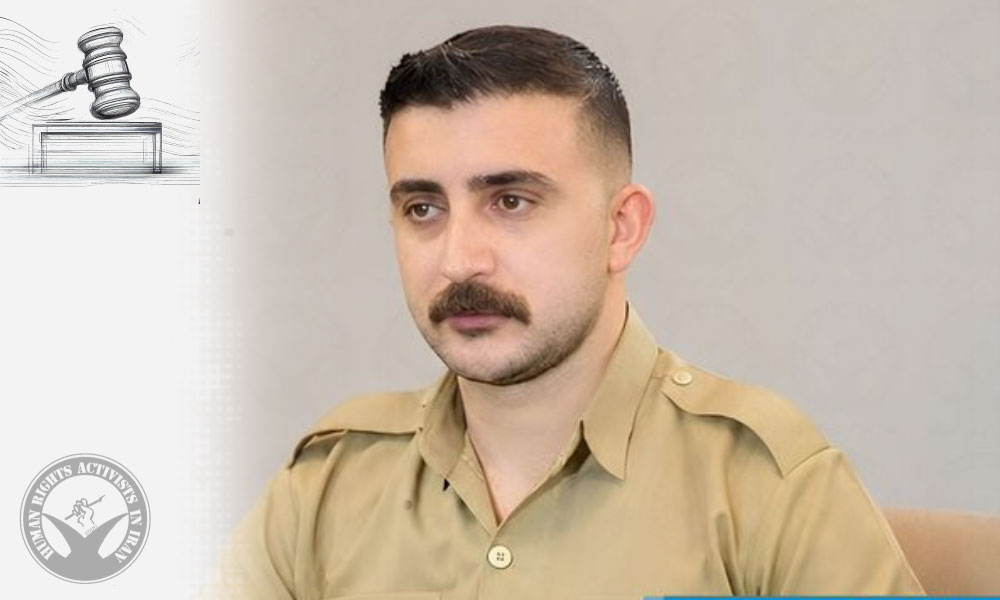
HRANA – The five-year prison sentence issued against Naeim Lashkari, who was arrested during the January 2026 protests and is currently held in Greater Tehran Prison, has become final after he accepted the verdict. Lashkari, who had previously received a five-year suspended prison sentence in 2023 in a separate case involving similar political charges, is now also subject to the enforcement of that suspended sentence following his re-arrest. As a result, he is required to serve a total of 10 years in prison.

According to HRANA, the five-year prison sentence issued against Naeim Lashkari, one of those arrested during the January 2026 protests, has become final.

According to information received by HRANA, Mr. Lashkari was previously sentenced by Branch 29 of the Tehran Revolutionary Court to five years in prison on the charge of “assembly and collusion to commit crimes against national security.” After the verdict was issued, he waived his right to appeal in exchange for a reduction in sentence, making the conviction final.

A source familiar with the case confirmed to HRANA that Mr. Lashkari had previously been arrested in 2023 on similar political charges and received a five-year suspended prison sentence. Following his re-arrest, that suspended sentence has now been activated.

Accordingly, with the new five-year prison sentence and the enforcement of the previous suspended sentence, Mr. Lashkari is now required to serve a total of 10 years in prison.

Naeim Lashkari, a 25-year-old native of Bijar, was arrested by security forces in Tehran on January 3, 2026, during the nationwide protests. He has remained in Greater Tehran Prison ever since.

Twenty-Six Individuals Arrested by Security Forces

HRANA – Iran’s Ministry of Intelligence has announced the arrest of 21 individuals in Kerman Province on charges of collaborating with Israel’s intelligence service. The ministry also reported that five other citizens were arrested in connection with the January 2026 protests and referred to the judicial authorities.

According to HRANA, citing Fars News Agency, at least 26 individuals have been arrested by security agents.

The Ministry of Intelligence stated that 21 individuals were identified and arrested during operations carried out by the ministry in Kerman Province.

According to the ministry’s claims, the detainees had collected information concerning sensitive and classified military and air defense facilities and transmitted it to Israel’s intelligence service.

The identities of those arrested, as well as the exact time and location of their arrests and their current legal status, have not been disclosed.

The Ministry of Intelligence also announced the arrest of five citizens in connection with the January 2026 protests, claiming that four firearms were seized from them. According to the ministry, the individuals were referred to the judicial authorities following their arrests.

The report does not provide further details regarding the identities of the detainees or where they are being held. No information is available concerning the status of their cases, their access to legal counsel, or the judicial proceedings against them.

While efforts to counter espionage are not, in themselves, considered human rights violations, such allegations are frequently met with skepticism given the Iranian government’s record of using espionage-related accusations as a tool to target political opponents, particularly when details of the allegations and the judicial process remain undisclosed.

Baha’i Citizen Sentenced to More Than 16 Years in Prison

HRANA – Moein Mohammadi-Dehaj, a Baha’i resident of Yazd, has been sentenced by Branch 1 of the Yazd Revolutionary Court to 16 years, 7 months and 18 days of discretionary imprisonment, 10 years of deprivation of social rights, and permanent dismissal from government and public service.

According to HRANA, Moein Mohammadi-Dehaj, a Baha’i citizen, has been sentenced to imprisonment and additional punishments.

According to a ruling issued by Branch 1 of the Yazd Revolutionary Court and formally communicated to Mr. Mohammadi-Dehaj, he was sentenced to a total of 16 years, 7 months and 18 days in prison. In addition, as supplementary punishments, he was sentenced to 10 years of deprivation of social rights and permanent dismissal from government and public service. Under Article 134 of the Islamic Penal Code, which governs the aggregation of sentences, only the harshest sentence, 12 years, 6 months and 1 day of imprisonment, will be enforceable.

According to the details of the verdict, Mr. Mohammadi-Dehaj received:

• Seven months and 16 days of discretionary imprisonment on the charge of “propaganda against the regime,” pursuant to Article 500 of the Islamic Penal Code;

• Three years, 6 months and 1 day of discretionary imprisonment, along with 10 years of deprivation of social rights, on the charge of “deviant propaganda contrary to the sacred law of Islam through the promotion of the Baha’i faith,” pursuant to Article 500 bis of the Islamic Penal Code;

• Twelve years, 6 months and 1 day of discretionary imprisonment and permanent dismissal from government and public service on the charge of “media and propaganda activities against national security,” pursuant to Article 4 of the Law on Intensifying the Punishment for Espionage and Collaboration with Israel and Hostile States Against National Security and Interests.

According to information received by HRANA, the convictions related to the charges of “propaganda against the regime” and “deviant propaganda contrary to the sacred law of Islam” may be appealed within 20 days of notification. The conviction for “media and propaganda activities against national security” may be challenged through an appeal before the Supreme Court within 10 days.

Mr. Mohammadi-Dehaj was arrested by security forces at his home in Yazd on January 5, 2026, during which several personal belongings belonging to him and his family were confiscated. He was subsequently released from prison on March 17, 2026, after posting bail of 50 billion rials (five billion tomans).

Moein Mohammadi-Dehaj is a 39-year-old Baha’i resident of Yazd who has previously faced arrest and conviction.

Over the past decade, Iran’s Baha’i community has been subjected to more security and judicial repression than any other religious minority in the country. According to HRA annual reports, an average of 62.41% of all reported violations of the rights of religious minorities during the past year involved members of the Baha’i community.

Six Citizens Arrested in Behshahr County Over Social Media Activity

HRANA – The commander of the Behshahr Police Force announced the arrest of six citizens for publishing content on social media. They have been charged with, among other offenses, “disturbing public opinion” and “propaganda against the regime,” and were referred to the judicial authorities after criminal cases were opened against them.

According to a report by HRANA, citing Mehr News Agency, six citizens were arrested in Behshahr County, Mazandaran province, due to their activities on social media.

The commander of the Behshahr Police Force stated that the individuals were identified and arrested following the monitoring of online activity by officers of the Public Security Police.

Hassan Ghanbari said that the charges brought against these citizens include “disturbing public opinion” and “propaganda against the regime.”

According to the report, after preliminary investigations and the opening of criminal cases, the individuals were transferred to the judicial authorities for further legal proceedings.

The report does not provide any information regarding the identities of the arrested individuals or where they are being held.

Subscribe to Our Newsletter

Now is definitely not the time to stop reading!

Moloud Afand Remains in Legal Limbo at Urmia Prison

HRANA – Moloud Afand (Armandpour), a journalist and translator, has remained in legal limbo for nearly eight months since his arrest and continues to be held in Urmia Prison. His case, in which he is accused of “espionage for a hostile state,” has been referred to Branch 1 of the Urmia Revolutionary Court.

According to HRANA, Moloud Afand (Armandpour), a journalist and translator, remains detained without a final judicial decision in Urmia Prison.

Based on information received by HRANA, Moloud Armandpour has been detained for more than 220 days and is currently being held in Urmia Prison. He was previously formally charged in Branch 6 of the Investigative Prosecutor’s Office of the Urmia Public and Revolutionary Prosecutor’s Office with “espionage for a hostile state.” About a week ago, following the issuance of an indictment, his case was referred to Branch 1 of the Urmia Revolutionary Court, presided over by Judge Doosti.

Moloud Afand (Armandpour) was arrested in November-December 2025 and transferred to the IRGC Intelligence detention facility in Urmia. After a period of interrogation, he was transferred to Tehran in February 2026. On March 3, 2026, he was transferred from The Ministry of Intelligence’s detention facility to Greater Tehran Penitentiary.

The political defendant remained in Greater Tehran Penitentiary until June 2026, after which he was transferred to Urmia Prison, where he has remained ever since.

A source familiar with the family’s situation confirmed the information to HRANA, stating: “Mr. Armandpour had also disappeared in the Kurdistan Region of Iraq in 2012. After being transferred to Iran, he was held in Evin Prison until the autumn of 2015 without being brought to trial or receiving a sentence. He spent approximately one year and six months of that time in solitary confinement. During the prolonged period without any information about his whereabouts, his family believed he had lost his life. Ultimately, he was released from prison in the autumn of 2015 without any sentence being issued.”

Before his latest arrest, Moloud Armandpour worked as a journalist and editor-in-chief of a publication in the Kurdistan Region of Iraq. “Afand” was his former surname, which he officially changed to “Armandpour” several years ago.

January 2026 Protests: Five-Year Prison Sentence of Amir-Mohammad Ahmadi Upheld

HRANA – The conviction of Amir-Mohammad Ahmadi, a 19-year-old political prisoner and one of those arrested during the nationwide protests of January 2026, who is currently imprisoned in Greater Tehran Penitentiary, has been upheld by the Tehran Province Court of Appeals. He had previously been sentenced by Judge Iman Afshari to five years in prison, along with supplementary punishments.

According to HRANA, Amir-Mohammad Ahmadi, who was arrested during the nationwide protests of January 2026, has been sentenced to imprisonment and supplementary punishments.

Based on information received by HRANA, the Tehran Province Court of Appeals has upheld Amir-Mohammad Ahmadi’s conviction in its entirety. The 19-year-old had previously been sentenced by Branch 26 of the Tehran Revolutionary Court, presided over by Judge Iman Afshari, to five years in prison. In addition, he was sentenced to two years of travel ban and two years of deprivation of social services as supplementary punishments.

Amir-Mohammad Ahmadi, 19, was arrested by security forces on January 2, 2026, during the nationwide protests. He is currently being held in Greater Tehran Penitentiary.

HRANA’s investigation into the details of the current case, including the charges brought against this prisoner, is ongoing.

Background on the January 2026 Protests

It should be noted that protests and strikes by shopkeepers and bazaar merchants began in Tehran on Sunday, December 28, 2025, and within two days spread beyond markets and commercial centers. With the participation of students, citizens, and various social groups, these protests became one of the largest protest movements of recent years. Following the crackdown by security and law enforcement forces, thousands were killed or injured, and tens of thousands were arrested or summoned by security agencies. For more information, readers may refer to HRANA’s comprehensive report titled “Crimson Winter,” documenting the first fifty days following the outbreak of Iran’s nationwide protests.

January 2026 Protests: Mehdi Roshani Sentenced to Death in Ilam

HRANA – Mehdi (Sikan) Roshani, a resident of Malekshahi and one of those arrested during the January 2026 protests, has been sentenced to death by the Ilam Revolutionary Court on the charge of “enmity against God” (moharebeh). In this case, he is accused of killing a law enforcement officer.

According to HRANA, Mehdi (Sikan) Roshani has been sentenced to death.

Based on information received by HRANA, Mr. Roshani, who was arrested during the January protests, was sentenced to death by a branch of the Ilam Revolutionary Court, presided over by Judge Feyzi, on the charge of “enmity against God” (moharebeh). Accused of killing a member of the Law Enforcement Command, he was transferred to Tehran for a period of interrogation before ultimately being returned to Ilam, where he is currently being held in the city’s prison.

An informed source told HRANA: “After his arrest, Sikan was transferred to Tehran and was subjected to severe beatings throughout his detention, during his transfer, and while under interrogation.”

The death sentence was formally communicated to Mr. Roshani approximately one month ago. Through his lawyer, his family has appealed the ruling.

Mr. Roshani, also known as Sikan Roshani, is a resident of Malekshahi County in Ilam Province.

Background on the January 2026 Protests

It should be noted that protests and strikes by shopkeepers and bazaar merchants began in Tehran on Sunday, December 28, 2025, and within two days spread beyond markets and commercial centers. With the participation of students, citizens, and various social groups, these protests became one of the largest protest movements of recent years. Following the crackdown by security and law enforcement forces, thousands were killed or injured, and tens of thousands were arrested or summoned by security agencies. For more information, readers may refer to HRANA’s comprehensive report titled “Crimson Winter,” documenting the first fifty days following the outbreak of Iran’s nationwide protests.

January 2026 Protests: Abolfazl and Saman Eskandarian Sentenced to Prison, Flogging, and Fine

HRANA – Abolfazl Eskandarian and Saman Eskandarian, who were arrested during the January 2026 protests, have each been sentenced by the Revolutionary and Criminal Courts of Bojnurd to two years and one day of imprisonment, 74 lashes, and a fine of 22 million tomans.

According to HRANA, citing Kurdpa, Abolfazl Eskandarian and Saman Eskandarian have been sentenced to imprisonment, flogging, and a monetary fine.

According to the report, in a joint case before the Bojnurd Revolutionary Court, presided over by Judge Izanlou, Abolfazl and Saman Eskandarian were each sentenced to two years and one day of imprisonment on charges of “propaganda against the regime” and “assembly and collusion against national security.” In a separate part of their case, the Bojnurd Criminal Court sentenced the two cousins to 74 lashes and a fine of 22 million tomans each on charges of “disrupting public order and peace” and “disobeying law enforcement officers while they were carrying out their duties.”

The rulings issued by the two courts were communicated to them verbally in late-July 2026.

Abolfazl Eskandarian, 23, and Saman Eskandarian, 19, both residents of Bojnurd, were arrested at their homes by security forces on January 4, 2026, during the nationwide protests, without the presentation of a judicial warrant.

The two were later transferred to Bojnurd Prison and, after approximately one month in detention, were released on bail on February 3, 2026. During their detention, they were denied access to legal counsel and family visits.

Karim Jalilzadeh Sentenced to Three Years in Prison on Appeal

HRANA – The three-year prison sentence issued against Karim Jalilzadeh, a Tehran resident and one of those arrested during the January 2026 protests, has been upheld in full by Branch 36 of the Tehran Province Court of Appeals. He had previously been sentenced to three years of discretionary imprisonment by the Tehran Revolutionary Court.

According to HRANA, Karim Jalilzadeh has been sentenced to imprisonment.

Based on information received by HRANA, Branch 36 of the Tehran Province Court of Appeals sentenced Mr. Jalilzadeh to three years of discretionary imprisonment on the charge of “assembly and collusion to act against national security.”

The ruling was formally communicated to him on June 15, 2026. His initial trial was held in March 2026 before Branch 29 of the Tehran Revolutionary Court.

Karim Jalilzadeh was arrested on January 12, 2026, in connection with the January 2026 protests. Security forces violently arrested him at his home in Tehran. He was ultimately released from Greater Tehran Penitentiary in March 2026 after posting bail of 6 billion tomans. Following his arrest, he was transferred to a hospital in Tehran for several hours due to injuries he sustained during the arrest.

Karim Jalilzadeh, a 44-year-old resident of Tehran, is married and the father of two daughters, aged 10 and 12.