January Protests: Samira Rezvanifar Remains Detained in Vakilabad Prison, Mashhad

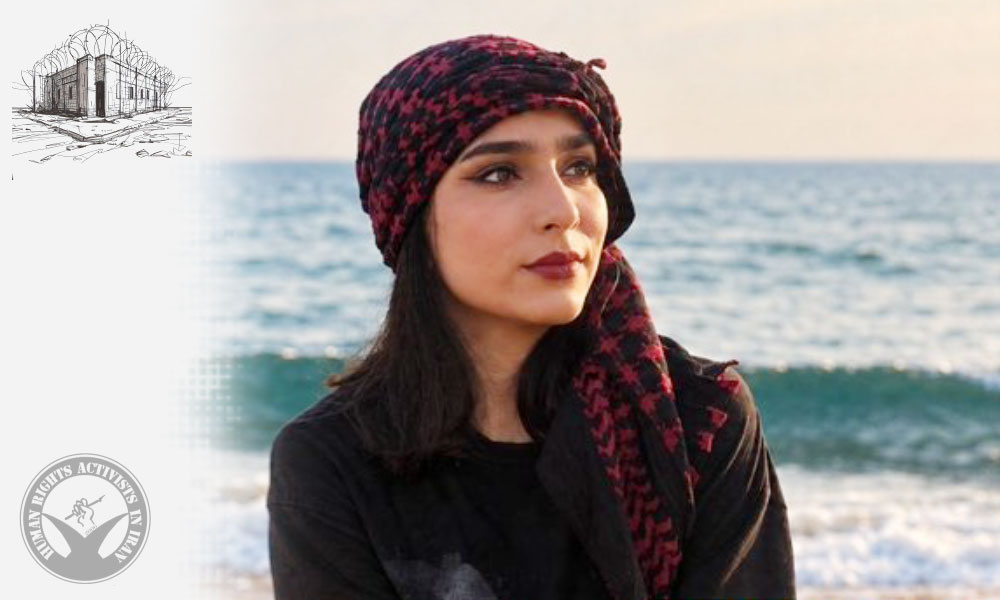
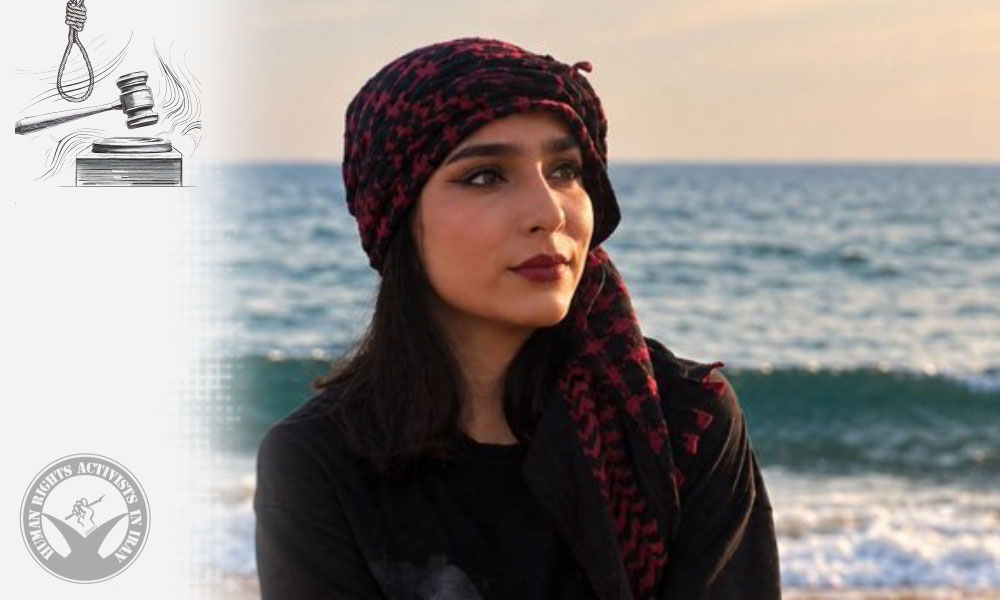
HRANA – Samira (Fatemeh) Rezvanifar, one of those arrested during the 2026 nationwide protests in Mashhad, has been held in legal limbo in Vakilabad Prison for nearly four months.

Based on information received by HRANA, Ms. Rezvanifar was arrested by security forces on January 17, 2026, during the nationwide protests in Mashhad. Following her arrest, she was transferred to the quarantine ward of Vakilabad Prison in Mashhad and, after 111 days, remains in judicial limbo.

A source close to her family told HRANA’s journalist that no court hearing has yet been held to address her case, and no information has been obtained regarding the charges against Samira. According to the source, her family’s efforts to secure her temporary release have so far been unsuccessful.

According to reports received by HRANA, detained and imprisoned women held in the quarantine section of Vakilabad Prison in Mashhad are facing harsh conditions. These prisoners are deprived of basic facilities, including proper ventilation, standard sanitary services and showers, beds, and adequate access to medical care.

It should be noted that protests and strikes by shopkeepers and bazaar merchants began in Tehran on Sunday, December 28, 2025, and within two days spread beyond markets and commercial centers. With the participation of students, citizens, and various social groups, these protests became one of the largest protest movements of recent years. Following the crackdown by security and law enforcement forces, thousands were killed or injured, and tens of thousands were arrested or summoned by security agencies. For more information, readers may refer to HRANA’s comprehensive report titled “Crimson Winter,” documenting the first fifty days following the outbreak of Iran’s nationwide protests.


January Protests: Iman Sadeghi’s Legal Limbo Extends Beyond Three Months

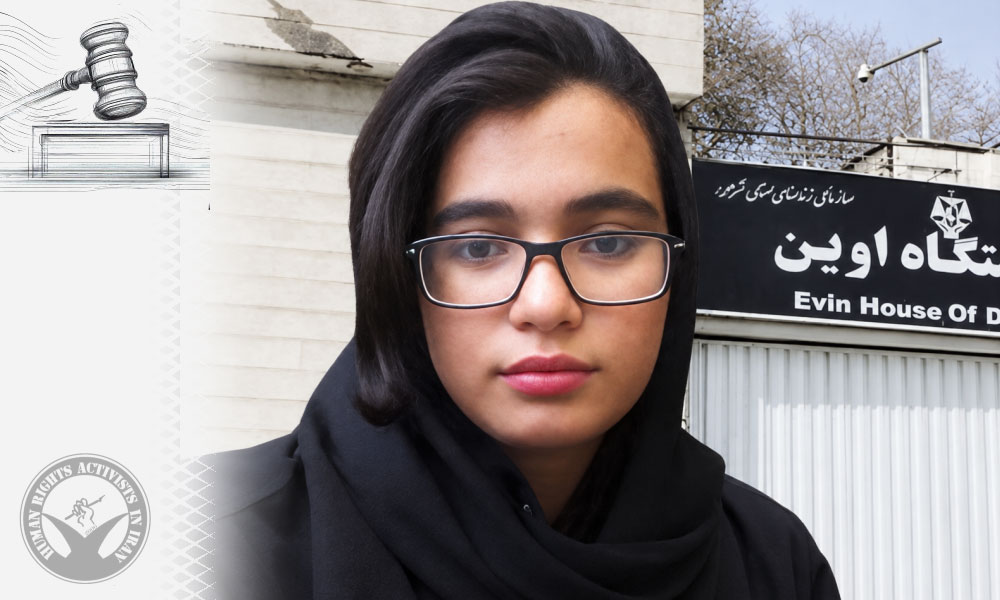
HRANA – Iman Sadeghi, one of those arrested during the 2026 nationwide protests in Kashan, has been held in legal limbo in the city’s prison for more than three months.

Based on information received by HRANA, Iman Sadeghi was arrested on January 31, 2026, during the nationwide protests of January 2026 at his family home in Kashan. Following his arrest, he was transferred to Kashan Prison and, despite more than three months having passed since his detention, he continues to be held there without legal clarification of his status.

An informed source told HRANA: “So far, no court session has been held to address his case, and no information has been obtained regarding the charges against Iman.”

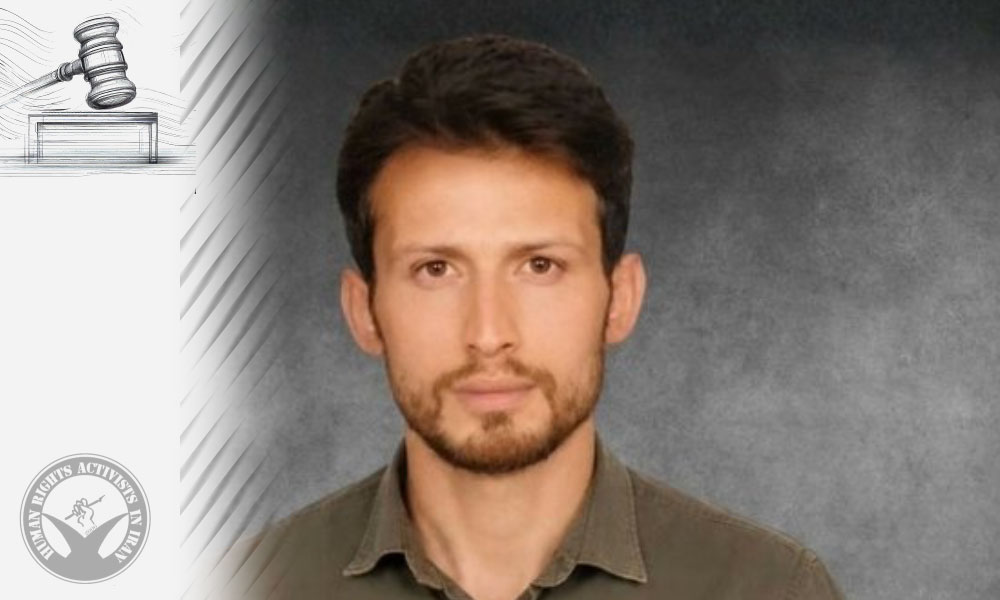
Iman Sadeghi, 20 years old, is a blogger and resident of Kashan.

It should be noted that protests and strikes by shopkeepers and bazaar merchants began in Tehran on Sunday, December 28, 2025, and within two days spread beyond markets and commercial centers. With the participation of students, citizens, and various social groups, these protests became one of the largest protest movements of recent years. Following the crackdown by security and law enforcement forces, thousands were killed or injured, and tens of thousands were arrested or summoned by security agencies. For more information, readers may refer to HRANA’s comprehensive report titled “Crimson Winter,” documenting the first fifty days following the outbreak of Iran’s nationwide protests.

Azadeh Yaghoubi Remains in Limbo at Vakilabad Prison in Mashhad

HRANA – Azadeh (Masoumeh) Yaghoubi, a resident of Mashhad, has been detained for more than three months following her arrest by security forces during the nationwide protests and remains held without clarification of her legal status in Vakilabad Prison in Mashhad.

Based on information received by HRANA, Ms. Yaghoubi was arrested by security forces in Mashhad on February 3, 2026. She is currently being held in the quarantine ward of Vakilabad Prison in Mashhad.

A source familiar with her situation confirmed the news and told HRANA: “It has been 93 days since Azadeh’s arrest, and we still have no information regarding the charges brought against her. Additionally, her temporary release has not been possible so far.”

According to reports received by HRANA, detained and imprisoned women held in the quarantine section of Vakilabad Prison in Mashhad are facing harsh conditions. These prisoners are deprived of basic facilities, including proper ventilation, standard sanitary services and showers, beds, and adequate access to medical care.

It should be noted that protests and strikes by shopkeepers and bazaar merchants began in Tehran on Sunday, December 28, 2025, and within two days spread beyond markets and commercial centers. With the participation of students, citizens, and various social groups, these protests became one of the largest protest movements of recent years. Following the crackdown by security and law enforcement forces, thousands were killed or injured, and tens of thousands were arrested or summoned by security agencies. For more information, readers may refer to HRANA’s comprehensive report titled “Crimson Winter,” documenting the first fifty days following the outbreak of Iran’s nationwide protests.

No Information on the Fate of Payam Afkhami After More Than 50 Days in Detention

HRANA – More than 50 days after his arrest, Payam Afkhami, a Tehran resident, remains in a state of uncertainty. The continued lack of information regarding Mr. Afkhami’s fate has intensified concerns among his family members.

According to HRANA, the uncertain status of detained Tehran resident Payam Afkhami has now entered its 52nd day. A source close to Mr. Afkhami’s family confirmed the matter to HRANA, stating: “Since his arrest, Payam has only had one brief phone call with his family, during which he was unable to provide any explanation regarding his condition or place of detention. The lack of information about his situation continues while he had been the caretaker of his ill mother, and his absence has caused growing concern and additional pressure on his family.”

Payam Afkhami was arrested on March 16, 2026, by agents of the Ministry of Intelligence at his home. The arrest was carried out under an order issued by Investigator Mehrdadi from Branch 2 of the District 33 Prosecutor’s Office in Tehran.

As of the time of this report, judicial and security authorities have not provided any explanation regarding the reasons for his arrest, the charges against him, the status of his case, or his place of detention.

Report on the Latest Status of Majid Jamshidzadeh in Evin Prison

HRANA – Majid Jamshidzadeh, a student at Iran University of Science and Technology and one of those arrested during the January 2026 protests, is currently serving his prison sentence in Evin Prison. He had previously been sentenced to five years in prison by Branch 15 of the Tehran Revolutionary Court.

According to HRANA News Agency, quoting Amir Kabir Newsletter, Majid Jamshidzadeh is serving his sentence in Evin Prison. He was previously sentenced by Branch 15 of the Tehran Revolutionary Court, presided over by Judge Abolghasem Salavati, to five years in prison on charges of “assembly and collusion with the intent to disrupt national security” and “disrupting public order.”

The report states that the verdict was verbally communicated to Mr. Jamshidzadeh in Evin Prison. However, because the ruling has not been officially registered in the judicial notification system, he has so far been unable to file an appeal request.

Majid Jamshidzadeh, an undergraduate industrial design student at Iran University of Science and Technology, was arrested on January 2, 2026, during public protests in Tehran and was subsequently transferred to Evin Prison.

It should be noted that protests and strikes by shopkeepers and bazaar merchants began in Tehran on Sunday, December 28, 2025, and within two days spread beyond markets and commercial centers. With the participation of students, citizens, and various social groups, these protests became one of the largest protest movements of recent years. Following the crackdown by security and law enforcement forces, thousands were killed or injured, and tens of thousands were arrested or summoned by security agencies. For more information, readers may refer to HRANA’s comprehensive report titled “Crimson Winter,” documenting the first fifty days following the outbreak of Iran’s nationwide protests.

Subscribe to Our Newsletter

Now is definitely not the time to stop reading!

Two Sisters of Executed Political Prisoner Arrested After Seeking Brother’s Body

HRANA – Akram and Azam Daneshvar-Kar, sisters of Akbar Daneshvar-Kar, an executed political prisoner, have been in detention for two weeks after being arrested by security forces and transferred to Qarchak Prison in Varamin.

Based on information received by HRANA, Akram and Azam Daneshvar-Kar, sisters of Akbar Daneshvar-Kar, the executed political prisoner, were arrested on April 18, 2026, after repeatedly approaching Ghezel Hesar Prison, the forensic organization, and judicial authorities to retrieve their brother’s body. They were subsequently transferred to Qarchak Prison in Varamin.
The charges brought against Akram Daneshvar-Kar, 54, and Azam Daneshvar-Kar include “assembly and collusion against internal security” and “disrupting public order.”

Akbar Daneshvar-Kar, along with five other political prisoners, was re-sentenced to death in December 2025 by Branch 26 of the Tehran Revolutionary Court, presided over by Judge Iman Afshari. Their death sentences had previously been overturned by the Supreme Court in July 2025, and their case was referred to a parallel court branch. His execution was ultimately carried out on March 30, 2026, at Ghezel Hesar Prison.

January Protests: Death Sentence of Sasan Azadvar Junaqani Upheld by Supreme Court

HRANA – The death sentence of Sasan Azadvar Junaqani, who was arrested during the January 2026 protests and is currently being held in one of the solitary confinement cells of Dastgerd Prison in Isfahan, has been upheld by the Supreme Court.

Based on information received by HRANA, his death sentence was upheld by the Supreme Court some time ago. Additionally, yesterday his family was summoned to the prison and met with him.
A family member, in an interview with an HRANA journalist, described the meeting as a “last visit,” adding: “Given that Azadvar is being held in solitary confinement, his family is deeply concerned about his condition.”

Sasan Azadvar Junaqani was arrested on January 1, 2026, during nationwide protests in Isfahan. He was later tried in March 2026 by Branch One of the Isfahan Revolutionary Court, presided over by Seyed Mahmoud Kazemzadeh, with advisor Mohammad Vakili.

On March 17, 2026, his verdict was issued. He was sentenced to death on charges of moharebeh, including:
(a) effectively inciting military forces to desert and refuse to carry out their duties during unrest with the intent to oppose the regime and overthrow the government;
(b) destruction of public property and disruption of public order.

He was also sentenced to 15 months in prison for “propaganda against the system,” 7 years in prison for “inciting or provoking people to engage in war and killing one another with the intent to disrupt national security,” including encouraging unrest in public and online spaces, 25 months in prison for insulting the Supreme Leader.

Sasan Azadvar Junaqani, 21, is a karate athlete and a resident of Isfahan.

It should be noted that following the onset of military conflict between the United States–Israel and Iran on February 28, 2026, the issuance and implementation of death sentences against prisoners facing political and security-related charges have intensified, driven by an expedited judicial process.

It should be noted that protests and strikes by shopkeepers and bazaar merchants began in Tehran on Sunday, December 28, 2025, and within two days spread beyond markets and commercial centers. With the participation of students, citizens, and various social groups, these protests became one of the largest protest movements of recent years. Following the crackdown by security and law enforcement forces, thousands were killed or injured, and tens of thousands were arrested or summoned by security agencies. For more information, readers may refer to HRANA’s comprehensive report titled “Crimson Winter,” documenting the first fifty days following the outbreak of Iran’s nationwide protests.

January Protests: Report on the Latest Status of Ilya Ben-Rashid in Dastgerd Prison, Isfahan

HRANA – Ilya Ben-Rashid, one of those arrested during the January protests in Shahin Shahr, has been in detention for nearly 100 days and is currently being held in Dastgerd Prison in Isfahan. Recently, a court session was held to address the charges against him, including moharebeh (enmity against God), at the Isfahan Revolutionary Court.

An informed source confirmed to HRANA: “In early April, a court session reviewing Ilya’s charges was held via video conference at Branch 5 of the Isfahan Revolutionary Court. He faces charges including moharebeh through alleged involvement in the destruction of public property, assembly and collusion to commit crimes against national security, and propaganda against the regime. During the session, he defended himself against these accusations.”

The source added: “Ilya has lost both of his parents and, prior to his arrest, lived with his grandparents. Given their advanced age, pursuing his legal case has become difficult. Additionally, Ilya has been denied access to a lawyer of his choice.”

Mr. Ben-Rashid was arrested on January 22, 2026, in connection with the nationwide protests in Shahin Shahr, Isfahan. He was later formally charged on February 21, at Branch 2 of the Public and Revolutionary Prosecutor’s Office in Shahin Shahr.

Ilya Ben-Rashid is 22 years old and a resident of Shahin Shahr, Isfahan.

Political Prisoner Vahid Chavaran at Risk of Vision Loss Amid Lack of Medical Treatment in Prison

HRANA – Vahid Chavaran, a political prisoner, has been serving his sentence in exile in Zahedan Prison since May of 2025. Despite suffering from physical health issues, he has been deprived of proper medical care and family visits.

An informed source close to Chavaran’s family confirmed the situation to HRANA, stating: “Vahid is suffering from an eye condition in Zahedan Prison and, due to the lack of specialized medical care, he faces a serious risk of losing his eyesight. Doctors have emphasized the need to transfer him to a hospital for specialized treatment, but prison authorities have so far prevented this.”

According to the same source, in addition to being denied medical services, Vahid Chavaran has also been deprived of the right to family visits.

In May of last year, Vahid Chavaran was transferred from Ilam Prison to Zahedan Prison to serve his 12-year sentence in exile.

He had previously been sentenced by Branch 1 of the Ilam Revolutionary Court to 12 years of imprisonment in exile on charges including participation in moharebeh (enmity against God) through the use of a light automatic firearm, disruption of public order, and insulting the Supreme Leader.

Vahid Chavaran was arrested on June 23, 2023, while attempting to leave the country. He was later transferred to The Ministry of Intelligence’s detention facility in Ilam, and after the interrogation process, he was eventually moved to Ilam Prison.

Death Sentence of Naser Bakrzadeh Upheld by the Supreme Court

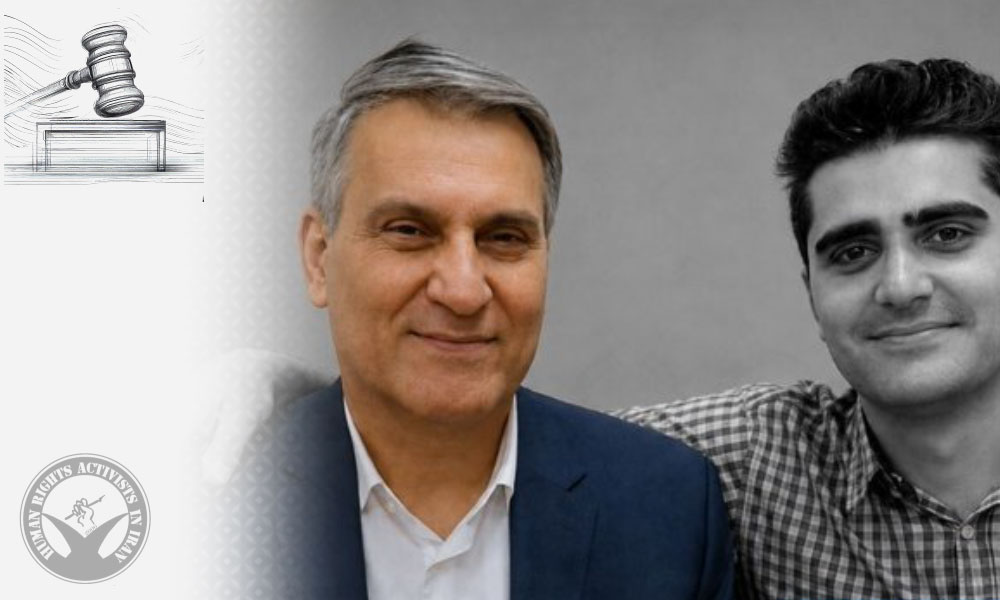
HRANA – The Supreme Court has upheld the death sentence of Naser Bakrzadeh, a political prisoner held in Urmia Prison, for the third time. He had previously been sentenced to death by the Revolutionary Court of Urmia on charges of espionage for Israel.

According to Kurdpa, following confirmation by Iran’s highest judicial authority, the ruling was officially communicated to Mr. Bakrzadeh on April 25 at the sentence enforcement office of Urmia Prison.

Naser Bakrzadeh was arrested in January 2024. He was initially held for some time in the IRGC Intelligence Detention Facility in Urmia before being transferred to Urmia Prison.

He was first sentenced to death in November 2024 by Branch 3 of the Revolutionary Court of Urmia on charges of “espionage for Israel and cooperation with the Mossad intelligence service.” This ruling was overturned by the Supreme Court in April 2025, and his case was referred to a parallel branch for reconsideration.

For the second time, he was sentenced to death in September 2025 by Branch 2 of the Revolutionary Court of Urmia on the charge of “espionage for Israel.” This sentence was also overturned by the Supreme Court in November 2025. He was again sentenced to death for the third time on February 3, 2026 by Branch 2 of the Revolutionary Court of Urmia, presided over by Judge Shahini.

According to an informed source close to his family, Naser Bakrzadeh, approximately 27 years old, was denied basic rights during his detention, including the ability to contact and meet with his family.