Baha’i Arash Nabavi Sentenced to Imprisonment and Additional Punishments

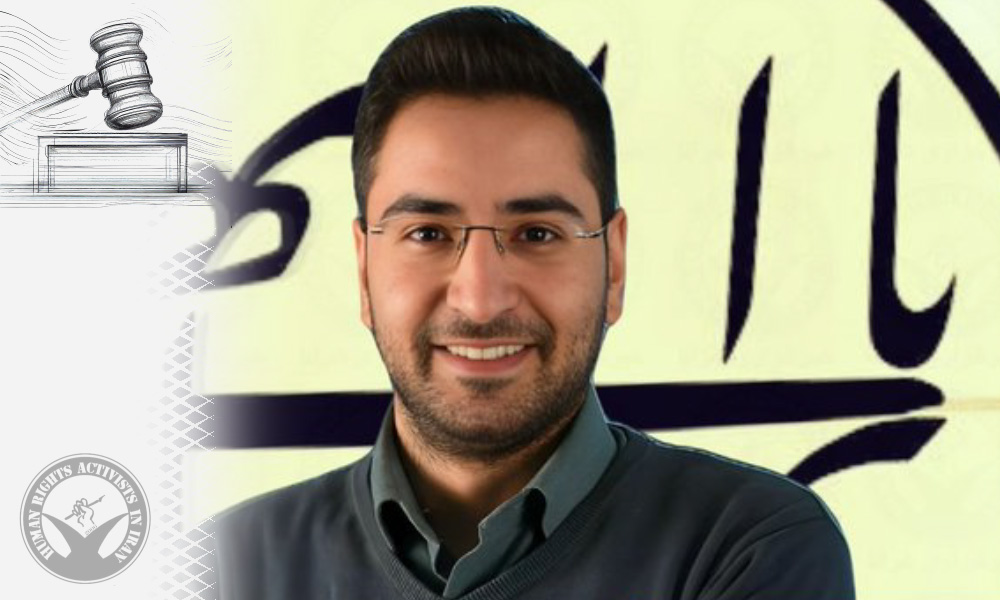
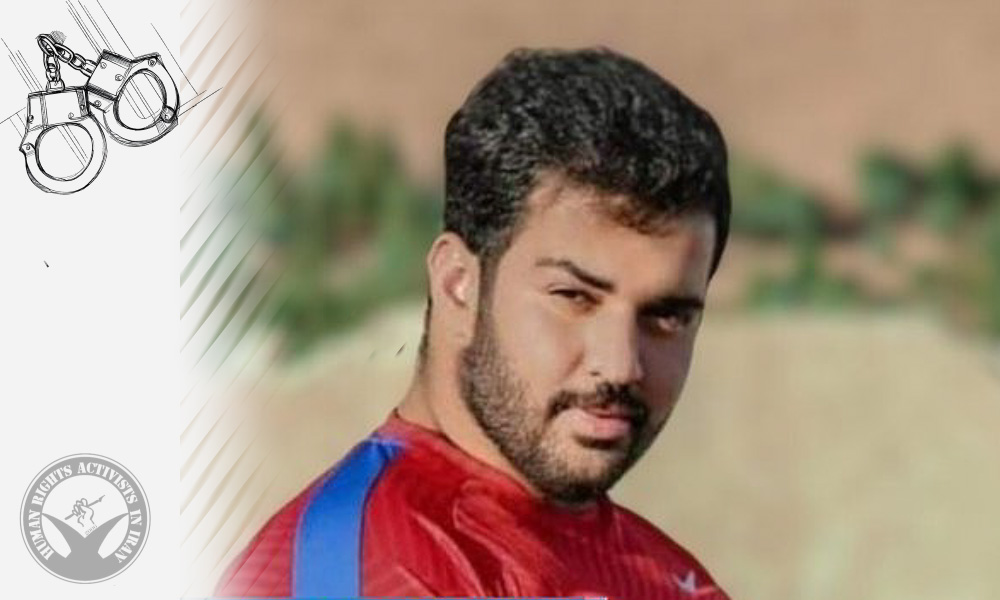
Arash Nabavi, a Baha’i citizen residing in Isfahan, has been sentenced by the Revolutionary Court of this city to ten years of imprisonment, a fine, confiscation of property, and other penalties.

Based on a verdict issued by Branch 1 of the Revolutionary Court of Isfahan, presided over by Mohammadreza Tavakoli, and communicated to Mr. Nabavi, he has been sentenced to five years of imprisonment and a fine for the charge of “membership in groups to disrupt national security.” Additionally, for the charge of “propaganda activities against Islamic law”, he has been sentenced to another five years of imprisonment. As supplementary punishment, he has also been sentenced to a two-year ban on online acitvities, prohibition from leaving the country, and confiscation of property.
Three mobile phones, three flash drives, two tablets, three SIM cards, and several books and materials related to the Baha’i Faith are among the items ordered to be confiscated in the verdict.

This Baha’i citizen was arrested on August 14, 2023, and released after two months on bail. During the arrest, the officers searched his house and seized some of Mr. Nabavi’s personal belongings.

Arash Nabavi, single and approximately thirty-eight years old, lives the “Imam Neighborhood” in Isfahan.

Baha’is are subjected to violations of their religious rights, comprising 82% of reports on infringements against religious minorities, according to HRA’s 2023 annual report.

The Baha’i faith is not recognized as a legitimate religion by Iranian authorities, leading to systematic and longstanding violations of the rights of Baha’is in the country. This includes the denial of their fundamental right to practice their religion, which constitutes a clear breach of both Article 18 of the Universal Declaration of Human Rights and Article 18 of the International Covenant on Civil and Political Rights. The United Nations covenant holds that every person has the right to freedom of religion, freedom of converting religion, as well as freedom of expression, individually or collectively; openly or secretly.

Isfahan: Sentencing of Two Bahai Citizens from Imprisonment to Confiscation of Property

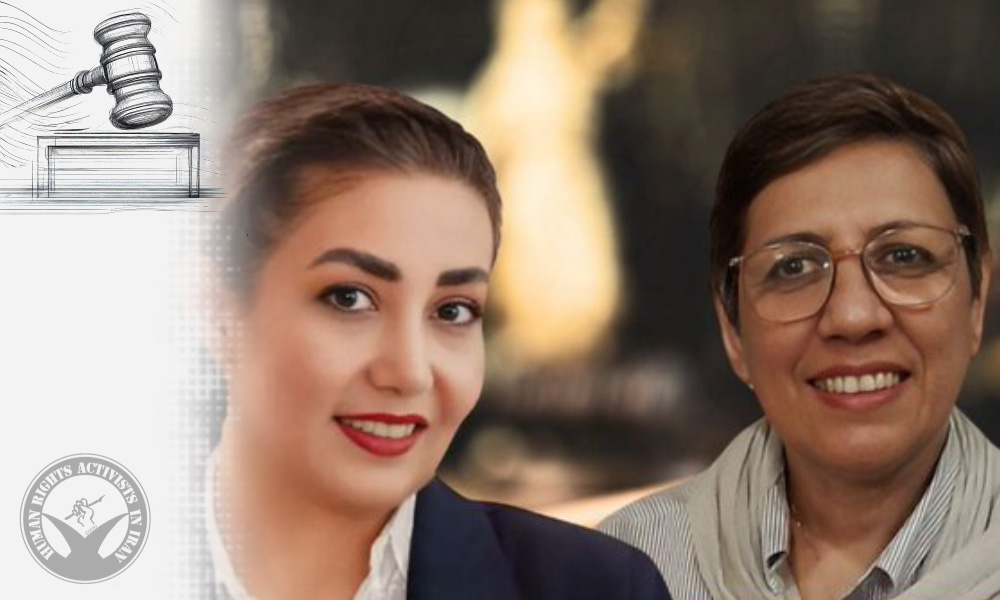
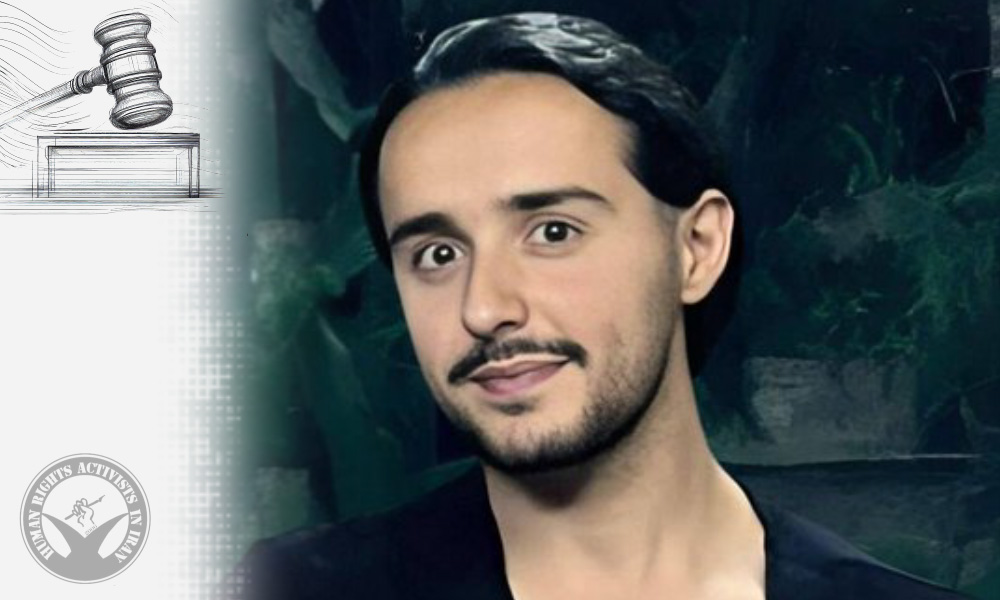
Arshia Rouhani and Hamid Monzavi Joshaghani, Bahai citizens residing in Isfahan, were sentenced by the Revolutionary Court of this city to five years in prison each, fines, confiscation of property, and additional punishments.

Based on the verdict issued by Branch 1 of the Isfahan Revolutionary Court, presided over by Mohammadreza Tavakoli, each of these Bahá’í citizens was sentenced to five years of imprisonment, a fifty million toman fine, and a two-year ban on social media activity and leaving the country. Additionally, several copy machines, laptops, mobile phones, external storage devices, and scanners previously seized from these citizens’ places of business were confiscated.

The charges against these citizens were “propaganda against the regime” and “membership in groups or associations formed within the country to undermine national security.”

In September of 2023, two business units belonging to these Bahá’í citizens in Isfahan were sealed by the Intelligence Ministry officers for one month. Simultaneously with the sealing of their business premises, several personal and work items of these citizens were seized by security forces. They were subsequently summoned and arrested on October 30, 2023, to the Isfahan Prosecutor’s Office and released after one day on a bail of three hundred million tomans (approximately 6,000 dollars).

Arshia Rouhani has previously faced judicial action due to his beliefs.

Baha’is are subjected to violations of their religious rights, comprising 82% of reports on infringements against religious minorities, according to HRA’s 2023 annual report.

The Baha’i faith is not recognized as a legitimate religion by Iranian authorities, leading to systematic and longstanding violations of the rights of Baha’is in the country. This includes the denial of their fundamental right to practice their religion, which constitutes a clear breach of both Article 18 of the Universal Declaration of Human Rights and Article 18 of the International Covenant on Civil and Political Rights. The United Nations covenant holds that every person has the right to freedom of religion, freedom of converting religion, as well as freedom of expression, individually or collectively; openly or secretly.

Seven Christian Converts Sentenced to Imprisonment

Hamid Afzali, Nasrollah Mousavi, Bijan Gholizadeh, Iman Salehi, Zohrab Shahbazi, along with two other Christian converts whose identities are unknown, were collectively sentenced to 29 years and 9 months in prison by the Ahvaz Revolutionary Court, according to Article Eighteen.

Afzali was sentenced to 10 years in prison, while Nasrollah Mousavi, Bijan Gholizadeh, and Iman Salehi each received 5 years. Zohrab Shahbazi was sentenced to 9 months. The report also states that the two other Christian converts, whose identities are unknown, were each sentenced to 2 years in prison.

The report does not mention the charges brought against these citizens.

Despite the fact that Christians are recognized as a religious minority under Islamic law, the security services pursue the issue of Muslims converting to Christianity with particular sensitivity and deal harshly with those who convert to Christianity.

The persecution of Christian converts is a blatant violation of Article 18 of the Universal Declaration of Human Rights and Article 18 of the International Covenant on Civil and Political Rights, which state that every individual has the right to freedom of religion and belief, including the freedom to express their faith openly or privately.

Christian Convert Yasin Mousavi Sentenced to 15 Years in Prison

Yasin Mousavi, a Christian convert, has been sentenced to fifteen years in prison by the Revolutionary Court of Ahvaz, as reported by Mohabat News.

Based on the verdict issued by the third branch of the Revolutionary Court of Ahvaz, presided over by Judge Fathinia, and communicated to Mr. Mousavi, he has been sentenced to fifteen years in prison on charges including “membership in groups aimed at disrupting national security” and “propaganda against the regime through promoting Zionist Christianity.”

Mousavi was previously arrested on December 24, 2023, along with several other Christian converts in the city of Izeh. After enduring twenty days of solitary confinement at the Ministry of Intelligence’s detention facility, he was transferred to Sheiban Prison in Ahvaz. Mousavi was released on bail from Sheiban Prison in Ahvaz on April 30, 2024.

Mousavi has a history of previous arrests and imprisonment in October 2017, April 2021, and November 2022.

Despite the fact that Christians are recognized as a religious minority under Islamic law, the security services pursue the issue of Muslims converting to Christianity with particular sensitivity and deal harshly with those who convert to Christianity.

The persecution of Christian converts is a blatant violation of Article 18 of the Universal Declaration of Human Rights and Article 18 of the International Covenant on Civil and Political Rights, which state that every individual has the right to freedom of religion and belief, including the freedom to express their faith openly or privately.

Appellate Court Confirms Sentences for Three Baha’i Women in Shiraz

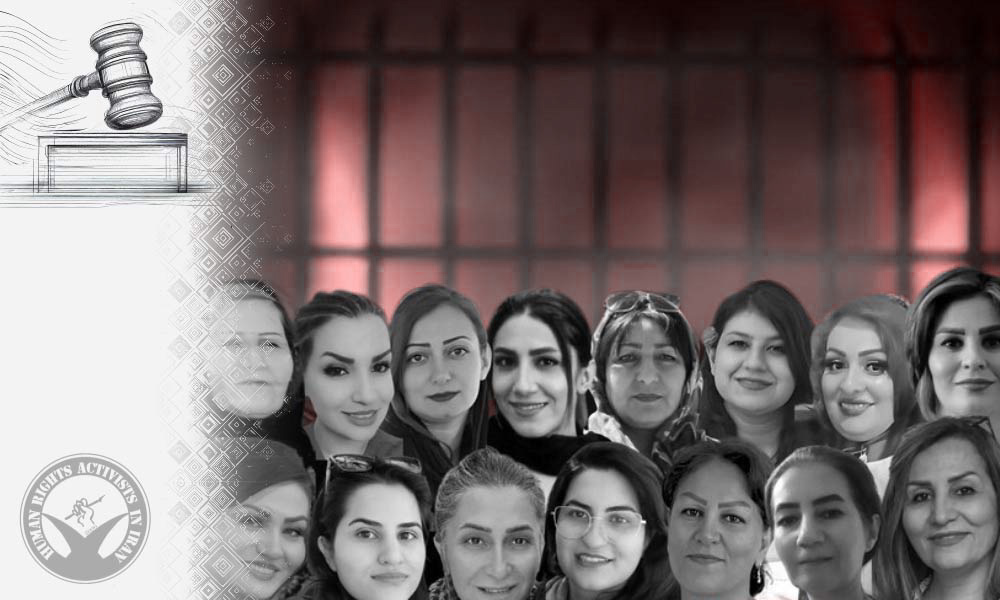
The Appellate Court of Fars Province has confirmed the five-year sentences and additional penalties for three Baha’i residents of Shiraz, Sahar Mohebpour, Roksana Vojdani, and Setareh Taami.

A source close to the families of the women informed HRANA that on June 5, Branch 37 of the Appellate Court, led by Judge Kamran Zareh, upheld the convictions. The charges include “assembly and collusion against national security” and “propaganda against the regime.” The women are sentenced to five years of house arrest, during which they must wear ankle monitors and are restricted to a 1-kilometer radius around their homes. Furthermore, they face a 15-year ban on social services, a two-year travel ban, and a two-year restriction on online activities.

In September 2023, the Ministry of Intelligence arrested these women along with another Baha’i woman, Bahraeh Ghaderi, in Shiraz. They were subsequently released on bail from Adelabad Prison, pending the outcome of their legal proceedings.

Baha’is are subjected to violations of their religious rights, comprising 82% of reports on infringements against religious minorities, according to HRA’s 2023 annual report.

The Baha’i faith is not recognized as a legitimate religion by Iranian authorities, leading to systematic and longstanding violations of the rights of Baha’is in the country. This includes the denial of their fundamental right to practice their religion, which constitutes a clear breach of both Article 18 of the Universal Declaration of Human Rights and Article 18 of the International Covenant on Civil and Political Rights. The United Nations covenant holds that every person has the right to freedom of religion, freedom of converting religion, as well as freedom of expression, individually or collectively; openly or secretly.

Subscribe to Our Newsletter

Now is definitely not the time to stop reading!

Two Yarsani Brothers Detained in Kermanshah

On June 12, 2024, Shoja and Pourya Mennati Menjegh-Tapeh, adherents of the Yarsanism faith, were arrested by security forces in Kermanshah.

According to reports from Kurdpa, they were transferred to a detention facility operated by the Ministry of Intelligence in the area. The brothers, who had been serving their sentences under house arrest, were taken into custody during their routine daily check-in at Cheshmeh-Sefid Prison.

Previously, in October-November 2022, they were arrested during the 21st annual ceremony honoring Seyed Khalil Alinejad, a revered Yarsan figure. The Kermanshah Criminal Court subsequently sentenced them to one year in prison and 74 lashes for “disturbing public order.”

Yarsanism, also known as Ahl-e Haqq, is a syncretic religion that originated in western Iran during the late 14th century under the leadership of Sultan Sahak. As a religious minority, Yarsan followers often face intimidation and persecution at the hands of the security and judicial systems of the regime.

Five Baha’i Citizens in Kerman Face Social Deprivations and Fines Following Court Ruling

The Revolutionary Court in Kerman has issued sentences involving social deprivations and fines against five Baha’i individuals: Yekta Fallah, Foad Shaker Arkani, Behnam Pour-Ahmadi, Shahram Fallah, and Paridokht Shojaei Baghini.

A source close to one of the affected families confirmed the court’s decision, stating: “Foad Shaker Arkani, Behnam Pour-Ahmadi, Shahram Fallah, and Paridokht Shojaei were cleared of charges related to ‘propaganda against the regime.’ However, they received sentences of suspended social deprivations for five years. Yekta Fallah was specifically sentenced to one year of social deprivation and fined 50 million tomans as an alternative to a prison term of two years and one month.

These individuals were initially detained in July 2023 during a raid at Shahram Fallah’s home. Security forces searched the premises and their vehicles, confiscating various personal items. The detainees were subsequently released on bail within two months.

Baha’is are subjected to violations of their religious rights, comprising 82% of reports on infringements against religious minorities, according to HRA’s 2023 annual report.

The Baha’i faith is not recognized as a legitimate religion by Iranian authorities, leading to systematic and longstanding violations of the rights of Baha’is in the country. This includes the denial of their fundamental right to practice their religion, which constitutes a clear breach of both Article 18 of the Universal Declaration of Human Rights and Article 18 of the International Covenant on Civil and Political Rights. The United Nations covenant holds that every person has the right to freedom of religion, freedom of converting religion, as well as freedom of expression, individually or collectively; openly or secretly.

Sunni Cleric Besmellah Khogiani Arrested in Zahedan

On Saturday, June 8th, Besmellah Khogiani, a Sunni cleric, was detained by security forces in Zahedan and taken to an undisclosed location.

A source close to the cleric confirmed the arrest to HRANA, stating, “This Sunni cleric was arrested at his home by the agents from the Ministry of Intelligence on Saturday, and has been taken to an unknown location.”
The reasons for his arrest, the charges, and his whereabouts are unknown at the time of this writing.

Molavi Besmellah Khogiani, who serves as the Imam of Friday prayer at Siddiqi Mosque in Karimabad, Zahedan, has previously been arrested.

Baha’i Tahereh Nowrouzi Arrested in Shiraz

On Sunday, June 9th, Tahereh Nowruzi, a Baha’i resident of Shiraz, was detained by security forces and relocated to an undisclosed location.

A source close to Nowruzi’s family confirmed the incident to HRANA, reporting: “This morning, Sunday, security agents stormed Nowruzi’s home and took her into custody. During the raid, they also conducted a search and seized several of her personal belongings, including her mobile phone, laptop, books, and photographs.”
The source further noted, “Tahereh is the mother of two young children, ages 6 and 2. With her husband residing in a different city, her arrest has severely impacted her children’s well-being.”

Currently, the reasons for Nowruzi’s arrest and details of her detention remain undisclosed.

Baha’is are subjected to violations of their religious rights, comprising 82% of reports on infringements against religious minorities, according to HRA’s 2023 annual report.

The Baha’i faith is not recognized as a legitimate religion by Iranian authorities, leading to systematic and longstanding violations of the rights of Baha’is in the country. This includes the denial of their fundamental right to practice their religion, which constitutes a clear breach of both Article 18 of the Universal Declaration of Human Rights and Article 18 of the International Covenant on Civil and Political Rights. The United Nations covenant holds that every person has the right to freedom of religion, freedom of converting religion, as well as freedom of expression, individually or collectively; openly or secretly.

Christian Convert Esmaeil Narimanpour Sentenced to Five Years in Prison

Esmaeil Narimanpour, a Christian convert, has been sentenced to five years in prison by the Revolutionary Court of Ahvaz, as reported by Mohabat News.

Narimanpour was charged with “acting against national security through association with Zionist-Christian organizations.”

Narimanpour was initially arrested by security forces in Dezful county on December 24, 2023, and subsequently released on bail from Sheiban Prison, Ahvaz, in April 2024. During his arrest, security personnel conducted an extensive search and seized several of his possessions. Furthermore, on the day of his arrest, his wife and brother were detained and interrogated for hours at the Ministry of Intelligence Office in Ahvaz, but were later released after signing a commitment letter.

Narimanpour is affiliated with the Payam Rahaee Church and has previously been arrested for his non-violent religious activities. Despite Christians being legally recognized as a religious minority in Iran, there remains persistent surveillance and interference in their religious practices by security forces, particularly targeting Christian converts.

It is crucial to emphasize that such actions stand in blatant violation of Article 18 of the Universal Declaration of Human Rights and Article 18 of the International Covenant on Civil and Political Rights. These international instruments affirm the right of everyone to freedom of religion, the freedom to change their religion or belief, and the freedom to express these beliefs individually or collectively, openly or in private.