Baha’i Resident Detained Without Legal Justification in Bukan

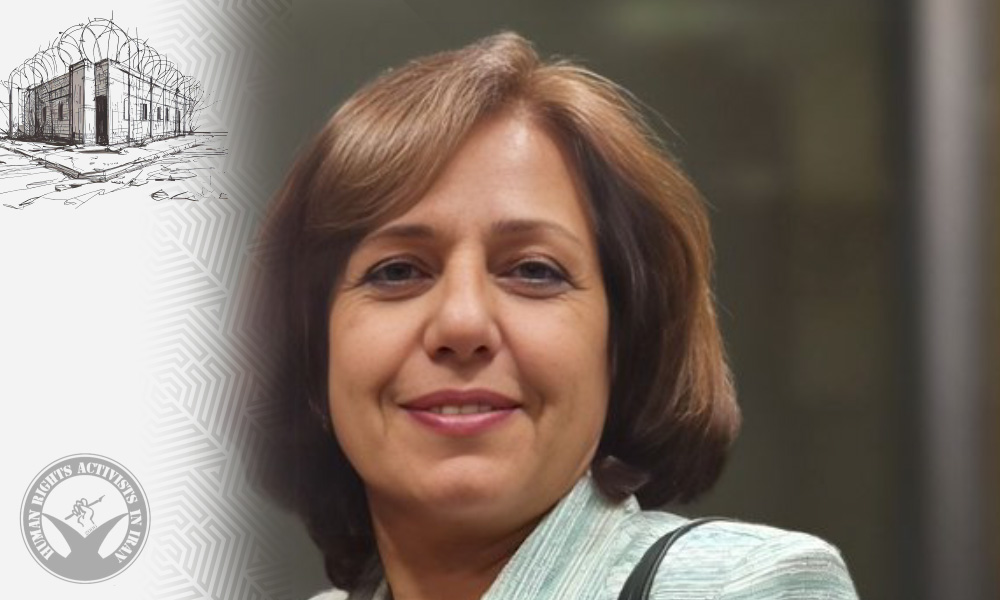
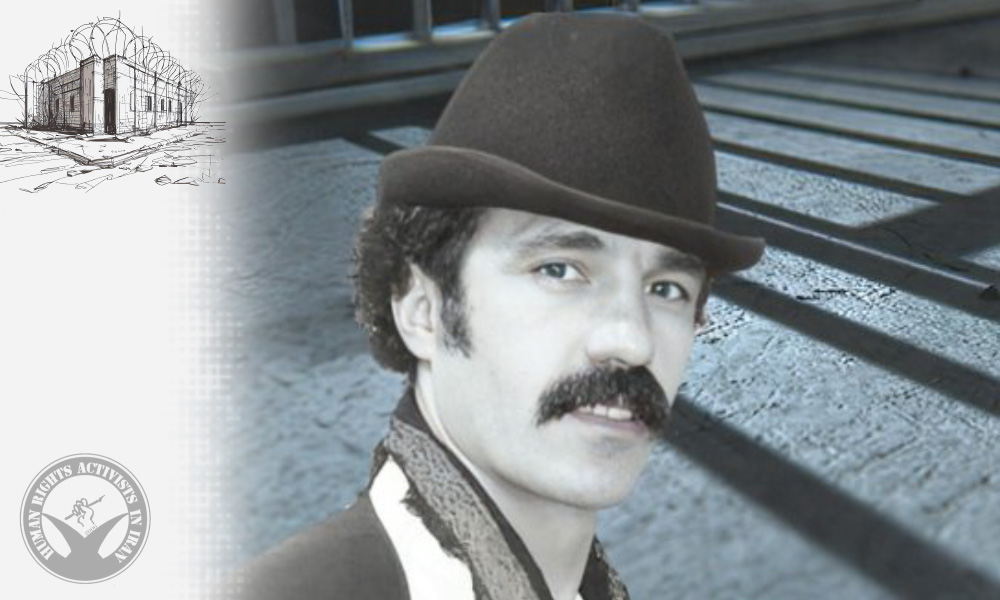
Agah Sadeghi, a Baha’i living in Bukan, West Azerbaijan province, has been detained for over three weeks amid legal uncertainty. His family remains uninformed about his condition, heightening their worries.

A source close to Sadeghi’s family confirmed to HRANA that he was arrested by security forces in Bukan three weeks ago. Despite repeated inquiries, Sadeghi’s family has received no information regarding his whereabouts or condition, intensifying their concerns. Following his arrest, security agents also raided his home, conducting a thorough search and confiscating personal items belonging to him and his family.

Baha’is are subjected to violations of their religious rights, comprising 82% of reports on infringements against religious minorities, according to HRA’s 2023 annual report.

The Baha’i faith is not recognized as a legitimate religion by Iranian authorities, leading to systematic and longstanding violations of the rights of Baha’is in the country. This includes the denial of their fundamental right to practice their religion, which constitutes a clear breach of both Article 18 of the Universal Declaration of Human Rights and Article 18 of the International Covenant on Civil and Political Rights. The United Nations covenant holds that every person has the right to freedom of religion, freedom of converting religion, as well as freedom of expression, individually or collectively; openly or secretly.
Two Baha’is Detained in Rasht

On May 28, 2024, IRGC Intelligence agents arrested Nazila Khanipour and her son Vesal Heravi, both Baha’i residents of Rasht, and took them to an undisclosed location.

A source close to the family confirmed the arrests to HRANA. The agents raided Khanipour’s home, searched the premises, confiscated personal items, and detained her without presenting an arrest warrant. Concurrently, Heravi was arrested at his workplace. He managed to make a brief phone call to his family.
Previously, Khanipour had been arrested, and Heravi was expelled from the university by order of intelligence agencies.

Baha’is are subjected to violations of their religious rights, comprising 82% of reports on infringements against religious minorities, according to HRA’s 2023 annual report.

The Baha’i faith is not recognized as a legitimate religion by Iranian authorities, leading to systematic and longstanding violations of the rights of Baha’is in the country. This includes the denial of their fundamental right to practice their religion, which constitutes a clear breach of both Article 18 of the Universal Declaration of Human Rights and Article 18 of the International Covenant on Civil and Political Rights. The United Nations covenant holds that every person has the right to freedom of religion, freedom of converting religion, as well as freedom of expression, individually or collectively; openly or secretly.
Baha’i Sepideh Rashidi Detained in Ahvaz by IRGC Intelligence

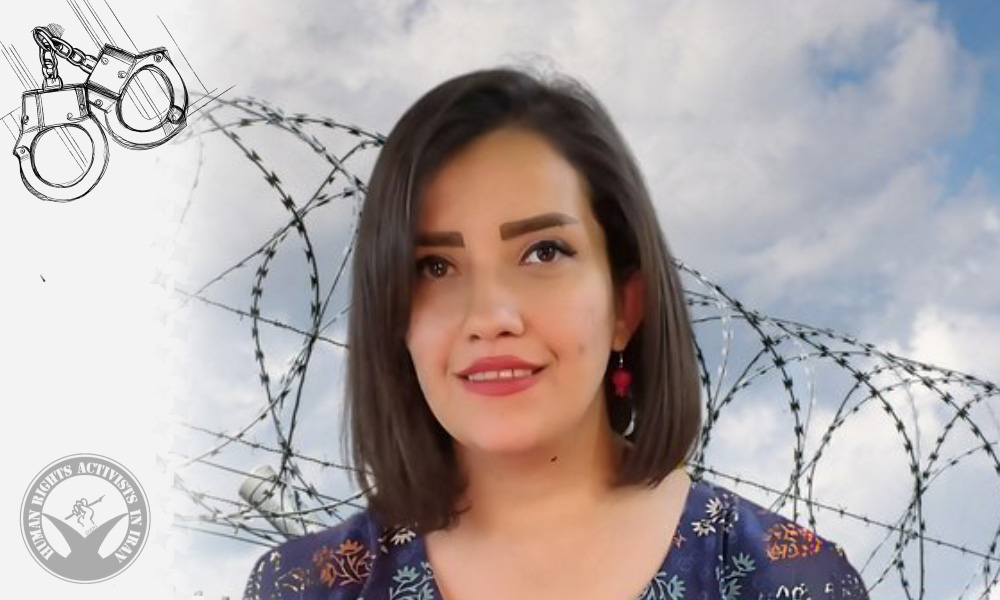
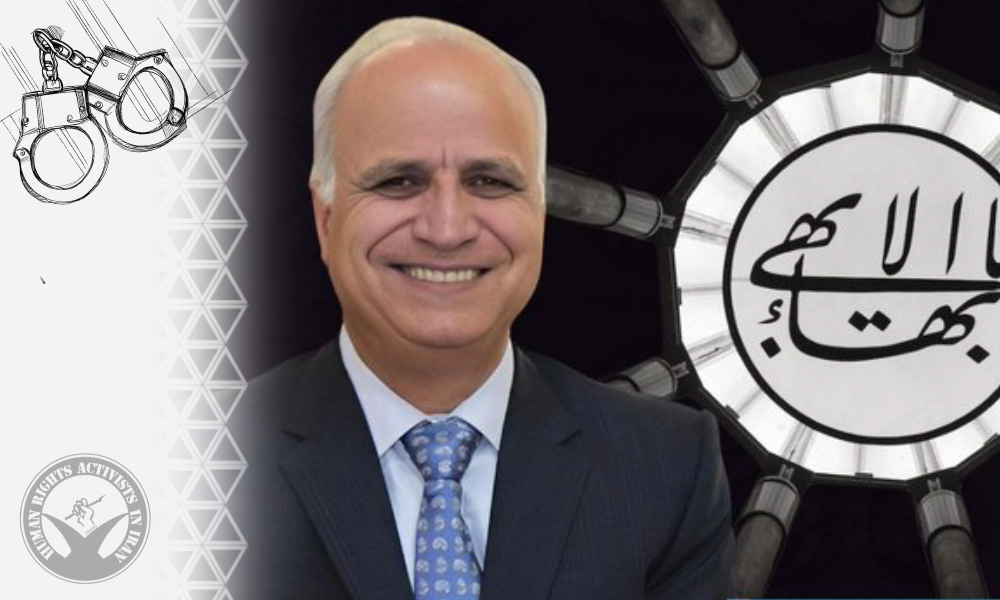
IRGC intelligence officials have detained Baha’i citizen Sepideh Rashidi (Derakhshan) in Ahvaz, subsequently transferring her to an undisclosed location. This action has significantly heightened her family’s concerns due to the absence of information about her current condition.

A source close to Rashidi’s family confirmed to HRANA that her arrest occurred on Monday, May 27, 2024. During the arrest, IRGC Intelligence agents conducted an extensive search of her family’s home and seized some of her personal belongings.

As of now, the reasons for Rashidi’s arrest, her exact whereabouts, and any formal charges remain undisclosed.

Baha’is are subjected to violations of their religious rights, comprising 82% of reports on infringements against religious minorities, according to HRA’s 2023 annual report.

The Baha’i faith is not recognized as a legitimate religion by Iranian authorities, leading to systematic and longstanding violations of the rights of Baha’is in the country. This includes the denial of their fundamental right to practice their religion, which constitutes a clear breach of both Article 18 of the Universal Declaration of Human Rights and Article 18 of the International Covenant on Civil and Political Rights. The United Nations covenant holds that every person has the right to freedom of religion, freedom of converting religion, as well as freedom of expression, individually or collectively; openly or secretly.

Fifteen Baha’i Women Receive Total of 75 Years in Prison

The Isfahan Revolutionary Court has sentenced 15 Baha’i women from Baharestan, Isfahan County, to a total of 75 years in prison along with other penalties.

The sentenced individuals are Mojgan Pourshafe Ardestani, Nasrin Khademi, Azita Rezvani-Khah, Shola Ashouri, Mojdeh Bahamin, Bashra Motahar, Sara Shakib, Samira Shakib, Roya Azad Khosh, Noushin Hemmat, Shurangiz Bahamin, Sanaz Rasteh, Maryam Khorsandi, Firoozeh Rastinejad, and Farkhandeh Rezvan Pay.

The court’s decision, issued on May 16, 2024, by Branch 1 of the Isfahan Revolutionary Court, mandates that each woman serves a five-year prison term. Additionally, they are required to pay a fine, are banned from leaving the country, and are deprived of social services for two years. The charges against them include “propaganda against the regime” and “assisting in propaganda/educational activities contrary to Islamic Sharia.” The women were initially summoned for an arraignment on May 1, 2024.

Among them, Pourshafee, Khademi, Rezvani-Khah, Azad Khosh, Shakib, Raseh, Ashouri, Bahamin, Rastinejad, Khorsandi, and Hemmat were previously arrested in 2021 and later released on bail.

Furthermore, Bahamin, Rezvan Pay, Motahar, and Shakib’s residences were subjected to raids and searches by Intelligence agents.

Baha’is are subjected to violations of their religious rights, comprising 82% of reports on infringements against religious minorities, according to HRA’s 2023 annual report.

The Baha’i faith is not recognized as a legitimate religion by Iranian authorities, leading to systematic and longstanding violations of the rights of Baha’is in the country. This includes the denial of their fundamental right to practice their religion, which constitutes a clear breach of both Article 18 of the Universal Declaration of Human Rights and Article 18 of the International Covenant on Civil and Political Rights. The United Nations covenant holds that every person has the right to freedom of religion, freedom of converting religion, as well as freedom of expression, individually or collectively; openly or secretly.

Imminent Execution of Iranian Jewish Youth, Arvin Ghahremani

20-year-old Arvin Ghahremani, an Iranian Jew, is facing imminent execution following his conviction for killing a Muslim during a quarrel. As a member of a religious minority, the discriminatory laws make it difficult to spare his life.

Reports obtained by HRANA from Ghahremani’s close associates reveal that two years ago, Ghahremani was arrested and quickly sentenced to death for a fight that led to the death of Amri Shokri. Efforts by Ghahremani and the Kermanshah Jewish Committee to secure the victim’s family’s forgiveness through payment of blood money (Qisas) have been unsuccessful.

20-year-old Arvin Ghahremani, an Iranian Jew, is facing imminent execution following his conviction for killing a Muslim during a quarrel. As a member of a religious minority, the discriminatory laws make it difficult to spare his life. Reports from HRANA reveal that two years ago, Ghahremani killed Amir Shokri during a fight. He was arrested and quickly sentenced to death. Efforts by Ghahremani and the Kermanshah Jewish Committee to secure the victim’s family’s forgiveness through payment of blood money (Qisas) have been unsuccessful.

A video recently circulated on social media features Ghahremani’s mother appealing for public support to stop the execution. She pleads, “Pray for Arvin to come back home again.” Dr. Homayoun Sameyah Najafabadi, head of Iran’s Jewish Committee, confirmed that attempts to meet with the victim’s family and the newly appointed Imam of Friday Prayer in Kermanshah, Sheikh Mohammad-Hassan Rahimian, have been rejected. Efforts by the MP from Natanz to mediate were also fruitless, and proposals such as constructing a school in the victim’s name have been declined.


This case has heightened concerns within Iran’s Jewish community. Human rights activists argue that the retribution laws and their uneven application between Muslims and non-Muslims reflect systemic discrimination against religious minorities in Iran. These laws, rooted in religious ideology, often disadvantage non-Muslim citizens.

While Qisas mandates capital punishment if a non-Muslim kills a Muslim, the reverse scenario does not hold—a Muslim who kills a non-Muslim is only obliged to pay blood money. This legal disparity is a significant barrier to a fair trial and the achievement of civil rights in Iran.

The ongoing enforcement of unjust penalties for the murder of non-Muslims has led to numerous extrajudicial killings, especially of Iran’s Baha’i community, by extremist elements.

Subscribe to Our Newsletter

Now is definitely not the time to stop reading!

Sunni Death-Row Prisoner Moved to Solitary Confinement Ahead of Possible Execution

Khosrow Besharat, a Sunni prisoner on death row, was transferred to solitary confinement in Ghezel Hesar Prison on May 1, raising concerns about his possible imminent execution.

His family is gravely worried as five other prisoners from the same case, Ghasem AbastehAyoub KarimiDavoud Abdollahi, Farhad Salimi, and Anvar Khezri were executed in the same prison. The latter was executed today, May 1.

The case stems from the assassination of Abdolrahim Tina, the Imam of a mosque in Mahabad, in September 2008. In January and February 2010, Besharat and six other Sunni suspects were arrested in connection with the killing.

Initially sentenced to death by Branch 28 of the Tehran Revolutionary Court, presided over by Mohammad Moghiseh, Besharat’s sentence was initially overturned by the Supreme Court. The case was then reassigned to Branch 15 of the same court, presided over by Judge Salavati, who reinstated the death sentences for Besharat and six other defendants. The Supreme Court ultimately upheld the death sentences for Besharat and his co-defendants on February 3, 2020.

Update on Christian Convert Mina Khajavi in Evin Prison

60-year-old Christian convert Mina Khajavi Ghomi is currently serving her sentence in Evin Prison, where she faces health challenges due to her age and related issues.

A source close to her family told HRANA that Khajavi struggles with her incarceration given her age, suffering from back, knee, and joint pains that make walking difficult. Despite these challenges, she has been denied access to specialized medical care in prison.

Khajavi was arrested by security forces in June 2020 and released on bail the same month.

In June 2022, she was tried alongside other Christian converts in a case overseen by Judge Iman Afshari at Branch 26 of the Revolutionary Court of Tehran. Khajavi was sentenced to six years in prison for “acting against national security through proselytizing Christianity and establishing a home church.”

According to reports obtained by HRANA, Khajavi began her prison term on January 8, 2024, and has spent time in solitary confinement in Ward 209, undergoing interrogations.

Fifteen Baha’i Women Summoned to Revolutionary Court of Isfahan

Fifteen Baha’i women have been summoned to appear before the Revolutionary Court of Isfahan on May 1, 2024.

The women include Mojgan (Mozhgan) Pourshafee, Nasrin Khademi, Azita Rezvani-Khah, Shola Ashouri, Mojdeh Bahamin, Bashra Motahar, Sara Shakib, Samira Shakib, Roya Azad Khosh, Noushin Hemmat, Shurangiz Bahamin, Sanaz Rasteh, Maryam Khorsandi, Firoozeh Rastinejad, and Farkhandeh Rezvan Pay.

On April 8, 2024, they were indicted of “propaganda against the regime” and “assisting in education and propaganda activities against Islamic Sharia.” The indictment was issued on April 8, 2024.

Among them, Pourshafee, Khademi, Rezvani-Khah, Azad Khosh, Shakib, Raseh, Ashouri, Bahamin, Rastinejad, Khorsandi, and Hemmat were previously arrested in 2021 and later released on bail.

Furthermore, Bahamin, Rezvan Pay, Motahar, and Shakib’s residences were subjected to raids and searches by Intelligence agents.

Baha’is are subjected to violations of their religious rights, comprising 82% of reports on infringements against religious minorities, according to HRA’s 2023 annual report.

The Baha’i faith is not recognized as a legitimate religion by Iranian authorities, leading to systematic and longstanding violations of the rights of Baha’is in the country. This includes the denial of their fundamental right to practice their religion, which constitutes a clear breach of both Article 18 of the Universal Declaration of Human Rights and Article 18 of the International Covenant on Civil and Political Rights. The United Nations covenant holds that every person has the right to freedom of religion, freedom of converting religion, as well as freedom of expression, individually or collectively; openly or secretly.
 

Baha’i Educator Keyvan Rahimian’s Nine-Year Sentence Sustained on Appeal

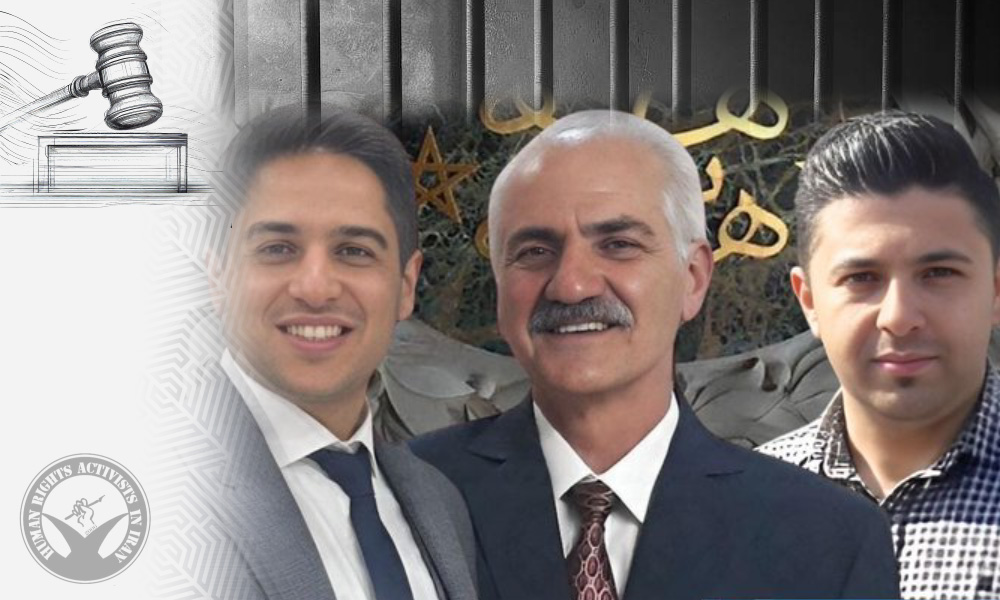
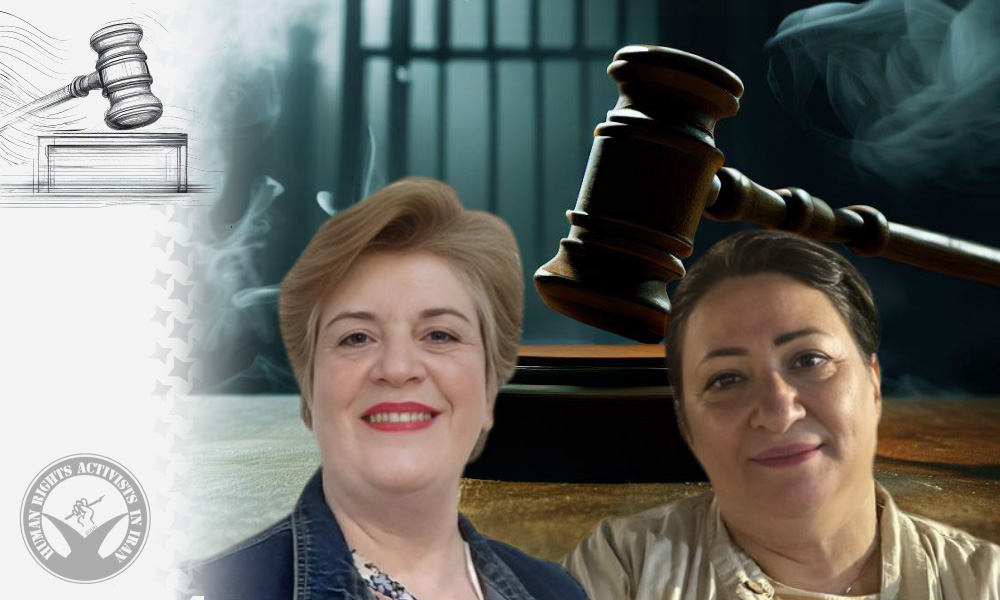
The Appellate Court of Tehran Province has maintained a nine-year sentence and additional penalties for Baha’i educator Keyvan Rahimian.

In a verdict issued by Branch 36 of the Appellate Court of Tehran Province, presided over by Judge Abbasali Hoozan, Rahimian was sentenced to five years for “educational activities and propagating against the Islamic Sharia” and four years for “assembly and collusion against national security.” Alongside the prison term, Rahimian has been stripped of social rights and fined.

Per Article 134 of the Islamic Penal Code, five years of the prison term will be enforced.

Rahimian was apprehended by security forces in Tehran on July 18, 2023, and subsequently detained in Evin prison. His detention has been extended for four consecutive months, with Rahimian granted leave from November 25 to 29, 2023, to attend his mother’s funeral.

This is not Rahimian’s first encounter with legal repercussions for his activism. In August 2017, he was released from Rajai Shahr Prison after serving a five-year sentence. The current sentence raises concerns about the continued suppression of Baha’i individuals involved in educational and community activities.

Baha’is are subjected to violations of their religious rights, comprising 82% of reports on infringements against religious minorities, according to HRA’s 2023 annual report.

The Baha’i faith is not recognized as a legitimate religion by Iranian authorities, leading to systematic and longstanding violations of the rights of Baha’is in the country. This includes the denial of their fundamental right to practice their religion, which constitutes a clear breach of both Article 18 of the Universal Declaration of Human Rights and Article 18 of the International Covenant on Civil and Political Rights. The United Nations covenant holds that every person has the right to freedom of religion, freedom of converting religion, as well as freedom of expression, individually or collectively; openly or secretly.
 

Latest Developments on Baha’i Citizen Mina Karami’s Legal Situation

Baha’i citizen Mina Karami continues to serve her five-year prison term in Adelabad prison after the Appellate Court of Fars Province, influenced by the Ministry of Intelligence, recently rejected her request to complete her sentence outside prison with a monitoring ankle device.

A source close to Karami’s family has confirmed to HRANA the repeated denials of Karami’s release requests. Additionally, the Supreme Court rejected her plea for a retrial.

On April 13, 2021, security forces raided Karami’s residence, conducted a search, and subsequently summoned and interrogated her at the Ministry of Intelligence detention facility known as House No. 100. She was later released on bail.

In August-September 2022, the Revolutionary Court of Shiraz, presided over by Seyed-Mahmood Sadati, found Karami guilty of “engaging in education and propaganda activities against Islamic Sharia,” resulting in a five-year imprisonment, a fine, social restrictions for ten years, and a two-year ban from leaving the country. This verdict was upheld on appeal.

On February 13, 2024, security forces arrested her in Shiraz and transferred her to Adelabad Prison to commence serving her sentence.