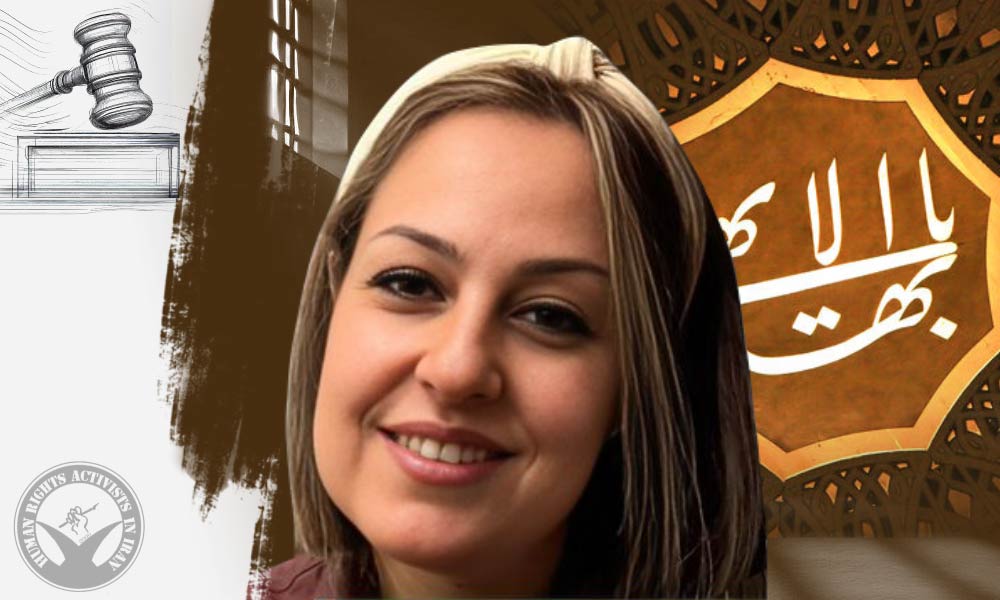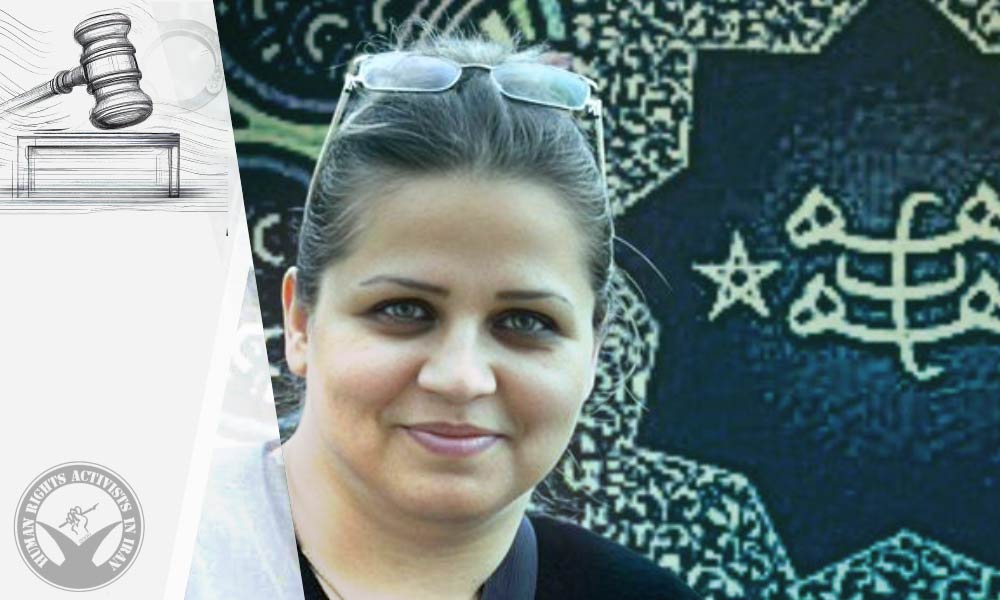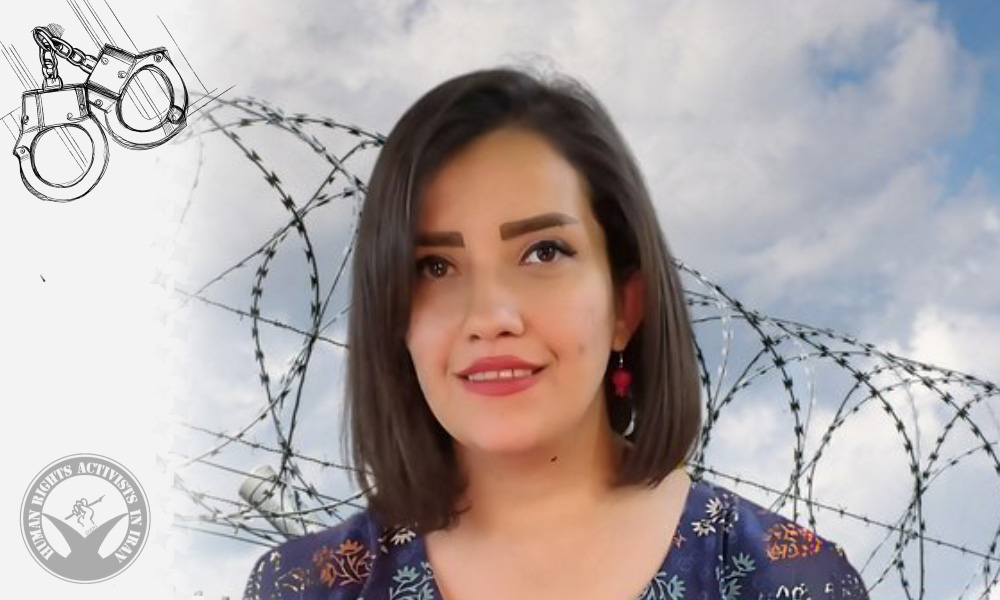
Baha’i Citizen Negar Misaghian Arrested by Security Forces in Shiraz

On Wednesday, September 18, Negar Misaghian, a Baha’i citizen residing in Shiraz, was arrested by security forces and transferred to the Ministry of Intelligence’s detention facility in Shiraz, known as House No 100.

A source close to Misaghian told HRANA, “At 1:00 p.m. today, Wednesday, September 18, several security agents came to Ms. Misaghian’s home, arrested her, and transferred her to the Ministry of Intelligence’s detention facility in Shiraz, known as House No 100. The agents also searched the premises and confiscated several personal items, including her mobile phone, laptop, and passport.”

According to information received by HRANA, Misaghian’s arrest took place while she is the mother of a two-year-old child, leaving her husband and child in a difficult situation. The reasons for Misaghian’s arrest and the charges against this Baha’i citizen remain unknown.

Negar Misaghian has previously been arrested and faced judicial actions due to her activities.

Baha’is are subjected to violations of their religious rights, comprising 82% of reports on infringements against religious minorities, according to HRA’s 2023 annual report.

The Baha’i faith is not recognized as a legitimate religion by Iranian authorities, leading to systematic and longstanding violations of the rights of Baha’is in the country. This includes the denial of their fundamental right to practice their religion, which constitutes a clear breach of both Article 18 of the Universal Declaration of Human Rights and Article 18 of the International Covenant on Civil and Political Rights. The United Nations covenant holds that every person has the right to freedom of religion, freedom of converting religion, as well as freedom of expression, individually or collectively; openly or secretly.
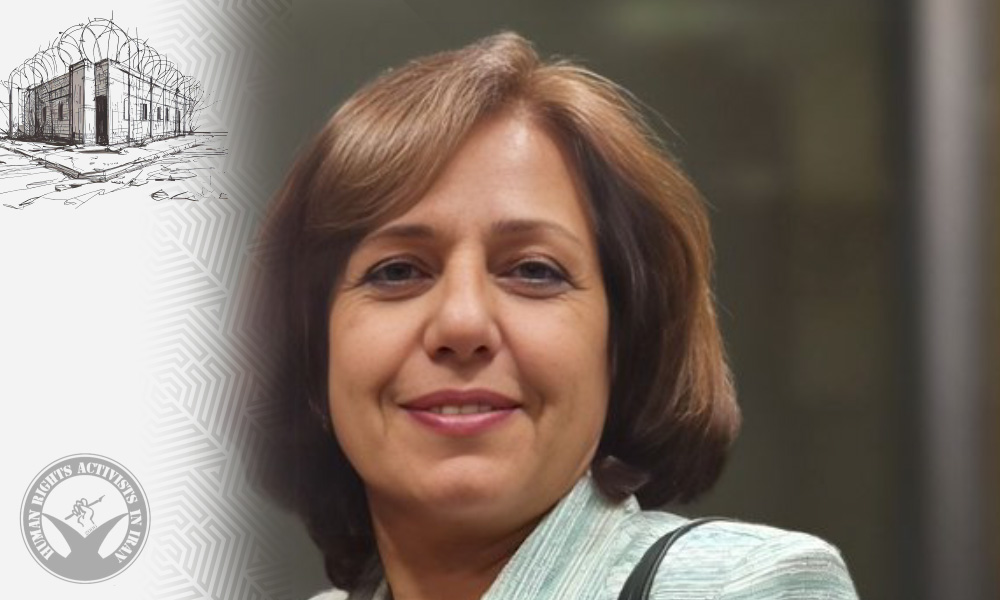
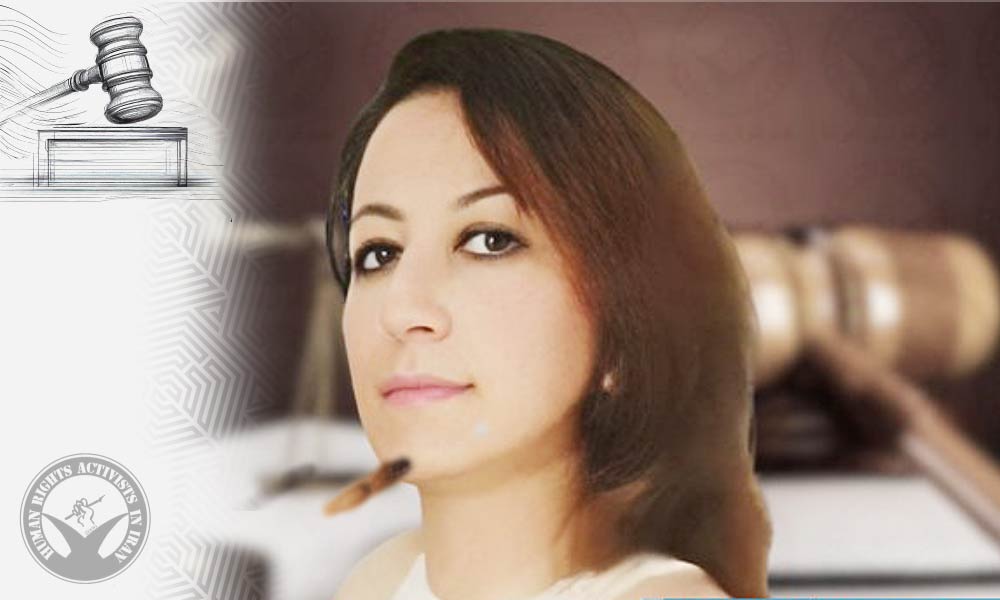
 

Detention Order for Baha’i Citizen Nahid Behroozi Extended

Nahid Behroozi (Forouhari), a Baha’i citizen, remains in a state of uncertainty in Kachooie Prison, Karaj, 26 days after her arrest. Today, her detention order was extended for another week.

A source close to Behroozi’s family confirmed to HRANA: “Today, Ms. Behroozi’s detention order was extended for another week. Despite 25 days having passed since her arrest, she remains in a state of uncertainty in Kachooie Prison, Karaj.”
This Baha’i citizen was transferred to Kachooie Prison, Karaj, on August 15th after completing interrogation at The Ministry of Intelligence’s detention facility.

Behroozi was arrested by the Ministry of Intelligence agents at her home in Fardis, Alborz province, on Monday, July 29, 2024.

The reasons for Behroozi’s arrest and the charges against her remain unknown.

Baha’i Citizen Shabnam Tebyanian Receives Sentence and Additional Penalties

Shabnam Tebyanian (TebIanian), a Baha’i citizen, has been sentenced by the Revolutionary Court of Semnan to six months imprisonment along with supplementary punishments. However, the prison term has been commuted to a fine.

Tebyanian was found guilty of “engaging in educational activities and propagating against Sharia Islam,” resulting in a two-year prohibition from affiliating with civil or political organizations and groups. Additionally, she has been mandated to attend “Cult Therapy” courses organized by the Islamic Development Organization.

The incident stems from Tebyanian’s arrest by security forces on August 21, 2023, in Semnan. During the arrest, her residence was searched, and some of her possessions were confiscated. She was subsequently released on bail in September 2023 pending further legal proceedings.

Shabnam Tebyanian, a mother of two and a Semnan resident, now faces financial penalties instead of imprisonment following the court’s decision.

Baha’is are subjected to violations of their religious rights, comprising 82% of reports on infringements against religious minorities, according to HRA’s 2023 annual report.

The Baha’i faith is not recognized as a legitimate religion by Iranian authorities, leading to systematic and longstanding violations of the rights of Baha’is in the country. This includes the denial of their fundamental right to practice their religion, which constitutes a clear breach of both Article 18 of the Universal Declaration of Human Rights and Article 18 of the International Covenant on Civil and Political Rights. The United Nations covenant holds that every person has the right to freedom of religion, freedom of converting religion, as well as freedom of expression, individually or collectively; openly or secretly.
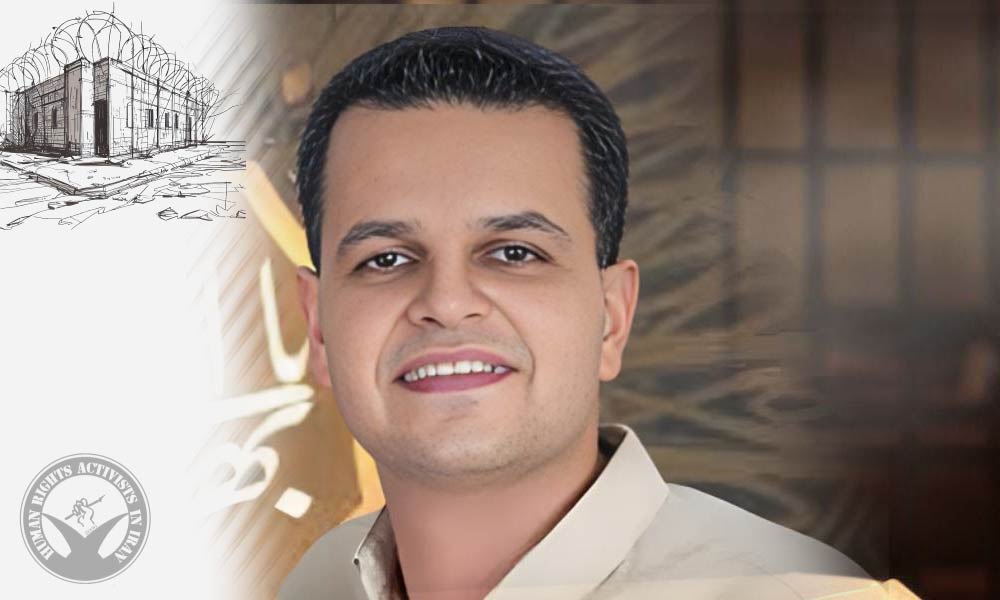
Baha’i Citizen Iman Rashidi Remains in Legal Limbo, Detained for Over 140 Days in Yazd Prison

Iman Rashidi, a Baha’i citizen, continues to face a prolonged period of uncertainty as he remains incarcerated in Yazd Prison for over 140 days, according to a source close to Rashidi’s family who spoke to HRANA. Despite the passage of time, authorities have yet to grant him temporary release.

Rashidi’s ordeal began on October 5, 2023, when agents from the Ministry of Intelligence arrested him at his residence in Yazd. The arrest was accompanied by a search of his home, during which the authorities confiscated both his and his wife’s cell phones. Subsequently, Rashidi was transferred from a detention facility to Yazd Prison.

In a concerning development, his latest court hearing in February 2024 proceeded without the presence of his legal representation. Rashidi faces charges of “propaganda against the regime” and “propagating against Islamic Sharia.”

This is not Rashidi’s first encounter with law enforcement, as he has previously experienced arrests and convictions. In February 2018, he was released after serving a sentence. The ongoing legal limbo raises concerns about due process and fairness of his current detention.

Baha’is are subjected to violations of their religious rights, comprising 82% of reports on infringements against religious minorities, according to HRA’s 2023 annual report.

The Baha’i faith is not recognized as a legitimate religion by Iranian authorities, leading to systematic and longstanding violations of the rights of Baha’is in the country. This includes the denial of their fundamental right to practice their religion, which constitutes a clear breach of both Article 18 of the Universal Declaration of Human Rights and Article 18 of the International Covenant on Civil and Political Rights. The United Nations covenant holds that every person has the right to freedom of religion, freedom of converting religion, as well as freedom of expression, individually or collectively; openly or secretly.
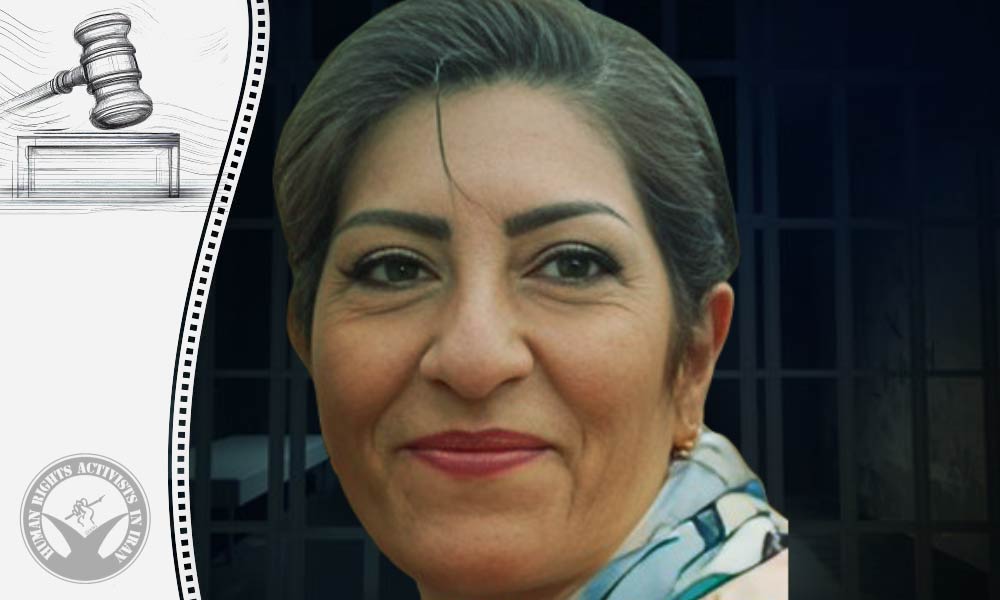


Baha’i Citizen Shahdokht Khanjani Faces Eleven-Year Sentence Upheld on Appeal

The Semnan Court of Appeal has affirmed an eleven-year sentence and additional penalties for Baha’i citizen Shahdokht Khanjani.

In the ruling issued on January 27, 2024, Khanjani was sentenced to ten years for “forming groups to act against national security” and one year for “propaganda against the regime.” She is also prohibited from joining political/civil/cultural groups and parties, with restrictions on social media activities for two years.

According to Article 134 of the Islamic Penal Code, the ten-year term for the first charge is enforceable.

Initially, the Revolutionary Court of Semnan had sentenced Khanjani to 11 years for the mentioned charges, along with five years for “propagating the Baha’i sect.” On appeal, the latter charge was dropped, as it was deemed inseparable from the charge of “forming groups to act against national security.” Additionally, a fine and a 15-year deprivation of social rights were annulled.

On May 29, 2023, security forces apprehended Khanjani at her Semnan residence. Following a search and confiscation of some belongings, she was later released on bond.

At the age of around 47, Khanjani is a Semnan resident and a mother of two.

Baha’is are subjected to violations of their religious rights, comprising 82% of reports on infringements against religious minorities, according to HRA’s 2023 annual report.

The Baha’i faith is not recognized as a legitimate religion by Iranian authorities, leading to systematic and longstanding violations of the rights of Baha’is in the country. This includes the denial of their fundamental right to practice their religion, which constitutes a clear breach of both Article 18 of the Universal Declaration of Human Rights and Article 18 of the International Covenant on Civil and Political Rights. The United Nations covenant holds that every person has the right to freedom of religion, freedom of converting religion, as well as freedom of expression, individually or collectively; openly or secretly.

Subscribe to Our Newsletter

Now is definitely not the time to stop reading!

Baha’i Citizen Sirus Zabihi Moghadam Faces Eight-Year Sentence Following Appeal

The Court of Appeal in Razavi Khorasan Province has affirmed an eight-year sentence for Sirus Zabihi Moghadam.

Under this judgment, Zabihi Moghadam, a Baha’i citizen, received seven years for “membership in anti-regime groups” and an additional year for “propaganda against the regime.”

As per the ruling, Zabihi Moghadam has been summoned to appear at the Judgment Enforcement Unit within ten days to commence his sentence. Under Article 134 of the Islamic Penal Code, he is mandated to serve seven years for the first charge.

Originally handed an eight-year sentence by the Mashhad Revolutionary Court, Zabihi Moghadam had been arrested in October 2022 and secured his release on bail after approximately two months of detention.

Baha’is are subjected to violations of their religious rights, comprising 82% of reports on infringements against religious minorities, according to HRA’s 2023 annual report.

The Baha’i faith is not recognized as a legitimate religion by Iranian authorities, leading to systematic and longstanding violations of the rights of Baha’is in the country. This includes the denial of their fundamental right to practice their religion, which constitutes a clear breach of both Article 18 of the Universal Declaration of Human Rights and Article 18 of the International Covenant on Civil and Political Rights. The United Nations covenant holds that every person has the right to freedom of religion, freedom of converting religion, as well as freedom of expression, individually or collectively; openly or secretly.
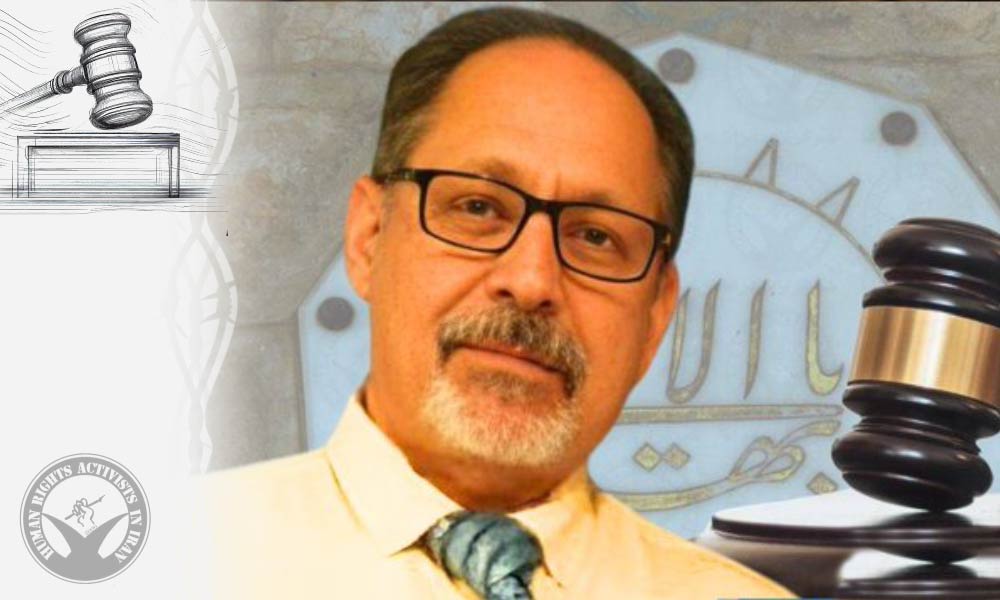
Baha’i Citizen Nafisa Sa’adat Yar Receives Prison Sentence and Social Deprivations

The Revolutionary Court in Gorgan, Golestan Province, has sentenced Baha’i citizen Nafisa Saadat Yar to one year of imprisonment and imposed social deprivations.

As of the ruling issued on November 20, 2023, Sa’adat Yar is facing a one-year sentence for “spreading propaganda against the regime” and an additional four years of social deprivations.

Nafisa Sa’adat Yar and her husband, Pouya Amri, were apprehended by security forces in January 2023, later securing their release on a bail of 500 million Tomans (approximately 10,000 Dollars) in August of the same year. Unfortunately, both faced employment termination following pressure from security institutions.

HRANA’s annual report has highlighted a concerning trend where, in 2022, 64.63% of reported human rights violations against religious minorities are directed toward the Baha’i community.

The Baha’i faith is not recognized as a legitimate religion by Iranian authorities, leading to systematic and longstanding violations of the rights of Baha’is in the country. This includes the denial of their fundamental right to practice their religion, which constitutes a clear breach of both Article 18 of the Universal Declaration of Human Rights and Article 18 of the International Covenant on Civil and Political Rights. The United Nations covenant holds that every person has the right to freedom of religion, freedom of converting religion, as well as freedom of expression, individually or collectively; openly or secretly

Baha’i Resident Yekta Fahandej Arrested in Shiraz

Shiraz, December 18, 2023 – Yekta Fahandej, a Baha’i resident of Shiraz, was apprehended by security forces and subsequently transported to an undisclosed location.

A reliable source close to her family disclosed Fahandej’s arrest, which took place at her residence on December 18.

“The agents, employing intimidating tactics, conducted an extensive search of her house, seizing some of her belongings as well as possessions belonging to her family,” the source reported.

In a disconcerting turn of events, intelligence agents reportedly went as far as tearing down real estate documents and family photographs during the search.

The motives behind Fahandej’s arrest and her current whereabouts remain shrouded in uncertainty.

It is worth noting that Fahandej has previously faced arrests and convictions.

Baha’i Citizen Shohreh Salekian Sentenced to Three Years and Eight Months in Prison

The Mashhad Revolutionary Court has issued a three-year and eight-month prison sentence to Baha’i citizen Shohreh Salekian.

Presiding Judge Hadi Mansouri determined Salekian’s sentence, attributing three years for “membership in groups to disturb order and act against national security” and an additional eight months for “spreading propaganda against the regime.”

In the event of an appeal, Article 134 of the Islamic Penal Code stipulates that, in cases involving multiple charges, the most severe penalty shall be applied. Consequently, if the verdict is contested, Salekian will serve a three-year term.

Legal proceedings against Salekian commenced in July of this year following her summons to Mashhad Courthouse.

HRANA’s annual report has highlighted a concerning trend where, in 2022, 64.63% of reported human rights violations against religious minorities are directed toward the Baha’i community.

The Baha’i faith is not recognized as a legitimate religion by Iranian authorities, leading to systematic and longstanding violations of the rights of Baha’is in the country. This includes the denial of their fundamental right to practice their religion, which constitutes a clear breach of both Article 18 of the Universal Declaration of Human Rights and Article 18 of the International Covenant on Civil and Political Rights. The United Nations covenant holds that every person has the right to freedom of religion, freedom of converting religion, as well as freedom of expression, individually or collectively; openly or secretly.

Baha’i Citizen Rouya Malakooti Receives Six-Year, Eight-Month Sentence

The Mashhad Revolutionary Court, presided over by Judge Hadi Mansouri, has handed down a six-year, eight-month prison sentence to Baha’i Citizen Rouya Malakooti.

The verdict includes a six-year term for “forming groups to act against national security” and an additional eight months for “spreading propaganda against the regime.”

In the event the verdict is upheld on appeal, Article 134 of the Islamic Penal Code mandates the enforcement of the initial six-year prison term.

Malakooti, along with eight other Baha’i women, was summoned to appear in Mashhad on July 29. While all were called, only Malakooti was arrested and subsequently jailed in Vakilabad Prison after an extensive interrogation.

The 2022 annual report by HRANA underscores a troubling trend, revealing that 64.63% of reported human rights violations against religious minorities target the Baha’i community.

The Baha’i faith faces persistent discrimination in Iran, as it is not officially recognized by the authorities. This systemic injustice results in consistent violations of the Baha’is’ fundamental right to practice their religion, a direct violation of Article 18 of the Universal Declaration of Human Rights and Article 18 of the International Covenant on Civil and Political Rights. The United Nations covenant explicitly guarantees every person the right to freedom of religion, freedom to change their religion, and freedom of expression, individually or collectively, openly or in private.