Baha’i Citizen Shohreh Salekian Sentenced to Three Years and Eight Months in Prison

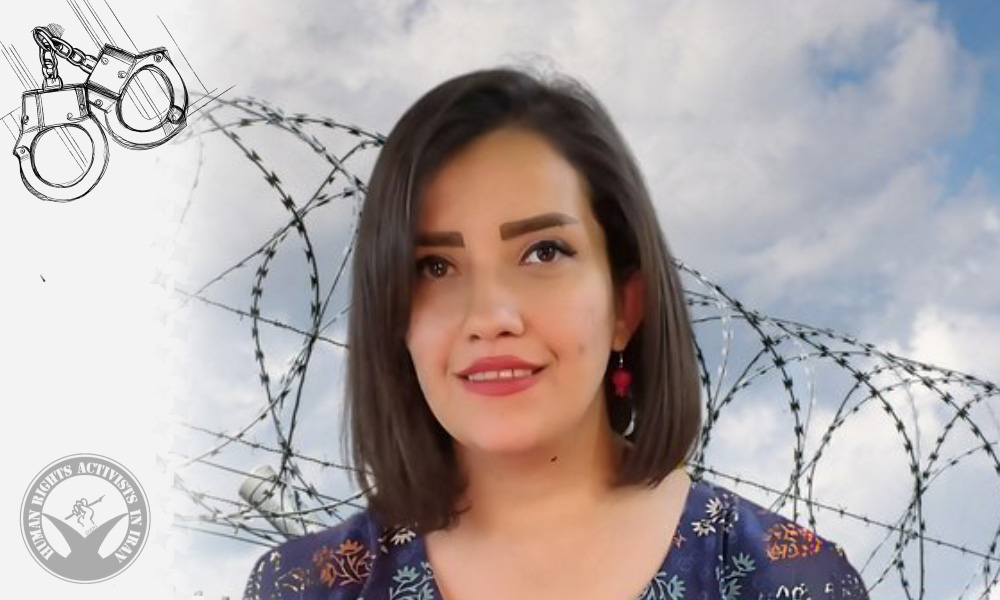
The Mashhad Revolutionary Court has issued a three-year and eight-month prison sentence to Baha’i citizen Shohreh Salekian.

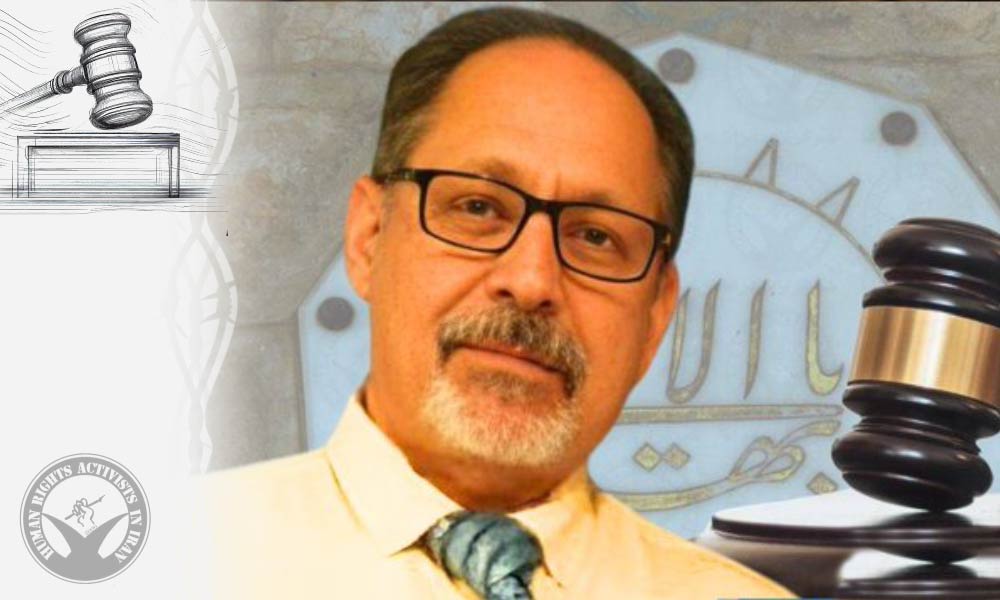
Presiding Judge Hadi Mansouri determined Salekian’s sentence, attributing three years for “membership in groups to disturb order and act against national security” and an additional eight months for “spreading propaganda against the regime.”

In the event of an appeal, Article 134 of the Islamic Penal Code stipulates that, in cases involving multiple charges, the most severe penalty shall be applied. Consequently, if the verdict is contested, Salekian will serve a three-year term.

Legal proceedings against Salekian commenced in July of this year following her summons to Mashhad Courthouse.

HRANA’s annual report has highlighted a concerning trend where, in 2022, 64.63% of reported human rights violations against religious minorities are directed toward the Baha’i community.

The Baha’i faith is not recognized as a legitimate religion by Iranian authorities, leading to systematic and longstanding violations of the rights of Baha’is in the country. This includes the denial of their fundamental right to practice their religion, which constitutes a clear breach of both Article 18 of the Universal Declaration of Human Rights and Article 18 of the International Covenant on Civil and Political Rights. The United Nations covenant holds that every person has the right to freedom of religion, freedom of converting religion, as well as freedom of expression, individually or collectively; openly or secretly.

Baha’i Citizen Rouya Malakooti Receives Six-Year, Eight-Month Sentence

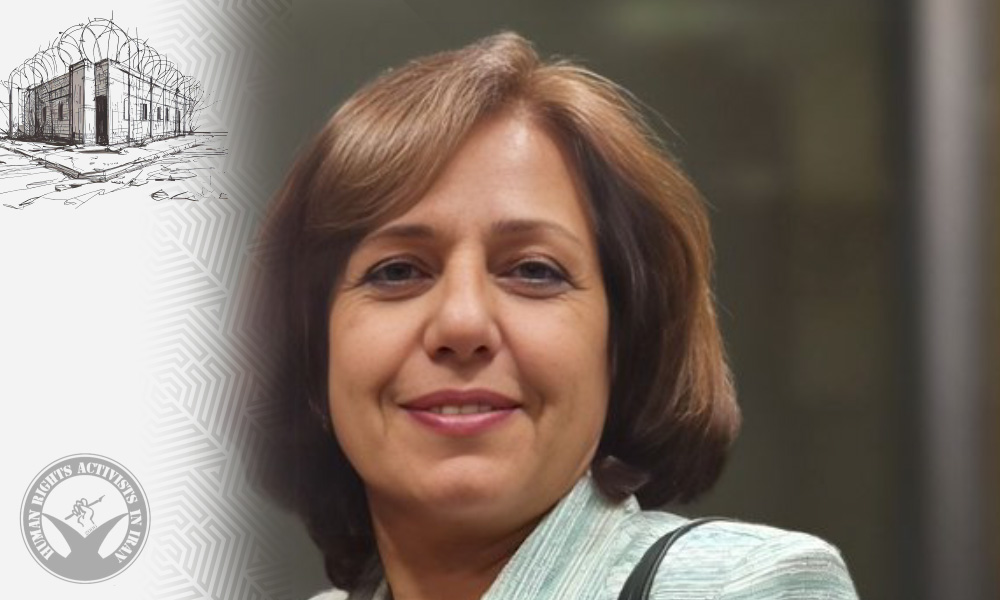
The Mashhad Revolutionary Court, presided over by Judge Hadi Mansouri, has handed down a six-year, eight-month prison sentence to Baha’i Citizen Rouya Malakooti.

The verdict includes a six-year term for “forming groups to act against national security” and an additional eight months for “spreading propaganda against the regime.”

In the event the verdict is upheld on appeal, Article 134 of the Islamic Penal Code mandates the enforcement of the initial six-year prison term.

Malakooti, along with eight other Baha’i women, was summoned to appear in Mashhad on July 29. While all were called, only Malakooti was arrested and subsequently jailed in Vakilabad Prison after an extensive interrogation.

The 2022 annual report by HRANA underscores a troubling trend, revealing that 64.63% of reported human rights violations against religious minorities target the Baha’i community.

The Baha’i faith faces persistent discrimination in Iran, as it is not officially recognized by the authorities. This systemic injustice results in consistent violations of the Baha’is’ fundamental right to practice their religion, a direct violation of Article 18 of the Universal Declaration of Human Rights and Article 18 of the International Covenant on Civil and Political Rights. The United Nations covenant explicitly guarantees every person the right to freedom of religion, freedom to change their religion, and freedom of expression, individually or collectively, openly or in private.

Baha’i Nooshin Mesbah Receives Reduced Sentence of One Year on Appeal

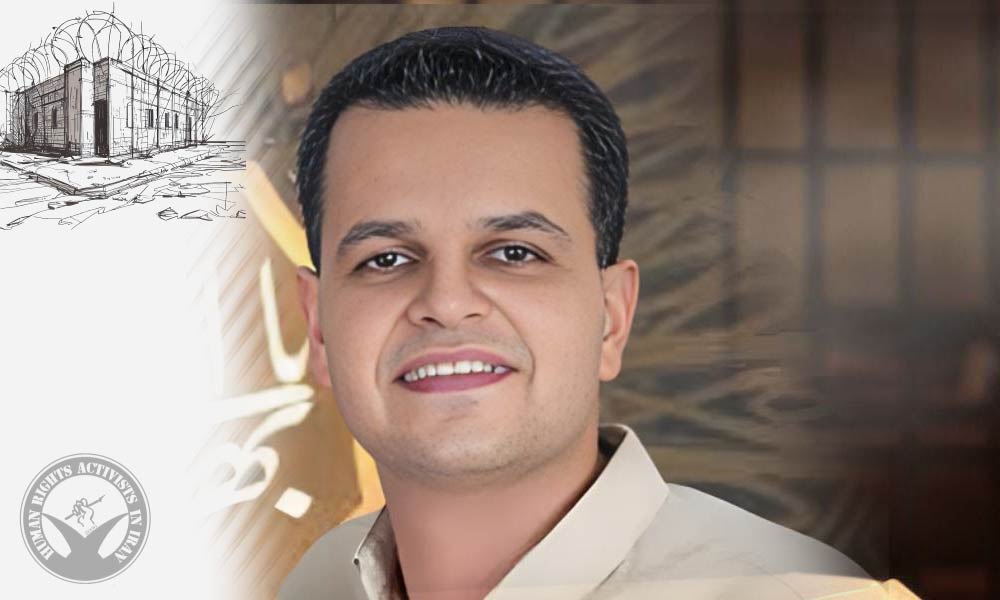
In a recent development, the Court of Appeal of Razavi Khorasan Province has handed down a revised sentence to Baha’i citizen Nooshin Mesbah, a resident of Mashhad, reducing her imprisonment term to one year.

Mesbah had initially been convicted of “membership in groups aiming to endanger national security,” resulting in a three-year sentence. However, the Court of Appeal has now modified this sentence, lowering it to one year.

Moreover, Mesbah has been acquitted of the charge of “spreading propaganda against the regime,” for which she had originally received an eight-month prison term.

HRANA’s annual report has highlighted a concerning trend where, in 2022, 64.63% of reported human rights violations against religious minorities are directed toward the Baha’i community.

The Baha’i faith is not recognized as a legitimate religion by Iranian authorities, leading to systematic and longstanding violations of the rights of Baha’is in the country. This includes the denial of their fundamental right to practice their religion, which constitutes a clear breach of both Article 18 of the Universal Declaration of Human Rights and Article 18 of the International Covenant on Civil and Political Rights. The United Nations covenant holds that every person has the right to freedom of religion, freedom of converting religion, as well as freedom of expression, individually or collectively; openly or secretly.


Four Baha’i Citizens Arrested in Karaj

On November 7, Baha’i citizens Sahba Taef, Shervin Shabrokh, Nika Esmaeil Pour, and Babak Zeynali were apprehended by security forces in Karaj and subsequently taken to an undisclosed facility.

The arrests were brought to the attention of HRANA by a concerned Baha’i citizen. According to this source, security agents conducted a search of their residence during the operation. As of now, the reasons for their arrests and their current whereabouts remain unknown, raising significant concerns about their well-being and the circumstances surrounding their detention.

HRANA’s annual report has highlighted a concerning trend where, in 2022, 64.63% of reported human rights violations against religious minorities are directed toward the Baha’i community.

The Baha’i faith is not recognized as a legitimate religion by Iranian authorities, leading to systematic and longstanding violations of the rights of Baha’is in the country. This includes the denial of their fundamental right to practice their religion, which constitutes a clear breach of both Article 18 of the Universal Declaration of Human Rights and Article 18 of the International Covenant on Civil and Political Rights. The United Nations covenant holds that every person has the right to freedom of religion, freedom of converting religion, as well as freedom of expression, individually or collectively; openly or secretly.

 

Six Baha’i Citizens Receive Lengthy Prison Sentences

In a recent development, the Tehran Revolutionary Court has handed down substantial prison sentences to six Baha’i citizens, namely Samira Ebrahimi, Arsalan Yazdani, Pedram Abhar, Saba Sefidi, Saeedeh Khozuei, and Iraj Shakoor, totaling 32 years and 10 months behind bars.

Presiding over Branch 29 of the Tehran Revolutionary Court, Judge Ali Mazloum has pronounced six-year sentences for Yazdani, Abhar, Khozuei, and Shakoor, while Ebrahimi and Sefidi have been each sentenced to four years and five months.

The charges against these individuals are as follows:

  • Samira Ebrahimi: Membership in anti-regime groups, propaganda against the regime, and engaging in educational activities against Sharia law.
  • Arsalan Yazdani: Membership in anti-regime groups, propaganda against the regime, and engaging in educational activities against Sharia law.
  • Pedram Abhar: Membership in anti-regime groups and propaganda against the regime.
  • Saba Sefidi: Membership in anti-regime groups and propaganda against the regime.
  • Saeedeh Khozuei: Membership in anti-regime groups.
  • Iraj Shakoor: Propaganda against the regime, assembly, and collusion against the regime.

Should these verdicts withstand the appeals process, Article 134 of the Islamic Penal Code will mandate the enforcement of a five-year prison term for Yazdani, Khozuei, Shakoor, and Abhar. Ebrahimi and Sefidi, on the other hand, would serve three years and five months in prison.

HRANA’s annual report has highlighted a concerning trend where, in 2022, 64.63% of reported human rights violations against religious minorities are directed toward the Baha’i community.

The Baha’i faith is not recognized as a legitimate religion by Iranian authorities, leading to systematic and longstanding violations of the rights of Baha’is in the country. This includes the denial of their fundamental right to practice their religion, which constitutes a clear breach of both Article 18 of the Universal Declaration of Human Rights and Article 18 of the International Covenant on Civil and Political Rights. The United Nations covenant holds that every person has the right to freedom of religion, freedom of converting religion, as well as freedom of expression, individually or collectively; openly or secretly.

Subscribe to Our Newsletter

Now is definitely not the time to stop reading!

Baha’i Citizen Iman Rashidi Detained in Yazd

Iman Rashidi, a Baha’i citizen, was taken into custody on October 5, 2023, by agents from the Ministry of Intelligence in Yazd, and subsequently transported to an undisclosed detention facility.

According to a source close to his family, HRANA has learned that Rashidi’s wife was leaving their residence when she was confronted and encircled by intelligence agents. Under duress, she was compelled to lead the agents to Mr. Rashidi’s location, resulting in his arrest.

During the operation, the agents also conducted a search of his residence and confiscated some of his personal belongings.

As of now, the reasons behind Rashidi’s arrest and the specific allegations against him remain unknown.

The Baha’i faith is not recognized as a legitimate religion by Iranian authorities, leading to systematic and longstanding violations of the rights of Baha’is in the country. This includes the denial of their fundamental right to practice their religion, which constitutes a clear breach of both Article 18 of the Universal Declaration of Human Rights and Article 18 of the International Covenant on Civil and Political Rights. The United Nations covenant holds that every person has the right to freedom of religion, freedom of converting religion, as well as freedom of expression, individually or collectively; openly or secretly.

Tehran Revolutionary Court Sentences Baha’i Citizen Nazila Haghar to Five Years in Prison

Nazila Haghar, a Baha’i citizen, has received a five-year prison sentence from the Tehran Revolutionary Court, a verdict that was subsequently affirmed on appeal on August 20, 2023.

In a trial in absentia, Haghar was handed down a five-year sentence for “membership in an illegal group aimed at undermining national security.”
The court cited her involvement in organizing educational programs for children as evidence of this charge.
In July 2022, security forces conducted a thorough search of her residence and confiscated some of the items belonging to her and her family.

The Baha’i faith is not recognized as a legitimate religion by Iranian authorities, leading to systematic and longstanding violations of the rights of Baha’is in the country. This includes the denial of their fundamental right to practice their religion, which constitutes a clear breach of both Article 18 of the Universal Declaration of Human Rights and Article 18 of the International Covenant on Civil and Political Rights. The United Nations covenant holds that every person has the right to freedom of religion, freedom of converting religion, as well as freedom of expression, individually or collectively; openly or secretly.


Baha’i Citizen Susan Badavam Sentenced to Over Four Years in Prison

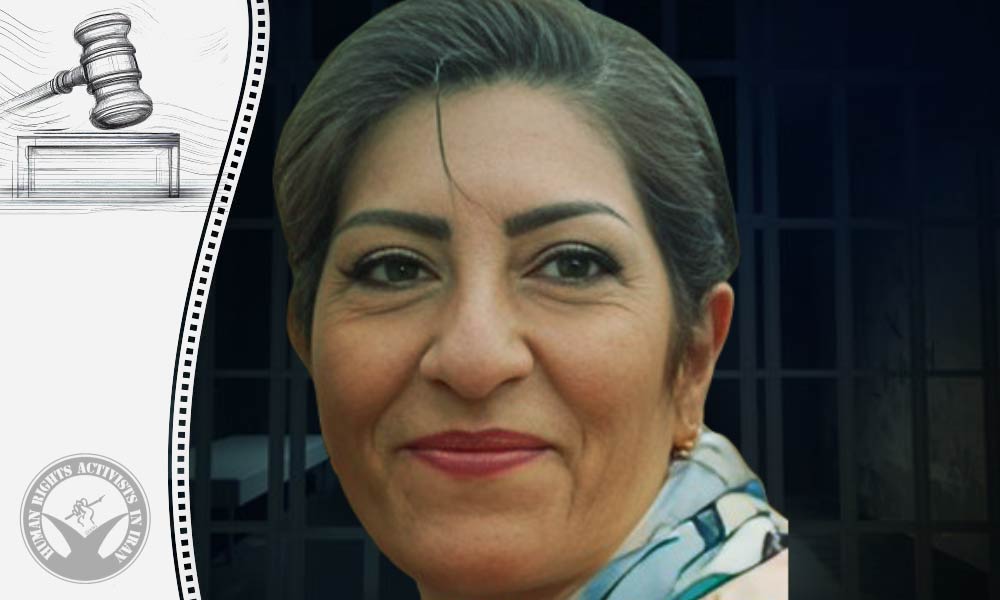
The Rasht Revolutionary Court has handed down a verdict against Susan Badavam (Farhangi), a Baha’i citizen, sentencing her to a total of four years and 47 days of imprisonment, coupled with additional social restrictions.

The court’s ruling, delivered to Badavam on Monday, August 21st, includes a sentence of three years, six months, and one day for her alleged “educational activities associated with religious sects and groups contrary to Islamic Sharia,” alongside an additional seven months and 16 days for purportedly “disseminating propaganda against the regime.” Additionally, she has been deprived of some civil rights for a duration of ten years.

If the verdict is upheld on appeal, three years and six months for the first count will be enforceable to her.

Badavam’s arrest dates back to December 19, 2022, when she was apprehended by intelligence agents from the Islamic Revolutionary Guard Corps (IRGC) in Gilan Province.


Baha’i Citizen Anisa Fanaeian Detained in Semnan

Semnan, August 21 – Anisa Fanaeian, a member of the Baha’i community and a resident of Semnan, has been apprehended by security forces and transported to an undisclosed location.

A source closely connected to her family has relayed to HRANA that on Monday, at noon, security forces executed a sudden raid on Fanaeian’s residence, culminating in her arrest. During the operation, a thorough search was conducted, leading to the confiscation of several items including her cell phone, laptop, and literature associated with the Baha’i faith.

At present, the motives that prompted Fanaeian’s detention remain obscure, and her present whereabouts are shrouded in uncertainty.

Fanaeian faced conviction and incarceration on prior occasions due to her religious convictions.

HRANA’s annual report has highlighted a concerning trend where, in 2022, 64.63% of reported human rights violations against religious minorities are directed toward the Baha’i community.

The Baha’i faith is not recognized as a legitimate religion by Iranian authorities, leading to systematic and longstanding violations of the rights of Baha’is in the country. This includes the denial of their fundamental right to practice their religion, which constitutes a clear breach of both Article 18 of the Universal Declaration of Human Rights and Article 18 of the International Covenant on Civil and Political Rights. The United Nations covenant holds that every person has the right to freedom of religion, freedom of converting religion, as well as freedom of expression, individually or collectively; openly or secretly.

Baha’i Citizen Arash Nabavi Arrested in Isfahan

Arash Nabavi, a 37-year-old Baha’i community member residing in Isfahan, was apprehended at his residence, on Monday, August 14th, by security forces.

A source connected to Nabavi’s family disclosed to HRANA that a team of five intelligence agents executed the arrest at his home on Monday. During this operation, a thorough search was conducted, leading to the confiscation of various personal items belonging to Nabavi.

Upon contacting the Ministry of Intelligence, his family received information stating that Nabavi is presently undergoing interrogation. The authorities, however, have refrained from disclosing the specific location where he is being held.

HRANA’s annual report has highlighted a concerning trend where, in 2022, 64.63% of reported human rights violations against religious minorities are directed toward the Baha’i community.

The Baha’i faith is not recognized as a legitimate religion by Iranian authorities, leading to systematic and longstanding violations of the rights of Baha’is in the country. This includes the denial of their fundamental right to practice their religion, which constitutes a clear breach of both Article 18 of the Universal Declaration of Human Rights and Article 18 of the International Covenant on Civil and Political Rights. The United Nations covenant holds that every person has the right to freedom of religion, freedom of converting religion, as well as freedom of expression, individually or collectively; openly or secretly.