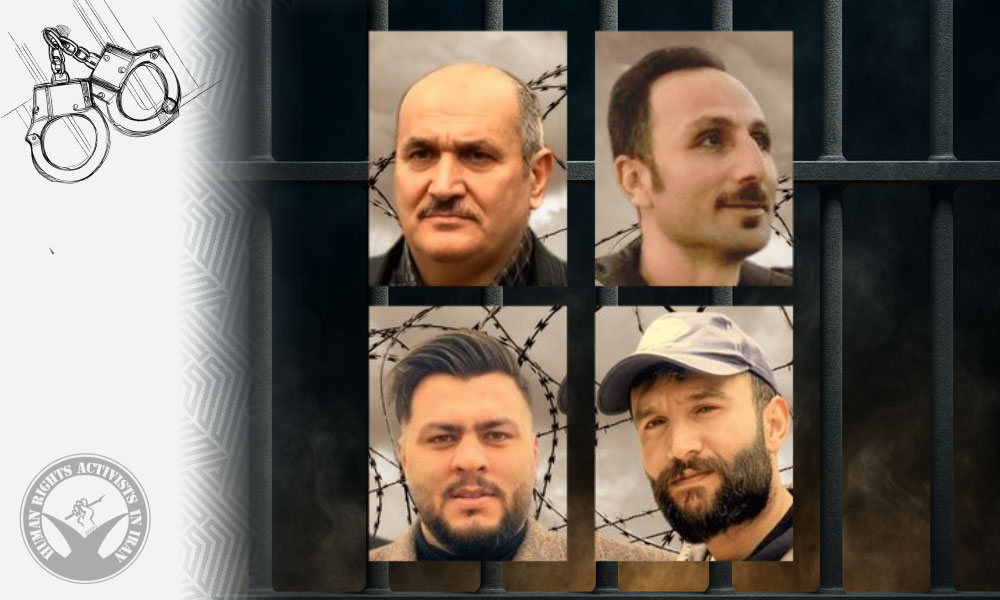
Four Azerbaijani-Turk Activists Arrested by Security Forces

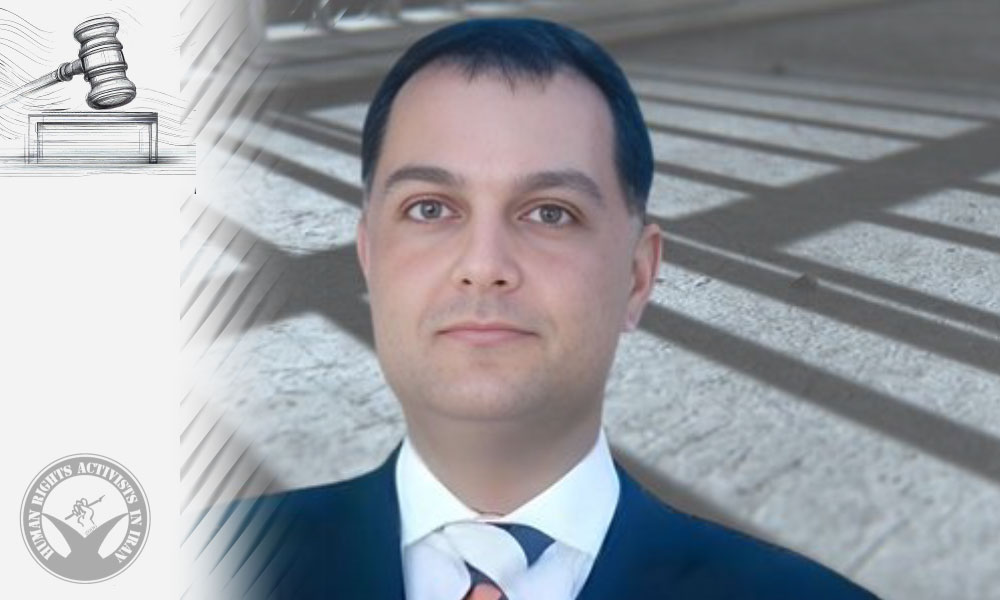
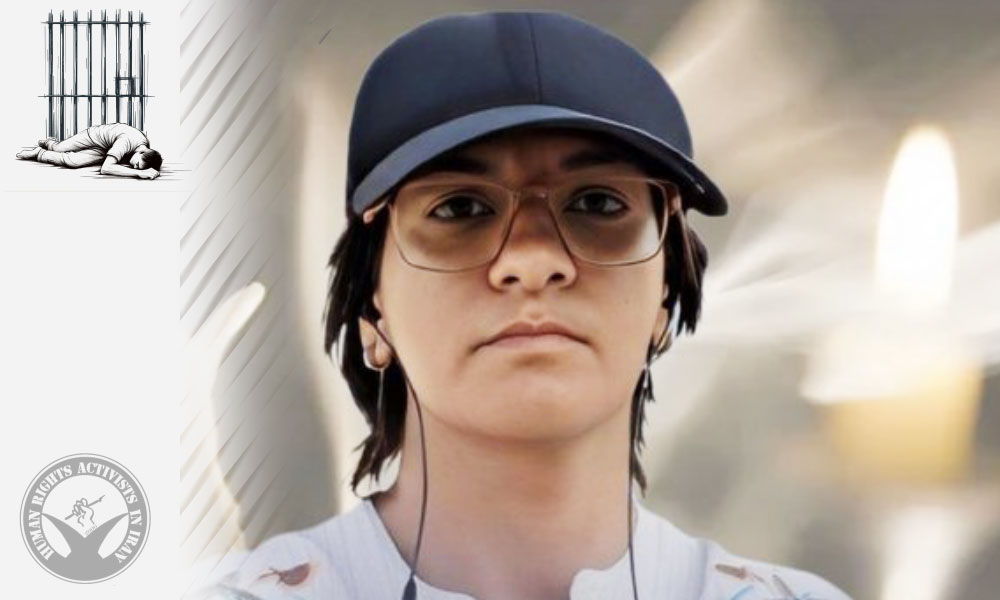
HRANA – On Tuesday, November 11, Azerbaijani-Turk activists Abbas Lesani (Lisani), Ali Kheirjoo, Yousef Kari, and Behzad Dashti were arrested in front of Evin Prison and taken to an unknown location. They had traveled to Tehran to support the sit-in held by families of several political prisoners detained in this prison.

According to HRANA, the arrests were carried out today by security forces outside Evin Prison. These Azerbaijani-Turk activists had gone to Tehran in solidarity with the families of Taher Naghavi and Vadood Asadi, political prisoners currently held in Evin Prison.

So far, there is no information on the detainees’ whereabouts or the charges brought against them. Recently, Vadood Asadi and Taher Naqavi were transferred to solitary confinement in Evin Prison as a punitive measure following their hunger strike.

Abbas Lesani, Ali Kheirjoo, Yousef Kari, and Behzad Dashti have previously faced arrests and judicial proceedings due to their activism.

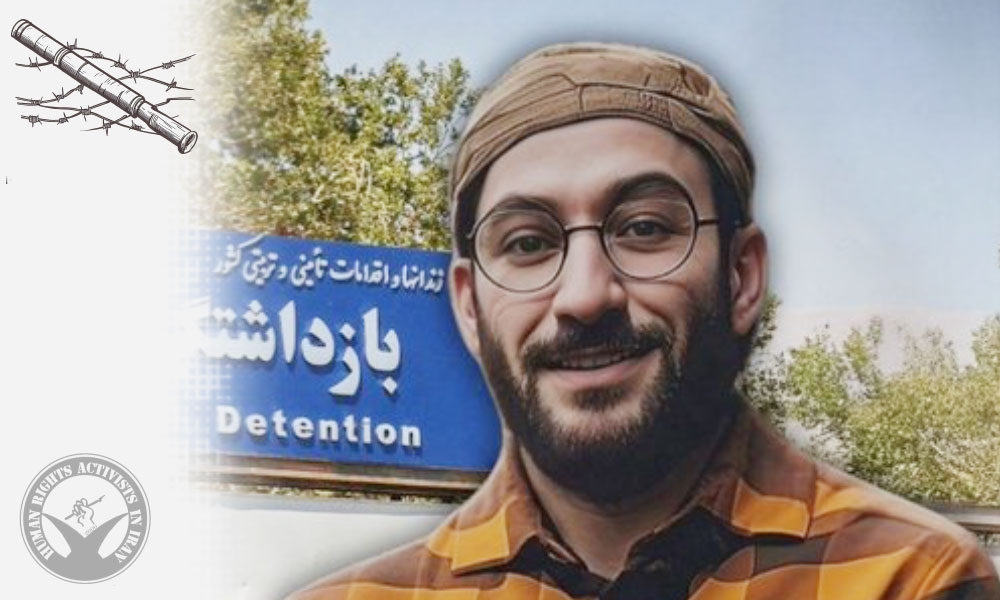
Tension in Ward 7 of Evin Prison; Death Row Prisoner Ehsan Afrashteh Transferred to an Undisclosed Location

HRANA – Yesterday, Evin Prison guard forces entered Ward 7 to transfer Ehsan Afrashteh, a death row prisoner. The move triggered protests among inmates, leading to heightened tensions in the ward. Prison authorities removed prisoners from Hall 2 to the yard and, using violence, transferred Afrashteh to an unknown location.

Based on information obtained by HRANA, on the morning of Monday, November 10, Evin Prison guards entered Ward 7 to transfer Afrashteh. The action sparked widespread protest and chanting from prisoners in the ward. In response, prison officials moved the inmates to the yard and locked the exit doors. While in the yard, officers violently transferred Afrashteh to an unknown location, closing off the rest of the halls.

Following Afrashteh’s transfer, tensions escalated in Hall 2, resulting in clashes between prisoners and prison officials. During the confrontation, one prisoner suffered a seizure and was violently taken to the prison infirmary.

A source close to a prisoner’s family told HRANA: “Previously, inmates in this ward had gathered to prevent Ehsan Afrashteh’s transfer for execution.”

Mr. Afrashteh was sentenced to death in June 2025 by Judge Salavati, head of Branch 15 of the Tehran Revolutionary Court, on the charge of “espionage.” The sentence was upheld first by Branch 39 of the Supreme Court during the appeals stage and again by Branch 9 during the first retrial. His case is now under review in the second retrial phase, referred to Branch 29 of the Supreme Court.

Ehsan Afrashteh was arrested in 2024 after returning to Iran from Turkey. Following several months in solitary confinement, he was transferred to the public ward of Evin Prison in October 2024, and he is currently held in Ward 7.

A source close to Afrashteh’s family confirmed to HRANA:
“Recently, prison officials intended to transfer him to Ghezel Hesar Prison in Karaj, but several inmates tried to prevent it. In response, authorities summoned some of these prisoners to the ward’s administrative office and deprived them of family visits.”

The source added: “Ehsan Afrashteh has been accused of espionage for Israel and sentenced to death. Forced confessions were obtained from him, though the content remains undisclosed. According to the source, these confessions were fabricated, and Afrashteh has denied all charges. Additionally, some of his and his family’s assets have been seized, and his family remains under pressure and threats from security agencies.”

Ehsan Afrashteh, aged approximately 32, is a civil engineering graduate (MSc), an IT and network specialist, and a native of Isfahan who previously resided in Tehran.

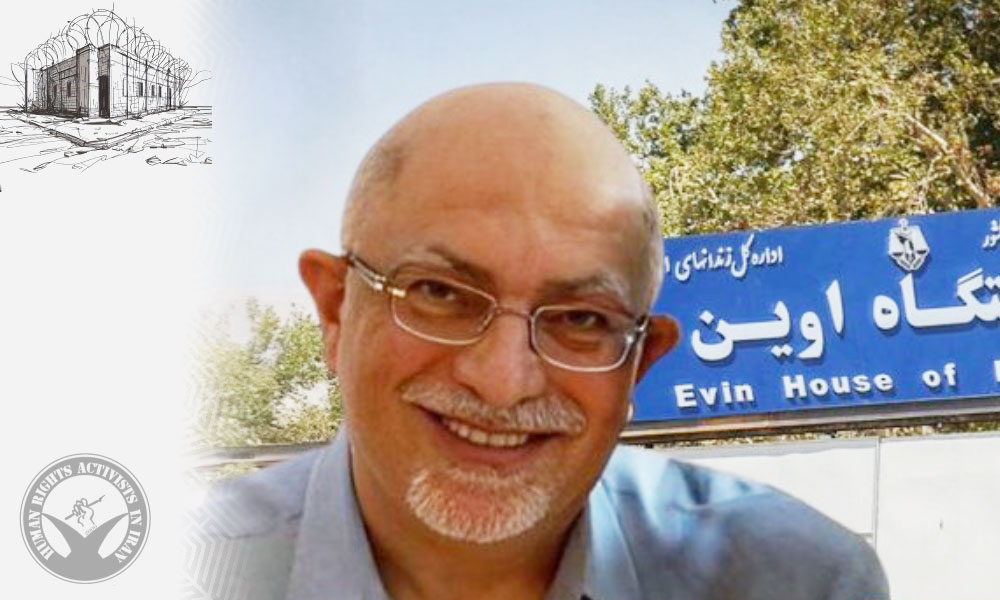
Jewish Iranian-American Dual National Kamran Hekmati Imprisoned in Evin Prison Over Past Trip to Israel

HRANA – Kamran Hekmati, a 70-year-old Iranian-American dual national and Jewish citizen, is currently serving his prison sentence in Evin Prison. He had been sentenced by the Revolutionary Court to four years in prison for traveling to Israel, a sentence that was later reduced to one year.

According to The New York Times, Mr. Hekmati was sentenced in late August by the Tehran Revolutionary Court to four years in prison over a trip he made to Israel 13 years ago. After a reduction in the penalty for travel to Israel from four years to two, the final sentence was ultimately reduced to one year of imprisonment.

His family told the newspaper that Mr. Hekmati’s lawyer has filed an appeal, but no court date has yet been scheduled. They expressed hope that he would be released on humanitarian grounds, noting that he was not involved in political activities, that his visit to Israel was personal, and that he is currently battling aggressive bladder cancer.

In August this year, HRANA reported that four Jewish citizens were arrested in Tehran and Shiraz by the Ministry of Intelligence following security tensions related to the 12-day Iran-Israel conflict. HRANA identified them as Navid Reuven, Shahab Yousef, Kamran Hekmati, and Michael (last name unknown). HRANA further reported that Hekmati, approximately 70 years old, was arrested by security forces upon entering Iran to visit relatives due to his previous trip to Israel, and was transferred to one of The Ministry of Intelligence’s detention facilities in Tehran.

Despite official government claims of protecting the rights of religious minorities, including Jews, human rights experts have warned that the recent security pressures on this minority community may constitute religious and ethnic discrimination, violating Iran’s international human rights obligations.

Report on the Latest Status of Death-Row Prisoner Ehsan Afrashteh

HRANA – Ehsan Afrashteh, a prisoner sentenced to death, is currently being held in Evin Prison. His second request for retrial has been filed with the Supreme Court and referred to Branch 29 for review.

According to the Human Rights Activists News Agency (HRANA), Mr. Afrashteh was sentenced to death in June 2025 by Judge Salavati, head of Branch 15 of the Tehran Revolutionary Court, on the charge of “espionage.” The sentence was upheld first by Branch 39 of the Supreme Court during the appeals stage and again by Branch 9 during the first retrial. His case is now under review in the second retrial phase, referred to Branch 29 of the Supreme Court.

Ehsan Afrashteh was arrested in 2024 after returning to Iran from Turkey. Following several months in solitary confinement, he was transferred to the public ward of Evin Prison in October 2024, and he is currently held in Ward 7.

A source close to Afrashteh’s family confirmed to HRANA:
“Recently, prison officials intended to transfer him to Ghezel Hesar Prison in Karaj, but several inmates tried to prevent it. In response, authorities summoned some of these prisoners to the ward’s administrative office and deprived them of family visits.”

The source added: “Ehsan Afrashteh has been accused of espionage for Israel and sentenced to death. Forced confessions were obtained from him, though the content remains undisclosed. According to the source, these confessions were fabricated, and Afrashteh has denied all charges. Additionally, some of his and his family’s assets have been seized, and his family remains under pressure and threats from security agencies.”

Ehsan Afrashteh, aged approximately 32, is a civil engineering graduate (MSc), an IT and network specialist, and a native of Isfahan who previously resided in Tehran.

Report on the Latest Status of Death-Row Political Prisoner Pezhman Toubrehrizi

HRANA – Pezhman Toubrehrizi, a political prisoner from Kermanshah, is currently being held in Evin Prison. He was recently sentenced to death by Branch 28 of the Tehran Revolutionary Court on the charge of “corruption on earth (efsad-e fel-arz)”.

On September 1, 2025, Mr. Toubrehrizi was sentenced to death by Branch 28 of the Tehran Revolutionary Court, presided over by Judge Mohammad-Reza Amouzad, on the charge of “corruption on earth through membership in anti-regime groups.”

Earlier, in late July of this year, his family home was searched by security forces.

Pezhman Toubrehrizi, aged 31, a native and resident of Kermanshah, was arrested in Tehran on January 28, 2025, by security forces. He was interrogated for over two months at The Ministry of Intelligence’s detention facility (Ward 209 of Evin Prison) before being transferred to the prison’s public ward.

Subscribe to Our Newsletter

Now is definitely not the time to stop reading!

Supreme Court’s Retrial Leaves Behfar Lalezari’s Five-Year Prison Sentence Unchanged

HRANA – The prison sentence of Behfar Lalezari, a political prisoner held in Evin Prison, remained unchanged after the Supreme Court accepted his request for a retrial and referred the case to an equivalent branch. Branch 21 of the Tehran Court of Appeals has again sentenced him to five years in prison in its new ruling.

Based on information received by HRANA, after the Supreme Court accepted the retrial request, Branch 21 of the Tehran Court of Appeals, acting as an equivalent branch, reissued Mr. Lalezari’s previous five-year prison sentence.

A source close to the family of this political prisoner confirmed the news to HRANA and said: “This new ruling has been issued even though the judge of Branch 39 of the Supreme Court had declared in his opinion that no actual criminal act had taken place in this case. The individuals involved merely exchanged views and conversations opposing the political system. He emphasized that the appropriate charge in this case would only be ‘propaganda against the regime,’ punishable by three months to one year in prison. The charge of ‘assembly and collusion against national security’ was deemed unlawful.”

It should be noted that during the past year, two previous requests for retrial by this political prisoner had been rejected.

Mr. Lalezari had previously been sentenced by Branch 26 of the Tehran Revolutionary Court, presided over by Judge Iman Afshari, to four years in prison for “assembly and collusion against internal security” and one year for “propaganda against the regime,” totaling five years of imprisonment. The verdict was fully upheld by Branch 36 of the Tehran Court of Appeals.

Behfar Lalezari was arrested by security forces at his private residence on September 18, 2023. After seven days in solitary confinement in the Security Police’s detention cells, he was transferred to Evin Prison.

This political prisoner, who suffers from multiple health problems, has so far submitted nine requests for medical furlough, all of which have been denied by prison authorities.

Jahangir Rostami Arrested and Transferred to Evin Prison

HRANA – Jahangir Rostami, a member of the Harsin Teachers’ Trade Association, was arrested by security forces at his home on Friday, October 17, and transferred to Evin Prison.

A source close to Rostami confirmed the violent nature of his arrest and told HRANA:
“On Friday, October 17, security agents arrested Jahangir Rostami at his home in Harsin. His family later went to the Kermanshah Prosecutor’s Office, where they were informed that he had been transferred to Evin Prison.”

As of now, no information has been made available regarding the charges brought against him.

Jahangir Rostami, a 63-year-old retired teacher, is the father of Ehsan Rostami, a cultural activist from Harsin who was arrested by security forces in Tehran on August 20. Since his arrest, Ehsan Rostami has been denied family visits by order of Naser Jalayer Sartaghi, the investigator of Branch 5 of Evin Prosecutor’s Office. On Wednesday, October 2, he began a hunger strike to protest the uncertainty surrounding his case and the pressure exerted by interrogators.

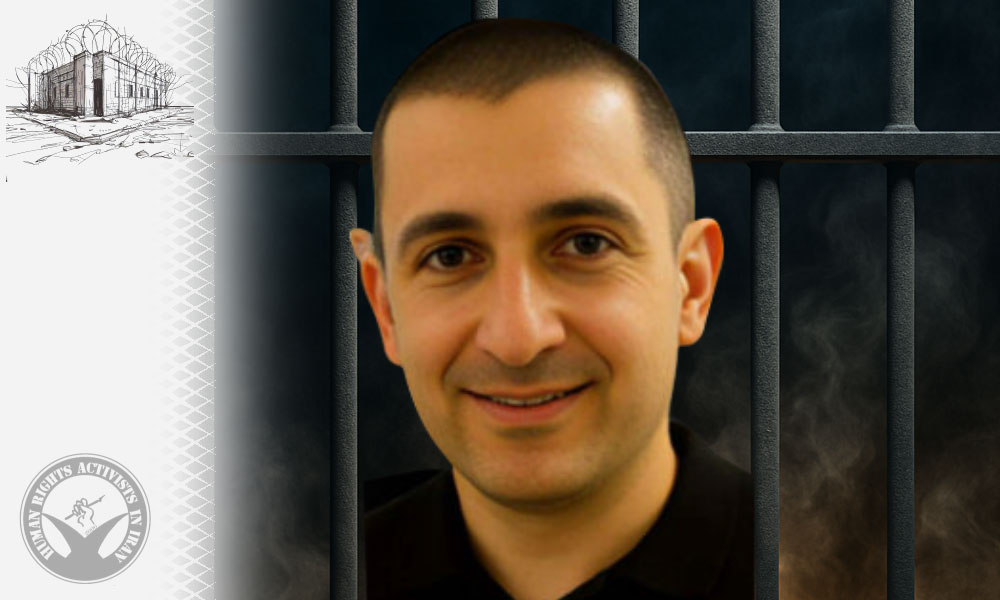
Forced Confession and Security Accusations Against Amirhossein Mousavi Broadcast on State TV

HRANA – The Islamic Republic of Iran Broadcasting (IRIB) has released a video featuring the forced confession of Amirhossein Mousavi, a political detainee held in Evin Prison.

According to HRANA, IRIB aired a video of Amirhossein Mousavi, in which efforts are made to portray him as involved in espionage and intelligence cooperation with Israel. Mousavi, appearing under apparent duress, describes his social media activities and voices remorse. The video claims he exchanged information with individuals linked to Israel during the 12-day war – despite the fact that his arrest took place roughly six months before that conflict began.

In September 2025, Mousavi’s case was referred to Branch 15 of the Tehran Revolutionary Court, presided over by Judge Abolghasem Salavati, following an indictment on charges of “assembly and collusion to act against national security” and “propaganda against the regime.” He also faces a separate charge of “insulting sacred beliefs,” which falls under the jurisdiction of the Tehran Province Criminal Court One. His lawyer previously announced that the first court hearing is scheduled for November 2, 2025.

A source close to Mousavi’s family told HRANA: “After ten months of investigation by Branch 5 of the Public and Revolutionary Prosecutor’s Office of District 33 in Tehran, his case was referred to the mentioned court branch with bail increased to 10 billion tomans.”

Earlier, Mousavi’s defense attorney, Reza Shafakhah, had shared updates regarding his client’s continued legal uncertainty and prolonged detention.

Mousavi, a Tehran resident approximately 41 years old, was arrested on December 18, 2024, at Mehrabad Airport while preparing to travel to Kish Island. His lawyer has stated that Mousavi’s account on the social media platform X (formerly Twitter) had been under surveillance for nearly six months and that his arrest stemmed from his activity there.

Before his arrest, Amirhossein Mousavi was active on X under the handle “James B Dean.”

More than Two Decades Behind Bars, Prisoner Profiles – No. 7: Gholamhossein Kalbi

HRANA – Many political and religious prisoners in Iran have endured over twenty years behind bars. To prevent their cases from fading from public memory in the flow of daily news, HRANA has launched a series of reports highlighting their situations. Each installment outlines the prisoner’s legal case, detention conditions, access to rights, and immediate needs.

In this report, HRANA, the news arm of Human Rights Activists in Iran, examines the latest situation of Gholamhossein Kalbi after more than twenty years of imprisonment.


Information Sheet

• Name: Gholamhossein Kalbi

• Year of arrest: 2000 (1379 in the Iranian calendar)

• Charge: Moharebeh (“enmity against God”) through membership in the Mojahedin-e Khalq Organization (MEK)

• Initial sentence: Death penalty

• Current sentence: Life imprisonment (commuted with one degree of reduction)

• Places of detention: After arrest, he spent 14 months in solitary confinement at The Ministry of Intelligence’s detention facility in Ahvaz, later held in Ward 209 and then Ward 350 of Evin Prison. In October 2007, following conviction, he was transferred to Mahshahr Prison, and later to Karoon Prison in Ahvaz. After the closure of Karoon Prison in February 2016, he was moved to Sheiban Prison in Ahvaz, where he remains incarcerated to this day.

• Furlough / Access: No reports of furlough in recent years; limited access to family and lawyer.

• Current status: Still serving a life sentence, despite legal changes that could allow for review or reduction.

Case Narrative and Judicial Process

On January 8, 2001, Gholamhossein Kalbi was arrested in Dezful on charges of membership in the Mojahedin-e Khalq Organization. In 2002, the Tehran Revolutionary Court sentenced him to death on the charge of Moharebeh. His sentence was later commuted to life imprisonment. While this commutation avoided the escalation of punishment, it placed him in a category of indefinite imprisonment, which in practice can extend for decades and limit access to review mechanisms.

Key Points in the Case:

• Severe security charge: The label of Moharebeh in political-security cases in Iran is among the heaviest accusations, usually carrying wide-ranging judicial and executive consequences.

• Sentence reduction: The initial death sentence and its conversion to life imprisonment show both the gravity of the charges and the scope for judicial intervention—but do not necessarily correct potential injustices in the trial process.

• Continued imprisonment despite legal changes: Although legal reforms have made retrial, sentence reduction, or conditional release possible in some cases, Kalbi remains in prison.

Detention Conditions and Transfers

Over his decades in prison, Kalbi has been moved between several facilities. After his arrest, he spent 14 months in solitary confinement at The Ministry of Intelligence’s detention facility in Ahvaz, then was transferred to Ward 209 and later Ward 350 of Evin Prison. In October 2007, he was moved to Mahshahr Prison, where he was held for several years. Despite his family residing in Mahshahr, he was later transferred to Karoon Prison in Ahvaz. After that prison was closed, in February 2016, he was transferred to Sheiban Prison in Ahvaz, where he has been held in various wards ever since.

In July 2021, after protesting prison conditions, officials at Sheiban Prison punished him by binding his hands and feet and leaving him for hours under the scorching sun. He was then transferred to a ward worse than the previous one, prompting him to go on hunger strike.

In April 2024, he was placed in Ward 5 of Sheiban Prison without regard for the principle of separation of crimes. Later, in November 2024, he was transferred to the prison’s security ward, under overcrowded conditions without adequate space for walking. He remains there today.

Observations on Standards of Detention

• Repeated transfers: Frequent movements between wards and prisons disrupt access to family, lawyer, and medical care.

• Solitary confinement as punishment: Kalbi spent 14 months in solitary confinement at The Ministry of Intelligence’s detention facility in Ahvaz. International standards require solitary confinement to be exceptional, time-limited, and supervised.

• Exposure to violence: Reports document both physical and verbal abuse during his imprisonment in Sheiban Prison. Notably, in July 2021, he was tied up and left under extreme heat as punishment for protesting prison conditions. Such incidents highlight the need for independent documentation and legal accountability.

• Medical neglect: Despite suffering from heart disease, hernia, dental infections, jaw and gum problems, spinal and neck arthritis, fungal infection leading to severe toenail disease, high cholesterol, chronic ear infection with hearing loss, Kalbi has consistently been denied transfer to hospitals or specialized treatment. “Access to medical care” is a fundamental right recognized in Iranian law, international treaties, and human rights standards. Systematic denial of medical care constitutes inhuman treatment and violates both the right to health and, in some cases, the right to life, often being used as an instrument of coercion and repression.

Access to Family, Lawyer, and Furlough

In recent years, Kalbi has not been granted furlough. His access to his family and lawyer has been reported as limited. These restrictions not only have psychological and social consequences but also undermine his ability to mount an effective legal defense or pursue retrial mechanisms.

Potential Legal Remedies (General Recommendations)

1. Retrial: Based on new evidence or substantive/procedural flaws in the original ruling.

2. Sentence reduction or conversion: If legal grounds exist.

3. Conditional release / suspension of sentence: Subject to conditions such as time served, good behavior, or health status.

4. Redress for rights violations during detention: Including access to healthcare, protection from violence, and regular visits.

5. International advocacy and documentation: If domestic remedies are blocked, use of international reporting and human rights mechanisms.


Summary Timeline

• 2001: Arrest; charge of Moharebeh through MEK membership.

• Initial sentence: Death; commuted to life imprisonment.

• Post-arrest: 14 months in solitary at The Ministry of Intelligence’s detention facility in Ahvaz, then Ward 209 and 350 of Evin.

• 2007 (1386): Transferred to Mahshahr Prison.

• 2016 (1394): Transferred to Sheiban Prison in Ahvaz.

• July 2021 (Tir 1400): Punitive torture reported—hands and feet tied, left for hours under scorching sun.

• April 2024 (Farvardin 1403): Moved to Ward 5 of Sheiban Prison without separation of crimes.

• November 2024 (Aban 1403): Transferred to security ward of Sheiban Prison.

• Recent years: No furlough, denial of medical care, restricted access to family and lawyer.

• Current status: Serving life sentence despite potential legal changes allowing review.


Conclusion and Importance of Case Review

Despite legal changes that allow retrials, sentence reductions, or conditional release for those convicted of Moharebeh, Kalbi remains imprisoned. His case illustrates the plight of long-term political-security prisoners in Iran, whose files deserve review as a crucial step toward freedom and justice.

His situation highlights both the denial of fundamental rights during detention (furlough, visits, legal representation) and the urgent need to use all domestic and international legal mechanisms for review and reduction of such lengthy sentences.

Urgent Needs

Regular, non-discriminatory access to lawyer and family.

Independent medical evaluation, especially regarding torture allegations and chronic illnesses.

Consideration for retrial or other legal remedies for sentence reduction/termination under current laws.

Enforcement of prison regulations regarding calls, visits, and furlough.

Adequate medical services and treatment.


About this Series

This report is part of the “Two Decades Behind Bars” series, which aims to document the cases of long-term prisoners and to highlight the collective responsibility to ensure their visibility and pursue their rights.

Following Delay in Hospital Transfer; Somayeh Rashidi Dies

HRANA- Somayeh Rashidi, a detained citizen, died in hospital on the morning of Thursday, September 25, after prison officials delayed her transfer to medical facilities and failed to provide adequate medical care.

On September 16, her health sharply deteriorated, and she suffered a severe seizure. In a state of severely reduced consciousness, she was transferred from Qarchak Prison in Varamin to Mofatteh Hospital, where she later passed away.

A source close to her family told HRANA:
“Ms. Rashidi had long complained of health problems, but prison officials, despite her repeated visits to the infirmary, refused to take her condition seriously. On some occasions, they even accused her of faking illness. She was only given psychiatric and sedative medications, which further worsened her health. On September 15, she suffered a severe seizure and was taken to Mofatteh Hospital with a consciousness level of five. According to hospital doctors, the delay in her transfer was the primary cause of her irreversible deterioration.”

The Judiciary’s media center, while confirming her death, claimed that upon entering prison, Ms. Rashidi disclosed an addiction to synthetic drugs as well as a history of psychiatric disorders and seizures. Mizan News Agency further alleged that she had been prescribed and received all necessary medications by prison doctors.

The Judiciary also stated that during her detention, Ms. Rashidi was examined eight times by a general practitioner, six times by psychiatric and internal medicine specialists, and was twice referred to forensic authorities for psychological evaluation.

However, information obtained by HRANA indicates that her condition steadily declined throughout detention, and that the medical care provided was inadequate and, at times, substandard. Her family had previously expressed concern over her health, but their warnings went unheeded.

Instead of addressing the circumstances of her death, Judiciary-affiliated outlets focused their reporting on her alleged background, claiming links to the People’s Mojahedin Organization of Iran (MEK) and past arrests on similar accusations. They further alleged involvement in sabotage activities, while failing to acknowledge the delays in her transfer to hospital, the medical neglect she endured, or the state’s legal responsibility for her health and safety in custody. Publishing such claims posthumously, without verifiable evidence, raises concerns that officials are attempting to deflect accountability for her death.

Ms. Rashidi was arrested on April 25 of this year for writing slogans in the Javadieh neighborhood of Tehran. After two days in custody at the 15 Khordad Police Investigation Center, she was transferred to the women’s ward of Evin Prison. Following the Israeli attack on Evin Prison, she and dozens of other women were relocated to Qarchak Women’s Prison in Varamin.

Throughout her detention, Ms. Rashidi struggled with ongoing medical issues and lack of adequate care. A source close to her family told HRANA:
“Somayeh Rashidi had a history of psychiatric disorders that appeared periodically. These episodes caused loss of concentration and impaired movement, at times leaving her unable to walk or manage daily tasks without the help of fellow prisoners.”

Somayeh Rashidi was born in 1983 and lived in Tehran.