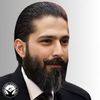
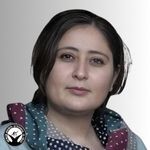
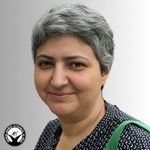
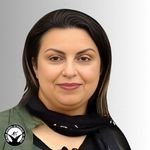
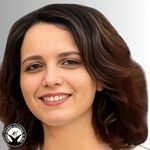
| 1. Golrokh Iraee
Civil Rights Activist
Charges: Assembly and collusion against national security
Sentenced: Five years and social deprivations
Place of imprisonment: Evin Prison |
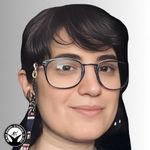
 | 2. Fatemeh Sepehri
Civil Rights Activist
Charges: Collaboration with hostile governments, assembly and collusion against national security, insulting the Supreme Leader of Iran, Propaganda against the regime, spreading falsehoods, and disturbing public opinion
Sentenced: A total of 36 years and 6 months in prison and a fine across three separate cases
Place of imprisonment: Evin Prison |
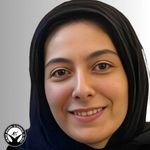 | 3. Zohreh (Fatemeh) Dadras
Women’s Rights Activist
Charges: Forming a group to disrupt national security, assembly and collusion against national security
Sentenced: 9 years, 6 months, and 2 days in prison
Place of imprisonment: Lakan Prison, Rasht |
 | 4. Maryam Akbari Monfared
Civil Rights Activist
Charges: Propaganda against the regime, assembly, and collusion against national security
Sentenced: 2 years in prison
Place of imprisonment: Qarchak Prison, Varamin |
 | 5. Zartosht Ahmadi Ragheb
Civil Rights Activist
Charges: Propaganda against the regime, assembly and collusion to commit crimes against internal and external security
Sentenced: A total of 6 years and 8 months in prison, along with social deprivations and exile across two separate cases
Place of imprisonment: Ghezel Hesar Prison, Karaj |
 | 6. Mohammadi Najafi
Civil Rights Activist
Charges: Sending audio files from Arak Prison supporting 2022 nationwide protests, spreading falsehoods, propaganda against the regime, insulting the Supreme Leader of Iran
Sentenced: More than 21 years in prison across at least five separate cases
Place of imprisonment: Evin Prison |
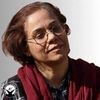 | 7. Reyhaneh Ansari-Nejad
Workers’ Rights Advocate
Charges: Assembly and collusion against national security
Sentenced: 4 years in prison and social deprivations
Place of imprisonment: Evin Prison |
 | 8. Payam Vali
Baha’is Civil Rights Activist
Charges: Collaboration with hostile governments, inciting people to war and violence, propaganda against the regime
Sentenced: A total of 11 years and 5 months in prison, along with social deprivations and exile across three separate cases
Place of imprisonment: Central Prison of Karaj |
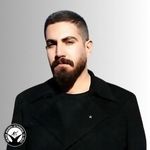 | 9. Mohammad Davari
Workers’ Rights Advocate
Charges: Insulting the Supreme Leader and propaganda against the regime in favor of opposition groups on social media
Sentenced: 4 years and 6 months in prison, social deprivations, and exile
Place of imprisonment: Adelabad Prison, Shiraz |
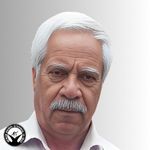 | 10. Hashem Khastar
Civil Rights Activist
Charges: Insulting the founder of the Islamic Republic, blasphemy, insulting the Supreme Leader, disturbing public opinion, collaborating with foreign media, participating in illegal gatherings, propaganda against the regime
Sentenced: A total of 18 years and 6 months in prison, along with social deprivations and exile across two separate cases
Place of imprisonment: Vakilabad Prison, Mashhad |
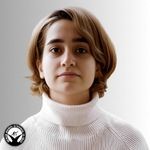 | 11. Sarvenaz Ahmadi
Children’s Rights Activist
Charges: Assembly and collusion to disrupt national security, propaganda against the regime
Sentenced: 3 years and 6 months in prison
Place of imprisonment: Evin Prison |
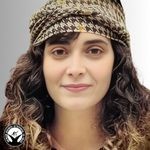 | 12. Anisha Asadollahi
Workers’ Rights Advocate
Charges: Assembly and collusion against national security, propaganda against the regime
Sentenced: 5 years and 8 months in prison
Place of imprisonment: Evin Prison |
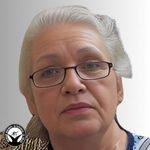 | 13. Raheleh Rahemipour
Civil Rights Activist
Charges: Assembly and collusion against national security, propaganda against the regime
Sentenced: 6 years in prison
Place of imprisonment: Evin Prison |
 | 14. Esmail Gerami
Workers’ Rights Advocate
Charges: Propaganda against the regime through participation in pensioners’ protests
Sentenced: A total of 1 year in prison and a fine across two separate cases
Place of imprisonment: Evin Prison |
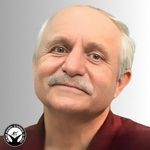 | 15. Mehran Raoof
Workers’ Rights Advocate
Charges: Participating in managing an illegal group, propaganda against the regime
Sentenced: 7 years and 6 months in prison
Place of imprisonment: Evin Prison |
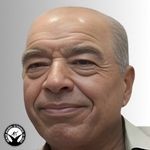 | 16. Ebrahim Madadi
Workers’ Rights Advocate
Charges: Assembly and collusion to act against national security, disrupting public order through participation in illegal gatherings
Sentenced: 1 year in prison
Place of imprisonment: Evin Prison |
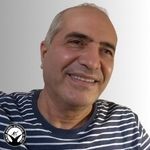 | 17. Davood Razavi
Workers’ Rights Advocate
Charges: Assembly and collusion against national security
Sentenced: 5 years in prison and social deprivations
Place of imprisonment: Evin Prison |
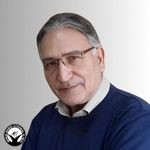 | 18. Mohammad Nourizad
Civil Rights Activist
Charges: Sending an audio file outside prison, disturbing public order, spreading falsehoods, insulting the founder of the Islamic Republic, insulting sanctities, insulting the Supreme Leader, disturbing public opinion, collaboration with foreign media, participating in illegal gatherings, propaganda against the regime, and damaging the office furniture of a prison ward chief
Sentenced: A total of 28 years and 9 months in prison, 148 lashes, and exile across six separate cases
Place of imprisonment: Evin Prison |
 | 19. Ahmadreza Haeri
Civil Rights Activist
Charges: Assembly and collusion to commit crimes against national security, propaganda against the regime, and spreading falsehoods
Sentenced: A total of 6 years and 3 months in prison across two separate cases
Place of imprisonment: Ghezel Hesar Prison, Karaj |
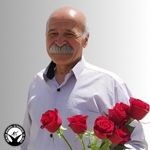 | 20. Othman Esmaeili
Workers’ Rights Advocate
Charges: Propaganda against the regime, membership in one of opposition groups
Sentenced: 1 year and 4 months in prison
Place of imprisonment: Saqqez Prison |
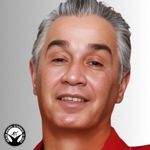 | 21. Reza (Gholamreza) Aghdasi
Workers’ Rights Advocate
Charges: Propaganda against the regime, assembly, and collusion to commit crimes against national security
Sentenced: 4 years and 3 months in prison
Place of imprisonment: Evin Prison |
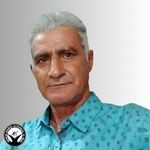 | 22. Asghar Amirzadegan
Teachers’ Union Activist
Charges: Assembly and collusion to commit crimes against national security
Sentenced: A total of 3 years in prison across two separate cases
Place of imprisonment: Firouzabad Prison |
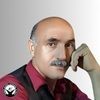 | 23. Rasoul Bodaghi
Teachers’ Union Activist
Charges: Assembly and collusion, propaganda against the regime
Sentenced: A total of 10 years and 6 months in prison and social deprivations across two separate cases
Latest Case Status: A retrial on part of his sentence (5 years and 6 months) was accepted by the Supreme Court in 2022
Place of imprisonment: Evin Prison |
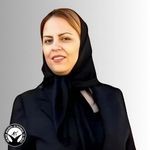 | 24. Nasrin Hasani
Journalist & Human Rights Activist
Charges: Spreading falsehoods, propaganda against the regime via posting photos, videos, and content on social media
Sentenced: A total of 1 year and 7 months in prison and fines across two separate cases
Place of imprisonment: Bojnurd Prison |
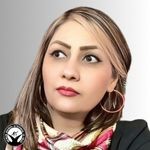 | 25. Narges Mansouri
Civil Rights Activist
Charges: Assembly and collusion against national security, propaganda against the regime
Sentenced: 9 years in prison
Place of imprisonment: Evin Prison |
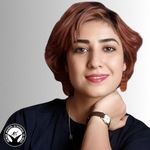 | 26. Atena Farghadani
Cartoonist & Civil Rights Activist
Charges: Blasphemy, propaganda against the regime
Sentenced: 6 years in prison
Place of imprisonment: Evin Prison |
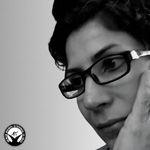 | 27. Masoumeh (Akram) Akbari
Civil Rights Activist
Charges: Assembly and collusion to act against national security, propaganda against the regime
Sentenced: 2 years in prison
Place of imprisonment: Evin Prison |
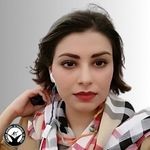 | 28. Vida Rabbani
Journalist
Charges: Assembly and collusion against national security, propaganda against the regime, insulting sanctities, disturbing public order
Sentenced: 17 years and 7 months in prison and social deprivations
Place of imprisonment: Evin Prison |
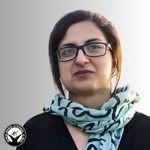 | 29. Forough Saminia
Women’s Rights Activist
Charges: Membership in a group, assembly, and collusion to disrupt national security
Sentenced: 6 years, 1 month, and 17 days in prison
Place of imprisonment: Lakan Prison, Rasht |
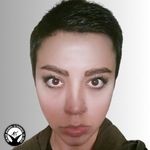 | 30. Shiva Shah-Siah
Women’s Rights Activist
Charges: Membership in a group, assembly, and collusion to disrupt national security
Sentenced: 6 years, 1 month, and 17 days in prison
Place of imprisonment: Lakan Prison, Rasht |
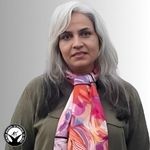 | 31. Houra Nikbakht
Women’s Rights Activist
Charges: Propaganda against the regime, insulting the Supreme Leader of Iran
Sentenced: 1 year in prison
Place of imprisonment: Evin Prison |
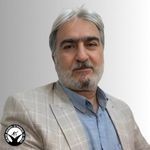 | 32. Abbas Vahedian Shahroudi
Civil Rights Activist
Charges: Forming a group to act against national security, collaborating with opposition groups
Sentenced: A total of 21 years in prison across two separate cases
Place of imprisonment: Vakilabad Prison, Mashhad |
 | 33. Mohammad Abolhassani
Civil Rights Activist
Charges: Disturbing public order, assembly and collusion, propaganda against the regime
Sentenced: A total of 5 years and 3 months in prison, 12 lashes (carried out), and social deprivations across three separate cases
Place of imprisonment: Choobindar Prison, Qazvin |
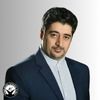 | 34. Taher Naghavi
Attorney at law & Civil Rights Activist
Charges: propaganda against the regime and assembly and collusion to act against national security
Sentenced: 6 years and social deprivations
Place of imprisonment: Evin Prison |
 | 35. Maryam Jalal Hosseini
Civil Rights Activist
Charges: Inciting and provoking people to war and violence to disrupt national security, propaganda against the regime, insulting the Supreme Leader, and forming a group to disrupt national security
Sentenced: 6 years in prison and exile
Place of imprisonment: Kachouei Prison, Karaj |
 | 36. Shakila Monfared
Civil Rights Activist
Charges: Membership in opposition groups, destruction of public property, disturbing public order, propaganda against the regime, and blasphemy
Sentenced: A total of 15 years and 5 months in prison, 10 lashes, social deprivations, and exile across four separate cases
Place of imprisonment: Evin Prison |
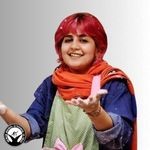 | 37. Sepideh Qolian
Civil Rights Activist
Charges: Insulting the Supreme Leader, removing hijab, facilitating corruption and immorality, and insisting on repeating the mentioned offenses during court sessions
Sentenced: 3 years and 3 months in prison and social deprivations
Place of imprisonment: Evin Prison |
 | 38. Fatemeh (Mojgan) Tadrisi
Civil Rights Activist
Charges: Inciting and provoking people to war and violence to disrupt national security, propaganda against the regime, insulting the Supreme Leader, and forming a group to disrupt national security
Sentenced: 6 years in prison and exile
Place of imprisonment: Kachooie Prison, Karaj |
 | 39. Hooman Taheri
Women’s Rights Activist
Charges: Propaganda against the regime
Sentenced: 1 year in prison
Place of imprisonment: Lakan Prison, Rasht |
 | 40. Peyman Farhangian
Workers’ Rights Advocate
Charges: Propaganda against the regime, forming a group to disrupt public order
Sentenced: A total of 11 years in prison and social deprivations across two separate cases
Place of imprisonment: Azbaram Prison, Lahijan |
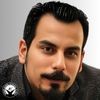 | 41. Maziar Seyednejad
Workers’ Rights Advocate
Charges: Membership in communist groups, propaganda against the regime
Sentenced: 3 years in prison and social deprivations
Place of imprisonment: Evin Prison |
 | 42. Azadeh Chavoshian
Women’s Rights Activist
Charges: Membership in a group, assembly, and collusion to disrupt national security
Sentenced: 6 years, 1 month, and 17 days in prison
Place of imprisonment: Lakan Prison, Rasht |
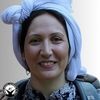 | 43. Sharifeh Mohammadi
Workers’ Rights Advocate
Charges: Propaganda against the regime, acting against national security, and armed rebellion (“Baghi”) through membership in opposition groups
Sentenced: Death sentence overturned by the Supreme Court; case referred for retrial
Place of imprisonment: Lakan Prison, Rasht |
 | 44. Morteza Seydi
Workers’ Rights Advocate
Charges: Forming a labor union to disrupt national security
Sentenced: 2 years in prison
Place of imprisonment: Evin Prison |
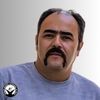 | 45. Nasrollah Amirloo
Workers’ Rights Advocate
Charges: Forming a labor union to disrupt national security
Sentenced: 2 years in prison
Place of imprisonment: Evin Prison |
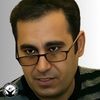 | 46. Mohammad Habibi
Teacher Union Activist
Charges: Propaganda against the regime
Sentenced: 6 months and 1 day in prison
Place of imprisonment: Evin Prison |
 | 47. Maryam Derisi
Civil Rights Activist
Charges: Disturbing public order, propaganda against the regime through online posts, removing hijab, and insulting the Supreme Leader
Sentenced: A total of 2 years, 10 months, and 17 days in prison across three separate cases
Place of imprisonment: Adelabad Prison, Shiraz |
 | 48. Nahid Shirpisheh
Civil Rights Activist
Charges: Assembly, collusion, and propaganda against the regime
Sentenced: 5 years in prison
Place of imprisonment: Zanjan Prison |
 | 49. Farhad Sheikhi
Workers’ Rights Advocate
Charges: Propaganda against the regime
Sentenced: 8 months in prison, social deprivations, and exile
Place of imprisonment: Central Prison of Karaj |
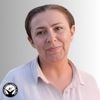 | 50. Nahid Khodajoo
Workers’ Rights Advocate
Charges: Assembly and collusion to act against national security, disturbing public order
Sentenced: 6 years in prison and 74 lashes
Place of imprisonment: Evin Prison |
 | 51. Motahareh Goonehi
Student Activist
Charges: Propaganda against the regime in favor of anti-regime media
Sentenced: 1 year in prison, temporary ban from education, and transfer to Ardabil University of Medical Sciences
Place of imprisonment: Evin Prison |
 | 52. Saeideh Shafiei
Journalist & Human Rights Activist
Charges: Propaganda against the regime, assembly, and collusion against national security
Sentenced: 3 years and 6 months in prison and social deprivations
Place of imprisonment: Evin Prison |
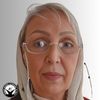 | 53. Nasrin Javadi (A’zam Khezri Javadi)
Workers’ Rights Advocate
Charges: Assembly and collusion to act against national security
Sentenced: 5 years in prison
Place of imprisonment: Evin Prison |
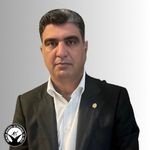 | 54. Khosrow Alikurdi
Attorney at law & Civil Rights Activist
Charges: Propaganda in favor of opposition groups, spreading falsehoods on the Internet, and failure to maintain confidentiality
Sentenced: 1 year in prison, fines, social deprivations, exile, and prohibition from practicing law across two separate cases
Place of imprisonment: Vakilabad Prison, Mashhad (open detention) |
 | 55. Armita Pavir
Civil Rights Activist
Charges: Insulting the Supreme Leader, propaganda against the regime
Sentenced: 1 year, 10 months, and 17 days in prison
Place of imprisonment: Tabriz Prison |
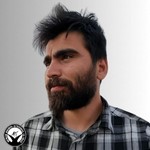 | 56. Morteza Parvin
Civil Rights Activist (Turk-Azerbaijani Activist)
Charges: Propaganda against the regime, assembly, and collusion to disrupt national security
Sentenced: 6 years in prison
Place of imprisonment: Evin Prison |
 | 57. Foad Fathi
Workers’ Rights Advocate
Charges: Membership in opposition groups, acting against national security, propaganda against the regime
Sentenced: 4 years in prison
Place of imprisonment: Evin Prison |
 | 58. Abdolrasoul Mortazavi
Civil Rights Activist
Charges: Insulting the founder of the Islamic Republic, insulting sanctities, insulting the Supreme Leader, disturbing public opinion, collaboration with foreign media, participating in illegal gatherings, propaganda against the regime, and disturbing public order
Sentenced: A total of 30 years in prison across three separate cases; maximum sentence is 15 years
Place of imprisonment: Dastgerd Prison, Isfahan |
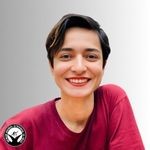 | 59. Samaneh Asghari
Student Activist
Charges: Propaganda against the regime
Sentenced: 1 year in prison
Place of imprisonment: Evin Prison |
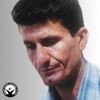 | 60. Mohammad-Ali Zahmatkesh
Teachers’ Union Activist
Charges: Membership in anti-regime online groups, propaganda against the regime, assembly, and collusion to act against national security
Sentenced: 2 years in prison
Place of imprisonment: Adelabad Prison, Shiraz |
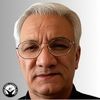 | 61. Javad La’al Mohammadi
Civil Rights Activist
Charges: Giving interviews to foreign media, membership in groups
Sentenced: A total of 23 years in prison across three separate cases
Place of imprisonment: Vakilabad Prison, Mashhad |
 | 62. Arsham Rezaie
Civil Rights Activist
Charges: Assembly and collusion to commit crimes against national security, propaganda against the regime, inciting people to conflict and bloodshed, illicit financial gains, spreading falsehoods
Sentenced: A total of 15 years in prison, fines, 50 lashes, and social deprivations across two separate cases
Place of imprisonment: Ghezel Hesar Prison, Karaj |
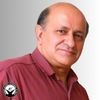 | 63. Saman Ostovar
Children’s Rights Activist
Charges: Educational and propaganda activities against Islamic law, insulting against Islamic law, forming a group and leading individuals to disrupt national security by promoting Baha’i teachings to children, engaging in educational activities incompatible with Islamic law through kindergartens, and propaganda against Islamic law through coaching
Sentenced: 5 years in prison, fines, and social deprivations
Place of imprisonment: Central Prison of Karaj |
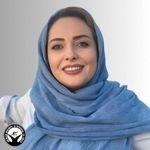 | 64. Zahra Dadras
Women’s Rights Activist
Charges: Membership in a group, assembly, and collusion to disrupt national security
Sentenced: 6 years, 1 month, and 17 days in prison
Place of imprisonment: Lakan Prison, Rasht |
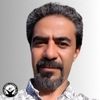 | 65. Yashar Tabrizi
Civil Rights Activist
Charges: Unknown
Sentenced: Currently in temporary detention; trial has not been held
Place of imprisonment: Unknown |