Day 33 of the Protests: EU Designates IRGC as a Terrorist Organization as Repression Persists

HRANA – According to the latest aggregated data compiled by HRANA on the thirty-third day since the start of the protests, the total number of confirmed deaths has reached 6,479. Of these, 6,092 were protesters, 118 were children under the age of 18, 214 were government-affiliated forces, and 55 were non-protester civilians. In addition, 17,091 cases remain under investigation. The number of injured civilians has been reported at 11,020, along with 281 cases of forced confessions and 11,027 summonses to security institutions. Furthermore, a total of 660 protest-related incidents have been recorded across 203 cities in 31 provinces.

Today, two parallel developments unfolded. On the one hand, external reactions and pressure, particularly in Europe, intensified, with a focus on designating the Islamic Revolutionary Guard Corps as a terrorist organization and imposing human rights sanctions. On the other hand, repression continued domestically following the street phase of the protests, taking the form of ongoing arrests, the presence of security institutions in schools, and increased pressure in detention centers and medical facilities.

Designating the IRGC as a Terrorist Organization and Sanctions Packages

In recent days, the European Union has pursued pressure on Iran’s repressive apparatus through two parallel tools: placing the Islamic Revolutionary Guard Corps (IRGC) on the list of terrorist organizations and expanding targeted human rights sanctions against individuals and entities involved in the crackdown. Kaja Kallas, the European Union’s High Representative for Foreign Affairs, announced that EU foreign ministers had taken a “decisive” step by designating the Islamic Revolutionary Guard Corps as a terrorist organization, stressing that the repression of protesters would not go unanswered.

Simultaneously, the European Union sanctioned 15 individuals and 6 Iranian entities for their “involvement in or responsibility for human rights violations and the repression of protesters.” According to HRANA, these sanctions include asset freezes, travel bans to the European Union, and prohibitions on providing any financial or economic resources to the listed individuals and entities.

Among the announced cases are the names of several key figures and institutions. These include Eskandar Momeni (Minister of Interior), Mohammad Movahedi Azad (Prosecutor General), and Iman Afshari (judge of Branch 26 of Tehran’s Revolutionary Court), whom the Council of Europe has linked to roles in the “violent suppression of protests” and “arbitrary arrests.”

In the supplementary sanctions packages tied to digital repression, the Organization for the Regulation of Audio and Visual Media (SATRA), the IRGC’s Center for the Examination of Organized Crimes (Seraj Center), and the Working Group for Determining Criminal Content have also been named as entities playing a direct role in the “control, censorship, and suppression of communications and cyberspace.”

Experts believe that at the political level these measures go beyond mere “sanctions.” The formal redefinition of the IRGC as a terrorist actor in Europe carries broader implications: increasing the risks of financial and legal engagement with affiliated structures, strengthening the legal basis for accountability efforts, and at the same time raising the political cost of normalizing relations with institutions responsible for repression.

Reactions indicate that this process in Europe has moved beyond a purely “symbolic” or media-driven stance. Roberta Metsola, President of the European Parliament, voiced support for the EU’s move to designate the IRGC as a terrorist organization, calling it “the right decision” and emphasizing the need to “stand firm.” Meanwhile, Hadja Lahbib (EU Commissioner) referred to the decision to impose new sanctions on individuals involved in the crackdown and spoke of the European Union’s support for investigations and fact-finding mechanisms into the killing of protesters.

Repression and Arrests: Security Agents’ Presence in Schools and Harsh Situation at Mashhad Detention Centers

Despite the subsiding of the street phase of the protests, field reports indicate that arrests and prosecution continue, and in some areas have been accompanied by new waves of mass arrests. According to HRANA, at least 706 citizens were arrested over the past 24 hours in the cities of Dezful, Yazd, Borujen, Borujerd, and Nur. In addition, the Public Security Police of FARAJA reported the arrest of 327 protesters nationwide since December 28, while the General Directorate of Intelligence of Hormozgan Province announced the arrest of 65 citizens in connection with the protests.

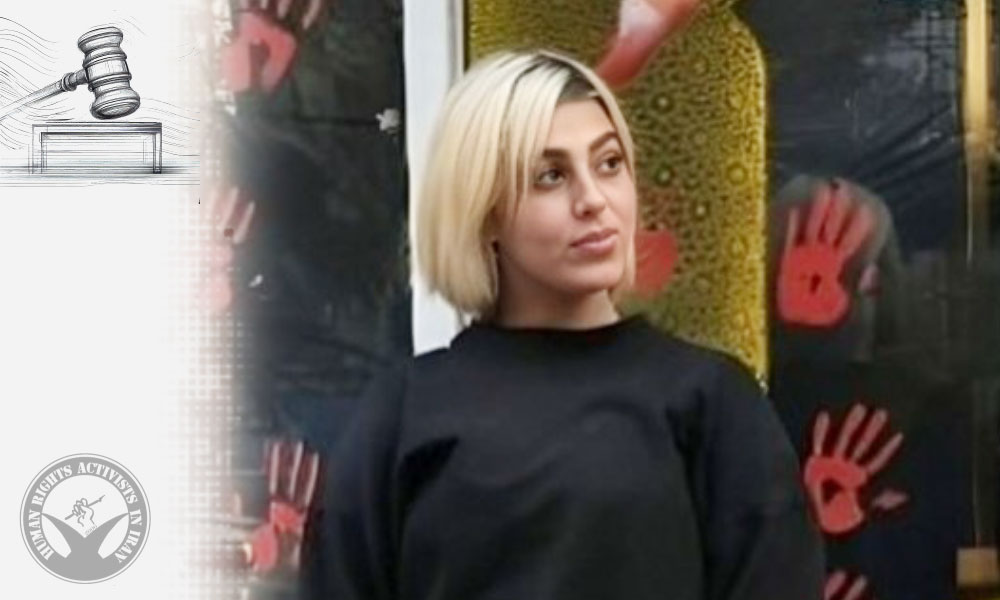
Individual arrests by security forces follow the street-level crackdown. HRANA has reported the detention and continued lack of information regarding several detained individuals: Maedeh Dowlatabadi (21) in Urmia, who is being held in a security detention facility; as well as Farhad Jangi-Zehi (Minab) and Ehsan Nedaei-Hour (Ramsar), who were arrested on different dates and remain in custody.

At the same time, arrests among students have also continued. HRANA has reported the detention of Amin Norouzi and Ilya Bakhshaie (two students in Yazd), as well as Yousef Yousefi, a student at Kharazmi University of Technology in Tehran, during the protests.

One indicator of the continuation of repression is the transfer of security pressure into schools. Reports indicate that security agents have been dispatched to schools and have spoken with students in an effort to impose the official narrative of the protests. An 18-year-old student from Bandar Abbas stated that in recent days, agents have been sent to schools and are attempting to promote the government’s official account.

Taken together, these data suggest that the policy of control has shifted from the “street” to universities, schools, and detention centers, aiming to prevent the re-emergence of protests through sustained pressure and the cultivation of lasting fear.

Crackdowns in Medical Facilities and Arrests in Hospitals

Reports related to the treatment of the injured most clearly reflect the intensity of pressure and repression, where seeking medical care can turn into a risk of arrest. According to an account from a source in Tehran, a large number of citizens with pellet-gun injuries to the eyes sought treatment at a specialized ophthalmology hospital in the city. After the protests ended, representatives from the medical sciences university and security institutions visited the hospital, extracted the names of all individuals hospitalized between January 8 and January 12, and took the information with them.

the Deputy for Nursing Affairs at Iran’s Ministry of Health said that if individuals seek treatment and provide a different name, “no one conducts an inspection,” and that identity verification is only required if insurance is used, a claim that effectively acknowledges the presence of fear and the issue of identity checks, even though it does not directly reference security forces entering hospitals. Abbas Abadi, the Ministry’s Deputy for Nursing Affairs, also warned about the consequences of delayed treatment, stating that postponement can lead to wound infections and the need for complex surgeries.

At the international level, the World Health Organization announced that amid the widespread crackdown on protesters, it has confirmed an attack on a hospital in Iran and emphasized the necessity of protecting healthcare facilities and ensuring unhindered access to medical services.

Taken together, these reports indicate that the “space of medical care” has also become part of the security arena, from extracting the names of the injured to heightened fear of seeking treatment, and multiple reports of the abduction or arrest of wounded individuals.

Teachers’ Statement and the Killing of Several Educators

The Coordination Council of Teachers’ Trade Associations of Iran stated in a communiqué that, alongside references to mounting security pressures, several teachers were killed during the protests: Kamran Akbari, Karamali A‘laei, and Reza Karimi-Far (Ansari-Far).

Updated (Aggregated) Statistics Through the End of Day 33 of the Protests

• Total protest locations/incidents in cities: 660
• Number of cities (non-duplicative): 203
• Number of provinces (non-duplicative): 31

• Injured civilians: 11,020
• Arrested children, adolescents, and students: 326
• Arrested students: 70
• Forced confessions: 281
• Summonses: 11,027

• Total protesters killed: 6,092

▪️ Including children: 118
▪️ Military/government-affiliated forces: 214
▪️ Non-protester civilians: 55

• Total deaths: 6,479

• Cases under review: 17,091 cases

Summary

Day 33 of the protests was marked by the continuation of post-crackdown repression, including ongoing arrests, an expanded security presence in schools, and sustained pressure on detention centers and medical facilities. At the same time, international developments, most notably the designation of the IRGC as a terrorist organization and the imposition of targeted European sanctions, underscore that the repression file remains active and is entering a phase of intensified diplomatic and human rights pressure.

Ahmad Alizadeh Arrested by IRGC Intelligence in Ilam

HRANA – Yesterday, January 28, Ahmad Alizadeh, a high school physical education teacher in Abdanan County, was arrested by agents of the Islamic Revolutionary Guard Corps Intelligence in Ilam Province and transferred to an undisclosed location.

A source close to the family confirmed the arrest, telling HRANA that Ahmad Alizadeh was detained on Wednesday evening, January 28, 2026, by IRGC intelligence agents without the presentation of a judicial warrant. Following his arrest, he was transferred to an unknown location and has had no contact with his family so far.

As of the time of this report, no information has been obtained regarding the reasons for his arrest or the charges brought against him.

In February 2025, Ahmad Alizadeh had been sent to the city of Fanuj in Sistan and Baluchestan Province to serve a two-year sentence of compulsory residence.

He was previously arrested on October 17, 2022, in connection with the nationwide protests in Abdanan, Ilam Province, by security forces, and was later released on bail.

Ahmad Alizadeh, aged approximately 53, is an employee of the Abdanan Department of Education and a high school physical education teacher with more than 29 years of work experience. He has previously faced arrest and judicial action due to his activities.

Arbitrary arrests, transferring detainees to undisclosed locations, and leaving families in the dark about the fate of their loved ones are routine practices of the Iranian regime’s security agencies, such as the Ministry of Intelligence and the IRGC Intelligence Unit. This pattern of behavior stands in clear violation of the United Nations Standard Minimum Rules for the Treatment of Prisoners, known as the Nelson Mandela Rules.

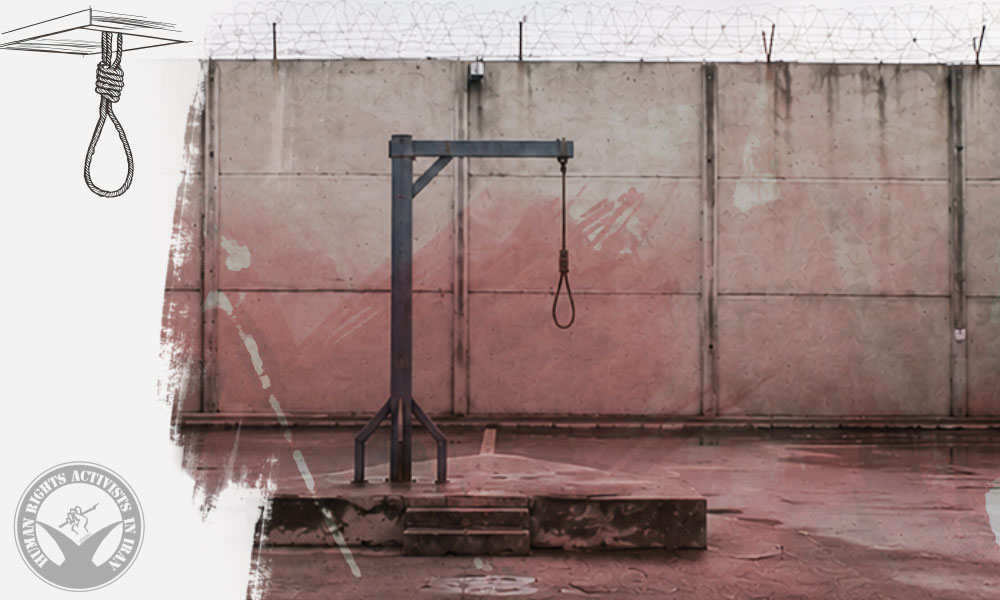
At Least 11 Prisoners Executed on Murder and Drug-Related Charges

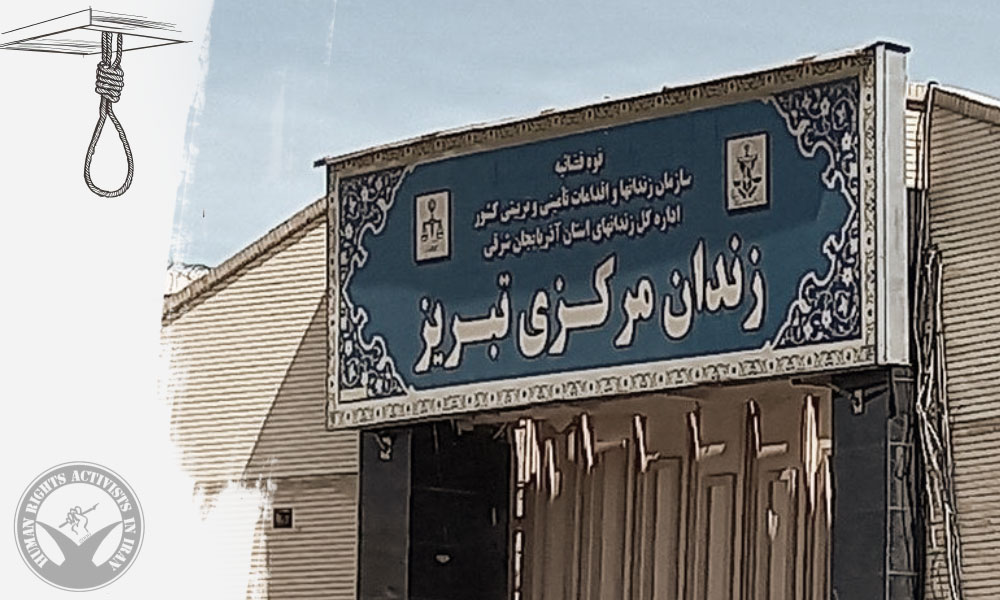
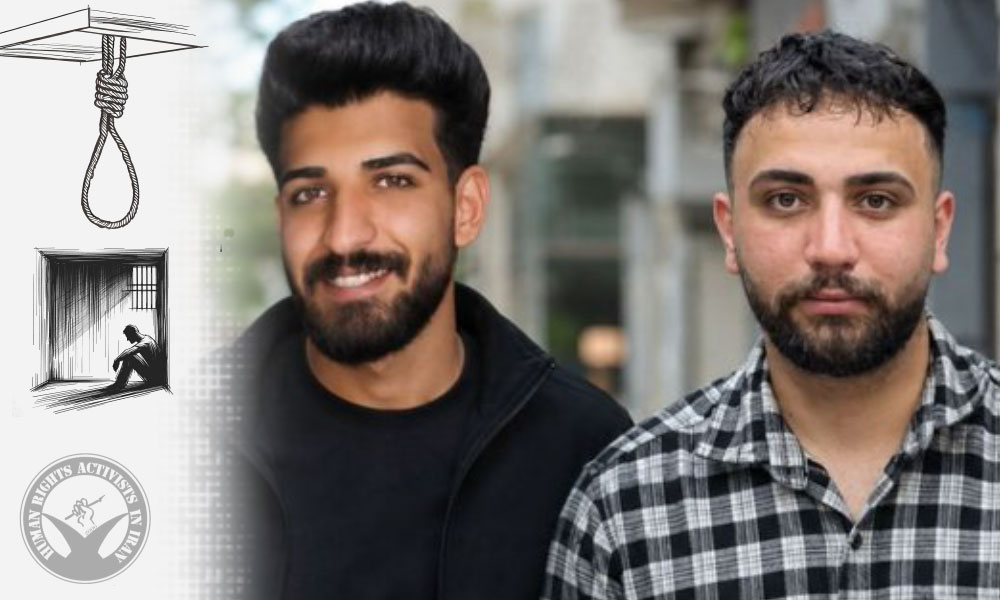
HRANA – At dawn yesterday, Wednesday, January 28, the death sentences of 11 prisoners, previously convicted on charges related to drug offenses and murder, were carried out in the prisons of Mahabad, Esfarayen, Sabzevar, Shiraz, Malayer, Damghan, Chabahar, Mashhad, Kashmar, Shahrekord, and Bushehr.

According to information received by HRANA, Fuad Amini was executed in Mahabad Prison; Sajjad Khani in Esfarayen Prison; Farhad Namazi in Sabzevar Prison; Nima Afshari in Malayer Prison; Khosrow Pezeshki in Damghan Prison; Darvish Abbas Yadegari in Kashmar Prison; Hossein Mousavi in Shahrekord Prison; and Mokhtar Hassani in Bushehr Prison. All had been sentenced to death on murder charges, and their sentences were carried out.

Additionally, Arshia Changi in Shiraz Prison, Armin Aghapour in Mashhad Prison, and one Afghan national in Chabahar Prison were executed on charges related to drug-related crimes.

Further details, including the identity of the prisoner executed in Chabahar Prison, are currently under investigation by HRANA.

As of the time of this report, the executions have not been officially announced by prison authorities or relevant institutions.

According to HRA’s annual report on the human rights situation in Iran, at least 2,063 people were executed in Iran during the one-year period from January 1, 2025, to January 1, 2026. Based on this data, executions increased by 119% compared to 2024. In many of these cases, due to secrecy, prisoners were deprived even of the right to a final visit with their families.

Report on the Arrest of Hossein Zarabian, a Specialist Physician in Isfahan

HRANA  – Hossein (Babak) Zarabian, a specialist in infectious diseases, has been arrested by security forces at his private residence in Isfahan for more than two weeks, and no information has so far been obtained regarding his place of detention.

A source familiar with the case told HRANA that the arrest of this specialist physician took place on January 14 at his home in Isfahan and was due to his assistance to injured protesters. According to the source, there has been no information to date about Mr. Zarabian’s whereabouts. His relatives have visited security and judicial authorities to follow up on his case, but despite expressing readiness to post bail and requesting information about his place of detention, they have not received any clear response.

As of the time of this report, no information is available regarding the charges brought against this citizen.

Hossein (Babak) Zarabian holds a doctorate in medicine and is a specialist in infectious and tropical diseases. Prior to his arrest, he was working at Milad Hospital in Isfahan.

It is worth noting that gatherings and strikes by shopkeepers and market traders began in Tehran on December 28 and after two days spread beyond markets and commercial centers. With the participation of students, citizens, and various social groups, these protests became one of the most widespread movements in recent years. For further information, readers may refer to HRANA’s detailed report on the 31st day of the protests, published last night.

Hamidreza Sabet Esmailpour Executed on Espionage Charges

HRANA – The Judiciary’s Media Center announced the execution of Hamidreza Sabet Esmailpour on charges of espionage. The death sentence was carried out at dawn today, Wednesday, January 28.

Mizan, the Judiciary’s Media Center, described the charge against him as espionage for Israel and claimed that he had carried out “intelligence and operational activities for the Zionist regime, including purchasing equipment required by an officer and relocating vehicles in the provinces of Isfahan and Lorestan to pave the way for sabotage by the Israeli regime at missile facilities of the Ministry of Defense, known as the ‘Major Operation’, which was discovered and thwarted by Ministry of Intelligence agents in 2022.” These were cited as among the missions allegedly carried out by Hamidreza Sabet.

Mizan further claimed that Hamidreza Sabet Esmailpour began cooperating after establishing contact on the Internet with a person introduced as a Mossad officer. He allegedly went on to carry out missions such as filming, concealing, and moving equipment and vehicles, for which he received payments. According to these claims, the vehicles that were relocated contained explosive materials. It was also alleged that the accused used temporary access to photograph certain documents classified as security-related and provided them to Israeli intelligence services.

In a statement, the Judiciary said that Mr. Sabet was arrested on April 29, 2025. It further claimed that after his arrest, his communications with the Mossad officer continued under intelligence surveillance, leading to the discovery and neutralization of several alleged operations.

Following the formation of a judicial case and the completion of legal proceedings, the court, citing reports by a special law enforcement authority, security documentation, classified documents, and the defendant’s statements, sentenced him to death on charges of espionage and cooperation with the Israeli regime, along with the confiscation of assets obtained through illegal means. The verdict was ultimately upheld by the Supreme Court.

While combating espionage is not in itself considered a violation of human rights, given the Iranian government’s record of instrumentalizing such charges to target political opponents, these claims, particularly in the absence of transparency regarding details and judicial proceedings, are consistently viewed with skepticism.

Subscribe to Our Newsletter

Now is definitely not the time to stop reading!

Thirty-First Day Since the Start of the Protests; Continued Internet Blackout, First Court Hearing Held

HRANA – According to the latest aggregated data compiled by HRANA as of the end of the thirty-first day since the start of the protests, the total number of confirmed deaths has reached 6,221. Of these, 5,858 were protesters, 100 were children under the age of 18, 214 were forces affiliated with the government, and 49 were non-protester civilians. The number of deaths still under investigation has been reported as 17,091. The total number of arrests has reached 42,324. The number of severely injured individuals stands at 11,017, and 261 cases of forced confessions being broadcast have been recorded. Additionally, 11,026 people have been summoned to security institutions. The total number of recorded protest-related incidents is 656 across 201 cities in 31 provinces.

The main developments on the thirty-first day since the start of the protests included the continued policy of controlling communications and cracking down on alternative access tools, the continuation of both scattered and mass arrests, the holding of the first court hearing related to the protests in Malard, as well as pressure and threats against medical staff.

Continued Internet Disruptions and Shutdowns; Economic Losses and Security Crackdown on Starlink

Following the aftermath of the protests, the “digital blackout” and severe restrictions on internet access continue to be reported as one of the main axes of controlling and managing the public sphere. NetBlocks data indicate the continuation of a restricted, “whitelist-based” situation; such that even in cases where some networks have become “globally visible,” this does not mean a return to normal internet access, and public connectivity remains blocked or highly unstable. Within this framework, reports have emerged of entering the nineteenth day of a “complete internet shutdown,” alongside the formation of quota-based access mechanisms for certain groups. Among these, holders of commercial cards have reportedly been granted only limited and short-term access (approximately 20 minutes per day) at chambers of commerce and under supervision, a situation that effectively transforms the internet from a public service into a security-administrative privilege.

At the same time, the economic costs of this situation have been highlighted in official statements. According to remarks by the Minister of Communications, the internet shutdown has caused daily losses of hundreds of billions of tomans to the digital economy and several trillion tomans to the national economy. These figures, together with field reports of supply chain disruptions, stalled transactions, and reduced access to basic services, highlight the economic consequences of the communications shutdown policy.

In this regard, the Iranian Writers’ Association issued a statement referring to killings, widespread arrests, and overcrowded prisons, condemning the ongoing crackdown.

Security measures targeting alternative means of internet access have also intensified. Reports indicate the discovery and confiscation of dozens of Starlink devices, explicitly described as “anti-security goods,” demonstrating that information control is not limited to cutting off official networks and that alternative communication routes have also become targets of security policies.

Arrests and Crackdowns; First Court Hearing Related to the Protests in Malard

Aggregated reports from the days following the nationwide protests indicate that the wave of arrests and security crackdowns has continued across various cities, remaining scattered yet widespread. In some cases, the arrest of citizens has been reported in areas such as Zahedan, Torbat-e Jam, and Sabzevar, while in others, arrests have been documented in Gorgan, Dehgolan, Javanrud, Babol, and Lahijan. This geographic spread, alongside the large number of cases, points to the continuation of a pattern of “post-event cleansing” (arrests carried out after street protests subside) aimed at controlling social networks and local environments.

On a broader scale, reports have emerged of the arrest of 224 citizens, the majority of whom were detained in Qazvin. According to these reports, 219 individuals were arrested under the label of “leaders of the protests,” with additional cases reported in Qarchak and Shahroud. Alongside the arrests, there is also evidence of the detention of injured protesters, including reports indicating that some individuals were arrested while their medical treatment had not yet been completed, a pattern of conduct that violates the most fundamental human rights, including the right to medical care.

The holding of the “first court hearing related to the January protests” in Malard is regarded as the starting point of a broad series of trials. In this case, the subject of the court session was announced as the death of a FARJA (Law Enforcement Command) officer, and images from the hearing were also published. Mohammad Abbasi has been introduced as the primary defendant in the case. The conduct of the trial, including statements by the court-appointed lawyer made against the interests of the defendant, has prompted criticism from human rights organizations over the lack of fair trial standards. This case also involves another defendant.

Use of Schools as Suppression Bases; Expanded Security Presence in Public Spaces

Reports also shed light on the tools and spaces used for urban control. Among them is the publication of an image of a school in Arak (Imam Ali School), which is said to have been used as a base for suppressing protesters. The use of educational spaces for the deployment of forces and operational management, in addition to its direct impact on citizens’ safety, has secondary consequences such as fostering social fear, disrupting educational environments, and normalizing a security presence within public institutions.

Alongside these developments, field reports also point to restrictions on mourning practices and pressure on the families of those killed, including preventing the installation of banners and the holding of memorial ceremonies, as well as the removal or destruction of signs of mourning in public spaces. Taken together, these data indicate that the crackdown has not been limited to controlling the streets, but has extended to controlling narratives, collective memory, and even mourning rituals.

Crackdown on Medical Staff and the Arrest of Doctors; Securitizing Healthcare and Humanitarian Aid

Reports indicate that medical staff, particularly doctors and those who treated individuals injured during the protests, have been subjected to pressure and security crackdowns. In one case, Farhad Nadali, a physician at 5 Azar Hospital in Gorgan, was reportedly arrested by IRGC Intelligence for treating individuals injured in the protests and for opposing the deployment of armed forces inside the hospital. It has also been alleged that armed forces fired at protesters from the hospital rooftop, an allegation which, if confirmed, would point to the transformation of medical centers into components of the suppression apparatus.

In another case, the arrest of Babak Pouramin (an emergency medicine specialist) in Neyshabur was reported. He was reportedly arrested on January 19 and transferred to Vakilabad Prison in Mashhad, has had only limited contact with his family, and has been denied access to legal counsel. The same report also states that some doctors have been threatened with accusations such as “helping injured individuals escape from the hospital.”

Additionally, reports point to the arrest of Dr. Ameneh Soleimani in Ardabil and Ali Fakher, a retired nurse in Sirjan, for providing aid to injured protesters; the detention of members of Mr. Fakher’s family has also been mentioned. Taken together, these cases point to a troubling pattern: the securitization of healthcare, the criminalization of humanitarian assistance, and pressure on medical networks as a means of reducing support capacity for the injured and controlling the human consequences of the protests.

Official Statements; Protest-Related Damages in Gilan and the Government Spokesperson’s Position

Official authorities have attempted to focus attention on the damages caused by the protests. Among these, the estimated damages from the “recent incidents” in Gilan Province were announced to exceed 3 trillion tomans, with references to damage and fires affecting parts of Rasht’s bazaar. At the same time, the government spokesperson, Fatemeh Mohajerani, referred to “collective mourning” and the state’s responsibility toward those affected, while also stressing a distinction between “legitimate protesters” and “deviant currents.” Such formulaic statements have repeatedly been used by state institutions to justify their conduct in suppressing protesters.

Updated (Aggregated) Statistics as of the End of the Thirty-First Day Since the Start of the Protests

Number of recorded gatherings/protests: 656
Number of cities involved (no duplication): 201
Number of provinces involved (no duplication): 31
Total arrests: 42,324
Broadcasts of forced confessions: 261 cases
Summonses to security institutions: 11,026 cases
Severely injured individuals: 11,017
Confirmed deaths: 6,221

▪️ Protesters: 5,858
▪️ Children (under 18): 100
▪️ Government-affiliated forces: 214
▪️ Non-protesters / civilians: 49

Deaths under investigation: 17,091

Summary

The thirty-first day since the start of the protests passed amid the continued policy of controlling communications and cracking down on alternative access tools. At the same time, reports pointed to scattered yet widespread arrests, as well as pressure on the injured and their families. The first protest-related court hearing in Malard marks the consolidation of a judicial approach aimed at imposing severe penalties on protesters, drawing warnings from human rights groups regarding fair trial guarantees. Additionally, pressure on medical staff, the arrest of doctors and aid workers, and reports of public spaces such as schools being used as bases for suppression highlight new dimensions of the continued security crackdown in the aftermath of the protests.

Nationwide Protests: Arrest of 224 Citizens in Several Cities

HRANA – In recent days, three protesters in the city of Qarchak and two others in Shahrud were arrested by law enforcement forces in connection with the protests. At the same time, 219 protesting citizens in Qazvin were arrested under the label of “leaders of the protests.”

According to Tasnim News Agency, the police commander of Qarchak accused these citizens of “setting fire to an ambulance belonging to Shahid Sattari Hospital.” He also claimed that they “attacked the emergency medical staff of Qarchak while they were carrying out a medical mission and assaulted them.”

State broadcaster IRIB also reported the arrest of two individuals in Shahrud.

The police commander of Semnan Province described the detained citizens as being involved in the “destruction and arson of several banks in Shahrud.”

Simultaneously, the police commander of Qazvin Province announced the arrest of 219 citizens, referring to them as the “main leaders of the protests.”

These reports did not provide any information regarding the identities or places of detention of the arrested citizens.

It is worth noting that gatherings and strikes by shopkeepers and bazaar merchants began in Tehran on Sunday, December 28, and after two days extended beyond bazaars and commercial centers. With the participation of students, citizens, and various social groups, these protests turned into one of the most widespread demonstrations of recent years. For more information, readers can refer to HRANA’s detailed report on the thirtieth day of the protests, which was published last night.

Report on the Arrest of Eight Citizens, Including Protest Injurees and a Nurse

HRANA – Last night, Fariba Asadi, a resident of Karaj, was arrested by agents of the IRGC Intelligence. In addition, Reza Sheikh Amirloo, Peyman Azimi, Ehsan Khaleghi, and Saber Hatami Milanloo were arrested in Esfarayen. In Sirjan, Ali Fakher, a retired nurse, along with his wife and daughter, were arrested for providing medical assistance to the injured.

Based on information received by HRANA, Fariba Asadi was arrested on Monday evening, January 26, at her home in Karaj by agents of the IRGC Intelligence due to her presence at protests. Meanwhile, Ali Fakher, a retired nurse and former manager of Gharazi Hospital in Sirjan, was recently arrested for providing aid to those injured in the recent protests. His wife and daughter were also arrested by security forces on Friday, January 23.

During the recent protests in Esfarayen, four citizens were arrested. Reza Sheikh Amirloo, who had been injured by pellet gunfire, was arrested on Saturday, January 23. Ehsan Khaleghi, who had been wounded by dozens of pellets, was transferred to Khomeini Hospital on Sunday, January 10, due to bleeding; however, before completing his medical treatment, he was arrested by IRGC forces. Additionally, Peyman Azimi, despite being injured by live ammunition, and Saber Hatami Milanloo were arrested on January 10.

As of the time of this report, no information has been obtained regarding the charges against or the place of detention of those arrested.

Among these citizens, Fariba Asadi has previously faced judicial confrontations and arrest due to her activities.

It is worth noting that gatherings and strikes by shopkeepers and bazaar merchants began in Tehran on Sunday, December 28, and after two days extended beyond bazaars and commercial centers. With the participation of students, citizens, and various social groups, these protests turned into one of the most widespread demonstrations of recent years. For more information, readers can refer to HRANA’s detailed report on the thirtieth day of the protests, which was published last night.

Ali Asadollahi Arrested by Security Forces in Tehran

HRANA – On January 25, Ali Asadollahi, a poet and writer, was arrested in Tehran by agents of the Ministry of Intelligence.

Based on information received by HRANA, Mr. Asadollahi was arrested last night at his private residence in Tehran by agents of the Ministry of Intelligence. As of the time of this report, no information has been obtained regarding the reasons for his arrest or the charges brought against him.

Ali Asadollahi, a poet, writer, and member of the Iranian Writers’ Association, had previously been arrested during the nationwide protests of 2022.

It is worth noting that gatherings and strikes by shopkeepers and bazaar merchants began in Tehran on Sunday, December 28, and after two days extended beyond bazaars and commercial centers. With the participation of students, citizens, and various social groups, these protests turned into one of the most widespread demonstrations of recent years. For more information, readers can refer to HRANA’s detailed report on the thirtieth day of the protests, which was published last night.

Day Thirty of the Protests: From Internet Disruptions to the Pursuit of the Injured

HRANA – According to the latest aggregated data compiled by HRANA, on the thirtieth day since the start of the protests, the total number of confirmed deaths has reached 6,126. Of these, 5,777 were protesters, 86 were children under the age of 18, 214 were forces affiliated with the government, and 49 were non-protesters or civilians. The number of deaths still under investigation stands at 17,091.
The total number of arrests has reached 41,880, the number of severely injured individuals 11,009, and 245 cases of forced confessions broadcast have been reported. The number of individuals summoned by security institutions is 11,024. Overall, 651 protest-related incidents have been recorded across 200 cities in 31 provinces.

On the thirtieth day of the protests, the continuation of communication control policies, the ongoing wave of arrests, and growing concerns over the safety of medical centers for the injured have been among the most significant developments. In addition, government pressure on journalists and the transfer of injured protesters from hospitals to detention facilities persisted, prompting international reactions.

Ongoing Internet Disruptions and Shutdowns: Pressure on Information Flow and Economic Impact

On the thirtieth day of the protests, widespread internet disruptions and shutdowns have remained one of the government’s main tools for restricting the flow of information and reducing protesters’ ability to organize. NetBlocks has reported that the internet shutdown has entered its eighteenth day, while restrictions on circumvention tools have simultaneously intensified. This situation has effectively caused serious disruption to citizens’ access to information, communication with family members, online services, and independent media. In this context, Iran’s Minister of Communications, referring to the economic consequences, stated that the cost of the internet shutdown amounts to “five trillion tomans per day” (approximately 35 million dollars). Beyond its impact on online businesses, this figure reflects direct repercussions for household livelihoods and small and medium-sized economic activities.

At the same time, Sazandegi newspaper, in an analytical report, described the nationwide internet shutdown as a sign of policy failure and a crisis in communications governance. It emphasized that broad blockage not only prevents the transmission of news and images about the protest situation, but also leads to declining public trust, heightened uncertainty, and deepening economic damage.

Meanwhile, the International Federation of Journalists has issued statements in response to the security forces’ crackdown on journalists and media activists, reporting the arrest of two photojournalists: Hamed Araghi, arrested in Tehran, and Artin Ghazanfari, arrested in Mashhad following a search of his home and the seizure of his equipment. This stance, alongside the ongoing internet shutdown, presents a clear picture of the government’s systematic efforts to control the public narrative: cutting communications to limit the spread of news, while simultaneously arresting and pressuring journalists and photographers to restrict content production and on-the-ground documentation. Taken together, developments on the thirtieth day of the protests show that information control remains one of the central pillars of the repression policy, extending beyond “filtering” to “complete blockage,” “increased social and economic costs,” and the “securitization of media activity.”

Escalation of Mass Arrests and Intensified Security Measures

In recent days, reports indicate widespread arrests across various cities. Alongside scattered detentions of citizens in multiple locations, news has emerged of the arrest of more than 300 citizens in Semnan Province, as well as the detention of at least 54 citizens in cities including Yazd, Zanjan, and Malard. On an individual level, cases such as the arrest of a poet and writer in Tehran and the arrest of a Bahá’í citizen in Mashhad (followed by transfer to Vakilabad Prison) reflect the wide range of individuals targeted by security measures.

Security measures have not been limited to arrests alone, with labor activists, religious minorities, and athletes also facing pressure, alongside efforts to control the flow of information. Reports also point to the ongoing broadcast of “forced confessions” as part of an intimidation strategy and the state’s narrative-building around the protests, while some arrests have been accompanied by families being kept uninformed of detainees’ whereabouts. Taken together, these developments indicate that on the thirtieth day of the protests, security agencies continue to pursue an approach centered on mass arrests, intimidation, and control of the narrative.

Updated (Cumulative) Statistics as of the End of the Thirtieth Day of the Protests

• Number of recorded gatherings/protests: 651

• Number of cities (no repetition): 200

• Number of provinces (no repetition): 31

• Total arrests: 41,880

• Arrested students: 62

• Broadcast of forced confessions: 245

• Summoned to intelligence/security agencies: 11,024

• Severely injured individuals: 11,009

• Confirmed fatalities: 6,126

▪️ Protesters: 5,777
▪️ Children (under 18): 86
▪️ Forces affiliated with the government: 214
▪️ Non-protesters/civilians: 49

• Fatalities under investigation: 17,091

Concerns Over Seeking Medical Care and Reports of the Pursuit and Arrest of the Injured

One of the key developments in recent days has been the growing number of reports about injured individuals fearing visits to medical centers, as well as reports of wounded protesters being pursued and arrested in hospitals. Iran’s Ministry of Health has implicitly acknowledged the existence of such concerns and, while emphasizing that seeking treatment at medical facilities “poses no concern,” has urged the injured to refrain from treating themselves at home. In this context, it has been stated that approximately 3,000 injured individuals have sought medical care at treatment centers in recent days.

At the same time, the UN Special Rapporteur on the situation of human rights in Iran has expressed serious concern over numerous reports of the “abduction of injured individuals from hospitals” and their transfer to detention facilities, describing these actions as a clear violation of the right to access medical treatment. According to published accounts, security forces identify individuals wounded in connection with the protests and remove them from hospitals for arrest. This practice not only discourages the injured from seeking medical care, but also increases the risk of aggravated injuries and higher mortality due to lack of treatment. In addition, reports have emerged of pressure on medical staff, including threats or arrests of doctors and nurses who have treated the injured. In response, more than 4,000 physicians have signed a statement condemning security forces’ crackdown with medical personnel. These conditions indicate that in recent days, the “medical space” itself has become securitized, and free and safe access to healthcare is facing serious threats.

Domestic Positions, Denials, and Official Narratives

The hardline, pro-regime newspaper Kayhan has strongly opposed proposals for the “pardon or release of detainees,” effectively rejecting any form of retreat in the face of the protests. This stance can be interpreted as an effort by the government’s hardline factions to prevent the emergence of fractures within the ruling establishment and to preserve a security-driven, repressive policy. By emphasizing harsh measures against protesters, Kayhan effectively calls on the government to continue arrests, threats, and control of the public sphere rather than pursuing de-escalation.

On the other hand, Tehran Province Prisons Organization has denied reports regarding the detention of injured protesters in Fashafuyeh Prison and their lack of access to medical services. These official denials come despite numerous reports of families being kept uninformed, concerns over detainees’ health conditions, and difficulties in accessing medical care. Given past experiences with officials’ statements, as well as media and human rights reports, these denials have been met with serious doubt, particularly as simultaneous United Nations reports emphasize the abduction of injured individuals from hospitals and their transfer to detention facilities.

Alongside these developments, some local and security officials have also sought to present a more acceptable narrative of the deadly crackdown by citing casualty figures from both sides of the conflict. For example, the commander of the IRGC in Lorestan Province reported that 334 people were injured during protests in the province and also cited the deaths of two IRGC members and three Basij forces. This type of narrative-building is typically aimed at highlighting casualties among government forces and creating justification for intensified repression. Reports of widespread arrests in certain provinces (including Semnan) have also been published, indicating the continued reliance on a security-based approach to managing the protests.

Overall, the government’s domestic positions on the thirtieth day of the protests can be summarized as follows: denying or rejecting reports of human rights violations against protesters in prisons and medical centers; emphasizing threats and harsh measures through outlets such as Kayhan; presenting security-driven narratives of the protests by commanders and officials; and maintaining arrests and pressure as primary tools of social control. These positions indicate that the government continues to frame the situation as a national security crisis, with no signs of reduced violence or a move toward accountability.

In Conclusion

The thirtieth day of the nationwide protests passed amid the continued shutdown and disruption of internet access as a constant element of the policy to control narratives. At the same time, widespread arrests, an increase in summonses, and the ongoing broadcast of forced confessions were reported. Concurrently, concerns over the safety of medical centers for the injured and reports of the pursuit and arrest of wounded individuals have generated new human rights concerns regarding the right to access medical care. Domestically, some media outlets and official bodies have emphasized the continuation of a hardline approach, while reports on the condition of detainees and the injured have been met with official denials. Collectively, these developments indicate that on the thirtieth day as well, repression and communication control continued, the cumulative figures indicate that the social consequences of this crackdown are becoming increasingly widespread.