New Prison Term for Jailed Political Prisoner Mostafa Tajzadeh

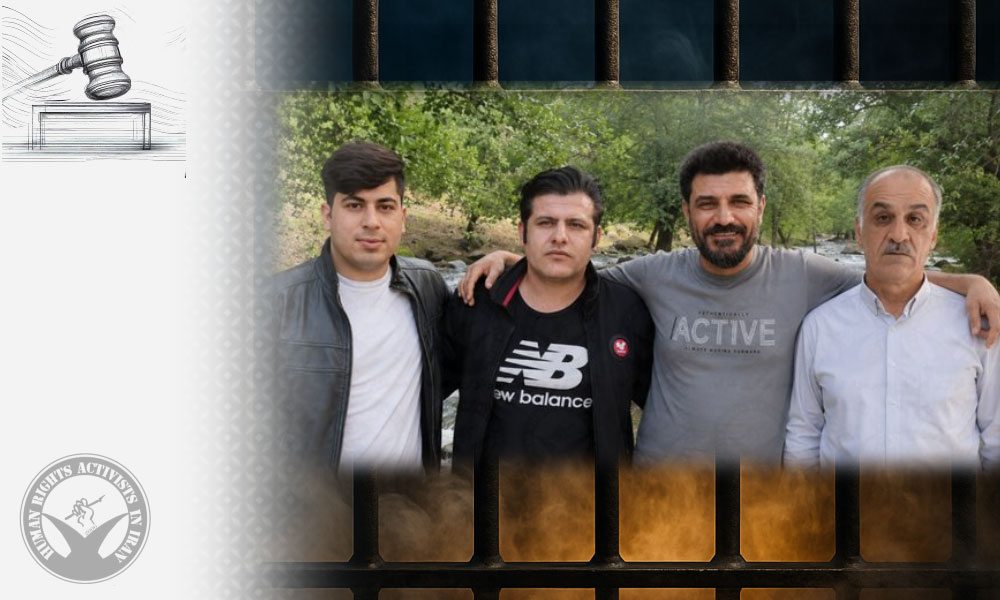
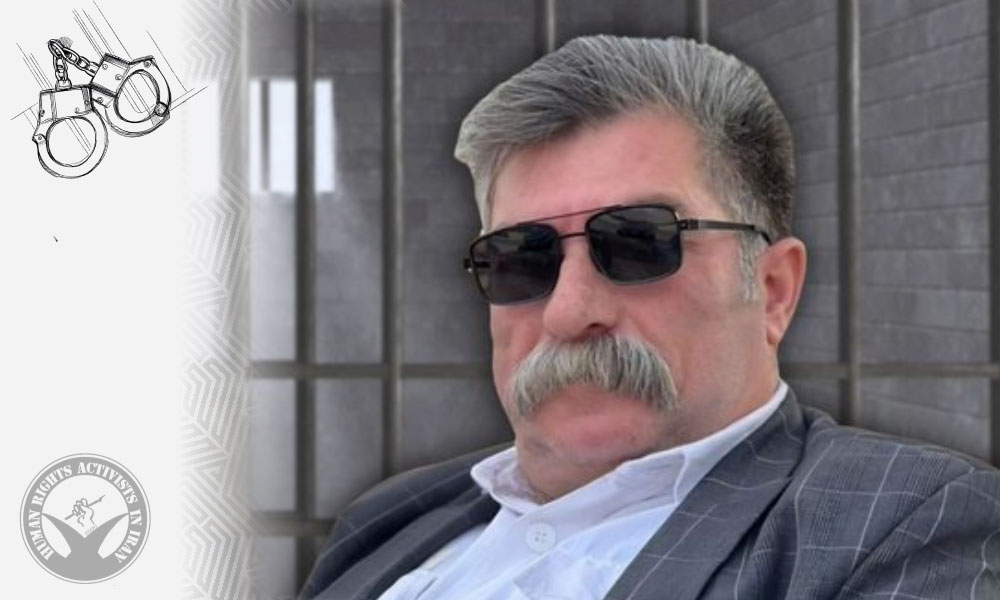
HRANA – Branch 22 of the Tehran Revolutionary Court has sentenced Mostafa Tajzadeh, a political prisoner held in Evin Prison, to 14 months in prison in connection with a case opened against him during his imprisonment.

Fakhrossadat Mohtashamipour, the wife of Mostafa Tajzadeh, announced in a statement that under a verdict issued today, Monday, February 16, by Branch 22 of the Tehran Revolutionary Court presided over by Judge Taghizadeh, this political prisoner was sentenced to 14 months of discretionary imprisonment on the charge of propaganda against the regime.

He had previously been summoned on December 30, 2025, following the opening of a new case, after receiving a notice to appear before Branch 23 of the Tehran Revolutionary Court to defend himself against the charges brought against him.

In July of 2025, in another case formed against him during his imprisonment, Mostafa Tajzadeh was sentenced to a total of five years in prison. According to Houshang Pourbabai, Mr. Tajzadeh’s defense attorney, with the issuance of this new ruling, the total sentences against his client have increased to 17 years in prison.

In December 2024, in another case, Mr. Tajzadeh was sentenced by Branch 15 of the Tehran Revolutionary Court, presided over by Judge Abolghasem Salavati, to one year in prison on the charge of propaganda against the regime and five years in prison on the charge of assembly and collusion against national security, totaling six years.

Regarding that case, Fakhrossadat Mohtashamipour had stated that it was initiated by the IRGC Intelligence Organization and that Abolghasem Salavati has, since 2009, issued a new sentence against Mostafa Tajzadeh for the third time.

Mostafa Tajzadeh was arrested by security forces on July 8, 2022, and transferred to The Ministry of Intelligence’s detention facility, known as Ward 2-A of Evin Prison. He was later sentenced by Branch 15 of the Tehran Revolutionary Court, presided over by Judge Salavati, to eight years in prison on charges of assembly and collusion against national security, spreading falsehoods, and propaganda against the regime, five years of which are enforceable.

Mr. Tajzadeh has previously faced judicial action and imprisonment due to his activities.

Report on the Arrest of Five Citizens, Including a Minor, in Various Cities

HRANA – Emad Hamidi, a 15-year-old in Ahvaz; Rasoul Dowrehgard and Saman Dowrehgard, two brothers in Tehran; Reza Parak in Malekshahi, Ilam Province; and Jamal Asadi in Sanandaj have been arrested by security forces on different dates and taken to undisclosed locations.

Based on information received by HRANA, Rasoul and Saman Dowrehgard, who work as motorcycle repair workers, were arrested on January 10, 2026, by IRGC Intelligence agents in Tehran. Emad Hamidi, the 15-year-old resident of Ahvaz, was also arrested three weeks ago during the nationwide protests by security forces in that city.

Meanwhile, Kurdpa reported the arrest of two other citizens identified as Jamal Asadi, from Sanandaj, and Reza Porak, from Malekshahi County in Ilam Province. According to the report, Mr. Asadi was arrested on January 10, 2026, at his private residence without a judicial warrant by security forces. During the arrest, officers searched his home and confiscated his mobile phone. Mr. Parak was also arrested on January 23, 2026, without a judicial warrant by security forces in Malekshahi County.

At the time of this report, no information has been obtained regarding the whereabouts of these five citizens or the charges brought against them.

Among these individuals, Jamal Asadi has previously faced judicial action due to his activities.

It is worth noting that gatherings and strikes by shopkeepers and market traders began on Sunday, December 28, 2025, in Tehran. After two days, the protests expanded beyond markets and commercial centers. With the participation of students, citizens, and various social groups, these demonstrations became one of the most widespread protests in recent years. Following the crackdown by law enforcement and security forces, thousands were killed or injured, and tens of thousands were arrested or summoned by security institutions. For more information, readers may refer to HRANA’s detailed report published last night on the forty-seventh day since the beginning of the protests.

Day 47 of the Protests: Intensified Communication Restrictions and Ongoing Arrests

HRANA – According to the latest aggregated data compiled by HRANA through the end of the forty-seventh day since the start of the protests, the total number of confirmed fatalities has reached 7,005. Of these, 6,506 have been classified as “protesters,” including 219 children under the age of 18. Additionally, 214 of those killed were members of military or government forces, while 66 were recorded as non-protester civilians. A further 11,730 cases remain under investigation.

During the same period, the number of injured civilians has been recorded at 25,845, the total number of arrests at 53,166, student arrests at 136 cases, the broadcast of forced confessions at 337 instances, and summonses at 11,051 cases. Furthermore, since the beginning of the protests up to the time of this report, 676 protest-related incidents have been recorded in 210 cities across 31 provinces.

On this day, four key incidents are noteworthy: the intensification of communication restrictions through the blocking of SIM cards, the continuation of scattered arrests in various cities, the expansion of security pressures on educational environments, and international reactions to the scale of the crackdown.

Widespread Blocking of Citizens’ SIM Cards

As part of ongoing control measures, numerous reports have emerged of the sudden blocking of citizens’ SIM cards. A number of users, including journalists, have stated that their access to phone calls and text messaging services was cut off without prior official notice. In some cases, this action has been accompanied by the confiscation of mobile phones, laptops, and identification documents, including passports, national ID cards, and birth certificates.

According to received reports, this trend began approximately one month ago, coinciding with the peak of the protests, and has since become one of the tools used to restrict communications. In certain instances, the measure has also disrupted individuals’ access to banking services, employment-related matters, and everyday essential services.

Adoption of a European Parliament Resolution

At the international level, the European Parliament adopted, by a majority vote, a resolution condemning the crackdown on citizens in Iran. The resolution criticizes the treatment of civil activists, protesters, women, and minorities, and emphasizes the immediate release of those detained.

The text of the resolution expresses concern over the scale of the repression and stresses the need for independent documentation of human rights violations and the preservation of evidence for potential judicial proceedings. It also calls for the immediate cessation of violence, arbitrary arrests, and pressure on medical personnel.

Report by the Coordinating Council of Iranian Teachers’ Trade Associations on the Entry of Security Forces into Schools

The Coordinating Council of Iranian Teachers’ Trade Associations has reported that the scope of the street crackdown has extended into schools. According to the report, individuals outside the educational staff, under titles such as Basij members, religious preachers, and plainclothes agents, have entered schools with prearranged programs.

The report describes the mission of these individuals as “ideological screening” and the exertion of psychological pressure on students. Referring to repeated interrogations and threatening questions, the Council stated that the atmosphere in some schools has become marked by anxiety and tension. The body had previously reported that at least 200 students were killed during the protests.

Minister of Communications Acknowledges Ongoing Internet Disruptions

The Minister of Communications and Information Technology, referring to the internet shutdown following the nationwide  protests, stated that the country’s communications network continues to face disruptions and has not returned to its previous stable condition.

He emphasized that approximately 10 million citizens rely on digital communications to earn their livelihoods, and that even the slightest disruption can significantly affect their lives.

Rejection of Allegations of “Injecting Violence” by the Government in the Iranian President’s Remarks

In remarks delivered recently, the President of Iran rejected allegations that security institutions injected violence during the January protests, describing such claims as “unfair.”

Referring to certain critical narratives, he stated that the government did not set fire to markets, mosques, or ambulances, and asserted that such accounts align with the positions of foreign adversaries.

Arrests and Security Measures Continue

On the forty-seventh day, arrests and security crackdowns continued in various cities. According to reports by HRANA:

In Abdanan, Ali Nazarzadeh was arrested.
In Bukan, Musa Dadyar, Hamzeh Dadyar, and Naser Dadyar were arrested.
In Qarchak, Aria Adavi was detained by security forces and transferred to an undisclosed location.

In Miandoab, Jamal Abdollahi; in Sirvan, Malek Khalafi; and in Oshnavieh, Ribin Moloudi (a physician), were arrested. Additionally, at least three unidentified citizens were detained in Alborz Province.

Arman (Mehdi) Momeni in Tehran, Hamid Rudsarabi in Sabzevar, and Mohammad Azari in Esfarayen were arrested in connection with the January protests and remain imprisoned. Mr. Momeni was arrested near Qeytarieh Park in Tehran by IRGC Intelligence agents and has had only one brief contact with his family during this period.

In Razavi Khorasan Province, the IRGC Intelligence Organization announced the arrest of several citizens described as “affiliated elements.”

Within the prison system, Abolfazl Karimi was transferred from Greater Tehran Prison to Qezel Hesar Prison, with reports indicating that he was subjected to torture and suffered a broken arm. Iltay Akhoundi, a 14-year-old detainee in Gonbad-e Kavus, has reportedly been denied full access to his asthma medication. Additionally, Younes Azadbar and Jamshid Azizi were returned to Lakan Prison in Rasht before the end of their furlough.

Updated (Cumulative) Statistics Through the End of Day 47

• Total number of protest incidents recorded since the beginning of the protests: 676

• Number of cities involved (without duplication): 210

• Number of provinces involved (without duplication): 31

• Injured civilians: 25,845

• Total arrests: 53,166

• Student arrests: 136

• Forced confessions broadcast: 337

• Summonses issued: 11,051

• Total protesters killed: 6,506

▪️ Including children: 219
▪️ Military/government forces: 214
▪️ Non-protester civilians: 66

• Total fatalities: 7,005

• Cases under investigation: 11,730

It should be noted that the confirmed figures for fatalities represent the minimum number that can be verified, while estimates suggest that the actual number of those killed may be significantly higher.

Summary

The forty-seventh day concluded with communication restrictions, pressure within schools, and the continuation of scattered arrests remaining among the central developments. Alongside the rising cumulative numbers of arrests and summonses, international reactions have also continued. Recorded data indicate that since the beginning of the protests, incidents have spread to 210 cities across 31 provinces.

Nationwide Protests: Report on the Arrest of 3 Citizens in Various Cities

HRANA – Three citizens, Arman (Mehdi) Momeni in Tehran, Hamid Rudsarabi in Sabzevar, and Mohammad Azari in Esfarayen, were arrested on different dates in connection with the protests and remain in detention.

He was detained near Qeytarieh Park in Tehran by agents of the IRGC Intelligence. According to a relative who spoke to HRANA, Mr. Momeni has had only one brief phone call with his family during this period, in which he stated that he was unaware of his place of detention. Despite repeated follow-ups by his family to obtain information about his whereabouts and the charges against him, no response has been received, heightening their concerns.

In another development, a citizen in Sabzevar identified as Hamid Rudsarabi, born in 1995, was arrested at his workplace by security agents on January 10, 2026.

His relatives have stated that they have no information regarding his place of detention or the charges brought against him.

On January 14, another citizen was also arrested by security forces in Esfarayen.

HRANA has identified him as Mohammad Azari, born in 1992. Two weeks after his arrest, following the completion of the interrogation process, he was transferred to Esfarayen Prison.

Day 46 of the Protests: Conditional Release with Mandatory Pledges, Arrest of Teachers, and European Parliament Session

HRANA – According to HRANA’s latest aggregated data through the end of the forty-sixth day since the beginning of the protests, the total number of confirmed deaths has reached 7,002. Of these, 6,506 individuals have been registered under the category of “protesters,” including 216 persons under the age of 18. In addition, 214 individuals affiliated with government forces and 66 “non-protesters civilians” have been reported killed. Another 11,730 cases remain under investigation.

During the same period, the number of injured civilians has been recorded at 25,022, total arrests at 52,941 cases, student arrests at 136 cases, forced confessions at 337 cases, and summonses at 11,051 cases. A total of 676 protest locations have been documented across 210 cities in 31 provinces.

On the forty-sixth day, the following key developments are noteworthy: the continuation of targeted arrests among citizens and teachers, the imposition of new conditions for the release of detainees, and international reactions to the systematic crackdown on protesters.

Conditional Release of Some Detainees Tied to Signing a Pledge to Participate in a Pro-Regime Rally

In Shahin Shahr, Isfahan, the families of at least three recently detained individuals have announced that despite the issuance and posting of bail, the release of their loved ones has been halted. According to these families, judicial authorities have made their release contingent upon signing a written pledge requiring the detainees to participate in the February 11 rally, take photos and videos of their attendance, and submit them to the relevant authorities.

Families have been informed that failure to sign this pledge or to comply with its terms would expose the individuals to the risk of re-arrest. This conditional requirement has been imposed even though bail had already been secured and the legal procedures for its submission had
been completed.

Arrest of At Least 8 Teachers in Various Cities

Amid continued security crackdowns, at least eight teachers have been arrested in connection with the protests. The names of the detained teachers are: Mastoureh Narimani in Ahvaz, Amir Rahimi in Azna, Sattar Zarei in Khomeini Shahr, Ali Shamaili in Songhor, Shervin Hamideh in Karaj, Farhad Rahmani in Takestan, Ali Imani Motlagh in Lorestan, and Masoud Kiani in Shabad.

The arrest of these teachers, alongside the reported 136 student arrests, indicates the Iranian regime’s concentrated crackdown on the education sector.

European Parliament Session on Systematic Crackdown in Iran

Today, the European Parliament held a session on “systematic repression, inhumane conditions, and arbitrary detentions” in Iran. During the session, representatives discussed the intensification of the crackdown on protests, widespread arrests, poor detention conditions, and the denial of detainees’ access to medical care and legal counsel.

In the draft resolution presented within this body, emphasis was placed on the immediate and unconditional release of political detainees and protesters, granting international bodies access to detention facilities, and holding perpetrators of serious human rights violations accountable.

Arrests and Crackdowns Continue

Arrest of Citizens in Several Provinces

In connection with the protests, Soroush Dabirmanesh and Khalil Rasouli in Bojnurd, Sajed Khabazi in Lahijan, Mehdi Haghjou (a 17-year-old student) in Langarud, and Milad Didar in Rasht were arrested by security forces.

In Dehdasht, Jamal Pourmandfar was arrested on January 10, 2026, and transferred to the city’s prison, where he remains in a state of uncertainty.

Arrest of Political and Reformist Activists

In Tehran, Mohsen Aminzadeh, a member of the Reform Front, was arrested on February 7, 2026, by IRGC Intelligence agents. His lawyer has stated that he is being held in solitary confinement and that the announced charges lack legal basis.

At the same time, Azar Mansouri, Ebrahim Asgharzadeh, Hossein Karroubi, and Ali Shokouhi-Rad have also been arrested. These arrests indicate an expansion of the crackdown to include political figures and long-standing activists.

Arrest of Labor Activists

Yaser Ahmadinejad, a labor activist and dismissed worker of the National Iranian Drilling Company, was arrested on February 5, 2026 (aligned with Europe time) and transferred to Dehdasht Prison. He had previously acted as an independent representative of workers, pursuing labor demands and criticizing oil sector management and contractors.

Pressure on the Media and Response to a Live Broadcast Incident

During the February 11 ceremony, a presenter on Hamoon Network mistakenly uttered the phrase “Death to Khamenei” during a live broadcast, which led to the broadcast being cut off. Following the incident, the network’s broadcast director was dismissed, the channel’s operator and supervisor were suspended, and other staff members were referred to a disciplinary committee.

Continuation of Judicial Threats

The First Deputy of the Judiciary announced that some protest-related cases are in the investigation phase, some have been sent to court with indictments issued, and others are at the appeals stage. He emphasized that those who have “committed rioting” will be dealt with without leniency.

Cumulative Statistics Through the End of Day 46

• Total recorded protest locations: 676

• Number of cities (without repetition): 210

• Number of provinces (without repetition): 31

• Injured civilians: 25,022

• Total arrests: 52,941

• Student arrests: 136

• Forced confessions: 337

• Summonses: 11,051

• Total protesters killed: 6,506

▪️ Including children: 216
▪️ Military/government forces: 214
▪️ Non-civilian, non-protesters: 66

• Total deaths: 7,002

• Cases under investigation: 11,730

It should be noted that the confirmed figures for fatalities represent the minimum number that can be verified, while estimates of the total number of those killed indicate significantly higher figures.

Summary

The forty-sixth day passed with arrests continuing at various levels, from school students and university students to teachers, labor activists, and political figures. Conditioning the release of some detainees in Shahin Shahr, the arrest of at least eight teachers across different cities, and the continuation of judicial proceedings accompanied by threatening rhetoric from officials were among the most notable developments of the day.

At the international level, the crackdown on protests and detention conditions has been raised in the European Parliament. Meanwhile, HRANA’s cumulative data indicate a continued rise in the number of deaths, injuries, and arrests—demonstrating that 46 days after the start of the protests, both the human and geographic scope of these events remains extensive, with their consequences continuing to accumulate.

Subscribe to Our Newsletter

Now is definitely not the time to stop reading!

Day 45 the Protests: Nighttime Chants and Intensified Police Presence

HRANA – Based on the latest verified aggregated data from HRANA up to the end of the forty-fifth day since the start of the protests, a total of 676 protest-related incidents have been recorded. These incidents were reported in 210 cities across 31 provinces nationwide. According to these figures, the total number of confirmed fatalities stands at 6,984, of whom 6,490 are categorized as protesters.

Additionally, 215 of those killed fall under the category of children under 18. A further 214 fatalities were reported among government-affiliated forces, and 65 in the category of non-protester civilians. The number of cases under review has been reported as 11,730. During the same period, 18,022 civilian injuries, 52,623 arrests, 135 student arrests, 335 forced confessions, and 11,051 summonses were recorded.

On this day, the following key incidents are noteworthy: the continued chanting of anti-government slogans coinciding with state-organized events ahead of the anniversary of the victory of the 1979 Revolution on February 11; an intensified police atmosphere marked by the continued presence of checkpoints and armed local patrols; ongoing internet disruptions and restrictions and their economic impact; the publication of a statement by university professors protesting educational repression; and the continuation of both mass and individual arrests across multiple provinces.

Chanting of Anti-Government Slogans; Nighttime Protests Concurrent with State Ceremonies

On the forty-fifth day, numerous reports were published of anti-government slogans being chanted at night, primarily from inside private homes. These chants were reported concurrently with the holding of state-organized programs and ceremonies ahead of February 11 (the anniversary of the victory of the 1979 Revolution) and were heard simultaneously in several cities.

According to field accounts, the slogans were explicit and direct in nature, demonstrating the continuation of the nationwide protests despite the prevailing security atmosphere and widespread control measures. The repetition of this pattern on consecutive nights, particularly during symbolically significant dates on the calendar, was highlighted in reports from this day as one of the enduring forms of civil disobedience.

Continued Checkpoints and Armed Local Patrols Ahead of February 11

Reports from the forty-fifth day point to the continued and intensified presence of security forces across urban areas. According to these accounts, checkpoints remained in place on both main thoroughfares and side streets, with vehicles stopped and, in some cases, citizens subjected to body searches.

Simultaneously, the deployment of armed local patrols and combined units of law enforcement and security forces in residential neighborhoods was reported. Local sources say these measures have contributed to an atmosphere of intimidation and constant surveillance ahead of February 11. As a result, opportunities for public gatherings, collective movement, and even routine daily activities have been significantly curtailed.

Continued Internet Disruptions and Restrictions; Communication and Economic Consequences

Today, reports indicated the continued disruption and restriction of internet access. Users reported severe slowdowns, intermittent outages, and unstable connections, conditions that have not only disrupted everyday communication and information-sharing but have also had tangible economic consequences.

Online business operators, internet-based sellers, and freelancers reported sharp declines in income, forced suspension of activities, or the accumulation of ongoing losses. Overall, internet restrictions, combined with other economic pressures, were assessed in reports from this day as a key factor contributing to heightened public dissatisfaction.

Statement by University Professors; Protest Against Educational Repression and the Securitization of Universities

Today, a group of university professors issued a statement protesting educational repression and the increasing securitization of university environments. The statement emphasizes students’ right to education, the preservation of academic independence, and opposition to suspensions, expulsions, and the denial of educational access.

The signatories warned that the closure or restriction of universities constitutes part of a broader effort to suppress protests and will carry long-term educational, social, and scientific consequences.

Mass Detentions and Judicial Case-Building Against Students and Minors

On the forty-fifth day, HRANA reports indicated mass arrests and security measures in various cities. According to published information, official media reported the arrest of at least 103 citizens in connection with the protests. These arrests included 100 citizens in Ardabil, one individual in Bandar Anzali, and two citizens in Masjed Soleyman. In most of these cases, no details were provided regarding the identities of those detained, their place of detention, or the charges against them, and families were reported to be unaware of their relatives’ whereabouts.

At the same time, it was reported that at least 10 additional citizens, including a 15-year-old minor and several students, were arrested in different cities. Mohammad Hossein Khorshidvand, a 15-year-old, was arrested in Kahrizak, while Mohammad Javidan in Sirvan, Ebrahim Rostami in Kamyaran, Fardin Seyedeh in Piranshahr, and Anvar Chopani in Miandoab were detained by security forces. In Sanandaj, Akam Zandi was also arrested and transferred to an unknown location.

In the same context, Sajad Mohammadi and Mohammadreza Ghobadi, two students at Shahid Madani University of Tabriz; Sirus Satarnejad, a student at Shiraz University; and Ali Taheri-Kia, a student at the University of Tehran, were arrested.

In another series of arrests, HRANA reported the detention of five citizens in Tehran, Qazvin, Mashhad, and Isfahan. In this case, Zahra Irandoust was arrested in Tehran and later transferred to Chubindar Prison in Qazvin. Subsequently, her mother, Masoumeh Heydari, was arrested by IRGC Intelligence agents while attempting to follow up on her daughter’s case, and at the same time Mohammadreza Irandoust, another member of the family, was also arrested in Qazvin. Additionally, Reza Ghorbani Moghaddam was arrested in Mashhad, and Elaheh Shah Mirzaei was arrested in Isfahan and transferred to prison.

Further reports indicated that Afshin Hosseinpanahi and Khabat Dahdar, two residents of Sanandaj, were arrested by security forces and transferred to an unknown location. In another case, nine citizens were arrested on different dates in Tehran, Karaj, Kamyaran, and Rasht. Among them were Artin Parivash (Dolatabadi), Davoud Abbasi, a filmmaker based in Karaj, Milad Ebrahimi and Hamed Ebrahimi in Kamyaran, Yazdan Hashemi Khoshkbijari in Rasht, and Melika Kavandi and Mohammad Nosrati in Karaj. In addition, Fatemeh Golmohammadi in Karaj, Armin Sharifian, a 17-year-old minor, in Nishapur, Soroush Safari in Khoshkbijar, and Alireza Mirkhorsandi in Langarud were also arrested. In many of these cases, no clear information has been published regarding the charges, place of detention, or access to legal counsel.

Updated (Aggregated) Statistics Through the End of Day Forty-Five Since the Start of the Protests

• Total recorded protest-related incidents: 676

• Number of cities (non-duplicated): 210

• Number of provinces (non-duplicated): 31

• Civilian injuries: 18,022

• Total arrests: 52,623

• Student arrests: 135

• Forced confessions: 335

• Summonses: 11,051

• Total protesters killed: 6,490

▪️ Including children: 215
▪️ Military/government forces: 214
▪️ Non-civilian / non-protester: 65

• Total fatalities: 6,984

• Cases under review: 11,730

Summary

The forty-fifth day unfolded with the continued presence of nighttime protests, a further intensification of the police atmosphere ahead of February 11, and persistent restrictions on communication. At the same time, universities remained a central focus of security pressure and professional dissent, with the statement issued by university professors amplifying concerns over educational repression. On the ground, widespread arrests—ranging from mass detentions announced through official figures to targeted arrests of students, minors, and local citizens—underscored that a security-centered approach continues to be the authorities’ primary response to the protests. HRANA’s aggregated statistics through the end of the forty-fifth day offer a stark illustration of the scale and severity of the crackdown, highlighting the ongoing need for systematic documentation, monitoring, and follow-up.

At Least 103 Citizens Arrested in Various Cities

HRANA  – Official media outlets have reported the arrest of one individual in Bandar Anzali, 100 citizens in Ardabil, and two individuals in Masjed Soleyman in connection with protests.

Based on this report, the arrests were carried out in connection with the protests by the IRGC Intelligence of Ardabil Province.

In another report, this media outlet, quoting the police commander of Bandar Anzali County, announced that one protester was arrested in the city. The individual was accused of involvement in the destruction of one of the chain stores and the courthouse building during recent protests in the county.

Additionally, Young Journalists Club reported the arrest of two individuals in Masjed Soleyman. According to this report, the detainees were accused of carrying out sabotage activities. It was also claimed that explosive materials and a firearm were discovered and confiscated from them.

These reports did not provide any information regarding the identities of the individuals or their place of detention.

It should be noted that gatherings and strikes by shopkeepers and bazaar merchants began in Tehran on December 28, 2022, and after two days spread beyond bazaars and commercial centers. With the participation of students, citizens, and various social groups, these protests became among the most widespread in recent years. Following the crackdown by law-enforcement and security forces, thousands were killed or injured, and tens of thousands were arrested or summoned by security bodies. For more information, readers can refer to HRANA’s detailed report published last night on the forty-fourth day since the start of the protests.

Report on the Arrest of Masoud Yousef Hasirchin

HRANA– Masoud Yousef Hasirchin, a translator and writer residing in Khuzestan Province, was arrested by agents of the IRGC Intelligence on January 18. Prior to his arrest, agents searched his home and confiscated some of his personal belongings, including digital devices.

Based on information received by HRANA, Masoud Yousef Hasirchin was arrested by agents of the IRGC Intelligence in Khuzestan Province and transferred to a security detention facility, where he has been subjected to interrogation. Two days prior to his arrest, agents searched his private residence and confiscated several personal belongings, including books, a mobile phone, and a laptop.

As of the time of this report, no information has been obtained regarding the reasons for his arrest, his place of detention, or the charges brought against Mr. Hasirchin.

In recent days, a group of writers, researchers, translators, and journalists issued a statement calling for Mr. Yousef Hasirchin’s release.

Masoud Yousef Hasirchin, a resident of Khuzestan Province, is a researcher and translator of works in the fields of political science, economics, and history.

It should be noted that gatherings and strikes by shopkeepers and bazaar merchants began in Tehran on Sunday, December 28. After two days, they spread beyond bazaars and commercial centers. With the participation of students, citizens, and various social groups, these protests became one of the most widespread demonstrations in recent years. For further information, readers can refer to HRANA’s detailed report on the thirty-sixth day since the start of the protests, which was published last night.

Report on the Arrest of Eight Citizens, Including Protest Injurees and a Nurse

HRANA – Last night, Fariba Asadi, a resident of Karaj, was arrested by agents of the IRGC Intelligence. In addition, Reza Sheikh Amirloo, Peyman Azimi, Ehsan Khaleghi, and Saber Hatami Milanloo were arrested in Esfarayen. In Sirjan, Ali Fakher, a retired nurse, along with his wife and daughter, were arrested for providing medical assistance to the injured.

Based on information received by HRANA, Fariba Asadi was arrested on Monday evening, January 26, at her home in Karaj by agents of the IRGC Intelligence due to her presence at protests. Meanwhile, Ali Fakher, a retired nurse and former manager of Gharazi Hospital in Sirjan, was recently arrested for providing aid to those injured in the recent protests. His wife and daughter were also arrested by security forces on Friday, January 23.

During the recent protests in Esfarayen, four citizens were arrested. Reza Sheikh Amirloo, who had been injured by pellet gunfire, was arrested on Saturday, January 23. Ehsan Khaleghi, who had been wounded by dozens of pellets, was transferred to Khomeini Hospital on Sunday, January 10, due to bleeding; however, before completing his medical treatment, he was arrested by IRGC forces. Additionally, Peyman Azimi, despite being injured by live ammunition, and Saber Hatami Milanloo were arrested on January 10.

As of the time of this report, no information has been obtained regarding the charges against or the place of detention of those arrested.

Among these citizens, Fariba Asadi has previously faced judicial confrontations and arrest due to her activities.

It is worth noting that gatherings and strikes by shopkeepers and bazaar merchants began in Tehran on Sunday, December 28, and after two days extended beyond bazaars and commercial centers. With the participation of students, citizens, and various social groups, these protests turned into one of the most widespread demonstrations of recent years. For more information, readers can refer to HRANA’s detailed report on the thirtieth day of the protests, which was published last night.

IRGC Intelligence Announces Arrest of a Foreign National on Charges of “Espionage”

HRANA – The Intelligence of the Islamic Revolutionary Guard Corps (IRGC) has announced the arrest of a foreign national over what it described as “gathering information for Israel.”

According to Tasnim News Agency, the IRGC Intelligence Organization claimed: “This foreign national had deliberately entered the country under cover, sent by the intelligence service of the Israeli regime. He was arrested by the IRGC Intelligence while collecting information and assessing the status of terrorist actions by his affiliates. Additionally, during inspections of his belongings and hideout, definitive documents proving his espionage were discovered.”

The statement did not provide further details, including the identity of the detainee, or the time and place of the arrest, or the location where the individual is being held.

Although countering espionage is not in itself considered a human rights violation, given the Iranian government’s record of instrumentalizing such accusations to target political opponents, such claims, especially when details and judicial procedures remain unclear, are consistently met with skepticism.