Baha’i Women Upheld with Three Years and Eight Months Sentence on Appeal

The Court of Appeal in Razavi Khorasan Province has affirmed the three-year, eight-month sentence for each of Baha’i citizens Golnoosh Nasiri and Farideh Moradi.

According to a source close to these women, who confirmed the news to HRANA, the verdict includes three years for “membership in groups to act against national security” and eight months for “spreading propaganda against the regime.”

The initial judgment was issued by the Mashhad Revolutionary Court, presided over by Judge Hadi Mansouri, during a court session held on October 11, 2023.

Their investigation procedures took place in late August 2023, during which each was granted bail with five billion tomans, approximately equivalent to 100,000 dollars.

Baha’is are subjected to violations of their religious rights, comprising 82% of reports on infringements against religious minorities, according to HRA’s 2023 annual report.

The Baha’i faith is not recognized as a legitimate religion by Iranian authorities, leading to systematic and longstanding violations of the rights of Baha’is in the country. This includes the denial of their fundamental right to practice their religion, which constitutes a clear breach of both Article 18 of the Universal Declaration of Human Rights and Article 18 of the International Covenant on Civil and Political Rights. The United Nations covenant holds that every person has the right to freedom of religion, freedom of converting religion, as well as freedom of expression, individually or collectively; openly or secretly.

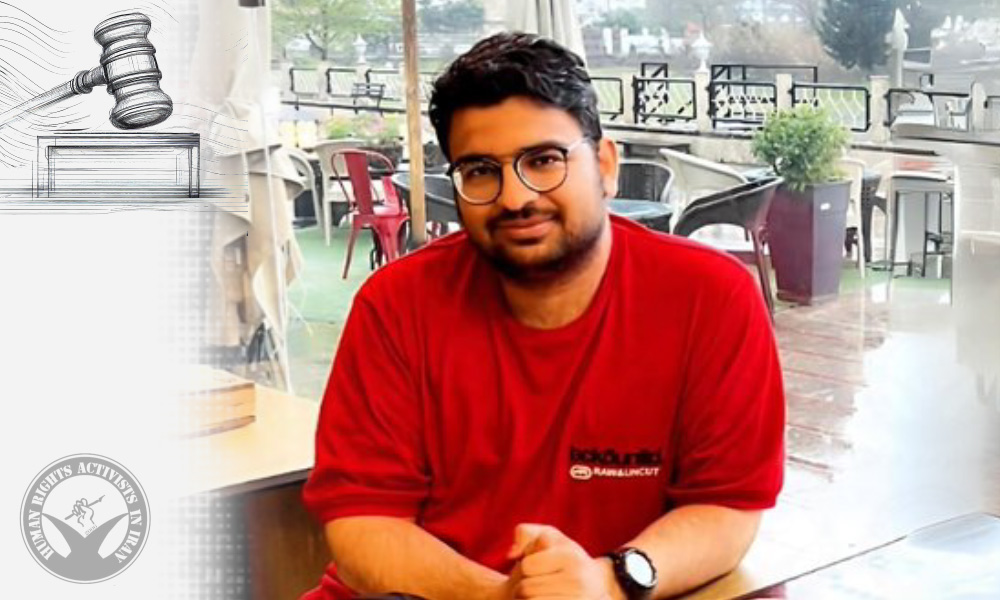
Political Prisoner Mohammad-Javad Vafaie at Risk of Death Penalty

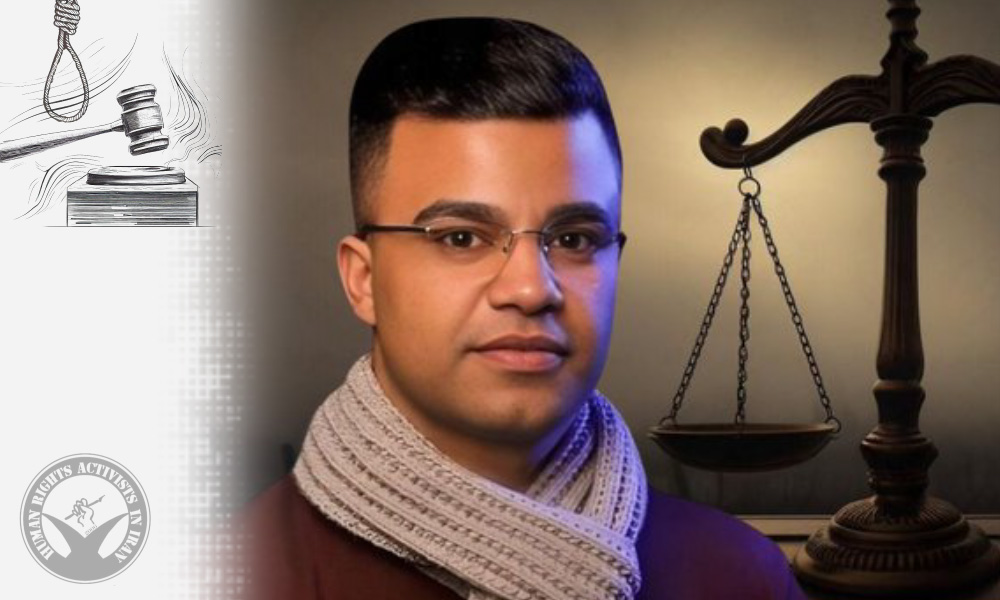
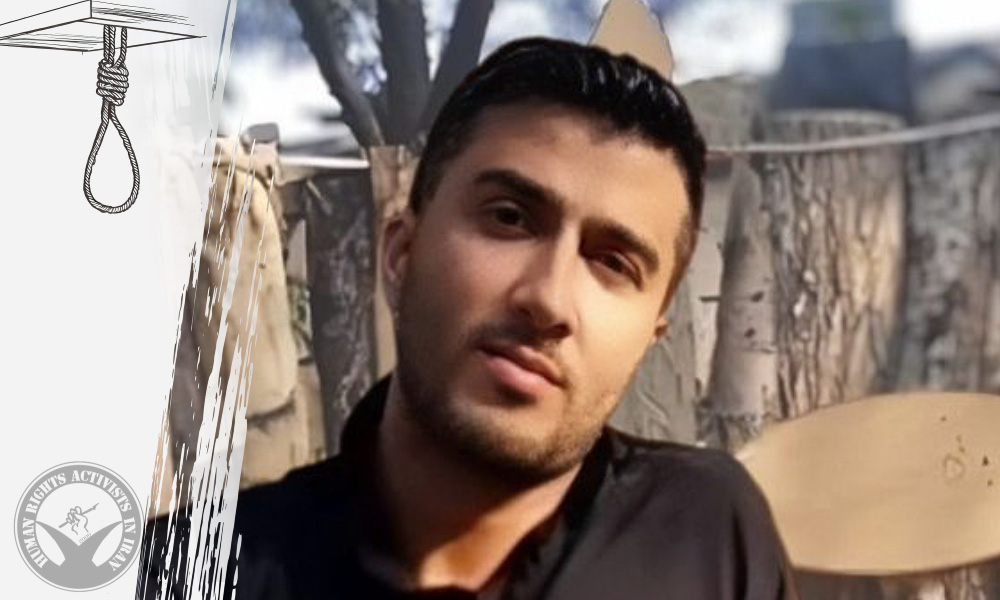
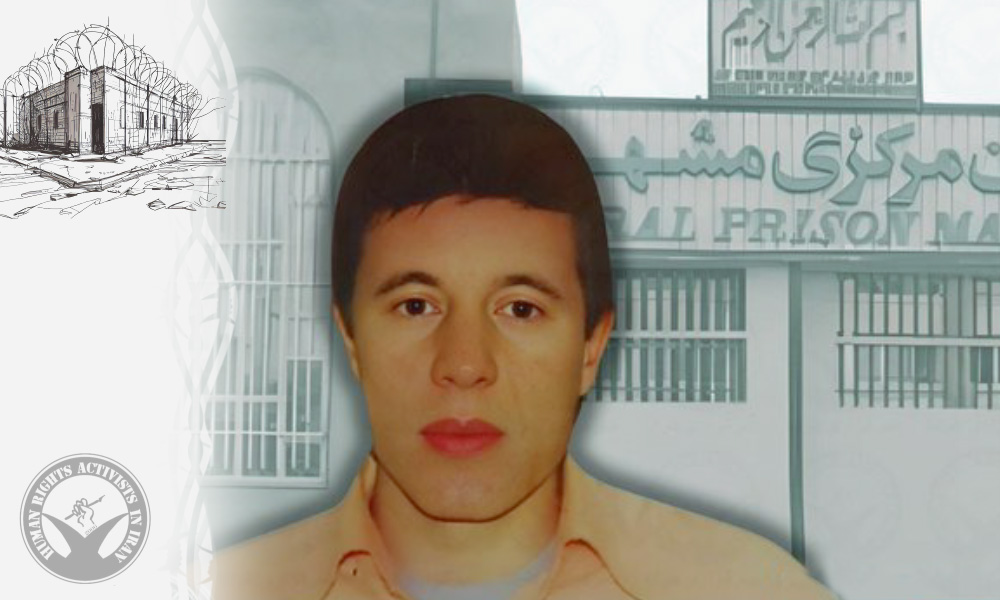
Political prisoner Seyed Mohammad-Javad Vafaie, currently held in Vakilabad Prison, Mashhad, is facing the threat of execution. The Revolutionary Court of Mashhad handed down a death sentence after a retrial in July 2023.

Vafaie, a 28-year-old boxing coach, was arrested by security forces in Mashhad in March 2020 and subsequently incarcerated in Vakilabad Prison. In January 2020, Babak Paknia, Vafaie’s lawyer, revealed that his client had been convicted of “spreading corruption on earth through arson and intentional destruction of public property, including the penitentiary building.” However, the Supreme Court later overturned the initial verdict, leading to a retrial in another branch.

Despite the retrial, the Revolutionary Court once again sentenced him to death. Notably, following the verdict, Vafaie was granted a substantial bail, which he was unable to afford.

The reissuance of the death sentence after the retrial has raised serious concerns about the potential imminent execution of Mohammad-Javad Vafaie.

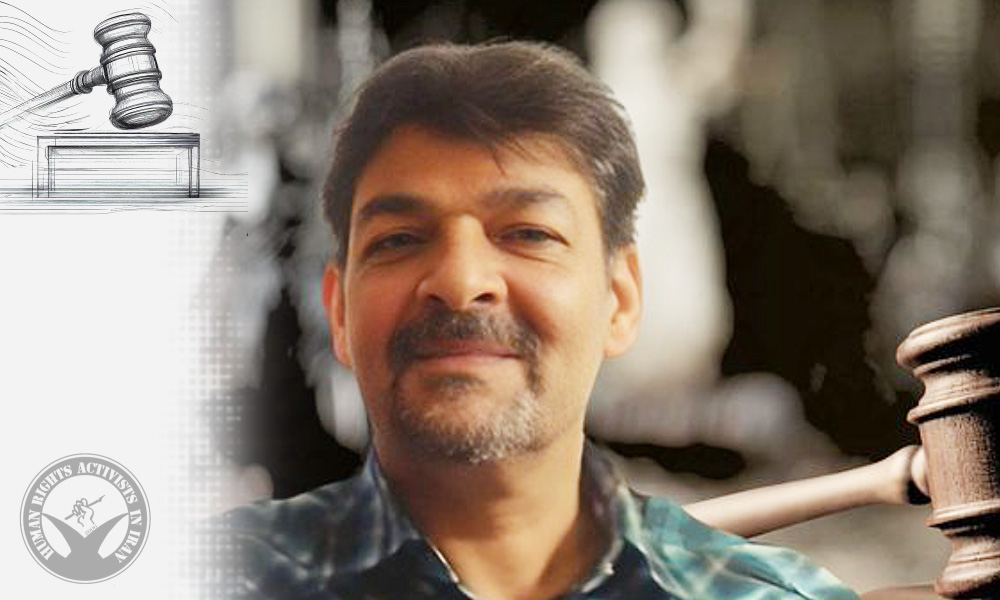
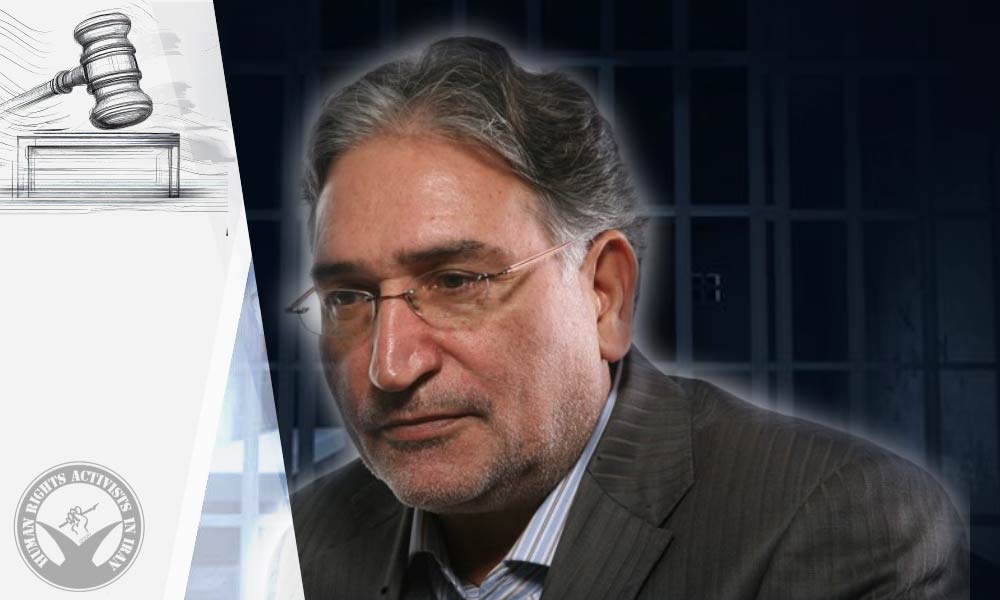
Lawyer Khosrow Alikordi Receives One-Year Prison Sentence

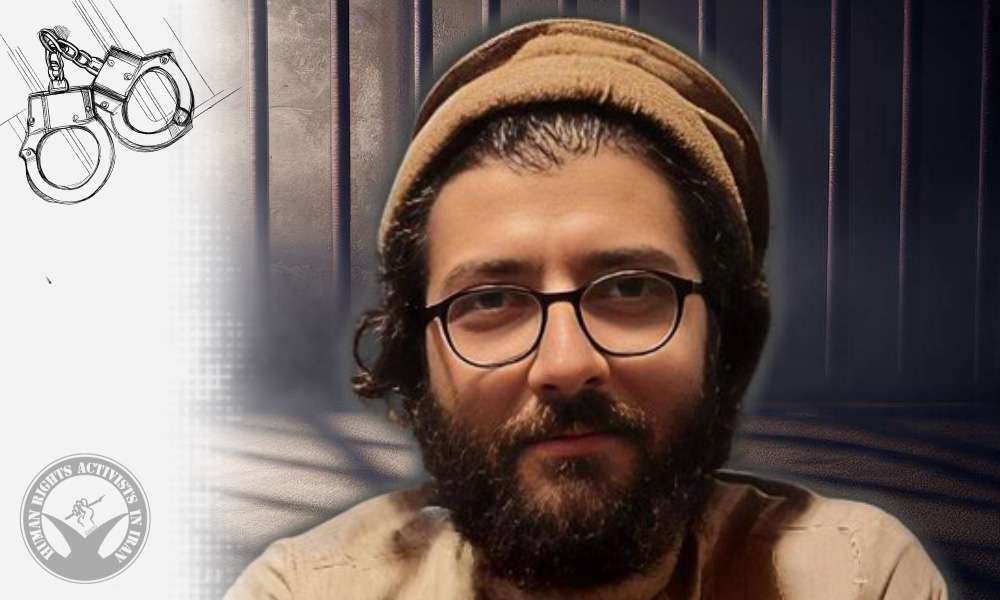
The Court of Appeal in Razavi Khorasan Province has confirmed a one-year prison sentence for lawyer Khosrow Alikordi, coupled with a two-year prohibition on practicing law, exile, and restrictions on internet and social media usage.

Alikordi has been found guilty of alleged “propaganda against the regime in favor of anti-regime groups.” Additionally, the court has mandated a two-year residence in Nehbandan, South Khorasan province. During the trial, interviews with media outside Iran were presented as evidence for this charge.

The initial verdict was issued in September 2023 by the Mashhad Revolutionary Court.

Alikordi was arrested on August 1, 2023, after his presence in the Publish and Revolutionary Courthouse in Mashhad. Subsequently, he was detained in Vakilabad prison and released on bail after four days.

In a separate aspect of this legal case, Alikordi had earlier been sentenced to pay a fine for “disseminating false information and breaching confidentiality.”

Update on Fatemeh Sepehri’s Health in Vakilabad Prison

In an open letter addressed to the head of the Judiciary on Thursday, January 4, Khosrow Alikurdi appealed for the release of his client, Fatemeh Sepehri, a political prisoner currently held in Vakilabad Prison. Alikurdi expressed deep concern about Sepehri’s deteriorating health, emphasizing the denial of access to proper medical care.

Alikurdi’s letter detailed, “The use of medications to regulate her high heart rate has led to multiple physical and mental issues, including extended periods of unintentional sleep and depression.” The lawyer urged an end to Sepehri’s imprisonment, advocating for her release to receive essential medical treatment.

Sepehri’s brother, Asghar Sepehri, had previously voiced concerns regarding the inadequate medical care provided to his sister in prison. Despite being granted a one-week medical furlough in October 2023, Sepehri was re-arrested by security forces at her residence on the third day, interrupting her medical treatment.

Imprisoned since September 21, 2023, in Vakilabad Prison in Mashhad, Sepehri received ten years for “collaboration with hostile foreign governments,” five years for “assembly and collusion against national security,” two years for “insulting the Supreme Leader of Iran” and one year for “propaganda against the regime.” The ten-year sentence was enforced based on Article 134 of the Islamic Penal Code, following an unsuccessful appeal.

Additionally, Sepehri faced convictions from the Mashhad Criminal Court for “disseminating false information to disturb public opinion on the Internet and having interviews with foreign media,” resulting in one year of imprisonment and a fine.

Sepehri, known for her role as one of the signatories of a letter demanding Ali Khamenei’s resignation, has previously experienced arrests and convictions on similar grounds. The plea for her release is grounded in the urgency of addressing her declining health and securing appropriate medical attention.

Execution of Four Inmates Takes Place in Mashhad and Shiraz

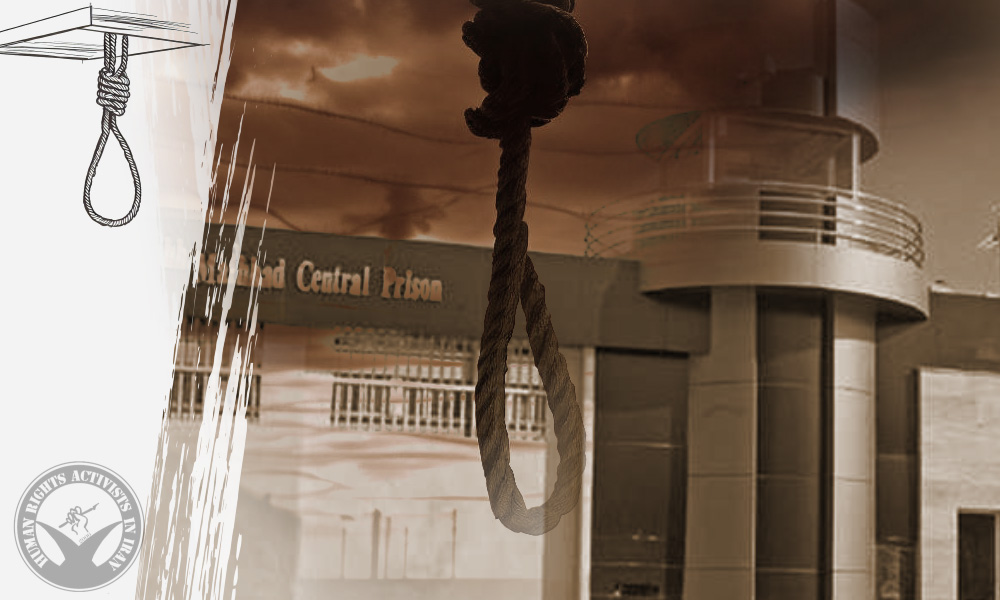
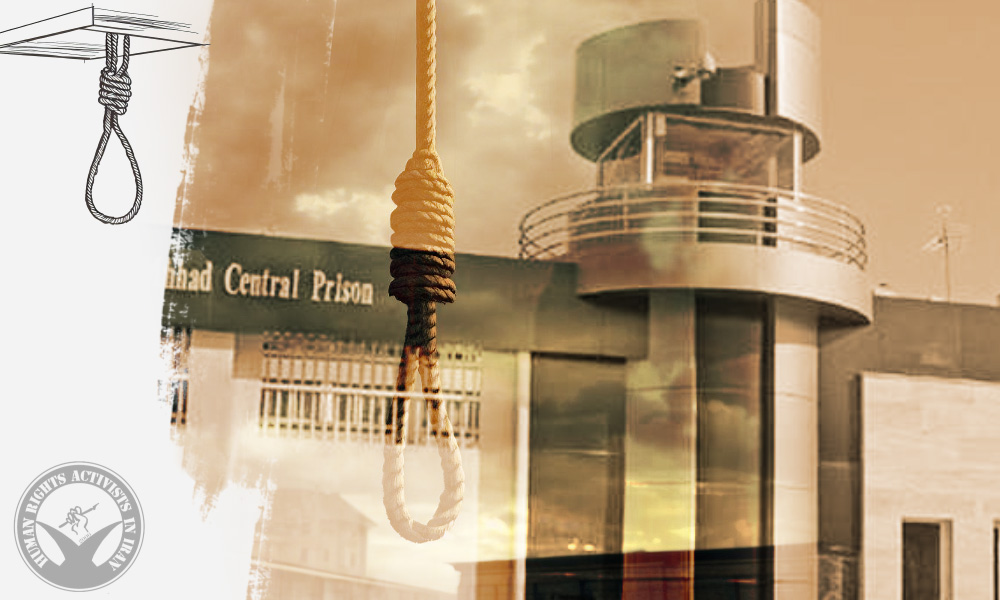
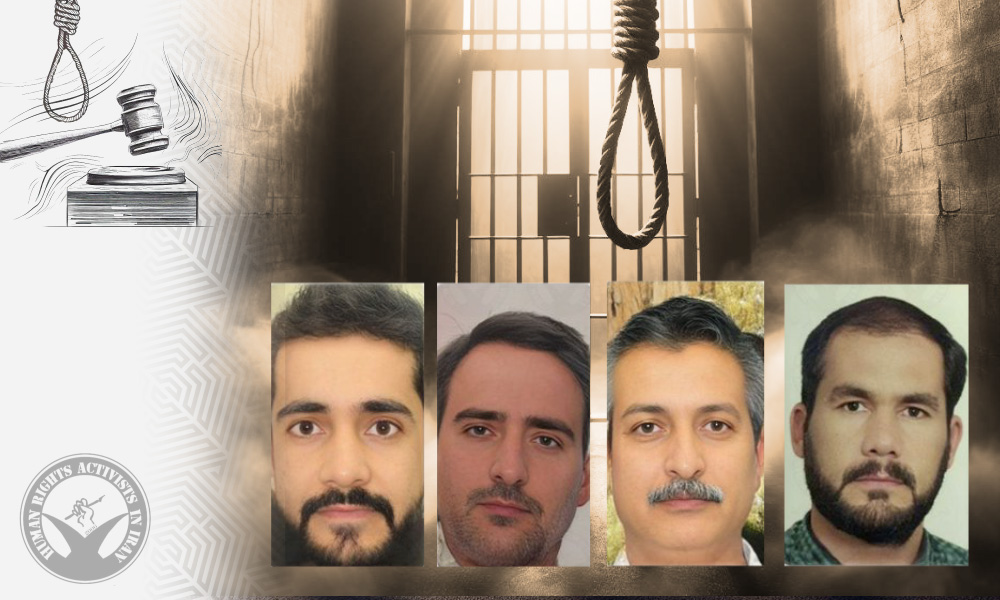
Four individuals were executed for murder at Vakilabad Prison in Mashhad and Adelabad Prison in Shiraz.

According to the Iran Human Rights Organization, Adelabad Prison officials recently executed four inmates, Saeed Akbari, 27, Mojtaba Malek Pour, 34, and Jamil, an Afghan national whose last name is unknown. They had been convicted of murder. The executions occurred on different dates, with Malek Pour executed on December 7, Akbari on December 11, and Jamil on December 14.

In addition, Haal Vsh reported the execution of Mosafer Zargar, 29, for a murder conviction at Vakilabad Prison on December 14. Zargar had reportedly been convicted of murder six years prior.

No official sources or domestic media outlets within the country have provided coverage of these executions at the time of writing. The lack of official information raises concerns about transparency and accountability in the execution process.

According to data compiled by the Center of Statistics of Human Rights Activists in Iran (HRA), between October 10, 2022, and October 8, 2023, a total of 659 individuals were executed by hanging in Iran, representing a 24% increase compared to the corresponding period in the previous year. Seven of these executions were conducted publicly. Concerningly, many of the defendants were denied access to a fair trial and due process. For details and statistics, read HRANA’s report.

Subscribe to Our Newsletter

Now is definitely not the time to stop reading!

Baha’i Citizen Shohreh Salekian Sentenced to Three Years and Eight Months in Prison

The Mashhad Revolutionary Court has issued a three-year and eight-month prison sentence to Baha’i citizen Shohreh Salekian.

Presiding Judge Hadi Mansouri determined Salekian’s sentence, attributing three years for “membership in groups to disturb order and act against national security” and an additional eight months for “spreading propaganda against the regime.”

In the event of an appeal, Article 134 of the Islamic Penal Code stipulates that, in cases involving multiple charges, the most severe penalty shall be applied. Consequently, if the verdict is contested, Salekian will serve a three-year term.

Legal proceedings against Salekian commenced in July of this year following her summons to Mashhad Courthouse.

HRANA’s annual report has highlighted a concerning trend where, in 2022, 64.63% of reported human rights violations against religious minorities are directed toward the Baha’i community.

The Baha’i faith is not recognized as a legitimate religion by Iranian authorities, leading to systematic and longstanding violations of the rights of Baha’is in the country. This includes the denial of their fundamental right to practice their religion, which constitutes a clear breach of both Article 18 of the Universal Declaration of Human Rights and Article 18 of the International Covenant on Civil and Political Rights. The United Nations covenant holds that every person has the right to freedom of religion, freedom of converting religion, as well as freedom of expression, individually or collectively; openly or secretly.

Baha’i Citizen Rouya Malakooti Receives Six-Year, Eight-Month Sentence

The Mashhad Revolutionary Court, presided over by Judge Hadi Mansouri, has handed down a six-year, eight-month prison sentence to Baha’i Citizen Rouya Malakooti.

The verdict includes a six-year term for “forming groups to act against national security” and an additional eight months for “spreading propaganda against the regime.”

In the event the verdict is upheld on appeal, Article 134 of the Islamic Penal Code mandates the enforcement of the initial six-year prison term.

Malakooti, along with eight other Baha’i women, was summoned to appear in Mashhad on July 29. While all were called, only Malakooti was arrested and subsequently jailed in Vakilabad Prison after an extensive interrogation.

The 2022 annual report by HRANA underscores a troubling trend, revealing that 64.63% of reported human rights violations against religious minorities target the Baha’i community.

The Baha’i faith faces persistent discrimination in Iran, as it is not officially recognized by the authorities. This systemic injustice results in consistent violations of the Baha’is’ fundamental right to practice their religion, a direct violation of Article 18 of the Universal Declaration of Human Rights and Article 18 of the International Covenant on Civil and Political Rights. The United Nations covenant explicitly guarantees every person the right to freedom of religion, freedom to change their religion, and freedom of expression, individually or collectively, openly or in private.

Attorney Khosrow Alikurdi Receives One-Year Sentence and Additional Restrictions

Lawyer Khosrow Alikurdi has been sentenced to one year in prison by the Mashhad Revolutionary Court. In addition to the imprisonment, he faces several other penalties, including a ban on practicing law, a travel ban, mandatory residence in Nehbandan, South Khorasan province, and a prohibition on engaging in social media activities, all enforced for a period of two years.

Alikurdi disclosed this verdict to the public, revealing that he was convicted of “propaganda against the regime in favor of anti-regime groups.”
On August 1, 2023, Alikurdi was arrested and incarcerated in Vakilabad Prison following his presence at the Mashhad Courthouse. He was released on bail from Vakilabad Prison after spending four days in custody.
Another facet of this legal saga involves a previous sentence imposed on Alikurdi, requiring him to pay a fine for “disseminating false information and breaching confidentiality.”

Baha’i Nooshin Mesbah Receives Reduced Sentence of One Year on Appeal

In a recent development, the Court of Appeal of Razavi Khorasan Province has handed down a revised sentence to Baha’i citizen Nooshin Mesbah, a resident of Mashhad, reducing her imprisonment term to one year.

Mesbah had initially been convicted of “membership in groups aiming to endanger national security,” resulting in a three-year sentence. However, the Court of Appeal has now modified this sentence, lowering it to one year.

Moreover, Mesbah has been acquitted of the charge of “spreading propaganda against the regime,” for which she had originally received an eight-month prison term.

HRANA’s annual report has highlighted a concerning trend where, in 2022, 64.63% of reported human rights violations against religious minorities are directed toward the Baha’i community.

The Baha’i faith is not recognized as a legitimate religion by Iranian authorities, leading to systematic and longstanding violations of the rights of Baha’is in the country. This includes the denial of their fundamental right to practice their religion, which constitutes a clear breach of both Article 18 of the Universal Declaration of Human Rights and Article 18 of the International Covenant on Civil and Political Rights. The United Nations covenant holds that every person has the right to freedom of religion, freedom of converting religion, as well as freedom of expression, individually or collectively; openly or secretly.


Two Inmates Executed in Mashhad for Drug Offenses

On Thursday, November 22, two inmates convicted of drug offenses faced execution in Vakilabad Prison, Mashhad, according to Haal Vsh.

The executed individuals were identified as Rasoul Gorgij (34), a father of three, and Shahmorad Davoudi (44).

Both had been apprehended for drug-related crimes in Mashhad two years prior, subsequently receiving death sentences from the Revolutionary Court.

As of the current writing, neither official sources nor domestic media outlets within the country have provided coverage of these executions. The absence of official information raises concerns regarding the transparency and accountability of the execution process.

According to data compiled by the Center of Statistics of Human Rights Activists in Iran (HRA), between October 10, 2022, and October 8, 2023, a total of 659 individuals were executed by hanging in Iran, representing a 24% increase compared to the corresponding period in the previous year. Seven of these executions were conducted publicly. Concerningly, many of the defendants were denied access to a fair trial and due process. For details and statistics, read HRANA’s report.