






Human Rights Activists News Agency (HRANA)- In the past few days, a number of Ahwazi Arab citizens in the cities of Ahvaz, Susangerd, Shushtar, and Shadegan were arrested by security forces and transferred to undisclosed locations.
They are presumed to have been swept up in an ongoing arrest campaign initiated by authorities after the September 22nd shooting on a military parade in Ahvaz. HRANA previously published a list of 133 detainees in its recent update on this arrest sweep through Khuzestan province.
The most recent arrestees were identified as follows:
1. Anvar Ashouri, age 26, resident of Beyt-e Ashur village in Shadegan County.
2. Hussein Hamoudi (Sobhani), age 25, arrested by the intelligence office of Ahvaz on October 22nd.
3. Yahya Baravieh, arrested in Ahvaz on October 23rd.
4. Naji Salimi (Ka’abi), resident of Beyt-e Mahmood village of Shush County.
5. Yahya Salimi (Ka’abi), resident of Beyt-e Mahmood village in Shush Province.
6. Azim Shaverdi, resident of Shadegan County.
7. Ibrahim Shaverdi, age 31, resident of Shadegan County.
8. Khaled Albou Khanfar, resident of Shadegan County.
9. Ahmad Shaverdi , age 24, resident of Shadegan County.
10. Mahdi Shaverdi, age 17, resident of Shadegan County.
11. Adnan Khanafere, resident of Shadegan County.
12. Moslem Farajollah, resident of Shushtar city, married father of one, arrested on October 24th.
13. Mohammad Reza Jalali, age 26, resident of Kuye Abouzar in Susangerd County.
14. Rahim Aminpour (Heydari), resident of Goldasht in Ahvaz, arrested on October 24th.
15. Muhammad Saydavi, age 26, resident of Susangerd County, arrested on October 25th.
16. Mostafa Jalali, age 29, resident of Susangerd County, mechanic and married father of one, arrested on October 25th.
17. Mahdi Abidavi, age 25, resident of Susangerd County, arrested on October 25th.
As of the date of this report, no further information is available on these arrestees’ locations or the charges against them.
Category: Ethnic Minorities
Four Activists Arrested in East Azerbaijan Province

Human Rights Activists News Agency (HRANA)- Three Azerbaijani activists residing in Tabriz — Sajjad Afroozian, Ebrahim Ranjbar, and Sadollah Sasani — were arrested by security agents Friday, October 26th for participating in a memorial service for Gholamreza Amani. A fourth, Hakimeh Ahmadi, was arrested for undisclosed reasons in Marand.
Gholamreza Amani was a renowned Azerbaijani activist who died in a car accident along with his two brothers on October 23, 2008. Amid public suspicions around the circumstances of his death — believed by some to be a “premeditated murder” — security forces have kept an anxious eye and grip on the gatherings held in his memory.
A close source said security forces surrounded Maralan cemetery on Thursday, where Amani’s commemoration was scheduled to take place. Afroozian was among a number of activists contacted by security agents that day who threatened to detain them if they showed up.
Two of the arrested memorial attendees have been pursued by authorities in the past. Sasani was among a group of Azerbaijani activists arrested and interrogated in July 2017 during a gathering at Babak Fort. He was later released on a bail of 20 million tomans (approximately $5,000 USD). In one of his multiple run-ins with security agents and interrogators, Afroozian was violently apprehended in December 2016 in the city of Malekan and released the following February on a 50 million toman bond [approximately $12,000 USD].
Coinciding the three aforementioned arrests was the detainment of Hakimeh Ahmadi, arrested at her home in the city of Marand. Security agents reportedly roughhoused both her and husband, threatening them with a close-combat weapon. They offered no explanation for her arrest.
Ahmadi was previously arrested this past September and released on a 100 million toman bail [approximately $7,000 USD].
Afroozian, Ranjbar, Sasani, and Ahmadi have all been transferred to undisclosed locations.
Tabriz, Marand, and Malekan are located in the northeastern province of Azerbaijan, which borders the Republic of Azerbaijan and is home to Iran’s Azerbaijani minority.
Khuzestan Arrest Campaign: 133 Victims Identified, Public Demands Transparency
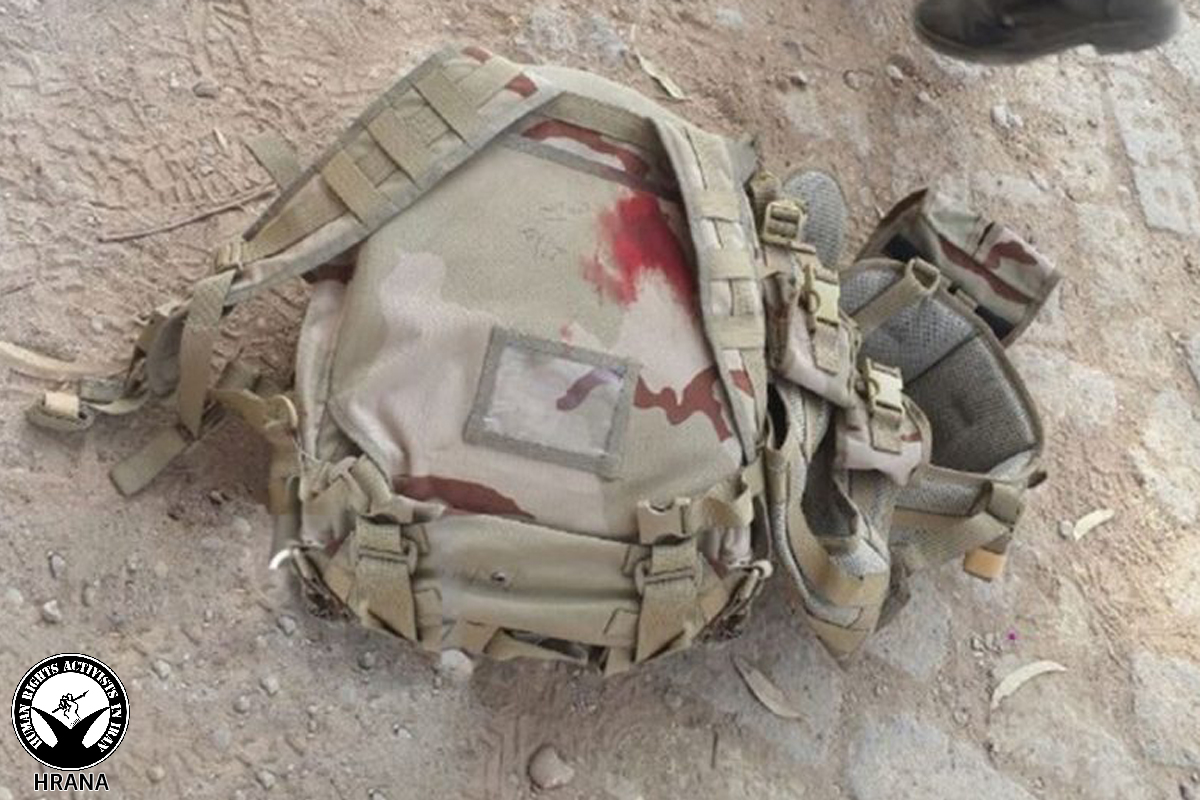
Human Rights Activists News Agency (HRANA) – HRANA has confirmed the names of 133 Ahwazi Arabs swept up in an arrest campaign, a purported search for accomplices of an armed attack on a September 22nd military parade that left 24 dead and 57 wounded.
Held in the southwestern border city of Ahvaz in observance of the Iran-Iraq war, the parade was tragically interrupted by the gunfire of four assailants who were promptly killed by authorities. Having since attributed the tragedy to ISIS, the Iranian authorities recently launched a retaliatory missile attack on an ISIS base in Iraq. Security forces, seemingly in a continued state of urgency, have continued to sequester citizens across the Khuzestan province on grounds they have yet to disclose.
With no available information on how these would-be suspects could be linked to the armed attack or to ISIS, locals wonder if arrestees are being targeted for other reasons entirely. That detained hail mostly from the cities of Ahvaz, Khorramshahr, Susangerd, and Abadan; many have had prior run-ins with authorities, several on account of their civic activism; and almost all are Ahwazi Arabs, one of Iran’s ethnic minorities.
In response to allegations that they may be using the parade attack as a pretext for purging the region of civic activism, Iranian authorities seemed to hedge.
“There are no civil or children’s rights activists among those arrested,” said Khuzestan provincial governor Gholamreza Shariati on October 22nd, without making mention of arrest numbers. “We are making concerted efforts to avoid trouble for civil and political activists, and they have not been a subject of discussion. One woman is among those detained, but we have not detained any children.”
Local activists, meanwhile, feel that their comrades have inexplicably come under a scrutiny bordering on persecution. Human rights activist Karim Dahimi cited his colleague, Susangerd civil rights activist Lamiya Hamadi, as an example: “She is not, in fact, a religious activist,” Dahimi said. “Gholamreza Shariati admitting her arrest only corroborates the fact that civil rights activists are among those detained.”
Dahimi also scoffed at the governor’s claim that only one woman had thus far been detained, countering with examples of women who were carted off shortly after their family members: Faez Afrawi, who was detained shortly after her son, is now being held in an undisclosed location, and the wife, sister, and mother of detainee Adnan Mazraia, who are also being held incommunicado.
Regarding Shariati’s claims that no children had been arrested, Dahimi said, “it ought to be noted that the entire families of the four attackers were detained on the day of the attack, including their children.”
Save for a few insinuations that some detainees have been transferred to Tehran, arrestees’ inquiring family members have been suffering in radio silence from authorities. “No one has been released since the attacks began in Khuzestan,” said Dahimi. “What’s more, we don’t know where they’re being kept, or what kind of condition they’re being kept in.”
Not long after the attack, Iran’s Ministry of Intelligence announced it had taken 22 suspects into custody, broadcasting footage of blindfolded, unidentified detainees facing a wall. Now local sources estimate the number of those arrested has climbed well into the hundreds.
While arrest numbers rise and authorities play tactics close to the vest, public fears return to the possibility that security forces will coerce past offenders to “confess” to a role in the attack. In response to mounting public concern over scapegoating and discrimination, the Defenders of Human Rights Center, headed by Nobel Peace Prize laureate Shirin Ebadi, issued the following statement on October 21st:
“[…]Although state organizations have yet to give a report on the number of detainees or the process of detention, according to the families of detainees, over 500 were arrested between September 23 and October 22 and are held in undisclosed locations. The detainees are deprived of the most basic legal rights, including the right to legal representation or the right to family visitation.
The Defenders of Human Rights Center condemns the recent arrests and any illegal action taken by the security officials and the IRGC. The Center announces that such blind arrests and security measures only result in further unrest and certainly cannot shut down the voice of the protestors. The only path to achieving peace inside Iran is through being responsive to citizens and delivering on delayed promises, as well as through combating administrative corruption, existing “red lines,” and releasing all prisoners of conscience and political prisoners.”
Listed below are the identities of the 133 arrestees thus far confirmed by HRANA:
- Khaled Abidawi, of the Shekareh Kut-e Abdollah neighborhood
- Abu Shalan Saki, of Hoveyzeh
- Ahmad Bawi, of the Zahiriyeh neighborhood of Ahvaz
- Ahmad Timas, of the Shekareh neighborhood of Ahvaz
- Ahmad Hazbawi, of the Kut-e Abdollah neighborhood
- Ahmad Hamari, 29, holder of a bachelor’s degree, married, of the Mandali neighborhood of Ahvaz
- Ahmad Haidari, of the Mollashieh neighborhood of Ahvaz
- Ahmad Sawidi, of the Hujjiyeh village of Susangerd
- Ahmad Krushat, son of Kazim, of Ahvaz
- Osama TImas, 26, of the Shekareh neighborhood of Ahvaz
- Omid Bachari, of the Muwilhah neighborhood of Ahvaz
- Amir Afrawi, son of Fazel, of Albuafri village of Susangerd
- Jader Afrawi, of the Mollashieh neighborhood of Ahvaz
- Jasim Krushat, 45, of the Alawi neighborhood of Ahvaz
- Jafar Hazbawi, of the Kut Abdullah neighborhood of Ahvaz
- Jafar Abidawi, of the Goldasht neighborhood of Ahvaz
- Jamil Ahmadpour (al-Ha’i), of the Aziziyah neighborhood of Ahvaz
- Jamil Haydari, 33, of the Northern Kamplou neighborhood of the Lashkar district of Ahvaz
- Jamil Sylawi, of the Mollashieh neighborhood of Ahvaz
- Jawad Badawi, 26, of the Mollashieh neighborhood of Ahvaz
- Jawad Hashemi, of the Mollashieh neighborhood of Ahvaz
- Hatam Sawari, of the Alawi neighborhood of Ahvaz
- Hassan Harbawi, of Susangerd
- Hussein Haidari, of the Alawi neighborhood of Ahvaz
- Hamdan Afrawi, son of Abbas, of the Albuafri village of Susangerd
- Khazal Abbas al-Tamimi (Fazeli), 30, of the Shayban village of Ahvaz
- Khalil Saylawi, of the Mollashieh neighborhood of Ahvaz
- Daniyal Adel Amjad, 43, married, of the Mash’ali neighborhood of Ahvaz
- Ramin Bechari, of the Muwilhah neighborhood of Ahvaz
- Riyaz Zahiri, of the Mollashieh neighborhood of Ahvaz
- Riyaz Shamusi, of the Mollashieh neighborhood of Ahvaz
- Zamil Haydari, of the Alawi neighborhood of Ahvaz
- Sattar Kuti, of Hamidieh
- Samir Silawi, of the Mollashieh neighborhood of Ahvaz
- Sohrab Moqadam, of the Darvishiyya Kut Abdullah neighborhood of Ahvaz
- Seyed Jasim Rahmani (Musawi), 33, married with three children, of the Alawi neighborhood of Ahvaz
- Seyed Jalil Musawi, of the Mollashieh neighborhood of Ahvaz
- Seyed Hamud Rahmani (Musawi), of the Alawi neighborhood of Ahvaz
- Seyed Sadeq Musawi, of the Mollashieh neighborhood of Ahvaz
- Seyed Qasim Musawi, of Ahvaz
- Shaker Sawari, of Ahvaz
- Shani Shamusi, of the Mollashieh neighborhood of Ahvaz
- Sadeq Silawai, of the Mollashieh neighborhood of Ahvaz
- Adil Zahiri, of the Mollashieh neighborhood of Ahvaz
- Adil Afrawi, of Hamidiyeh
- Aref Ghazlawi, son of Hanun, of Ahvaz
- Aref Mughaynemi, 27, of the Hujjiyah village of Susangerd
- Aref Naseri, 30, son of Aydan, of Kut Abdullah, Majd Kuy, neighborhood of Ahvaz
- Abbas Badawi, of the Mollashieh neighborhood of Ahvaz
- Abbas Haydari, of the Shekareh district of Kut Abdullah
- Abbas Saki, son of Abdali Sharhan, of Howeyzeh
- Abbas Mughaynemi, 26, married, of the Hujjiyah village of Susangerd
- Abdulrahman Khasarji, 32, married, of the Kut Seyed Na’im neighborhood of Ahvaz
- Abdullah Siylawi, of the Mollashieh neighborhood of Ahvaz
- Adnan Sawari, of the Alawi neighborhood of Ahvaz
- Abdulrahman Haidari, 19, son of Qasim, of the Mollashieh neighborhood of Ahvaz
- Aziz Hamidawi, of the Muwailha neighborhood of Ahvaz
- Aqil Shamusi, of the Mollashieh neighborhood of Ahvaz
- Alireza Daris, of the Mollashieh neighborhood of Ahvaz
- Ali Saki, son of Amruh, of Howeyzeh
- Ali Sawiydi, of the Hujjiyah village of Susangerd
- Ali Shajirat (Abu Faruq), of the Muwailha neighborhood of Ahvaz
- Ali Afrawi, son of Hamd, of the Albuafri village of Susangerd
- Ali Mansouri, of the Hamidiyah
- Ali Abaji, of the Mollashieh neighborhood of Ahvaz
- Ali Alhay (Hiyawi), of Ahvaz
- Ali Haydari, son of Shayi’, of the Mollashieh neighborhood of Ahvaz
- Ali Sawari, 23, son of Chasib, of the Aziziyah neighborhood of Ahvaz
- Ali Sawari, son of Ghazi, of the Alawi neighborhood of Ahvaz
- Ali Kuti, of Hamidiyeh
- Ali Mazbani, Nasr (Sawari), of the Alawi neighborhood of Ahvaz
- Ali Mazraie, of the Mollashieh neighborhood of Ahvaz
- Issa Badawi, of the Mollashieh neighborhood of Ahvaz
- Fars Shamusi, of the Mollashieh neighborhood of Ahvaz
- Fazel, Shamusi, of Ahvaz
- Sadiq Haydari, son of Jasim, 28, of the Mollashieh neighborhood of Ahvaz
- Farhan Shamusi, of the Mollashieh neighborhood of Ahvaz
- Fahd Niysi, resident of Ahvaz
- Qasim Ka’bawi (Ka’abi), 24, of Hamidiyeh
- Karim Majdam Abu Mu’taz, of the Kut Abdullah neighborhood of Ahvaz
- Kazim Ghazlawi, son of Hanun, of Ahvaz
- Lami Shamusi, of Hamidiyeh
- Lamiya Hamadi, of Susangerd
- Majed Childawi, son of Sa’dun, of the Alawi neighborhood of Ahvaz
- Majed Haydari, 25, of the Northern Kamplou neighborhood of the Lashkar district of Ahvaz
- Majed Sawari, of the Alawi neighborhood of Ahvaz
- Maher Mas’udi, of the Mollashieh neighborhood of Ahvaz
- Mohsen Badawi, of the Mollashieh neighborhood of Ahvaz
- Mahdi Sa’edi, of the Hamidiyeh neighborhood of Ahvaz
- Mohammad Sawari, son of Sabah, of the Alawi neighborhood of Ahvaz
- Mohammad Amuri, 26, of Ahvaz
- Mohammad Mohammadi (Ahyat), 22, of Hamidiyeh
- Mohammad Mas’udi, of the Mollashieh neighborhood of Ahvaz
- Mohammad Mo’men Timas, 55, of the Shekareh neighborhood of Ahvaz
- Mahmud Duraqi, of the Muwailha neighborhood of Ahvaz
- Mukhtar Mas’udi, of the Mollashieh neighborhood of Ahvaz
- Murteza Bayt Shaykh Mohammad, son of Naser, 24, of the Hujjiyah village of Susangerd
- Murteza Mughaynemi, 22, of the Hujjiyah village of Susangerd
- Murteza Yassin, of Darvishiyya Kut Abdullah
- Mostafa Sawari, son of Sahi, of Shekareh Kut Abdullah
- Mahdi Kuti, of Hamidiyeh
- Mahdi Mazraie, of the Abu Hamiza neighborhood of Susangerd
- Musa Mazraie, of the Abu Hamiza neighborhood of Susangerd
- Milad Afrawi, of the Mollashieh neighborhood of Ahvaz
- Naiem Haydari, 24, of Ahvaz
- Nur Naysi, resident of Alawi neighborhood of Ahvaz
- Hadi Abidawi, of the Mollashieh neighborhood of Ahvaz
- Wali Amiri, of Kut Abdullah
- Yusef Khosraji, of the Mollashieh neighborhood of Ahvaz
- Ahmad Amin (Qays) Ghazi, writer, researcher and cultural activist, of the Mellat neighborhood of Ahvaz
- Khalid Siylawi, of the Mollashieh neighborhood of Ahvaz
- Sajjad Siylawi, of Ahvaz
- Seyed Sadiq Nazari (Abu Nabil), of the Al-i Safi neighborhood of Ahvaz]
- Ali Sawari, son of Sahi, of Kut Abdullah
- Fa’iz Afrawi, 30, married with one child, of the Albuafri village of Susangerd
- Zudiya Afrawi, 55, mother of Fa’iz Afrawi, of the Albuafri village of Susangerd
- Mohammad Ami Afrawi, married, of the Albuafri village of Susangerd
- Qaysiyya Afrawi, mother of Mohammad Amin Afrawi, 60, of the Albuafri village of Susangerd
- Adnan Mazraie, of Susangerd
- Wife of Adnan Mazra’i, of Susangerd
- Sister of Adnan Mazra’i, of Susangerd
- Mother of Adnan Mazra’i, of Susangerd
- Jalal Nabhani, of the Ameri neighborhood of Ahvaz
- Khalid Hazbawi, 40, of the Kut Abdullah, Majd Kuy, neighborhood of Ahvaz
- Mohammad Hazbawi, son of Abdulkarim, 30, of the Kut Abdullah, Majd Kuy, neighborhood of Ahvaz
- Reza Bitrani, 34, of the Kut Abdullah, Majd Kuy, neighborhood of Ahvaz
- Tariq Amiri, 24, of Kut Abdullah
- Jamal Mujdam, 35, of Kut Abdullah
- Hussein Subhani, 28 of the Khashayar neighborhood of Ahvaz
- Rashid Krushat, son of Haj Musa, of Ahvaz
- Hakim Krushat, son of Mannan, of Ahvaz
- Ali Mughaynimi, son of Saddam, of Susangerd
- Jawad Mahnapour (Afrawi), of the Albuafri village of Susangerd
Azerbaijani Activist Nasim Sadeghi Arrested in Tabriz
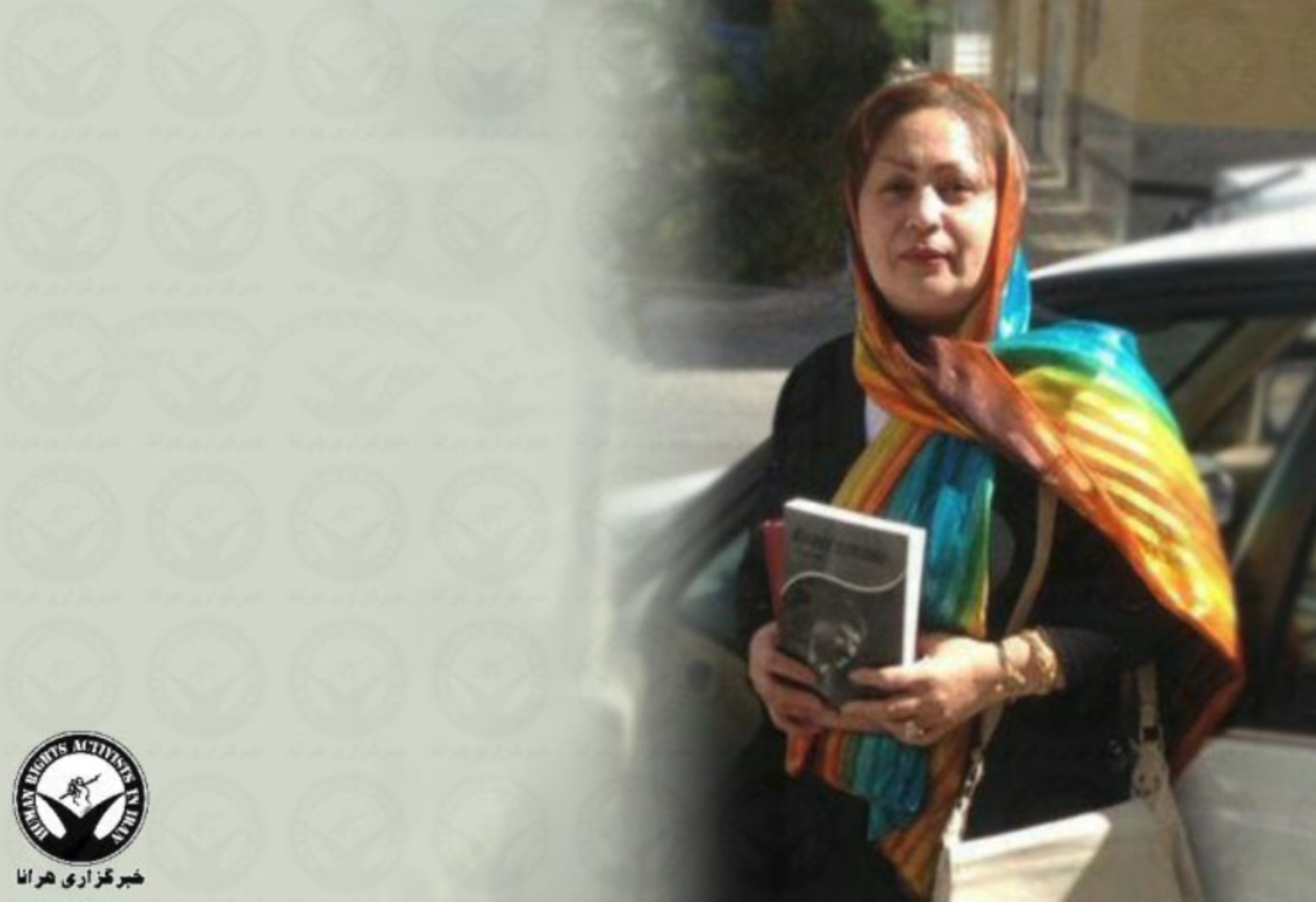
Human Rights Activists News Agency (HRANA) – Azerbaijani activist and Tabriz resident Nasim Sadeghi was arrested by security forces on her walk home October 21st. On a phone call with her child from an undisclosed location, she explained that she had been taken into custody.
Confirming the news of Sadeghi’s arrest, a close source told HRANA that security forces also confiscated her personal belongings, including her cell phone, computer, and books. No further information is available on her location or the charges against her.
On July 28, 2016, Sadeghi was among dozens apprehended for their participation in a public protest against controversial comments published in the newspaper Tarh-e No. The Prosecutor’s Interrogation Office of Tabriz Revolutionary Court Branch 7 accused her of acting against national security through propaganda against the regime, interrogating her for five days in the Intelligence Detention Center of Tabriz. She was released on a bail of 1 billion IRR (approximately $8000 USD) pending trial.
In June 2017, HRANA reported on Sadeghi’s summons to Branch 1 of Tabriz Revolutionary Court for continued judicial proceedings.
Still no Answers for Sequestered Baha’is of Karaj
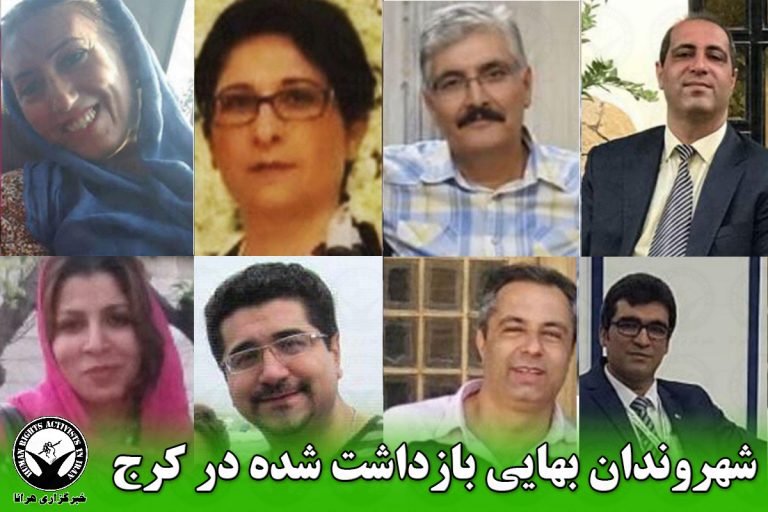
Human Rights Activist News Agency (HRANA) – Thirty days have passed since security forces first swept through Karaj and began arresting its Baha’i residents, sending eight of them to prison after inspections of their homes between September 16th and October 17th.
From the walls of Evin Prison, these eight await definitive answers to why, and for how long, they will have to stay there. They were previously identified as Parvan Manavi, Elham Salmanzadeh, Hooman Khoshnam, Payam Shabani, Peyman Manavi, Maryam Ghaffarmanesh, Jamileh Pakrou (Mohammad Hossein) and Kianoush Salmanzadeh.
“The Baha’i detainees said over the phone that they had been transferred to Evin Prison […],” an informed source told HRANA. “Despite inquiries from their families, no information is currently available regarding their status.”
Parvan Manavi and Elham Salmanzadeh became the seventh and eighth Baha’is to be arrested in Karaj after authorities confiscated some of their books and personal belongings during a raid of their homes Tuesday, October 16th. Khoshnam and Shabani were arrested on September 25th and 26th of this year, and Peyman Manavi, Kianoush Salmanzadeh, Ghafarmanesh, and Pakrou were arrested September 16th.
The threat of arbitrary detainment loomed larger than ever over Iran’s Baha’i religious minority this past month, as Iran’s security and judiciary establishment whisked away a number of its members in a surge of arrests that has yet to be explained. HRANA also reported on the arrests of Baha’i citizens in the central cities of Shiraz and Isfahan over this time period.
Iranian Baha’i citizens are systematically deprived of religious freedoms, while according to Article 18 of the Universal Declaration of Human Rights and Article 18 of the International Covenant on Civil and Political Rights, everyone is entitled to freedom of religion and belief, and the right to adopt and manifest the religion of their choice, be it individually, in groups, in public, or in private.
Based on unofficial sources, more than 300,000 Baha’is live in Iran. Iran’s constitution, however, recognizes only Islam, Christianity, Judaism, and Zoroastrianism, and does not acknowledge the Baha’i faith as an official religion. Consequently, the rights of Baha’is are systematically violated in Iran.

Open Letter: Kurdish Citizen Fears for Imprisoned Brother’s Life

Human Rights Activist News Agency (HRANA) – On August 7th, Iranian state-sponsored television broadcast footage of what appeared to be a confession: two prisoners can be heard owning up to their part in an armed attack on the military base of Saqqez. One of these two men, Houshmand Alipour, is the subject of an open letter written by his brother Hejar, who sees this footage as a sham excuse to end his brother’s life.
Hejar has written in his brother’s defense before, asking human rights organizations in a recent open letter to address Iranian authorities’ restrictions on Alipour and his co-defendant’s visitations, extra-prison communications, and access to legal defense. Alipour, a Sardasht native, was detained August 3rd of this year alongside the prisoner seen beside him in the video, Mohammad Ostadghader. On charges of membership in Kurdish opposition parties, he has been confined to the Sanandaj Intelligence Office in circumstances increasingly dire.
A close source stated earlier this month that Alipour was being bounced between interrogation, intelligence detention, and Saqqez prosecution court, without the presence of a defense attorney and to the great confusion of his family. HRANA previously reported on authorities’ hindrance of Alipour’s defense proceedings as his October 4th investigation date drew near, only to be postponed.
In a prior statement, Amnesty International expressed concerns about Alipour and Ostadghader’s detention, particularly over their purported confession tapes. “The pair were held in an unknown location without access to their families or lawyers […],” the statement read. “The nature of the accusations against them and their forced televised ‘confessions’ may be a precursor to charges that incur the death penalty.”
Amnesty also detailed the plight of Ostadghader, who — as of the date of their statement — was denied medical since sustaining a gunshot wound at the time of his arrest.
The full text of Hejar’s second plea for his brother is below, translated into English by HRANA:
“Houshmand Alipour and Mohammad Ostadghader have thus far spent around three months in custody of the Islamic Republic. They are subjected to a variety of physical and psychological tortures. Their lives are at stake. Houshmand is a man 25 years young whose life is being squandered by the oppression of the Islamic Republic and its abuses of our family.
I want to narrate a part of Houshmand’s life here, for everyone to read. Houshmand was born in November of 1993 in Sardasht. He has a twin sister. He was born to a big family. Although there were ten of us children, our parents worked hard to make sure we wanted for nothing. Our father worked day and night, in the heat of the summer and the cold of the winter, all to provide for us.
The family Houshmand was born into is no stranger to oppression and injustice. Our father, Mostafa Allipour, is one of the better-known activists of the Sardasht region. Advocating to free the people and to better their lives bought him persecution from the Islamic Republic, which trailed him through the years with prison time and fines. My father always said, “Because we wanted fortune for all, much misfortune befell us [….]. The regime gave our family no respite.” Our mother, Ameneh Mowludian, bears the sufferings of the continued threats and pressures imposed on our family by the Islamic Republic. Our paternal uncle, Hossein Alipour, was executed in 1983 by the Islamic Republic. Our father’s paternal uncle Molla Ali Bijavi was executed in 1985 by Islamic Republic operatives, and the mercenaries of the Baʿthist regime in Iraqi Kurdistan.
Bearing witness to the insults and disdain that the government has always borne towards his family, Houshmand was haunted by anger and hatred. No matter how how hard he tried, he could never find peace.
In 2009, when he was only sixteen, he was arrested during a celebratory feast in Sardasht. Of his arrest, he said:
“Officers of the Islamic Republic attacked us with tear gas, batons, and pepper spray. I fell to the ground where they beat me and placed me under arrest. In their car, they tied my hands behind my back, blindfolded me, and transported me to the Intelligence Office. There they beat me savagely, insulted me, and spit obscenities at me. During the beatings and while I was blindfolded, they took my fingerprint as a ‘signature’ on documents, the contents of which I was wholly unaware. They forcibly extracted confessions in there.”
Houshmand is sentenced to four years’ imprisonment and 75 lashes. As a minor he spent time in the Juvenile detention center of Urmia before being transferred to the Juvenile Ward (1A). This is where he passed the days of his sentence and endured floggings.
After his release from prison, Houshmand Alipour was repeatedly summoned by the Ministry of Intelligence in connection to his family members’ politics. He eventually decided to flee to Iraq. He spent about four years in Iraqi Kurdistan, and even participated in the Kurdish war against ISIS, and incurred a few injuries in the process. A while later, following in the footsteps of his family members, he travelled to Turkey to seek asylum. His case file was registered at the UN Refugee office in Turkey. Upon his return to Iraq, where he went about working […] in the city of Baneh, Iranian Kurdistan, he was arrested alongside Mohammad Ostadghader.
The Islamic Republic pummeled and stifled the dreams of a young man, and we cannot stand by as they try to take his life. For this reason, I entreat all freedom-lovers and human rights organizations to do all in their power to rise up and save Houshmand’s life, to bring him back into the loving arms of his parents, sisters, and brothers.
Hejar Alipour,
20 October 2018”
Another Ahwazi Arab Citizen Arrested

Human Rights Activists News Agency (HRANA) –On Friday, October 19th, local Intelligence agents arrested Ahwazi Arab citizen Qais Ghazi, 33, transferring him to an undisclosed location.
Describing Ghazi as an advocate for peaceful methods of protest, an informed source speculated to HRANA that he was being arrested under a flimsy guise of counterterrorism that authorities have used liberally since the September 22nd attack on an Ahvaz military parade.
“It seems that after arresting hundreds of Ahwazi Arab activists, the security apparatus is now targeting independent civil rights activists,” the source said. “This is despite the government’s announcement that Daesh [ISIS] claimed responsibility for the [parade attack]. They are using it as an excuse to crack down on Ahwazi Arab civil and cultural activists and intellectuals.”
At the time of this report, no further information was available on Ghazi’s whereabouts or the reasons behind his arrest.
On October 17, 2018, for reasons unknown, Ahwazi Arab citizens Sajjad Silavi and Seyed Sadegh Nazari were also arrested by intelligence agents before being transferred to an undisclosed location.
Since the Ahvaz parade tragedy, dozens of Ahwazi Arab citizens across Khuzestan province have been arrested and transferred to unknown locations. In recent reports, HRANA has covered the steady stream of arrests being reported by locals in the region.
Despite the urgency to hold the assailants accountable for wounding and killing civilians, including women and children, Iran’s security establishment is marred by a history of questionable investigative methods, raising public concern that innocent scapegoats may be subject to torturous interrogations and impugned for the attacks.
Ahvaz is the capital of Khuzestan province, located in Iran’s southwest.
Two Ahwazi Arab Citizens Arrested, Transferred to Undisclosed Location
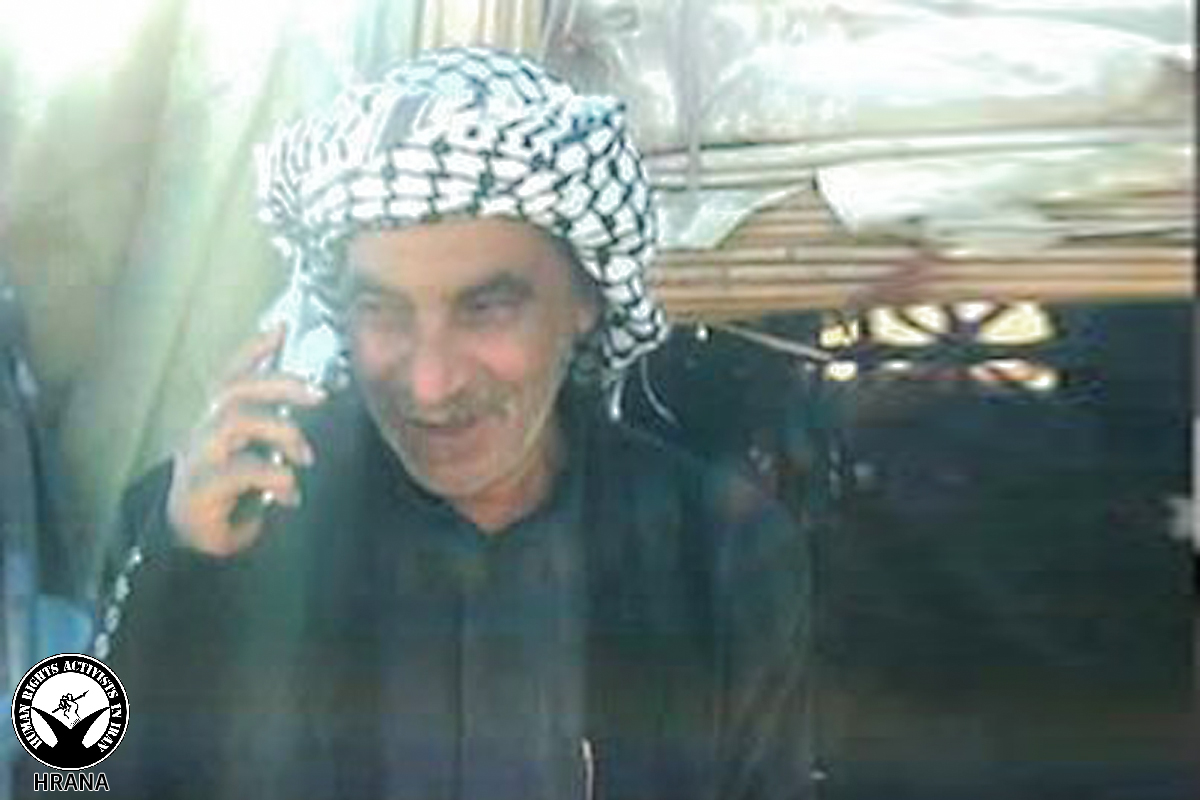
Human Rights Activists News Agency (HRANA) – On October 17, 2018, two residents of Ahvaz were arrested by local intelligence agents and transferred to an undisclosed location.
HRANA was able to confirm the identity of both arrestees as Sajjad Silavi, 25, and 63-year-old father of five Seyed Sadegh Nazari, who has a previous track record with police.
As of the date of this report, no further information was available on their location or the reasons behind their arrest.
Ahvaz is the capital of Khuzestan Province.
Ahwazi Arab Arrests Continue in Environs of Ahvaz Parade Attack

Human Rights Activist News Agency (HRANA) – Eight more Ahwazi Arab citizens, including two women, join the ranks of 55 locals already scooped up by authorities in a haphazard arrest campaign, purportedly an element of investigation into an armed attack on an Ahvaz military parade that claimed the lives of several civilians on September 22nd.
On October 15th, in the villages surrounding Susangerd, forces from the IRGC Intelligence Department arrested eight Ahwazi Arab Sunni citizens identified by HRANA as follows: Fayez Afravi, 30, married with one child; Afravi’s 45-year-old mother; Mohammad Amin Afravi, married, together with his 37-year-old mother; Abbas Moghinami, 26, married; Morteza Beyt Sheikh Ahmad, 24; Aref Moghinami, 27; and Morteza Moghinami, 22.
Fayez and Mohammad Amin Afravi are residents of Albu Afri village in Susangerd, a source told HRANA. Abbas Moghinami owns a tailor shop in the nearby village of Hojjie that specializes in Arabic garments known as thawbs or dishdashas, and where Morteza Beyt Sheikh Ahmad and Morteza Moghinami are currently employed. All three were arrested while leaving the shop with Aref Moghinami.
Susangerd is located in Dasht-e Azadegan County, Khuzestan Province.
HRANA identified 55 prior arrestees in its recent reports.
Twenty-four civilians, including a four-year-old child, were killed in the September 22nd gun attack on Ahvaz; fifty-seven more sustained injuries. The four assailants were apprehended and killed.
Following the attack, Iran’s Ministry of Intelligence announced that it had 22 suspects in custody, backing their announcement with a video recording of blindfolded, unidentified detainees facing a wall. Local sources estimate that detainees number closer to 300, and hail mostly from the cities of Ahvaz, Khorramshahr, Susangerd, and Abadan. Most of the arrestees have a previous track record with police.
As authorities work to confirm which body or group may have masterminded the attack, public urgency to find closure is tinged with the concern that innocent arrestees will be subject to inhumane interrogation methods.
Former Death Row Juvenile Offender Saman Naseem Released on Bail

Human Rights Activists News Agency (HRANA) – Saman Naseem, a Kurdish juvenile offender who was arrested seven years ago and was once on death row, was freed on a five billion IRR (approximately $35,000 USD) bail on October 16, 2018.
Naseem’s death sentence was commuted to five years in prison by the Appeals Court of West Azerbaijan Province, located on Iran’s northwestern border with Turkey and Iraq.
Originally scheduled in February, Naseem’s release was delayed by a new lawsuit brought against him in August 2018 by the family of a late agent of Iran’s Revolutionary Guard Corps (IRGC). The agent’s surviving family members — along with the family members of three others who were injured in armed clashes in 2011 — demanded “Qesas,” or “eye-for-an-eye” retribution permissible under Iran’s Islamic Penal Code.
Naseem was 17 years old when he participated in the clashes on the side of the Kurdish opposition. His role incurred charges of “Moharebeh [Enmity against God]” and “corruption on earth” in Mahabad Revolutionary Court, which sentenced him to death in 2013. Iran’s Supreme Court upheld the sentence in December of that year.
Naseem’s lawyers appealed the verdict, obtaining a retrial in a parallel appeals court. This court acquitted Naseem, commuting the capital punishment sentence to five years in prison, upholding the charge of “membership in an armed opposition group, namely the Kurdistan Free Life Party [commonly known by its Kurdish-language acronym PJAK].” The Supreme Court upheld his commutation.
Naseem — who had no access to legal representation during the preliminary investigation of his case — alleges that authorities tortured him while he was in custody, pulling nails from his fingers and toes and suspending him upside down from the ceiling.