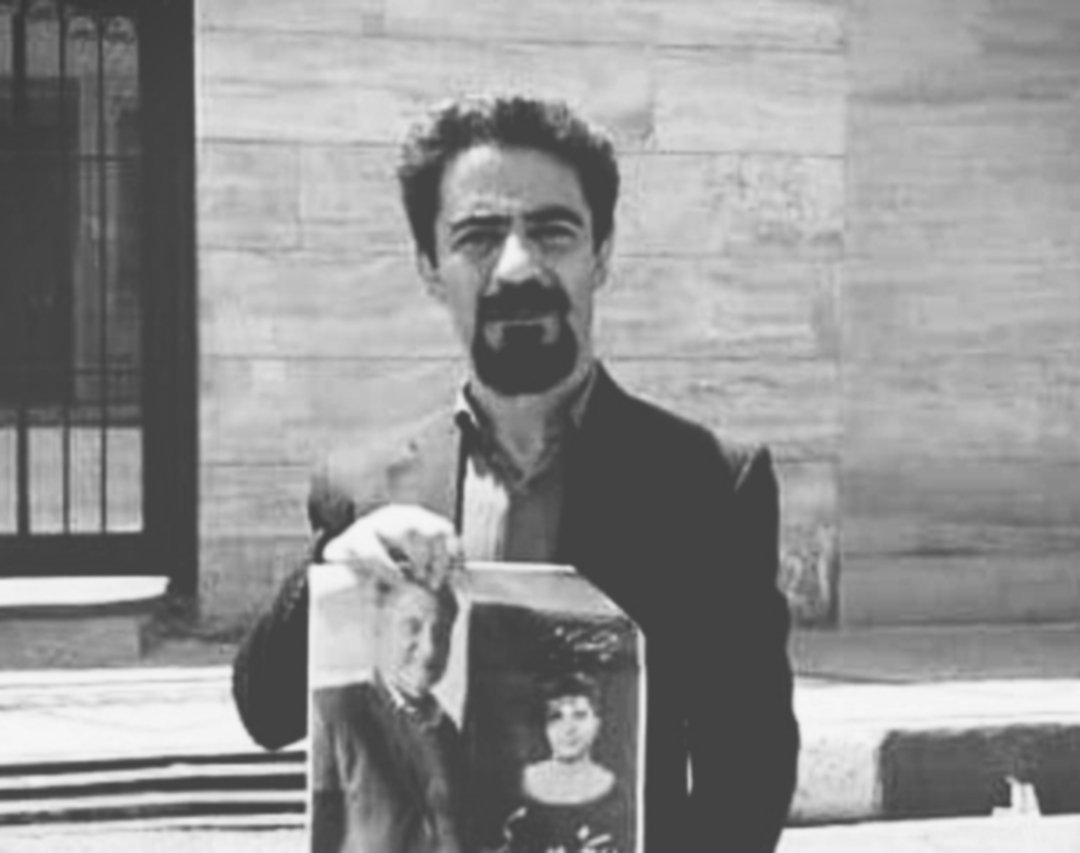
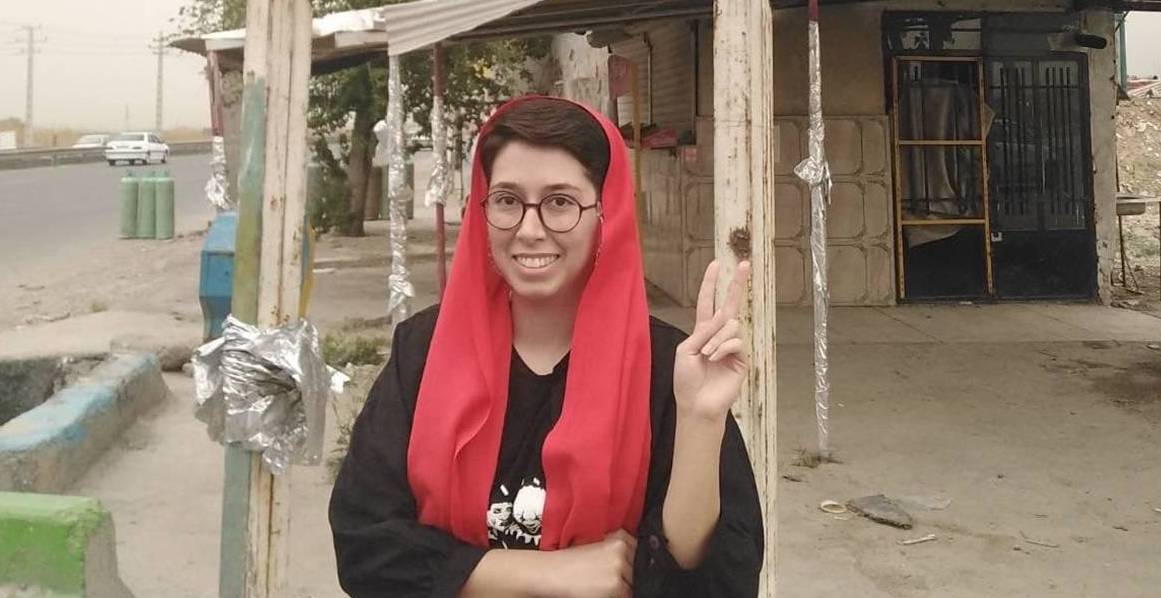
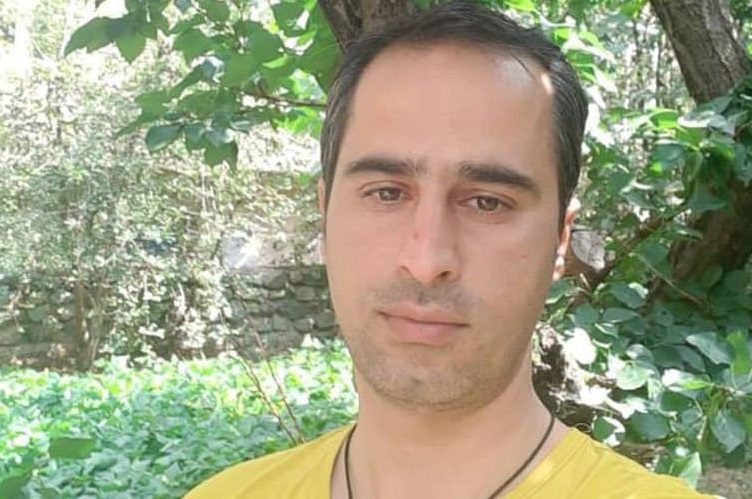
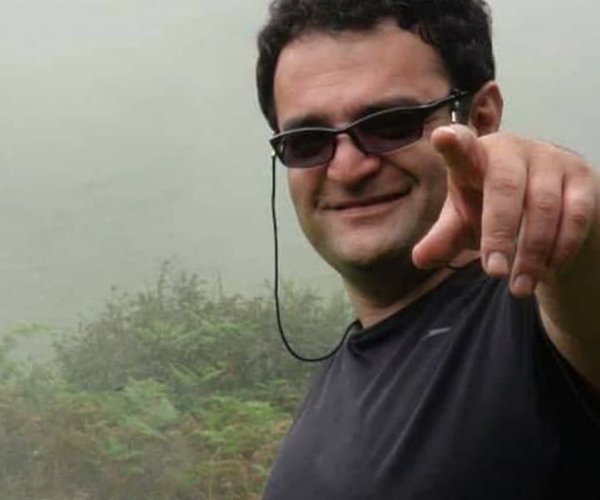
The nationwide protests of November are one of the most significant events of 2019. During the November protests that lasted more than 10 days simultaneously in 719 parts of the country. At least 7133 people were arrested, hundreds died on the streets, and many protesters got gunshot wounds. HRANA has earlier published reports about the sentences of some of the arrestees of the late November Protests. The following is an update on the sentences and conditions of several individuals who were arrested during the last November’s protests:
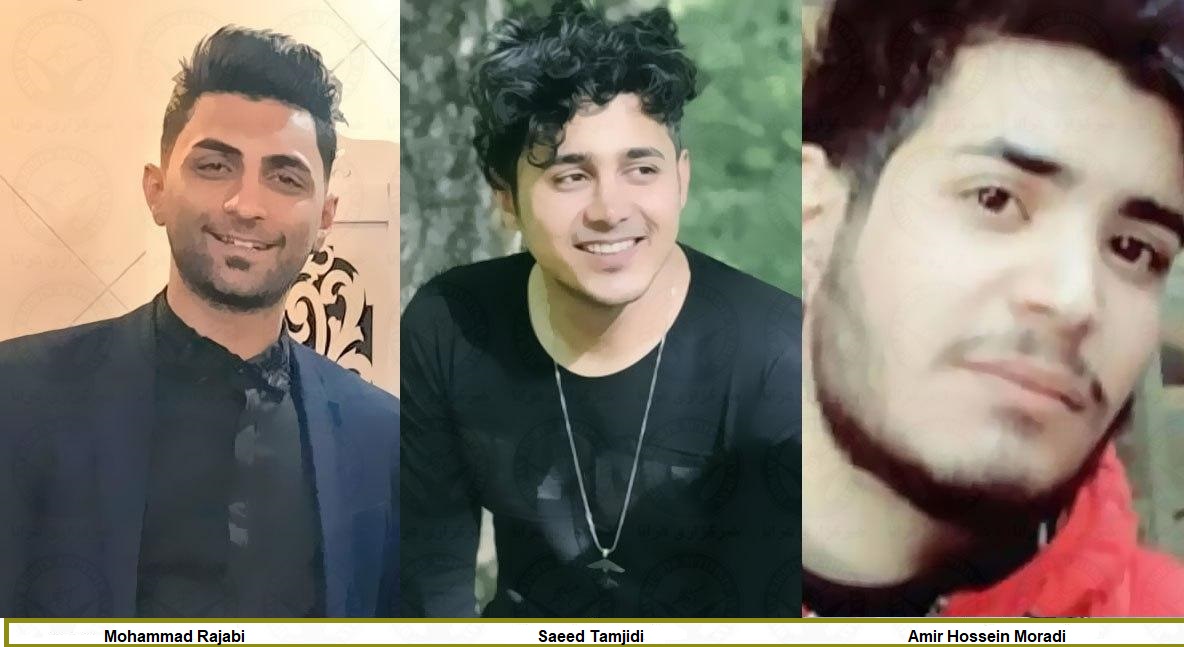
1. Amir Hossein Moradi, Saeed Tamjidi, Mohammad Rajabi, and Mojgan Eskandari: Branch 15 of Tehran’s Revolutionary Court presided by Judge Salavati on February 19, 2020, sentenced Amir Hossein Moradi to death on the charge of “cooperating in vandalism and arson with an intent to act against the Islamic Republic of Iran”, 15 years in prison and 74 lashes for the charge of “cooperation in aggravated armed robbery at night” and one-year imprisonment for the charge of “crossing the border unlawfully”.
Saeed Tamjidi and Mohammad Rajabi: they were each sentenced to death on the charge of “cooperating in vandalism and arson with an intent to act against the Islamic Republic of Iran”, 10 years in prison and 74 lashes for the charge of “cooperation in aggravated armed robbery at night” and one-year imprisonment for the charge of “crossing the border unlawfully”.
The reason for sentencing Mr. Moradi to execution was mentioned as instructing protesters, the leadership of the protests, and armed fight with the agents. He was accused of instructing protesters on Telegram to seize the camera while the security agents are filming protesters to protect protesters’ identities.
2. Ali Nanvaei was sentenced to six months imprisonment and 74 lashes which was suspended for two years. He is also sentenced to hand copying three books. He was initially charged with “assembly and collusion” but his charge was later changed to “disrupting the public order”. He was arrested when he was leaving Tehran University on November 18, 2019. He is a student at Tehran University.
3. Mohammad Eghbali Golhin was sentenced to 11 years imprisonment, 74 lashes, and one-year exile to Rask by Branch 10 of Shahriar’s Criminal Court on February 16, 2020. He was sentenced to ten years for vandalism and one year for the charge of “disrupting the public order”, and 74 lashes and one-year exile for the charge of “fight with Basij militia”. Based on Article 134 of Iran’s Islamic Penal Code, the charge with the highest penalty will be considered; this means that he should serve 10 years in prison. He was arrested on November 19, 2019, in Karaj.
4. Gita Hor, 30-years old, was sentenced to six years imprisonment by Branch 24 of the Revolutionary Court of Tehran. She was sentenced to five years imprisonment for “assembly and collusion against the national security” and one-year imprisonment for the charge of “propaganda against the state”. Based on Article 134 of Iran’s Islamic Penal Code, the charge with the highest penalty will be considered; this means that she should spend five years in prison. She was arrested on November 21, 2019. She is currently in Qarchak Prison. Her trial was presided by Judge Mohammad Reza Amouzadeh.
5. Mohammad Hejazifar was sentenced to 18 months imprisonment for the charges of “assembly and collusion” and “insulting the President” by Branch 10 of Malard’s Criminal Court and Shahriar’s Revolutionary Court. He was arrested on November 23, 2019, by the security forces of Islamshahr and was transferred to a detention center that belongs to a security organization. After a while, he was again transferred to the Greater Tehran Central Penitentiary. Mr. Hejazifar, 35 years old, is studying business at Islamshahr University and working in a publishing store. His 33 years old brother, Omid Hejazifar, is still in Greater Tehran Central Penitentiary and his status is unknown.
6. Mojgan Eskandari, a political prisoner of Qarchak Prison, was sentenced to three years in prison for the charge of “assembly and collusion” by Branch 15 of Tehran’s Revolutionary Court presided by Judge Salavati on February 19, 2020. She was arrested on December 10, 2019. She is in the same case as Amir Hossein Moradi, Saeed Tamjidi, Mohammad Rajabi who were sentenced to death, imprisonment, and lashes. Ms. Eskandari is 51 years old and is now in ward 1 (Mothers ward) of Qarchak Prison in Varamin. Ms. Eskandari said that she met Saeed Tamjidi and Mohammad Rajabi during the protests, and they were arrested after that. Eventually, Mojgan Eskandari along with Amir Hossein Moradi, Saeed Tamjidi, Mohammad Rajabi, and Shima (unknown family name) were tried for the same case. Shima (unknown family name) was released on bail. They were tried on 25-26 January 2020 presided by Judge Abolghasem Salavati.
7. Samira Hadian, a political prisoner, was sentenced to eight years in prison by Branch 26 of Tehran’s Revolutionary Court presided by Judge Iman Afshari. Some of her charges are: “assembly and collusion”, insulting agents”, and “disobeying governmental agents’ orders”. Based on Article 134 of Iran’s Islamic Penal Code, the charge with the highest penalty will be considered; this means that she should serve five years in prison. She was arrested on November 21, 2019, and was transferred from a detention center that belongs to a security organization to Qarchak Prison on December 1, 2019. She is now in ward 1 (mothers’ ward) of Qarchak Prison.
8. Melika Gharagozlou, student of journalism at Allameh Tabatabaei University, was sentenced to a six-month prison term for the charge of “assembly and collusion against the national security” on February 26, 2020, by Branch 29 of the Tehran’s Revolutionary Court presided by Judge Mazloum. She was arrested on November 17, 2019. and was released on a 60 million Tomans bail on December 1, 2019.
9. Maryam Alishahi and her son, Mahyar Mansouri were arrested on November 16, 2019. Branch 36 of Tehran’s Revolutionary Court presided by Judge Mohammadreza Amozadeh sentenced Ms. Alishahi to nine years in prison and Mr. Mansouri to six years in prison. Based on Article 134 of Iran’s Islamic Penal Code, the charge with the highest penalty will be considered; this means that they should each serve five years in prison. On February 25, 2020, they requested an appeal and their case was transferred to Branch 36 of Tehran’s appeals court presided by Judge Seyed Ahmad Zargar. The details of their sentences are as follows:
Maryam Alishahi was sentenced to five years imprisonment for the charge of “assembly and collusion”, two years of imprisonment for the charge of “insulting the Supreme Leader”, one-year imprisonment for the charge of “propaganda against the state”, and one year in prison for the charge of “disturbing public order”. Mahyar Mansouri was sentenced to five years imprisonment for the charge of “assembly and collusion”, and one-year imprisonment for the charge of “propaganda against the state”.
It should be noted that Mahyar Mansouri was released on 300 million Tomans bail. Maryam Alishahi was transferred from a detention center that belongs to a security organization to Qarchak Prison on December 1, 2019. She is now in ward 1 (mothers’ ward) of Qarchak Prison.
10. The Branch 101 of Urmia’s criminal court headed by Judge Hamid Golinejad sentenced Ali Azizi, Amin Zare, Salar Taher Afshar, Ilyar Hosseinzadeh, and Yasin Hasanpour, to pay one and half million Tomans fine instead of eight months imprisonment and 20 lashes. This sentence is suspended for three years for Keyvan Pashaei, Amin Zare, and Salar Taher Afshar. They were charged with “disturbing public order through attending protests”.
11. Milad Arsanjani, 32 years old, was sentenced to seven years imprisonment by Tehran’s Revolutionary Court. He was sentenced to two years imprisonment for the charge of “insulting the Supreme Leader” and to five years imprisonment for the charge of “assembly and collusion”. One of his accusations is housing a person who was injured during the November 2019 protests and staying with him during his treatment. He was arrested in Shahriar and was transferred to Greater Tehran Central Penitentiary after interrogations.
12. Ali Bikas, 32 years old, was sentenced to 10 years imprisonment and three months service in Basij militia (as a completing sentence) by Tehran’s Revolutionary Court on March 16, 2020. Mr. Bikas was charged with “assembly and collusion”, “disturbing public order”, and “shouting”. He is in Greater Tehran Central Penitentiary and started a hunger strike after receiving his sentence and said, “I was only protesting and did not commit a crime”.
13. On March 1, 2020, Fatemeh Kohanzadeh was sentenced to 18 months imprisonment and 50 lashes (both suspended for two years) and two years public service in a hospital (as a completing sentence) by Branch 1 of Karaj’s Revolutionary Court. She was sentenced to one year in prison for the charge of “propaganda against the state for enemy groups” and six months imprisonment and 50 lashes for the charge of “disturbing the public order”. Ms. Kohanzadeh was arrested on December 26, 2019, during the commemoration ceremony held 40 days after the killing of Pouya Bakhtiari, one of the victims of last November’s protests. She was arrested at Behesht Sakineh cemetery and was transferred to Kachoui Prison in Karaj. She is married and has two children.
14. On March 16, 2020, Pardis Criminal Court sentenced Sajad Salarvand to one-year imprisonment and three months of bathing deceased people’s bodies (as a completing sentence). He was charged with “establishing a community with an intention to act against the national security” and “disturbing the public order”. He was arrested on November 16, 2020, in Bumehen and was transferred to Greater Tehran Central Penitentiary after interrogations in Evin Prison. He was reportedly severely beaten during interrogations.
15. Kermanshah Revolutionary Court sentenced Amin Kaseb to two years imprisonment for the charge of “promoting an opposition Kurd party”. He was arrested during November 2019 protests in Javanrud and was released on 200 million Tomans bail on December 22, 2019.
16. On March 3, 2020, Branch 24 of Tehran’s Revolutionary Court sentenced 28 years old, Mehdi Vahidi, to five years imprisonment for the charge of “assembly and collusion”. This sentence was reduced to four years and four months after he accepted it and did not request an appeal. He was identified by CCTV and was arrested on November 23, 2019, by the IRGC forces at his parents’ house in Andisheh New Town. He was transferred to Greater Tehran Central Penitentiary after 34 days of interrogations.
17. Abolfazl Nejadfath, was sentenced to six years imprisonment. Mr.Nejatfath was sentenced to five years of imprisonment for the charge of “assembly and collusion” and one-year prison term for the charge of “propaganda against the state”. According to Article 134, he should spend five years in prison. He is the anthropology student at Tehran University and was arrested during November 2019 nationwide protests and was released on 200 million Tomans bail on December 18, 2020. Mr. Nejadfath trial was on February 2, 2020, at Branch 29 of Tehran’s Revolutionary Court.
18. On March 15, 2020, Branch 26 of Tehran’s Revolutionary Court sentenced Hamid Khosropoor to one-year imprisonment and three months public service in deprived areas (as a completing sentence) for the charge of “assembly and collusion”. He was arrested on December 2, 2019, in Tehran and was transferred to Greater Tehran Central Penitentiary after completion of interrogations in Evin Prison. He was reportedly severely beaten and tortured during interrogations by IRGC such as denailing which caused him speech disorder (stuttering) and shaking hand disorders. He was born in 1973, married and has two kids. He has been working at Refah Bank for 20 years.
19. On March 3, 2020, Maliheh Jafari was sentenced to six months imprisonment and hand-copying religious books and public service (as a completing sentence) for the charge of “assembly and collusion with the intent of acting against the national security”. Her completing sentence is a two-months public service under the supervision of women’s social-cultural committee, 90 pages handwritten research about Islamic veil and its effects, and hand copying three religious books. Ms. Jafari was arrested on November 18, 2019, and was released on bail on December 1, 2019.
20. On January 22, 2020, Mehdi Bagheri, 20 years old, was sentenced to five years imprisonment for the charge of “assembly and collusion” by Branch 24 of Tehran’s Revolutionary Court. He requested appeal but his appeals court is not scheduled yet. His trial was on January 2, 2020. According to an informed source, during his trial, Judge Mohammadreza Amoozadeh asked about his personal information and then send him out of the court and when Mr.Bagheri wanted to defend himself he was told that “all of you should be executed”. He was identified by CCTV and was arrested by the IRGC forces at his parents’ house in Tehran. He was transferred to Greater Tehran Central Penitentiary after interrogations.
21. Branch 101 of Shiraz Revolutionary Court sentences six detained minors protesters to 468 lashes, combined, and public services (as a completing sentence). Their names and sentences are as followings:
Mohammad Reza Heydari was sentenced to 400 hours of public service in Shiraz municipality. One-fourth of this sentence will be reduced because he accepted his sentence and did not request an appeal.
Jabar Fioji and Ali Akbarnejad were sentenced to three months imprisonment and 74 lashes each for “disturbing public order” and 80 lashes for drinking alcoholic drinks. Their sentences are suspended for two years.
Reza Akbarnejad and Salar Fioji were sentenced to pay 500 thousand Tomans fine for “disturbing public order” and 80 lashes for drinking alcoholic beverages each.
Their trial was without the presence of their lawyers.
Complementary sentence
In the past few months, the political prisoners (especially protesters of November 2019 and January 2020’s protests) are receiving unusual complementary penalties on top of their imprisonment sentences. Sentences such as bathing a dead person’s body, hand-copying Quran, serving in Basij militia group, reading books about killed soldiers in Syria, reading about hijab, and researching about United States of America’s crimes are some of the complementary sentences that have been issued to the political prisoners.
Complementary penalties are additions to the main sentence. Based on the law, they are not necessary and are added based on the judge’s decision.
Only under these conditions, a judge can issue complementary penalties: convict was sentenced to fine more than two million Tomans, the convict was sentenced to more than 31 lashes, and the convict was sentenced to execution.
Complementary and Consequential Punishments
Article 23– Considering the requirements provided in this law and proportionate to the committed crime and character of the offender, the court can sentence a person who has been sentenced to hadd, qisas, or ta’zir punishments from sixth to first degree, to one or more punishment(s) from the following complementary punishments:
Compulsory residence in a specified place
Ban from residing in (a) specified place(s)
Ban from holding a specified profession, career or job
Dismissal from governmental and public offices
Ban from driving or operating motor vehicles
Ban from having a checkbook or drawing commercial bills
Ban from carrying a gun
(h) Ban from leaving the country for Iranian citizens
(i) Deportation of foreign nationals
(j) Providing public services
(k) Ban from membership of political or social parties and groups
(l) Seizure of the means for commission of the offense or the media or organization involved in commission of the offense
(m) Compulsory learning of a specified profession, career, or job
(n) Compulsory education
(o) Publication of the final judgment
Note 1- The complementary punishment shall not exceed more than two years unless otherwise provided by law.
Note 2- If the complementary punishment and main punishment are of the same type, only the main punishment shall be given.
Note 3- The regulations of the conditions of execution of complementary punishments shall be prepared by the Minister of Justice and approved by the Head of Judiciary within six months after this law is enforceable.
Earlier complementary penalties were used to sentence political prisoners to travel ban, exile, ban from membership in political groups.