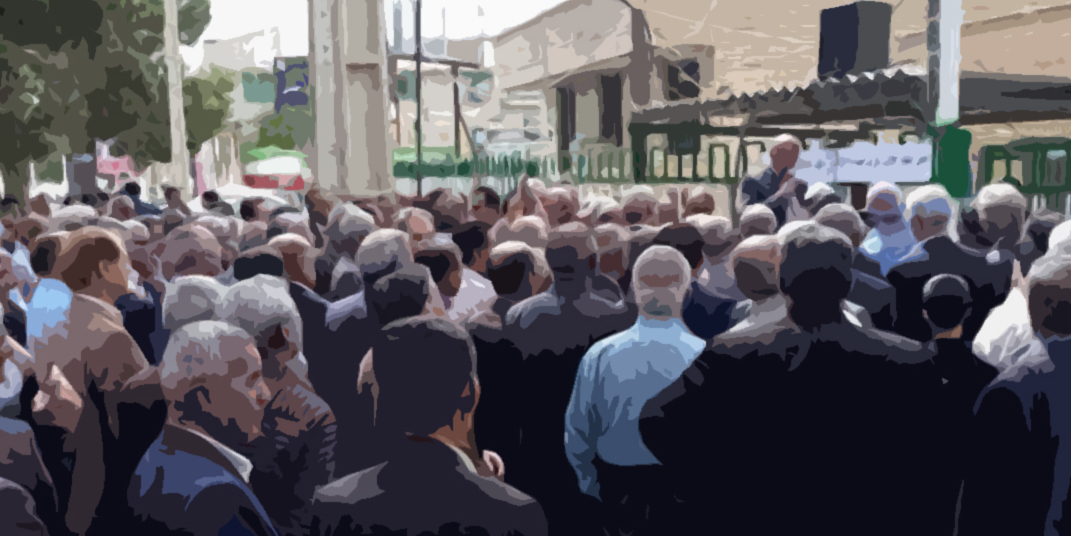
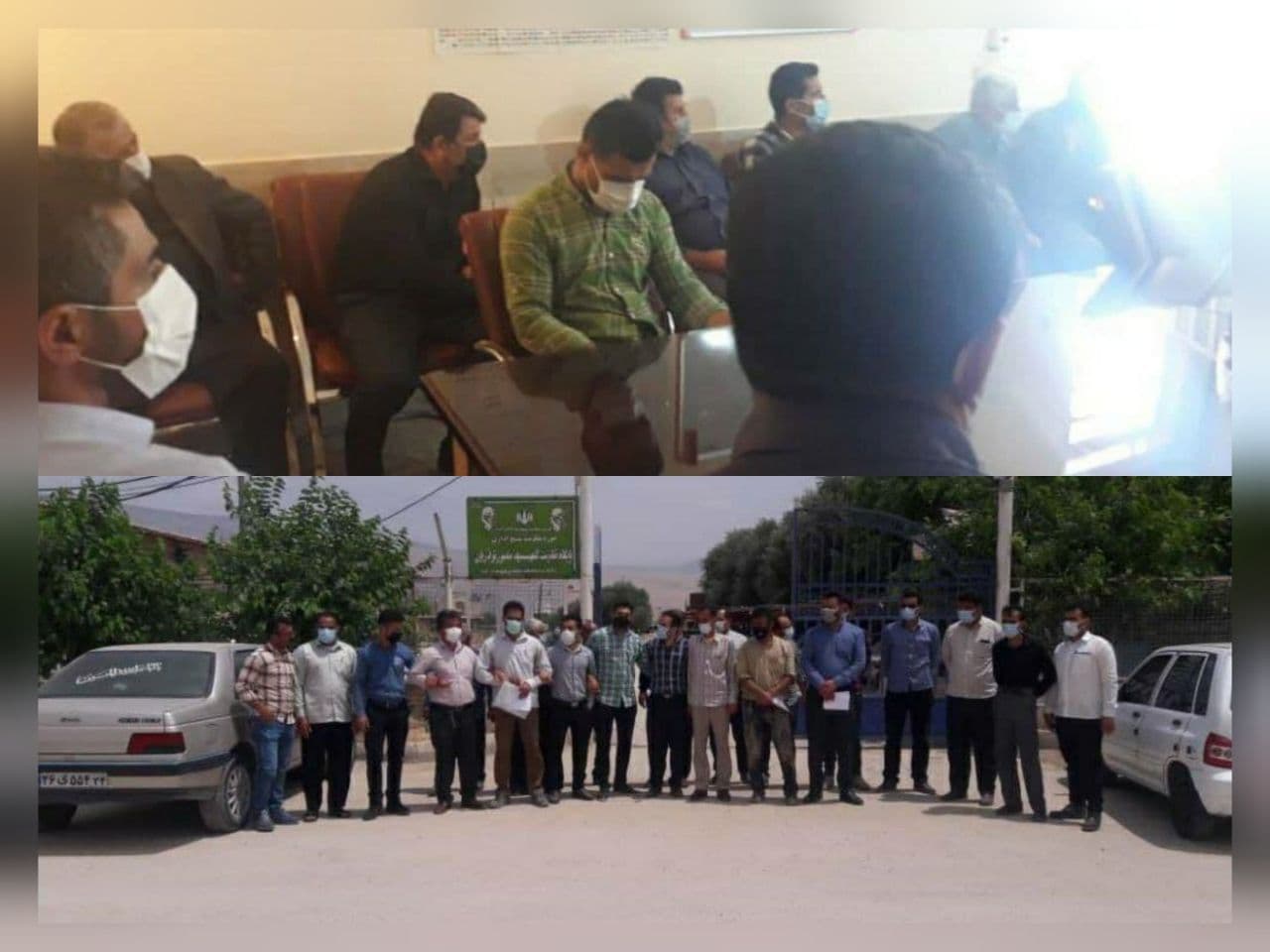
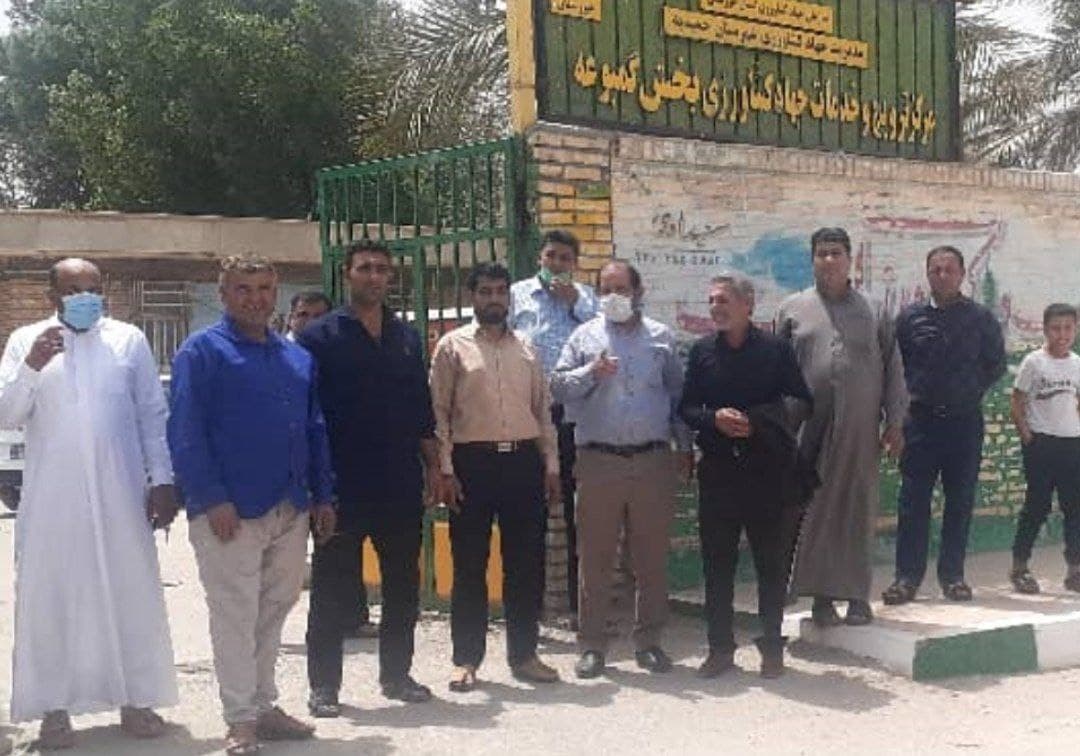
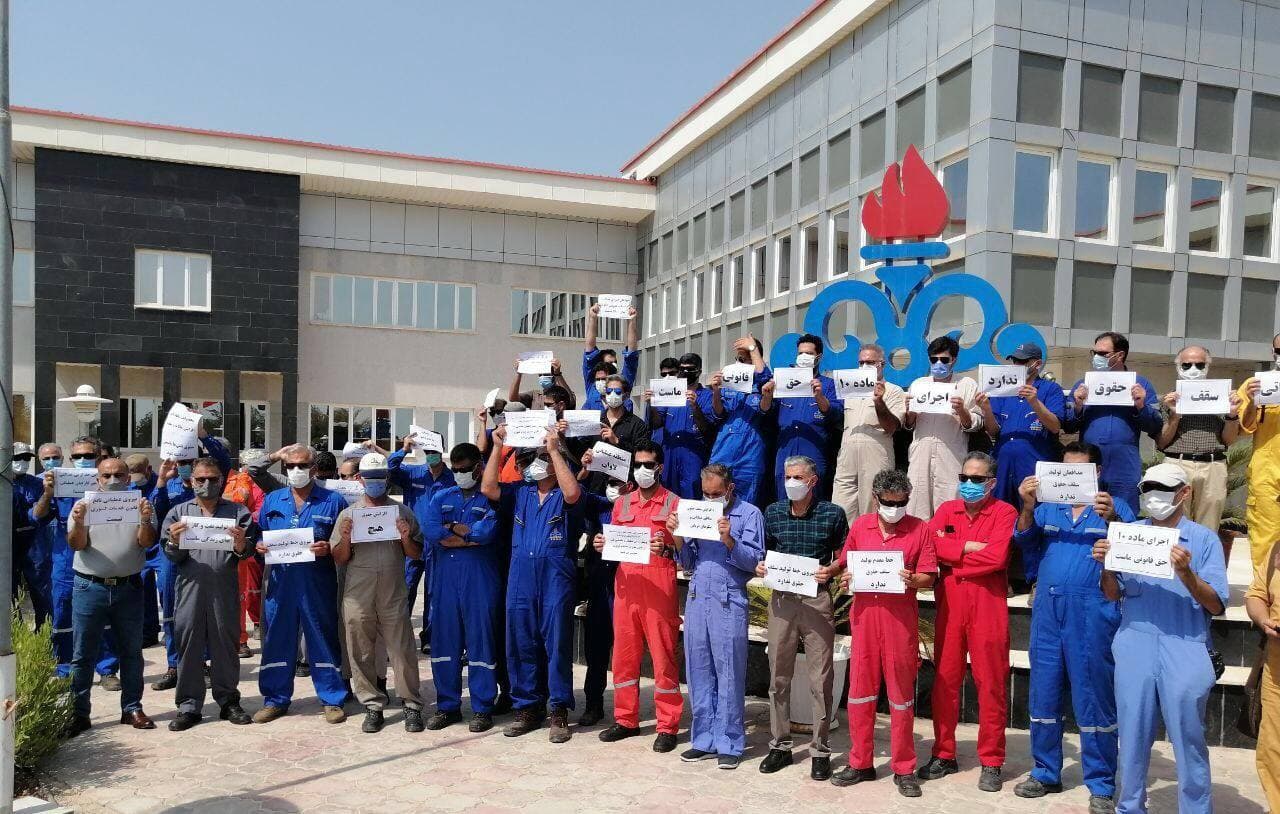
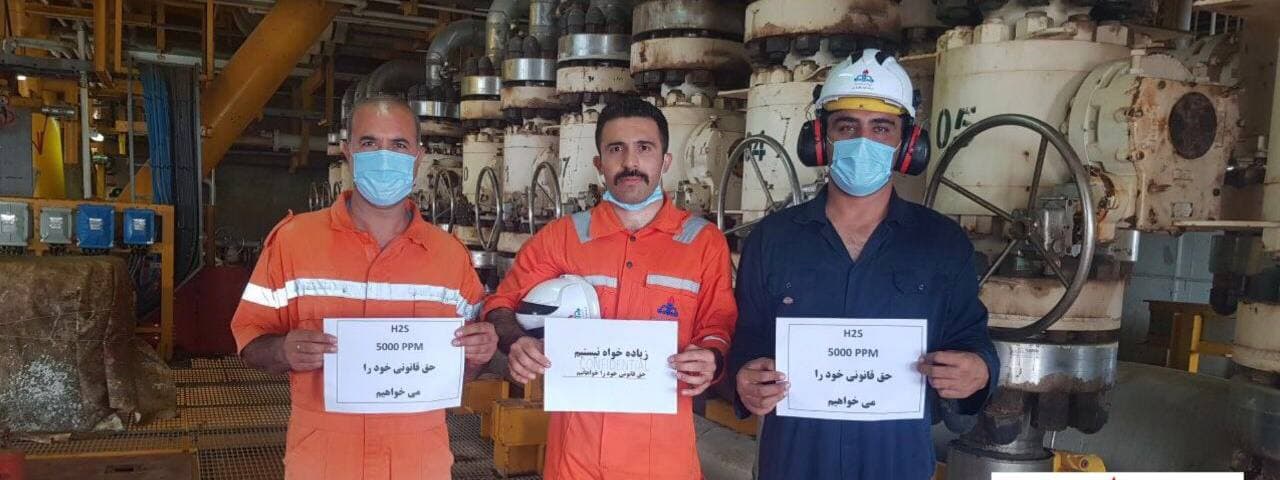
According to HRANA, the news agency of Human Rights Activists, at least seven protest rallies were held on May 21, and 22. Several employees of the offshore platforms of the South Pars Oil and Gas Company rallied at their workplace. A group of nurses and medical staff members of the Health Cooperative rallied in front of the Judiciary in Tehran. Several workers of Pajen Dairy Company rallied in front of Nasimshahr Governor’s Office. Workers of Izeh’s Water and Sewerage Company rallied in front of the city water supply building demanded their unpaid wages. Street cleaners in Chabahar rallied in front of the city building; a group of workers of IGC in Assaluyeh rallied in their workplace, and truck drivers parked their vehicles in one of Mashhad’s highways protesting the neglect of their problems by the authorities. All the groups of protestors called for their demands to be addressed.
Workers of IGC in Assaluyeh:
Medical staff members of the Health Cooperative’ rally:
Cleaners and sweepers in Chabahar:
Workers of Izeh’s Water and Sewerage:
Sunday, May 23
According to HRANA, the news agency of Human Rights Activists, at least 10 protest rallies were held on May 23. A group of employees of Tehran Metro Operation Company rallied in front of the Islamic parliament in Tehran; Retirees of Isfahan Steel Industry rallied in front of the Retirement Fund building in Isfahan; School janitors rallied in front of their provincial education department in Lorestan and Qazvin provinces; a group of Shiraz Telecommunication Company retirees rallied in front of the governor’s office in the city, a group of preschool teachers from different cities rallied in front of the Islamic Consultative Assembly; teachers working in non-profit schools in Sistan and Baluchestan, Kerman, and East Azerbaijan provinces protest rallies called for their demands to be addressed.
Employees of Tehran Metro:
Retirees of Isfahan Steel Industry:
Teachers working in non-profit schools in Sistan and Baluchestan, Kerman, and East Azerbaijan:
Janitors rallied in in Lorestan and Qazvin provinces:
Telecommunication Company retirees in Shiraz:
Preschool teachers rally:
Monday, May 24
According to HRANA, the News Agency of Human Rights Activists, at least seven protests took place on Monday, May 24. Employees of the Ministry of Oil rallied in front of this ministry building in Tehran; a group of truck drivers held a rally and parked their vehicles in front of the municipality building in Mashhad; Security and maintenance workers of line 5 of Tehran city train held a rally on-site; several retired employees of Iran Air airline rallied in front of the airline building in Tehran; a group of faculty members of the Azad University of Tabriz and Ahvaz held rallies in their cities; retirees of health department held a rally in front of the building of the Program and Budget Organization in Tehran.Protesters called on their demands to be addressed.
Truck drivers held a rally in Mashhad:
Employees of Iran Air airline rallied in front of the airline building in Tehran:
Retirees of health department held a rally in front of the building:
Tuesday, May 2
According to HRANA, the news agency of Human Rights Activists, at least thirteen protest rallies were held on Tuesday, May 25. Stakeholders of Azovico company who lost money held a rally in the streets around the Ministry of Industry, Mine and Trade in Tehran. Several workers from the Ministry of Oil in the Persian Gulf Holding rallied in Petrochemical Special Economic Zone in Bandar Imam Khomeini. Workers at Pegah Milk Factory of Tehran held a rally in front of the Judiciary building. A group of teachers and several temporary employees of the Ministry of Oil rallied in front of the Islamic Consultative Assembly building. A group of employees and retirees of Imam Khomeini Hospital held a rally in front of the Municipal Organization of Alborz Province. Residents of Barangerd village, farmers of the rural part of Gamboueh, and a group of employees of Khuzestan Rural Water and Sewerage Company held rallies in Khuzestan Province. Several students of Estahban Higher Education Center protested in this educational center. A few retirees of Pars Metal factory rallied in front of Ghanoon daily newspaper office in Tehran. Shareholders of the stock market rallied in front of the Stock Exchange Organization in Tehran, and a group of farmers in Isfahan held protest rallies in this city and called on their demands to be addressed.
Stakeholders of Azovico company:
Workers from the Ministry of Oil in the Persian Gulf Holding:
Residents of Barangerd village:
Residents of Gamboueh village:
Students of Estahban Higher Education:
Retirees of Pars Metal:
Employees of Rural Water and Sewerage in Khuzestan:
Wednesday, May 26
According to HRANA, the news agency of Human Rights Activists, on Wednesday, May 26, official employees of the oil industry held rallies in 9 different cities and locations including Bahregan, Lavan, Ahvaz, Gachsaran, Abadan, Assaluyeh, Tehran, Mahshahr, and Bushehr. The employees called their demands on payment of arrears, equipment upgrade, correct and complete implementation of Article 10 and 112, resolving problems of employees’ transfer to needed sections and some other demands. Several employees of Rural Water Supply and Sewerage gathered in front of the government buildings in the Khuzestan Province. A group of technical protection and safety consultants gathered in front of the Ministry of Cooperatives, Labor, and Social Welfare in Tehran rallied to pressure authorities to address their demands.
Protest of employees of the oil industry in 9 cities:
In Tehran:
In Lavan:
In Bahregan :
in Mahshahr :
in Ahvaz:
in Bushehr:
Employees of Rural Water Supply and Sewerage in the Khuzestan Province:
Thursday, May 27
According to HRANA, at least three protest rallies were held on May 26. Khuzestan Rural Water Supply and Sewerage staff for the third day in a row in front of the governor’s office in Ahvaz. Medical staff at Bu Ali Hospital rallied at their workplace in Tehran, and a group of citizens of Behbahan held a rally at the Friday prayers center in the city, in Khuzestan, and called on their demands be addressed.
According to HRANA, the news agency of Human Rights Activists, at least 26 protests took place across the country this week, 6 of them today. The unassociated protests and their participants’ demands varied greatly, but all related, in one way or another, to political and economic institutions’ disregard for citizens’ needs. Here is a quick breakdown.
Pensioners Protest in 5 Cities
On May 16, retirees protested in at least 5 cities, including Tehran, Karaj, Khorramabad, Mashhad, and Kermanshah.
Pensioners carrying banners chanted slogans and marched in front of their local Social Security offices. They demanded an increase in pensions following the poverty line increase, implementation of the equalization of salaries law, strict implementation of Article 96 of the Social Security Law, attention to supplementary insurance problems, and payment of end-of-year bonuses.
Teachers protest in Tehran and Tabriz
On May 16, several teachers protested in front of the Parliament Building in Tehran and in front of the Department of Education Building in Tabriz, calling for their demands to be addressed.
Families of the victims of the 2020 Ukrainian plane crash protest in Tehran
On May 16, a group of families of the victims of the 2020 Ukrainian plane crash gathered in front of the Judicial Organization of the Armed Forces in Tehran. The families protested the trial, the rejection of their request to study the case, and Foreign Minister Javad Zarif’s remarks about “curing the accident” in his leaked tape of the interview.
Municipal workers protest in Lowshan
According to the Iranian Labour News Agency (ILNA), on May 16, workers of the Municipality of Lowshan protested low wages and insurance problems in front of the municipal building for the second day in a row. According to the workers of Lowshan Municipality, on the morning of May 15, the protest broke out after Lowshan’s mayor insulted several service workers in the yard and inside the building.
Kaveh Glass Industrial Group workers protest in front of Ministry of Cooperatives, Labor, and Social Welfare
According to the Iranian Labour News Agency (ILNA), on May 16, a group of workers from the Kaveh Glass Industrial Group demanded fair working conditions and retirement benefits in front of the Ministry of Cooperatives, Labor, and Social Welfare.
Per the report, the workers demanded the right to retire after working 20 continuous years or 25 consecutive years, given the difficulty and high risk of the job.
According to news sources, the workers all have retirement status and have been insured in these difficult jobs for more than 20 years. The workers claim that the employer not only did not help them to retire but also laid them off shortly before the benefits were set to activate. They are currently both jobless and unable to retire.
Teachers and staff of special-needs education schools protest in Khuzestan province
According to the Asr-e-Junub news agency, on May 16, teachers and staff of schools for children with special needs in Khuzestan province protested in front of the General Directorate of Education in Ahvaz. The protestors demanded increased salaries and the resolution of clerical insurance problems.
Literacy movement educators protest in front of Parliament Building
According to the ISNA news agency, on May 16, a group of educators of the literacy movement protested in front of the Parliament Building and requested Parliament representatives’ support, as their employment status is currently shaky.
Residents of Health Boulevard in Saravan protest in Sistan and Baluchestan Province
According to the Baloch Activists Campaign, a group of citizens living in Saravan’s Health Boulevard protested in front of the governor’s office and the office of Islamic Consultative Assembly representative Malek Fazeli on May 17.
The residents protested lack of electricity and poor infrastructure in the area, after numerous attempts to resolve the issue through the electricity department were unsuccessful.
Servants and school caretakers protest in Shiraz
According to the Free Union of Iranian Workers, on May 16, servants and caretakers of Shiraz schools demanded an increase in wages and benefits in front of the city’s education building.
Private school teachers protest in Ilam
According to the Free Union of Iranian Workers, on May 17, teachers and employees of private schools in Ilam protested outside the Department of Education building of the province. According to the report, the protestors have been working for years with very low salaries. They requested a salary raise and benefits increase and called on the elimination of discrimination they have been facing compared to government employees.
Safety Consultants protest outside Ministry of Labor building in Tehran
On May 19, a group of safety consultants from all over the country protested in front of the main door of the Ministry of Labor building in Tehran. They demanded an immediate cessation of the implementation of Technical Protection and Safety Services bylaws, and revision of the bylaws and instructions “in the presence of experts and representatives of real advisors”.
Kohgiluyeh and Boyer-Ahmad Water Company workers protest in Gachsaran
According to Kebnanews, on May 18, several members of Kohgiluyeh and Boyer Ahmad Water and Sewerage Company protested not receiving their wages and insurance benefits in front of the Dogonbadan’s Water and Sewerage Office in Gachsaran. All of the protesting workers have been employed for more than 5 years by this company, and have not been paid for three months.
Karnameh Sabz’ teachers protest in Tehran
According to the Free Union of Iranian Workers, on May 19, teachers of Karnameh Sabz protested the uncertainty of their employment status in front of the Ministry of Education building in Tehran. Karnameh Sabz teachers are educators who took the Ministry of Education’s recruitment exam (Article 28 exam) and have been selected by officials, but no action has been taken by the ministry since the exam. On the previous day, teachers also protested in front of the Parliament building in Tehran.
Truck drivers protest in Arak
According to the ISNA news agency, on May 19, several truck drivers in Arak protested for the fifth day in a row. They called on their union demands and complained about the failure of officials in the Road Maintenance & Transportation Organization.
Aseminun miners protest in Manujan in Kerman
On May 19, workers of the Aseminun mine in the city of Manujan in Kerman province protested not receiving their wages for the third day in a row of the strike. The
protesters demanded payment of their unpaid wages, the ousting of the current mine owner, and the transfer of ownership to the public sector.
Gardeners protest in Robat Karim
According to the Basi news agency, on May 20, several gardeners from Robat Karim protested in front of the governor’s office. Protestors claimed their right to ownership had been violated by the Ministry of Agriculture Jihad even though they had the proper legal paperwork.
Agents and sellers of Sufi Cement protest in Tabriz
According to the Free Trade Union of Iran, on May 20, several agents and sellers of Sufi Cement gathered in front of the East Azerbaijan Governor’s Office in Tabriz to protest cement shortages.
Shareholders of Samen Coin protest in Tehran
According to the Free Trade Union of Iran, on May 20, 2021, a group of shareholders of Samen Coin protested in front of the Central Bank in Tehran.
Jovein Cement factory workers protest in Khorasan Razavi
According to the Free Trade Union of Iran, on May 20, 2021, workers of the Joven Cement Factory in Khorasan Razavi protested low wages and poor working conditions.
Villagers protest amid continued water shortages in the western suburbs of Karun
According to the IRIB news agency, on May 21, villagers of the western suburbs of Karun gathered in front of the Arvandan Oil and Gas Company refinery to protest authorities’ unfulfilled promises to address the ongoing water crisis in Karun. Twelve villages in the western suburbs of Karun, each with populations of over 6,000, have been experiencing water shortages for nearly four years.
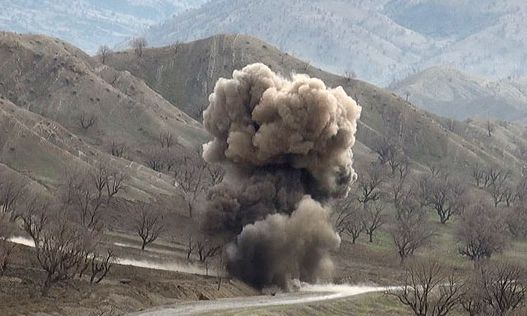
On Thursday, May 6th, a kolbar was injured in the leg after a landmine left over from the Iran-Iraq war exploded in the border area of Nowsud.
According to HRANA, the news agency of Human Rights Activists, quoting Kurdpa, the citizen has been identified as Nader Saberi, son of Mr. Barakhas, from Tilkuh village in Kamyaran.
Every year, landmines cause the death and injury of several compatriots in border areas. About 42,000 square kilometers of land in Iran is contaminated with leftover landmines and unexploded ordnance from the Iran-Iraq war.
The Iranian regime continues to produce and plant anti-personnel mines, and, contrary to international conventions, the regime believes that using these mines is the only effective way to secure the country’s long borders.
Accordingly, they have planted mines on border areas with Afghanistan, Pakistan, and Iraq. During the conflicts of the 1980s in Kurdistan, mines were planted in this region, as well.
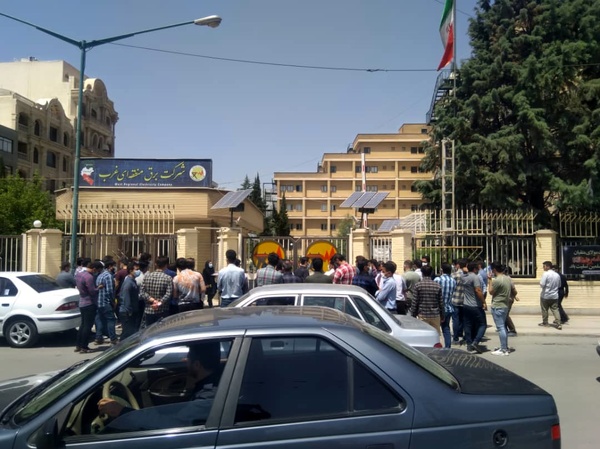
On May 5th and May 6th, several protests broke out that were related, in various ways, to political and economic institutions’ disregard for the safety and wellbeing of their members. High school students in at least 14 cities gathered to protest mandatory physical attendance for their final exams. In Tehran, a group of Tehran Metro workers gathered to demand that their medical and economic demands be met. A group of operators of the West Regional Electricity Company in Kermanshah protested the lack of wage regulation in the new year.
Police beat the protest students
On May 6, 2021, high school students in at least 14 cities including Boroujerd, Tehran, Qazvin, Semnan, Karaj, Shahr-e Kord, Shiraz, Zanjan, Khorramabad, Yazd, Tabriz, Birjand, Ardabil, and Fooladshahr, protested mandatory physical attendance for final exams. To prevent further spread of COVID-19 and to ensure their own and their families’ safety, these students are calling for “final exams to be held virtually /online”.
Below is footage of students protesting in-person exams
The protesting students gathered in front of their respective education department buildings and chanted slogans such as “Do not be afraid, we are all in this together”, and “We do not want to physically attend”.
At some of these demonstrations, police physically assaulted peaceful student protestors. Several student protesters in Yazd and Fooladshahr were reportedly beaten by officers.
Since the Coronavirus outbreak in Iran, conducting exams that require physical attendance has raised concern among students and their families. On the Monday before the protests, the Corona Management Committee in Iran claimed that final exams were to be held in person in large and ventilated places.
Jafar Pashaei, Director General of Education in Tabriz Province responded to the protests. “Holding exams in person for the ninth and twelfth-grade is a national decision,” Pashaei said, “And it will definitely be held under protocols and distancing.”
Despite ongoing demands to be given a remote option, and despite the May 6th protests, education officials have maintained the in-person exam schedule.
Protests from Tehran Metro Employees
According to the official channel of railway workers and technical maintenance staff, a group of Tehran Metro personnel gathered in the company courtyard to protest the lack of attention to their demands for fair treatment,
The protesting workers’ main demands are “Expertise allowance, hardship allowance, prioritized COV-19 vaccination, Job title modification, full implementation of labor wage increase based on the decree of Supreme Labor Council, stop the plan of removing the trains’ co-driver, modify the formula for calculating the personnel salary tax, elimination of discrimination between operational and administrative staff as well as the revival and implementation of mandates to provide personal equipment for drivers.”
Protests from West Regional Electricity Company Operators
According to ILNA, on May 5, a group of operators of the West Regional Electricity Company in Kermanshah protested in front of the regional electricity office building in Kermanshah.
The operators said in a statement, “The wage decree of the Ministry of Labor is not being implemented well for us. Our wages and benefits are much lower than those of officials and contractors, and the wage increase has not been properly applied to us in the new year. Our wages are very low considering the inflation and what we do.”
The spokespeople added that what the Regional Ministry of Energy and Regional Electricity Office pay to companies as personnel salaries often do not end up going to the workers. These operators, who carry out dangerous work handling high-voltage electricity, want to sign a contract with the regional electricity itself, rather than the contractors.
According to HRANA, the news agency of Human Rights Activists, quoting Kordpa, on May 5, 2021, a border regiment’s direct shot wounded cross-border laborer Masoud Mohammadi, a resident of Nanour village in Baneh.
According to the report, Mohammadi was shot directly and without any prior notice by the border regiment, and then taken to a medical center for treatment in Baneh.
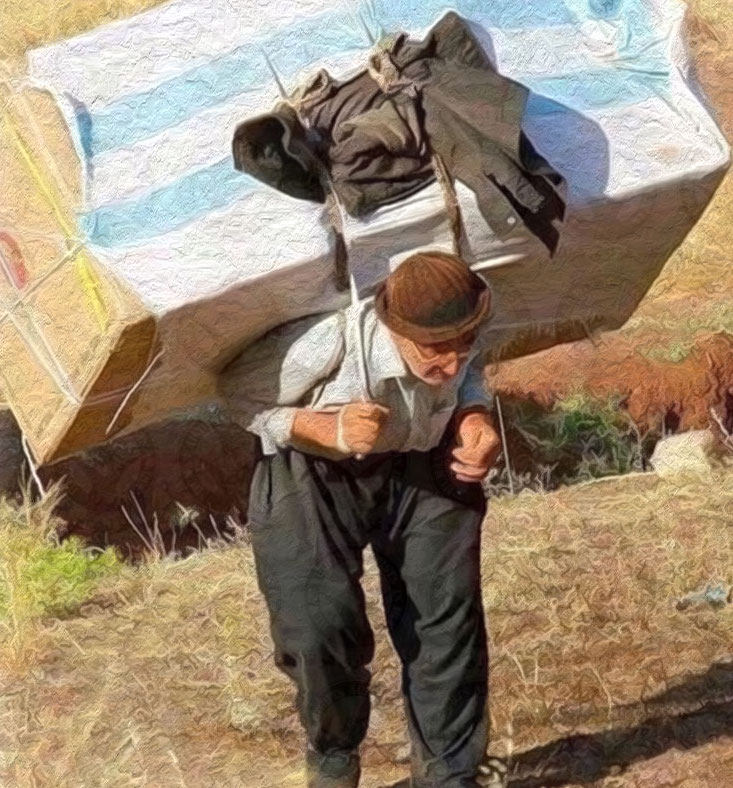
Kolbars’ work is difficult, largely-unregulated manual labor that people do in border areas with high levels of unemployment. Dozens of kolbars are injured and killed yearly from accidents, dangerous conditions, and border guard shootings.
A section of 2020 The Annual Report of Iran Human Rights addresses the citizens who have been killed or injured by military forces.
According to the report, border guards and law enforcement murdered 36 and wounded 109 kolbars in 2020 alone. An additional 5 workers were killed and 4 injured due to climactic and geographical working conditions such as frostbite-inducing temperatures, avalanches, and falling from great heights.
On the occasion of International Workers’ Day, or May Day, Human Rights Activists in Iran (HRA) highlights the ongoing denial of the full enjoyment of workers’ rights in Iran; namely workplace discrimination, child labour, violations of the right to form and join labor unions and the suppression of the right to peaceful assembly and association often resulting in unfair trials, arbitrary detention, and torture at the hands of Iranian officials. The following article provides a brief overview of the situation of labour rights in Iran as well as identifies several individuals known to be responsible for violating the rights of Iranian workers’ and labour rights activists. The noted violations are in stark contrast to Iran’s International human rights obligations (including ratified ILO Conventions, CRC, ICCPR, and ICESCR) and therefore should not go unpunished.
The Situation of Labour Rights in Iran
The Right to Form and Join Labour Unions
In the past year, a total of 593 workers’ protests and 738 trade union protests have reached the media and or civil society organizations.
Among the most important labor events in Iran over the past year the following workers’ protests can be mentioned; Haft Tappeh sugarcane workers, Kut-e Abdollah Municipality, Heavy Equipment Production Company (HEPCO) in Arak, railway technical lines and buildings, and the union protests of teachers, retirees and social security pensioners.
Over the past 12 months, various cities in Iran have witnessed various forms of protest movements by Iranian workers. A wide range of workers have taken to the streets due to non-receipt of their monthly salaries and disregard for their insurance claims, and some of these workers have gone on strike and protested for up to 30 months of wage arrears. Thus, 114 labor strikes and 3 union strikes have taken place.
The level of cohesive demand of different sections of the working class has been unprecedented in the past year. Repression and sabotage and non-recognition of the rights of trade unions and independent labor organizations, arrest and imprisonment of several labor activists, as well as the denial of the right to protest were among the reasons for the dispersal and disorder of some labor rallies and protests.
Many workers have been summoned, arrested or convicted on charges such as holding a peaceful rally on International Workers ‘Day, protesting against low wages, signing statements in support of trade unions, posting photos of workers’ demonstrations on the Internet or receiving invitations to attend world trade union meetings.
At least 37 workers and labor activists have been arrested in the past 12 months. Among the most important of these arrests are the arrests of four Haft Tappeh workers’ activists, five Kut-e Abdollah Municipality workers, six participants in a rally in support of the Haft Tappeh workers, and tens of nurses and teachers.
Additionally, 46 labor activists were sentenced to 636 months in prison and 3,108 floggings, 51 people were summoned to judicial and security authorities, 1,331 were fired or suspended from work, 4,224 were unemployed, 28,493 uninsured workers and 4,224 uncertain of their work situations.
Also, in the field of unions and syndicates, a total of 47 arrests of union activists, 30 months’ imprisonment for 2 union activists, 50 summonses to judicial-security authorities and 132 cases of closure of places have been reported.
Both the ICCPR (Article 22) and ICESCR (Article 8), to which Iran is a State party, guarantee the right to form and join labor unions. However, under Iranian law, there exists no express right to form labor unions that are independent of the State. Claiming ‘security concerns’, workers may only be represented by a select group of State sanctioned bodies. Nonetheless, groups like the Haft Tappeh Sugar Cane Workers’ Syndicate and others continue to form and gather to protest widespread violations of labour rights. The Haft Tappeh Workers’ Syndicate is a union responsible for the organization of several protests regarding violations of workers’ rights – notably, withheld wages, unfulfilled promises, and the arbitrary detention and torture of many of their members.
The violations against the Haft Tappeh Workers’ and others are not only in contrast to the core human rights treaties to which Iran is a State party but also ILO Conventions. As a founding member of the International Labor Organisation (ILO), the Islamic Republic of Iran was one of the first countries in the sub region to join the organization. Iran has ratified 13 ILO conventions including five of the eight so-called core conventions. These conventions are legally binding upon signature.
In addition to poor working conditions labor rights activists are increasingly peacefully protesting discriminatory practices in the workplace, minimum wages set below poverty lines as well as increasingly low pensions, only deepening the economic hardship felt across the country.
Discrimination in Iranian Law
Iran’s national legislation remains discriminatory as a matter of law. Although the Iranian Constitution includes protection for labour rights, all legislation must be in line with Islamic principles (Article 4). This interpretation of the law allows for women and religious and ethnic minorities to face increased discrimination in the workplace based in Islamic principles. Likely in part due to these practices, the World Economic Forum’s 2020 Global Gender Report placed Iran at number 147 out of 153 for economic participation and opportunity.
Child Labour
The number of Working Children in Iran is between 3 to 7 million, while this figure is estimated at 20,000 for Tehran, yet considering that most working children do not have proper identifications; it is not possible to provide a more accurate statistics regarding the actual number of working children in Iran.
National legislation prohibits children under the age of fifteen to work. However, in practice, child labour remains present at an alarming rate. Iran’s obligations under the Convention on the Rights of the Child prohibit child labour in any form. In addition, the UN Committee on the Rights of the Child has expressed grave concern at the alarming number of children employed in hazardous conditions. Iran should ensure full compliance with international child labor standards, including in the CRC and relevant ILO Conventions.
Women in the Workplace
Prohibition of child labor and the provision of free education for children, the establishment of the highest level of safety standards in the workplace, the elimination of discriminatory laws for migrant women and workers are other demands of the working community.
Despite the fact that Iranian women workers are described as the cheapest labor force in the country, the employment situation of women is more precarious than men, and at the same time as noted above they have far less legal protections, salaries and benefits.
Female workers have less bargaining power than their male counterparts. At the same time, production and industrial units are less inclined to employ married women, and in some cases employ single women with a commitment not to marry or become pregnant.
The situation of working women in small workshops is much worse. Half of the workers in the kilns are women who work in onerous conditions.
Spreading Justice: Labour Rights Violators- at a glance
Omid Asadbeigi, Morteza Bahmani, Sadegh Jafari Chegeni, and Mustafa Nazari, all profiled in Spreading Justice are responsible for countless violations against Haft Tappeh workers, labor rights activists supporting them, and journalists documenting the unrest.
– Omid Asadbeigi, Owner and Managing Director of the Haft Tappeh Sugar Cane Agro-Industry Co (hereinafter Haft Tappeh), is known to have arbitrarily withheld wages of his employees in addition to colluding with law enforcement agencies and the judiciary of the Islamic Republic of Iran to intimidate and exploit workers. These actions are in stark contrast to obligations under the 13 ratified International Labour Organization Conventions to which Iran is a signatory. Significantly, amongst the Conventions ratified by Iran are: The Employment Policy Convention, 1964 (No. 122) and the Protection of Wages Convention, 1949 (No. 95). The ILO Conventions are legally binding upon signature. According to the legal review conducted by HRAs Spreading Justice Legal Consultant, Brian Currin, “It is evident that Asadbeigi does not only fail to comply with the most basic obligation of an employer, namely the payment of wages, but in addition he colludes with law enforcement agencies and the judiciary of the Islamic Republic to intimidate and exploit workers.”
– The Shush Security Police have been responsible for the unlawful arrests and detention of workers and have forcefully suppressed workers’ right to protest and strike. Morteza Bahmani is the head of the Shush Security Police and is responsible for and directly involved in the aggravated assault and torture of workers at Haft Tappeh as well as labor rights activists considered to be their supporters. As stated by SJ Legal Consultant, Brian Currin, “Morteza Bahmani’s actions are the antithesis of what is expected of a State that is a founding member of the ILO and should be condemned by the international community that embraces the practices, ethos and values of the ILO.”
– As the chief of the Shush Judiciary, Sadegh Jafari Chegeni has committed countless human rights violations, particularly workers’ rights violations. According to the workers of Haft Tappeh, Sadegh Jafari Chegeni was one of the main perpetrators of the repression of protesting Haft Tappeh workers. In addition, evidence of his involvement in the economic corruption involving the CEO of Haft Tappeh (Omid Asadbeigi noted above) has also been publicly mentioned by Haft Tappeh workers.
– As the prosecutor of Shousha, Mostafa Nazari has been directly involved in and responsible for widespread human rights violations, especially the rights of workers, as well as the right to freedom of peaceful assembly and association. According to numerous reports, he was one of the main perpetrators of the crackdown on the protesting workers of Haft Tappeh as well as their unfair judicial treatment.
*It is of note that the violators highlighted in this report are merely a select few. For more information on the violators within, please view the profiles in their entirety by clicking on the individual names.
A Statistical glance at the Situation of Iranian Workers 2020-2021
In Iran, Labor Day comes at a time when the privatization of state-owned factories and companies continues without regard to the long-term interests of workers.
According to Human Rights Activists in Iran’s (HRA) statistics department, a review of labor reports published in the last 12 months (April 30, 2020 to April 27, 2021), indicates at least 9,367 workers were killed or injured in work accidents.
Injuries:
At least 7577 workers were injured at work in the past 12 months. In 12 official reports or comments at the national and provincial levels, officials reported that 7073 people were injured. In addition to the official reports, Civil and labor rights activists reported another 504 cases of injuries at work.
Deaths:
At least 1790 workers lost their lives in work accidents in the past 12 months; Officials and relevant agencies reported the deaths of 1,545 workers in 9 official reports, while independent organizations reported 245 deaths of workers that were not mentioned by official reports and authorities.
Actual numbers might be a lot higher
It should be noted, even though statistics above are many, the reality might be much harsher due to lack of transparency of the responsible institutions, many of work incidents are not reported and thus do not make it to the media.
To better understand this issue, “Iran announced that 15,997 people lost their lives in work-related accidents in the last 10 years (2008-2018), 15,767 were men and 230 were women.” This means that an average of 1,600 people has lost their lives each year in work-related accidents over this decade.
According to these statistics, the main cause of death in work accidents is falling from a height. In the last ten years, that is about 41.5% of total casualties at work accidents. Iran ranks 102nd in the world in terms of occupational safety.
Occupational Accident Classification Chart
HRA’s Statistic Department: Occupational Accident Classification Chart (May 2, 2020 to April 27, 2021)
Wage Arrears
According to statistics compiled by HRA’s statistic Department, at least 34,318 workers have more than 2,313 months of wage arrears.
However, it should be noted that among the published reports on wage arrears, a large number of reports did not mention the number of workers awaiting wage arrears, which is one of the important factors in the impossibility of providing accurate statistics of workers claiming arrears.
Poverty line and low wages
On Sunday March 14, 2021, the Supreme Labor Council implemented a 39% increase in the minimum wage, that is the minimum monthly salaries were increased from 1 million and 912 thousand Tomans to 2 million and 650 thousand Tomans.
Although the Iranian government has refused to officially announce the poverty line, economic activists believe that the minimum wage is still well below the poverty line even after this increase.
Also, the members of the Supreme Labor Council increased the workers ‘food rations to 450,000 Tomans and the workers’ housing allowance to 600,000 Tomans. It should be noted that housing allowance is not implemented yet and to be implemented must be approved by the Council of Ministers and then be included in the next year’s payroll of workers.
These figures are being ratified while the head of the labor faction of the 11th parliament has previously stated that even if the minimum wage rises by 100 percent, workers purchasing power will not return to normal.
In addition, the increase of workers’ salaries by a small amount to 2 million and 650 thousand Tomans has been approved while recently the head of the Supreme Association of Trade Unions, referring to the announcement of the Central bank that poverty line is at 10 million Tomans, said: “Last year the poverty line was 6 million Tomans, which has increased by 4 million Tomans this year.”
On the other hand, Faramarz Tofighi, the workers’ representative in the wage determination committee, had previously said: the acceptable cost of essentials (food, etc) is 6 million and 895 thousand Tomans. This is while in the final agreement, the minimum wage for the year 1400 (Jalali Calendar) is set at only 2 million 656 thousand Tomans, and this is about 3 million Tomans less than what the workers representatives indicated as cost of essentials.
In addition, Ali Asgarian, Deputy of Public Participation of the Relief Foundation, announced: According to the monitoring of the monthly observation center, which defines food poverty line by 1800 sampling points, now the food poverty line is 670 thousand Tomans per person and if the family consider three people with the minimum wage, many working families are below the poverty line or at the food poverty line. He added that about 20 million people in the country need support; “Currently 6.5 million people are covered by the Relief Foundation and there are about 7 million other people who have similar conditions but are not covered by this organization. There are also another 14 million people in need in the country who are not receiving any assistance.”
The minimum wage set by the Supreme Labor Council, according to many experts and labor activists, is much lower than the real inflation rate in the country and lower than the value of the household consumption basket. This is another reason for the continuation of the protests of the working community of the country.
Obligations
Violations against labor rights activists and workers alike are in stark contrast to Iran’s international human rights obligations namely, the Convention on the Rights of the Child (CRC), the International Covenant on Civil and Political Rights (ICCPR), the Convention on Economic Social and Cultural Rights (CESCR), and relevant ILO Conventions. Iran should ensure full implementation of the noted mechanisms and protect the rights of workers’ by removing discriminatory barriers to workplace participation particularly on women and ethnic and religious minorities. In addition, HRA calls on the international community to hold the above and all perpetrators accountable for their actions against Iranian workers’ ending the widespread impunity enjoyed in the Islamic Republic of Iran.
This Article has been prepared by Spreading Justice team, For further inquiries please contact Skylar Thompson, Senior Advocacy Coordinator Human Rights Activists in Iran (HRA) at [email protected]
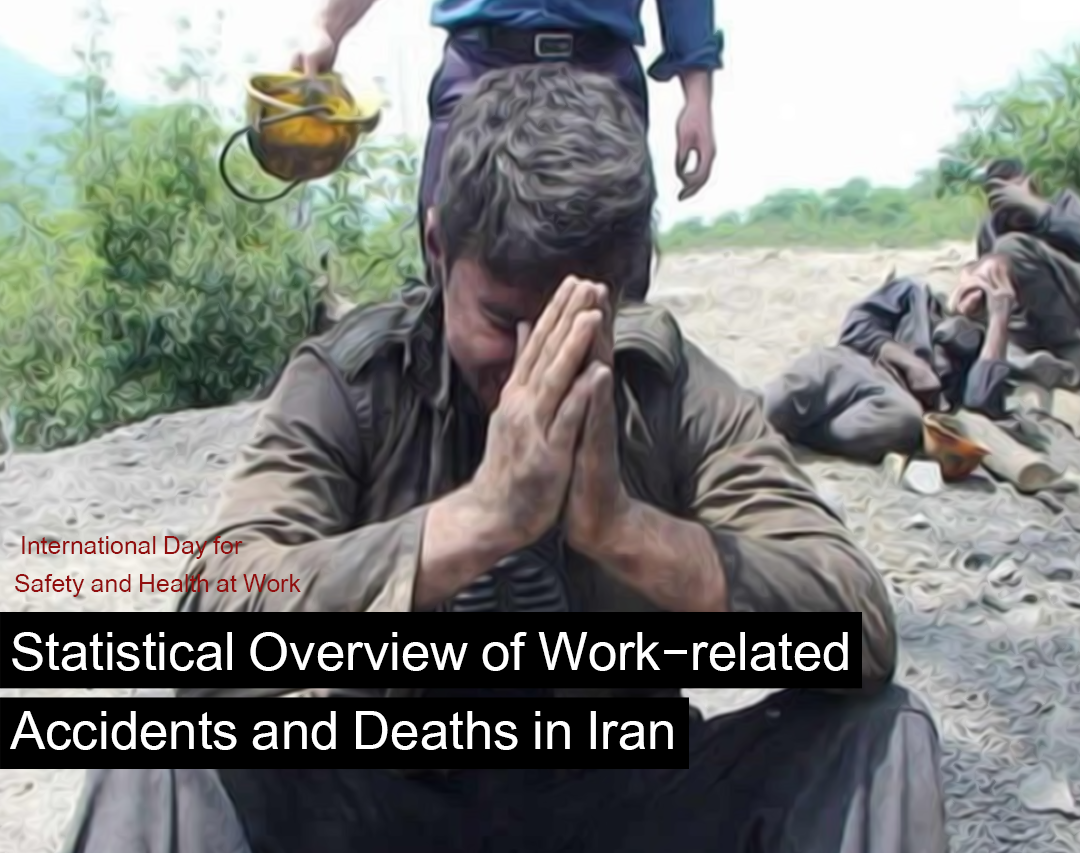
In honor of the International Day for Safety and Health at work on April 28th, 2021, Human Rights Activists in Iran (HRA) highlights the alarming number of work related deaths and accidents that took place in Iran from May 2020 to April 2021. As a founding member of the International Labour Organization (ILO) and a signatory of 13 ILO Conventions, including 5 core conventions, Iran must be held accountable for failing to comply with obligations and for continuing to allow employers to disregard employee safety in such a way that continually leads to death and injury.
Iran ranks 102nd in the world in terms of occupational safety. According to the Statistics Center of Human Rights Activists in Iran (HRA), from May 2, 2020 to April 27, 2021: work-related accidents due to lack of safety at the workplace or unsatisfactory working conditions resulted in the deaths of at least 1,790 workers. This number is drawn from HRA research pulled from media reports and organizations active in the field.
In addition to the 1,790 reported deaths due to work-related accidents, there are 7,575 reported cases of injuries at the workplace; this number is aggregated at HRAs statistics department through research compiled from media and organizations active in the field. It should be noted that the highest number of work accidents occurred in Khuzestan, Tehran, and Isfahan provinces, respectively. The below chart demonstrates the sectors most affected by the failure to ensure the safety and health of workers’.
The ongoing denial of the full enjoyment of workers’ rights leading to injury and death has also led to frequent gatherings of labor rights activists demanding change. These gatherings are often met with suppression and further exacerbate the violations of labor rights through denial of the right to peaceful assembly and association; and even sometimes leads to arbitrary detention, unfair trials, and torture. Unsatisfactory working conditions leading to alarming numbers of work-related injury and death could be mitigated by implementing domestic policies which protect workers’ safety as well as allow for the transparent monitoring of employers compliance to said policies. Iran should ensure full adherence to international labor standards and uphold the rights of all Iranians in the workplace and elsewhere.
Occupational Accident Classification Chart
HRA’s Statistic Department: Occupational Accident Classification Chart (May 2, 2020 to April 27, 2021)
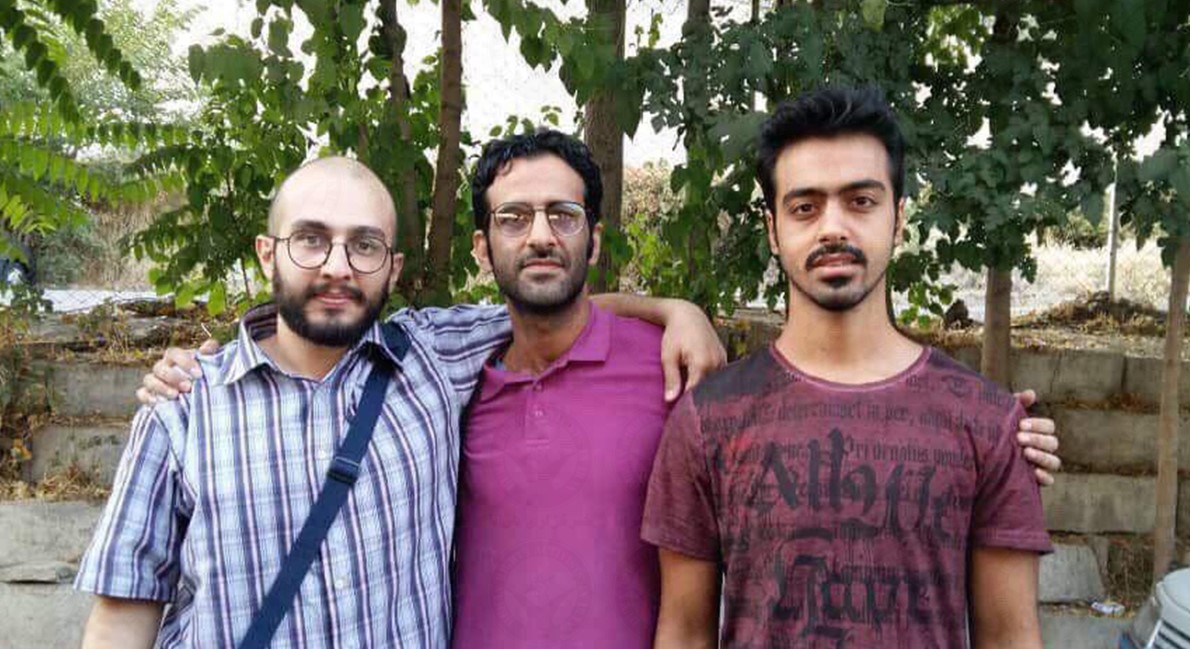
Branch 26 of Tehran’s Revolutionary Court sentenced Hirad Pirdaghi, Roham Yeganeh, and Farid Lotfabadi to imprisonment and lashes. According to this verdict, Hirad Pirdaghi was sentenced to six months imprisonment on the charge of “assembly and collusion”. Roham Yeganeh and Farid Lotfabadi were sentenced to six months imprisonment and 74 lashes which are suspended for four years. They were arrested on August 3, 2019, during the gathering of the families of detained workers of Haft Tappeh by Tehran’s Revolutionary Court building. The day after their arrest, they were transferred to ward 209 of Evin Prison. Their trial was on February 9, 2020. They were released on bail on August 27, 2019.
It should be noted that when Mr. Pirbodaghi went to Branch 7 of the prosecution office at Evin Prison on September 21, 2019, to pick up his personal belongings, he was rearrested because his bail was increased. On September 28, 2019, he was released on a 400 million Toman bail.
On October 20, 2019, the mayor of Kut-e Abdollah, Navab Hajian Saeidi, confirmed the arrest of 13 city workers. He claimed that the arrestees were encouraging other city workers to cease work to put the municipality under pressure so the contractor filed a lawsuit against them. The mayor added that the workers’ unpaid wages of August was paid recently, and these workers demanded direct employment by the municipality due to the increasing rate of unemployment. On the other hand, one of the city workers of Kut-e Abdollah reported in June 2019 that they have requested their unpaid wages several times from the municipality without receiving any response. According to this worker, their salary is inadequate for their living expenses and they do not receive it on time.
The city workers of Kut-e Abdollah had protested several times in front of the Khuzestan governor’s building during May-June 2019. The city park workers have refused to work since May 28, 2019 demanding their unpaid wages.
Kut-e Abdollah is a city and capital of Karun County, Khuzestan Province. On 23 January 2013, Kut-e Abdollah village was merged with the villages of Khazami, Darvishabad, Shariati-ye Yek, Kut-e Navaser, Kuy-e Montazeri, Gavmishabad, Gondamakar and Hadiabad and created a city.
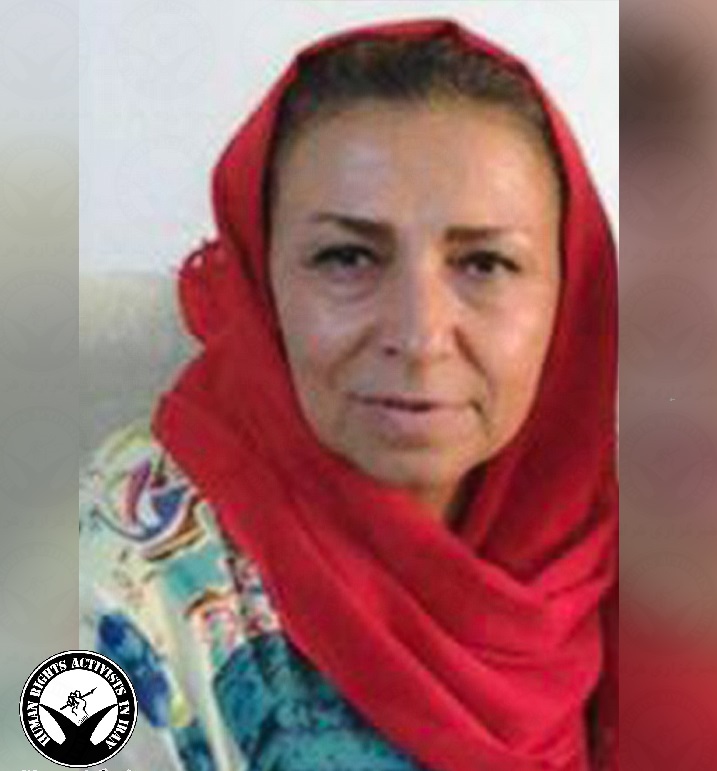
On October 14, 2019, Nahid Khodajoo was sentenced to a 6-year prison term and 74 lashes by the Branch 26 of the Revolutionary Court. Based on the Article 134 of Iran’s Islamic Penal Code, the charge with the highest penalty will be considered; this means that she should serve five years in prison.
Nahid Khodajoo is a member of the board of directors of the Free Union of Iranian Workers. She was arrested along with several others during the protest gathering on the International Labor Day on May 1, 2019, in front of the parliament in Tehran. She was released on bail on June 3, 2019.
Her trial was on August 1, 2019 at the Branch 2 of the Revolutionary Court and her final hearing was on August 10 at the Branch 4 of the Evin Prosecution Court. Her lawyer, Manijeh Mohammadi was present at her final hearing. In the incitement against her, she was sentenced to five years imprisonment on the charge of “assembly and collusion against national security” and one-year imprisonment on the charge of “disturbing public order”. According to the Article 134 of Iran’s Islamic Penal Code, the charge with the highest penalty will be considered; this means that she should serve five years in prison for the charge of “assembly and collusion against national security”.