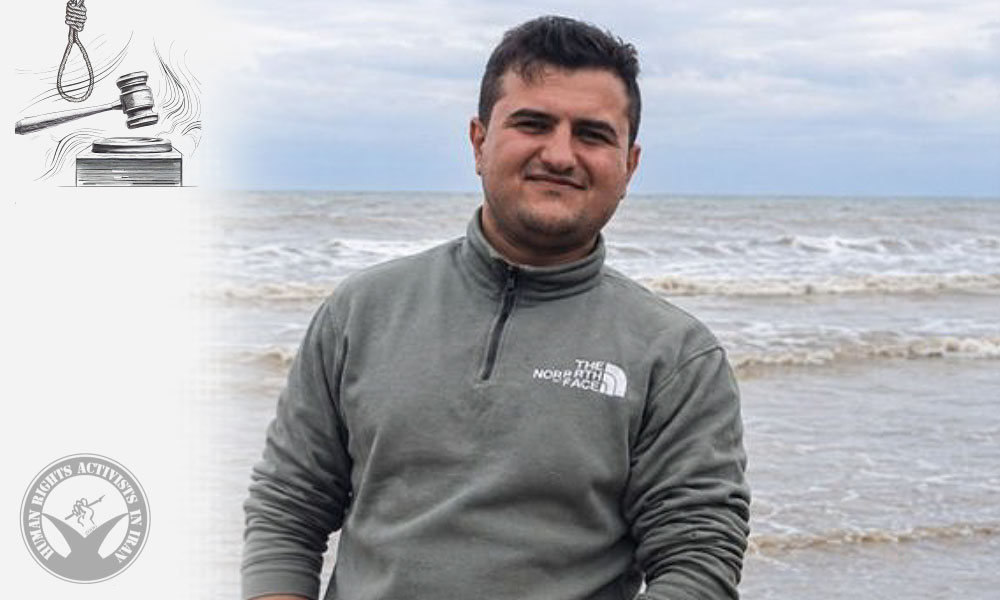
HRANA – On Saturday, August 8, two prisoners, including a woman who was a victim of child marriage, were executed in Choobindar Prison in Qazvin and Zanjan Prison. Both prisoners had previously been sentenced to death on murder charges.
According to HRANA, citing the Iran Human Rights Organization, on Saturday, August 8, 2026, a female prisoner who was a victim of child marriage was executed in Choobindar Prison in Qazvin.
She was identified as Marzieh Nayeri, 24, from a village located between Qazvin and Karaj.
According to the report, six years ago, when Nayeri was 17, her family forced her to marry a man named Davoud. In early October five years ago, when Ms. Nayeri was 18, her husband returned home with one of his associates, a man named Alireza. According to the account presented in the case, Alireza approached her in the presence of her husband and attempted to sexually assault her. In self-defense, Nayeri struck Alireza with a kitchen knife, injuring him. She then killed her husband with the same knife. Following the incident, she went to her brother’s home, and four days later, he turned her over to the police.
The report further states that during the judicial proceedings, Nayeri said that she had previously been subjected to repeated attempted sexual assaults by her husband’s friends and that she used the knife on the day of the incident to defend herself. However, Alireza, who survived the stab wound, denied her account in court and claimed that Ms. Nayeri had been involved with another person and had intended to kill her husband. The court rejected her claim of self-defense and ultimately sentenced Marzieh Nayeri to death. The victim’s next of kin also declined to grant forgiveness.
Prisoner Executed in Zanjan
According to another report by the Iran Human Rights Organization, a prisoner was executed in Zanjan Prison.
The prisoner, who was hanged at dawn on Saturday, August 8, was identified as Yousef Bagheri, 30, from Zanjan.
According to the report, Mr. Bagheri was arrested approximately three years ago after committing murder during an altercation. He was subsequently sentenced to death by judicial authorities.
As of the time of this report, the executions of these two prisoners have not been officially announced by prison officials or other relevant authorities.
According to HRA’s Annual Report, in 2025 at least 2,063 citizens, including 61 women and 2 juvenile offenders, were executed. Of these, the sentences of 11 individuals were carried out in public. During the same period, 172 other individuals were sentenced to death.