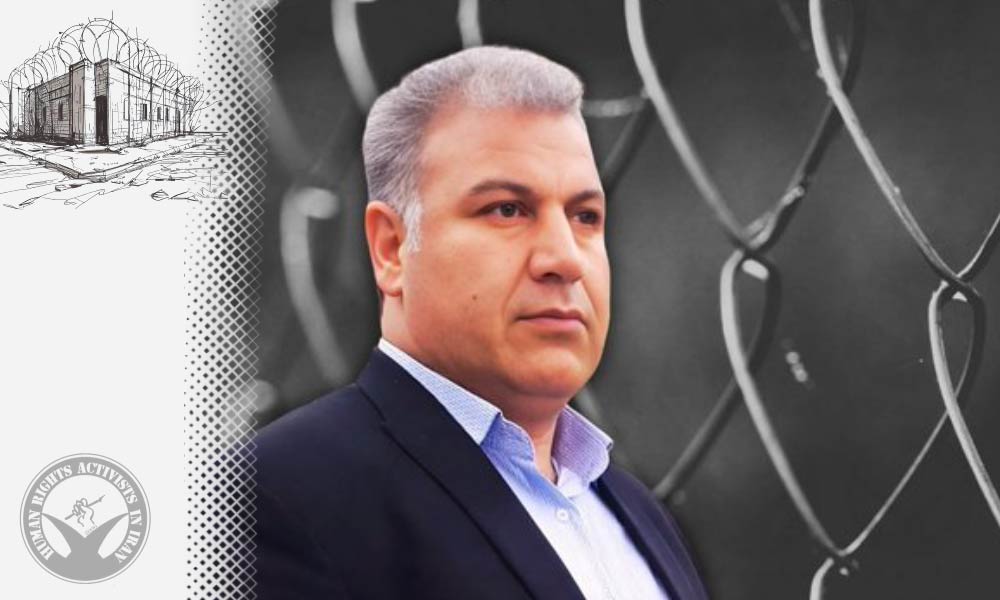
Political Prisoner Ali Maghsadjoo Denied Medical Care in Evin Prison

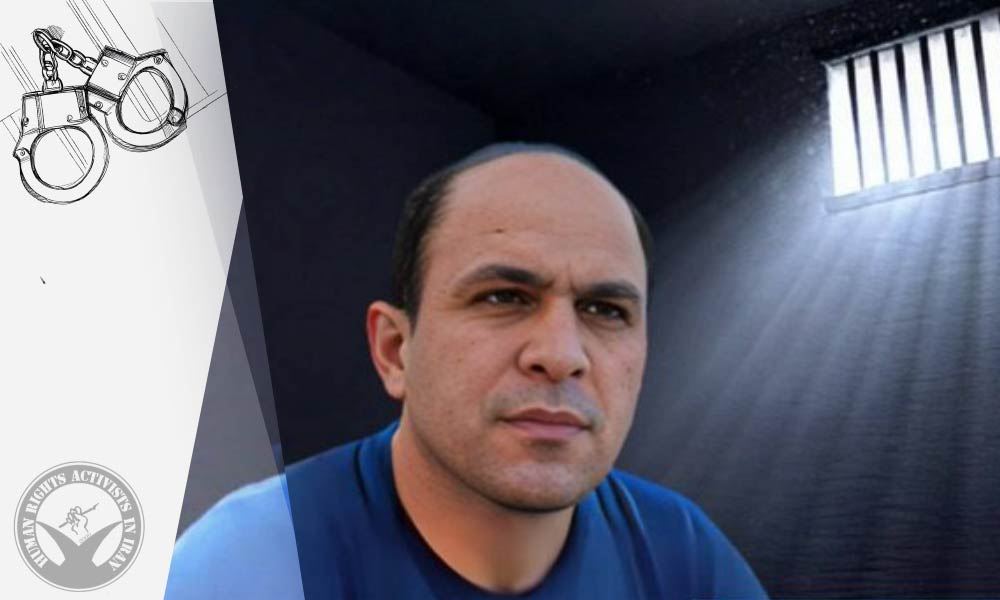
Ali Maghsadjoo, a political prisoner, is currently serving an 18-month sentence in Evin Prison and has been denied necessary medical care despite suffering from significant health issues.

According to a source close to his family, speaking to HRANA, Maghsadjoo requires treatment for back and knee problems that necessitate attention from a hospital outside the prison environment. However, prison authorities have consistently refused to allow him hospital access.

Maghsadjoo was initially detained by security forces on July 6, 2022, and held in Ward 209 of Evin Prison, which is managed by the Ministry of Intelligence. He was formally charged after three months and temporarily released on bail. Judge Abolghasem Salavati of Branch 15 of the Revolutionary Court of Tehran sentenced him to two years on charges including “propaganda against the regime,” “assembly and collusion against national security,” and “collecting and leaking classified data.” This sentence was later reduced to 18 months following a plea of no contest.

The 48-year-old father of two began his incarceration at Evin Prison on June 24, 2023.

Baha’i Sepideh Rashidi Detained in Ahvaz by IRGC Intelligence

IRGC intelligence officials have detained Baha’i citizen Sepideh Rashidi (Derakhshan) in Ahvaz, subsequently transferring her to an undisclosed location. This action has significantly heightened her family’s concerns due to the absence of information about her current condition.

A source close to Rashidi’s family confirmed to HRANA that her arrest occurred on Monday, May 27, 2024. During the arrest, IRGC Intelligence agents conducted an extensive search of her family’s home and seized some of her personal belongings.

As of now, the reasons for Rashidi’s arrest, her exact whereabouts, and any formal charges remain undisclosed.

Baha’is are subjected to violations of their religious rights, comprising 82% of reports on infringements against religious minorities, according to HRA’s 2023 annual report.

The Baha’i faith is not recognized as a legitimate religion by Iranian authorities, leading to systematic and longstanding violations of the rights of Baha’is in the country. This includes the denial of their fundamental right to practice their religion, which constitutes a clear breach of both Article 18 of the Universal Declaration of Human Rights and Article 18 of the International Covenant on Civil and Political Rights. The United Nations covenant holds that every person has the right to freedom of religion, freedom of converting religion, as well as freedom of expression, individually or collectively; openly or secretly.

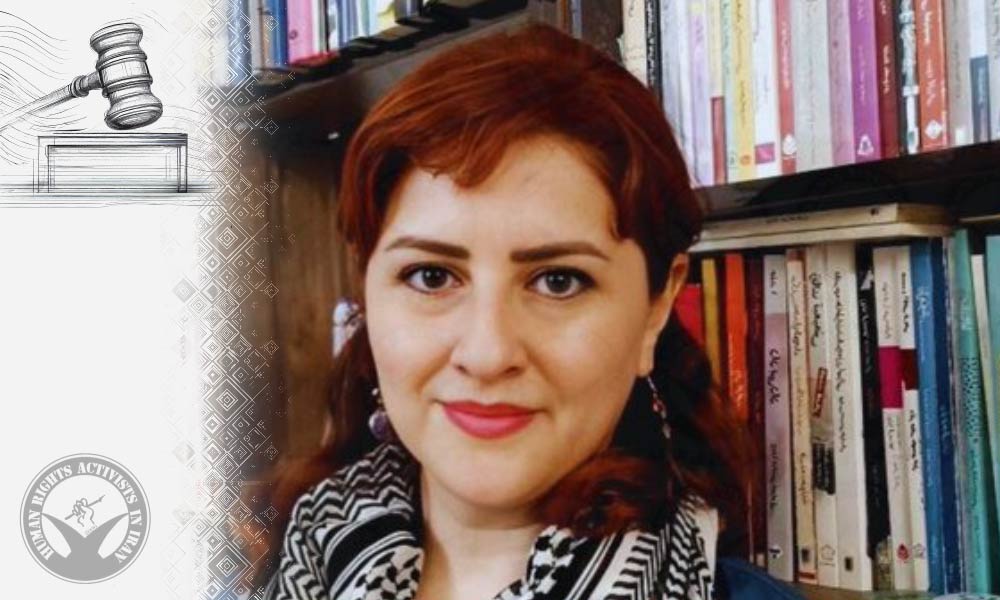
Zhina Modarresi Gorji Receives 21-Year Prison Sentence

The Revolutionary Court of Sanandaj sentenced Zhina (Jina) Modarresi Gorji to 21 years in prison and mandated her exile, as reported by the Coordination Council of Iranian Teachers’ Trade Associations.

The sentence comprises ten years for “forming illegal groups aimed at overthrowing the regime,” ten years for “collaborating with hostile countries and groups,” and one year for “propaganda against the regime.” Additionally, the court decreed her imprisonment to be served in exile at Hamedan Prison. The case has also been referred to the Criminal Court of Sanandaj to consider further charges, including “disseminating false information” and “inciting people to violence.”

This ruling was notably influenced by reports from the Ministry of Intelligence.

Also, on April 16, 2024, authorities closed Gorji’s bookstore in response to alleged violations of hijab regulations enforced by the Department of Public Safety.

Gorji was initially arrested by security forces on April 10, 2023, in Sanandaj and held at Sanandaj Correctional Prison until her release on bail on July 3, 2023. She had also been previously detained in September 2022 but was released on bail on October 30 of that year.

Widespread Arrests at Islamic Azad University Central Tehran for Alleged Hijab Non-Compliance

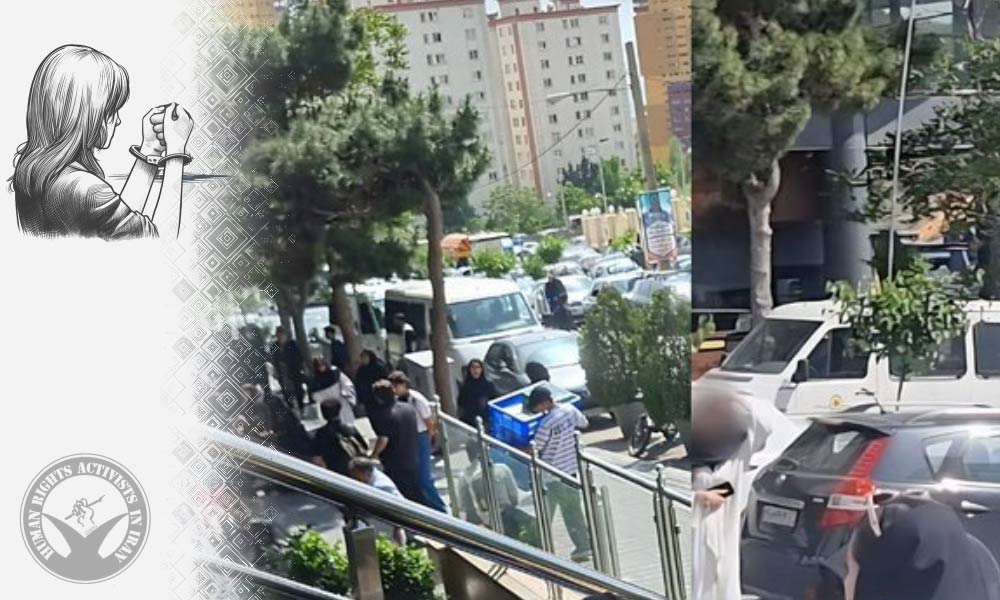
On May 26, multiple reports surfaced of the arrest of female students at Islamic Azad University Central Tehran Branch due to alleged non-compliance with hijab regulations.

According to Amir Kabir news channel, at least 100 students were forcibly detained by police armed with guns and batons at the university gates. The students were taken to two vans and were only released after signing a commitment letter to adhere to hijab rules, with some being allowed to leave only after changing their veil.

This incident is part of the broader enforcement under the “Noor” plan, initiated on April 13 to intensify the enforcement of mandatory hijab laws. This has led to several reports of violent incidents and arrests concerning hijab regulations across the country.

In September, HRANA issued a detailed review of Iran’s “Bill to Support the Family by Promoting the Culture of Chastity and Hijab.” This bill has raised international alarms over escalating restrictions on women’s rights and freedoms.

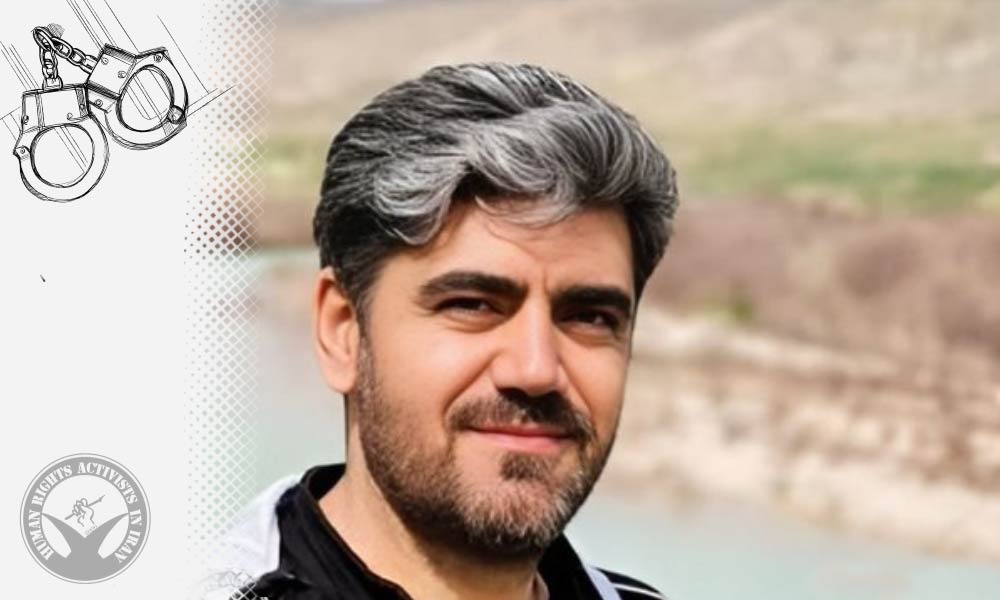
Attorney Amir-Hossein Koohkan Sentenced to Six Years

The Revolutionary Court in Karaj has sentenced attorney Amir-Hossein Koohkan to six years in prison on political charges. Koohkan faced accusations of “assembly and collusion against national security and propaganda against the regime.”

He was initially detained on August 30, 2023, after being summoned to the Ministry of Intelligence office in Karaj and was later released on bail from Kachooie prison in mid-December 2023.

Koohkan served as the legal representative for the family of Mohammad-Mehdi Karami, who was executed following his arrest during the nationwide protests in 2022.

Subscribe to Our Newsletter

Now is definitely not the time to stop reading!

Koroush Jalil Detained by the Ministry of Intelligence

On May 24, 2024, Koroush Jalil was detained by security forces and taken to an undisclosed location, according to a source close to his family.

Confirming Jalil’s arrest, a source close to his family informed HRANA that the Ministry of Intelligence is responsible for his arrest.

Jalil previously faced arrest on May 12, 2022, in connection with a protest organized by working and retired teachers and educators in Yasuj. After being formally charged, he was temporarily released on bail.

In February 2024, Jalil was again implicated in legal issues, facing multiple charges including “propaganda against the regime through activities on Instagram,” “inciting violence by calling for protests and causing unrest via social media posts,” “insulting the Supreme Leader of Iran and the founder of the Islamic Republic of Iran,” and “blasphemy, which includes derogatory comments about the Quran, Kaaba, the Islamic prophet, and Shia Imams.”

In March of the same year, the Revolutionary Court of Yasuj convened to address these allegations against Jalil and five other co-defendants.

Jalil, a 43-year-old resident of Yasuj, has previously encountered law enforcement and undergone prior arrest due to his activism.

Supreme Court of Iran Rejects Retrial Request of Jewish Death-Row Inmate Arvin Ghahremani

The Supreme Court of Iran has dismissed the retrial request of Arvin Ghahremani (Nathaniel), a 20-year-old Iranian Jew sentenced to death for his involvement in a fatal altercation that resulted in the death of one man named Amir Shokri. Ghahremani, who is currently held in Dizelabad Prison in Kermanshah, was rapidly tried and sentenced to death.

Last week, his legal team was informed of the Supreme Court’s decision to reject the retrial application. Amidst growing concerns, several public figures, including prominent artists, are trying to petition the victim’s family for forgiveness, which could potentially halt the execution.

Ghahremani’s case highlights the additional challenges faced by members of religious minorities under Iran’s legal system.

A video recently circulated on social media features Ghahremani’s mother appealing for public support to stop the execution. She pleads, “Pray for Arvin to come back home again.” Dr. Homayoun Sameyah Najafabadi, head of Iran’s Jewish Committee, confirmed that attempts to meet with the victim’s family and the newly appointed Imam of Friday Prayer in Kermanshah, Sheikh Mohammad-Hassan Rahimian, have been rejected. Efforts by the MP from Natanz to mediate were also fruitless, and proposals such as constructing a school in the victim’s name have been declined.

This case has heightened concerns within Iran’s Jewish community. Human rights activists argue that the retribution laws and their uneven application between Muslims and non-Muslims reflect systemic discrimination against religious minorities in Iran. These laws, rooted in religious ideology, often disadvantage non-Muslim citizens.

While Qisas mandates capital punishment if a non-Muslim kills a Muslim, the reverse scenario does not hold—a Muslim who kills a non-Muslim is only obliged to pay blood money. This legal disparity is a significant barrier to a fair trial and the achievement of civil rights in Iran.

The ongoing enforcement of unjust penalties for the murder of non-Muslims has led to numerous extrajudicial killings, especially of Iran’s Baha’i community, by extremist elements.

Ali Reyhani Kujuvar Detained for Remarks on Iranian President’s Death

Security forces have detained Ali Reyhani Kujuvar after he posted comments about the death of Iranian President Ebrahim Raisi in a helicopter crash. Reyhani is currently held in Tabriz prison.

The incident occurred on the afternoon of Sunday, May 19th, when a helicopter carrying President Raisi and several officials, including Foreign Minister Hossein Amir-Abdollahian, crashed in the Dizmar forest between Varzaqan and Jolfa. Official media reported the deaths of Raisi and his companions the following morning, after locating the crash site and the wreckage. Numerous citizens have been arrested or faced legal action for expressing views on the incident, which the authorities have found objectionable.

Three Individuals Executed for Drug-Related Crimes in Meshginshahr

On May 18, 2024, three prisoners convicted on drug charges were executed at Meshginshahr Prison in Ardabil Province, as reported by the Iran Human Rights Organization.

The individuals executed were Fardin Musazadeh, a 40-year-old father of two, along with Mehdi Khadem, 27, and Hatef Sha’abani, 30.

Musazadeh was arrested and sentenced to death five years ago, while Khadem and Sha’abani were apprehended and similarly sentenced three years ago, all in separate cases involving drug offenses.

No official sources or domestic media outlets within the country have provided coverage of these executions at the time of writing. In 2023, 66% of HRANA’s reports on executions lacked official announcements by judicial authorities and went unreported by media inside Iran, highlighting a troubling lack of transparency in due process.

The reports from the Department of Statistics and Publication of Human Rights Activists for the year 2023 reveal a concerning prevalence of executions for drug offenses in Iran, constituting 56.4% of the total executions. For a comprehensive examination of the details and statistics surrounding the executions in Iran, refer to HRANA’s report.

Five Arrested in Hashtrud for Environmental Protest

In Hashtrud, East Azerbaijan province, five individuals were detained by security forces following a protest against environmental damage.

The detainees, identified by HRANA as Rahmat Saeedi, Jafar Sharifi, Davoud Sharifi, Hadi Sharifi, and Aghil Talebi, are residents of a village in Hashtrud County.
They were protesting the ecological harm caused by local sandwashing workshops. The protest escalated into violence following intervention by police and security agents, leading to multiple arrests. The specific charges against the arrested individuals have not yet been disclosed.