Day Ten of the U.S.-Israeli War on Iran: Extensive Damage to Isfahan’s Historical Sites

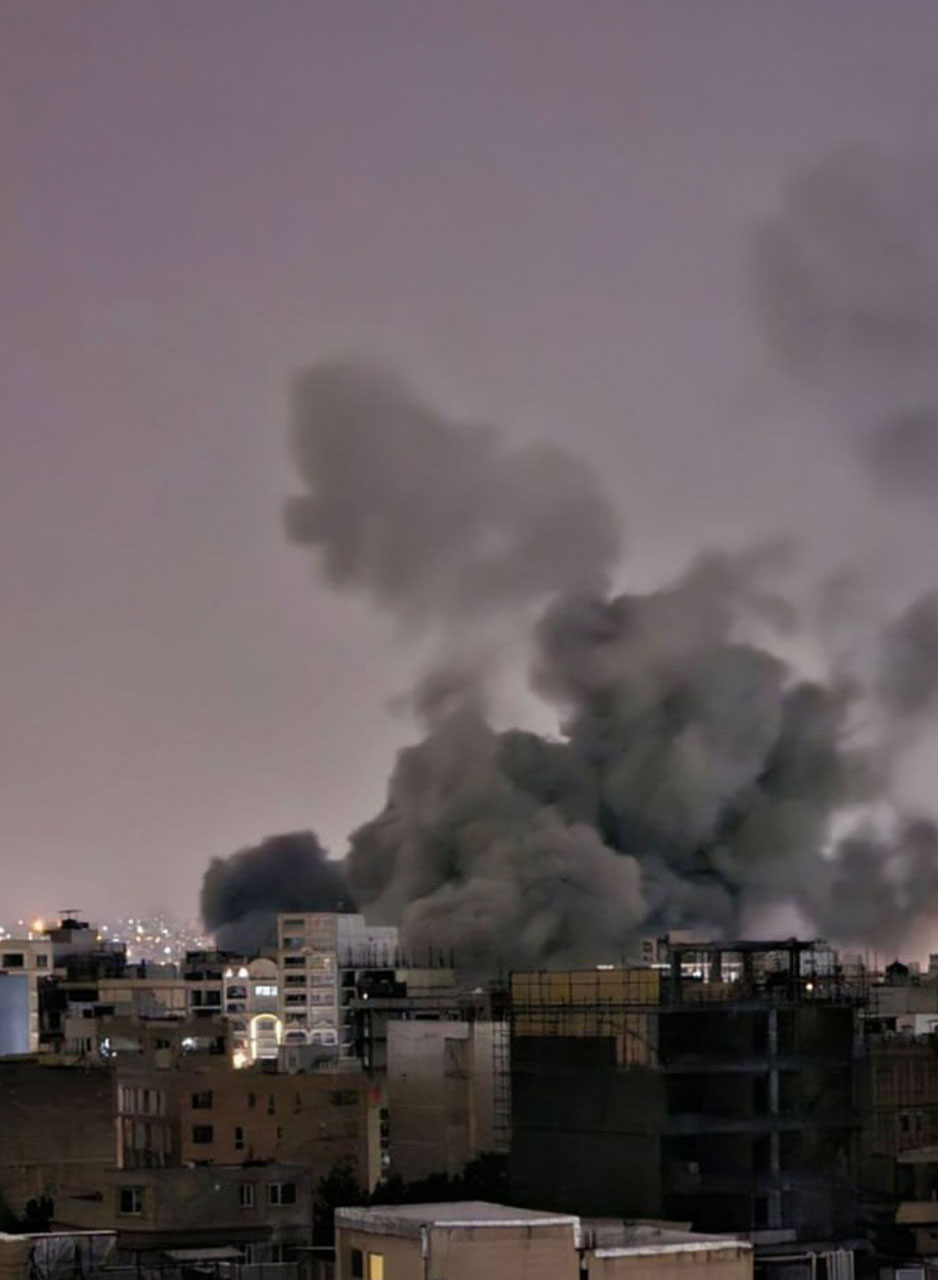
HRANA – In the last 24 hours, and as of March 9, 2026, at 16:00 ET, HRANA has recorded at least 285 attacks across 147 incidents in 17 provinces, resulting in a total of at least 61 casualties (killed and injured, both civilian and military). Today’s reports indicate that, unlike in previous days when the country’s western provinces were primarily targeted, the current focus of the attacks, after Tehran, has been concentrated on Isfahan Province.

According to information recorded and verified by HRANA, from the first minutes of the day until the end of March 9, 2026 (Tehran time), at least 40 civilians were killed and 8 civilians injured. Additionally, 11 deaths have been recorded for which the classification (civilian or military) is not specified in the available data. To avoid potential misclassification, these cases are presented in this report under the category of “unspecified.”

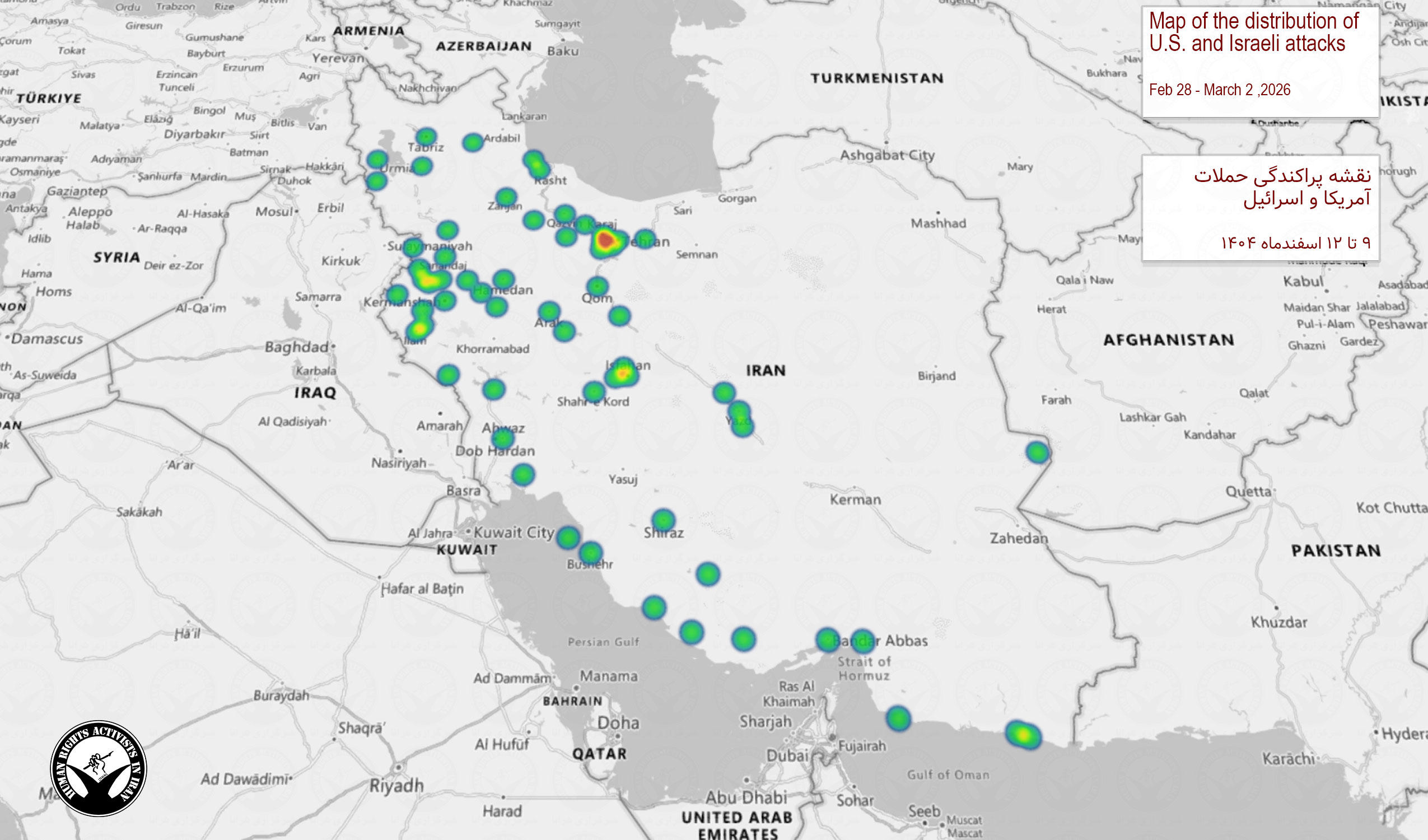
Aggregated data since the beginning of the conflict on February 28, 2026, based on incidents recorded in the incident tab and using minimum values for figures marked “more than”:

• Civilian fatalities: 1,245 people (including at least 194 children)

• Military fatalities: 189 people

• Unclassified fatalities (civilian/military): 327 people

This remainder of this report provides a preliminary analytical overview of documented incidents over the past 24 hours. All figures and classifications are based on information available at the time of publication. As verification continues and more information becomes available, casualty figures and classifications may be updated.

Note on Official Statements: Alongside the independent reports published by the HRANA, several aggregated official statistics were also recorded today from Iran’s state media, including the following:

Ali Ja’farian, Iran’s Deputy Minister of Health, told Al Jazeera that more than 1,255 people have been killed during the nine days of war. He added in his interview with the network that over 12,000 people have also been injured.

According to Ja’farian, the victims include individuals ranging in age from an eight-month-old infant to an 88-year-old elderly person, and 200 women are among those killed. He also stated that 11 members of the medical staff have been killed and 55 others injured.

Ja’far Miadfar, head of Iran’s National Emergency Organization, told media outlets that 190 of those killed were under the age of 18. He added that there are currently 11 “martyrs,” three of whom were members of Emergency Service 115.

Among the injured, 1,402 are women. Seven hundred of the injured are under 18 years old, and 60 are under the age of five.

Since these figures have been presented in aggregated form and cannot be accurately matched to specific events, they have not been included in the event-based calculations used in the independent reporting section of this HRANA review. They are mentioned here solely as a record of official statements.

1. Overview of Incidents in the Last 24 Hours

In the last 24 hours, incidents were reported across multiple provinces, reflecting a geographically dispersed pattern of hostilities.  In a large portion of the incidents, the method/type of attack has not yet been confirmed and has been recorded as “undetermined.” In cases where the attack type was identifiable, airstrikes and drone attacks were reported.

Preliminary analysis indicates that Tehran Province, accounting for 32% of the attacks, continues to be targeted more than any other part of the country. It is followed by Isfahan Province, which experienced a sharp increase to 23% compared to previous days and saw a large wave of attacks over the past 24 hours. Hormozgan Province also witnessed 10% of the total attacks recorded during the past day. Regions such as Lorestan, Khuzestan, and Alborz, as in previous days, have also borne a significant share of the attacks received.

Day-10-map-war

2 List of Objects Reported Hit

Over the past 24 hours, 34 unique events have been recorded, resulting in damage to 72 distinct objects or facilities. These cases cover a range of different types of targets. In some instances, the reported damage was also the result of nearby attacks or secondary consequences of the strikes.

Examples of targets recorded over the past 24 hours:

• Optical Defense Industries (Isfahan)

• Soru Pier (Bandar Abbas)

• Mobarakeh Law Enforcement Command (Mobarakeh)

• Shahid Montazeri Camp (Shahriar)

• Sahab Pardaz Informatics Company building (Tehran)

For a number of the listed targets, the exact nature of the target (civilian/military/dual-use) is still under review, and classifications may be revised as additional information becomes available.

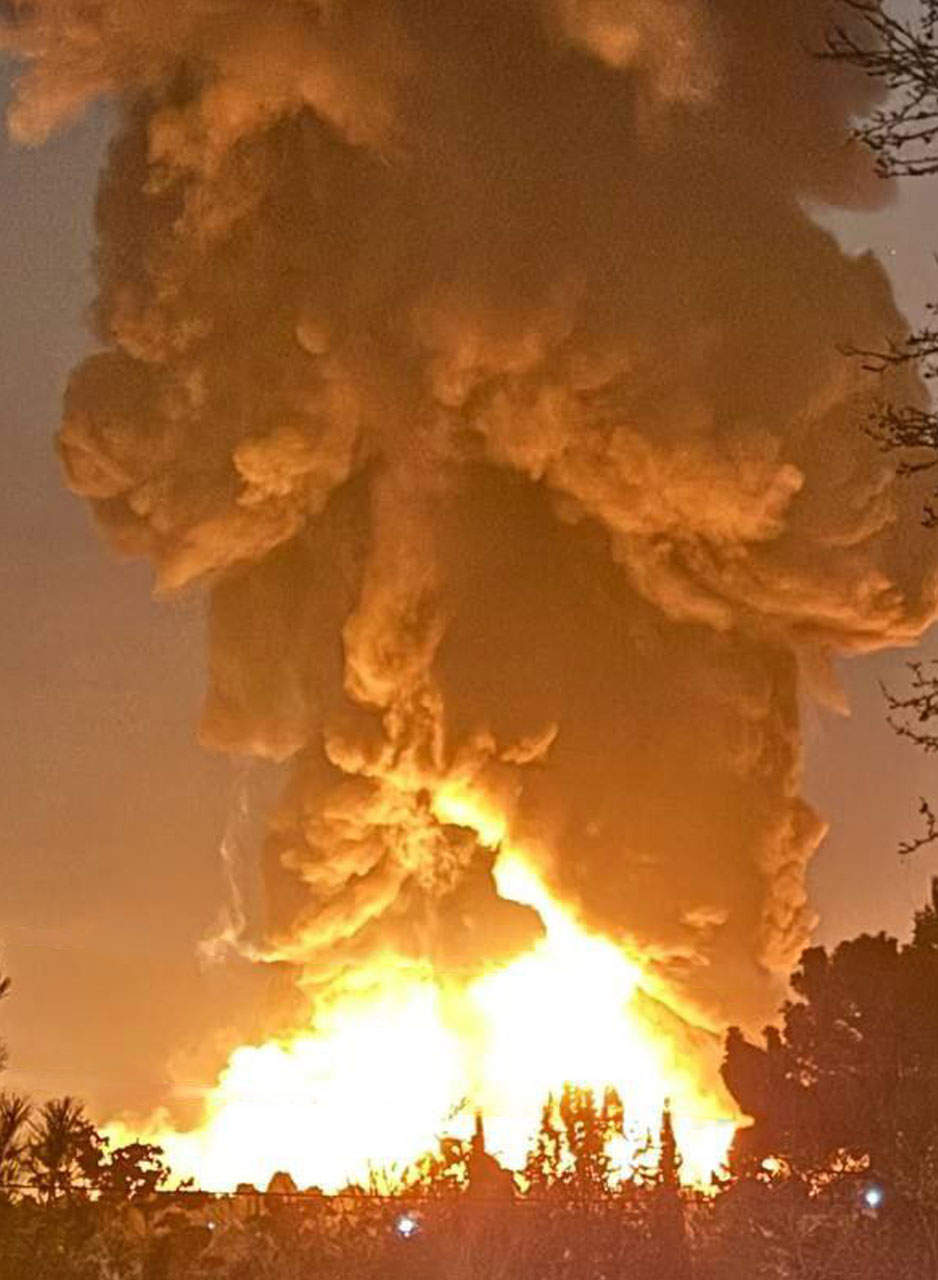
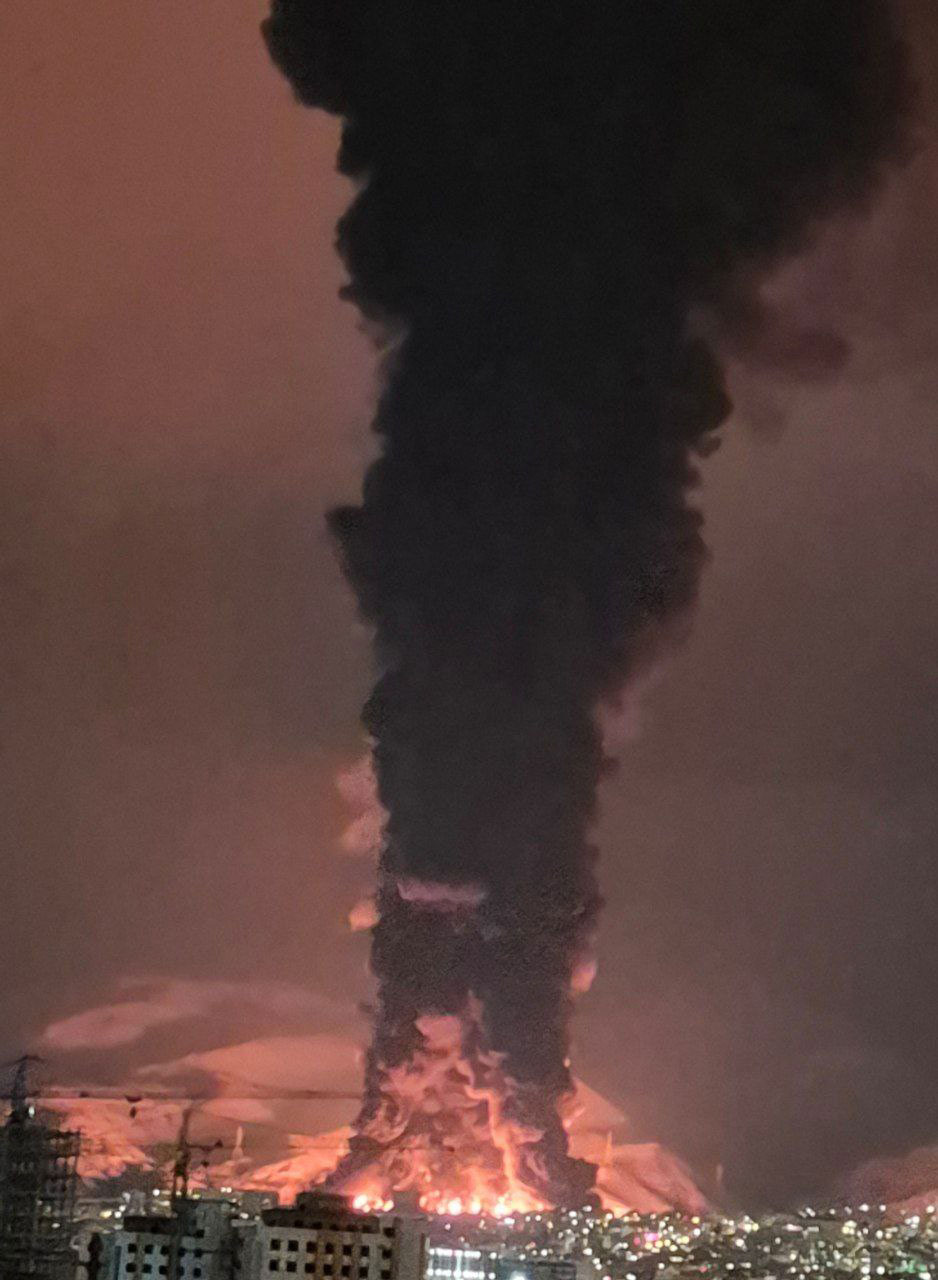
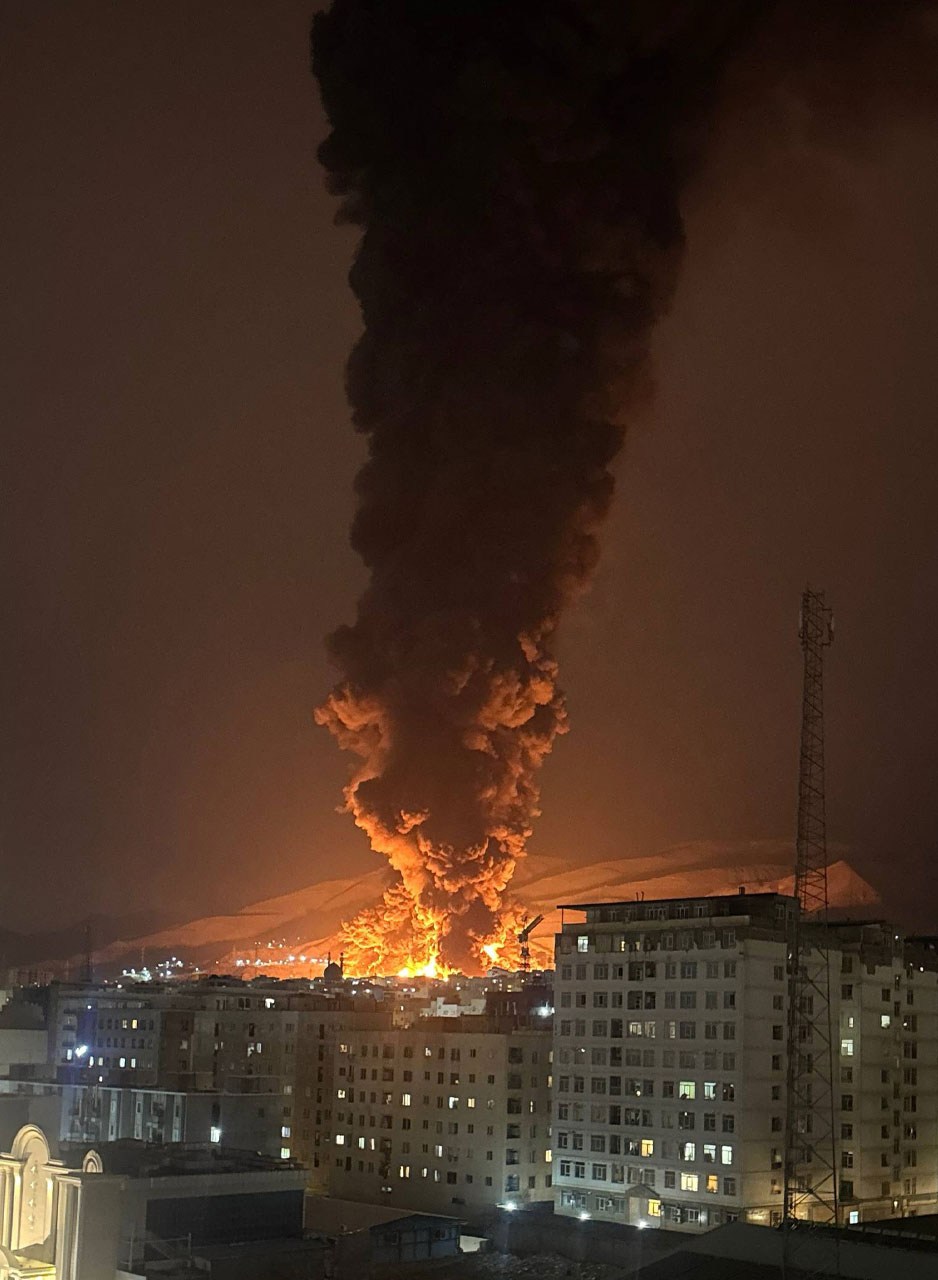
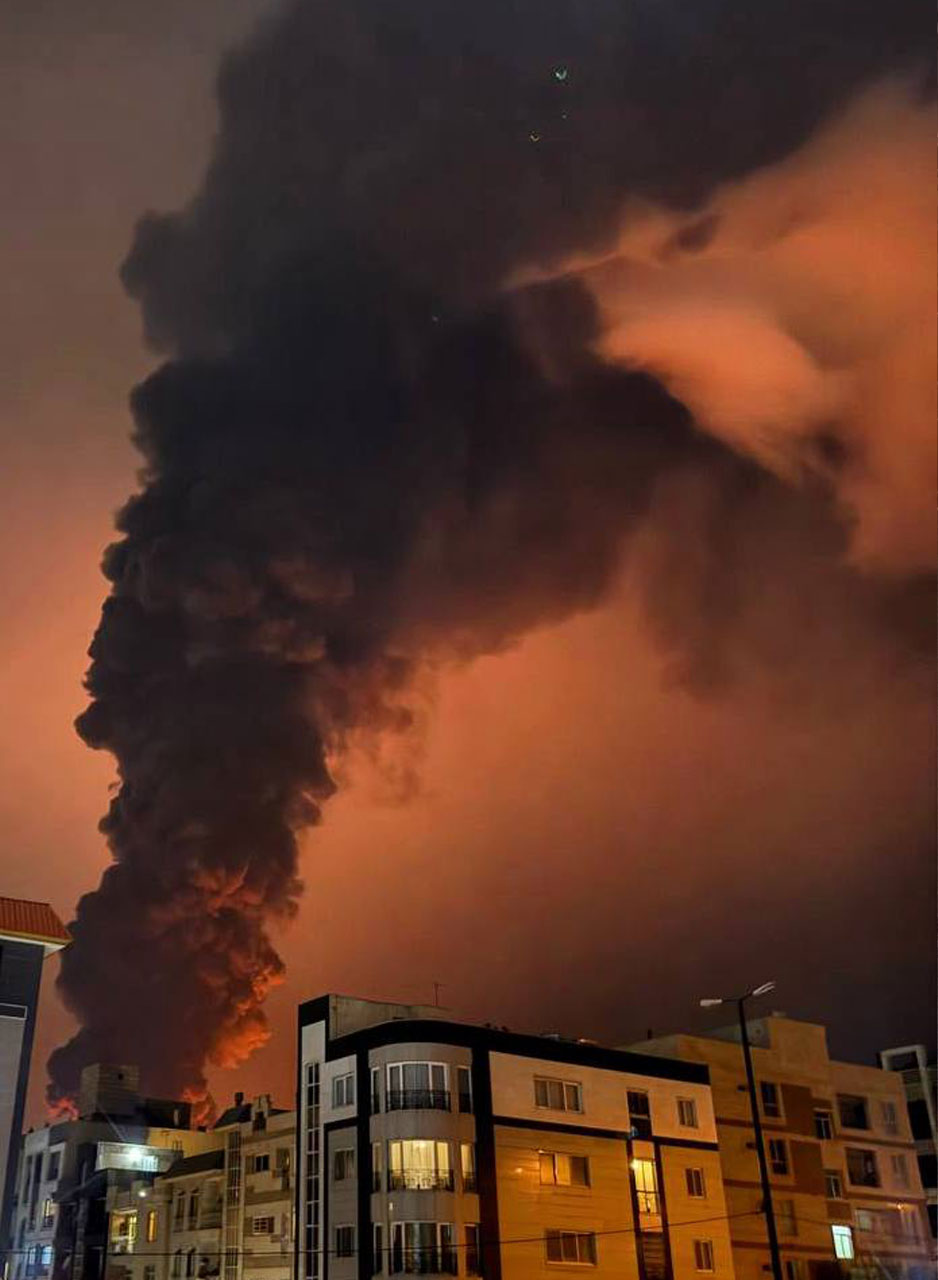
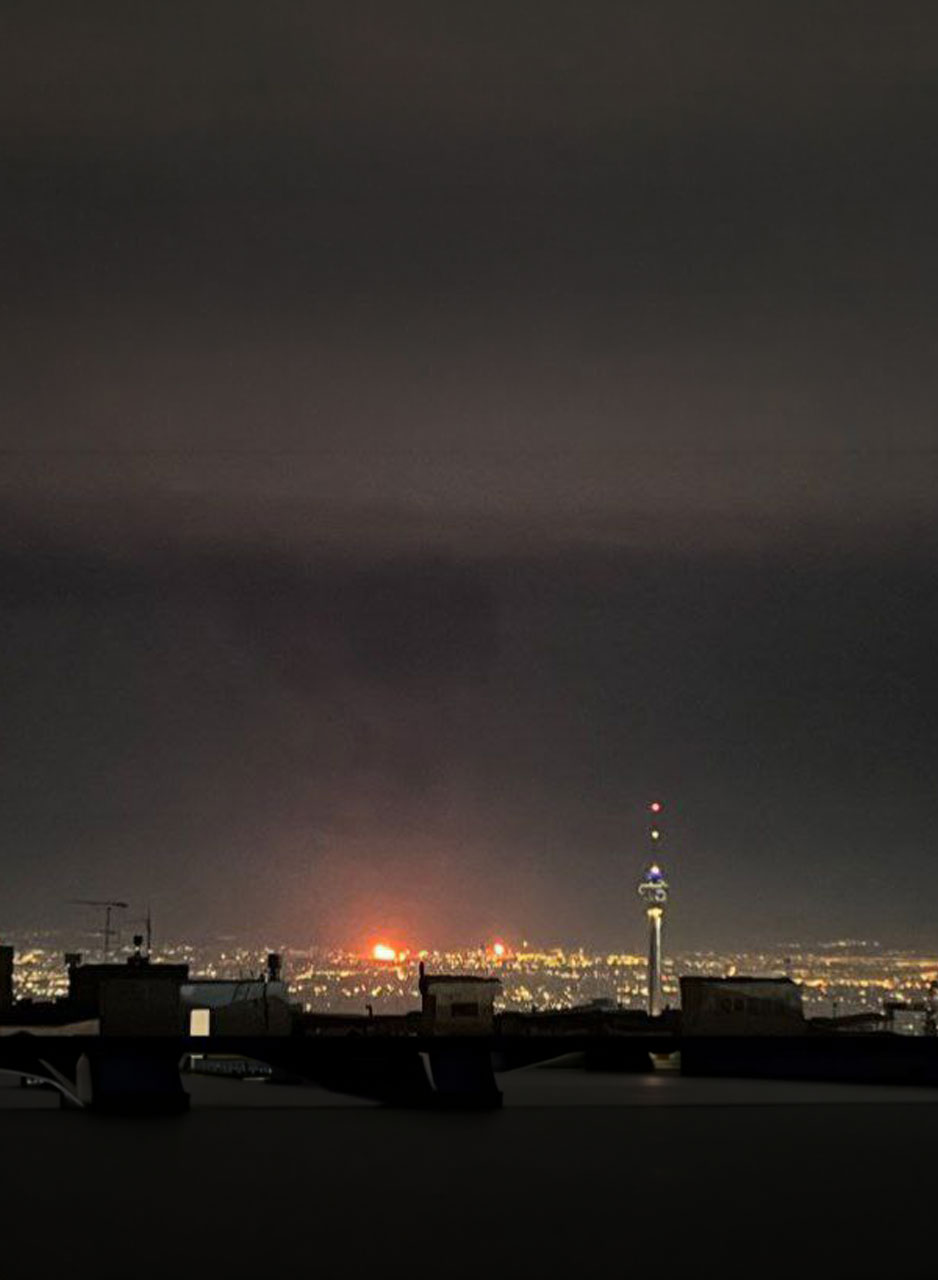
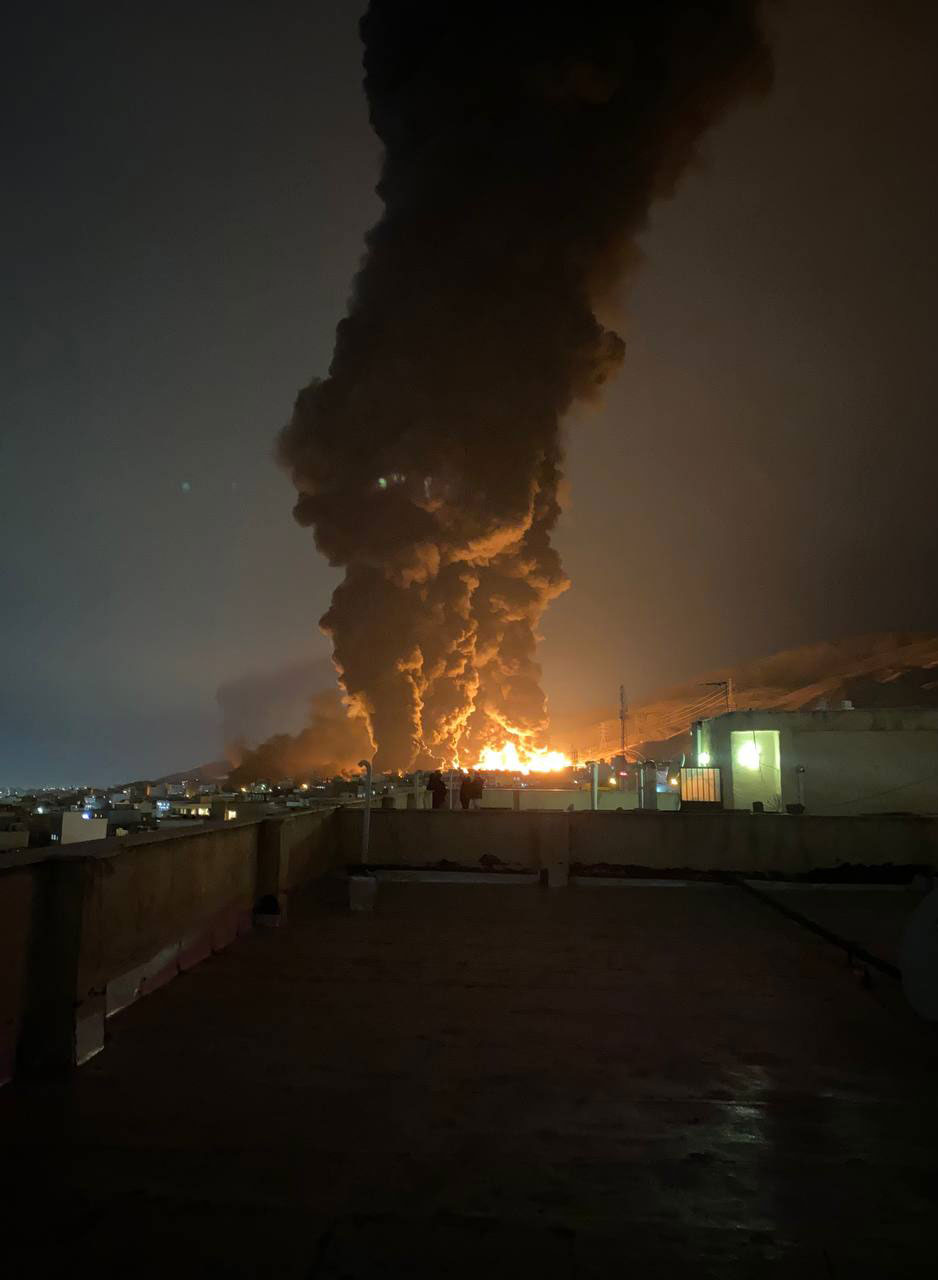
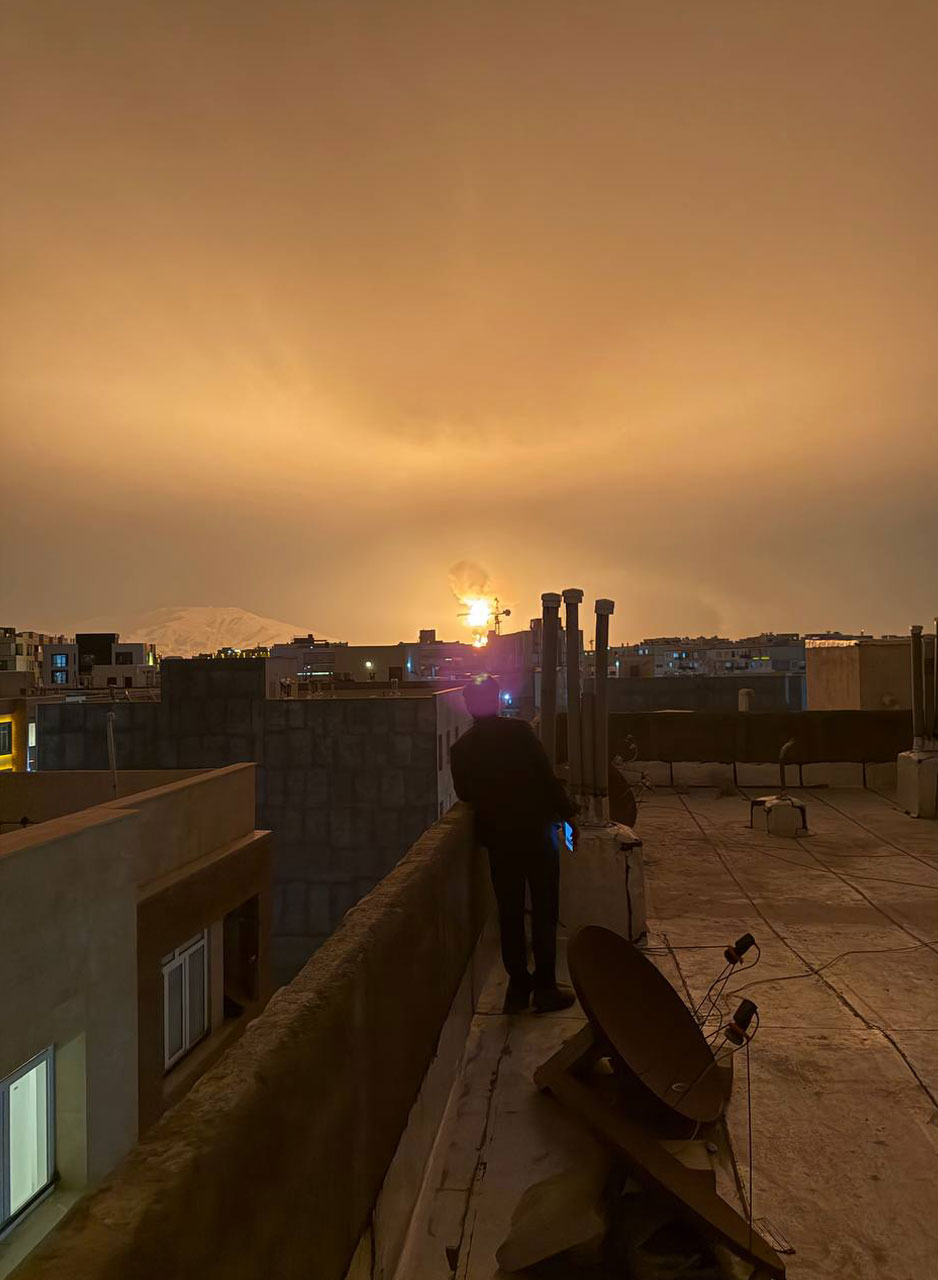
Attack on Oil Facilities in Tehran and Karaj; Capital’s Sky Filled with Smoke as Concerns Rise Over Pollution and Fuel Shortages

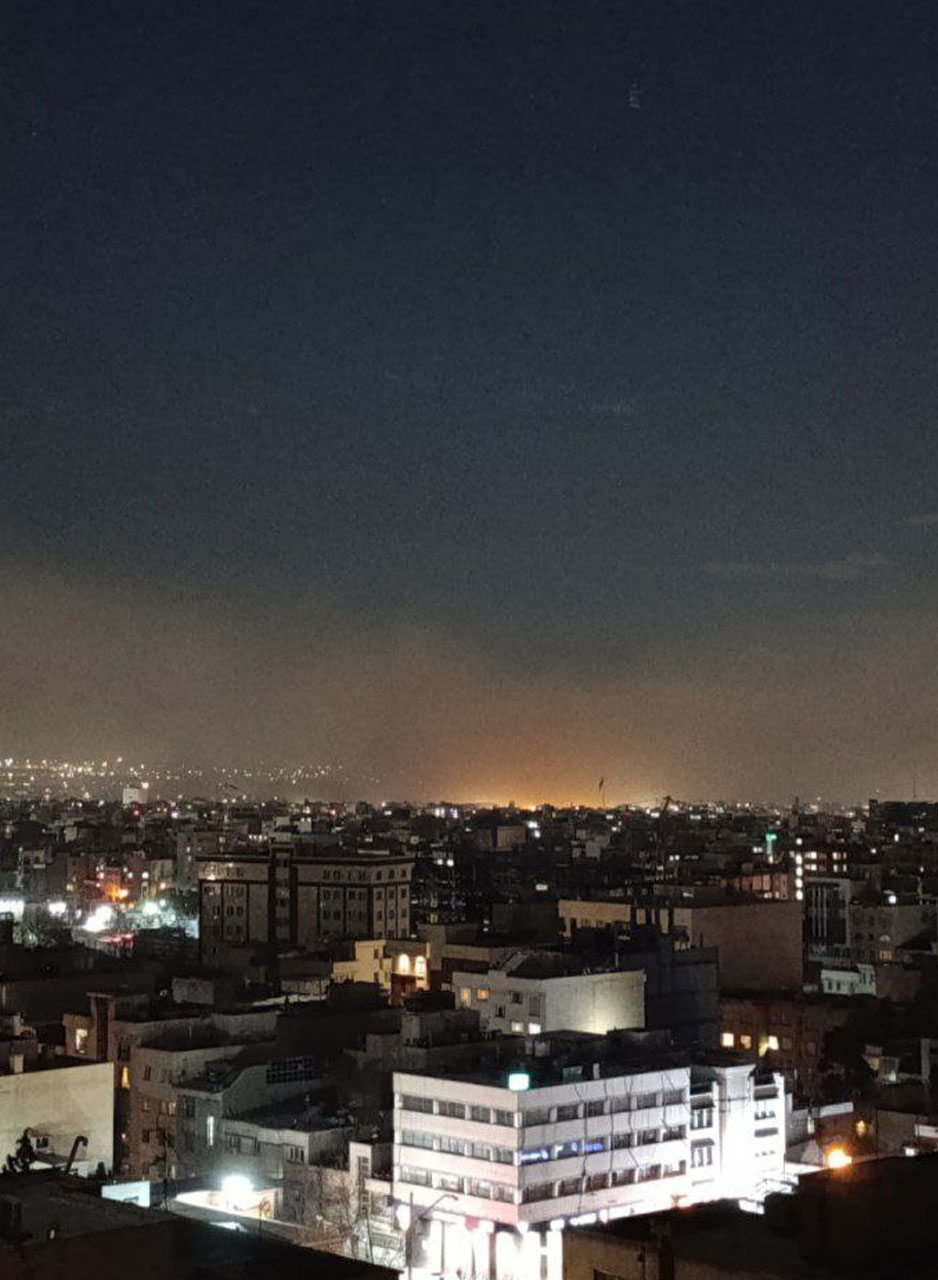
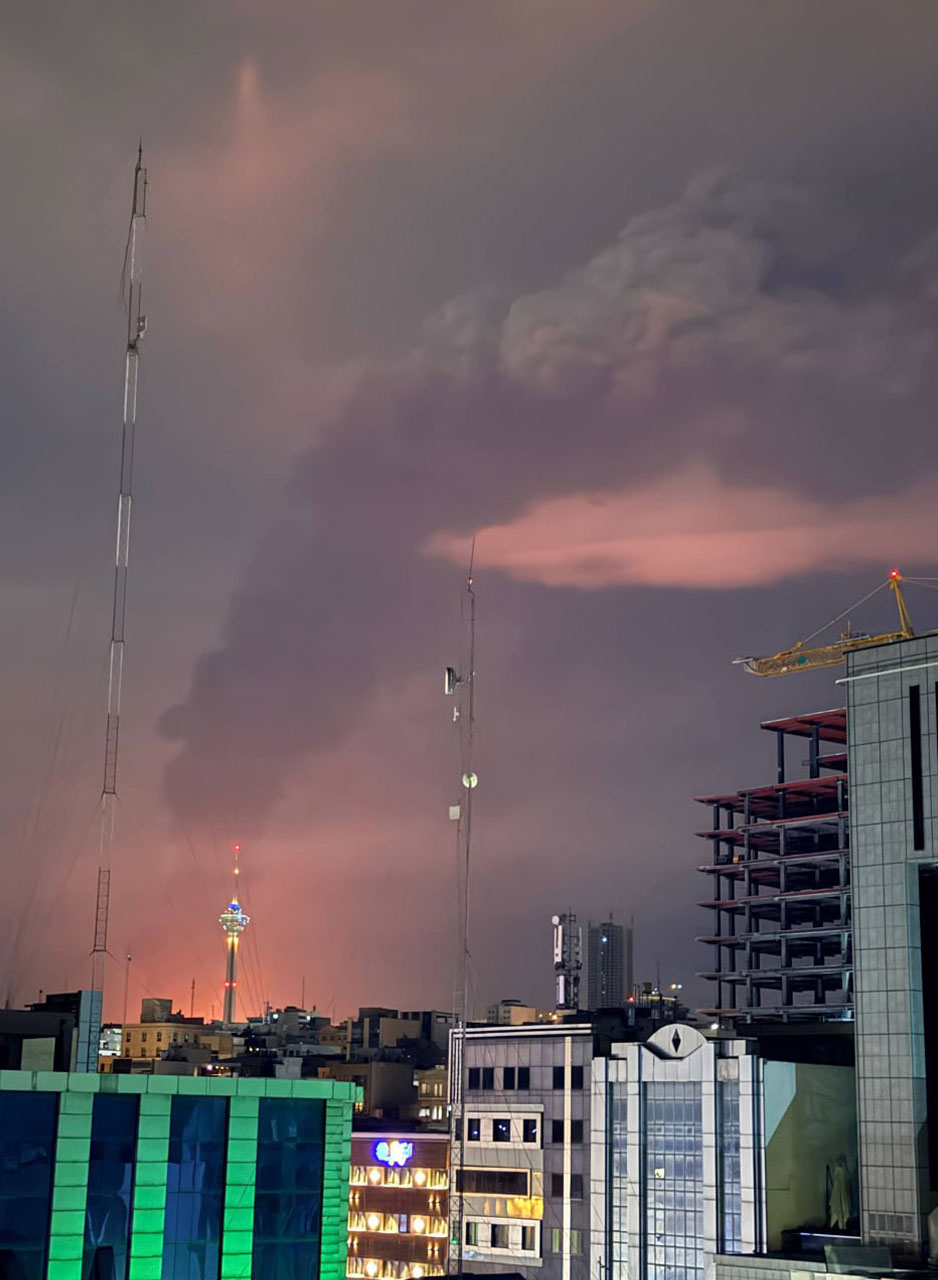
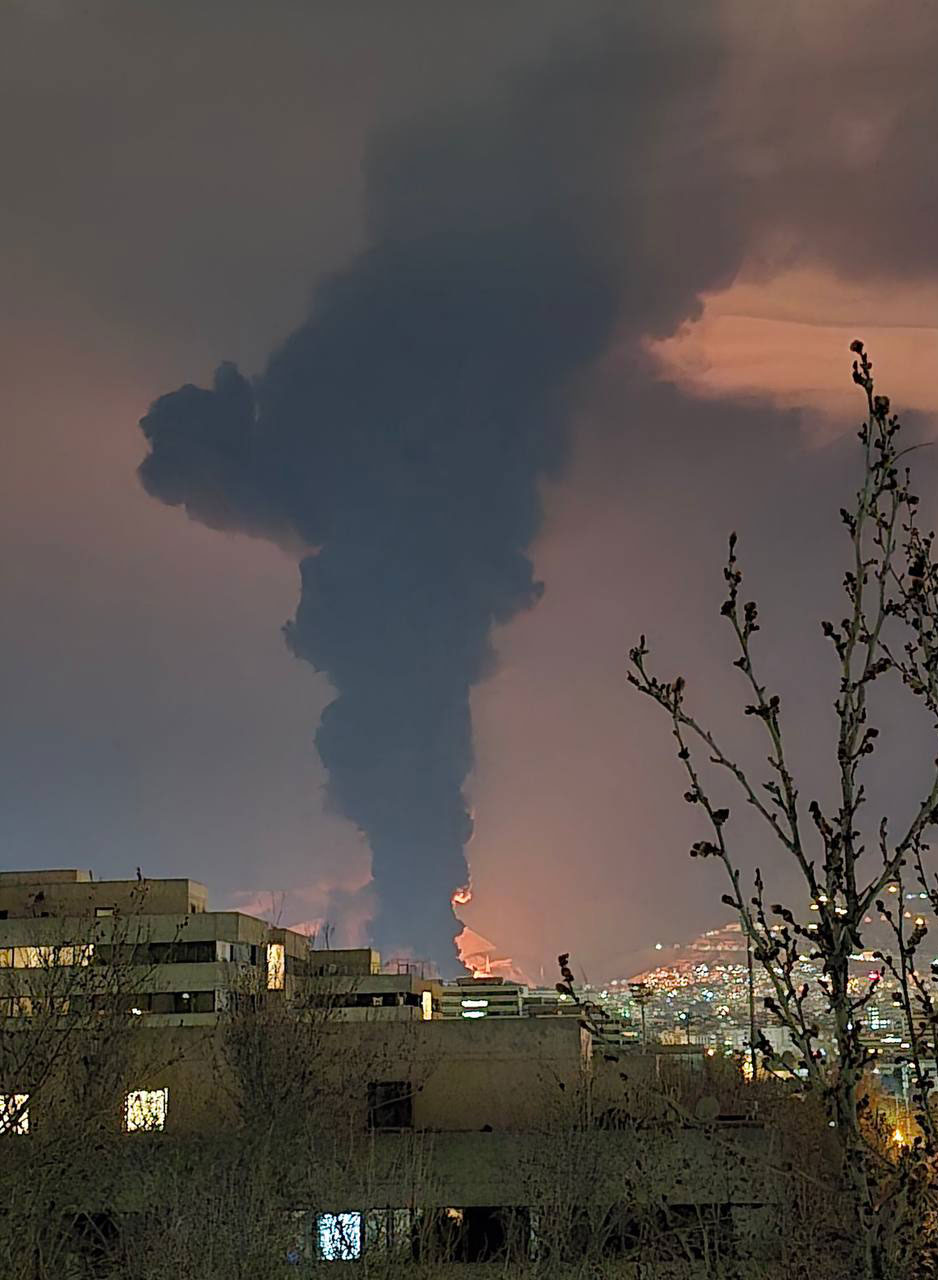
HRANA – Following airstrikes on the evening of March 7 targeting several oil depots and facilities in Tehran and Karaj, large fires in fuel storage tanks have released significant amounts of smoke and pollutants into the capital’s sky. As the fires continue and warnings about respiratory risks grow, officials have also announced a reduction in gasoline quotas. This situation, amid increasing efforts by some residents to leave Tehran, could affect people’s ability to move around and exit the city.

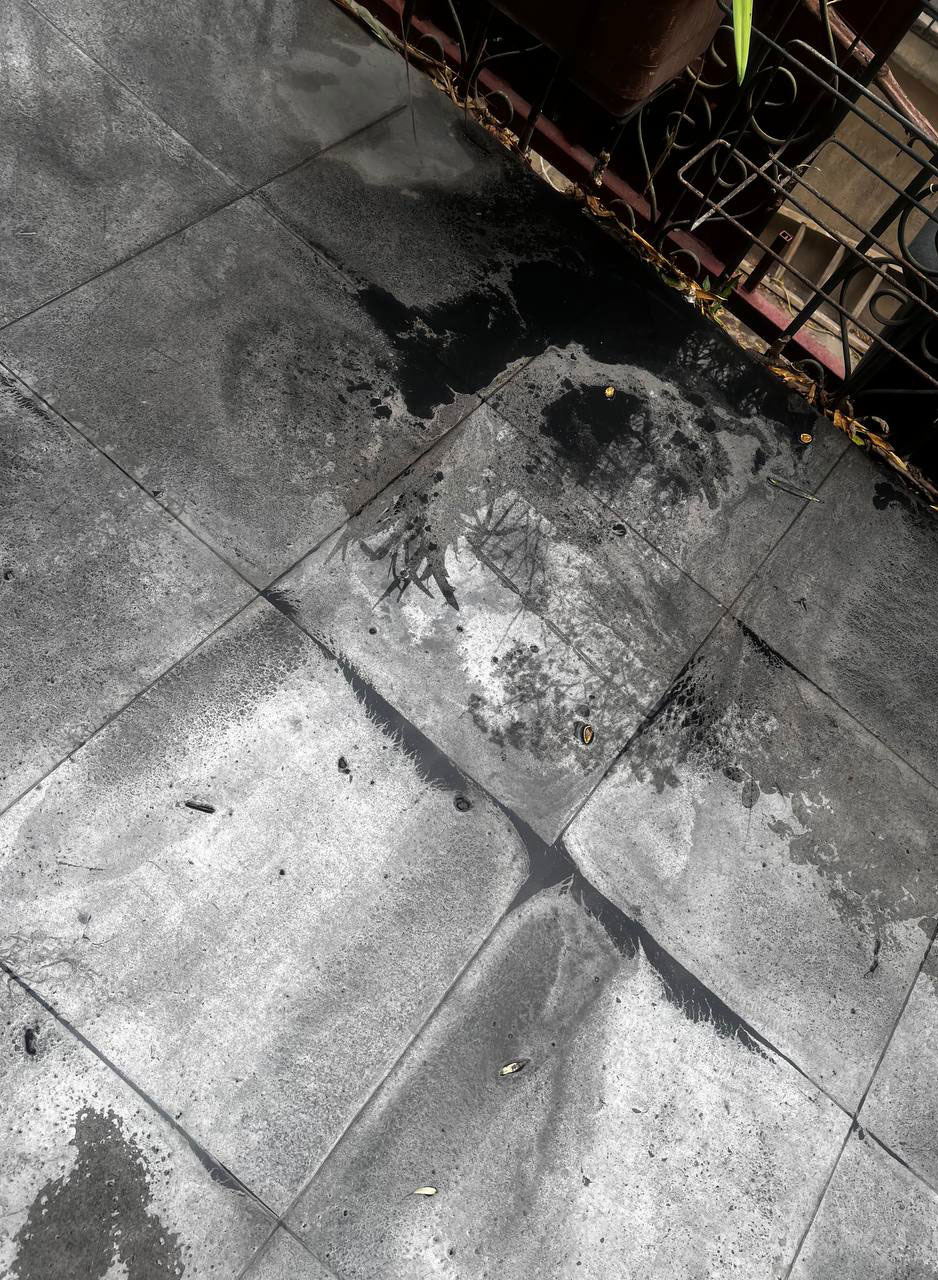
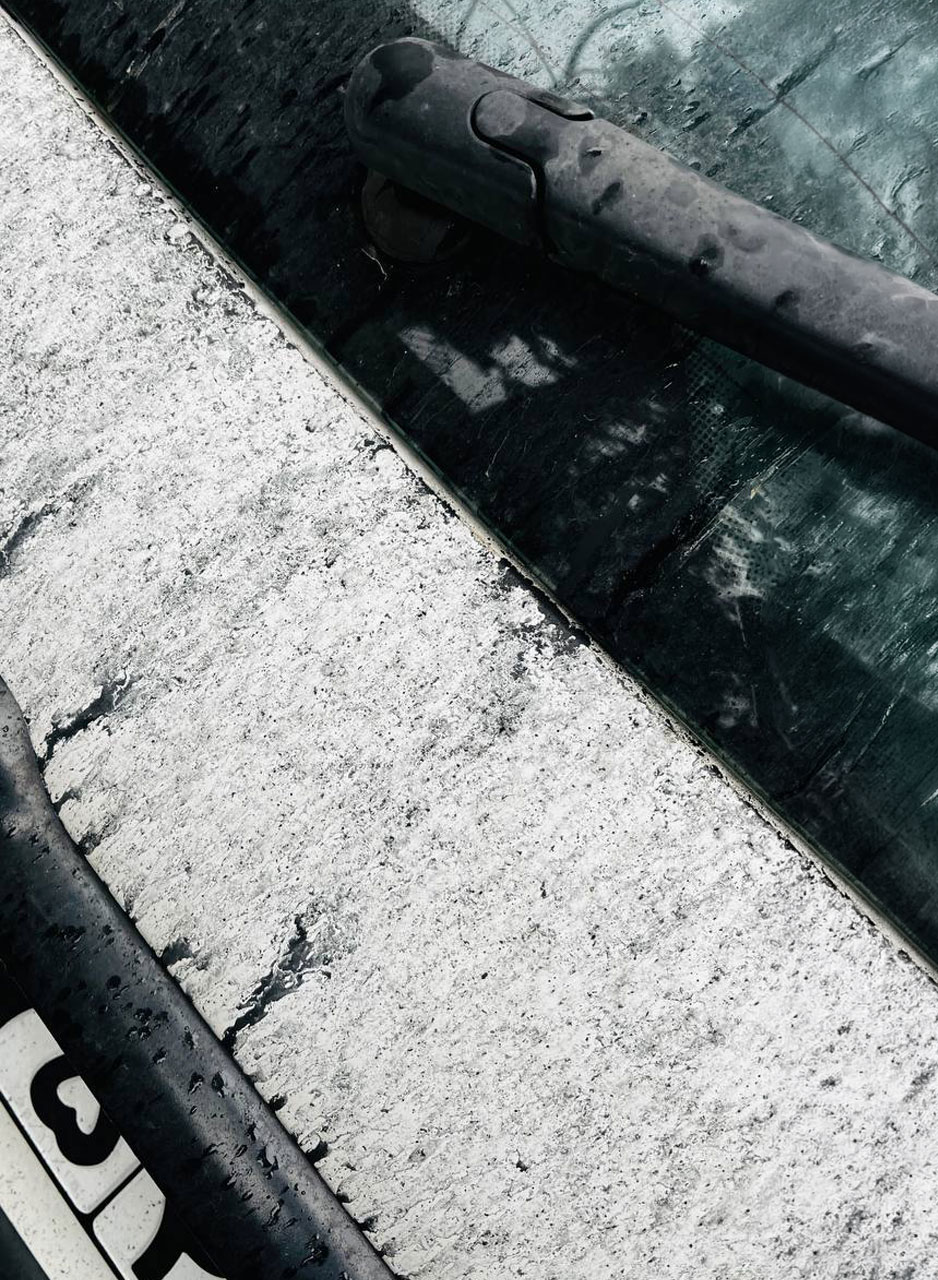
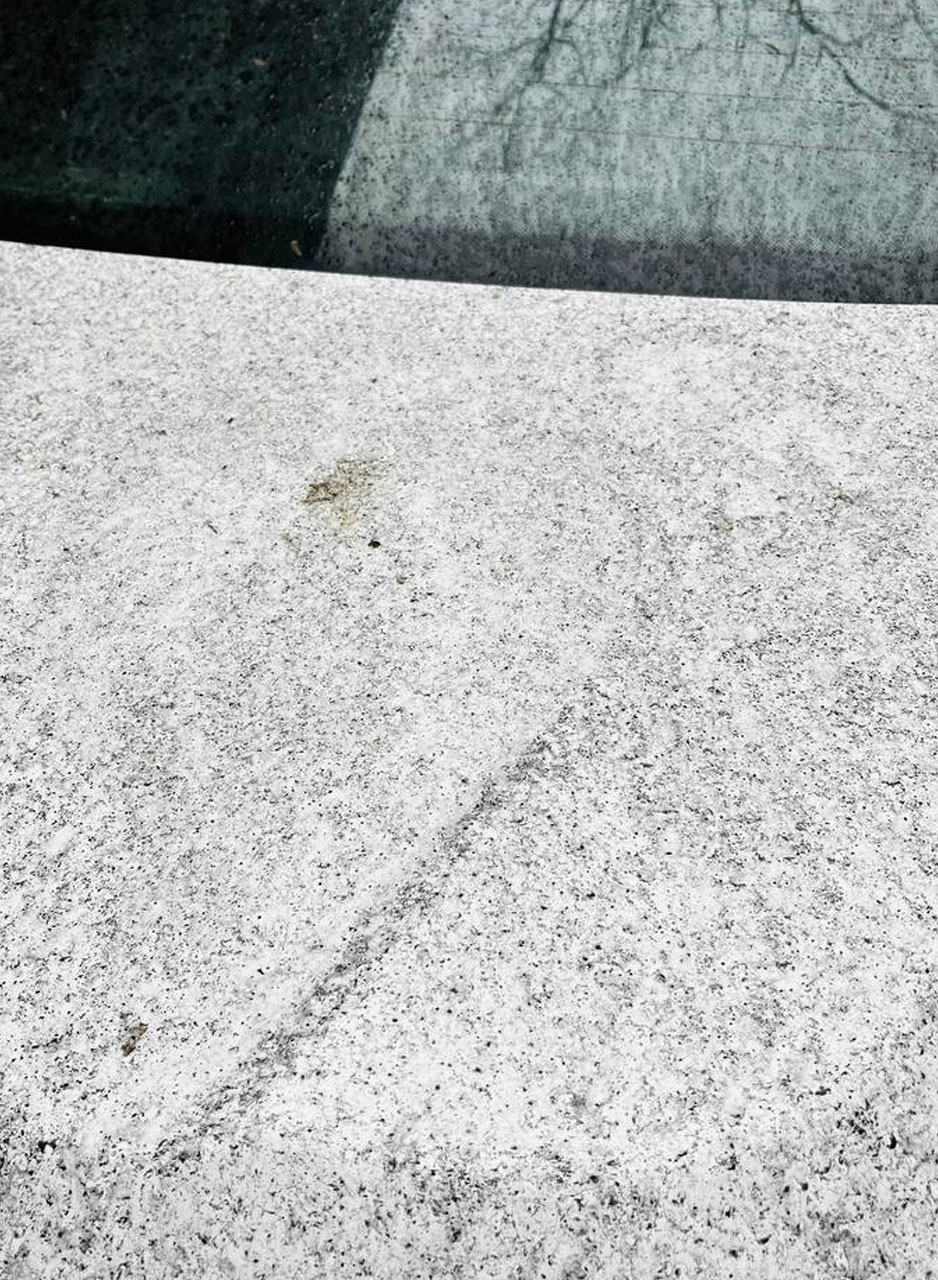
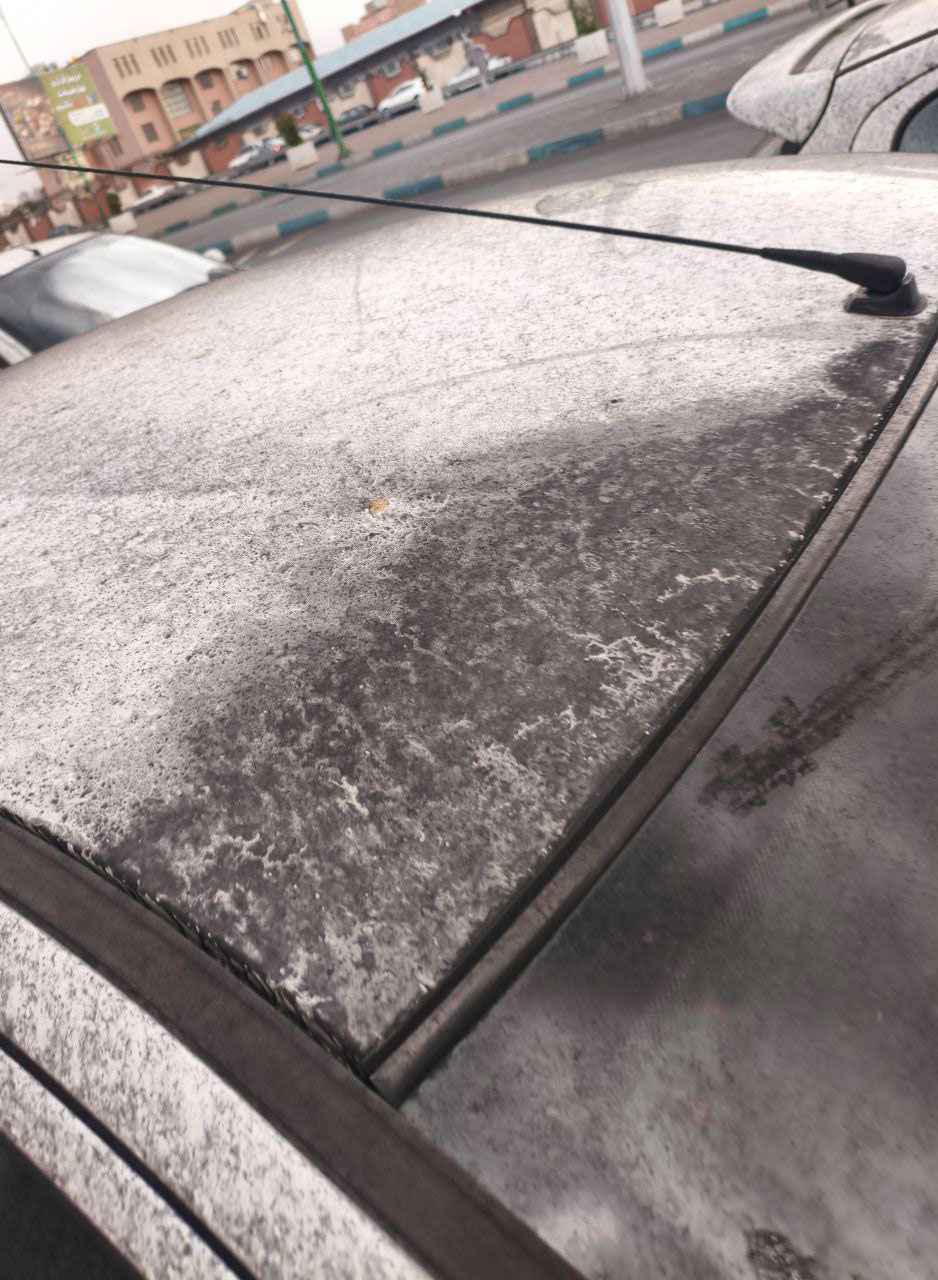
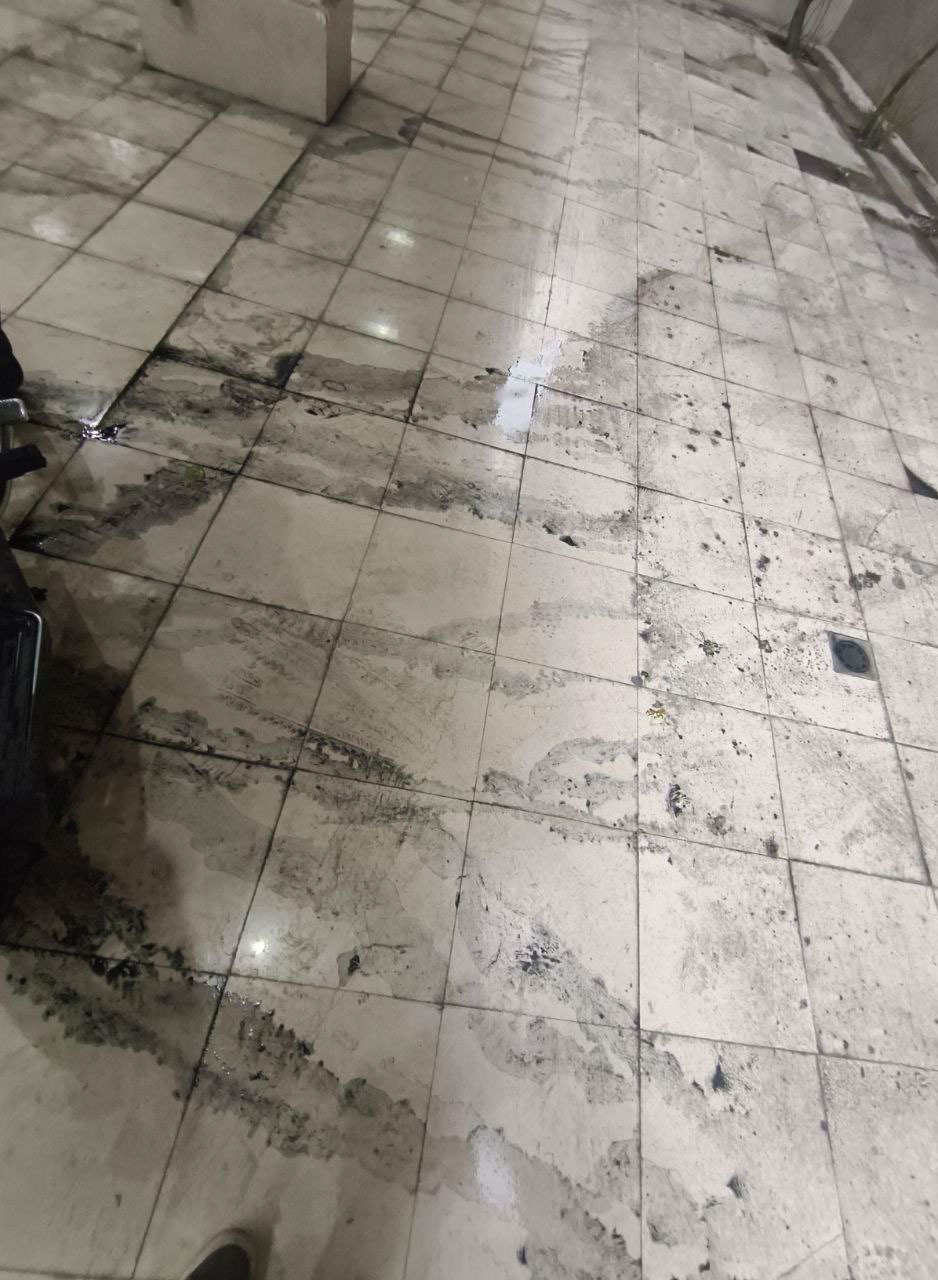
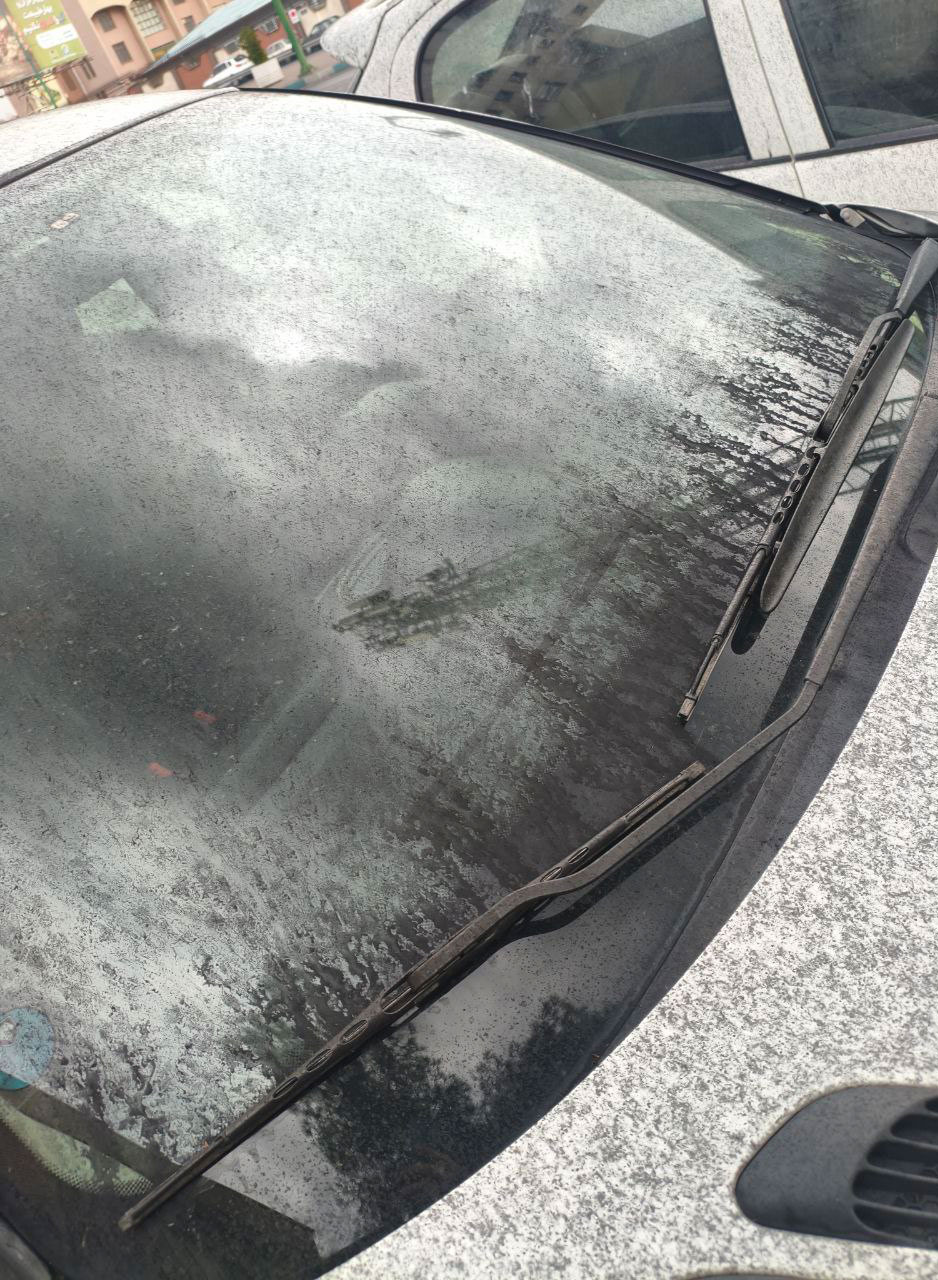
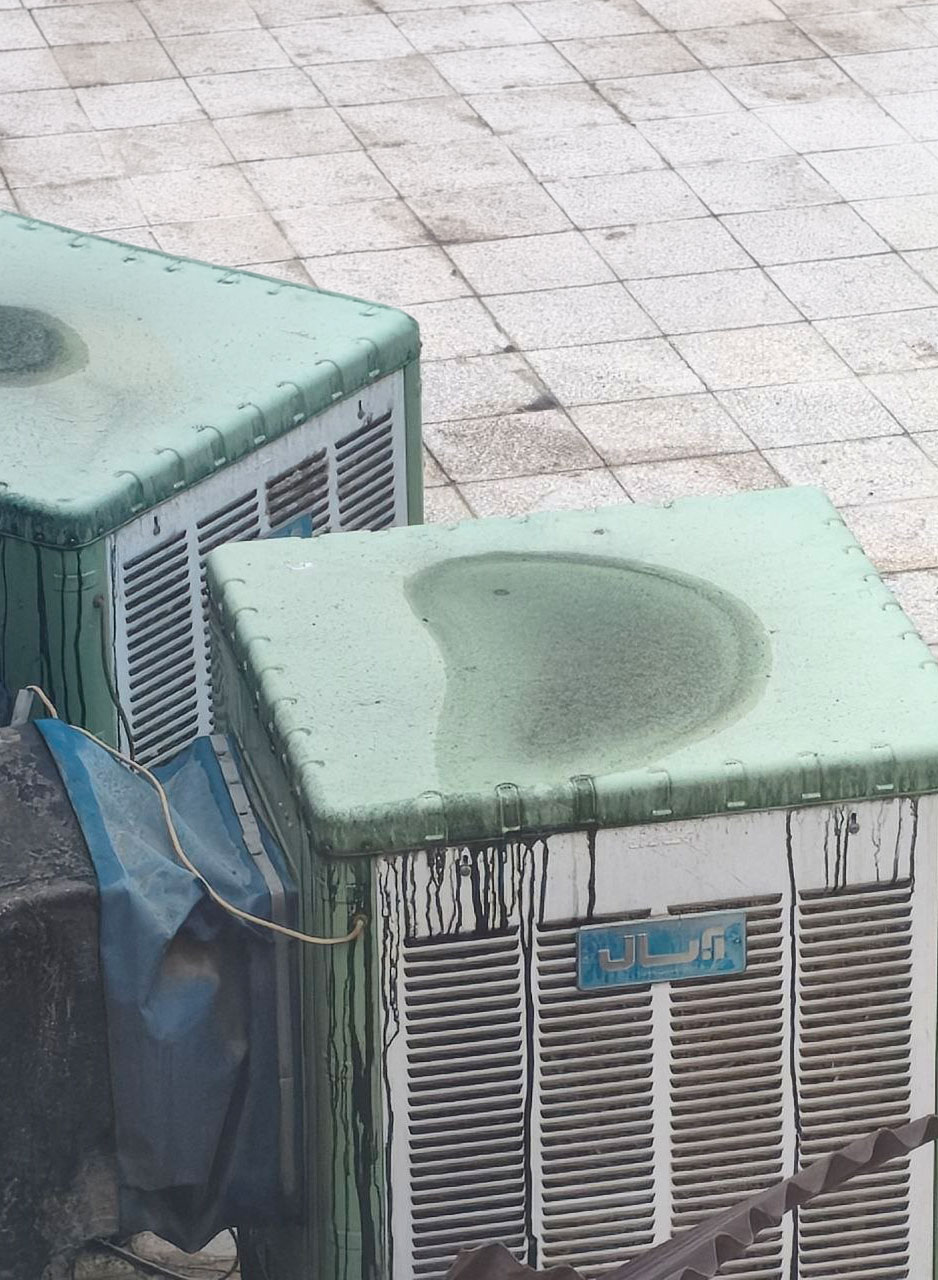
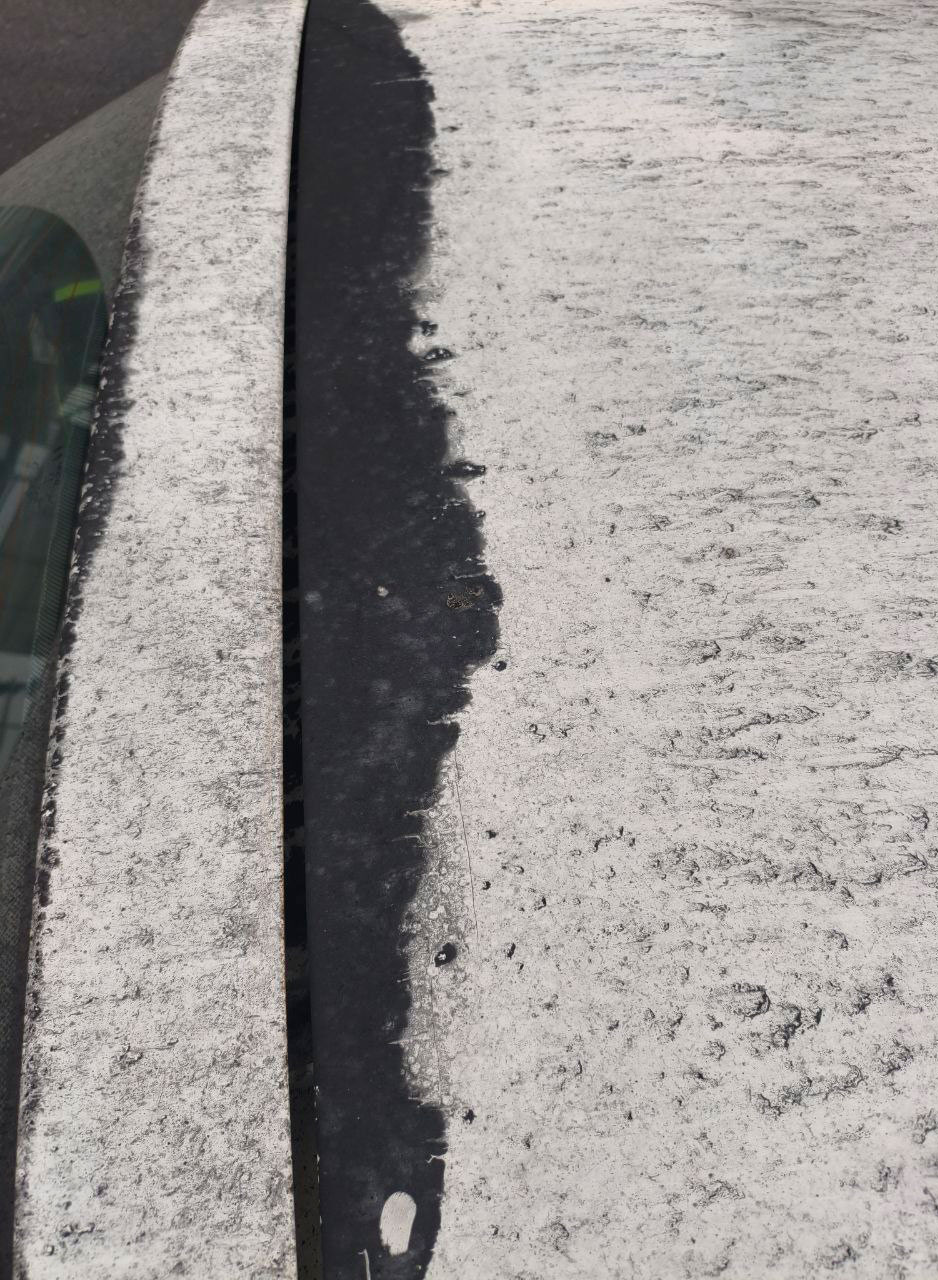
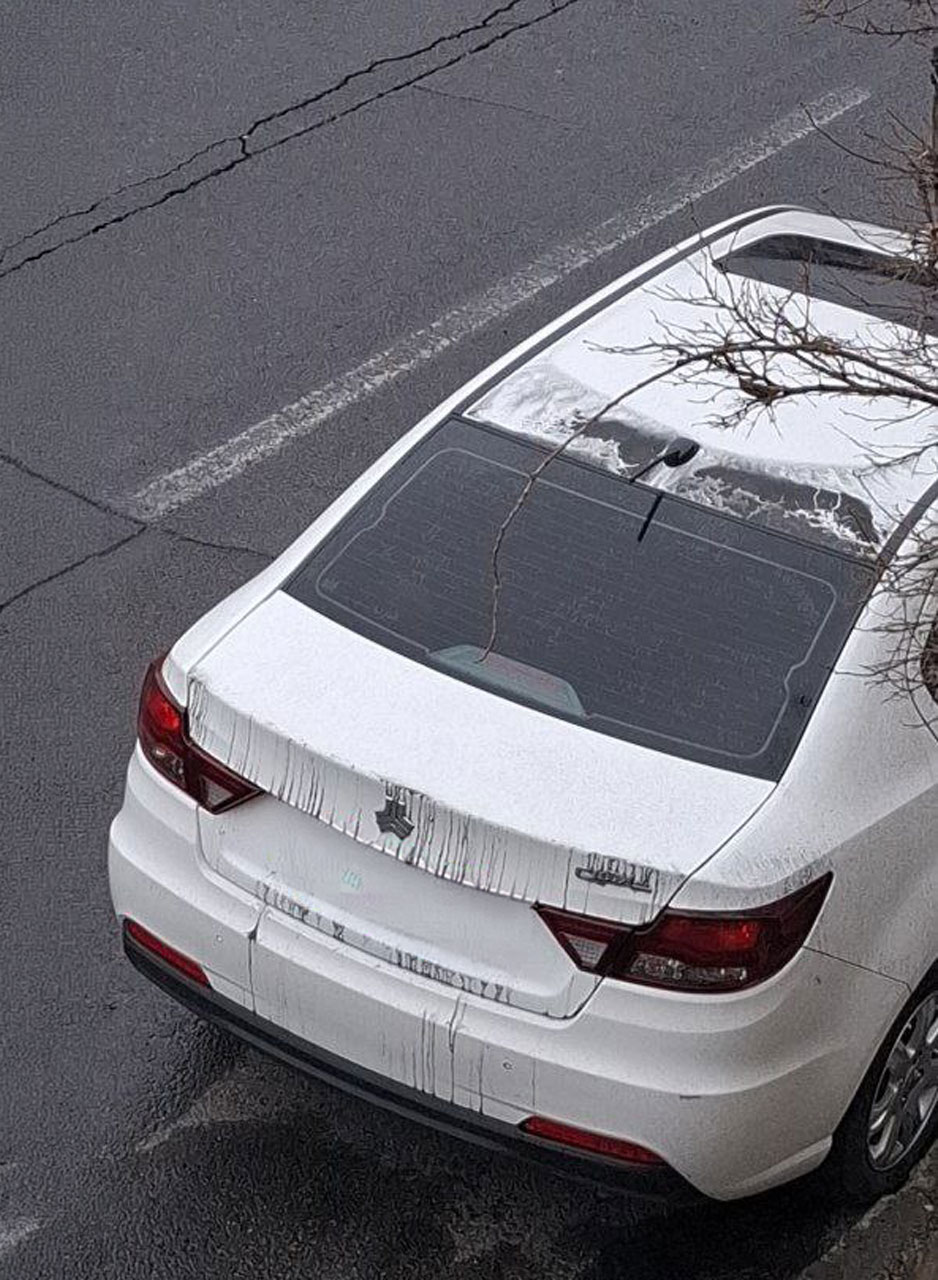
Based on images shared on social media and reports received, several oil depots and fuel-distribution facilities in different parts of Tehran were hit, including locations around Shahran in the northwest of the capital, the Aghdasieh and Sohanak areas in the northeast, as well as oil facilities in Shahr-e Rey and Fardis in Karaj, which experienced major explosions and widespread fires. Massive columns of smoke and flames were visible across many parts of Tehran, and hours after the attack some of the fuel tanks were still burning. Reports published by citizens and journalists indicate that, following these fires, the sky over Tehran has noticeably darkened, with a layer of smoke and suspended particles spreading across different parts of the city. Some social media users have also reported precipitation containing black particles, which they say has settled on the surfaces of cars and buildings.

Following the attacks, Iranian authorities announced that parts of the network for transferring and distributing petroleum products in Tehran and Alborz provinces had been damaged. Although the exact scale of the damage has not been announced, alongside the widespread images of the fires, measures were introduced to manage fuel consumption in the capital. The Governor of Tehran announced that the fueling quota using personal fuel cards at stations has been temporarily reduced from 30 liters to 20 liters. In addition, to reduce pressure on the city’s transportation system, it was announced that the Tehran Metro would operate free of charge and around the clock. These decisions were taken amid recent reports indicating that some residents have been increasingly trying to leave Tehran following the airstrikes.

The immediate consequence of these attacks was severe air pollution in parts of Tehran. The burning of large quantities of petroleum products can release hydrocarbons, particulate matter, sulfur oxides, and nitrogen oxides into the atmosphere, compounds that, when accumulated in urban air, can quickly push air quality to dangerous levels.

Iran’s meteorological authorities have announced that in the hours following the attacks, a combination of smoke from the fires and existing cloud cover was observed over Tehran’s sky. Such conditions may lead to precipitation containing chemical compounds produced by combustion. Some warnings published in the media have also advised residents to use protective masks if possible and to reduce direct contact with rainfall that may contain chemical contaminants.

Tehran has long been a city chronically affected by air pollution. The addition of a substantial volume of smoke from burning oil storage tanks could further worsen this situation and expose the city’s millions of residents to health risks. In the short term, inhaling such pollutants can aggravate symptoms of respiratory illnesses, cause irritation of the eyes and throat, headaches, and breathing difficulties. For individuals who already suffer from conditions such as asthma, chronic lung diseases, or heart problems, these conditions may be even more dangerous.

Some physicians in Tehran have also expressed concern about a potential rise in respiratory problems among residents in messages shared on social media.

One resident of northwestern Tehran told HRANA:
“Since midnight, the sound of explosions did not stop. When we woke up in the morning, the sky was completely dark and the smell of burning was spreading in the air.”

Another resident living in eastern Tehran summarized their observations in a conversation with HRANA:
“When the rain started, black particles were settling on windows and cars. Many people were saying not to go out in the rain.”

Day Nine of the U.S.-Israeli War on Iran: Polluted Air and Black Rain in Tehran

HRANA – In the last 24 hours, and as of March 8, 2026, at 17:00 ET, HRANA has recorded at least 752 attacks across 148 incidents in 30 provinces, resulting in a total of at least 83 casualties (killed and injured, both civilian and military). The recent attacks have geographically spread across the entire country, although the focus of the strikes still remains on Tehran and several specific provinces.

According to information recorded and verified by HRANA, from the first minutes of the day until the end of March 8, 2026 (Tehran time), at least 33 people were killed and 50 others injured. These cases have been documented at the incident level, but their classification (civilian or military) is not specified in the available data. Therefore, to avoid classification errors, they are presented in this report under the category of “unspecified.”

Aggregated data since the beginning of the conflict on February 28, 2026, based on incidents recorded in the incident tab and using minimum values for figures marked “more than”:

• Civilian fatalities: 1,205 people (including at least 194 children)

• Military fatalities: 187 people

• Unclassified fatalities (civilian/military): 316 people

This remainder of this report provides a preliminary analytical overview of documented incidents over the past 24 hours. All figures and classifications are based on information available at the time of publication. As verification continues and more information becomes available, casualty figures and classifications may be updated.

1. Overview of Incidents in the Last 24 Hours

In the last 24 hours, incidents were reported across multiple provinces, reflecting a geographically dispersed pattern of hostilities.  In a large portion of the incidents, the method/type of attack has not yet been confirmed and has been recorded as “undetermined.” In cases where the attack type was identifiable, airstrikes and drone attacks were reported.

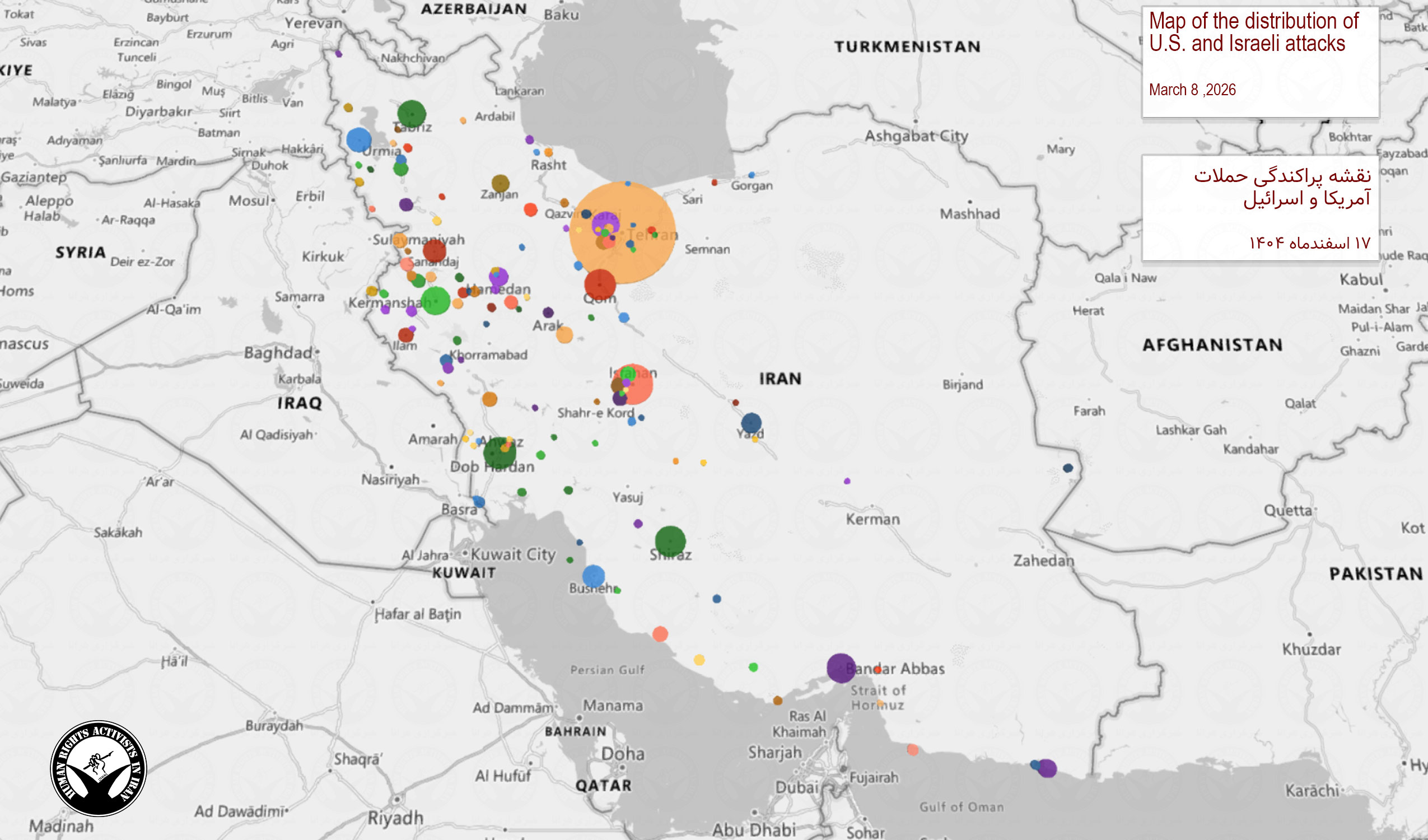
Preliminary analysis indicates that Tehran Province, accounting for 34% of the attacks, continues to be targeted more than any other part of the country. After that, as on the previous day, the provinces of Isfahan (about 8%) and Kermanshah (about 6%) recorded a larger share of today’s attacks. As in previous days, Khuzestan, Alborz, and several western provinces of the country account for the next highest shares of the attacks.

2 List of Objects Reported Hit

In the past 24 hours, the targeting or damage of 124 unique objects or facilities has been confirmed. These objects include a range of targets. Please note that this list includes not only objects reportedly directly targeted, but also those documented as damaged as a result of nearby strikes or blast effects.

Examples of targets recorded in the past 24 hours:

For a number of the listed targets, the exact nature of the target (civilian/military/dual-use) is still under review, and classifications may be revised as additional information becomes available.

Day Eight of the U.S.-Israeli War on Iran: Roar of Explosions Across 30 Provinces of the Country

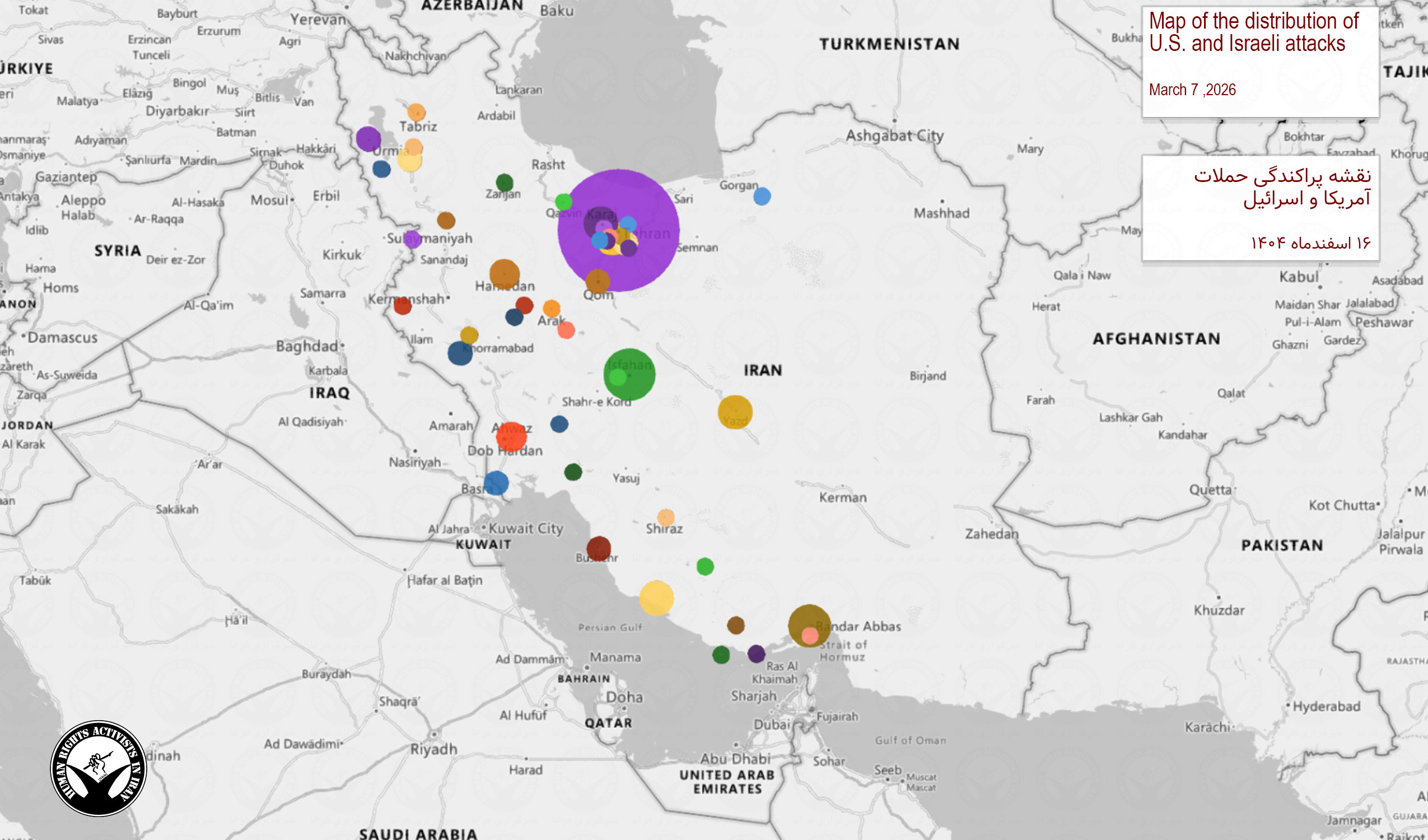
HRANA – In the last 24 hours, and as of March 7, 2026, at 17:00 ET, HRANA has recorded at least 485 attacks across 133 incidents in 30 provinces, resulting in a total of at least 53 casualties (killed and injured, both civilian and military). The recent attacks have geographically spread across the entire country, although the focus of the strikes still remains on Tehran and several specific provinces.

According to information recorded and verified by HRANA, from the first minutes until the end of March 7, 2026 (Tehran time), at least 33 civilians have been killed and 8 civilians injured. Additionally, one death has been recorded at the event level whose classification (civilian or military) is not specified in the available data. Therefore, to avoid classification errors, it is presented in this report under the category of “undetermined.”
Aggregated data since the beginning of the conflict on February 28, 2026 — based on incidents recorded in the incident tab and using minimum values for figures marked “more than”:

• Civilian fatalities: 1,205 people (including at least 194 children)

• Military fatalities: 187 people

• Unclassified fatalities (civilian/military): 283 people

This remainder of this report provides a preliminary analytical overview of documented incidents over the past 24 hours. All figures and classifications are based on information available at the time of publication. As verification continues and more information becomes available, casualty figures and classifications may be updated.

1. Overview of Incidents in the Last 24 Hours

In the last 24 hours, incidents were reported across multiple provinces, reflecting a geographically dispersed pattern of hostilities.  In a large portion of the incidents, the method/type of attack has not yet been confirmed and has been recorded as “undetermined.” In cases where the attack type was identifiable, airstrikes and drone attacks were reported.

Preliminary analysis indicates that Tehran Province, accounting for 37% of the attacks, continues to be targeted more than any other part of the country. After that, as on the previous day, the provinces of Khuzestan (about 6%) and Kermanshah (about 6%) recorded a larger share of today’s attacks. As in previous days, overall the western regions of the country, along with Tehran, show the main concentration of the attacks.

Day-8-map-war

2 List of Objects Reported Hit

In the past 24 hours, the targeting or damage of 63 unique objects or facilities has been confirmed. These objects include a range of targets. Please note that this list includes not only objects reportedly directly targeted, but also those documented as damaged as a result of nearby strikes or blast effects. This list is not exhaustive; the items listed are illustrative.

Examples of targets recorded in the past 24 hours:

• Mehrabad Airport (Tehran)

• Municipality of District 16 (Tehran)

• Shahid Boroujerdi Logistics and Support Garrison (Tehran)

• Khatam al-Anbia Joint Air Defense Headquarters (Ahvaz)

• Shahid Babaei 8th Tactical Air Base (Isfahan)

For a number of the listed targets, the exact nature of the target (civilian/military/dual-use) is still under review, and classifications may be revised as additional information becomes available.

In the past 24 hours, at least 33 civilians, including one woman, have been killed and 8 civilians injured. All classifications are preliminary and may be updated if new information becomes available.

4. Military Casualties

5. Unverified Casualties

Day 7 of the U.S.-Israeli War on Iran: Relentless Explosions in Tehran

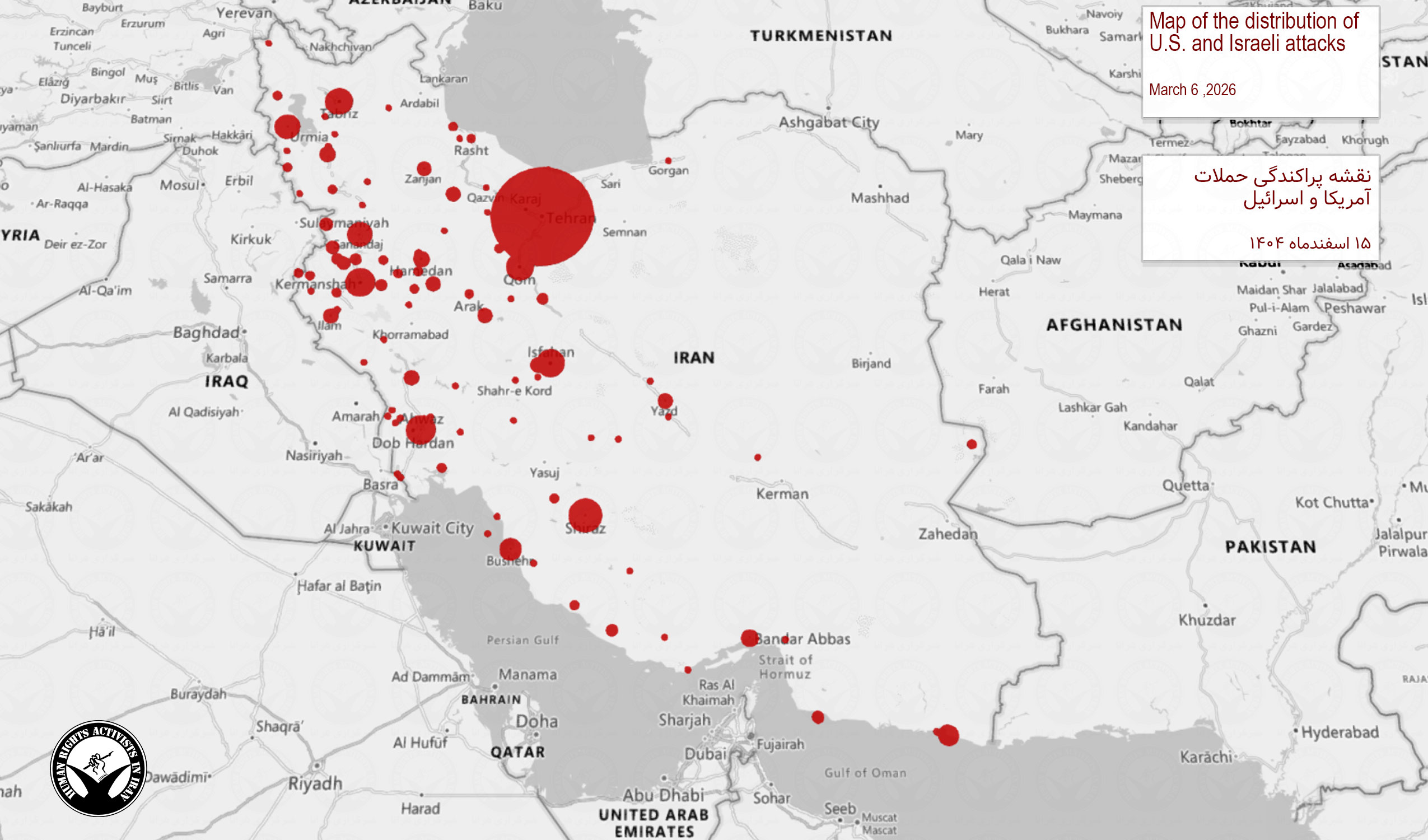
HRANA – In the last 24 hours, and as of March 6, 2026, at 17:00 ET, HRANA has recorded at least 664 attacks across 136 incidents in 28 provinces, resulting in a total of at least 25 casualties (killed and injured, both civilian and military). The recent attacks are estimated to be several times greater than in previous days and, geographically, have spread across the entire country, although the main focus of the attacks remains on Tehran and western Iran.

Based on information verified today, HRANA has recorded 4 civilian deaths and 9 civilian injuries. Two deaths have also been recorded; however, their classification (civilian/military) is not specified. Therefore, to avoid classification errors, they are presented in this report under the category of “unspecified.”

The aggregated data from the beginning of the conflict on February 28 until the time of publication of this report are as follows. It should be noted that these figures should be considered minimum estimates.

• Civilian fatalities: 1,172 (including at least 194 children)

• Military fatalities: 176

• Unclassified fatalities (civilian/military): 284

Subscribe to Our Newsletter

Now is definitely not the time to stop reading!

Day Six of the U.S.–Israel War on Iran: 170 Strikes in 19 Provinces

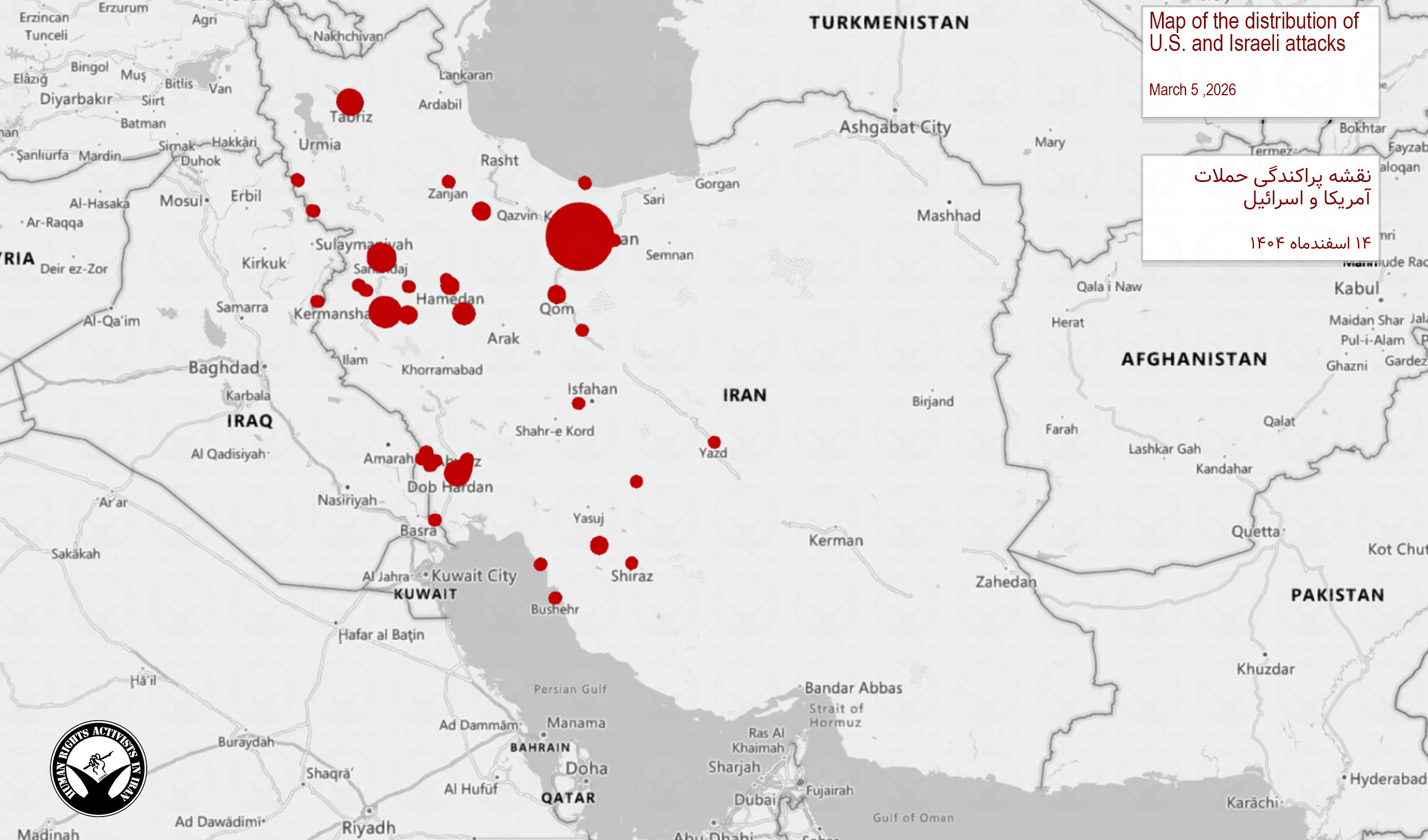
HRANA – In the last 24 hours, and as of March 5, 2026, at 17:00 ET, HRANA has recorded at least 170 attacks across 113 incidents in 19 provinces, resulting in a total of at least 79 casualties (killed and injured, both civilian and military). According to aggregated data since the outbreak of the conflict on February 28, the total number of reported civilian deaths has reached 1,168 including 194 children, most of them under the age of ten. An additional 336 reported deaths are currently under review for verification and classification.

Based on information verified today, HRANA has recorded 9 civilian deaths, including one child, and 38 civilian injuries, as well as 3 military personnel killed. During the last 24-hour period, 29 cases (deaths and injuries) remain under review for verification and classification, including assessment of whether individuals were civilians or military personnel.

In addition, 26 sites were hit in 67 attacks over the past 24 hours. These include a range of locations and infrastructure, including several military bases, several dual-use sites, and a stadium. The nature of these objects, whether under special protected status, civilian, military, or dual use, remains under review, and classifications may be revised as further information becomes available. The list of 26 recorded targets are included in this report and reflect both objects reportedly directly targeted and those documented as damaged due to nearby strikes or collateral effects.

Aggregated data since the beginning of the conflict on 28 February 2026: The total number of reported civilian deaths stands at 1,168, including 194 children under 18, with 336 reported deaths currently and under review pending verification and classification.

This report provides a preliminary analysis of incidents documented within the last 24 hours. All figures and classifications contained herein are based on information available at the time of publication. As verification efforts continue and additional information becomes available, casualty figures, classifications of individuals as civilian or military, and the categorization of damaged objects may be updated.

HRANA applies a verification methodology that relies on cross-checking field reports, local sources, medical and emergency contacts, and available open source material. In cases where information cannot yet be conclusively verified, incidents or casualties are classified as undetermined and remain under active review. The dynamic nature of the situation, access constraints, and communication disruptions may affect the completeness of current data.

1. Overview of Incidents in the Last 24 Hours

In the last 24 hours, incidents were reported across multiple provinces, reflecting a geographically dispersed pattern of hostilities. The documented incidents include airstrikes and missile attacks, primarily involving cruise missiles.

Preliminary analysis indicates that Tehran Province, accounting for 32% of the attacks, continues to be targeted more than any other part of the country. Khuzestan and Kermanshah provinces rank next, accounting for 14% and 11% of the attacks, respectively. Western regions of the country continue to bear a significant share of the airstrikes.

Day-6-map-war

2 List of Objects Reported Hit

In the last 24 hours, the following objects were reported as hit. Please note that this list includes not only objects reportedly directly targeted, but also those documented as damaged as a result of nearby strikes or blast effects. This list is not exhaustive; the items listed are illustrative.

• The Ministry of Intelligence office in Sardasht

• The IRGC Imam Ali garrison in Sanandaj

• A paper factory in Malayer

• The Chazabeh border terminal in Dasht-e Azadegan

• Jannat Abad Police Station No. 138 in Tehran

Under international humanitarian law, medical facilities, educational institutions, humanitarian facilities, religious sites, and emergency service centers are among the many objects that maintain special protected status and are afforded special protection.

As of the past 24 hours, HRANA documents reported damage to the following facilities protected by IHL. The information below reflects preliminary findings and remains subject to verification. This list is not exhaustive; those listed are illustrative.

• A residential building in Tehran

• The 12,000-seat Azadi Stadium in Tehran

• Yas Nabi Girls’ Elementary School in Tehran

• District 18 Municipality in Tehran

• Basat Stadium in Tehran

3. Civilian Casualties

All casualty figures presented below are based on information available at the time of publication. The classification of individuals as civilian, military, or undetermined is preliminary and subject to change as further verification is conducted. Where sufficient corroboration is not yet available, cases remain under review and may be reclassified in subsequent updates.

In the last 24 hours, 9 civilians were reported killed, and 38 civilians were reported injured across 19 provinces. One child is among those killed.

4. Military Casualties

During the same reporting period, three military personnel were reported killed. Military casualties have primarily been reported in connection with attacks on Army and Islamic Revolutionary Guard Corps (IRGC) bases. Where possible, organizational affiliation and operational context are being assessed; however, not all details have been independently verified. Access to information and statistics regarding military casualties remains particularly challenging.

In certain incidents, individuals were killed in proximity to military objectives, but their formal status has not yet been conclusively established. These cases remain under review, and classification may be revised if credible information indicates a different status.

5. Unverified Casualties

As of publication, 336 casualties remain under active review and are currently classified as undetermined. The classification may remain pending for the following reasons:

• Lack of identifying documentation

• Conflicting reports from sources

• Insufficient information regarding affiliation or role at the time of death or injury

• Ongoing efforts to verify open-source reports through the HRANA network

6. Undetermined Casualties

As of the time of publication, 29 casualties (17 deaths and 12 injuries over the last 24 hours) remain classified as undetermined. This includes cases where HRANA has not yet been able to confirm whether the individual was a civilian or military personnel, or where age status (including potential child casualties) has not been conclusively verified. Reports of 18 burial ceremonies for victims of incidents in recent days were also documented today.

Day Five of the U.S.–Israel War on Iran: Expansion of Areas Affected by Military Strikes

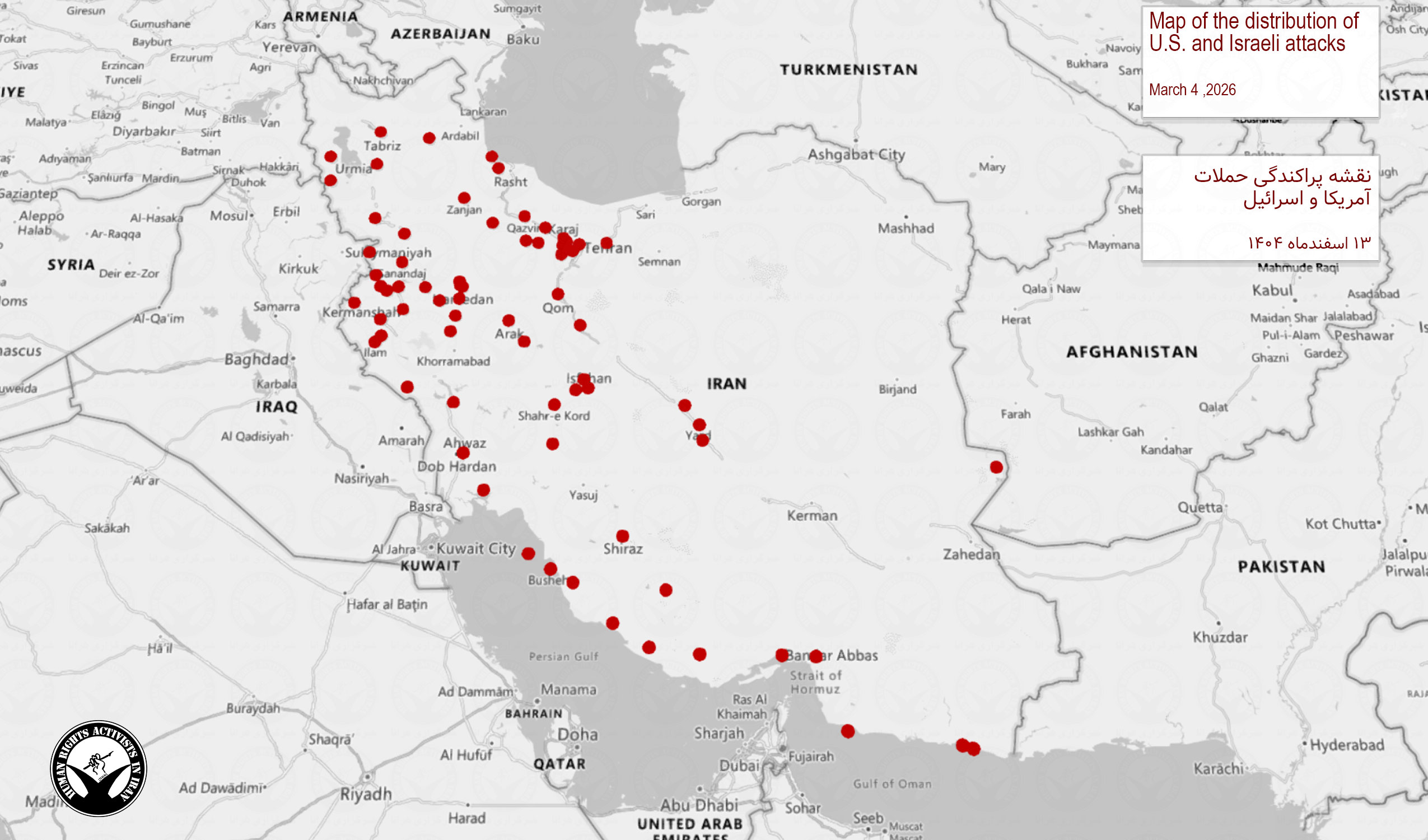
HRANA – In the last 24 hours, and as of March 4, 2026, at 17:00 ET, HRANA has recorded at least 117 attacks across 51 incidents in 23 provinces, resulting in a total of at least 57 casualties (killed and injured, both civilian and military). According to aggregated data since the outbreak of the conflict on February 28, the total number of reported civilian deaths has reached 1,114 including 183 children, most of them under the age of ten. An additional 926 reported deaths are currently under review for verification and classification.

Based on information verified today, HRANA has recorded 31 civilian deaths and 25 civilian injuries, as well as the death of one military personnel. During the last 24-hour period, 926 cases (deaths and injuries) remain under review for verification and classification, including assessment of whether individuals were civilians or military personnel.

Additionally, over the past 24 hours, it has been reported that 51 targets have been struck in 117 attacks. These include a range of locations and infrastructure, including several military bases, a medical center, a blood transfusion center, and several residential areas. The nature of these objects, whether under special protected status, civilian, military, or dual use, remains under review, and classifications may be revised as further information becomes available. The number of recorded targets includes both those that were directly struck and those that sustained damage as a result of nearby attacks or collateral impacts.

Aggregated data since the beginning of the conflict on 28 February 2026: The total number of reported civilian deaths stands at 1,114, including 181 children, with 926 reported deaths currently and under review pending verification and classification.

This report provides a preliminary analysis of incidents documented within the last 24 hours. All figures and classifications contained herein are based on information available at the time of publication. As verification efforts continue and additional information becomes available, casualty figures, classifications of individuals as civilian or military, and the categorization of damaged objects may be updated.

HRANA applies a verification methodology that relies on cross-checking field reports, local sources, medical and emergency contacts, and available open source material. In cases where information cannot yet be conclusively verified, incidents or casualties are classified as undetermined and remain under active review. The dynamic nature of the situation, access constraints, and communication disruptions may affect the completeness of current data.

1. Overview of Incidents in the Last 24 Hours

In the last 24 hours, incidents were reported across multiple provinces, reflecting a geographically dispersed pattern of hostilities. The documented incidents include airstrikes and missile attacks, primarily involving cruise missiles.

Preliminary analysis indicates that Tehran Province, accounting for 34% of the attacks, continues to be targeted more than any other part of the country. Kermanshah and Fars provinces follow, each accounting for 6% of the attacks. Meanwhile, western regions of the country, such as Kurdistan and West Azerbaijan, continue to account for a significant share of the airstrikes.

2 List of Objects Reported Hit

Nationwide Protests: Keyumars Vaezi Sentenced to 5 Years in Prison by the Revolutionary Court

HRANA – Keyumars Vaezi, a teacher residing in Songhor, who had been arrested in connection with recent protests, has been sentenced to five years in prison by the Revolutionary Court of this county.

According to the Coordinating Council of Iranian Teachers’ Trade Associations, the Revolutionary Court of Songhor, presided over by Judge Sadegh Tari Vardi, sentenced Vaezi to four years in prison on the charge of “assembly and collusion against national security,” and one year of discretionary imprisonment on the charge of “propaganda against the regime.”

Mr. Vaezi was arrested on January 5 by intelligence forces of the Islamic Revolutionary Guard Corps (IRGC) and was subsequently transferred to Dizel Abad Prison in Kermanshah. He was later released on bail.

Keyumars Vaezi, a retired teacher and labor activist residing in Songhor, has previously also faced arrest and conviction.

It is worth noting that gatherings and strikes by shopkeepers and bazaar merchants began on Sunday, December 28, in Tehran, and after two days expanded beyond markets and commercial centers. With the participation of students, citizens, and various social groups, the protests became one of the largest waves of demonstrations in recent years. Following the crackdown on the protests by law enforcement and security forces, thousands of people were killed or injured, and tens of thousands were arrested or summoned by security institutions. For more information, readers can refer to HRANA’s comprehensive report titled “Crimson Winter,” which documents the first fifty days after the start of Iran’s nationwide protests.

The Fourth Day of the U.S.–Israel War on Iran: Strikes Continue in Western Regions of the Country

HRANA – In the last 24 hours, and as of March 3, 2026, at 17:00 ET, HRANA has recorded at least 104 attacks across 85 incidents in 19 provinces, resulting in a total of 31 casualties (killed and injured, both civilian and military). According to aggregated data since the outbreak of the conflict on February 28, the total number of reported civilian deaths has reached 1,097, including 181 children under the age of ten. An additional 880 reported deaths are currently under review for verification and classification. The number of reported civilian injuries since February 28 has reached 5,402, including 100 children.

Based on information verified today, HRANA has recorded 15 civilians killed and 1 civilian injured, as well as 12 military personnel killed. During the last 24-hour period, 10 cases (deaths and injuries) remain under review for verification and classification, including assessment of whether individuals were civilians or military personnel.

In addition, in the last 24 hours, 34 objects were reported as hit. These include a range of sites and infrastructure, including several military bases, two medical centers, and one residential area. The nature of these objects, whether under special protected status, civilian, military, or dual use, remains under review, and classifications may be revised as further information becomes available. The number of recorded targets includes both those that were directly struck and those that sustained damage as a result of nearby attacks or collateral impacts.

Aggregated data since the beginning of the conflict on 28 February 2026: The total number of reported civilian deaths stands at 1097, including 181 children under 18, with 880 reported deaths currently and under review pending verification and classification. Reported civilian injuries since 28 February 2026 stand at 5402, including 100 children.

This report provides a preliminary analysis of incidents documented within the last 24 hours. All figures and classifications contained herein are based on information available at the time of publication. As verification efforts continue and additional information becomes available, casualty figures, classifications of individuals as civilian or military, and the categorization of damaged objects may be updated.

HRANA applies a verification methodology that relies on cross-checking field reports, local sources, medical and emergency contacts, and available open source material. In cases where information cannot yet be conclusively verified, incidents or casualties are classified as undetermined and remain under active review. The dynamic nature of the situation, access constraints, and communication disruptions may affect the completeness of current data.

1. Overview of Incidents in the Last 24 Hours

In the last 24 hours, incidents were reported across multiple provinces, reflecting a geographically dispersed pattern of hostilities. The documented incidents include airstrikes and missile attacks, primarily involving cruise missiles.

Preliminary analysis indicates that Tehran Province, accounting for 38 percent of the attacks, continues to be targeted more than any other part of the country. Unlike previous days, when Kurdistan and Ilam provinces ranked second and third in terms of the number of attacks, today Kermanshah and Isfahan provinces held those positions, accounting for 9 percent and 8 percent of the attacks respectively. Kurdistan, with a 7 percent share, continues to experience a significant and sustained portion of the air and missile strikes.

• Allah Akbar Garrison in Tehran

• A military headquarters affiliated with the Mohammad Rasoul Allah Corps in Kermanshah

• The Army’s 328th Infantry Brigade garrison in Marivan

• Shahid Yazdani Garrison in Najafabad

• Imam Hossein University in Tehran

For a number of the above-listed objects, the precise nature of the target, whether civilian, military, or dual use, remains under review. Verification efforts are ongoing to determine the status and function of each object at the time of the reported strike. As further information becomes available, classifications may be revised in subsequent updates.

Facilities Protected Under International Humanitarian Law:

Under international humanitarian law, medical facilities, educational institutions, humanitarian facilities, religious sites, and emergency service centers are among the many objects that maintain special protected status and are afforded special protection.

As of the past 24 hours, HRANA documents reported damage to the following facilities protected by IHL. The information below reflects preliminary findings and remains subject to verification. This list is not exhaustive; those listed are illustrative.

• Shohada Hospital in Sarpol-e Zahab

• A field hospital in Salas-e Babajani

• The Criminal Investigation Department in Marivan

• Nuclear facilities in Natanz

• The Dezful Radio building in Dezful

3. Civilian Casualties

All casualty figures presented below are based on information available at the time of publication. The classification of individuals as civilian, military, or undetermined is preliminary and subject to change as further verification is conducted. Where sufficient corroboration is not yet available, cases remain under review and may be reclassified in subsequent updates.

In the last 24 hours, 15 civilians were reported killed, and one civilian were reported injured across 19 provinces. Among them, 2 children were killed.

The highest number of civilian casualties was documented in Tehran province, followed by Isfahan Province.

4. Military Casualties

During the same reporting period, 12 military personnel were reported killed. This figure for military casualties is limited exclusively to those reported in connection with attacks on military or paramilitary bases. Where possible, organizational affiliation and operational context are being assessed; however, not all details have been independently verified.

In certain incidents, individuals were killed in proximity to military objectives, but their formal status has not yet been conclusively established. These cases remain under review, and classification may be revised if credible information indicates a different status.

5. Unverified Casualties

As of publication, 52 casualties remain under active review and are currently classified as undetermined.

The classification may remain pending for the following reasons:

• Lack of identifying documentation

• Conflicting reports from sources

• Insufficient information regarding affiliation or role at the time of death or injury

• Ongoing efforts to verify open-source reports through the HRANA network

6. Undetermined Casualties

As of the time of publication, 10 casualties (deaths and injuries) remain classified as undetermined. This includes cases where HRANA has not yet been able to confirm whether the individual was a civilian or military personnel, or where age status (including potential child casualties) has not been conclusively verified.

A Note on HRANA Methodology

The information contained in this report is compiled through HRANA’s established documentation network. Data is collected from a combination of field reports, local contacts, medical and emergency sources, civil society networks, and open source materials, including publicly available images, videos, and official statements where relevant. Each reported incident is logged and assessed through an internal review process before publication.

Given the evolving nature of hostilities, information is gathered on a rolling basis and reflects the status of documentation at the time of publication.

The figures presented in this report may not reflect the full scope of harm. Ongoing hostilities, damage to infrastructure, communication disruptions, restricted access to affected areas, and security risks for sources may limit the ability to document incidents comprehensively.

Delays in medical reporting, difficulties in confirming identities, and restricted access to certain provinces may result in temporary undercounting. As access improves or additional evidence emerges, casualty figures and incident classifications may be revised accordingly.

HRANA remains committed to transparency, methodological rigor, and the continual updating of its findings as new verified information becomes available.

Humanitarian Obligations

Human Rights Activists in Iran today issued a statement condemning the ongoing conflict between the United States–Israel and Iran, warning of rising casualties and ongoing assessments. HRA described attacks on medical centers and critical infrastructure as serious violations of international humanitarian law and called for an immediate halt to attacks, the protection of civilians, and the full restoration of internet access in Iran.

The Third Day of the U.S.–Israel War on Iran: Rising Casualties and Intensified Strikes in Tehran and Western Provinces

HRANA – In the last 24 hours, and as of March 2, 2026, at 17:00 ET, HRANA recorded at least 56 incidents across 13 provinces, resulting in 101 total casualties (killed and injured, civilian and military). All figures and classifications in this report are preliminary and may be updated as additional information becomes available and verification efforts continue.

Based on information verified today, HRANA has recorded 85 civilians killed and 5 total civilians injured, as well as 11 military personnel killed. During the last 24-hour period, 579 cases (deaths and injuries) remain under review for verification and classification, including assessment of whether individuals were civilians or military personnel.

In addition, in the last 24 hours, 28 objects were reported as hit. These include a range of locations and infrastructure, such as several military bases, two residential areas, and Shahid Bahonar Pier in Bandar Abbas. The nature of these objects, whether under special protected status, civilian, military, or dual use, remains under review, and classifications may be revised as further information becomes available. The list of 28 recorded targets are included in this report and reflect both objects reportedly directly targeted and those documented as damaged due to nearby strikes or collateral effects.

Aggregated data since the beginning of the conflict on 28 February 2026: The total number of reported civilian deaths stands at 742, including 176 children under 18, with 624 reported deaths currently and under review pending verification and classification. Reported civilian injuries since 28 February 2026 stand at 971, including 115 children.

This report provides a preliminary analysis of incidents documented within the last 24 hours. All figures and classifications contained herein are based on information available at the time of publication. As verification efforts continue and additional information becomes available, casualty figures, classifications of individuals as civilian or military, and the categorization of damaged objects may be updated.

HRANA applies a verification methodology that relies on cross-checking field reports, local sources, medical and emergency contacts, and available open source material. In cases where information cannot yet be conclusively verified, incidents or casualties are classified as undetermined and remain under active review. The dynamic nature of the situation, access constraints, and communication disruptions may affect the completeness of current data.

1. Overview of Incidents in the Last 24 Hours

In the last 24 hours, incidents were reported across multiple provinces, reflecting a geographically dispersed pattern of hostilities. Documented incidents include airstrikes and missile attacks.

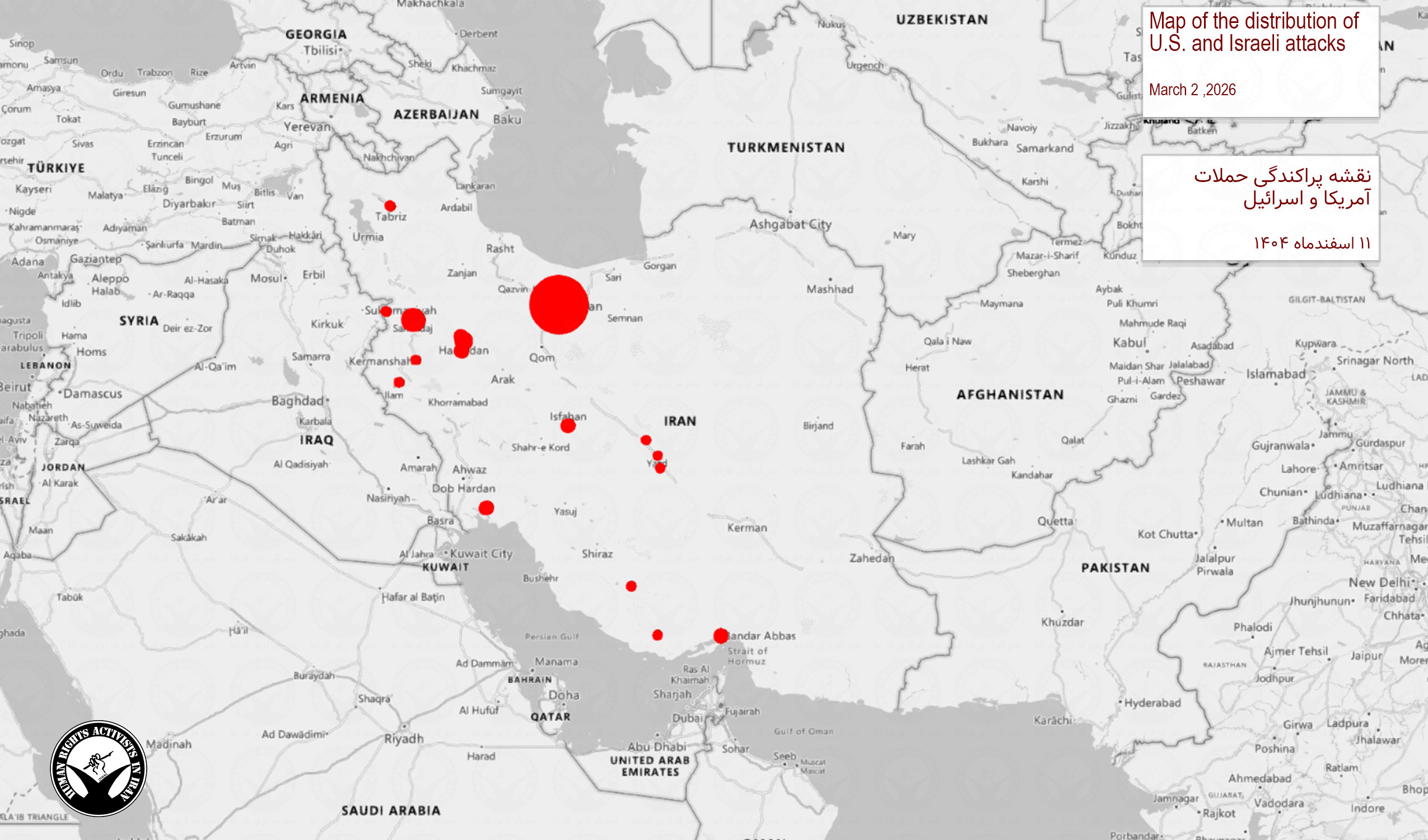
Preliminary analysis indicates that Tehran Province, accounting for 56% of the attacks, continues to be targeted more than any other part of the country. Unlike previous days, when West Azerbaijan and East Azerbaijan provinces ranked second and third in terms of the number of attacks, today Kurdistan and Hormozgan provinces hold those positions, with shares of 8% and 7%, respectively.
US-Iran war map Day 3

2 List of Objects Reported Hit

In the last 24 hours, the following objects were reported as hit. Please note that this list includes not only objects reportedly directly targeted, but also those documented as damaged as a result of nearby strikes or blast effects. This list is not exhaustive; the items listed are illustrative.

• The Law Enforcement Command Headquarters of Kurdistan, located in Sanandaj

• The Kurdistan Border Guard Command Center, located in Sanandaj

• The 8th Tactical Air Base (Islamic Republic of Iran Air Force) in Isfahan was targeted

• The Army’s Self-Sufficiency Jihad Base in Tehran was targeted

For a number of the above-listed objects, the precise nature of the target, whether civilian, military, or dual use, remains under review. Verification efforts are ongoing to determine the status and function of each object at the time of the reported strike. As further information becomes available, classifications may be revised in subsequent updates.

Facilities Protected Under International Humanitarian Law:

Under international humanitarian law, medical facilities, educational institutions, humanitarian facilities, religious sites, and emergency service centers are among the many objects that maintain special protected status and are afforded special protection.

As of the past 24 hours, HRANA documents reported damage to the following facilities protected by IHL. The information below reflects preliminary findings and remains subject to verification. This list is not exhaustive; those listed are illustrative.

• A mosque in Mehrshahr, Karaj, was targeted

• A residential building on Shariati Street in Tehran was targeted

• The governor’s office in Rey was targeted

• Shahid Bahonar Pier in Bandar Abbas was targeted

• A residential complex on Sepahbod Qarani Street in Tehran was targeted

3. Civilian Casualties

All casualty figures presented below are based on information available at the time of publication. The classification of individuals as civilian, military, or undetermined is preliminary and subject to change as further verification is conducted. Where sufficient corroboration is not yet available, cases remain under review and may be reclassified in subsequent updates.

In the last 24 hours, 85 civilians were reported killed, and 5 civilians were reported injured across 13 provinces. Among them, 1 children were killed.

The highest number of civilian casualties was documented in the city of Ilam, Ilam Province, followed by Kurdistan Province.

In Tehran, a particularly severe incident occurred when an airstrike damaged the Iranshahr Street Emergency building and several adjacent buildings. These incidents continue to be reviewed as additional documentation becomes available.

4. Military Casualties

During the same reporting period, 11 military personnel were reported killed. This figure for military casualties is limited exclusively to those reported in connection with attacks on military or paramilitary bases. Where possible, organizational affiliation and operational context are being assessed; however, not all details have been independently verified.

In certain incidents, individuals were killed in proximity to military objectives, but their formal status has not yet been conclusively established. These cases remain under review, and classification may be revised if credible information indicates a different status.

5. Unverified Casualties

As of publication, 52 casualties remain under active review and are currently classified as undetermined.

Classification may remain pending due to:

• Lack of identifying documentation

• Conflicting reports from sources

• Insufficient information regarding affiliation or role at the time of death or injury

• Ongoing efforts to verify open-source reports through the HRANA network

Several incidents and casualties documented in this reporting period remain under review due to incomplete or conflicting information. These cases are recorded but are not yet fully verified or cannot yet be reliably classified, and may be updated as additional corroboration becomes available.

6. Undetermined Casualties

As of the time of publication, 579 casualties (deaths and injuries) remain classified as undetermined. This includes cases where HRANA has not yet been able to confirm whether the individual was a civilian or military personnel, or where age status (including potential child casualties) has not been conclusively verified.

A Note on HRANA Methodology

The information contained in this report is compiled through HRANA’s established documentation network. Data is collected from a combination of field reports, local contacts, medical and emergency sources, civil society networks, and open source materials, including publicly available images, videos, and official statements where relevant. Each reported incident is logged and assessed through an internal review process before publication.

Given the evolving nature of hostilities, information is gathered on a rolling basis and reflects the status of documentation at the time of publication.

The figures presented in this report may not reflect the full scope of harm. Ongoing hostilities, damage to infrastructure, communication disruptions, restricted access to affected areas, and security risks for sources may limit the ability to document incidents comprehensively.
Delays in medical reporting, difficulties in confirming identities, and restricted access to certain provinces may result in temporary undercounting. As access improves or additional evidence emerges, casualty figures and incident classifications may be revised accordingly.

HRANA remains committed to transparency, methodological rigor, and the continual updating of its findings as new verified information becomes available.

Humanitarian Obligations

HRA reiterates that all parties to the conflict are bound by international humanitarian law and must at all times distinguish between civilians and combatants, and between civilian objects and military objectives. Attacks directed against civilians or civilian objects, as well as indiscriminate attacks, are prohibited. All parties are required to take all feasible precautions to minimize civilian harm and to protect facilities afforded special protection, including medical units, schools, humanitarian facilities, religious sites, and objects indispensable to the survival of the civilian population.

HRA further underscores the obligation under human rights law of the Islamic Republic of Iran to ensure access to information. Authorities must refrain from imposing internet shutdowns, communication disruptions, or other restrictions that impede the flow of information, obstruct documentation efforts, or prevent families from obtaining information about the fate and whereabouts of their relatives. Transparency and access to information are essential for civilian protection and the effective delivery of humanitarian assistance.

As seen in the documentation in this report, armed conflict brings profound destruction and suffering to civilians and deepens humanitarian crises. HRA calls for an immediate cessation of hostilities and a renewed commitment to a peaceful resolution grounded in international law. The continued loss of civilian life, including that of children, underscores the urgent need to prioritize the protection of human life above all else.

The protection of civilians and the safeguarding of fundamental rights, including access to information, are binding legal obligations. The pursuit of peace remains essential to preventing further harm.