Suspicious Death of Juvenile Offender in Amol Prison

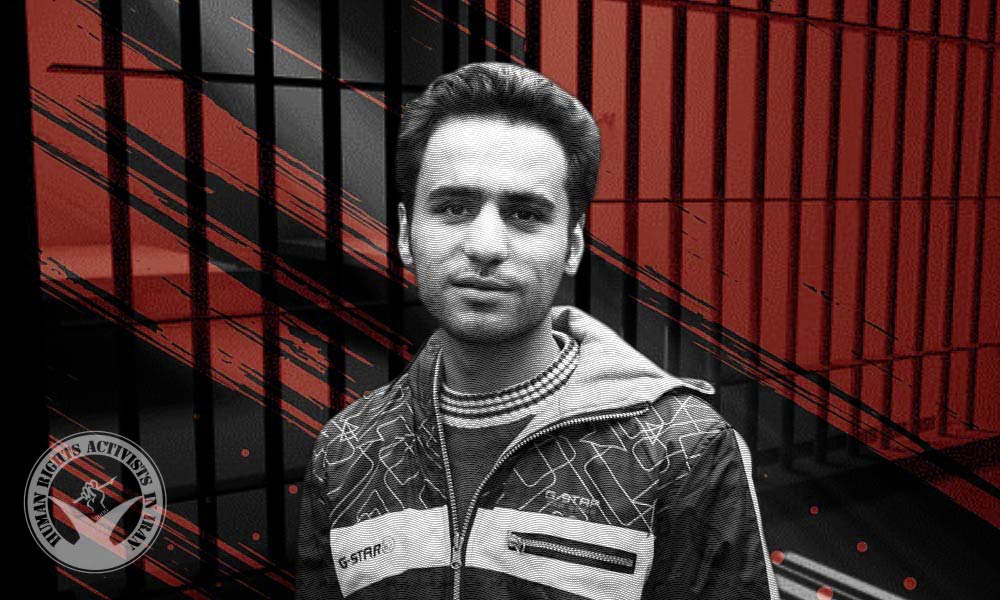
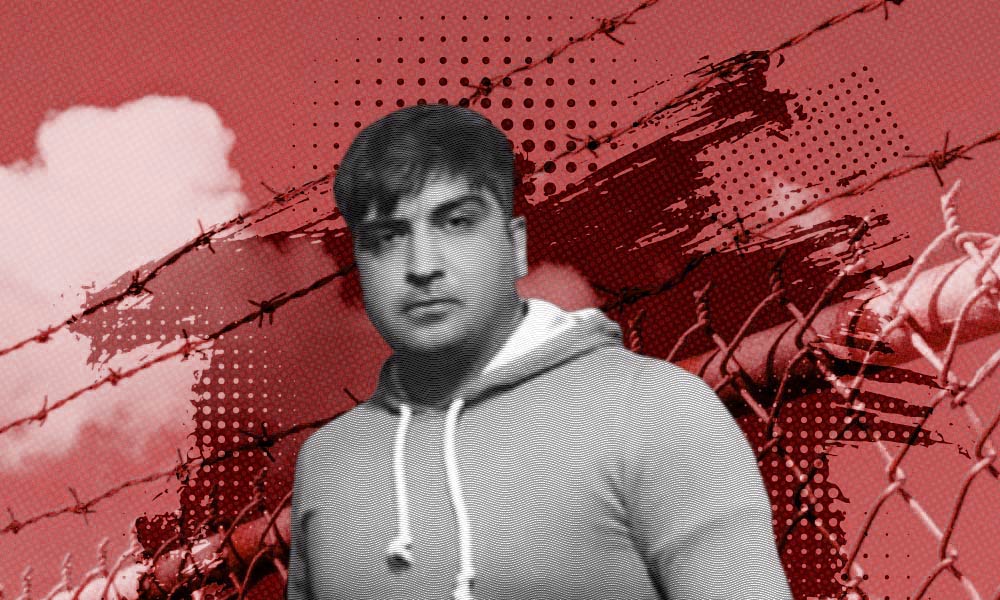
On December 24, imprisoned juvenile offender Abolfazl Shaabani lost his life under suspicious circumstances in Amol Prison. Shaabani was sentenced to death at age 16 for murder, but was able to recompense the victim’s family and was saved from execution.

According to HRANA, the news agency of Human Rights Activists, there is conflicting information regarding the cause of death. According to an informed source close to his family, he was killed during a quarrel in prison. However, another informed source told HRANA that he died by suicide using pills.

Shaabani was buried the next day.

On February 3, 2014, he was arrested for killing one of his friends in a fight. Thereafter, he was sentenced to death and his execution proceeded twice, sending him to the foot of gallows. Shaaabani was able to recompense the victim’s family and at the time of death, was serving time for convictions other than murder.

Political Prisoners in Urmia Prison Still on Hunger Strike After 10 Days

Political prisoners in Urmia Prison are on the tenth day of their hunger strike. Since December 12, about forty-seven political prisoners have been on hunger strike in protest of an order from the prison director that would move them to a new high security ward with insufficient space and poor equipment.

According to HRANA, the news agency of Human Rights Activists, the prisoners went on sit-down strike on December 22nd. They protested before the prison guard office and after a few hours, went back to their ward after prison officer promised to address their demands.

In a shared open letter, these prisoners announced that they would continue their hunger strike until order for their relocation to a new ward is revoked.

According to an informed source, the head of the prison had announced that within two next weeks, they will be transferred to a newly built high-security ward. Daily time outside will be reduced to two hours.

In Iran’s prisons, hunger strikes are common among prisoners despite causing long-term physical and mental impairment. Hunger strikes are used as a last resort to achieve urgent demands such as unlawful long-term detention without trials, violations of prisoners’ rights and infringement in due process.


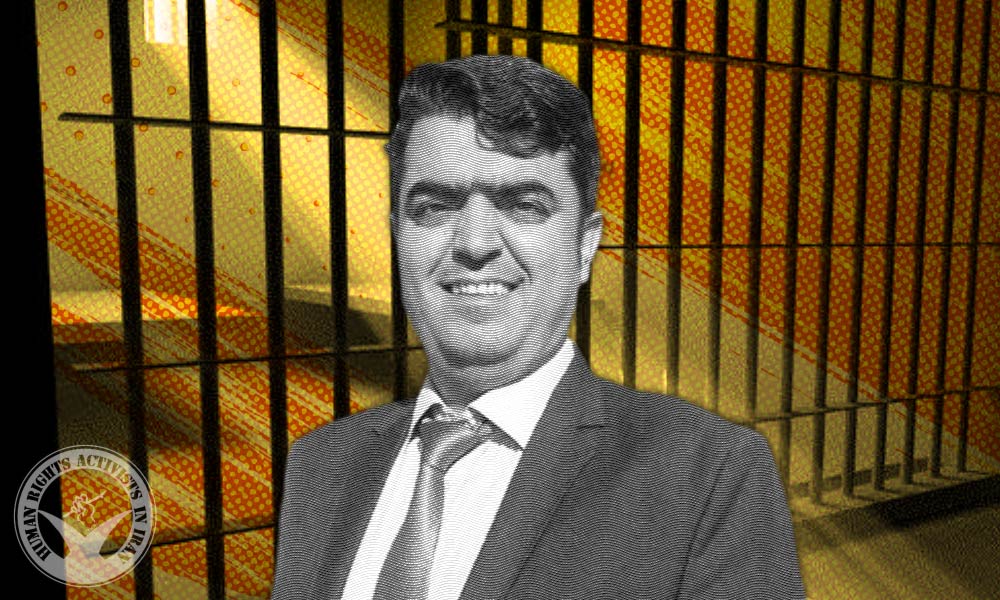
Update on Abdolbaset Orsan’s Condition in Vakilabad Prison

Sunni prisoner Abdolbaset Orsan is currently spending the fifth year of his sentence in Vakilabad Prison, Mashhad City. He has hardly seen his family due to their distance from the prison, the high costs of travel and COVID-related restrictions.

According to HRANA, the news agency of Human Rights Activists, Orsan has been deprived of family visitation. An informed source elaborated that in, “the ward where he is housed, under pretext of COVID-19 regulations, family visitation has long been stopped. The prisoners in other wards, however, can have visitations. Since [Orsan] was the sole breadwinner of his family, his family can hardly afford [to support themselves]”.

On October 8, 2017, Ministry of Intelligence agents arrested and held him for 12 months in solitary confinement in one of their detention centers.

In 2019, Branch 1 of the Revolutionary Court of Mashhad sentenced him to 15 years in prison and fined him 55 million tomans (13090 USD) on the charge of “spreading corruption on earth through acting against national security and collaboration with terrorist groups”. He was acquitted from charges of “armed insurrection against the regime (Baghi)”. In 2020, this verdict was upheld on appeal.

In July, Orsan, along with eight other Sunni prisoners in Vakilabad prison, wrote a letter to Javid Rahman, the UN Special Rapporteur on Iran. The open letter both requested that their cases be investigated and mentioned that their confessions have been extracted under torture and pressure upon their families.

Orsan is a Sunni citizen and a resident of Torbat-Jam. He is married and the father of three children.

Reza Khandan Mahabadi Contracts COVID-19, Is Dispatched to Hospital

On December 21, Reza Khandan Mahabadi, a prisoner of conscience, writer and member of the Iranian Writers Association (IWA) was dispatched from Evin Prison to a hospital outside the prison after his COVID-19 symptoms worsened. Earlier, he and another prisoner of conscience, Baktash Abtin, tested positive. This has raised alarms about the spread of the virus amongst prisoners in Evin Prison.

According to HRANA, the news agency of Human Rights Activists, Mahabadi was hospitalized due to a high fever and other severe symptoms. Abtin was hospitalized earlier in Tehran due to poor health and COVID-19 symptoms.

Mahabadi  was sentenced on May 15, 2019 by Branch 28 of the Revolutionary Court, headed by Judge Mohmmad Mohammad Moghayeseh. His sentence included one year in prison on the charge of “propaganda against the regime” and five years on the charge of “assembly and collusion with the intention of acting against national security”. On September 26, 2020, he was arrested and sent to Evin Prison to serve his sentence.

Mahabadi’s career as a writer kicked off in 1978 with the publication of his book “Local Children”. Some of his works include “Nothing Comes Out of the Sack, But What Was In It”, a seven-volume story collection called “My Favorite Stories”, a collection of research titled “Razi War”, and the 19-volume tale collection “Encyclopedia of Iranian Legends and Fairy Tales” (co-author Ali Ashraf Darvishian).

Political Prisoner Habibollah Latifi Granted Furlough after Fourteen Years Imprisonment.

On December 15, political prisoner Habibollah Latifi was granted furlough on bail in the fourteenth year of his life imprisonment.

According to HRANA, the news agency of Human Rights Activists, quoting Kurdpa, Latifi was finally granted furlough for medical treatment. Reportedly, years of refusal by security and judicial authorities has exacerbated his illness. Sanadaj’s Revolutionary Court agreed to the request after vigorous persuasion from Latifi’s family and lawyer.

Latifi was an engineering student in his final year at the University of Ilam when he was arrested on October 22, 2007. After more than three months of torture and solitary confinement, he was sentenced to death by the Islamic Revolutionary Court in Sanandaj on charges of “enmity against God” and “spreading corruption on Earth” by Judge Hasan Babaei.

His lawyers appealed the sentence but in the winter of that year, the Court of Appeals confirmed his death sentence. The verdict was the referred to the Supreme Court for a final appeal where it was upheld.

Finally, in 2015, in the eighth year of his imprisonment, he was pardoned by the leadership and his death sentence was suspended.

Subscribe to Our Newsletter

Now is definitely not the time to stop reading!

Ahmad Tamouei Freed After Fifteen Years in Prison

Political prisoner Ahmad Tamouei was freed on December 16 after fifteen years in prison, ten months before serving his full sentence. He is currently on furlough and therefore, by court order, will not return to Urmia Prison.

According to HRANA, the news agency of Human Rights Activists, Tamouei was arrested by IRGC’s intelligence unit  on October 24, 2007. He was arrested by in Mahabad City while on a motorbike.

After spending time in a detention facility at the disposal of the IRGC, he was relocated to Mahabad Prison. On December 31, 2007, Branch 1 of the Revolutionary Court sentenced him to 15 years in prison, exiled in Urmia Prison on the charge of “enmity against the God through membership in Kurdistan Free Life Party (PJAK)”. The verdict was upheld on appeal. On September 8, 2008, he was transferred to Urmia Prison where he has been held until now.

Inmate Dead After Hunger Strike and Suicide Attempt in Ilam Prison

On December 1, an inmate in Ilam Prison died of injuries stemming from a suicide attempt and inadequate medical treatment. The day before, the inmate had attempted suicide by pill following a four day hunger strike. After having his stomach pumped in prison healthcare, he was sent back to his ward without any medical supervision.

According to HRANA, the news agency of Human Rights Activists, quoting Kurdpa, the inmate was 30 year old Ruhollah Maleki. His death ultimately resulted from inadequate medical treatment and supervision by prison officials.

Maleki was sent back to his ward while he was still in critical health condition and in need of regular medical supervision. Moreover, he was beaten by prison guards and held in a solitary confinement cell on the second day of his hunger strike.

On March 6, 2013, Maleki was arrested for committing murder. He was sentenced to capital punishment in 2014.

Forty Seven Political Prisoners on Hunger Strike in Urmia Prison

On December 12, 47 political prisoners went on a hunger strike in Urmia Prison to protest against their relocation to a new ward with insufficient space and poor equipment.

According to HRANA, the news agency of Human Rights Activists, reporting information from a close relative of one of these inmates, the head of the prison announced that within two next weeks, they will be transferred to a newly built high-security ward. Daily time outside will be reduced to two hours.

In Iran’s prisons, hunger strikes are common among prisoners despite causing long-term physical and mental impairment. Hunger strikes are used as a last resort to achieve urgent demands such as unlawful long-term detention without trials, violations of prisoners’ rights and infringement in due process.

Two People Arrested by Security Forces in Marivan City

On December 8, two residents of Ney Village in Marivan County were arrested by security forces and transferred to an unidentified location.

According to HRANA, the news agency of Human Rights Activists, quoting Kurdpa, the two citizens were identified as Farugh and Muhammad Nikpay.

The reason for arrest and their whereabouts are unknown at the time of writing.


Growing Concerns About Baktash Abtin’s Health Condition After Hospitalization

On December 8, Baktash Abtin, a prisoner of conscience, writer and member of the Iranian Writers Association (IWA) was hospitalized in Tehran due to poor health conditions and COVID-19 symptoms.

According to HRANA, the news agency of Human Rights Activists, Abtin is currently serving a six-years sentence in Evin Prison. After a few days of hospitalization in prison healthcare he was dispatched from Evin Prison to the Telghani hospital in Tehran.

“A few days ago, he went to [the prison’s] healthcare due to acute fever, severe body aches and feelings of weakness”, commented the Iranian Writers Association (IWA). “After one day, when he did not go back to the ward, his fellow inmates asked prison officials about his condition, but did not receive a proper response. Ultimately, his family found out that he had been hospitalized during prison visitation”.

The IWA expressed grave concerns about Abtin’s health due to his pre-existing lung disease and his risk of contracting COVID-19.

Abtin had previously contracted COVID-19 in March of this year. After four days, he was forcibly sent back to the public ward of Evin Prison despite having a contagious disease.

On June 29, Abtin faced a new legal case while he was in prison. This move was reportedly due to his decision to publicize the news of his illness.

The IWA is an independent group of authors, poets, editors and translators based in Iran which was formed in May 1968 to fight against state censorship. The government has continuously persecuted members of the IWA after the 1979 revolution. In 1998, several IWA members, including opposition politicians Dariush Forouhar and his wife Parvaneh Eskandari, and writers Mohammad Mokhtari and Mohammad Jafar Pouyandeh, were murdered.