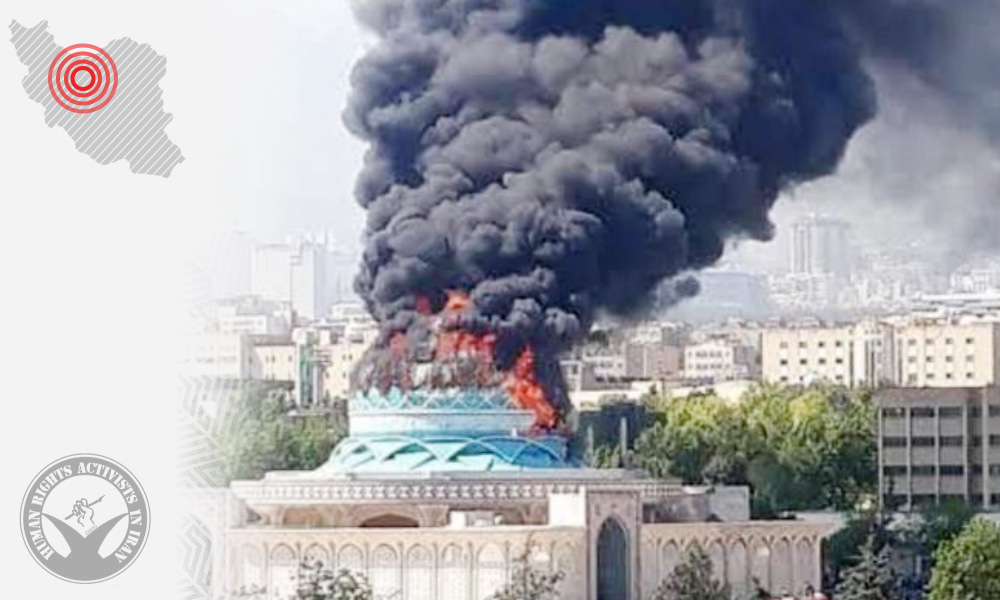
Day Eight: Developments in Ongoing Israeli Attacks

HRANA News Agency – Yesterday, Friday, June 20th, marked the eighth consecutive day of military clashes between Iran and Israel. Since the onset of the conflict, attacks have spread across 25 provinces in Iran. The total number of casualties has reached 3,268, including 722 fatalities and 2,546 injuries.

Geographical Scope and Timeline of Events

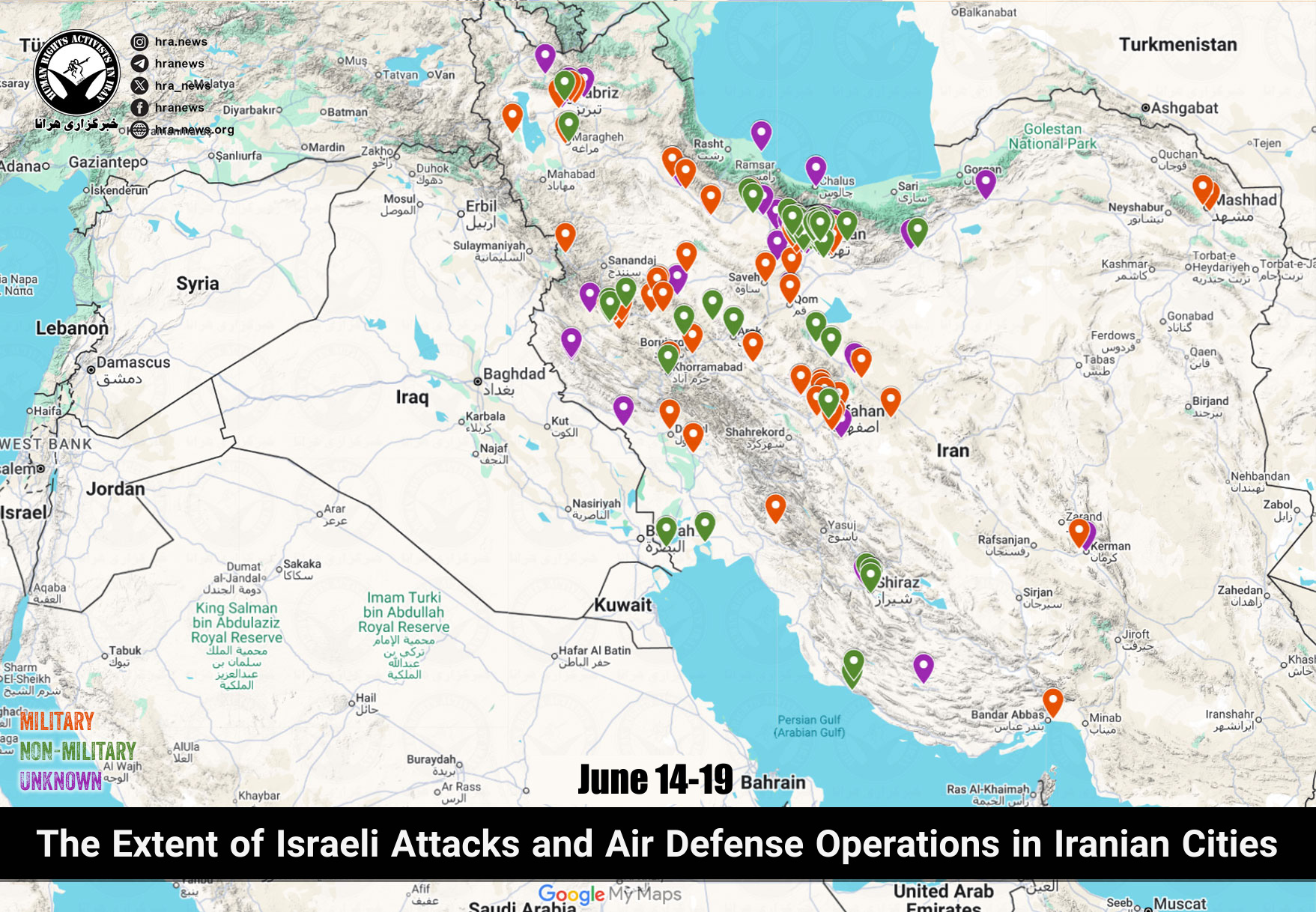
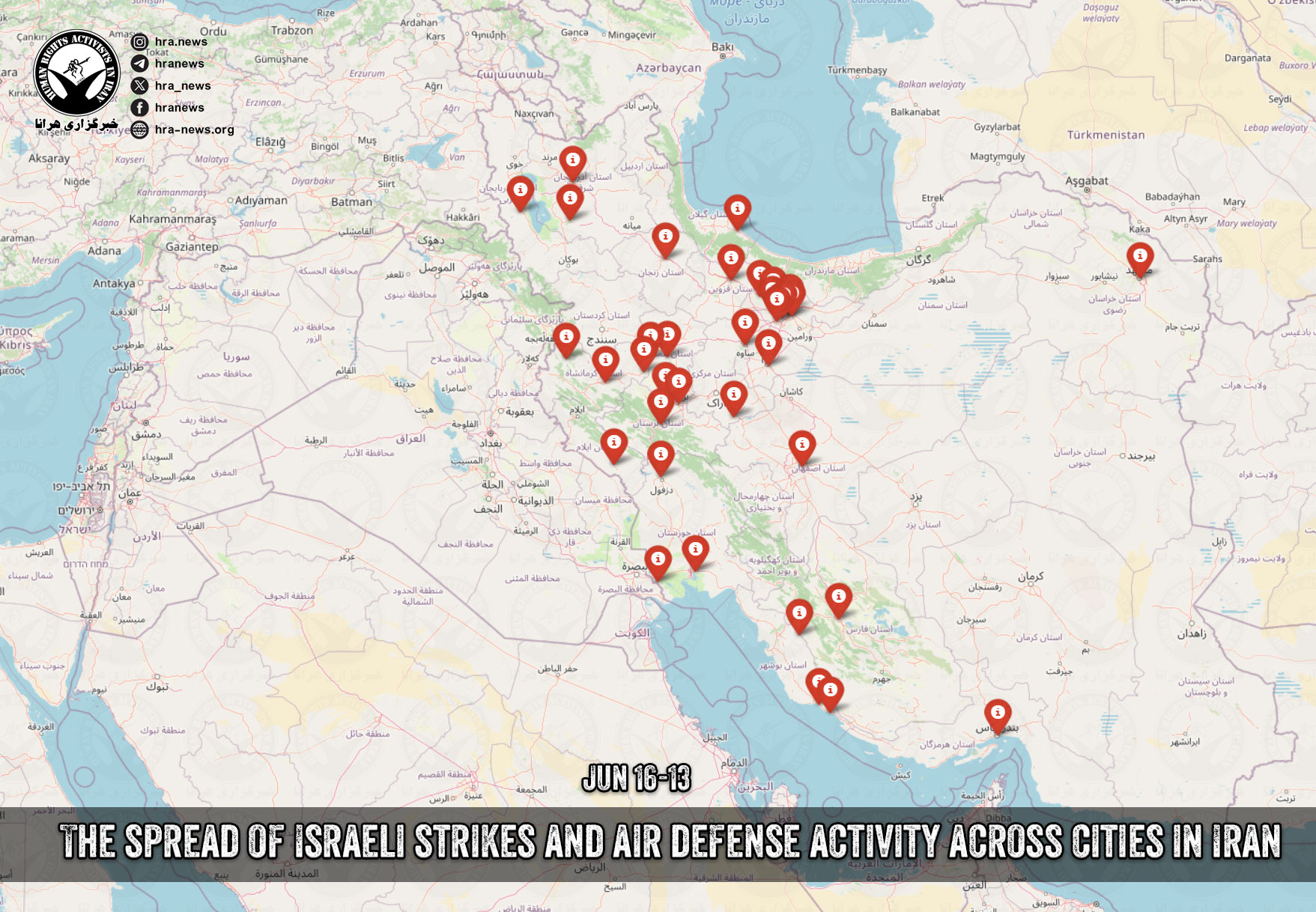
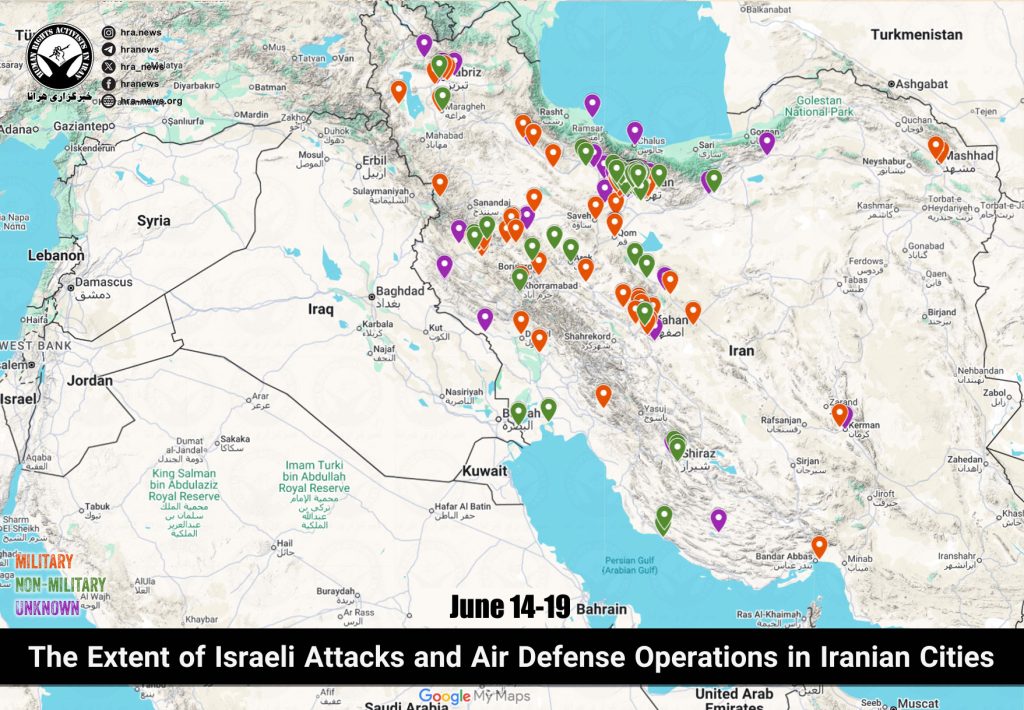
According to documented data on the Israeli attacks against Iran, during the first seven days of clashes (June 13th to June 19th), the strikes covered a wide geographical area, hitting multiple regions across the country. Targets included infrastructure, military and civilian facilities, residential neighborhoods, and industrial sites. Over the past week, the following provinces have been directly affected:

Tehran, East Azerbaijan, West Azerbaijan, Ardabil, Isfahan, Ilam, Kermanshah, Markazi, Hamedan, Fars, Khuzestan, Kurdistan, Alborz, Zanjan, Bushehr, Qazvin, Gilan, Hormozgan, Qom, Razavi Khorasan, Chaharmahal and Bakhtiari, Kerman, Semnan, and Mazandaran.

The number and variety of these provinces indicate that the conflict has not been limited to border regions or specific areas but has extended deep into the country’s interior.

On the eighth day (June 20th), the military attacks continued, this time targeting the provinces of Gilan, Ardabil, Tehran, Alborz, Kermanshah, East Azerbaijan, Khuzestan, Ilam, Razavi Khorasan, and Golestan. The continued attacks on this day demonstrate that the security situation remains critical, with no clear prospects for a rapid de-escalation.

Latest Casualty Figures and Human Losses to Date

Since the start of Israeli attacks on Iran, hundreds of military and civilian individuals have been killed or injured. The military or civilian status of a significant number of the casualties mentioned in this report is still under investigation.

Yesterday, the Ministry of Health announced that over 3,000 people have been injured since the beginning of the military conflict between Iran and Israel.

The Ministry claimed that more than 200 people received on-site treatment, and approximately 450 surgeries have been performed in hospitals so far. According to the Ministry’s statement, around 14 healthcare workers have also been injured, and 2 of them have died.

The Ministry did not comment on the total number of fatalities or whether they were military personnel or civilians.

Additionally, yesterday the Ministry of Sports announced that 24 Iranian athletes have been killed in Israeli attacks; HRANA had previously verified the identities of eight of them.

HRANA’s data, based on its network of volunteers and other non-governmental sources, differs slightly from official figures. After recent updates from newly received documents related to previous days’ casualties and including yesterday’s casualties, the figures are as follows:

▫️Civilians:
Killed: 285
Injured: 344

▫️Military Personnel:
Killed: 198
Injured: 126

▫️Unspecified:
Killed: 239
Injured: 2,076

▫️Total Killed: 722
▫️Total Injured: 2,546
▫️Total Human Casualties: 3,268

Israeli Attacks on Civilian Infrastructure – Day 8

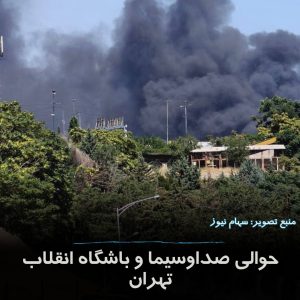
Yesterday, several parts of the country’s infrastructure were attacked. The Technical and Vocational Training Center in Bostanabad County, Sepidrud Industrial Town, and the Miyanrudan Comprehensive Health Center in Kamyaran were among the locations targeted and damaged. The area near Tehran Oil Refinery was also attacked yesterday.

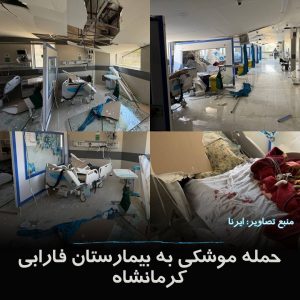
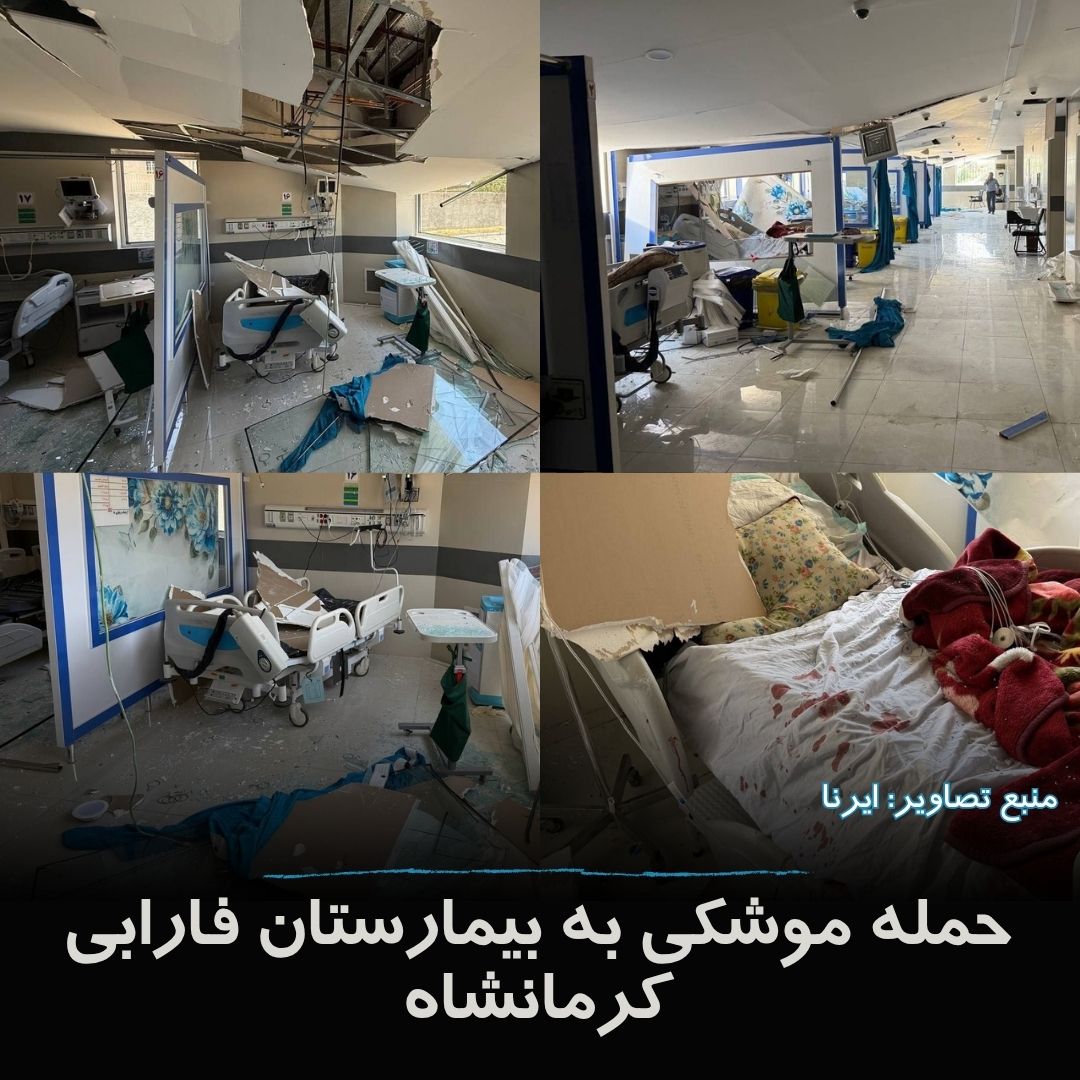
Officials from the Red Crescent and the Ministry of Health announced that so far, five hospitals and several medical centers across the country have been damaged in Israeli airstrikes on Iranian soil. According to these reports, Hakim Children’s Hospital in southwest Tehran, another hospital in Tehran, Farabi Neuropsychiatric Hospital in Kermanshah, the Miyanrudan Comprehensive Health Center in Dinavar District of Kermanshah Province, and another comprehensive health service center have all been hit. Additionally, six emergency ambulances have been put out of service.

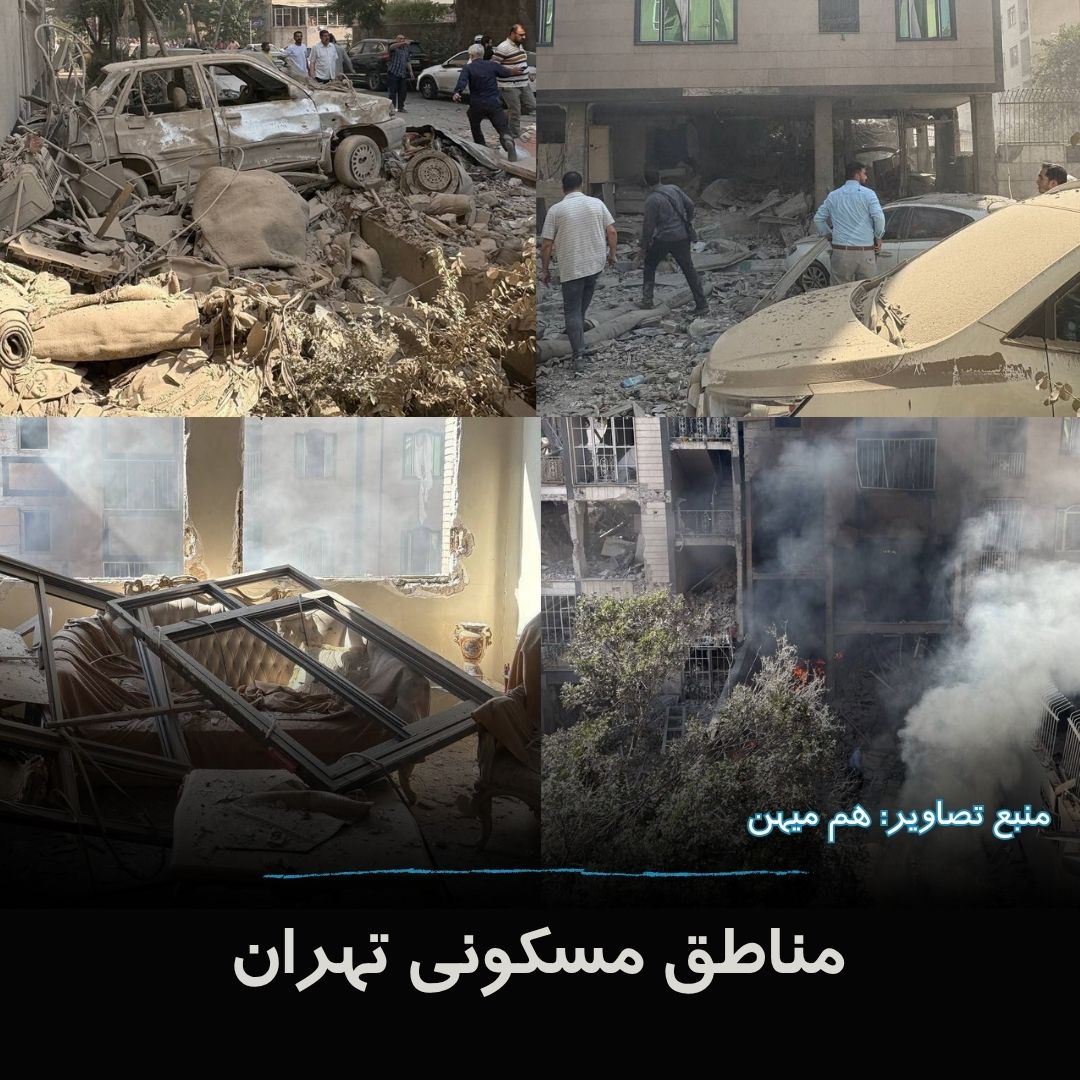
Yesterday, civilian areas in Tehran, Shiraz, Karaj, Kermanshah, Tabriz, Andimeshk, and Mahshahr were struck. Several residential buildings in the Yousefabad and Gisha neighborhoods of Tehran were among the civilian targets.

Also, during the day, air defense clashes with hostile projectiles were reported in the cities of Tabriz, Shahr-e Rey, Kahkirezak, Sabzevar, Damavand, Babol, Babolsar, Bandar Abbas, Isfahan, Kermanshah, Nowshahr, Gorgan, Azadshahr, Shiraz, Mashhad, and Malekshahi.

Methodological Note:
The classification of targeted sites as “military” or “civilian” in this report is based on publicly available information, visible evidence, and testimonies from local residents. Definitive classification of these sites requires access to official documents, satellite imagery, and further analysis, which are currently unavailable. Therefore, these categorizations are temporary and intended to provide a preliminary picture of the situation, not a final judgment on the nature of the targets.

Israeli Attacks on Iran’s Military Infrastructure – Day 8

In addition to civilian areas, military targets were also attacked yesterday.

Missile storage and launch sites in Ardabil, a Revolutionary Guard Corps (IRGC) base in Ahvaz, Bushehr Airbase, a military base on the Shiraz-Marvdasht highway, and the Basij base “Zabihollah Solgi” in Garmdareh were all hit by Israeli attacks.

Arrests and Security Crackdowns

Yesterday, at least 30 individuals were arrested for activities in cyberspace. This includes 9 people in Bushehr Province, 5 in Masjed Soleyman, 2 in Urmia and Mahabad, 3 in Izeh, 1 in Rasht, 4 in Parsabad Moghan, and 6 in Bardaskan.

With these new arrests, a total of 236 Iranian citizens have been detained over the past eight days for online activities and posting content related to Israel’s attacks on Iran.

Security Arrests

Yesterday, according to reports, five people were arrested in Urmia and one person in Tehran on charges of espionage for Israel. The head of the Public Security Police in Hamedan Province announced that 30 individuals have been arrested over the past week in Hamedan for suspected ties with or support for Israel.

Separately, the police commander of Boukan reported the arrest of an individual accused of “disturbing public opinion” by impersonating authorities and knocking on residents’ doors. The prosecutor of Jiroft also confirmed the arrest of seven people, labeling them as “disturbers of public peace.” Additionally, the head of the Judiciary in Bushehr Province reported the arrest of individuals connected to a drone case, without specifying the number.

The police spokesperson also reported the arrest of two foreign nationals in Tehran, claiming they were “agents of the Israeli intelligence service” who had sent the locations of the state broadcaster (IRIB) and a government official’s residence to a contact in Germany prior to an explosion. The IRGC Intelligence Organization in Kohgiluyeh and Boyer-Ahmad Province announced the arrest of a European national who had entered Iran as a tourist during the Israeli attacks and was detained before conducting any intelligence activities. Sensitive site photos were reportedly seized from him.

The IRGC in Qazvin announced that 80 foreign nationals had been arrested at Basij checkpoints for unauthorized movement. Authorities also seized 468 knives, stun guns, sprays, and 30 Kalashnikov bullets. Meanwhile, the Khuzestan Province Prosecutor’s Office stated that since the beginning of the attacks, 41 individuals have been identified and arrested on charges of collaborating with Israel, supporting it, spreading propaganda against the regime, gathering intelligence, and spreading rumors to destabilize public order.

Yesterday, the Secretariat of the Supreme National Security Council issued a statement warning individuals collaborating with Israel that they have until Sunday, June 22nd, to turn in drones, equipment, and weapons to military or police stations to be granted amnesty. The statement warned that anyone arrested after this deadline with such equipment will be treated as spies and collaborators with a hostile state and face the maximum punishment.

Call for Civilian Protection; Human Rights Groups’ Concern

In a joint statement, twenty human rights organizations condemned Israel’s airstrikes on Iran as blatant violations of international humanitarian law, expressing deep concern over the unlawful targeting of civilians and civilian infrastructure. Citing field reports of thousands killed and injured, they called for an immediate ceasefire, global condemnation of the attacks, and independent international investigations. The statement emphasized that targeting residential areas, healthcare centers, and media outlets may constitute war crimes.

The signatories called on countries around the world to act with moral clarity, uphold humanitarian principles, and protect civilians. They warned that failure to address these violations would amount to silent complicity and undermine global norms. Among the signatories were Human Rights Activists in Iran (HRA), Access Now, CIVICUS, and regional networks advocating for women’s and digital rights.

Communications Disruptions and Secondary Consequences

From the first day of the attacks, the Minister of Communications claimed that due to “special national circumstances,” internet access was temporarily restricted. However, these restrictions intensified, and since Wednesday, Iranians have faced severe disruptions to global internet access. yesterday, “NetBlocks,” a global internet monitoring organization, reported that widespread internet outages in Iran have entered their third day. According to their data, Iran has been mostly offline for more than 48 hours, causing serious disruptions in communication.

The WhatsApp messaging platform was re-blocked from the onset of the military conflict, and with ongoing internet outages, other global social media platforms have also become inaccessible to Iranian users.

The Ministry of Communications and Information Technology issued a statement yesterday, announcing that Iranians abroad can now communicate with family members inside Iran through domestic messaging platforms such as “Bale,” “Rubika,” “Eitaa,” “Soroush,” and others.

It is worth noting that last week, Iran’s state broadcaster (IRIB), which holds a monopoly on radio and television programming, urged Iranian citizens to delete WhatsApp and Instagram from their phones, claiming these apps steal user data and cooperate with Israel.


Outskirts of Tabriz

Outskirts of Tabriz

Sepidrud Industrial Town, Rasht

Technical and Vocational Training Center,
Bostanabad County

A medical facility

A building on Yazdanpanah Street, Tehran
AhvazA building in Garmdareh,
Alborz Province
Mountains surrounding Shiraz

Shahrara neighborhood, Tehran

A building on Marzdaran Street, TehranBushehr
Lavaizan area, Tehran

Near Bagheri Town in western Tehran

Nobonyad neighborhood, Tehran
Gisha neighborhood, Tehran

Mianrudan Health Center in Kermanshah Province

Hundreds Killed and Injured: A Look at a Week of Israeli Attacks on Iran

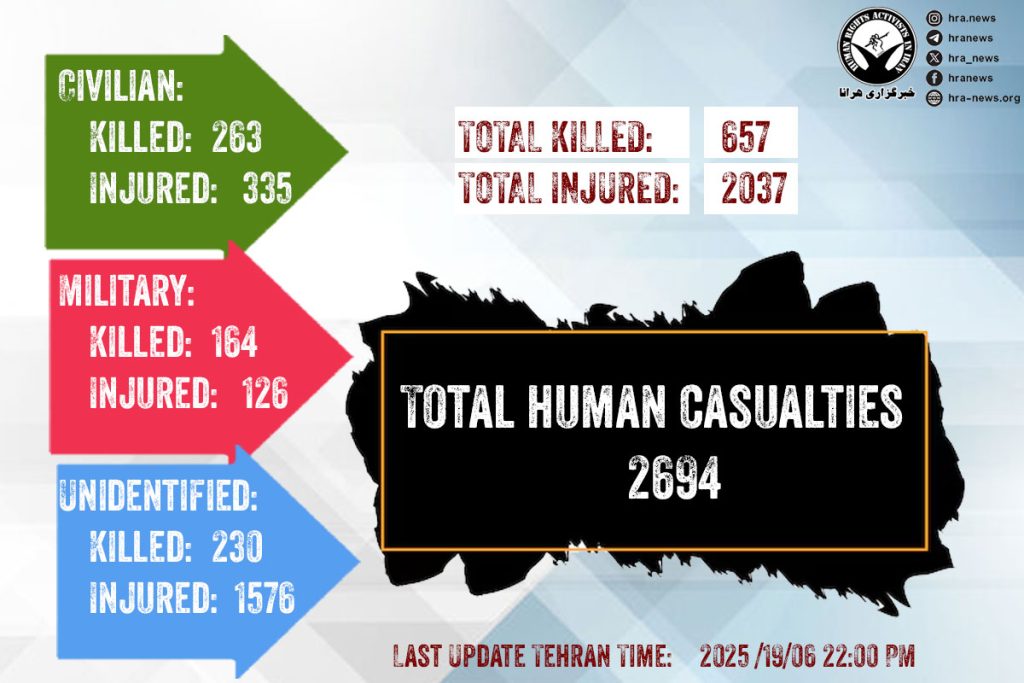
HRANA News Agency – On June 19, the seventh day of military conflict between Iran and Israel, airstrikes on military and civilian infrastructure continued across various parts of Iran. At least two people were killed in yesterday’s attacks. Including yesterday’s casualties, the total number of deaths and injuries since the morning of Friday, June 13 (23 Khordad) has reached 2,694, consisting of 657 killed and 2,037 injured.

Over the past week, Israeli attacks have expanded to 21 provinces across the country, severely disrupting the daily lives of millions of Iranians. Banking systems, transportation, communications, and healthcare services have been disrupted. Citizens are facing shortages of goods, long queues, rationing, and widespread anxiety. Afghan migrants, patients, the elderly, and even pets have not been spared from the consequences of the crisis. Simultaneously, widespread internet outages, cybersecurity attacks, lack of transparent information, and ongoing security-related arrests have intensified public distrust and anxiety.

Geographic Scope and Timeline of Events

On the first day of attacks, several infrastructures and facilities in the provinces of Tehran, East Azerbaijan, West Azerbaijan, Ardabil, Isfahan, Ilam, Kermanshah, Markazi, Hamedan, Fars, Khuzestan, and Kurdistan were targeted.

On the second day, attacks extended to the provinces of Lorestan, Kermanshah, East Azerbaijan, Alborz, Zanjan, Hamedan, Tehran, Bushehr, Qazvin, Fars, Khuzestan, Gilan, Hormozgan, Isfahan, and West Azerbaijan.

On the third day, Israel attacked the provinces of Tehran, Alborz, Isfahan, Kermanshah, Fars, Alborz, and Razavi Khorasan.

On the fourth consecutive day of Israeli military attacks on Iranian soil, several energy infrastructures, military installations, and residential areas in the provinces of Ilam, Kermanshah, Tehran, Qom, Hamedan, Khuzestan, Zanjan, Alborz, Markazi, East Azerbaijan, Kurdistan, and Fars were targeted.

On the fifth day, the provinces of Tehran, Isfahan, East Azerbaijan, Alborz, Markazi, Qazvin, Khuzestan, Hormozgan, West Azerbaijan, Razavi Khorasan, Kurdistan, Kermanshah, Chaharmahal and Bakhtiari, Hamedan, Bushehr, and Kerman continued to be attacked by the Israeli military. On this day, the spokesperson for the Red Crescent, without specifying the names of the affected provinces, stated: “Since the beginning of Israeli attacks, 21 provinces have been involved.”

According to HRANA’s report, on Wednesday, June 18 (28 Khordad), several infrastructures and facilities in the provinces of Zanjan, Fars, Tehran, Isfahan, Hamedan, Alborz, East Azerbaijan, Semnan, Kermanshah, Mazandaran, Khuzestan, Ilam, Qom, Bushehr, Gilan, and Qazvin were targeted. As in previous days, Tehran remained the primary target of the attacks.

Yesterday, Thursday, June 19 (29 Khordad), marks the seventh day of military conflict between Iran and Israel. On this day, infrastructures and facilities in the provinces of Markazi, Isfahan, Tehran, Fars, Alborz, Kermanshah, Kerman, and Lorestan were attacked by the Israeli military.
Military Equipment and Scope of Attacks

During the first three days of the conflict, the Israeli army announced that it had conducted over 720 airstrikes and targeted more than 60 locations. On the fifth day of attacks, Israel claimed that in three new waves of strikes, it had hit at least 40 targets.

In the investigations conducted by human rights groups, the principle of proportionality in the laws of war holds particular significance. This proportionality includes various aspects, such as the proportionality between targets and weapons. Based on information collected from reliable sources, the Israeli military has employed the following weapons in its attacks:

 
WeaponTypeModel/VariantDescription & Role
1HaropLoitering attack drone– (IAI Harop)Autonomous kamikaze drone that loiters and dives onto targets (especially radars). Used to suppress Iranian air defenses and communications by homing in on radar emissions.
2HarpyLoitering anti-radar drone– (IAI Harpy)Anti-radiation loitering munition designed to seek and destroy enemy radars. Older, fire-and-forget drone that crashes into SAM radar emitters. Complemented Harop in knocking out Iran’s SAM sites.
3F-35I “Adir”Stealth multirole fighterF-35I (Israel variant)5th-gen stealth fighter jet with Israeli electronics. Penetrated Iranian airspace undetected to lead initial strikes, targeting air defenses, command centers, and nuclear sites with precision munitions.
4F-15I “Ra’am”Strike fighter-bomberF-15I (Israel variant)Long-range heavy fighter(F-15E variant) carrying large payloads (bunker busters, etc.). Non-stealth, but high payload and range; used to bomb hardened sites like Natanz once air defenses were down.
5F-16I “Sufa”Multirole fighterF-16D Block 52+ (Israel)Versatile fighter jetwith conformal fuel tanks for extended range. Dropped guided bombs (e.g., SPICE, JDAM) on a wide array of targets (missile launchers, bases, leaders). Backbone of strike force.
6DelilahAir-launched cruise missile– (IMI Delilah)Standoff cruise missile (loitering munition) with ~250 km range. Can loiter and be retargeted in flight. Used to surgically strike mobile or well-hidden targets (radars, convoys) from afar.
7RampageAir-to-surface guided missile– (Elbit Rampage)Supersonic guided strike missile(air-launched rocket) designed to penetrate bunkers and hit high-value targets at long range. Difficult to intercept due to high speed.
8Blue SparrowAir-launched ballistic missile (ALBM)– (Blue Sparrow target missile)Air-dropped ballistic missileused as a pseudo-weapon. Released from aircraft to strike like a short-range ballistic missile. Provided Israel a way to hit distant hardened targets quickly.
9LORAShort-range ballistic missileLORA (IAI)Surface-launched ballistic missile(ground/ship) with ~400 km range and 10 m accuracy. Carries a 570 kg warhead. Used to hit fixed strategic targets (bases, infrastructure) at long range in opening salvo.
10SPICE-1000/2000Precision glide bomb kitSPICE family (Rafael)Electro-optical/GPS guided bombs(1000 lb or 2000 lb) that glide to target. Extremely accurate (<3 m CEP). Used to destroy buildings, runways, and other fixed targets with minimal collateral damage.
11JDAM BombsGPS-guided bomb (kit)GBU-31 JDAM etc.Joint Direct Attack Munition – a guidance kit for 500–2000 lb bombs using GPS/INS. Turns “dumb” bombs into all-weather smart bombs (~5–10 m accuracy). Formed a large portion of munitions dropped on Iranian targets.
12GBU-39 Small Diameter BombGuided glide bombGBU-39/B SDB I250 lb glide bombwith GPS guidance and pop-out wings (range ~110 km). Small warhead for pinpoint strikes on SAM sites, launchers, etc. Allows multiple bombs per aircraft hardpoint.
13GBU-28 “Bunker Buster”Laser/GPS guided bombGBU-28/B5,000 lb deep-penetration bombdeveloped to destroy heavily fortified underground facilities. Can penetrate dozens of feet of concrete/earth. Deployed by F-15I against Iran’s buried nuclear sites (e.g. Natanz).
14Spike Anti-Tank Guided MissileATGMAn advanced anti-tank missile developed by Israel’s Rafael company, featuring fire-and-forget capability. Using optical and thermal guidance, it can accurately target armored vehicles, military transport vehicles, and even light fortifications. In these operations, long-range variants of the missile have been used to destroy vehicles and buildings.

Latest Statistics on Casualties and Human Losses So Far

Since the beginning of Israel’s attacks on Iran, hundreds of military and civilian citizens have been killed or injured. The military or civilian status of a significant number of the casualties mentioned in this report is still under investigation.

The spokesperson for the Ministry of Health announced that since the onset of the military conflict between Iran and Israel, more than 2,500 of the wounded have been admitted to public and university hospitals. According to Hossein Kermanpour, of this number, about 1,600 have received outpatient treatment, and nearly 500 remain hospitalized. Additionally, 380 specialized surgeries have been performed on the injured so far.

This official did not comment on the number of fatalities or whether the deceased were military or civilian.

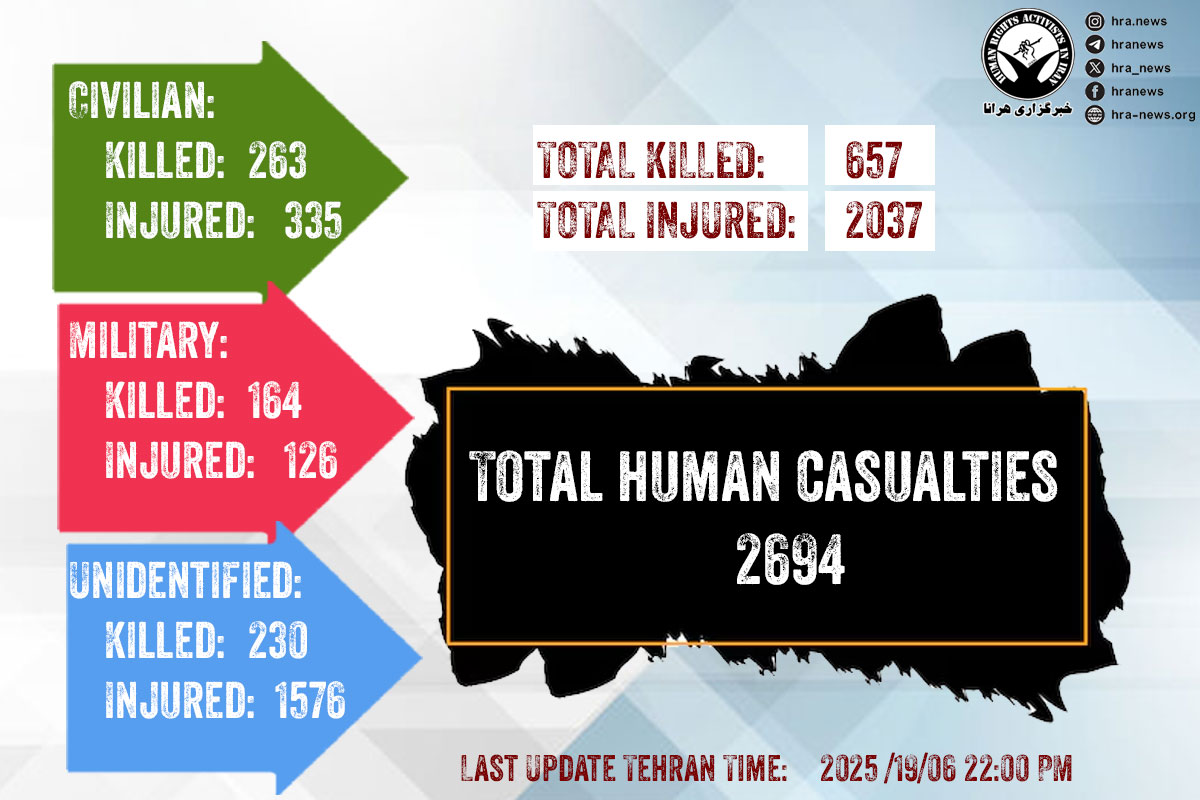
The statistics provided by HRANA, based on its network of volunteers and other non-governmental groups, show slight differences due to updates from newly received documents related to casualties in recent days, as well as the inclusion of yesterday’s two military deaths in the city of Abhar, Zanjan Province. The breakdown is as follows:

▫️Civilians:
Killed: 263
Injured: 335

▫️Military Personnel:
Killed: 164
Injured: 126
▫️Unspecified:
Killed: 230
Injured: 1,576

Total Fatalities: 657
Total Injuries: 2,037
Total Human Casualties: 2,694
During one week of Israeli military attacks on different regions of Iran, children — as one of the most vulnerable groups in society — have suffered extensive harm. Local sources and hospital reports indicate that a number of children have lost their lives due to the bombing of residential areas, seizures caused by fear, or injuries from collapsing debris. Some children, suffering from severe anxiety triggered by the repeated sounds of explosions, experienced seizures and died due to the lack of immediate medical care.

On the first day of the attacks, the Islamic Republic of Iran Broadcasting’s news network announced that dozens of people in Tehran, including 35 women and children, had been injured following the Israeli strikes.

On Monday, June 16 (26 Khordad), the government spokesperson stated that in the first four days of Israeli army attacks, 153 women and children had been injured and 58 had been killed. According to him, among the fatalities was a pregnant woman who died along with her seven-month-old fetus.

Some state-run newspapers, referring to the psychological toll of war on children, reported instances of infants and children dying from seizures and severe injuries in medical centers. According to these reports, infants transferred to hospitals showed no vital signs, and some died after several days due to the severity of their injuries. However, these reports did not provide precise statistics on the number of child casualties and injuries over the past week.

While many areas are facing shortages of medicine, power outages, and an overwhelmed healthcare system, children have been deprived of even basic medical and psychological support. School closures, loss of parents or family members, and lack of safe shelters have created a critical psychological situation for many children.

yesterday, images and videos circulated on social media showing the evacuation of the “Ameneh Infant Care Center” by Welfare Organization staff and the transfer of infants and children to another location. This operation took place on June 16 (26 Khordad) following an Israeli military warning to evacuate Tehran’s District 3.

These events once again highlight the urgent need for the international community to address the humanitarian dimensions of the conflict and to protect children during wartime.

The table below contains the verified identities of some of the children who have been injured or killed in recent attacks. Further information and identification of affected children are still under investigation.


ProvinceCityDateKilledInjuredAgeIdentityNeighborhood / Location
1TehranTehranFriday, June 13112 years oldAmirali AminiMahallati Street
2TehranTehranFriday, June 13116 years oldParham AbbasiSattarkhan neighborhood
3UnspecifiedUnspecifiedUnspecified (between June 13–14)12 years old
4TehranTehranFriday, June 13110 years oldMahya (Mahia) Nikzad
5TehranTehranUnspecified (between June 13–14)1Heida Zeinali
6TehranTehranUnspecified (between June 13–14)1Ayma Zeinali
7TehranTehranFriday, June 1319 years oldBaran Eshraghi
8TehranTehranFriday, June 13105 years oldFatemeh Zakarian
9TehranTehranFriday, June 1317 months oldZahra Zakarian
10TehranTehranUnspecified (between June 13–14)111 years oldSoheil Katouli
11TehranTehranSaturday, June 14117 years oldSeyed Hamidreza Sedighi SaberSattarkhan neighborhood
12UnspecifiedUnspecifiedUnspecified (between June 13–16)13 years old
13TehranTehranUnspecified (between June 13–16)18 years oldTara Haji MiriPatrice Lumumba Street
14IsfahanNajafabadWednesday, June 17113 years old
15IsfahanNajafabadWednesday, June 17110 years old
16TehranTehranFriday, June 13112 years oldMotahareh NiyazmandChamran Residential Complex
17TehranTehranFriday, June 13111 years oldMohaddeseh AghdasiChamran Residential Complex
18TehranTehranFriday, June 1319 years oldMohammadreza AghdasiChamran Residential Complex
19TehranTehranFriday, June 13113 years oldMersana BahramiChamran Residential Complex
20UnspecifiedUnspecifiedFriday, June 1318 years oldMohammad Hossein KhakiChamran Residential Complex
21TehranTehranFriday, June 13110 years oldFatemeh NiyazmandChamran Residential Complex
22TehranTehranFriday, June 13112 years oldAlireza NiyazmandChamran Residential Complex
23TehranTehranFriday, June 1319 years oldZahra Bahman AbadiChamran Residential Complex
24TehranTehranFriday, June 1315 years oldHanieh Bahman AbadiChamran Residential Complex
25TehranTehranFriday, June 1312 years oldMohammad Ali Bahman AbadiChamran Residential Complex


The Shadow of War Over Daily Life: From Collapsed Services to People’s Desperation

As the unrest enters its seventh day, the civilian aspects of Israel’s military attacks on Iran have become increasingly apparent. Now, not only the targeted areas but vast regions of the country are suffering from the cascading effects of the crisis, including shortages of essential goods, disruptions to urban services, and abandonment of vulnerable groups. Field reports and citizen accounts received by HRANA paint a worrying picture of a growing humanitarian disaster and the inability of support structures to respond effectively.

Financial Crisis Amid War: Banks Unable to Operate

With the expansion of the conflict, disruptions in banking services and a shortage of cash have become serious challenges for citizens. Many bank branches have imposed a cash withdrawal limit of one million tomans (about $20 USD), which is insufficient for basic family expenses. Numerous ATMs are empty, and the inability to make online purchases has made it difficult for citizens to acquire essential goods. Simultaneously, cyberattacks on banking systems — especially on Sepah Bank and Pasargad Bank — have caused widespread financial paralysis and confusion.

Many citizens, needing cash to cover basic necessities or to leave affected cities, have been unable to access funds, compounding their hardships.

Transportation Collapses; Travel Costs Skyrocket

Public transportation in many affected areas has nearly shut down. Intercity travel has sharply declined due to a shortage of vehicles and skyrocketing fares, making travel impossible for many. According to one Tehran resident, the cost for a family of three to travel to Gilan province has reached eight million tomans — far beyond what most families can afford.

Abandoned in Crisis: The Isolation of the Elderly, the Sick, and the Disabled

In wartime conditions, the elderly, the sick, and people with disabilities have been left isolated. Numerous messages indicate that many of these individuals remain alone and unattended in their homes. Healthcare services face shortages of essential medications and disruptions in the treatment of chronic diseases, endangering the lives of thousands.

Intensified Livelihood Pressure: Rationing, Queues, and Rising Prices

As supply chains break down, stores face empty shelves, closures, or rationing of essential goods. Reports mention the rationing of items such as sanitary products, bread shortages, and street disputes over food. At the same time, prices of essential goods have doubled on average in less than a week.

Forced Labor Under Fire: No Protection for Workers

Despite security warnings and evacuation orders, some workshops and factories in high-risk areas continue operations. Workers, without legal protection and directly exposed to attacks, are forced to keep working. Field reports indicate that even during the early hours of bombardment, mandatory shifts were not canceled.

Afghan Migrants: On the Margins of Danger and Defenseless

Afghan migrants living in Iran are experiencing even harsher conditions. In addition to the direct threat of war, some face accusations such as espionage or denial of access to shelters and emergency aid. This situation has placed them in a double bind of discrimination and vulnerability.

Abandoned in Ruins: Pets, the Silent Victims

The lack of support infrastructure has made caring for pets extremely difficult under crisis conditions. Many citizens have been forced to abandon their animals or remain in unsafe areas because they are unable to transport them. This adds emotional and practical burdens to pet owners.

Conscripts: The Silent Forces on the Frontlines

Conscripts, who often have no operational responsibilities, have been forcibly kept at high-risk military sites during the war. Reports indicate a reduction in professional military staff at some bases and an increase in mandatory shifts for conscripts. Some conscripts have been killed in recent attacks, but official media have refrained from reporting their names or statuses.

Cut Off from the World: Communication Isolation and Family Anxiety

Internet outages and communication restrictions, especially in central regions, have completely severed family contacts with loved ones abroad. Families with members living in Europe, Canada, or neighboring countries are left in total uncertainty and anxiety.

Official Silence Amid Threats: No Guidance on Safety or Contamination Risks

State media continue to focus on military and propaganda activities without providing safety instructions or guidance for citizens. While global concerns grow over potential nuclear contamination, residents near sensitive facilities have been left without any training or official information, relying solely on social media and stressful personal communications.
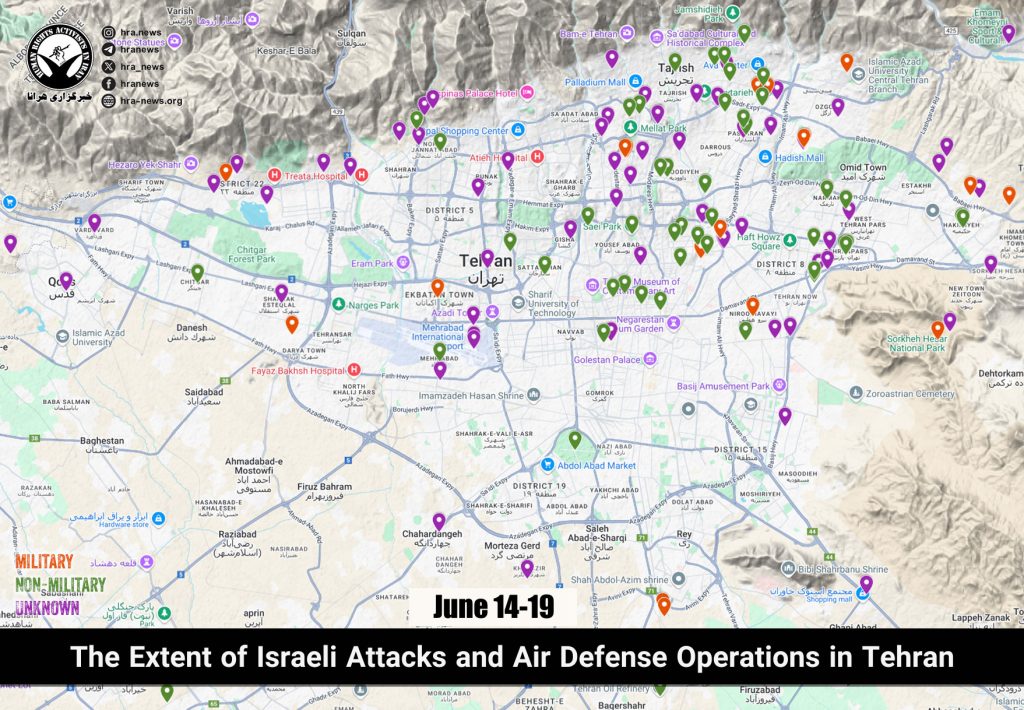
Israeli Attacks on Iranian Civilian Infrastructure

In the first two days of Israeli attacks on various parts of Iran, numerous civilian, industrial, and medical facilities were targeted. In Tehran, one projectile struck the exterior of Hakim Children’s Hospital, which, according to the Deputy Director of the University of Medical Sciences, resulted in no casualties. In Ilam, the Musian Fire Department building was hit, and in Borujerd, the Farda Motors automobile factory was targeted, leading to massive fires and casualties. In Qazvin, the Alborz Industrial Park was struck, while in Tabriz, areas near the petrochemical facility were bombed. Explosions were also reported in Ashtianan (Lorestan province) and parts of Kermanshah.

In Bushehr, an Israeli drone targeted the Fajr Jam Refinery, which processes gas from the South Pars gas field — marking the first attack on Iran’s energy infrastructure during this conflict. Simultaneously, defensive and military activities were reported in cities such as Tabriz, Malard, southern and central Tehran, Pasteur, Chaldoran, Ahvaz, Urmia, Bukan, Bandar Abbas, Naqadeh, Shahroud, Isfahan, Maragheh, Ouramanat, Javanrud, Mashhad, Ravansar, and Shahr-e Rey (Fadaiyan-e Islam district).

The attacks on Iran’s civilian areas continued into the third day, Sunday, June 15 (25 Khordad), damaging civilian infrastructure in Tehran, Isfahan, Shiraz, Mashhad, Kermanshah, Kordan, Garmdareh, Baharestan, Bagher Shahr, and Kahrizak. Among the damaged targets were oil depots in Shahran, western and southern Tehran, MAPNA factory, SAIRAN, KAICO Kermanshah Company, Mashhad Airport, student dormitories in Keshavarz Square, various energy facilities, and one building associated with the Ministry of Foreign Affairs.

In Tehran, the most severe damage and defensive clashes were reported in neighborhoods such as Niavaran, Tehranpars, Mirdamad, Pasteur, Ekbatan, Saadatabad, Farmanieh, Shahran, and many others.

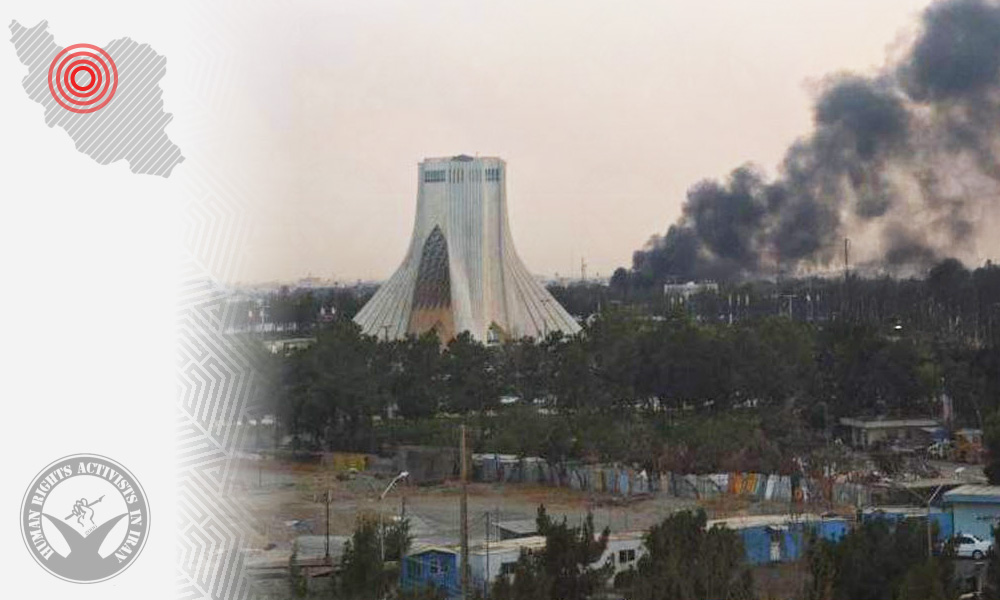
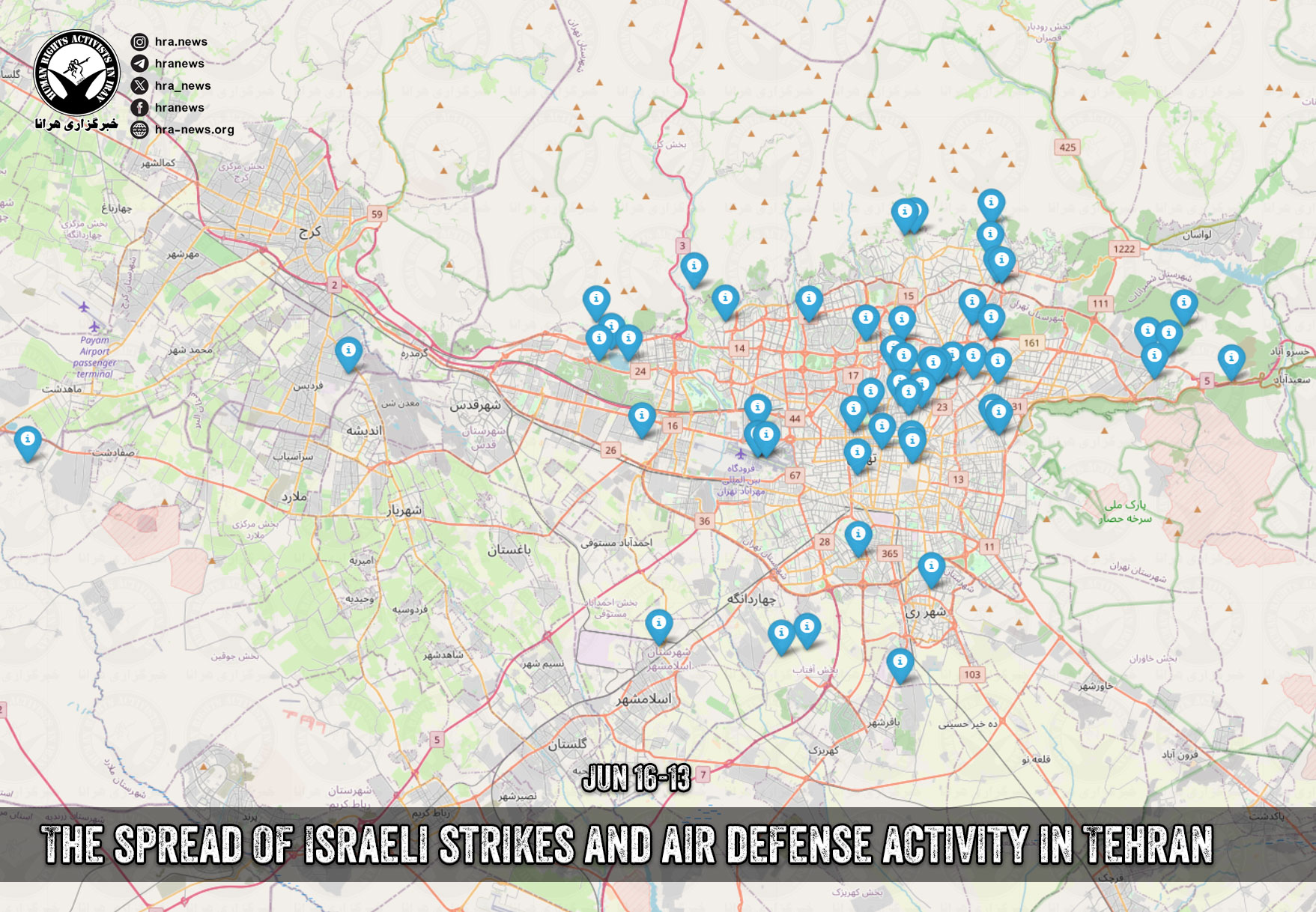
On Monday, June 16 (26 Khordad), the fourth consecutive day of conflict, Israeli attacks again targeted several civilian infrastructures. On this day, air defense engagements were reported in Bushehr, Qeshm, Bandar Abbas, Dehloran, Natanz, Tehran, Sanandaj, Tabriz, Kermanshah, Ahvaz, Bandar Anzali, Bostan Abad, Marand, and Malayer. Tehran experienced the highest number of attacks among all affected provinces. In and around Tehran, targeted areas included Khalazir village, Shahrak-e Gharb, Bidganeh, Vavan, Bagheri, Olympic Village, Mehrabad Airport vicinity, Azadi Square, Tehranpars, and the IRIB (state broadcaster) building.

On the fifth day, civilian and infrastructure targets in Tehran, Kashan, Tabriz, Nazarabad, Zarandieh, Khomein, Qazvin, Najafabad, Ardestan, Shahin Shahr, and Naein were hit. Targets included the IRIB building in Tehran, the Nazarabad Industrial Park, and Zaviyeh Industrial Park, as well as civilian areas such as Piroozi Street, Majidieh, Andarzgoo, Sablon Square, Velenjak, Pasdaran, Elahiyeh in Tehran, and Velayat town in Qazvin.

On the sixth day, civilian and infrastructure targets in Tehran, Ilam, Fardis, Karaj, Shahr-e Qods, Chalous, Tabriz, Shahroud, Zanjan, Qazvin, Abhar, and Shahriar were attacked. Damaged sites included the Parsian Resources Research Center in Zanjan, Tehran Nuclear Research Center, Ilam Petrochemical Complex, airports in Kermanshah, Tabriz, and Karaj, fuel storage facilities in Alborz province, and the TESA centrifuge production facility in Karaj.

In Tehran, numerous neighborhoods and areas were hit, including Piroozi, Sabalan, Sayad, Punak, Garmdareh, Bagheri Highway, District 18, Damavand Street, Lavasan Road, Aghdasieh, Jordan, Kurdistan Highway, Vanak, Kavoosieh, Nobonyad, Seoul Street, District 22, Chitgar, Shahran, Phases 2 and 8 of Pardis, Sadr Highway, Babayi Highway, Tehranpars, Afsariyeh, Simon Bolivar, and Lavizan.

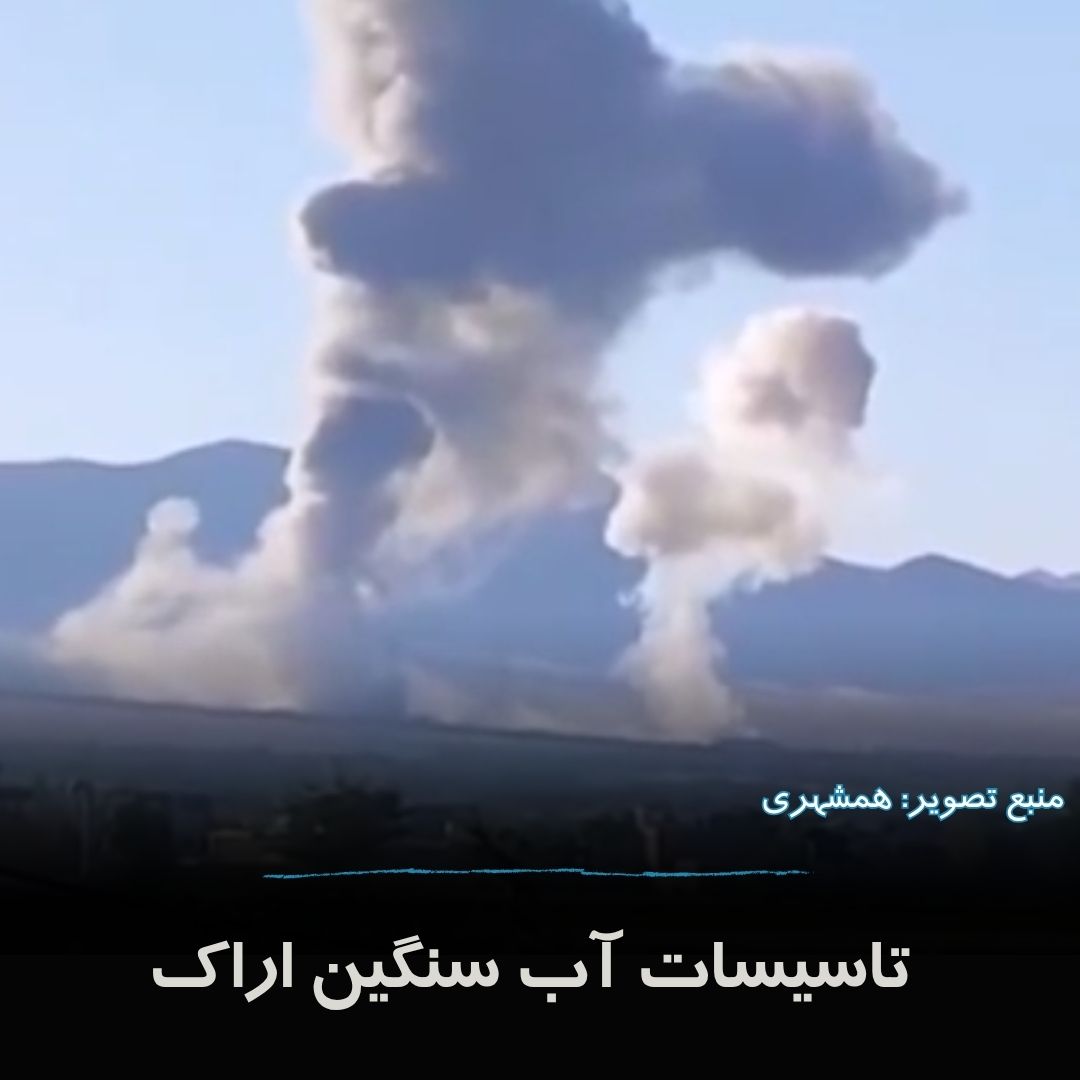
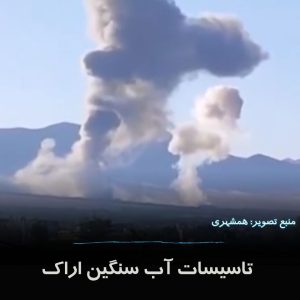
yesterday, Thursday, June 19 (29 Khordad), marks the seventh consecutive day of military conflict between Iran and Israel. Civilian targets were again hit in cities including Tehran, Isfahan, Shiraz, Kermanshah, and Kerman. Notably, yesterday’s strikes damaged the Khondab Heavy Water Reactor, the Arak plutonium production facility, and the Natanz nuclear site.

Methodological Note: The classification of targeted locations in this report as “military” or “civilian” is based on publicly available information, visible indicators, and testimonies from local residents. A definitive determination of the nature of these sites requires further verification through official documents, satellite imagery, and comprehensive analysis, which are currently not accessible. Therefore, this categorization is provisional and intended to provide an initial overview rather than a conclusive judgment about the nature of the targets.

Israeli Attacks on Iran’s Military Infrastructure

Over the past week, alongside civilian areas, numerous military infrastructures in Iran have been targeted by the Israeli army. In the first two days, military infrastructures in various cities were struck, including Tabriz, Malard, southern and central areas of Tehran, Pasteur neighborhood in Tehran, Chaldoran, the airspace near Ahvaz Steel Industries, Urmia, Bukan, Bandar Abbas, Naqadeh, Shahroud, Isfahan, Maragheh, the Ouramanat region, Javanrud, Mashhad, Ravansar, Malard, and Fadaiyan-e Islam district in Shahr-e Rey. Attacks were also reported on military bases and facilities such as the 2nd Tactical Air Base in Tabriz, Imam Ali Garrison in Khorramabad, the IRGC missile booster parts factory in Shamsabad (Tabriz), Imam Hassan Garrison in Mahidasht, the Isfahan nuclear site, and the Natanz nuclear facility.

On the third day of the conflict, Israeli forces targeted the Ministry of Defense, the Organization for Defense Innovation and Research, IRGC bases, missile storage and launch sites in western Iran, the Garmdareh radar site, a facility affiliated with the Ministry of Defense, the Tehran police headquarters, and the Bidganeh missile site.

On Monday, June 16 (26 Khordad), the fourth day of Israeli attacks, military targets included IRGC missile depots in Faraman and Dowlatabad (Kermanshah province), Fatemeh Masoumeh Air Defense, Mostafa Khomeini Garrison and Qiam Kushk Nosrat Pilot Training Garrison in Qom, an air defense site in Andimeshk, IRGC garrisons in Zanjan, Sardroud, and Marivan, the Alvand Khomein missile site, and a military garrison in western Tehran.

On the fifth day of the military conflict between Iran and Israel, targets included a checkpoint in the Kashan area, Hashemtiyeh Garrison, Al-Zahra Garrison in Tabriz, IRGC Quds Garrison in Shahin Shahr, an ammunition depot and Ayat Base in Vilashahr, Hashem Abad Air Defense in Naein, another ammunition depot in Ekhtiyariabad, and the 15 Khordad Garrison in Isfahan.

Yesterday, on the sixth day of the war, military sites attacked included Janbazorgi Garrison in Shahr-e Rey, a missile ammunition depot in Sorkheh Hesar (Tehran), garrisons in Parand, the Bidganeh complex in Malard, military facilities in Parchin, Imam Hossein University affiliated with the IRGC, Zeyn al-Din Garrison in Abhar, the IRGC garrison at Darvazeh Ghoran (Tehran), Imam Hassan Garrison, several other military bases in Kermanshah, the Law Enforcement Command headquarters near Vanak Square, the Sarallah IRGC headquarters, and the Meisami Base in Karaj.

The spokesperson for the Israeli army announced that last night, 40 of the country’s fighter jets targeted several areas in Iran with more than 100 munitions.

yesterday, Thursday, June 19 (29 Khordad), on the seventh day of the military conflict, southern heights of Shiraz, including Soltanabad and the IRGC garrison, the 84th Army Garrison in Badrabad (Lorestan), and the Special Forces Police Unit headquarters in Tehran were attacked. Other military centers in Isfahan, Shiraz, Kerman, and Kermanshah were also among yesterday’s military targets.

Communications Disruptions and Cyberattacks

From the very first day of Israel’s military attacks on Iran, internet disruptions have been reported across the country. Users from various regions reported severe slowness and an inability to access Cloudflare-based services. The situation worsened in subsequent days.

Yesterday morning, Bank Sepah’s infrastructure was targeted by a cyberattack, knocking the bank’s online services offline. The IRGC-affiliated Fars News Agency confirmed the attack and stated that fuel stations dependent on Bank Sepah’s systems might also experience outages.

In recent days, some citizens told HRANA they received suspicious text messages containing unknown links, suspected to be designed for espionage or cyber infiltration purposes.

Last night, IRIB (state broadcaster) live programming was briefly disrupted. The broadcaster’s public relations office confirmed that this was due to a cyberattack attributed to Israel.

That same night, the monitoring group NetBlocks announced that real-time data showed Iran’s national internet had been almost entirely shut down. The blackout was nationwide, effectively cutting off access to the global internet for users across the country.

In an official statement, the Ministry of Information and Communications Technology acknowledged the restrictions, claiming they were implemented to prevent Israel from exploiting Iran’s communications network for military purposes.

As of this morning, NetBlocks reported that Iran had experienced a full 24-hour internet blackout, describing it as the most severe communication disruption since the November 2019 protests.

Ongoing airstrikes and the prevailing security situation have forced the closure of Tehran’s Grand Bazaar, with many shop owners refusing to reopen their businesses.

Crackdown on Citizens

yesterday, state media reported the arrest of 30 individuals for activities in cyberspace. This includes 16 people in Lorestan, 8 in Yazd, 5 in Kerman (including one woman), 2 in Mahabad, 8 in Aliabad Katoul, 1 in Behbahan, 3 in Ardestan, Hassan Bagherinia (former faculty member of Hakim Sabzevari University) and his wife in Mashhad, and also Toomaj Salehi in Kish.

Including these latest arrests, the total number of citizens detained over online activity and publishing content related to Israel’s attacks on Iran over the past six days has reached 206.

Security Arrests

yesterday, Iran’s state broadcaster (IRIB) reported the arrest of a group of individuals in Yasuj described as “an organized network.” No details were provided about the identity or exact number of detainees.

The spokesperson for Iran’s law enforcement (FARAJA) announced that yesterday in western Tehran, a man transporting a large number of microdrones in his pickup truck was arrested. He also stated that an individual in Ashkhaneh, who had been photographing a wheat silo, flour factory, and other sensitive sites, was detained by the Intelligence Police of North Khorasan province.

Simultaneously, the police commander of Robat Karim reported the arrest of two individuals who, according to him, were photographing industrial complexes for Israel with the intention of causing harm.

The IRGC Intelligence Unit of Chaharmahal and Bakhtiari province also announced the identification and arrest of a team involved with microdrones.

The Ministry of Intelligence further announced the discovery of an arms shipment linked to opposition groups in Kurdistan and the arrest of one of their members.

On the seventh day of the unrest, the commander of West Tehran’s law enforcement declared that 24 people had been arrested on charges of espionage and targeted activities against the regime both in real life and online.

International Humanitarian Law (IHL) Analysis

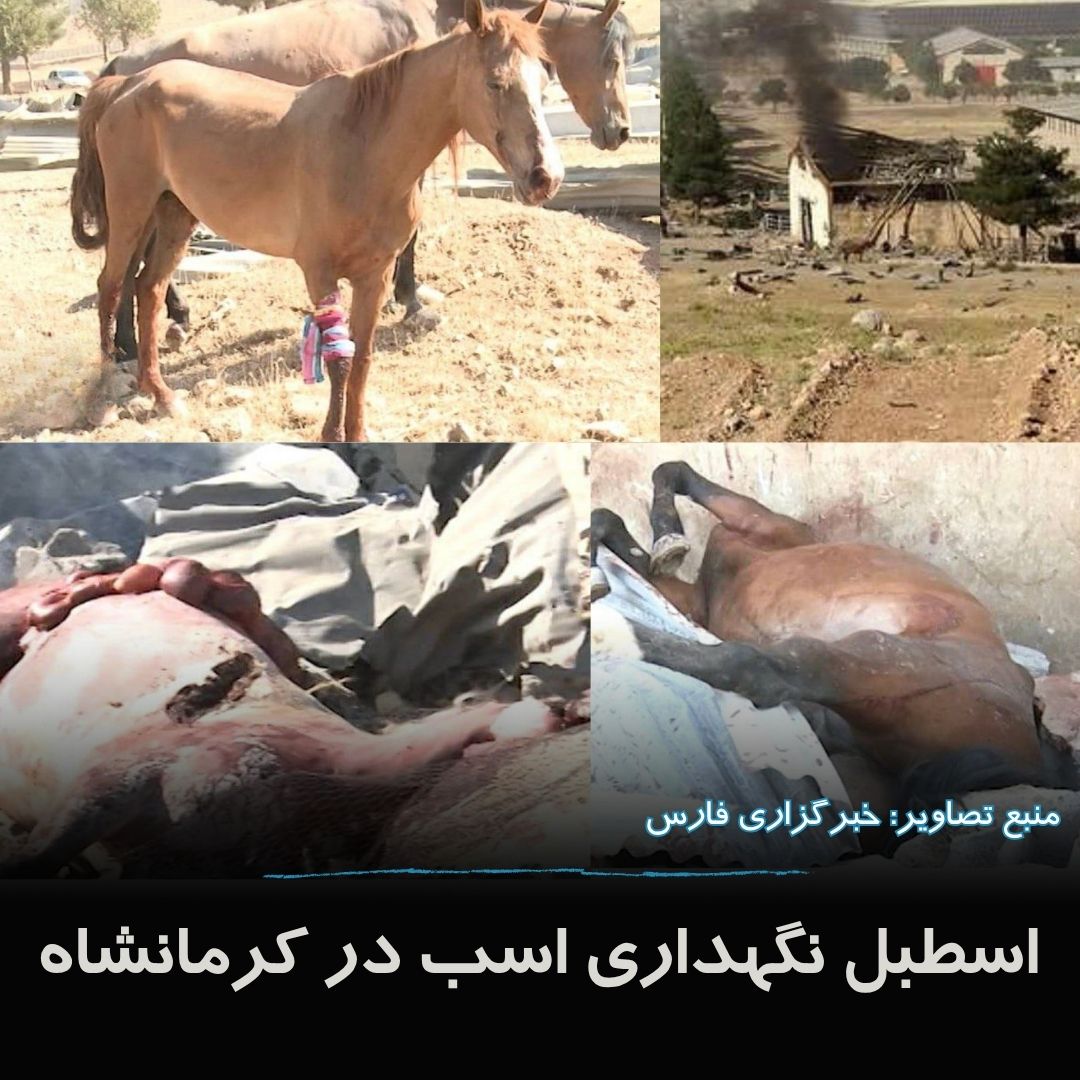
On the seventh day of the international armed conflict between Iran and Israel, growing concerns have been raised about escalating violations of fundamental principles of international humanitarian law. According to Article 51 of Additional Protocol I to the Geneva Conventions, the parties are obligated to distinguish between military objectives and the civilian population. However, reports of at least ten children killed in a residential building attack and the death of a worker at a horse stable suggest possible indiscriminate and disproportionate attacks.

Repeated targeting of sites with no clear military value not only challenges the principles of proportionality and precaution but directly violates the absolute prohibition against direct attacks on civilians, as stipulated in Article 48 of the same Protocol. Moreover, under Article 57, even if a military objective is located near civilian areas, parties are required to take all feasible precautions to minimize harm to civilians, including effective advance warnings before attacks — measures which often appear to have been neglected.

Human rights organizations have once again stressed the urgent need to halt indiscriminate attacks, safeguard civilian lives, and ensure unhindered access to emergency aid. HRA stated in its latest assessment, “Protection of Civilians and Civilian Infrastructure Must Be a Priority.”

HRA reaffirmed its commitment to documentation, legal analysis, and accountability in accordance with international humanitarian law, warning that continued indiscriminate attacks may constitute war crimes.

International Reactions to Israel’s Attacks on Iran: Global Consensus on Restraint and Concerns Over Escalation

Following Israel’s extensive attacks on Iranian territory, numerous governments and international bodies issued statements. Most condemned the attacks or expressed serious concern over the escalation, emphasizing the need for restraint, a return to diplomacy, and preservation of regional security.

Countries such as Iraq, Turkey, Pakistan, Afghanistan, Armenia, Lebanon, Saudi Arabia, the UAE, Qatar, Kuwait, Bahrain, China, Russia, Japan, Brazil, as well as the United Nations, the Economic Cooperation Organization (ECO), 21 Arab and Islamic countries including Algeria, Chad, Comoros, Djibouti, Egypt, Gambia, Mauritania, Somalia, Sudan, and the International Atomic Energy Agency (IAEA) have either explicitly condemned Israel’s attacks or warned of their consequences.

Many of these states, while reaffirming national sovereignty, called for an immediate end to the conflict and the protection of civilians. In Latin America, countries like Venezuela, Cuba, Nicaragua, Chile, and Bolivia expressed similar positions.

Overall, despite some variation in individual responses, there is a broad international consensus about the danger of further escalation and the need for restraint.

Emphasis on Compliance with Obligations

As the field consequences of the attacks expand, damage to civilian infrastructure and disruptions in emergency and medical services have worsened. These developments further underline the critical importance of adhering strictly to the principles of precaution, proportionality, and distinction in targeting.

International organizations and human rights defenders have reiterated the call for safe and unhindered access to emergency aid and protection of the civilian population. At the same time, the continued indiscriminate attacks without regard for civilians’ locations present a serious challenge to the legitimacy of the military actions by both sides.

The Human Rights Activists in Iran (HRA), while continuing to monitor developments, has stressed the need for independent investigations, precise documentation of suspected violations, and legal accountability of all parties under international humanitarian law.

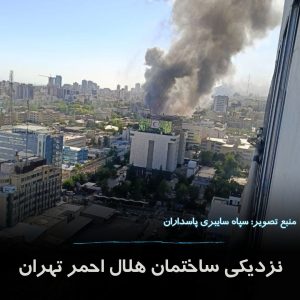
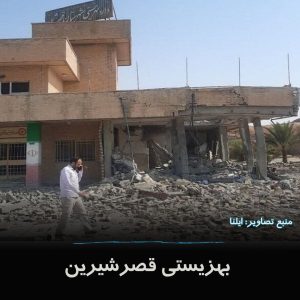
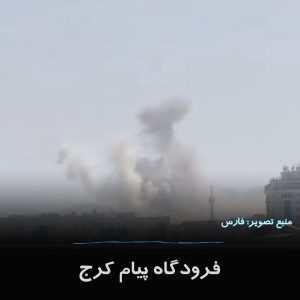
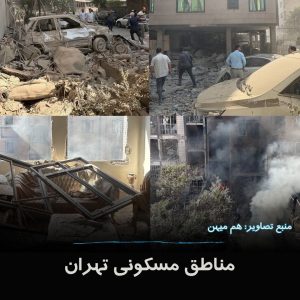
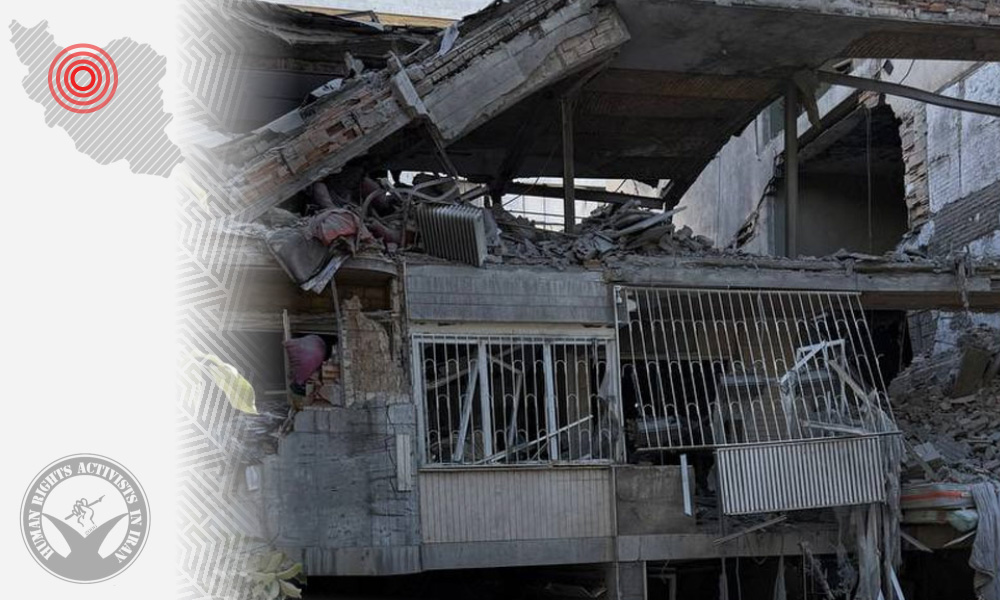
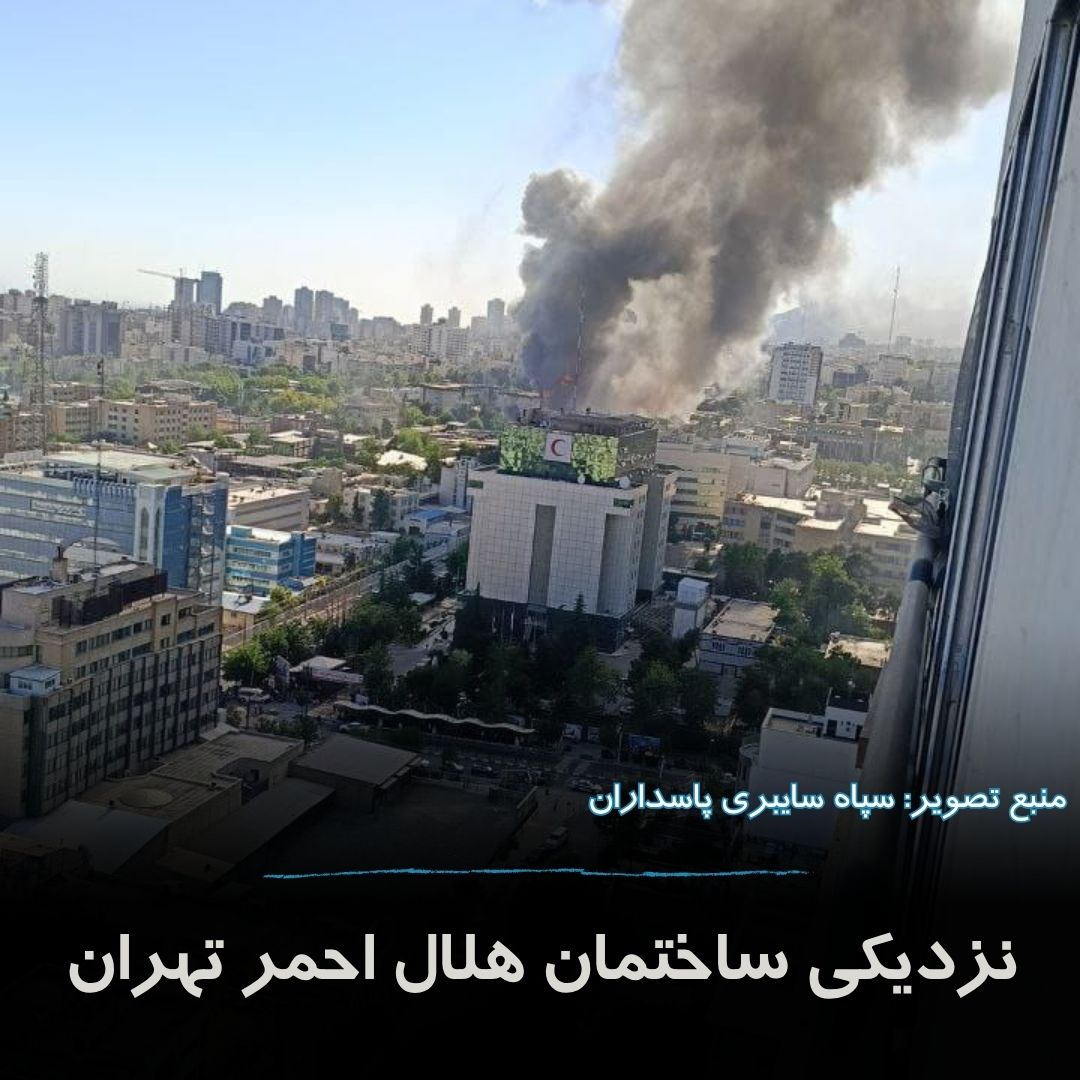
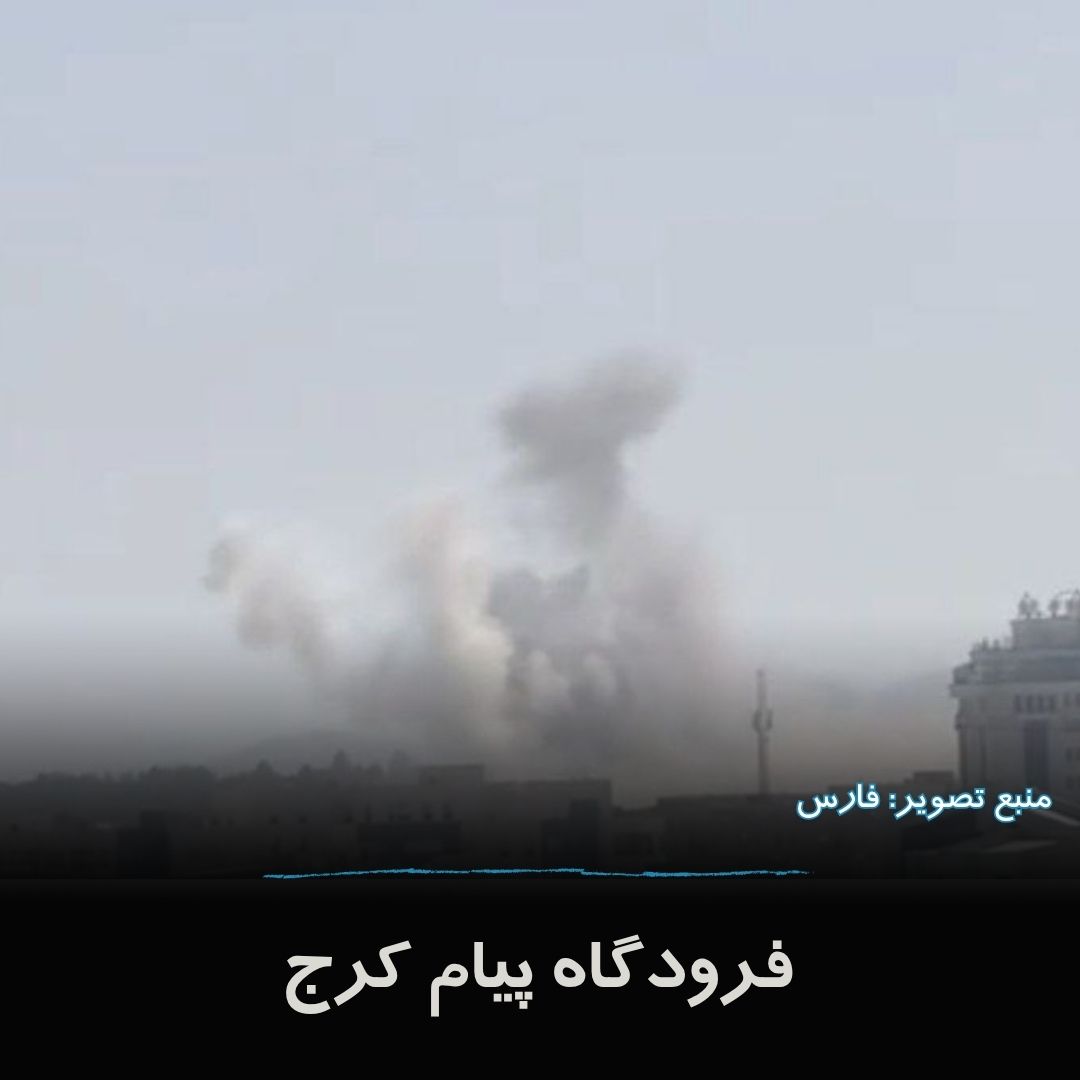
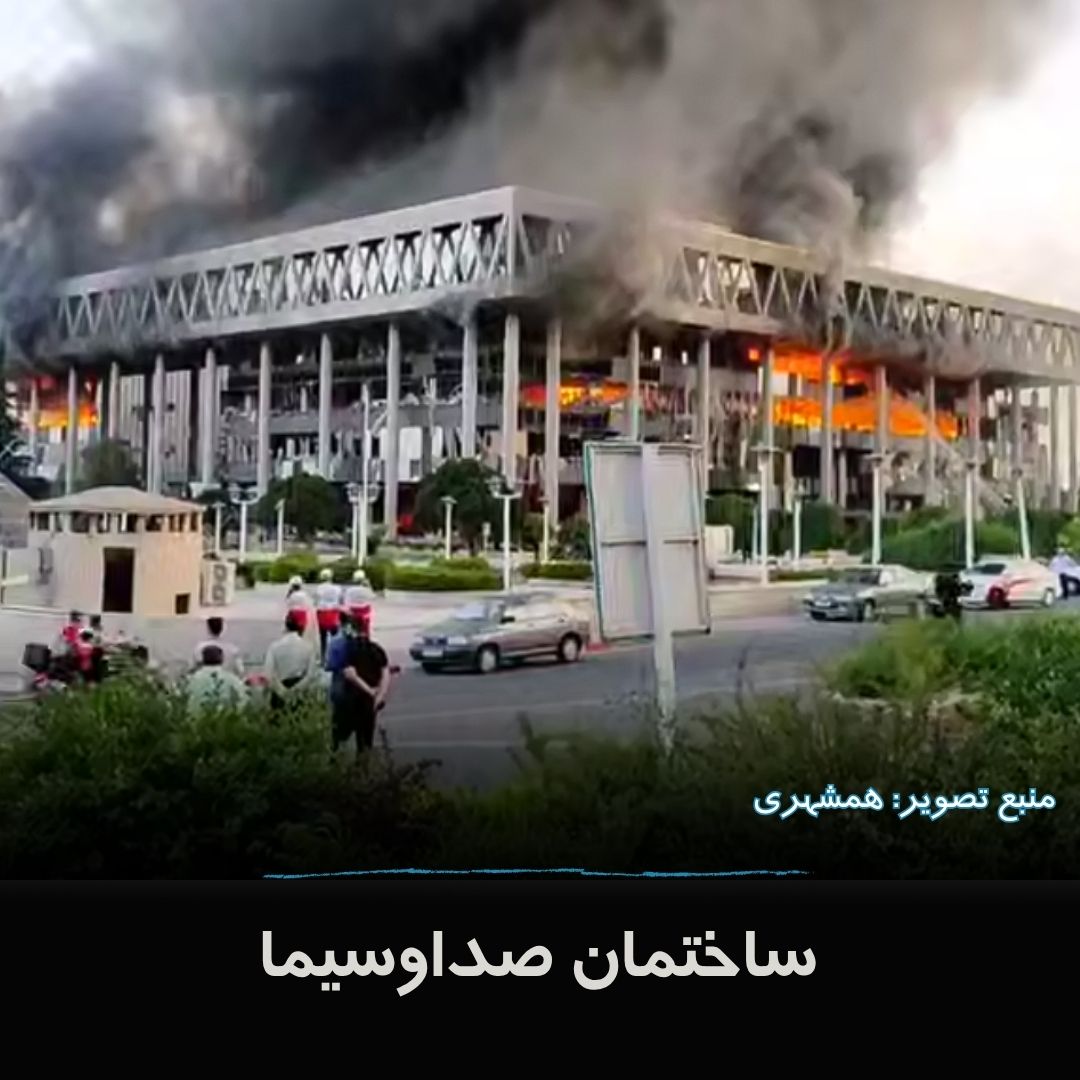
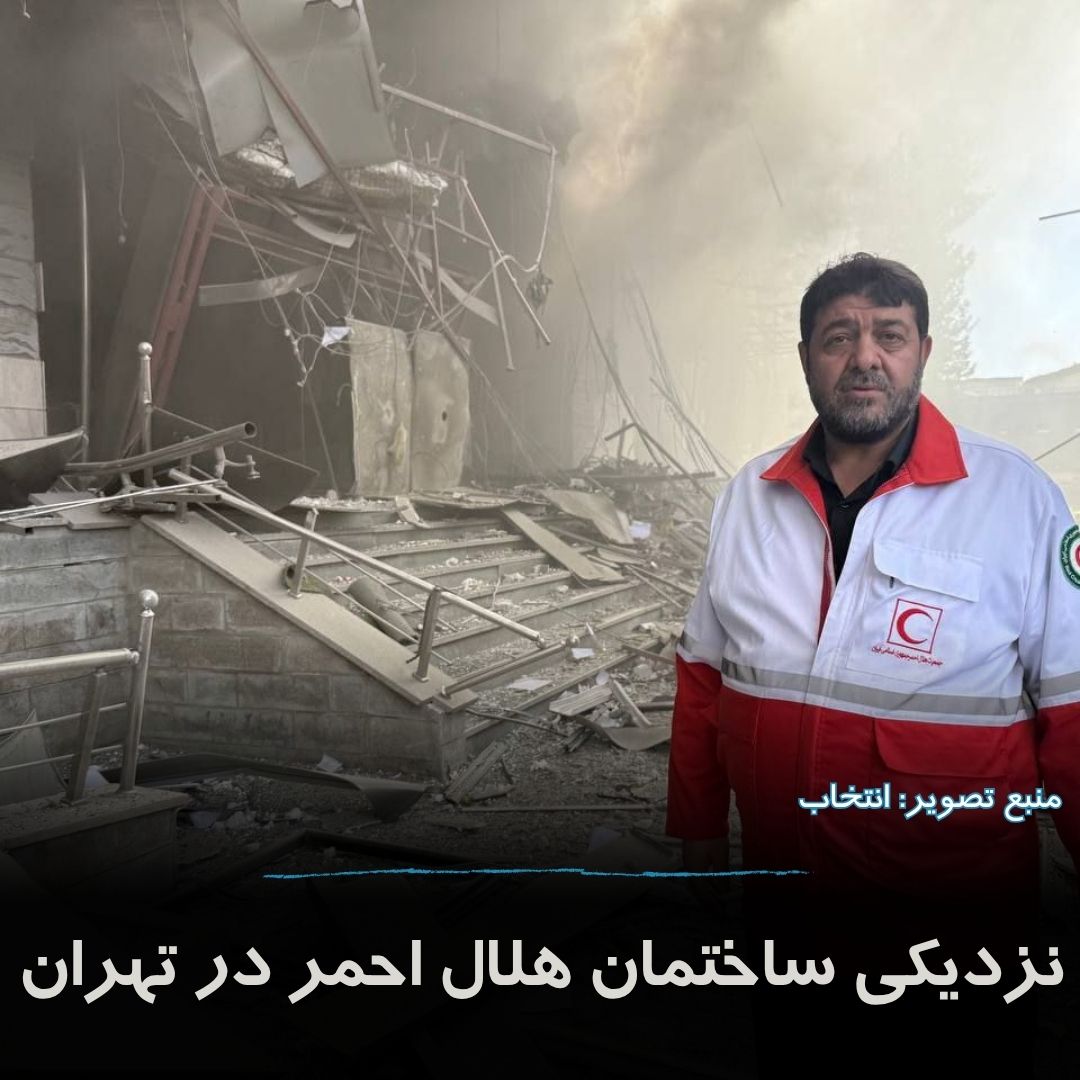
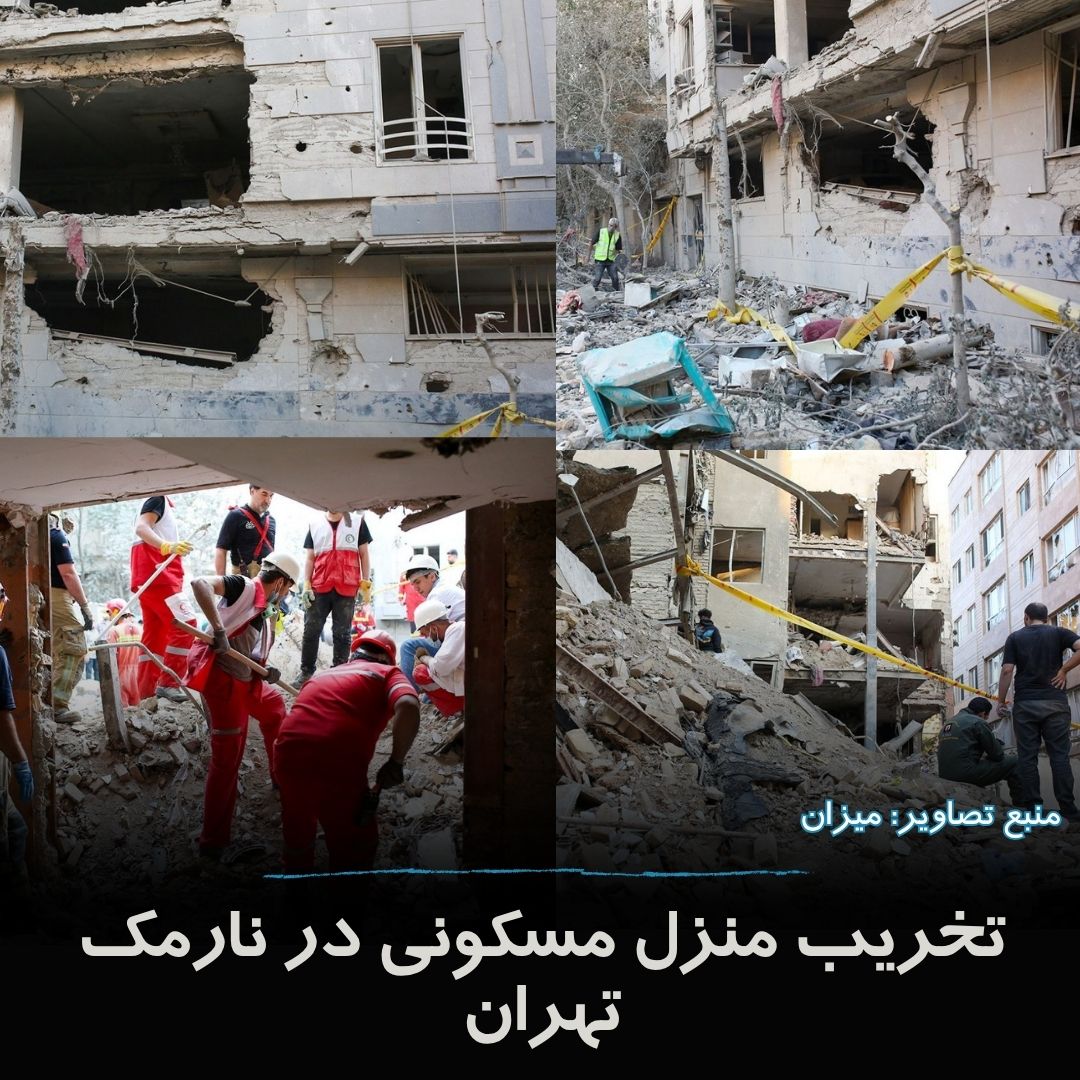
Visual documentation from the past week’s attacks, as well as yesterday’s assaults, follows:
Arak Heavy Water FacilityNear the Red Crescent Building – TehranWelfare Organization – Qasr-e Shirin
Payam Airport – KarajResidential Areas – TehranFarabi Hospital – Kermanshah
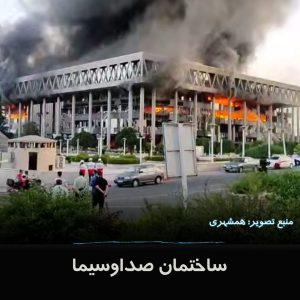
IRIB (State Broadcaster) Building
Tehran
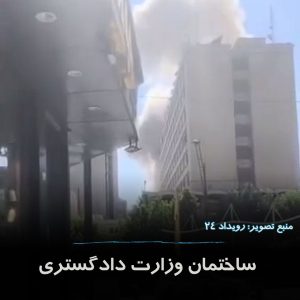
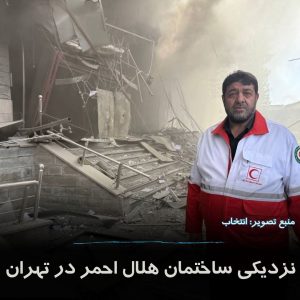
Ministry of Justice Building – TehranNear the Red Crescent Building – Tehran
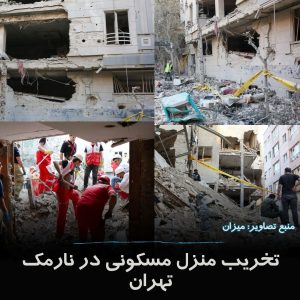
Destruction of Residential Homes
in Narmak – Tehran
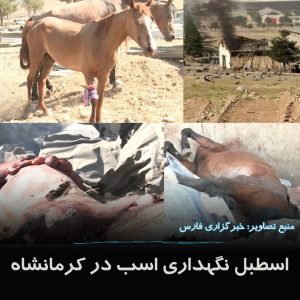
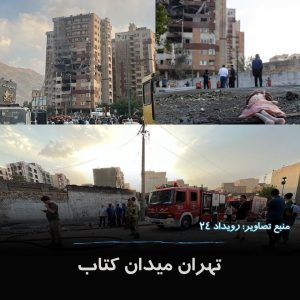
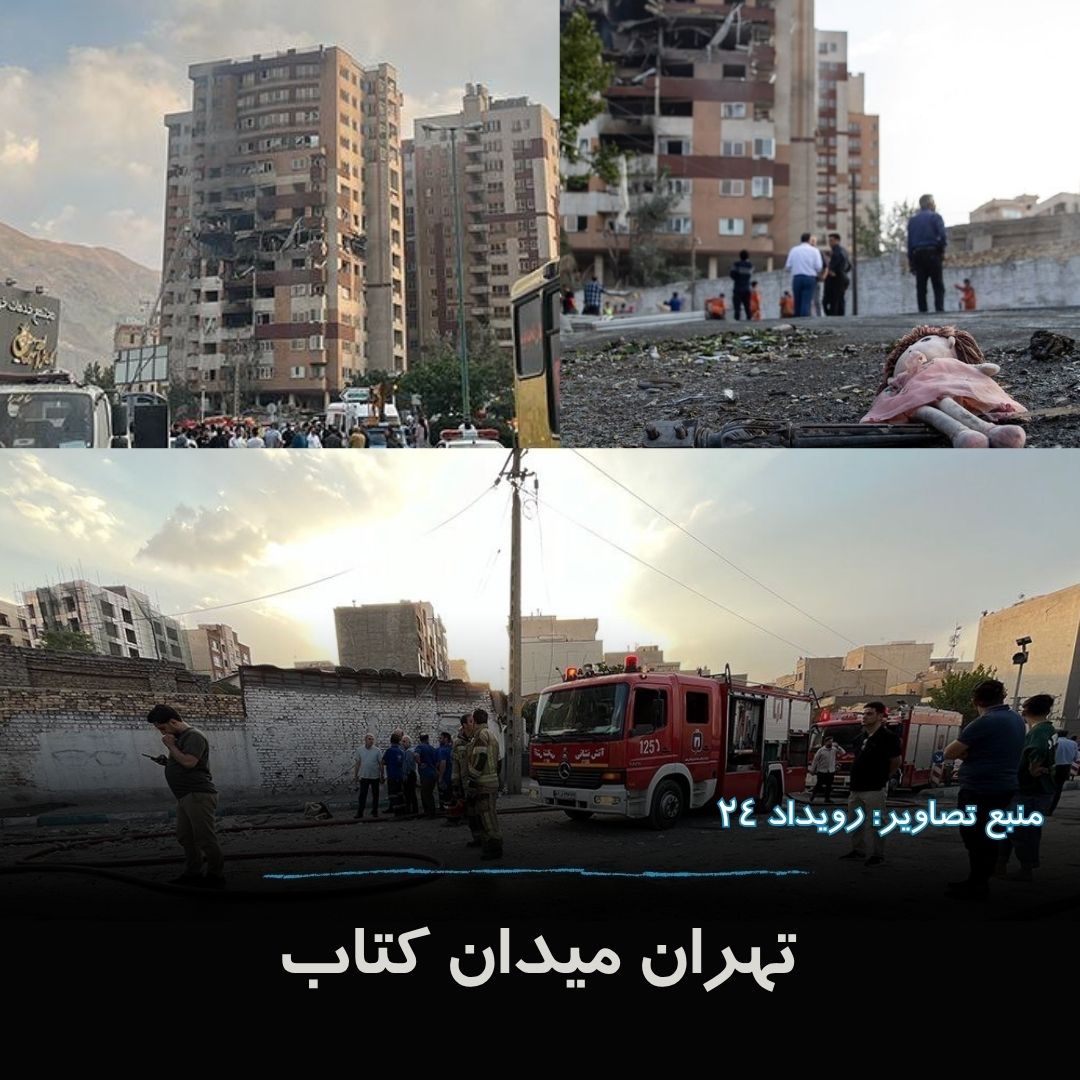
Horse Stable – Kermanshah Ketab Square – Tehran

Day Six of Israeli Strikes on Iran: An Overview of the Events

HRANA News Agency – On the sixth day of military conflict between Iran and Israel, multiple locations across Iran came under attack. The hostilities, which began in the early hours of Friday, June 13, with Israeli airstrikes on Iranian territory, have since spread to 21 provinces. According to reports, at least 10 people were killed in yesterday’s attacks. With these latest casualties, as of June 18, 21:00 UTC, the total number of killed and injured over the past six days has risen to 1,968, including 639 fatalities and 1,329 wounded.

Geographic Scope of the Strikes

As Israeli military strikes on Iranian territory continued, various infrastructures and facilities were targeted yesterday in the provinces of Zanjan, Fars, Tehran, Isfahan, Hamedan, Alborz, East Azerbaijan, Semnan, Kermanshah, Mazandaran, Khuzestan, Ilam, Qom, Bushehr, Gilan, and Qazvin. Tehran was the primary target of the attacks.

Yesterday, the spokesperson for the Iranian Red Crescent announced that 21 provinces have been affected since the onset of the Israeli attacks.

Latest Casualty Figures as of Now

Since the beginning of Israel’s attacks on Iran, hundreds of military and civilian individuals have been killed or injured. The military or civilian status of a significant portion of the victims mentioned in this report remains under investigation.

Yesterday, HRANA reported a total of 1,911 killed or injured during the first five days of the conflict. However, after reviewing and documenting a new batch of information and received evidence, HRANA has added 47 additional casualties to its reports for those first five days, which includes the deaths of four children.

At least 10 more individuals lost their lives in Iran yesterday due to Israeli attacks. Simultaneously, the Police Information Center announced in a statement that an unspecified number of personnel from the Police Command (FARAJA headquarters) were injured in yesterday’s attacks.

Based on HRANA’s reports, which rely on its network of volunteers and other non-governmental sources, the total number of people killed and injured as a result of Israel’s attacks has now reached at least 1,968 as of June 18, 21:00 UTC.

Yesterday’s Civilian Casualties (Deaths and Injuries)
ProvinceCityDateCategoryKilledInjuredNeighborhoods & Locations
ZanjanAbharJune 18Military20Unspecified
KermanshahKermanshahJune 18Military80Kermanshah Air Defense Site
TehranTehranJune 18MilitaryUnspecifiedFARAJA Headquarters


These figures are broken down as follows:

▫️Civilians:
Killed: 263
Injured: 335

▫️Military personnel:
Killed: 154
Injured: 126

▫️Unspecified:
Killed: 222
Injured: 868

▫️Total killed: 639
▫️Total injured: 1,329
▫️Total casualties: 1,968

While independent sources report 1,968 casualties in Iran, yesterday Ali Mousavi, the Islamic Republic’s ambassador in London, stated that nearly 1,500 people have been killed or injured so far in Israel’s attacks on Iran. He did not provide exact figures but claimed that 224 civilians, including 20 children, had been killed. Meanwhile, on Monday, the Minister of Health reported that 1,800 people had been injured during the first four days of attacks.

The Red Crescent spokesperson also reported yesterday: “So far, 145 injured individuals have been transferred to hospitals by the Red Crescent, and 75 were treated on site.” A government spokesperson added that 120 women and children had been injured in the attacks.

Earlier, Hossein Kermanpour, head of the Ministry of Health’s Public Relations Center, stated on social media that 1,481 people had been killed or injured during the first 65 hours of Israel’s attacks, adding that “more than 90% of these individuals were civilians.” He also reported that 522 people had been discharged, putting the death toll at 224 and the number of injured at 1,257.

Widespread Disruption to Civilian Life: Iran Under War and Disorder

With the continued Israeli military attacks on Iranian soil, the civilian dimensions of this conflict are expanding daily. The crisis has now triggered nationwide consequences, from shortages of essentials to the collapse of urban services and the abandonment of vulnerable populations. Field reports and accounts from citizens across the country, obtained by HRANA, paint a clear picture of the growing humanitarian catastrophe and the failure of support systems.

Banks Failing to Meet Urgent Needs

Disruptions in banking operations and cash shortages are among the most pressing challenges. According to citizens, many bank branches have limited daily cash withdrawals to one million tomans — an amount insufficient for daily family expenses, especially during a crisis. Most ATMs are empty, and with online purchases impossible, many struggle to secure basic necessities. The shutdown of Bank Sepah and Bank Pasargad’s banking networks due to cyberattacks has further paralyzed financial transactions, leaving many citizens desperate.

Public Transportation and Unaffordable Costs

In provinces affected by the conflict, intercity travel has nearly collapsed. Buses and other public transport are scarce, and where available, fares have surged to unaffordable levels. A Tehran resident trying to reach family in Gilan said: “For three people, the ride cost 8 million tomans. How much does a government employee even make?”

Elderly, Sick, and Disabled Left Isolated

Elderly, disabled, or care-dependent citizens are among the first victims of institutional neglect in this crisis. Many have been left alone at home, unable to receive assistance. A user outside of Iran wrote: “My friend’s father has Alzheimer’s and is alone in Tehran. No one can take him out. My mother is alone in a wheelchair too.” Medical services have also been disrupted, vital medications are scarce, and treatment for chronic illnesses has been suspended or interrupted.

Rationing, Shortages, and Anxiety

Shops are either closed or have empty shelves. A citizen in Tehran reported: “Sanitary pads are being rationed.” Another citizen from Rasht said: “There’s no bread unless you wait in long lines for hours. People are fighting each other over a loaf.” Sharp spikes in food prices have added to the pressure, with the cost of some basic items doubling in less than a week.

Forced to Work Amid Bombardments

In some areas like District 18 of Tehran, even after evacuation orders, factories and businesses remained operational. Industries continue to run 24/7 with rotating shifts, forcing workers to show up despite the threat of airstrikes. “During the bombardment of District 18, my friend’s shift started at 4 AM and they didn’t shut down,” one person recounted — just one of many examples of workers being denied legal protections during wartime.

Afghan Migrants: Caught Between Discrimination and Victimization

Afghan migrants not only face the danger of attacks but are also subjected to additional pressure. Many have been accused of espionage or denied emergency assistance. In some cases, migrants have reportedly been denied access to shelters altogether.

Pets: Silent Victims of the Crisis

With no support structures, pets have also been left vulnerable. Moving them is costly and difficult; many owners are either forced to abandon their pets or remain in unsafe areas to stay with them. One citizen told HRANA: “I have three cats. I can’t leave them behind. But no one tells me where I can go with my animals.”

Conscripts: Cheap Labor in an Unrecognized War

Conscripts, who generally do not serve in active combat roles, are being forcibly kept in military service during the conflict. With professional military staff reduced, conscripts face mandatory extended shifts. During the attack on the Tehran Police Command (FATA), several conscripts were killed, but official media made no mention of them. One local source said: “My friend was a conscript there. He was killed. No name mentioned, no mourning. They just threatened them, saying if you don’t show up, it will count as desertion under wartime rules.”

Communication Blackouts and Cross-Border Anxiety

Internet disruptions and messaging app shutdowns — especially in central regions — have severed communication between families inside Iran and relatives abroad. Families with children or parents in Europe, Canada, or neighboring countries remain in complete uncertainty. One person said: “My sister is in the Netherlands; my elderly parents are alone in Tehran. I have no way to help them, no contact.”

State Propaganda and Lack of Practical Information

State media continue to focus on military activities and propaganda, providing no practical information on sheltering, safe routes, or rescue guidelines. While the International Atomic Energy Agency (IAEA) has raised concerns about nuclear contamination from bombings of Iran’s nuclear facilities, no public guidance or reliable reporting on radiation levels has been provided in nearby cities. Citizens report that scattered social media messages and stressful phone calls are their only sources of information.

Communications Disruptions and Cyberattacks: Secondary Consequences

From the first day of the attacks, internet disruptions were observed across Iran. Yesterday, NetBlocks, which monitors global internet access, reported: “Live data shows that nationwide internet in Iran has been almost completely cut off.”

The Ministry of Information and Communications Technology confirmed the internet restrictions in a statement, claiming the move was intended to prevent Israel from using Iran’s communications network for military purposes.

Later in the day, Iran’s state broadcaster IRIB suffered a brief live-stream disruption due to a cyberattack, which its public relations office blamed on Israel.

Many citizens reported to HRANA that they had received suspicious text messages containing infected links.

Meanwhile, a well-known hacking group with a history of targeting Iranian entities launched a large-scale attack, successfully stealing over $90 million in cryptocurrency from Nobitex, Iran’s largest crypto trading platform.

Arrests and Security Crackdowns

State media reported yesterday that 21 individuals were arrested for online activities. These include five people in Khorramabad, Borujerd, and Dorud; one person in Razan County; ten individuals in Takestan, Alborz, Buin Zahra, and Avaj; two in Boukan; one in Qazvin; one in Gachsaran; and several others in Ilam.

Including these new arrests, the total number of citizens detained over the past six days for online activity and publishing content related to Israel’s attacks on Iran has reached 160.

Additionally, the public relations office of the IRGC’s Zarandieh branch announced the arrest of several individuals in this city, accusing them of being “affiliated with Israel.” Arrests also included an Afghan national in Shahr-e-Rey, one person in Saqqez, four in Qasr-e-Shirin, and one in Alborz Province, all on charges of collaboration with Israel.

Several others were arrested in Karaj, Arak, and Baharestan on accusations of spying for Israel.

A Telegram channel affiliated with the IRGC published images of two individuals arrested in Tehran, alleging they had launched drones toward Shahriar. Separately, two individuals in Pishva County and one in the Navab district of Tehran were arrested for allegedly manufacturing drones for Israel. Some were also arrested in Tehran and Alborz provinces while transporting drones using pickup trucks.

Channels close to security agencies also reported that 18 Afghan nationals involved in drone manufacturing in Mehrabad, Mashhad, were arrested by the Ministry of Intelligence before carrying out their planned operations.

The IRGC-affiliated Tasnim News Agency announced that six women accused of spying for Israel were arrested by the Intelligence Organization while attempting to leave the country through Qasr-e-Shirin.

The National Police Chief also reported the arrest of four individuals, accusing them of being “terrorists.” He stated that they were wounded during clashes with police forces but did not specify the locations of the arrests.

Continued Israeli Attacks on Civilian Infrastructure on the Sixth Day

On the sixth day of attacks, Israel targeted civilian areas and infrastructure in the cities of Tehran, Ilam, Fardis, Karaj, Shahre Qods, Chalous, Tabriz, Shahroud, Zanjan, Qazvin, Abhar, and Shahriar. Among the civilian and infrastructure sites struck were: the Parsian Resources Research Center in Zanjan, the Tehran Nuclear Research Center, Ilam Petrochemical Complex, airports in Kermanshah, Tabriz, and Karaj, fuel storage facilities in Alborz Province, and the TSA Centrifuge Production Workshop in Karaj.

The specific neighborhoods and districts in Tehran targeted yesterday include: Piroozi, Sabalan, Sayyad, Punak, Garmdareh, Bagheri Highway, District 18, Damavand Street, Lavasan Road, Aghdasieh, Jordan, Kordestan Highway, Vanak, Kavousieh, Nobonyad, Seoul Street, District 22, Chitgar, Shahran, Phases 2 and 8 of Pardis, Sadr Highway, Babayi Highway, Tehranpars, Afsarieh, Simón Bolívar Street, and Lavizan.

Additionally, yesterday there were reports of air defense engagements against hostile projectiles in the cities of Abhar, Shiraz, Parand, Isfahan, Hamedan, Garmdareh, Tabriz, Shahroud, Kermanshah, Tehran, Varamin, Roudehen, Ahvaz, Robat Karim, Dezful, Andimeshk, Qaleh Hassan Khan, Ilam, Qom, and Bushehr.

In addition to civilian areas, the following military sites were struck yesterday: Janbozorgi Barracks in Shahr-e-Rey, a missile ammunition depot in Sorkheh Hesar (Tehran), military facilities in Parand, the Bidganeh Complex in Malard, Parchin military installations, Imam Hossein University (affiliated with the IRGC), Zein al-Din Barracks in Abhar, the IRGC Barracks at Darvazeh Ghoran in Tehran, Imam Hassan Barracks, several military sites in Kermanshah, the Police Command Headquarters (FARAJA) near Vanak Square, the Sarallah IRGC Headquarters, and the Meisami Base in Karaj.

Yesterday, the country’s Air Defense Command announced that since the start of the military conflict, it has shot down 61 unmanned aerial vehicles and cruise missiles.

Emphasis on Compliance with Humanitarian Obligations

As the field consequences of the attacks continue to grow, damage to civilian infrastructure and disruptions to emergency and medical services have also intensified. These circumstances underscore the urgent need for strict adherence to international humanitarian law, including the principles of precaution, proportionality, and distinction between military and civilian targets.

International organizations and human rights defenders have once again emphasized the need to ensure safe and unhindered access to emergency aid and protection for civilians. The ongoing indiscriminate nature of the attacks, with little regard for civilian presence, poses a serious challenge to the legitimacy of military actions by both sides.

While continuing to monitor developments on the ground, HRA emphasizes the urgent need for independent investigations, thorough documentation of alleged violations, and legal accountability for all parties involved.

TehranTehranEast Tehran
East TehranEast TehranNortheast Tehran
Northeast TehranEastern Tehran MountainsImam Hossein Military
University in Northeast Tehran
Around the Lavizan neighborhood
East Tehran
Lavizan Defense Industries
Company in Tehran
Around Zanjan
Near the Red Crescent Building –
Tehran
Near the Red Crescent Building –
Tehran
Near the Red Crescent Building –
Tehran
Payam Airport, KarajPayam Airport, KarajKharjir Garrison Aerospace
Complex in Southeast Tehran
KermanshahAirport -Kermanshah

The Fifth Day of Israeli Attacks on Iran: A Review of the Incidents

HRANA News Agency – The military conflict between Iran and Israel, which began in the early hours of Friday, June 13th, with Israeli airstrikes on Iranian territory, entered its fifth day yesterday. Since the outset of the conflict, military installations, civilian infrastructure, and residential areas across Iran have been targeted.

Yesterday, the spokesperson of the Iranian Red Crescent reported that 21 provinces have been affected since the start of Israel’s attacks. According to published reports, at least seven people were killed or injured in yesterday’s assaults. Based on non-governmental sources, as of June 17, 23:00 UTC, the total number of casualties over the past five days has reached at least 1,911, including 585 dead and 1,326 injured.

Geographic Scope of the Strikes

In continuation of Israel’s military attacks on Iranian territory, yesterday energy infrastructure, military facilities, and residential areas were attacked in the provinces of Tehran, Isfahan, East Azerbaijan, Alborz, Markazi, Qazvin, Khuzestan, Hormozgan, West Azerbaijan, Khorasan Razavi, Kurdistan, Kermanshah, Chaharmahal and Bakhtiari, Hamedan, Bushehr, and Kerman. Isfahan Province was Israel’s primary target yesterday.

Regarding the geographical scope of Israel’s attacks in Iran, Mojtaba Khaledi, the spokesperson for the Red Crescent, without naming specific provinces, stated: “Since the beginning of Israel’s attacks, 21 provinces have been involved.”

Casualties among Red Crescent rescue workers in Tehran were among yesterday’s notable events. According to the Red Crescent spokesperson, four rescue workers have been killed in the Israeli attacks so far.

Explosions in some areas have caused extensive damage and likely resulted in additional casualties. Further information is under investigation and will be updated.

Military Equipment and Scale of Attacks

The Israeli army previously announced that during the first three days of attacks on Iran, it conducted 720 airstrikes across various parts of the country. This figure has not yet been updated by Israel.

In the investigations of human rights groups, proportionality under the laws of war is of particular importance — including proportionality between targets and weaponry. According to information gathered from credible sources, the Israeli army used the following weapons in its attack:


WeaponTypeModel/VariantDescription & Role
1HaropLoitering attack drone– (IAI Harop)Autonomous kamikaze drone that loiters and dives onto targets (especially radars). Used to suppress Iranian air defenses and communications by homing in on radar emissions.
2HarpyLoitering anti-radar drone– (IAI Harpy)Anti-radiation loitering munition designed to seek and destroy enemy radars. Older, fire-and-forget drone that crashes into SAM radar emitters. Complemented Harop in knocking out Iran’s SAM sites.
3F-35I “Adir”Stealth multirole fighterF-35I (Israel variant)5th-gen stealth fighter jet with Israeli electronics. Penetrated Iranian airspace undetected to lead initial strikes, targeting air defenses, command centers, and nuclear sites with precision munitions.
4F-15I “Ra’am”Strike fighter-bomberF-15I (Israel variant)Long-range heavy fighter (F-15E variant) carrying large payloads (bunker busters, etc.). Non-stealth, but high payload and range; used to bomb hardened sites like Natanz once air defenses were down.
5F-16I “Sufa”Multirole fighterF-16D Block 52+ (Israel)Versatile fighter jet with conformal fuel tanks for extended range. Dropped guided bombs (e.g., SPICE, JDAM) on a wide array of targets (missile launchers, bases, leaders). Backbone of strike force.
6DelilahAir-launched cruise missile– (IMI Delilah)Standoff cruise missile (loitering munition) with ~250 km range. Can loiter and be retargeted in flight. Used to surgically strike mobile or well-hidden targets (radars, convoys) from afar.
7RampageAir-to-surface guided missile– (Elbit Rampage)Supersonic guided strike missile (air-launched rocket) designed to penetrate bunkers and hit high-value targets at long range. Difficult to intercept due to high speed.
8Blue SparrowAir-launched ballistic missile (ALBM)– (Blue Sparrow target missile)Air-dropped ballistic missile used as a pseudo-weapon. Released from aircraft to strike like a short-range ballistic missile. Provided Israel a way to hit distant hardened targets quickly.
9LORAShort-range ballistic missileLORA (IAI)Surface-launched ballistic missile (ground/ship) with ~400 km range and 10 m accuracy. Carries a 570 kg warhead. Used to hit fixed strategic targets (bases, infrastructure) at long range in opening salvo.
10SPICE-1000/2000Precision glide bomb kitSPICE family (Rafael)Electro-optical/GPS guided bombs (1000 lb or 2000 lb) that glide to target. Extremely accurate (<3 m CEP). Used to destroy buildings, runways, and other fixed targets with minimal collateral damage.
11JDAM BombsGPS-guided bomb (kit)GBU-31 JDAM etc.Joint Direct Attack Munition – a guidance kit for 500–2000 lb bombs using GPS/INS. Turns “dumb” bombs into all-weather smart bombs (~5–10 m accuracy). Formed a large portion of munitions dropped on Iranian targets.
12GBU-39 Small Diameter BombGuided glide bombGBU-39/B SDB I250 lb glide bomb with GPS guidance and pop-out wings (range ~110 km). Small warhead for pinpoint strikes on SAM sites, launchers, etc. Allows multiple bombs per aircraft hardpoint.
13GBU-28 “Bunker Buster”Laser/GPS guided bombGBU-28/B5,000 lb deep-penetration bomb developed to destroy heavily fortified underground facilities. Can penetrate dozens of feet of concrete/earth. Deployed by F-15I against Iran’s buried nuclear sites (e.g. Natanz).


Latest Casualty Figures

Since the beginning of Israel’s attacks on Iran, hundreds of both military and civilian individuals have been killed or injured. The military or civilian status of a significant number of the victims cited in this report remains under investigation.

In addition to the figures reported during the first four days of attacks, HRANA, after reviewing and verifying additional information and documentation, has added 806 more fatalities and injuries to its earlier casualty reports for those initial days. However, in some cases, these new figures reflect reclassification of victims rather than an actual increase in total numbers.

Beyond the casualties reported in previous days, as detailed earlier, yesterday’s attacks accounted for three additional deaths and four injuries. According to HRANA’s reports, based on its volunteer network and other non-governmental sources, the total number of people killed or injured as a result of Israel’s attacks has now reached at least 1,911.


Civilian Casualties (Killed and Injured)
ProvinceCityDateKilledInjuredNotesNeighborhoods & Locations
KashanKashanJune 1734Checkpoint Station

According to non-governmental sources, as of the time this report was compiled (June 17, 23:00 UTC), a total of 1,911 military or civilian citizens have been killed or injured, broken down as follows:

▫️Civilians:
Deaths: 239
Injured: 335

▫️Military personnel:
Deaths: 126
Injured: 123

▫️Unspecified:
Deaths: 220
Injured: 868

▫️Total deaths: 585
▫️Total injured: 1,326
▫️Total human casualties: 1,911 individuals

While a detailed examination of various non-governmental sources documents 1,911 casualties inside Iran, yesterday Ali Mousavi, the Islamic Republic’s ambassador in London, announced that nearly 1,500 people have been killed or injured in the Israeli attacks on Iran. He did not provide precise figures but stated that 224 civilians, including 20 children, have been killed. This comes after the Minister of Health announced yesterday that 1,800 people were injured in Iran during the first four days of the attacks.

At noon yesterday, the Red Crescent spokesperson reported: “So far, 145 injured individuals have been transferred to hospitals by the Red Crescent, and 75 were treated at the scene.” Additionally, a government spokesperson said that 120 women and children have been injured as a result of the Israeli attacks.

Previously, Hossein Kermanpour, head of public relations for the Ministry of Health, claimed in a social media post that 1,481 people were killed or injured during the first 65 hours of Israel’s attack on Iran. He stated that “more than 90 percent of these individuals were civilians.” According to Kermanpour, 522 people have been discharged, with 224 killed and 1,257 injured.

Continued Israeli Strikes on Iran’s Civilian Infrastructure on the Fifth Day

On the fifth day, Israeli attacks struck civilian areas and infrastructure in the cities of Tehran, Kashan, Tabriz, Nazarabad, Zarandieh, Khomein, Qazvin, Najafabad, Ardestan, Shahin Shahr, and Naein. Among the civilian targets were the IRIB broadcasting complex in Tehran, the Nazarabad Industrial Zone, and the Zaviyeh Industrial Park.

According to documented reports, the following civilian areas were targeted: Piroozi Street, areas near IRIB headquarters, Majidieh, Andarzgoo, Sabalan Square, Velenjak, Pasdaran, and Elahieh in Tehran; Valayat District in Qazvin; and areas near Alavijeh Junction in Shahin Shahr.

Additionally, yesterday air defense confrontations with hostile projectiles were reported in Mahabad, Tehran, Natanz, Bandar Abbas, Qazvin, Shiraz, Tabriz, Mashhad, Saqqez, Sabzevar, Kermanshah, Ahvaz, Nahavand, Malayer, and Bushehr.

Alongside civilian sites, several military locations were struck, including: a checkpoint headquarters in the Kashan region, Heshmatiyeh Barracks, Al-Zahra Barracks in Tabriz, Quds IRGC Barracks in Shahin Shahr, an ammunition depot and Ayat Base in Villashahr, Hashem Abad Air Defense site in Naein, an additional ammunition depot in Ekhtiarabad, and the 15th of Khordad Barracks in Isfahan.

Communication Disruptions and Secondary Consequences

From the start of the attacks, the Minister of Communications claimed that due to the “special circumstances of the country,” the ministry had temporarily restricted internet access. WhatsApp remained blocked for the fifth consecutive day. IRIB, as the sole official radio and television broadcaster in Iran, urged citizens to delete WhatsApp and Instagram from their phones, claiming that these apps were stealing Iranian user data and cooperating with Israel.

Since the outbreak of military hostilities, access to services based on Cloudflare has also been disrupted — an ongoing issue that has seriously affected independent media activity, emergency data transmission, and real-time access to information.

This morning, Bank Sepah’s infrastructure came under cyberattack, disrupting its services. The IRGC-affiliated Fars News Agency confirmed the cyberattack and reported that because Bank Sepah supports some gas stations, fuel service disruptions may occur in the coming hours.

Later in the day, users across various provinces reported widespread internet disruptions. No official government statements have been made about these interruptions so far.

Official media outlets also reported widespread internet disruptions across multiple provinces. Simultaneously, ArvanCloud Radar and the Telecommunication Infrastructure Company’s monitoring dashboard — which show real-time internet status — also experienced disruptions. Some IT experts warned of the possibility of a complete disconnection from the international internet in the coming hours. Meanwhile, NetBlocks, which monitors internet access restrictions worldwide, confirmed the internet disruptions in Iran.

Yesterday, the Israeli attacks also shut down Tehran’s Grand Bazaar. According to published images, shopkeepers refused to open their businesses.

Arrests and Security Crackdowns

Yesterday, at least 21 individuals were arrested for online activities. Among them: 1 in Bafgh, 18 in Lorestan Province, 1 in Boukan, and 1 in Tehran.

Including these new detentions, a total of 139 Iranian citizens have been arrested over the past five days for their online activity and content related to Israel’s attack on Iran.

Additionally, Fars News Agency, affiliated with Iran’s security institutions, reported the formation of legal cases and arrests of several citizens and media outlets. According to the report, among those targeted were ISNA News Agency, Dideban Iran website, Asr Iran website, Salam Telegram channel, and individuals including Mostafa Mehryein, Motahareh Gonei, Sadegh Al-Hosseini, Ali Sharif Zarchi, Asal Esmaeilzadeh, Hassan Asadi Lari, Atiyeh Rad, Ali Taremi, Atefeh Chaharmahalian, Hadi Tabakhgar, and Hadi Kasaeizadeh. Some of them received warnings, legal cases were opened for others, and some were arrested by court orders. HRANA had previously reported the arrests of Motahareh Gonei and Mostafa Mehryein.

The Tasnim News Agency also reported the arrests of two individuals in Isfahan and Savojbolagh, accusing them of being “affiliated with the Mossad intelligence agency.” The deputy governor of Zanjan Province also announced the arrest of several individuals on charges of collaborating with Israel. Government-affiliated media also published video footage reporting that one individual in Bushehr was arrested for allegedly collaborating with Israeli intelligence.

It should be noted that yesterday, an Iranian prisoner named Esmail Fekri was executed on charges of “spying for Israel.” The judiciary’s news agency claimed that Mr. Fekri was arrested in December 2023, and after the initial verdict, the case was sent to the Supreme Court for appeal, where, “based on the existing evidence,” the lower court’s ruling was upheld.

Other Related Developments

One related development was the cancellation of all nurses’ leave across the country. Sajad Razavi, Deputy Minister of Health for Treatment Affairs, announced that all doctors and nurses nationwide had their leaves canceled and were required to remain continuously present at medical centers.

Emphasis on Compliance with Humanitarian Obligations

As stated above that among other instances, the civilian targets have included the IRIB broadcasting complex in Tehran.

While IRIB functions as a central propaganda outlet for the Iranian government and the IRGC, its targeting raises serious concerns under international humanitarian law. State media is protected as a civilian object unless and for such time as it makes an effective contribution to military action and its destruction offers a definite military advantage. The dissemination of propaganda alone does not satisfy this threshold. Absent concrete evidence that IRIB was directly used for military purposes, such as transmitting operational instructions, its targeting would likely constitute a violation of IHL.

As the field consequences of the attacks expand, the damage to civilian infrastructure and disruption of emergency and medical services have increased. These conditions underscore the urgent need for strict adherence to humanitarian law obligations, including the principles of precaution, proportionality, and distinction between military and civilian targets.

International bodies and human rights defenders have once again stressed the need to ensure safe and unimpeded access to emergency aid and protection for civilians. The ongoing indiscriminate nature of attacks without proper distinction poses serious challenges to the legitimacy of military actions by both parties.

HRA, while continuing to monitor developments on the ground, emphasizes the need for independent investigations, accurate documentation of suspected violations, and legal accountability for all parties involved.


Saba Blvd in the Andarzgoo area
– Tehran
KermanshahNear IRIB (state broadcaster)

The Fourth Day of Israeli Attacks on Iran: A review of the Incidents

HRANA News Agency – The military confrontation between Iran and Israel entered its fourth consecutive day on Monday, June 16, following Israel’s early morning airstrikes on Iranian territory last Friday. The conflict has since intensified, with Iran mounting a military response and hostilities continuing to escalate.

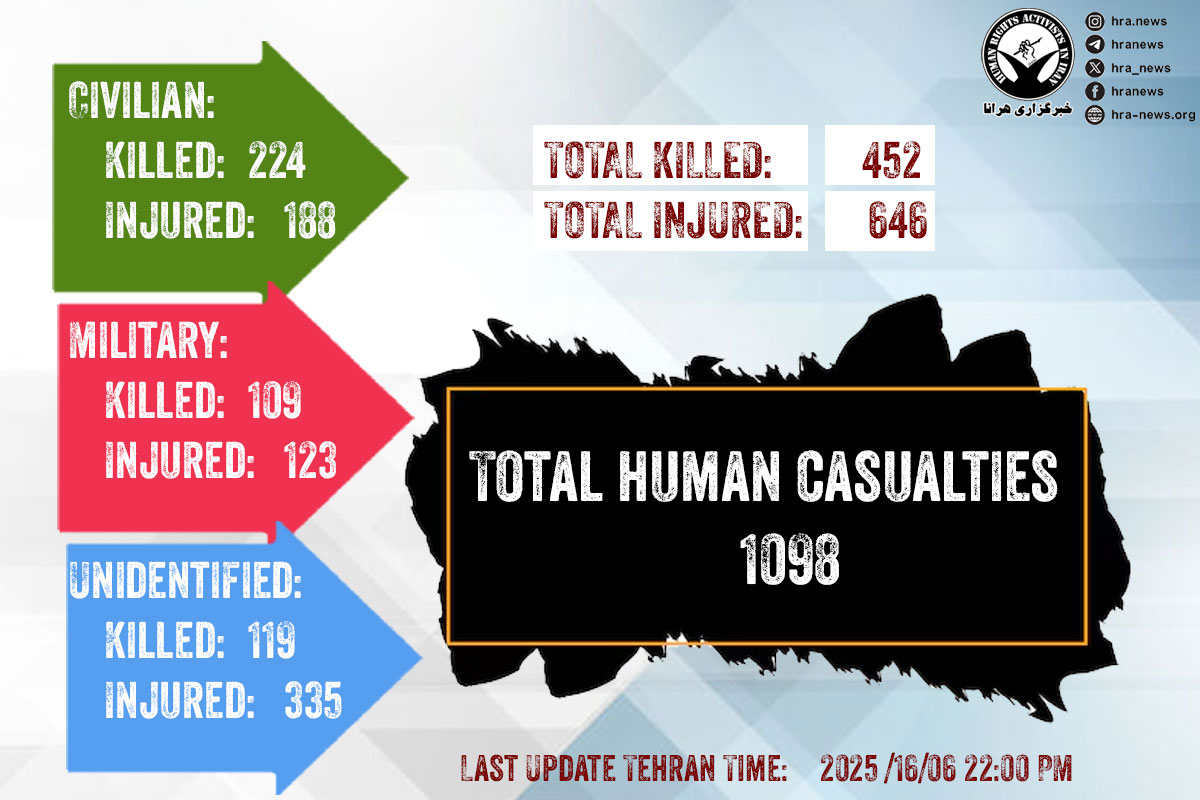
Over the past four days, military installations, civilian sites, and residential areas in at least 19 provinces across Iran have come under attack. According to official and local reports, at least 16 people were killed or injured on Monday alone. Additionally, 77 casualties have been confirmed from earlier days of the conflict. In total, as of June 16, 22:00 UTC, non-governmental sources report that at least 1,098 people have been killed or wounded since the start of the attacks, including 452 fatalities.

Geographic Scope of the Strikes

As Israeli military attacks on Iranian soil continue, yesterday a number of energy infrastructures, military installations, and residential areas were targeted in the provinces of Ilam, Kermanshah, Tehran, Qom, Hamedan, Khuzestan, Zanjan, Alborz, Markazi, East Azerbaijan, Kurdistan, and Fars. Notable sites targeted yesterday include the IRIB building in Tehran, the Musian fire station in Ilam province, Farabi Hospital in Kermanshah, and an oil refinery in Kermanshah. An emergency vehicle was also struck in yesterday’s Israeli attacks in Tehran. In addition, IRGC barracks and missile warehouses in several provinces were hit.

Explosions in some of these areas have caused widespread damage and likely human casualties. Further information is being reviewed and updated.

Fighter jets, drones, various planted bombs, Delilah air-launched cruise missiles, short-range projectiles, and suicide microdrones are among the primary weapons reportedly used by Israel in yesterday’s attacks.

The Israeli army announced yesterday that it has carried out 720 airstrikes on various locations across Iran since the beginning of the attacks.

The map below shows the distribution of attacks and defense activity from the beginning of the conflict up to the present.

Update on Casualties and Human Losses

Since the start of Israeli attacks on Iran, more than a thousand military or civilian citizens have been killed or injured in total. The military or civilian status of a significant number of the human victims mentioned in this report is still under investigation.
HRANA had reported 1,005 people killed or injured during the first three days of attacks. With access to new information regarding casualties from previous days, this figure has now increased to 1,082.

The table below provides updated casualty figures from the first three days of the attacks, supplementing earlier reports. In some instances, the changes reflect reclassification rather than an actual increase in numbers.

Updated Casualty Figures from Previous Days

ProvinceCityDateCategoryKilledInjuredNotesLocation
TehranTehranUnknown (June 13–16)Civilian121Victims include 5 childrenResidential areas
HamadanAsadabadUnknown (June 13–16)Civilian40Victims were firefightersAsadabad Agricultural Airport
UnknownUnknownUnknown (June 13–16)Civilian13Qasemi family; a 2-month-old infant was killedUnknown
TehranTehranJune 13Civilian10Shahrara
TehranTehranJune 15Civilian40Tajrish / Mohebbi Shariati Street
TehranTehranJune 15Military10Police HQ (FATA)
TehranTehranJune 15Military10Unknown
LorestanUnknownJune 13Military10Military Garrison
East AzerbaijanTabrizJune 13Military20Shahid Fakouri Airbase
QomQomJune 15Military242Hazrat Fatemeh Air Defense / Mostafa Khomeini Garrison
HamadanAsadabadUnknown (June 13–16)Military20Asadabad Agricultural Airport


Latest Statistics on Casualties and Human Losses So Far

In addition to the previous section, reports published regarding yesterday’s attacks have documented the deaths of 13 individuals and the injury of at least 3 others, bringing the total number of people killed or injured due to Israeli attacks—according to non-governmental sources—to at least 1,098.

Uncategorized Casualties
ProvinceCityDateKilledInjuredNotesLocation
MarkaziKhomeinJune 1520Unknown
Civilian Casualties
ProvinceCityDateKilledInjuredNotesLocation
KermanshahKermanshahJune 1601Attack on a truck dealershipDizelabad
TehranTehranJune 1630Red Crescent relief personnelUnknown
TehranTehranJune 1602Includes an IRIB journalistIRIB Building
Military Casualties
ProvinceCityDateKilledInjuredNotesLocation
ZanjanZanjanJune 1620Ansar al-Mahdi IRGC Garrison
MarkaziKhomeinJune 1660Rouhollah IRGC Garrison


According to non-governmental sources, as of the time this report was compiled, a total of 1,098 military or civilian citizens have been killed or injured, broken down as follows:

▫️Civilians:
Deaths: 224
Injured: 188

▫️Military personnel:
Deaths: 109
Injured: 123

▫️Unspecified:
Deaths: 119
Injured: 335

▫️Total deaths: 452
▫️Total injured: 646
▫️Total human casualties: 1,098 individuals

It is also worth noting that access to casualty data has become significantly more difficult for non-governmental groups since the first day of attacks. This could be due to government-imposed security measures or communication disruptions.

While non-governmental sources estimate Iran’s human losses at just under 1,100, Hossein Kermanpour, Head of the Ministry of Health’s Public Relations and Information Center, reported a significantly higher figure in a social media post yesterday. According to Kermanpour, 1,481 people were killed or injured during the first 65 hours of Israeli attacks, with “over 90 percent” identified as civilians. He added that 522 of those affected have been discharged, reporting a total of 224 deaths and 1,257 injuries.

However, yesterday, the Minister of Health, in an interview with IRNA, stated that 1,800 people have been injured due to Israeli attacks. Regarding yesterday’s attack on Quds Square in Tehran, he said that not only were water pipes broken, but 59 people were injured in the incident. He added that 12 people “attained martyrdom” in the Quds Square bombing, one of whom was a pregnant woman.

Continued Israeli Attacks on Iran’s Civilian Infrastructure on the Fourth Day

The Israeli army’s attacks continued yesterday, causing damage to non-military infrastructure. Throughout the day, the cities of Bushehr, Qeshm, Bandar Abbas, Dehloran, Natanz, Tehran, Sanandaj, Tabriz, Kermanshah, Ahvaz, Bandar Anzali, Bostanabad, Marand, Malayer, and Shahriar witnessed air defense engagement with hostile projectiles. Among the affected provinces, Tehran once again experienced the heaviest attacks. The areas in and around Tehran that were hit include: Khalazir village, Shahrak-e Gharb, Bideganeh neighborhood, Vavan township, Bagheri township, Olympic Village, areas around Mehrabad Airport, around Azadi Square, Tehranpars, and the IRIB building in Tehran.

Other key areas that witnessed attacks and air defense activity include: areas along the Imam Reza and Tehran–Qom highways, Marand Industrial Town, Shahrak-e Emam and the oil refinery in Kermanshah, areas around the Tehran–Saveh highway, Nazarabad and Mehrshahr in Alborz province, Farabi Hospital in Kermanshah, and a truck dealership in Kermanshah.

In addition to civilian sites, several IRGC missile warehouses in Faraman and Dowlatabad in Kermanshah province, the Fatemeh Masoumeh air defense unit, Mostafa Khomeini garrison, and the Qiam Kushk-e Nosrat pilot training base in Qom, an air defense unit in Andimeshk, IRGC garrisons in Zanjan, Sardroud, and Marivan, the Alvand missile site in Khomein, and a military base in western Tehran were among yesterday’s military targets.

Disruptions in Communications and Secondary Consequences

From the first day of the attacks, Iran’s Ministry of Communications imposed temporary internet restrictions “due to the country’s special circumstances.” The WhatsApp messaging service has remained blocked for the fourth consecutive day, and user access to Cloudflare-based services has been disrupted. These measures have severely hampered the operations of independent media, the transmission of humanitarian data, and immediate access to information.

Judicial and security authorities began threatening citizens from the early hours of the conflict. In the latest statements, the head of Iran’s judiciary announced that those arrested on charges of collaborating with Israel would be tried and punished swiftly under wartime conditions. Mohseni-Ejei warned that the harshest punishment would be imposed without leniency on individuals cooperating with Israel.

Yesterday, security crackdowns on citizens in Iran continued, with at least 15 arrests recorded, bringing the total number of arrests over the past four days to more than 115 individuals. These citizens were mostly detained for publishing content related to the Iran-Israel military conflict. Those arrested yesterday include two individuals in Kerman, two in Tehran, five in Ardabil, several in Khorramabad and Borujerd, one in Shahr-e Qods, several in Gerash County, and five in North Khorasan. In addition, 60 citizens in Isfahan Province are facing legal proceedings. The head of Isfahan’s cyber police accused these individuals of “disturbing public opinion in cyberspace.”

The newspaper Ham Mihan also published images of at least two citizens being arrested, identifying them as “individuals linked to Israel.” A channel affiliated with the IRGC published images of two detainees, claiming they were “preparing for an operation from an unfinished building.” Another channel close to security agencies released a video reporting the arrest of five Afghan nationals in Nahavand County, claiming that “several microfiles” were discovered in their possession.

Meanwhile, the judiciary announced that 28 individuals had been arrested in Tehran Province over the past four days, with some of the charges including “espionage, photographing military fortifications and restricted areas, possession of military weapons, and membership in anti-regime groups.”

In the past three days, at least 100 other individuals in Iran had already been arrested by security forces for publishing content related to the Iran-Israel conflict.

Yesterday, the judiciary also announced that the execution of Esmaeil Fekri on charges of “espionage for Israel” had been carried out. According to the judiciary’s news agency, Mr. Fekri was arrested in Azar 1402 (December 2023), and after the initial verdict was issued, the case was referred to the Supreme Court for appeal. The court, citing “available evidence,” confirmed and upheld the original sentence.

International Humanitarian Law (IHL) Analysis

On the third day of the international armed conflict between Iran and Israel, concerns over increasing violations of fundamental principles of international humanitarian law have intensified. According to Article 51 of Additional Protocol I to the Geneva Conventions, parties to the conflict are obligated to distinguish between military objectives and the civilian population. However, reports of the deaths of at least ten children in a residential building strike and the killing of a worker at a horse stable reinforce the possibility of indiscriminate and disproportionate attacks.

The repeated targeting of locations with no apparent military value not only calls into question the principles of proportionality and precaution but also directly contradicts the absolute prohibition of direct attacks on civilians, as stated in Article 48 of the mentioned Protocol. Furthermore, under Article 57, even if a military target is located near civilian areas, the parties are obligated to take all feasible precautions to minimize harm to civilians, including the issuance of effective advance warnings—a measure that, in many cases, appears not to have been observed.

Human rights organizations have once again emphasized the need to halt indiscriminate attacks, protect civilian lives, and ensure access to emergency assistance. The Human Rights Activists in Iran also noted in its latest assessment, while highlighting concerning patterns in target selection: “Protection of civilian lives must remain at the center of attention.”

The organization has reaffirmed its commitment to documentation, legal analysis, and pursuit of accountability for all parties under international humanitarian law, warning that the continued execution of indiscriminate attacks may constitute war crimes.

International Reactions to Ongoing Conflict

As the conflict continues, the international community has issued new responses regarding the military attacks. A number of governments and international bodies have called for restraint from both parties and an immediate return to diplomatic channels. Statements released yesterday emphasized the need to avoid escalating violence, fully respect civilian rights, and ensure access to humanitarian aid.

These positions underscore the role of neutral international organizations in monitoring developments and supporting peace-building efforts, while also expressing concern over the risk of the conflict expanding further. There was also a renewed call for all parties to uphold their obligations under the United Nations Charter and the rules of international humanitarian law.

Russia and Turkey announced their readiness to mediate in order to end the conflict between Iran and Israel. A spokesperson for the Russian presidency stated that Russia remains in contact with both sides of the war and that its earlier offer to mediate still stands. Simultaneously, Turkish President Recep Tayyip Erdoğan, in a phone call with his Iranian counterpart Masoud Pezeshkian, said that Turkey is ready to play a mediating role in resuming nuclear negotiations and ending the dispute with Israel.

Emphasis on Adhering to Legal Obligations

With the expansion of field consequences resulting from the attacks, damage to civilian infrastructure and disruptions in emergency and medical services have also increased. These conditions further highlight the critical importance of strictly adhering to humanitarian law requirements, including the principles of precaution, proportionality, and distinction between targets.

International institutions and human rights advocates have once again reiterated the need to guarantee safe and unimpeded access to emergency aid and to protect the civilian population. At the same time, the ongoing use of indiscriminate attacks without regard for civilian locations poses a serious challenge to the legitimacy of both parties’ military actions.

The Human Rights Activists in Iran, while continuing to monitor developments on the ground, have stressed the need for independent investigations, thorough documentation of suspected violations, and the pursuit of legal accountability for all parties involved.


Missile strike on Farabi Hospital
in Kermanshah
Missile strike on Farabi Hospital
in Kermanshah
Dormitory of Shahid Beheshti
University of Medical Sciences
East TehranMehrabad area,
next to the Mapping Organization
One of the Ministry of Foreign
Affairs buildings in Tehran
Truck dealership in KermanshahKimi Darou pharmaceutical
factory in the Tehranpars -Tehran
Bagheri Township, Chitgar,
and Iran Mall in Tehran
IRIB (Islamic Republic of
Iran Broadcasting) building
IRIB (Islamic Republic of
Iran Broadcasting) building
IRIB (Islamic Republic of
Iran Broadcasting) building

Subscribe to Our Newsletter

Now is definitely not the time to stop reading!

Over 1,000 Dead and Injured: Report on the Third Day of Israeli Attacks on Iran

HRANA News Agency –On Sunday, June 15, military clashes between Iran and Israel continued for the third consecutive day. These confrontations began early Friday with Israeli airstrikes on Iranian soil, which triggered a military response from Iran and escalated the conflict. As of the time of this report, the hostilities are ongoing. Military, civilian, and residential areas in 19 Iranian provinces have been targeted.

According to official and local sources, at least 22 people were killed or injured today. An additional 121 casualties related to previous days’ attacks have also been confirmed. Based on these figures, as of June 15, 22:00 UTC, non-governmental sources estimate at least 1,005 people have been killed or injured over the past three days. The head of the Public Relations and Information Center at the Ministry of Health has reported this number to be 1,481.

Geographic Scope of the Strikes

Israeli military strikes on Iranian territory yesterday targeted energy infrastructure, military facilities, and residential areas in Tehran, Alborz, Isfahan, Kermanshah, Fars, and Razavi Khorasan provinces. Notable sites hit include oil depots in Shahran and southern Tehran, the Tehran oil refinery, and facilities linked to the Ministry of Defense in Nobonyad and Pasdaran.

Missile strikes also targeted missile storage and launch sites, IRGC bases, radar centers, and locations along the Karaj–Tehran highway.

In urban areas, impacts were reported in neighborhoods such as Narmak, Dardasht, Ekhtiyariyeh, Mirdamad, Tehranpars, Niavaran, Azimieh, Jannat Abad, Pasteur, around Valiasr Square, Taleghani Street, and Keshavarz Boulevard. Additional targets included a carpet sales center in Isfahan, an electronics factory in Shiraz, a student dormitory in Tehran, and an aircraft repair facility near Ekbatan. Explosions in some of these areas have caused significant damage and possibly casualties. Investigations are ongoing and updates are expected.

Israeli forces reportedly used fighter jets, drones, cruise missiles, short-range projectiles, and kamikaze microdrones in yesterday’s attacks.

Updated Casualty and Damage Report

Since the beginning of the Israeli strikes on Iran, over a thousand military or civilian individuals have been killed or wounded. The exact status—military or civilian—of many victims remains under review.

HRANA previously reported 863 casualties during the first two days of attacks. With new data, this figure has now increased to 983. The updated table below includes newly confirmed figures from the initial two days, supplementing earlier reports.

Notice: This information does not necessarily indicate an increase in numbers but in some cases reflects reclassification of affected individuals.

Updated Casualty Figures from Previous Days
ProvinceCityDateCategoryKilledInjuredNotesLocation/Facility
LorestanOshtorinanJune 14Civilian132Workers reported among the casualtiesFarda Motors Automotive Complex
KermanshahQasr-e ShirinUnknown (June 13–14)Civilian01Aid workerUnspecified
East AzerbaijanUnspecifiedUnknown (June 13–14)Civilian10Aid workerUnspecified
TehranTehranJune 14Civilian60Residential areas
TehranTehranUnknown (June 13–14)Civilian30Includes one 11-year-old childResidential areas
LorestanKhorramabadUnknown (June 13–14)Civilian10Unspecified
TehranTehranJune 13Civilian300Includes 27 childrenUnspecified
BushehrJamJune 14Civilian30Pardis Township
TehranTehranUnknown (June 13–15)Civilian830Various Locations
TehranTehranJune 13Military80Unspecified
KermanshahUnspecifiedUnknown (June 13–15)Military40Unspecified
AlborzHashtgerdUnknown (June 13–14)Military10Unspecified
West AzerbaijanUrmiaJune 14Military100Al-Mahdi Military Base
East AzerbaijanUnspecifiedUnknown (June 13–14)Military30Unspecified
UnspecifiedUnspecifiedUnknown (June 13–14)Military50Unspecified
TehranUnspecifiedUnknown (June 13–14)Military050Unspecified
TehranUnspecifiedUnknown (June 13–14)Unclassified200Unspecified
KermanshahUnspecifiedUnknown (June 13–14)Unclassified100Unspecified
AlborzHashtgerdUnknown (June 13–14)Unclassified10Unspecified


Latest Casualty Figures and Human Impact So Far

In addition to previous reports, yesterday’s attacks alone have left at least 22 more people dead or injured, bringing the total number of casualties from Israeli attacks, according to non-governmental sources, to at least 1,005.

Civilian Casualties and Injuries
ProvinceCityDateKilledInjuredNotesNeighborhoods/Facilities
KermanshahKermanshahJune 1501Attack on a horse stable, one worker injuredUnspecified
TehranTehranJune 15100Victims were childrenNarmak Neighborhood/ Residential Area
TehranTehranJune 1501Keshavarz Blvd. / Residential Area
TehranTehranJune 155UnspecifiedSaboonchi Neighborhood / Residential Area
TehranTehranJune 15UnspecifiedUnspecifiedCivilians and Foreign Ministry staffImam Khomeini Square – Foreign Ministry Building
Military Casualties and Injuries
ProvinceCityDateKilledInjuredNotesKey Targets Hit
MarkaziJune 1520Unspecified
TehranTehranJune 153IRGC intelligence chief and two senior officialsUnspecified

The identities of some victims, as well as whether they were directly participating in hostilities (DPH), remain under investigation.

According to non-governmental sources, as of the time of this report, a total of 1,005 military and civilian individuals have been killed or injured:

Civilians:
   Killed: 199
   Injured: 181

Military personnel:
   Killed: 92
   Injured: 81

Unclassified:
   Killed: 117
   Injured: 335

Total killed: 408
Total injured: 597
Total casualties: 1,005 individuals

It is also worth noting that access to casualty data for non-governmental groups has significantly decreased compared to the first day of the attacks, likely due to government-imposed security measures and communication disruptions.

While various non-governmental sources place the human toll in Iran at slightly over one thousand, Hossein Kermanpour, head of the Public Relations and Information Center at the Ministry of Health, claimed in a social media post that 1,481 people were killed or injured during the first 65 hours of Israeli attacks on Iran. He stated that “over 90 percent of them were civilians.”

Kermanpour added that 522 individuals had been discharged from medical facilities, reporting 224 deaths and 1,257 injuries. However, as of this report, no further details or official statements have been released by relevant authorities.

High-Profile Casualties on Day Three

Since the start of the conflict, state media have reported the deaths of several senior military commanders and nuclear scientists. Yesterday, the IRGC announced the deaths of Mohammad Kazemi, head of the IRGC Intelligence Organization; Hassan Mohaghegh, the organization’s deputy; and Mohsen Bagheri, another senior IRGC intelligence commander. Dozens of nuclear scientists and military leaders were reportedly killed in previous days.

Continued Israeli Strikes on Civilian Infrastructure

The Israeli military stated that it has carried out 720 airstrikes on Iran since the beginning of the conflict, with more strikes occurring yesterday. These attacks have damaged various civilian infrastructures. Areas affected by air defense confrontations and projectile strikes include Tehran, Kordan, Garmdareh, Baharestan, Isfahan, Shiraz, Mashhad, Kermanshah, Baqershahr, and Kahrizak.

Key targets hit include oil depots in Shahran, western and southern Tehran; the MAPNA industrial plant; the Tehran oil refinery; the Shiraz Electronics Industry factory (SAIRAN); and Kaico in Kermanshah. Other sites include a Foreign Ministry building, a carpet sales center in Isfahan, Mashhad airport, a student dormitory near Keshavarz Blvd., a horse stable, and buildings related to Iran’s energy research in Nobonyad, Farmanieh, and Saadat Abad.

In Tehran, the hardest-hit neighborhoods were Shahran, Nobonyad, Pasdaran, Narmak, Ekhtiyariyeh, Dardasht, Tehranpars, Mirdamad, Pasteur, Niavaran, Valiasr Square, Taleghani Street, Niroo Havaei area, Keshavarz Blvd., Chitgar, Azimieh, Jannat Abad, Velayat Park, Saei Park, Ekbatan, Hemmat, Ashtiani neighborhood, Hashemi, Pirouzi neighborhood, Sohravardi, Seyyed Khandan, Apadana Street, Ghods Square, Shariati, Tajrish, Ghasr Crossroads, Moallem Street, Saboonchi Street, Mofatteh Street, Jahan Nama Complex, Dezashib, Narenjestan 7 Street, Lavasani Street, Aghayi Street, Farmanieh, Saadat Abad, Baqershahr, and Kahrizak.

In addition to civilian locations, military targets included the Ministry of Defense, the Organization of Defense Innovation and Research, IRGC bases, missile storage and launch sites in western Iran, Garmdareh radar site, a Defense Ministry facility, Tehran police HQ, and the Bidganeh missile site.

Communication Disruptions and Secondary Impacts

Since day one of the attacks, Iran’s Ministry of Communications has temporarily restricted internet access due to the “country’s special conditions.” WhatsApp, unblocked earlier this year, was again banned, and users reported disruptions to Cloudflare-based services. These restrictions have severely hindered independent media operations, emergency data sharing, and timely access to information for three consecutive days.

Security Crackdown: At Least 100 Arrested in Three Days

Yesterday, at least 42 individuals were arrested in Iran for sharing content about the Iran-Israel conflict, bringing the three-day total to 100. Detainees include sociologist Mostafa Mehrayin in Tehran; two people in Kerman Province; 15 in Mazandaran; 13 in Golestan; one in Shahr-e Kord; four in Lali; one in Rafsanjan; and five in Takestan. Daneshjoo News Agency reported several espionage arrests in Tehran, and Iran’s law enforcement announced two arrests in Savojbolagh on charges of “collaboration with Mossad.” Two others in Tehran were accused of multiple sabotage acts.

On Friday and Saturday, at least 58 individuals had already been detained for similar reasons.

International Humanitarian Law (IHL) Analysis

On the third day of this international armed conflict between Iran and Israel, concerns over violations of core principles of international humanitarian law have intensified. Article 51 of the First Additional Protocol to the Geneva Conventions mandates distinction between military and civilian targets. However, reports of at least ten children killed in a residential building and a laborer killed at a horse facility raise concerns of indiscriminate and disproportionate attacks.

Repeated strikes on locations with no apparent military value challenge the principles of proportionality and precaution, and directly conflict with the prohibition against targeting civilians under Article 48 of the same protocol. Furthermore, Article 57 requires effective precautions—including advance warnings—when attacking military targets near civilian areas, which appear to have been widely neglected.

Human rights organizations have reiterated calls to halt indiscriminate attacks, protect civilians, and ensure humanitarian access. The Human Rights Activists in Iran organization stressed: “Civilian protection must remain a central concern.”

They reaffirmed their commitment to documenting, legally analyzing, and pursuing accountability under international humanitarian law, warning that ongoing indiscriminate strikes may constitute war crimes.

International Responses: Calls for Restraint and Diplomacy

In response to Israel’s continued attacks on Iran, international reactions persist. Yesterday, Qatar’s Ministry of Foreign Affairs and the Economic Cooperation Organization (ECO) issued statements urging restraint and de-escalation.

These calls echo earlier appeals from governments and international bodies across political divides, emphasizing the need to end hostilities, pursue diplomatic solutions, and protect civilians.

Emphasis on Compliance with Humanitarian Norms

With hostilities now in their third consecutive day and civilian areas increasingly affected—including emergency and healthcare infrastructure—the need for all parties to adhere to core principles of humanitarian law has become more urgent. These include distinguishing between military and civilian targets, exercising proportionality and precaution in military operations, and ensuring safe, effective humanitarian access.

HRANA has previously issued detailed reports on the first days of Israeli attacks on Iranian territory and continues to monitor developments and publish up-to-date field data and legal assessments.

Keshavarz Blvd, TehranResidential areas of TehranImages of bombings in Tehran
MashhadShiraz Electronics IndustryDestroyed residential homes
in Narmak, Tehran
Baharestan – TehranTehranpars – TehranOil depots in Shahran
– Tehran
Pasdaran district in TehranTehranpars -TehranResidential building near
Apadana Street
Ensaf News office buildingQods Square, Tajrish-TehranAround Vali-Asr Sq, Tehran
Shariat St-TehranQods Square, Tajrish-
Tehran
Sorevardi St – Tehran
Justice Department building- TehranSaboonchi St. TehranImages of the injured
in Tehran
Images of the injured in Tehran

Dozens Killed and Injured: Report on the Second Day of Israeli Strikes on Iran

HRANA News Agency – Yesterday, June 14, military clashes between Iran and Israel continued for a second consecutive day. The conflict began early Friday morning with Israeli airstrikes on Iranian territory, which have so far targeted military, civilian, and residential areas across 18 provinces of Iran and were ongoing at the time of this report’s publication.

According to official and local sources, at least 93 people were killed or injured yesterday. As of 22:00 UTC on June 14, the total number of casualties in Iran over the past two days has reached at least 863.

Geographic Scope of the Strikes

Today, provinces including Lorestan, Kermanshah, East Azerbaijan, Alborz, Zanjan, Hamedan, Tehran, Bushehr, Qazvin, Fars, Khuzestan, Gilan, Hormozgan, Isfahan, and West Azerbaijan were hit by Israeli forces. On Friday, 12 provinces had already been targeted. A spokesperson for the Red Crescent Society announced the immediate formation of an emergency operations center following the Israeli strikes and stated that so far, 1,414 personnel across 362 rescue teams in 18 provinces have been involved in relief efforts.

F-35 fighter jets, ballistic missiles, air-launched cruise missiles, drones, and suicide micro-drones were among the main weapons reportedly used by Israel in these attacks. However, the country has not yet released further details about the types and quantities of weapons deployed.

Casualties and Human Losses

On the first day of the attacks, HRANA documented reports indicating at least 678 people were killed or injured. Among them, at least 35 were identified as women and children.

On Saturday, HRANA received new information regarding the human toll from yesterday, documenting the deaths of 8 military personnel and injuries to 83 civilians. Additionally, it was confirmed that one person died in Kermanshah Province, though their status as civilian or military has not yet been determined. Including this update, the total number of casualties from the first day of Israeli strikes on Iran rose to 770.

As of the time of this report, a total of 863 civilians or military personnel have been killed or wounded—215 killed and 648 injured. Among them, 51 military personnel were killed and 31 wounded. The classification of a significant portion of the 863 individuals as military or civilian remains under investigation.

The report continues with a detailed account of human losses on the second day of the attacks.

Casualties Without Verified Classification
ProvinceCityDateKilledInjuredNotesNeighborhoods and Locations
LorestanKhorramabadUnspecified (between June 13–14)110Unspecified
Non-Military (Civilian) Casualties and Injuries
ProvinceCityDateKilledInjuredNotesNeighborhoods and Locations
TehranTehranUnspecified (between June 13–14)40Unspecified
HamedanAsadabad CountyJune 1435Includes 7 aid workersMissile base/facilities
UnspecifiedUnspecifiedUnspecified (between June 13–14)71Includes two childrenUnspecified
LorestanUnspecifiedUnspecified (between June 13–14)20Unspecified
West AzerbaijanUnspecifiedJune 1420Ambulance attackUnspecified
KermanshahKermanshahUnspecified (between June 13–14)10Unspecified
LorestanBorujerdJune 14UnspecifiedUnspecifiedWidespread human loss among workersFarda Motors Factory
Military Casualties and Injuries
ProvinceKilledInjuredDateKey Targeted Locations
Zanjan30June 14Various centers
Markazi30June 14Basij Resistance Zone, Zarandieh
Hamedan57June 14Missile base/facilities in Asadabad
Tehran20Unspecified (between June 13–14)Unspecified
Tehran10June 14FARAJA Logistics and Support Base
Unspecified4Unspecified (between June 13–14)Unspecified
East Azerbaijan1220Unspecified (between June 13–14)Unspecified


The identities of some victims, as well as whether they were directly participating in hostilities (DPH), remain under investigation.

Additionally, Tasnim News Agency, which is close to Iran’s security institutions, published a video of a teacher holding pictures of eight of his students. Without specifying their identities, he claims the children were killed on Friday during Israeli military attacks. No further details regarding this claim have been released.


Prominent Individuals Killed

On Saturday, state media reported that three additional nuclear scientists—Ali Bakaei Karimi, Mansour Asgari, and Saeed Borji—were killed during Saturday’s Israeli attacks on Iranian territory. With these confirmed names, the death toll among scientific and nuclear professionals in these attacks has reached at least 10.

Additionally, the identities of Gholamreza Mehrabi, Deputy Intelligence Chief of the Armed Forces General Staff, and Brigadier General Khosro Hassani, Deputy Intelligence Chief of the IRGC Aerospace Force, were confirmed among the military personnel killed in Friday’s attacks.

Continued Israeli Attacks on Civilian Infrastructure

Israeli airstrikes across various parts of Iran have continued, targeting several civilian, industrial, and medical centers. In Tehran, one of Israel’s projectiles struck the outer section of Hakim Children’s Hospital. According to the deputy director of Tehran University of Medical Sciences, the strike resulted in no casualties.

In Ilam Province, the fire station in the city of Musian was hit, while in Borujerd, Lorestan Province, the “Farda Motors” automobile factory suffered a direct strike. According to the company’s public relations office, the attack led to a massive fire and severe financial and human losses, with reports indicating several factory personnel were killed.

In Qazvin Province, videos from the Alborz Industrial Park showed explosions and ambulance sirens following a missile strike. In Tabriz, areas near the city’s petrochemical plant were bombed.

Parts of the city of Ashtianan in Lorestan and areas in Kermanshah were also targeted. Witnesses reported successive explosions and thick smoke.

The Iranian Ministry of Petroleum reported that a fire at the “Fajr Jam” refinery in Bushehr Province—caused by an Israeli drone strike—has been contained. This facility processed gas from the South Pars field and the Nar and Kangan reserves. The attack marked the first Israeli strike on Iran’s oil and gas infrastructure in this conflict.

There were also numerous reports of military activities, including air defense operations, across various cities such as Tabriz, Malard, southern and central Tehran, the Pasteur neighborhood in Tehran, Chaldoran, the airspace over Ahvaz Steel Industries, Urmia, Bukan, Bandar Abbas, Naqadeh, Shahroud, Isfahan, Maragheh, Oramanat, Javanrud, Mashhad, Ravansar, Malard, and Fadayan-e-Islam in Shahr-e-Rey. Military installations reportedly involved included Tabriz’s Second Tactical Air Base, the Imam Ali base in Khorramabad, the IRGC missile booster component factory in Shamsabad (Tabriz), the Imam Hassan base in Mahidasht, the Isfahan nuclear site, and the Natanz nuclear site.

Communication Disruptions and Secondary Effects

Following the attacks, Iran’s Ministry of Communications imposed temporary internet restrictions citing “the country’s special conditions.” WhatsApp, unblocked earlier in January, was once again filtered, and access to Cloudflare-based services was disrupted. These measures significantly hampered independent media operations, emergency data transmission, and immediate access to information for the second consecutive day.

From the early hours of the Israeli strikes, prosecutors and security officials warned citizens against sharing images or information about the events.

Over the past two days, state media reported the arrest of several citizens for sharing footage of the attacks or for “welcoming the Israeli strikes” on Iran. Five individuals were detained in Yazd, 14 in Hormozgan, 16 in Isfahan, 21 in Semnan, one in Rumeshkan, and several in Dezful. Additionally, on Saturday, student activist Motahareh Gonei was arrested in Tehran by security forces for posting related content.

International Humanitarian Law (IHL) Analysis

In the context of the international armed conflict between Iran and Israel, protecting critical civilian infrastructure is an absolute obligation under IHL. Article 52 of Additional Protocol I to the Geneva Conventions states that civilian objects must not be targeted unless they are used for military purposes.

According to available reports, some strikes have affected residential areas, power grids, healthcare facilities, and educational centers. Absent evidence of military use, such attacks could constitute unlawful acts.

Beyond targeting, Article 54 of the same protocol prohibits the deliberate destruction of essential facilities crucial to civilian survival. Destroying infrastructure such as water supplies, electricity, and clinics can have long-term effects on civilian life and contravenes fundamental IHL principles.

Hours after the attacks began, the Human Rights Activists in Iran issued a detailed statement calling on all parties to the conflict to “uphold their binding obligations under international humanitarian law” and immediately implement the following actions:

. Precisely identify military targets and avoid striking civilians;

. Issue effective warnings to allow time for shelter or evacuation;

. Avoid attacks on densely populated areas and vital infrastructure;

. Weigh military advantage against potential civilian harm.

The statement, raising questions about the necessity of military objectives, adequacy of warnings, and extent of civilian infrastructure damage, emphasized that “compliance with IHL is not optional; it is a legal and moral duty,” and warned that “any deviation from these principles constitutes a serious breach of IHL.”

Accordingly, the group not only demanded an immediate halt to indiscriminate and disproportionate attacks but also pledged to “continue documenting incidents, analyzing damage patterns, and pursuing accountability” on a daily basis.

International Reactions to the Israeli Attacks on Iran: Global Consensus on the Need for Restraint

Israel’s extensive strikes on Iranian territory drew widespread responses from governments and international institutions. Most statements condemned the attacks or expressed deep concern over escalating tensions, emphasizing the need for restraint and a return to diplomacy.

Countries including the UK, Germany, Japan, Australia, Russia, Saudi Arabia, Oman, Lebanon, Iraq, Jordan, China, the United Nations, and the International Atomic Energy Agency either explicitly condemned the strikes or warned of their dangerous consequences. Despite political differences, these entities agreed on one point: preventing regional escalation and preserving international stability.

Emphasis on Compliance with Humanitarian Norms

Amid ongoing strikes and their impact on civilian areas—including damage to relief and medical infrastructure—concerns have grown about potential violations of IHL obligations by the warring parties. In this context, the imperative for all sides to adhere to the principles of distinction, proportionality, and precaution, and to ensure humanitarian access, has gained even greater urgency.

HRANA had previously provided a detailed report on the first day of Israeli military strikes on Iranian soil. It will continue to monitor developments closely and publish the latest field data and analysis.

Israeli drone strike on Hakim
Children’s Hospital, Tehran
Musian Fire Station –
Ilam Province
Farda Motors production
line in Bojnourd
Alborz Industrial Park,
Qazvin
Ashtarian Machinery Plant, LorestanKangan Port, Bushehr
Areas around Tabriz RefineryPhase 14 Refineries of South Pars
Gas Field
Tabriz

Continued Israeli Attacks on Iran; Civilian Casualties Reported in at Least 12 Provinces

HRANA News Agency – In the early hours of Friday, June 13, 2025 (Khordad 23, 1404), starting around 3:30 AM, a wave of airstrikes by the Israeli military began targeting Iranian territory and was ongoing at the time of this report (Friday, June 13, 2025 at 11pm Tehran time). These attacks, which have affected at least 12 provinces, have struck not only military targets but also residential areas and civilian sites. According to official and local sources, at least 678 people have been killed or injured so far, including four children, dozens of women, and a Red Crescent aid worker.

Geographic Scope of the Strikes

Strikes have been reported in the provinces of Tehran, East Azerbaijan, West Azerbaijan, Ardabil, Isfahan, Ilam, Kermanshah, Markazi, Hamedan, Fars, Khuzestan, and Kurdistan. The main weapons reportedly used include ballistic missiles, air-launched cruise missiles, and suicide drones. However, Israeli officials have not yet released details on the specific weapons deployed.

Prominent Casualties

State media have confirmed the deaths of several high-ranking military commanders and nuclear scientists, including Amir Ali Hajizadeh (the IRGC Aerospace Forces), Mohammad Bagheri (the Chief of Staff of the Iranian Armed Forces), Hossein Salami (the IRGC’s commander-in-chief ), Gholamali Rashid (the commander of Khatam-al Anbiya Central Headquarters.), Mehdi Rabani (Deputy Chief of General Staff of the Armed Forces), and Davood Sheikhian (Commander of the IRGC Aerospace Air Defense). Scientists mentioned include Abdolhamid Minouchehr, Ahmadreza Zolfaghari, Seyed Amirhossein Faghi, Mohammad Mehdi Tehranchi, and Fereydoon Abbasi. Reports also indicate that some of their family members were killed.

Widespread Military Activity

Multiple reports have noted military activities, including defensive operations, not only in the provinces listed but also in cities such as Kermanshah, Eslamshahr, Tabriz, Bushehr, Qom, Sardasht, Pakdasht, Khorramabad, Karaj (Mohammadshahr), Nahavand, Andimeshk, and across many areas of Tehran, including Parchin, Chitgar, Sattarkhan, Amirabad, Khaniabad-e-No, Lavizan, District 18, Chamran South at Hemmat Intersection, District 10, Ayatollah Kashani, 13 Aban neighborhood, Majidieh, and Khalij-e Fars (District 18 of Tehran). Additional activities were observed at military bases and facilities such as Tabriz airbase, Mehrabad and Bushehr airports, the Khatam al-Anbia Air Defense Base, Kermanshah missile base, a military depot near Tabriz, Hazrat Masoumeh air defense group (Qom), Imam Ali Barracks (Khorramabad), the radar center in Nahavand, and the 8th Fighter Base in Isfahan.


Human Casualties and Losses

Casualties Without Verified Classification
ProvinceKilledInjuredKey Targeted Locations
Tehran78329Gheytarieh, Mehrabad, Andarzgoo, Marzdaran, Saadat Abad, Chamran Town, Nobonyad, Narmak, Mahallati Town
East Azerbaijan1835Areas around Tabriz, Bostanabad, Maragheh
Kermanshah012Qasr-e Shirin and a border county
Other provinces (total of 10)095Various locations

Civilian Casualties
ProvinceKilledInjuredKey Targeted Locations
Tehran3555Various neighborhoods
Kermanshah10Welfare Organization building, Qasr-e Shirin
Unknown1Teenager Amirali Amini
Ardabil02Khoroslu Telecommunications Site, Bileh Savar

Military Casualties
ProvinceKilledInjuredKey Targeted Locations
Tehran70Various centers – High-ranking military personnel
East Azerbaijan20Khatam al-Anbia Air Defense Base, 2nd Tactical Air Base
Qom20“Hazrat Masoumeh” Air Defense Site
West Azerbaijan10Sardasht border regiment base
Lorestan1424th Ba’ath Garrison in Borujerd

Among the victims, at least 35 women and children have been identified. The identities of some victims and whether they were civilians or military personnel are still under investigation.

Communications Disruption and Secondary Impacts

Following the attacks, Iran’s Ministry of Communications temporarily restricted internet access “due to the country’s special conditions.” WhatsApp, which had been unblocked last January, was reblocked, and access to Cloudflare-based services was disrupted. This has significantly hindered independent media operations, emergency data transmission, and immediate access to information.

International Humanitarian Law (IHL) Analysis

The ongoing attacks clearly constitute an international armed conflict (IAC), requiring all parties to abide by the Geneva Conventions and customary international law. The core principles of distinction, proportionality, and precaution apply:

  • Distinction: Differentiating between military targets and civilians. Direct attacks on residential areas, schools, social service centers, and aid personnel, if not used for military purposes, violate this principle.

  • Proportionality: Even when military targets exist, attacks must not cause civilian harm that outweighs the expected military advantage.

  • Precaution: Attackers must issue effective warnings and choose less harmful methods or weapons. No prior warnings or alternative measures have been reported thus far.

Responses and Calls for Accountability

Hours after the attacks began, the Human Rights Activists in Iran (HRA) published a detailed statement urging all parties to uphold their binding obligations under international humanitarian law and to take immediate actions including:

. Precise identification of military targets and avoidance of civilian areas;

. Issuing effective warnings to allow time for evacuation or shelter;

. Avoiding strikes on densely populated areas and critical infrastructure;

. Assessing the proportionality of military gains versus potential civilian harm.

The statement questioned the necessity of the military targets, adequacy of warnings, and extent of civilian infrastructure damage, emphasizing that “compliance with international humanitarian law is not optional—it is a legal and ethical obligation.” It warned that any deviation from these principles constitutes a serious violation.

HRA not only called for an immediate end to indiscriminate and disproportionate attacks but also committed to “daily documentation, harm analysis, and pursuit of accountability.”

Conclusion

As attacks continue, the lack of transparency about military targets, significant civilian casualties, the deaths of aid workers, and destruction of infrastructure have intensified concerns about widespread violations of humanitarian law. If left unchecked, the human toll—from population displacement to collapse of essential services—could further destabilize regional security in the long term.

HRANA will continue to monitor developments and publish up-to-date field reports and analysis.

Saadat Abad – TehranInjured people in TehranInjured people in Tehran
A Complex in Saadat Abad – TehranKuhak- TehranTehran
Mahallati District-TehranWelfare Organization Building in Qasr-e ShirinTehran
Patrice Lumumba Street – TehranShahr Ara- TehranNarmak -Tehran
TehranKetab Sq-TehranA girl-only high school in District 3-Tehran
A tower in TehranChamran Complex in TehranTehran
TehranTabrizTehran
Andarzgu-Tehran

Amputation Sentences for Two Theft Defendants Carried Out in Dastgerd Prison, Isfahan

HRANA News Agency – The head of the Judiciary in Isfahan Province has confirmed that the amputation sentences for two individuals convicted of theft were carried out in Dastgerd Prison, Isfahan.

According to HRANA, citing ISNA, the punishments were enforced following the completion of all judicial procedures. The individuals were sentenced after their cases were reviewed by the prosecutor’s office, the preliminary court, and the provincial appeals court, with the verdicts ultimately upheld by the Supreme Court.

Asadollah Jafari, the head of the provincial judiciary, did not disclose the identities of the individuals but stated that they had been convicted of participating in both hudud (theft offenses defined under Islamic law) and ta’zir (discretionary punishments under civil law) thefts, as well as related offenses including property destruction and intentional bodily harm.

The implementation of amputation as a criminal punishment has been widely condemned by human rights organizations, as it violates the inherent principle of human dignity. The International Covenant on Civil and Political Rights explicitly prohibits cruel, inhuman, or degrading punishments.

Reza Ezzat Taj Arrested by Ministry of Intelligence in Oshnavieh

HRANA News Agency – On Saturday, June 7, Reza Ezzat Taj, a resident of Oshnavieh, was arrested after being summoned to the city’s office of the Ministry of Intelligence.

According to Kurdpa, Reza Ezzat Taj was summoned via a phone call to the Ministry of Intelligence’s office in Oshnavieh, and was arrested upon appearing at the facility.

As of now, there is no information available regarding the reasons for his arrest, his current whereabouts, or the charges brought against him.

Reza Ezzat Taj, a resident of Shahvaneh village in the Oshnavieh region, has previously faced security-related confrontations and arrests.