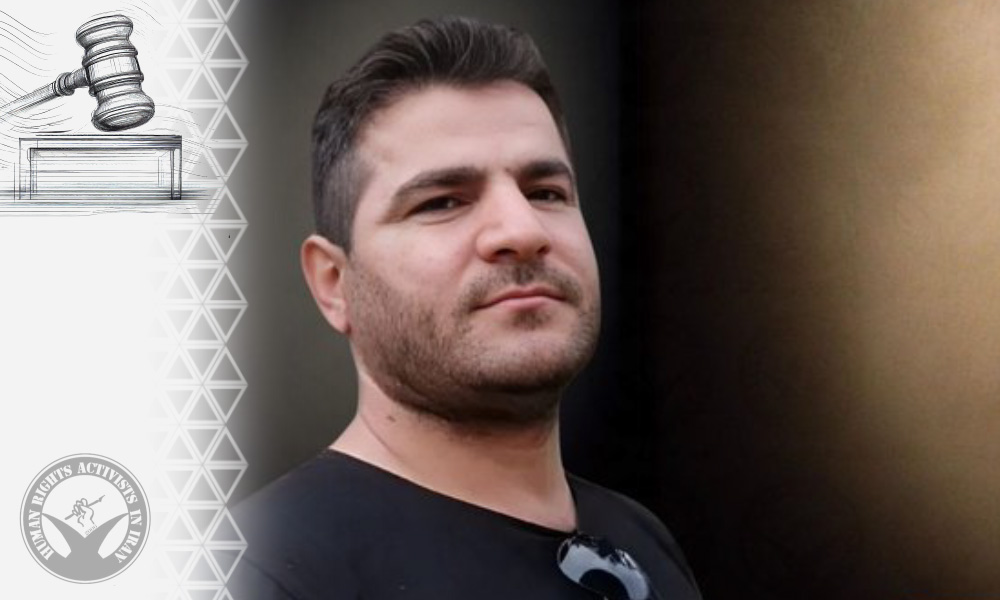
Sunni Prisoner Farhad Salimi Executed in Ghezel Hesar, Karaj

On January 23, 2024, Sunni Prisoner Farhad Salimi was executed in Ghezel Hesar, Karaj, following more than 13 years of incarceration.

In this legal case, three other Sunni defendants—Ghasem Abasteh, Ayoub Karimi, and Davoud Abdollahi—were executed on November 5, November 29, 2023, and January 2, 2024, respectively.

A source close to Salimi’s family informed HRANA that they had not received any phone calls from him in the days leading up to the execution, and the family was not formally notified about the carrying out of the sentence.

The unnamed source, citing security concerns, expressed, “A psychological game was played with the Salimi family; no official took responsibility to inform them about his whereabouts, status, or any plans they had for him. The family was not even formally notified about the execution; we only learned about it through his fellow inmates. The family is actively seeking further inquiries and custody of the body.”

The roots of the case trace back to September 2008 when Abdolrahim Tina, the Imam of a mosque in Mahabad, was assassinated by unidentified individuals. In January-February 2010, Salimi and six other Sunni suspects were arrested in connection to the assassination.

During his detention, Salimi faced multiple charges, including enmity against God (Moharebeh), allegedly through sympathizing with Salafism—a charge he consistently refuted. After spending fourteen months in legal limbo, Salimi was transferred to Rajai Shahr Prison, Karaj, where he remained until his relocation to Ghezel Hesar Prison in August of the current year.

Initially sentenced to death by Branch 28 of the Tehran Revolutionary Court, presided over by Mohammad Moghiseh, the verdict was later overturned by the Supreme Court. The case was then assigned to Branch 15 of the court, presided over by Judge Salavati, who reinstated the death sentences for him and six other defendants—Anvar Khezri, Kamran Sheikheh, Davoud Abdollahi, Khosro Besharat, Ghasem Abasteh, and Ayoub Karimi. This time, the Supreme Court confirmed the death sentences for him and his co-defendants.

Baha’i Family Receives Prison Sentences in Bojnurd

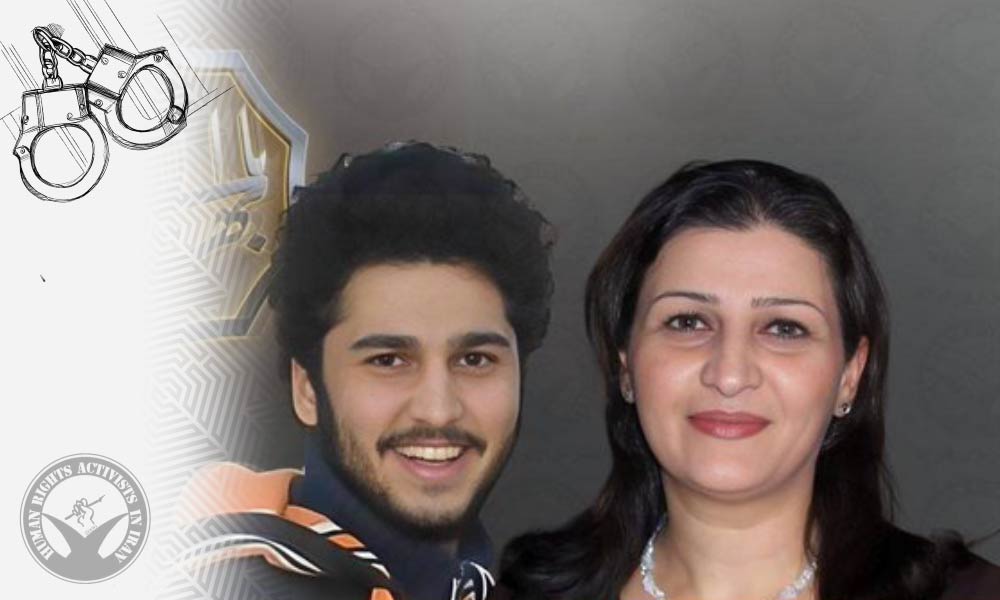
The Revolutionary Court of Bojnurd handed down prison sentences to Sholeh Shahidi and her two sons, Faran and Shayan Senaei, on January 9, 2024.

As per the recent ruling, Shayan Senaei has been sentenced to two years and two months, coupled with a fine, while Faran Senaei has received a two-year and six-month prison term, and Sholeh Shahidi is required to pay a fine.

In addition to imprisonment, the court imposed ten years of deprivation from certain social public services and the confiscation of some of their assets.

The charges leading to their conviction include “engaging in educational activities and propaganda against Islamic Sharia.” The court cited activities such as publishing posts on social media as examples of this charge.

Security forces arrested these Baha’i citizens at their Bojnurd residence on July 13, 2022. They were released on bail on August 4, 2022.

Notably, Sholeh Shahidi has previously faced legal challenges.

Baha’is are subjected to violations of their religious rights, comprising 82% of reports on infringements against religious minorities, according to HRA’s 2023 annual report.

The Baha’i faith is not recognized as a legitimate religion by Iranian authorities, leading to systematic and longstanding violations of the rights of Baha’is in the country. This includes the denial of their fundamental right to practice their religion, which constitutes a clear breach of both Article 18 of the Universal Declaration of Human Rights and Article 18 of the International Covenant on Civil and Political Rights. The United Nations covenant holds that every person has the right to freedom of religion, freedom of converting religion, as well as freedom of expression, individually or collectively; openly or secretly.
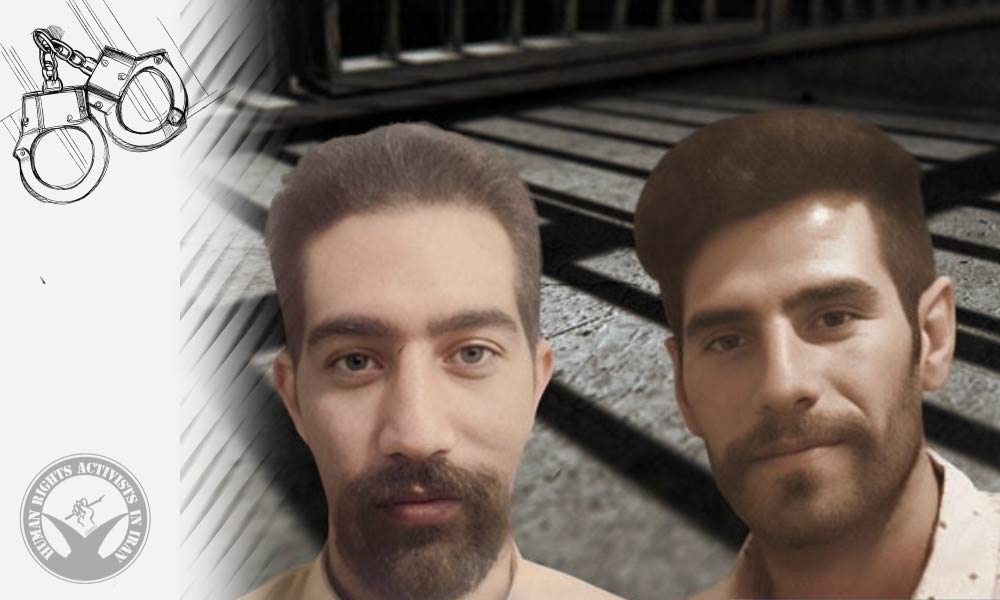

Baha’i Citizen Sirus Zabihi Moghadam Faces Eight-Year Sentence Following Appeal

The Court of Appeal in Razavi Khorasan Province has affirmed an eight-year sentence for Sirus Zabihi Moghadam.

Under this judgment, Zabihi Moghadam, a Baha’i citizen, received seven years for “membership in anti-regime groups” and an additional year for “propaganda against the regime.”

As per the ruling, Zabihi Moghadam has been summoned to appear at the Judgment Enforcement Unit within ten days to commence his sentence. Under Article 134 of the Islamic Penal Code, he is mandated to serve seven years for the first charge.

Originally handed an eight-year sentence by the Mashhad Revolutionary Court, Zabihi Moghadam had been arrested in October 2022 and secured his release on bail after approximately two months of detention.

Baha’is are subjected to violations of their religious rights, comprising 82% of reports on infringements against religious minorities, according to HRA’s 2023 annual report.

The Baha’i faith is not recognized as a legitimate religion by Iranian authorities, leading to systematic and longstanding violations of the rights of Baha’is in the country. This includes the denial of their fundamental right to practice their religion, which constitutes a clear breach of both Article 18 of the Universal Declaration of Human Rights and Article 18 of the International Covenant on Civil and Political Rights. The United Nations covenant holds that every person has the right to freedom of religion, freedom of converting religion, as well as freedom of expression, individually or collectively; openly or secretly.
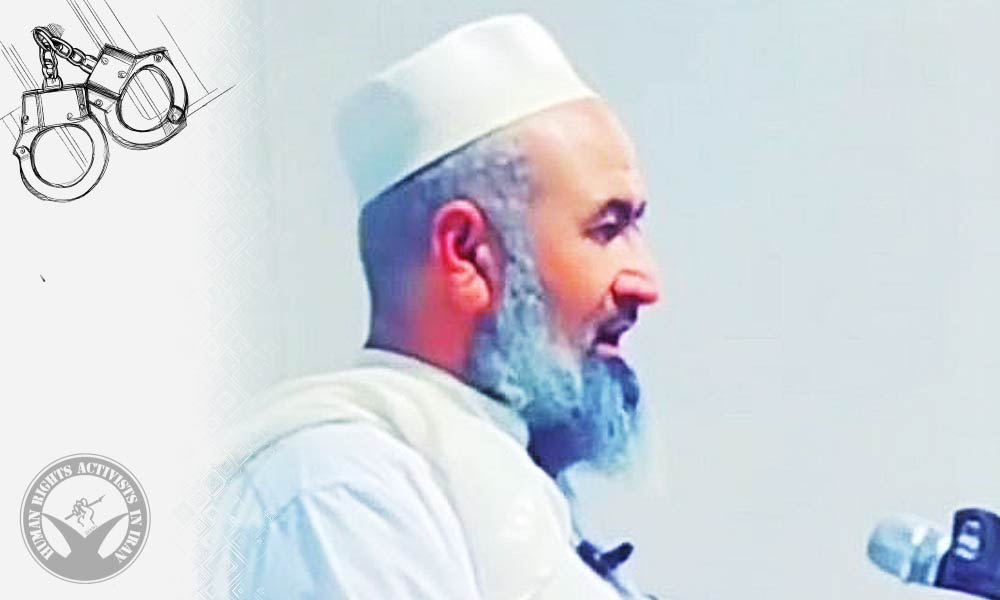
Government Seizes Baha’i Lands in Sari County

On January 1, 2024, police agents and forest rangers carried out the confiscation of approximately 60 hectares of Baha’i-owned land in the Ahmadabad Village, adjacent to Sari in Mazandaran Province.

Acting on the orders of the Sari Prosecutor, the agents blocked access to the village and took possession of the lands. Ahmadabad Village is predominantly inhabited by Baha’is, and according to a resident who spoke to HRANA, the police have cordoned off the confiscated lands with barbed wire. Of these lands, 25 are already under wheat cultivation, a practice maintained by Baha’is for decades.

In an interview with IRNA, the Representative of the Mazandaran governor attempted to justify the seizure, citing unauthorized use and construction on the lands. However, HRANA’s sources dispute this claim, asserting that there has been no illegal construction, and the landowners have been cultivating these plots since 1947.

A villager shared with HRANA that a few years ago, a dam construction plan near the village was approved, and the landowners were supposed to receive alternative plots in exchange for the lands submerged by the dam construction. Following this recent confiscation, it appears they will receive no compensation.

This incident is part of a pattern of the government confiscating Baha’i lands and properties. In a similar occurrence in 2021 and 2022, the government seized cultivating lands belonging to Baha’is in Ivel, Roshan Kouh, Sari County.

Baha’i Women’s Three-Year, Eight-Month Prison Sentences Upheld on Appeal

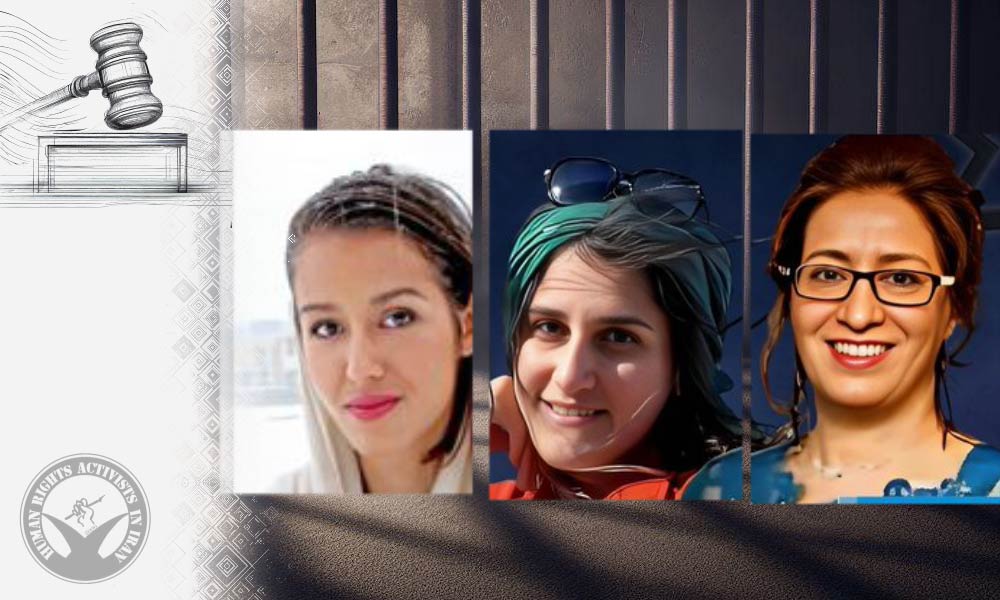
In a recent ruling, the Court of Appeal in Razavi Khorasan Province upheld the three-year, eight-month sentences for Baha’i citizens Nasim Sabeti, Azita Foroughi, Rouya Ghane Ezabadi, and Soheila Ahmadi.

The lawyer has been informed that each of them received three years for “membership in groups to act against national security” and eight months for “propaganda against the regime,” with the initial verdict issued by the Mashhad Revolutionary Court.

Reports obtained by HRANA confirm that the court session took place without prior notice to the individuals involved and in the absence of their attorney.

Baha’is are subjected to violations of their religious rights, comprising 82% of reports on infringements against religious minorities,, according to HRA’s 2023 annual report.

The Baha’i faith is not recognized as a legitimate religion by Iranian authorities, leading to systematic and longstanding violations of the rights of Baha’is in the country. This includes denying their fundamental right to practice their religion, which constitutes a clear breach of both Article 18 of the Universal Declaration of Human Rights and Article 18 of the International Covenant on Civil and Political Rights. The United Nations covenant holds that every person has the right to freedom of religion, freedom of converting religion, as well as freedom of expression, individually or collectively; openly or secretly.
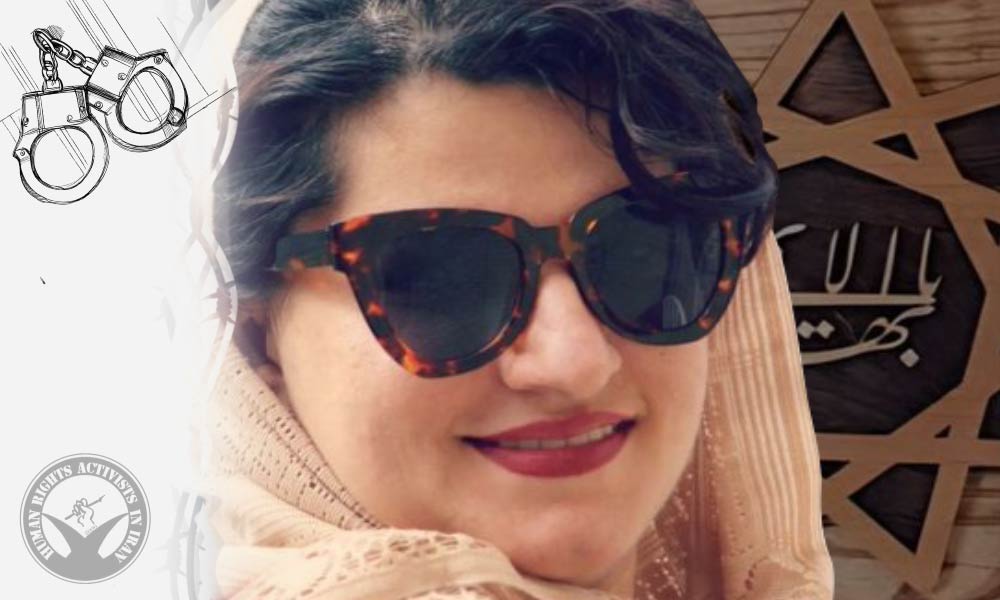
 

Subscribe to Our Newsletter

Now is definitely not the time to stop reading!

Christian Convert Esmaeil Nariman-Pour Arrested in Dezful

Esmaeil Nariman-Pour, a Christian convert, was apprehended by security forces in Dezful county, Khuzestan province, on Sunday, December 24, as reported by Mohabat News.

According to sources, Ministry of Intelligence agents raided Nariman-Pour’s residence on the eve of Christmas without presenting an arrest warrant. During the arrest, a thorough search was conducted, leading to the confiscation of some of his belongings.

Despite inquiries made by Nariman-Pour’s family to the Ministry of Intelligence office in Dezful, there has been no response. On Monday, he was permitted to make a brief phone call to inform his family about his relocation to Ahvaz, though specific details were not disclosed.

The charges against Nariman-Pour remain undisclosed at this time. Notably, as a Christian convert and a member of the Payam Rahaeee church, he has previously faced arrests.

It is noteworthy that despite Christians being officially recognized as a religious minority according to law, security apparatuses persist in monitoring their religious activities, resulting in prosecution and judicial confrontations.

It is crucial to emphasize that such actions stand in blatant violation of Article 18 of the Universal Declaration of Human Rights and Article 18 of the International Covenant on Civil and Political Rights. These international instruments affirm the right of everyone to freedom of religion, the freedom to change their religion or belief, and the freedom to express these beliefs individually or collectively, openly or in private.

Baha’i Citizen Nafisa Sa’adat Yar Receives Prison Sentence and Social Deprivations

The Revolutionary Court in Gorgan, Golestan Province, has sentenced Baha’i citizen Nafisa Saadat Yar to one year of imprisonment and imposed social deprivations.

As of the ruling issued on November 20, 2023, Sa’adat Yar is facing a one-year sentence for “spreading propaganda against the regime” and an additional four years of social deprivations.

Nafisa Sa’adat Yar and her husband, Pouya Amri, were apprehended by security forces in January 2023, later securing their release on a bail of 500 million Tomans (approximately 10,000 Dollars) in August of the same year. Unfortunately, both faced employment termination following pressure from security institutions.

HRANA’s annual report has highlighted a concerning trend where, in 2022, 64.63% of reported human rights violations against religious minorities are directed toward the Baha’i community.

The Baha’i faith is not recognized as a legitimate religion by Iranian authorities, leading to systematic and longstanding violations of the rights of Baha’is in the country. This includes the denial of their fundamental right to practice their religion, which constitutes a clear breach of both Article 18 of the Universal Declaration of Human Rights and Article 18 of the International Covenant on Civil and Political Rights. The United Nations covenant holds that every person has the right to freedom of religion, freedom of converting religion, as well as freedom of expression, individually or collectively; openly or secretly

Baha’i Resident Yekta Fahandej Arrested in Shiraz

Shiraz, December 18, 2023 – Yekta Fahandej, a Baha’i resident of Shiraz, was apprehended by security forces and subsequently transported to an undisclosed location.

A reliable source close to her family disclosed Fahandej’s arrest, which took place at her residence on December 18.

“The agents, employing intimidating tactics, conducted an extensive search of her house, seizing some of her belongings as well as possessions belonging to her family,” the source reported.

In a disconcerting turn of events, intelligence agents reportedly went as far as tearing down real estate documents and family photographs during the search.

The motives behind Fahandej’s arrest and her current whereabouts remain shrouded in uncertainty.

It is worth noting that Fahandej has previously faced arrests and convictions.

Gonabadi Dervish Arash Moradi Faces Eight-Year Prison Term

Arash Moradi, a Gonabadi Dervish currently held in Evin Prison, has been handed an eight-year prison sentence by the Tehran Revolutionary Court.

Presiding over Branch 29 of the Tehran Revolutionary Court, Judge Ali Mazloum detailed Moradi’s sentencing as follows: two years for “disturbing public opinions,” one year for “propaganda against the regime,” three years for “blasphemy,” and two years for “insulting the former and current Supreme Court of Iran.” The cumulative punishment amounts to eight years of imprisonment.

Citing Article 134 of the Islamic Penal Code, which stipulates that the most severe penalty should be applied in cases involving multiple charges, Moradi is slated to serve three years in prison.

A reliable source close to Moradi’s family informed HRANA of a notable development during the legal proceedings, where the charge of “disseminating false information” was altered to “disturbing public opinions.”

Furthermore, the court had previously dismissed charges of “assembly and collusion against national security” and “inciting people to violence.”

Moradi was apprehended on October 17 by security forces at his workplace in Kashan and subsequently confined to Ward 4 of Evin Prison.

This is not Moradi’s first encounter with the legal system, as he was previously detained during the 2018 Dervish protests, resulting in a one-year prison sentence. Following the completion of his sentence, Moradi was released from the Great Tehran Penitentiary.

Four Sunni Clerics Sentenced to a Combined 11 Years in Prison

According to Kurdpa, the Special Clerical Court in Urmia has handed down prison sentences totaling 11 years to Sunni clerics Younes Nokhah, Seyed Soleiman Ahmadi, Sharif Mahmoud-Pour, and Seyed Jamaleddin Vazhi.

Under this ruling, Nokhah received three years, Ahmadi four years, Mahmoud-Pour two years, and Vazhi two years. The charges levied against them include “acting against national security” and “disturbing public opinion.”

On January 23, 2023, Vazhi and Mahmoud-Pour were arrested by security forces in Piranshahr, and subsequently released on bail after a period of detention. The following day, Nokhah and Ahmadi were apprehended on the Piranshahr to Passveh road without a visible arrest warrant. They were then transferred from the Ministry of Intelligence’s detention facility in Urmia to Urmia Prison. Nokhah, who spent 23 days in detention, faced denial of legal representation and family visits during this period.

Additionally, Nokhah has received a separate sentence of defrocking and 58 months and 15 days from the Special Clerical Court of Tabriz.