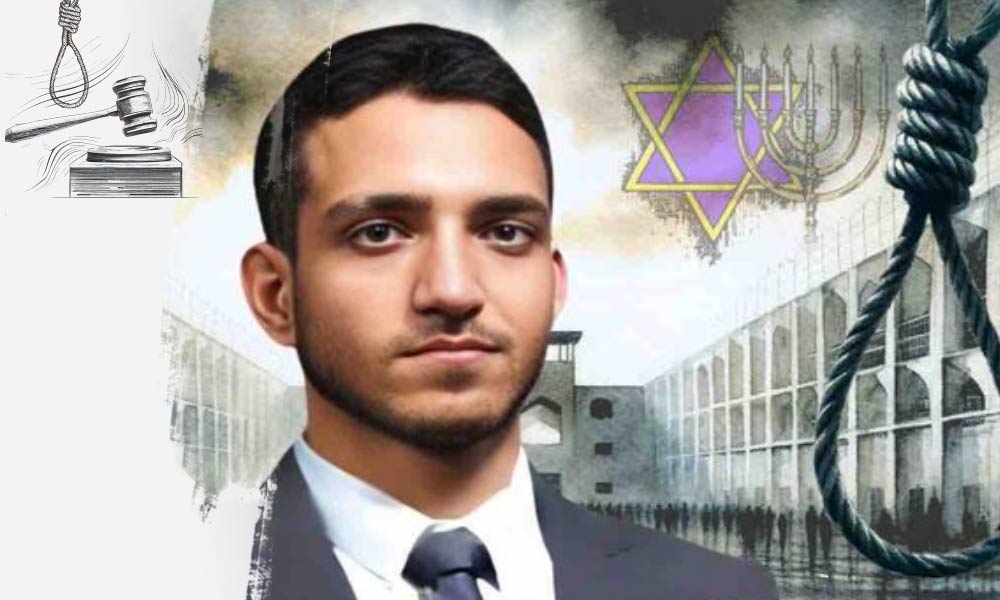
Six Baha’i Citizens’ Sentences Reduced to 29 Years and 10 Months on Appeal

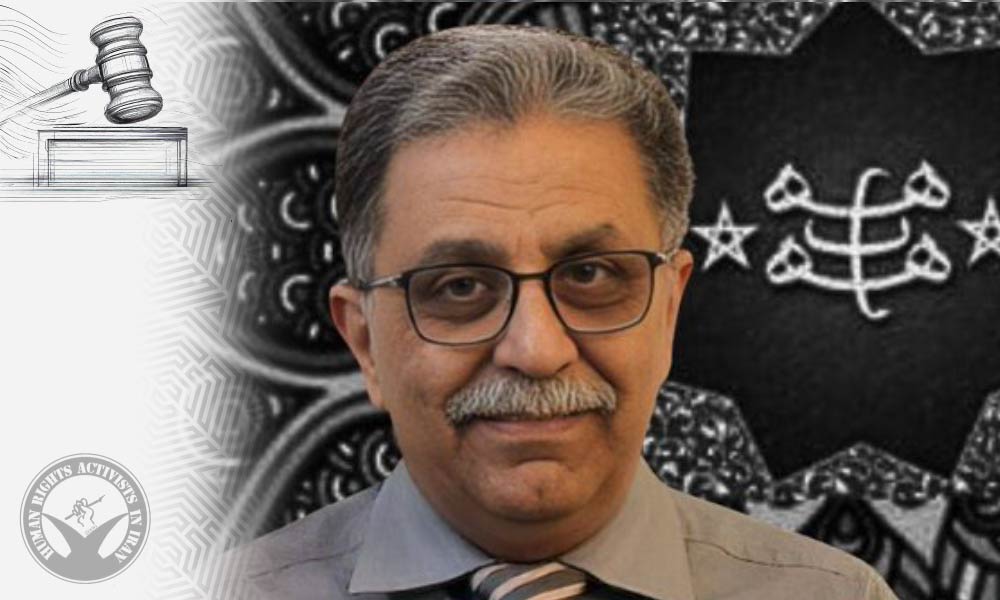
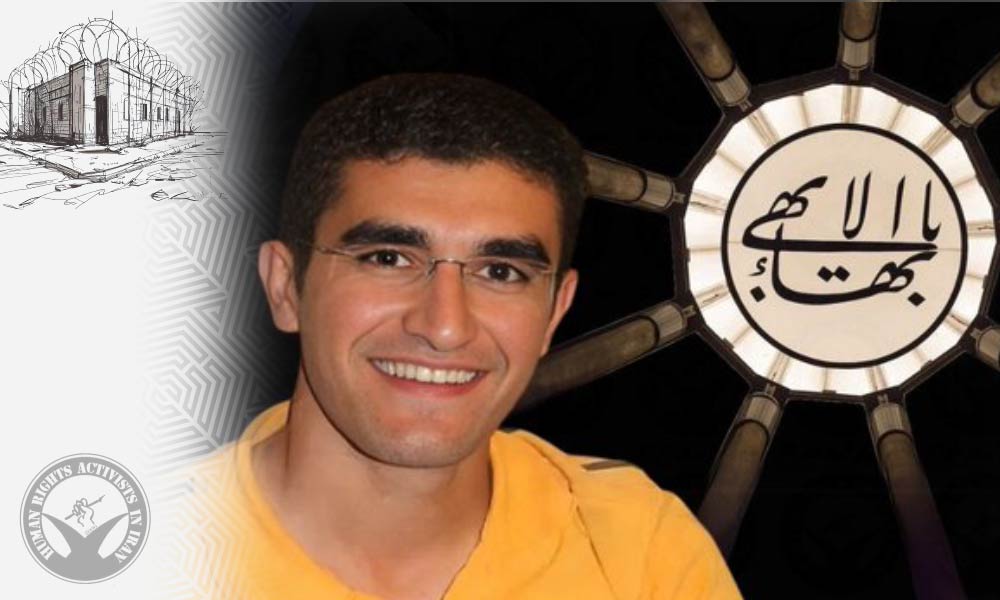
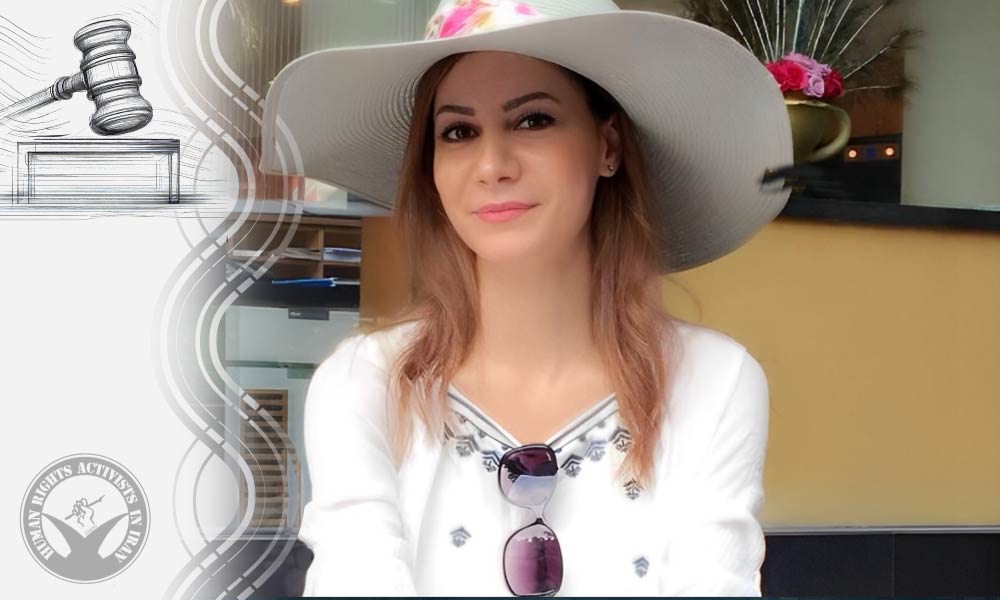
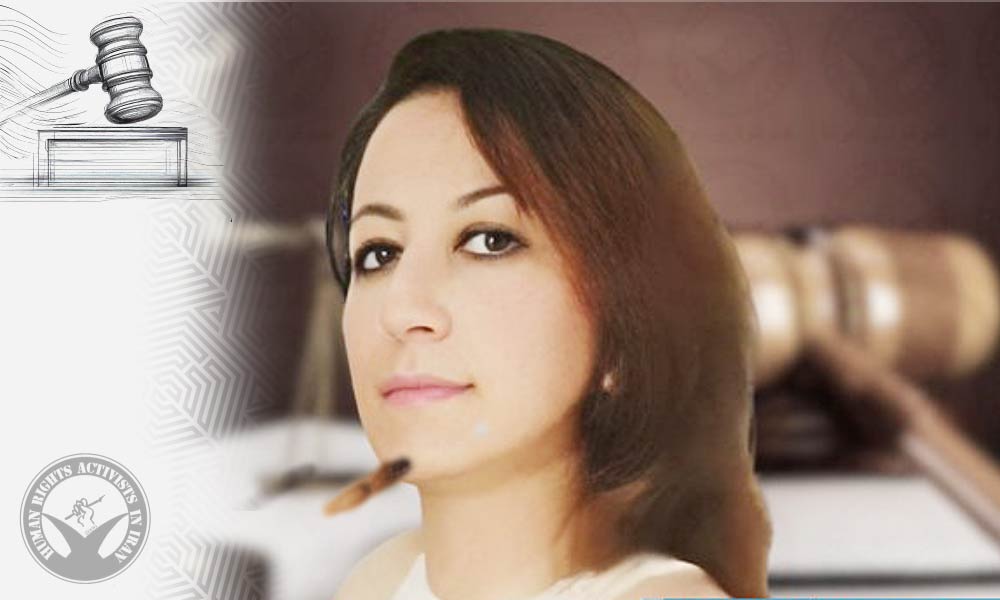
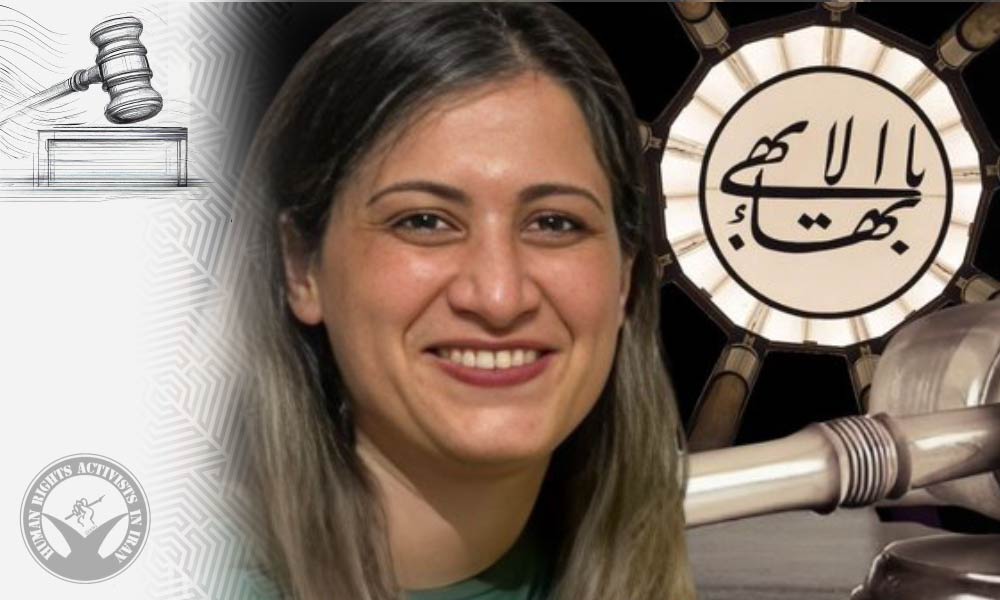
The Tehran Court of Appeals has revised the sentences of six Baha’i citizens, resulting in a combined prison term of 29 years and 10 months. The affected individuals are Saeedeh Khozuei, Saba Sefidi, Iraj Shakoor, Samira Ebrahimi, Pedram Abhar, and Arsalan Yazdani.

Presiding over Branch 36 of the Tehran Court of Appeals, Judge Abasasli issued the following breakdown for the revised sentences: Khozuei and Yazdani will serve six years each, Shakoor and Abhar five years each, Ebrahimi four years and five months, and Sefidi three years and five months.

A source close to the families, speaking to HRANA, revealed that “the government will confiscate the properties seized from these citizens during their arrest.”

The charges against each individual are as follows:

  • Saeedeh Khozuei: Five years for “membership in anti-regime groups” and one year for “propaganda against the regime.”
  • Arsalan Yazdani: Five years for “membership in anti-regime groups” and one year for “propaganda against the regime.”
  • Iraj Shakoor: Five years for “membership in anti-regime groups.”
  • Pedram Abhar: Five years for “membership in anti-regime groups.”
  • Samira Ebrahimi: Three years and five months for “membership in anti-regime groups” and one year for “propaganda against the regime.”
  • Saba Sefidi: Three years and five months for “membership in anti-regime groups.”

Initially, the Tehran Revolutionary Court had sentenced them to a combined 32 years and 10 months.

HRANA’s annual report has highlighted a concerning trend where, in 2022, 64.63% of reported human rights violations against religious minorities are directed toward the Baha’i community.

The Baha’i faith is not recognized as a legitimate religion by Iranian authorities, leading to systematic and longstanding violations of the rights of Baha’is in the country. This includes the denial of their fundamental right to practice their religion, which constitutes a clear breach of both Article 18 of the Universal Declaration of Human Rights and Article 18 of the International Covenant on Civil and Political Rights. The United Nations covenant holds that every person has the right to freedom of religion, freedom of converting religion, as well as freedom of expression, individually or collectively; openly or secretly.

Azerbaijani-Turk Activist Hadi Gholizadeh Arrested in Tabriz

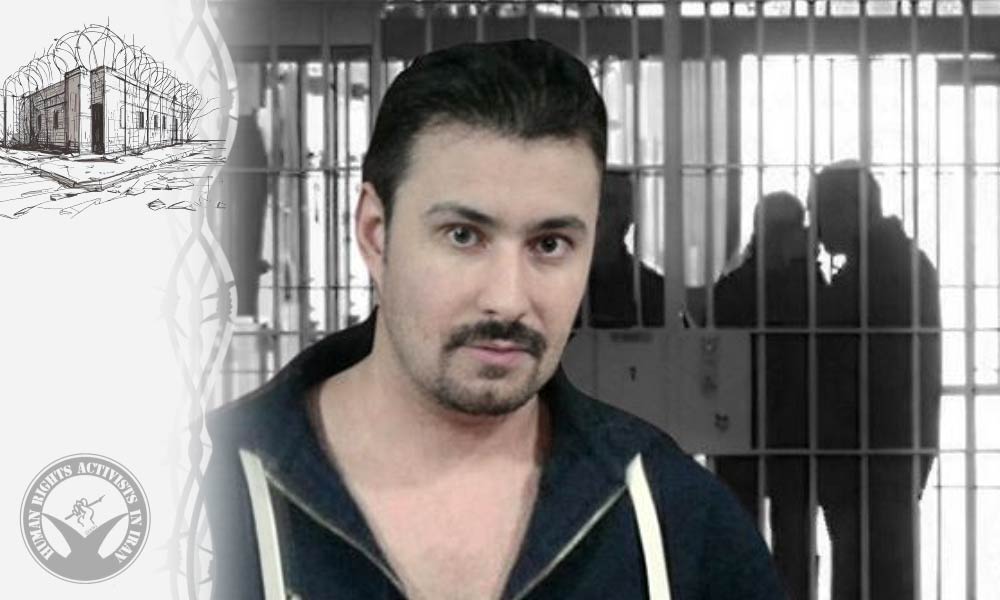
On December 7, security forces apprehended Azerbaijani-Turk activist Hadi Gholizadeh in Tabriz, moving him to an undisclosed location.

Gholizadeh has been reportedly arrested in a cemetery in Tabriz. The reason for his arrest, his whereabouts, and the charges against him are unknown at this time.
This incident sheds light on the broader issue of the suppression of ethnic activists, raising serious concerns about the protection of civil liberties and human rights in Iran.

Three Baha’i Citizens Receive Prison Sentences and Social Sanctions in Sari

The Sari Revolutionary Court has recently issued a 33-month prison sentence along with additional penalties to Baha’i citizen Saha Sabeti. Two other Baha’i individuals, Behrooz Rahmani and Sanaz Alizadeh Rooshankoohi, have also been fined and subjected to bans on educational and cultural activities.

As per the verdicts issued on November 28, 2023, Saha Sabeti has been sentenced to 33 months in prison for charges of”membership in groups acting against national security” and “engaging in educational activities and propaganda against Islamic Sharia.” Additionally, she faces a fine and a 13-year prohibition from participating in educational and cultural pursuits.

Behrooz Rahmani has been fined and sentenced to a ten-year ban on educational and cultural activities for similar charges. Likewise, Alizadeh Rooshankoohi, found guilty of “engaging in educational activities and propaganda against Islamic Sharia,” has received a parallel punishment to Behrooz Rahmani.

These individuals were indicted in August-September of this year and granted release on bail.
Saha Sabeti, who was arrested by security forces in Sari on July 31, 2022, spent 14 days in detention before being released on bail. In late July of this year, security forces conducted searches of the residences belonging to these citizens.

HRANA’s annual report has highlighted a concerning trend where, in 2022, 64.63% of reported human rights violations against religious minorities are directed toward the Baha’i community.

The Baha’i faith is not recognized as a legitimate religion by Iranian authorities, leading to systematic and longstanding violations of the rights of Baha’is in the country. This includes the denial of their fundamental right to practice their religion, which constitutes a clear breach of both Article 18 of the Universal Declaration of Human Rights and Article 18 of the International Covenant on Civil and Political Rights. The United Nations covenant holds that every person has the right to freedom of religion, freedom of converting religion, as well as freedom of expression, individually or collectively; openly or secretly.

Baha’i Citizen Shohreh Salekian Sentenced to Three Years and Eight Months in Prison

The Mashhad Revolutionary Court has issued a three-year and eight-month prison sentence to Baha’i citizen Shohreh Salekian.

Presiding Judge Hadi Mansouri determined Salekian’s sentence, attributing three years for “membership in groups to disturb order and act against national security” and an additional eight months for “spreading propaganda against the regime.”

In the event of an appeal, Article 134 of the Islamic Penal Code stipulates that, in cases involving multiple charges, the most severe penalty shall be applied. Consequently, if the verdict is contested, Salekian will serve a three-year term.

Legal proceedings against Salekian commenced in July of this year following her summons to Mashhad Courthouse.

HRANA’s annual report has highlighted a concerning trend where, in 2022, 64.63% of reported human rights violations against religious minorities are directed toward the Baha’i community.

The Baha’i faith is not recognized as a legitimate religion by Iranian authorities, leading to systematic and longstanding violations of the rights of Baha’is in the country. This includes the denial of their fundamental right to practice their religion, which constitutes a clear breach of both Article 18 of the Universal Declaration of Human Rights and Article 18 of the International Covenant on Civil and Political Rights. The United Nations covenant holds that every person has the right to freedom of religion, freedom of converting religion, as well as freedom of expression, individually or collectively; openly or secretly.

Baha’i Citizen Rouya Malakooti Receives Six-Year, Eight-Month Sentence

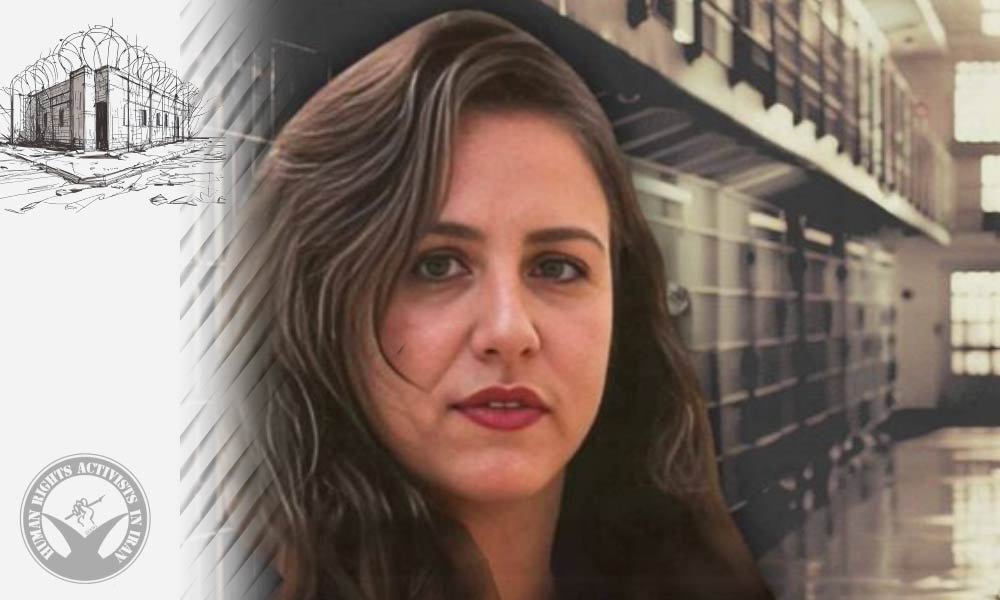
The Mashhad Revolutionary Court, presided over by Judge Hadi Mansouri, has handed down a six-year, eight-month prison sentence to Baha’i Citizen Rouya Malakooti.

The verdict includes a six-year term for “forming groups to act against national security” and an additional eight months for “spreading propaganda against the regime.”

In the event the verdict is upheld on appeal, Article 134 of the Islamic Penal Code mandates the enforcement of the initial six-year prison term.

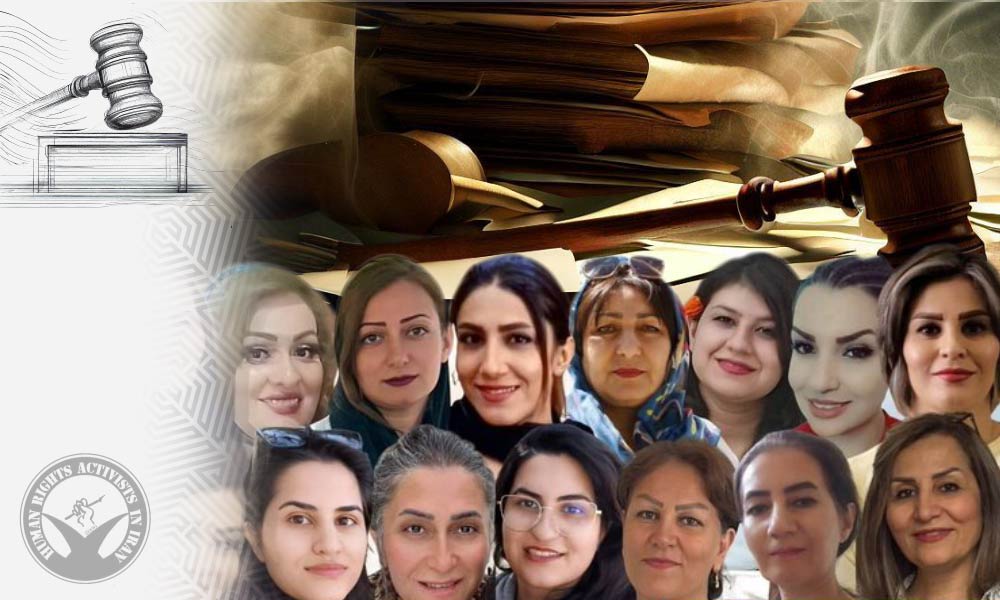
Malakooti, along with eight other Baha’i women, was summoned to appear in Mashhad on July 29. While all were called, only Malakooti was arrested and subsequently jailed in Vakilabad Prison after an extensive interrogation.

The 2022 annual report by HRANA underscores a troubling trend, revealing that 64.63% of reported human rights violations against religious minorities target the Baha’i community.

The Baha’i faith faces persistent discrimination in Iran, as it is not officially recognized by the authorities. This systemic injustice results in consistent violations of the Baha’is’ fundamental right to practice their religion, a direct violation of Article 18 of the Universal Declaration of Human Rights and Article 18 of the International Covenant on Civil and Political Rights. The United Nations covenant explicitly guarantees every person the right to freedom of religion, freedom to change their religion, and freedom of expression, individually or collectively, openly or in private.

Subscribe to Our Newsletter

Now is definitely not the time to stop reading!

Baha’i Nooshin Mesbah Receives Reduced Sentence of One Year on Appeal

In a recent development, the Court of Appeal of Razavi Khorasan Province has handed down a revised sentence to Baha’i citizen Nooshin Mesbah, a resident of Mashhad, reducing her imprisonment term to one year.

Mesbah had initially been convicted of “membership in groups aiming to endanger national security,” resulting in a three-year sentence. However, the Court of Appeal has now modified this sentence, lowering it to one year.

Moreover, Mesbah has been acquitted of the charge of “spreading propaganda against the regime,” for which she had originally received an eight-month prison term.

HRANA’s annual report has highlighted a concerning trend where, in 2022, 64.63% of reported human rights violations against religious minorities are directed toward the Baha’i community.

The Baha’i faith is not recognized as a legitimate religion by Iranian authorities, leading to systematic and longstanding violations of the rights of Baha’is in the country. This includes the denial of their fundamental right to practice their religion, which constitutes a clear breach of both Article 18 of the Universal Declaration of Human Rights and Article 18 of the International Covenant on Civil and Political Rights. The United Nations covenant holds that every person has the right to freedom of religion, freedom of converting religion, as well as freedom of expression, individually or collectively; openly or secretly.


Baha’i Citizen Masoud Mahmoudi Detained in Shirvan

Yesterday, on November 13, security forces arrested Baha’i citizen Masoud Mahmoudi in Shirvan, North Khorasan province. He has been transferred to an undisclosed location.

According to a source closely connected to Mahmoudi’s family, six intelligence agents from Bojnurd searched his residence in Shirvan before apprehending him, confiscating some of his belongings in the process.

The source also revealed that Mahmoudi suffers from a skin disease that requires medication and medical treatment, heightening concerns about his well-being among family members. The reasons for Mahmoudi’s arrest and his current whereabouts remain unknown. The incident underscores ongoing challenges faced by Baha’i citizens in the region.

Baha’i Citizen Zabihi Moghadam Recevies Eight Years in Prison

The Mashhad Revolutionary Court has handed down an eight-year prison sentence to Sirus Zabihi Moghadam, a Baha’i resident of Mashhad.

Zabihi Moghadam was convicted of seven years for “membership in anti-regime groups” and an additional year for “spreading propaganda against the regime.” Should the verdict be upheld on appeal, Article 134 of the Islamic Penal Code mandates the enforcement of the harshest punishment in cases involving multiple charges, resulting in a seven-year prison term for Moghadam.

Arrested in September 2022, Zabihi Moghadam was released on bail after two months.

The Baha’i faith is not recognized as a legitimate religion by Iranian authorities, leading to systematic and longstanding violations of the rights of Baha’is in the country. This includes the denial of their fundamental right to practice their religion, which constitutes a clear breach of both Article 18 of the Universal Declaration of Human Rights and Article 18 of the International Covenant on Civil and Political Rights. The United Nations covenant holds that every person has the right to freedom of religion, freedom of converting religion, as well as freedom of expression, individually or collectively; openly or secretly.


Four Yarsan Followers Detained in Kermanshah Province

Today, on November 10, security forces arrested four followers of Yarsanism—Seyed-Amin Abbasi, Kheirollah Haghjooyan, Pakzad Taheri, and Noshad Taheri. The location of their detention remains undisclosed.

Sources indicate that these individuals were apprehended at a police checkpoint on the road connecting Sarpol-e Zahab to Kermanshah. The reasons behind their arrests, their current whereabouts, and the allegations against them remain unknown.

It’s worth noting that Abbasi, Noshad Taheri, and Haghjooyan have a history of previous arrests and judicial confrontations.

Yarsanism, also known as Ahl-e Haqq, is a syncretic religion founded by Sultan Sahak in the late 14th century in western Iran. As a religious minority, Yarsan followers often face intimidation and prosecution by the regime’s security and judicial systems. The community’s rights and freedoms have been a subject of concern, reflecting broader challenges faced by religious minorities in the region.

Arrests of Five Baha’i Citizens in Karaj Heighten Concerns

In a recent development, security forces in Karaj have detained Baha’i citizens Iman Ehsani, Iren Rahmani, Foad Taefi, Reza Yazdi, and Fahimeh Yazdi.

According to information received by HRANA, the Ministry of Intelligence apprehended these individuals on Tuesday, November 7. The exact location of their detention remains unknown, intensifying concerns among their families.

Iman Ehsani and Iren Rahmani are parents of two sons aged 2 and 4.

This incident follows HRANA’s prior report on the arrest of four other Baha’is in Karaj. The reasons behind these detentions and the charges against the individuals are currently undisclosed, adding to the growing uncertainty surrounding the situation.

The Baha’i faith is not recognized as a legitimate religion by Iranian authorities, leading to systematic and longstanding violations of the rights of Baha’is in the country. This includes the denial of their fundamental right to practice their religion, which constitutes a clear breach of both Article 18 of the Universal Declaration of Human Rights and Article 18 of the International Covenant on Civil and Political Rights. The United Nations covenant holds that every person has the right to freedom of religion, freedom of converting religion, as well as freedom of expression, individually or collectively; openly or secretly.