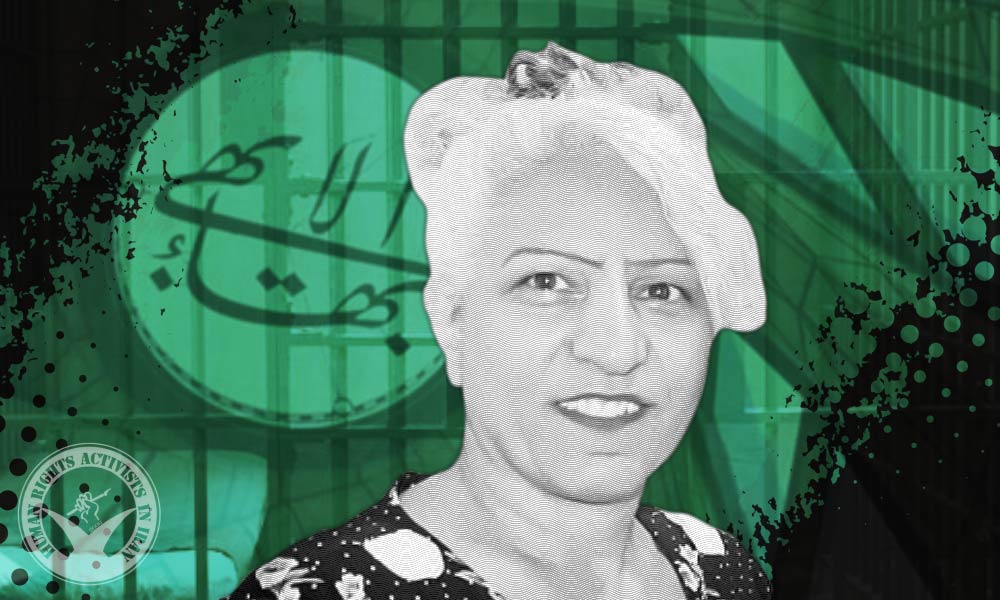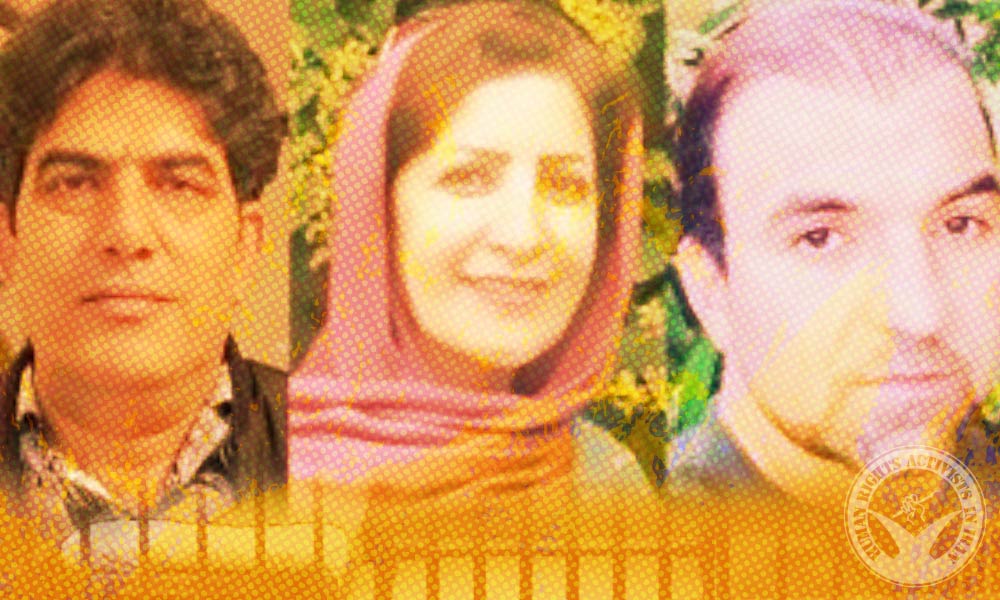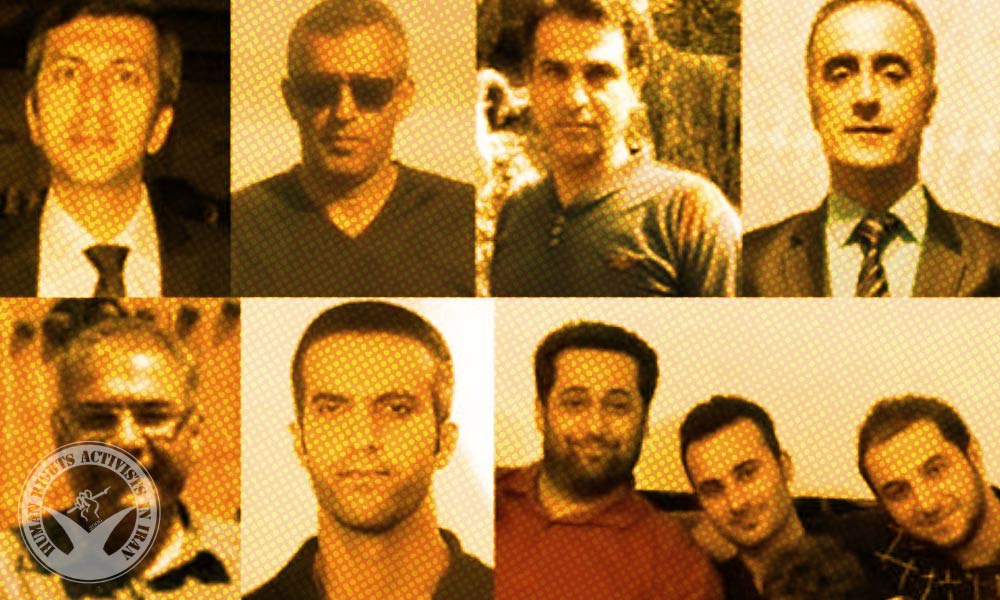
Baha’i Citizen Sina Shahri Arrested By Agents of Ministry of Intelligence

Baha’i citizen Sina Shahri, resident of Tabriz, was arrested by intelligence agents and transferred to an unidentified location. Agents arrested him at his home, searched his house and confiscated some of his personal belongings including documents and books about the Baha’i faith.

According to HRANA, the news agency of Human Rights Activists, the reasons for his arrest and his whereabouts are still unknown at the time of writing.

According to unofficial sources, it is estimated that more than 300,000 Baha’is live in Iran, but the Iranian constitution recognizes only Islam, Christianity, Judaism, and Zoroastrianism. Because their faith is not considered legitimate by authorities, the rights of Baha’is in Iran have been systematically violated for years.

The deprivation of the freedom to practice their religion is a breach of Article 18 of the Universal Declaration of Human Rights and Article 18 of the International Covenant on Civil and Political Rights. The United Nations covenant holds that every person has the right to freedom of religion, freedom of converting religion, as well as freedom of expression, individually or collectively; openly or secretly.
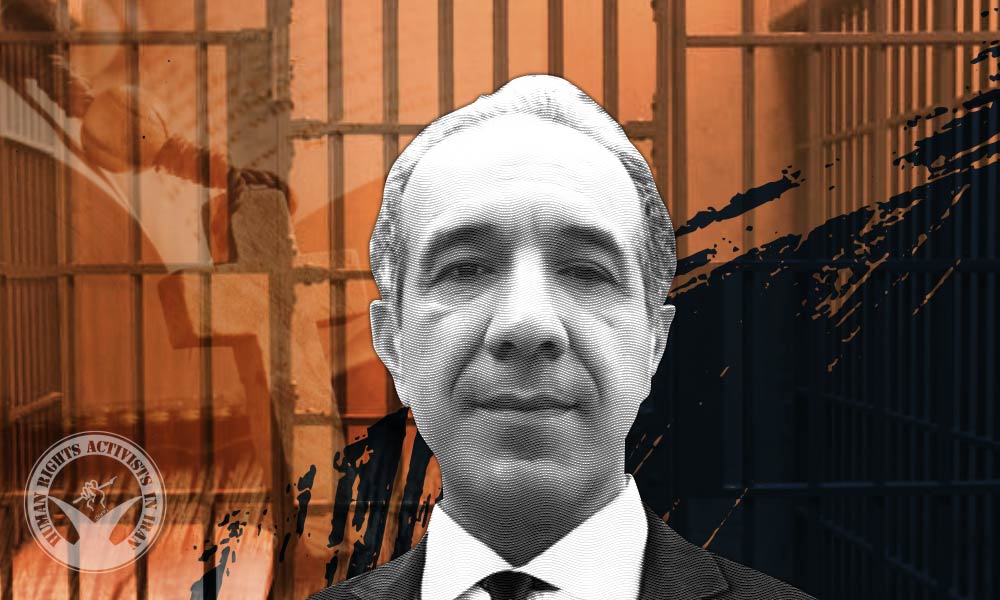
Baha’i Poet Natoli Derakhshan Arrested in Sari City

On January 11, Natoli Derkshan, a poet and Baha’i citizen, was arrested by intelligence agents at his home in Sari City and transferred to an unidentified location.

According to HRANA, the news agency of Human Rights Activists, Derkshan has faced other arrests before. The reasons for this arrest, the charges against him and his whereabouts are unknown at the time of writing.

According to unofficial sources, it is estimated that more than 300,000 Baha’is live in Iran, but the Iranian constitution recognizes only Islam, Christianity, Judaism, and Zoroastrianism. Because their faith is not considered legitimate by authorities, the rights of Baha’is in Iran have been systematically violated for years.

The deprivation of the freedom to practice their religion is a breach of Article 18 of the Universal Declaration of Human Rights and Article 18 of the International Covenant on Civil and Political Rights. The United Nations covenant holds that every person has the right to freedom of religion, freedom of converting religion, as well as freedom of expression, individually or collectively; openly or secretly.
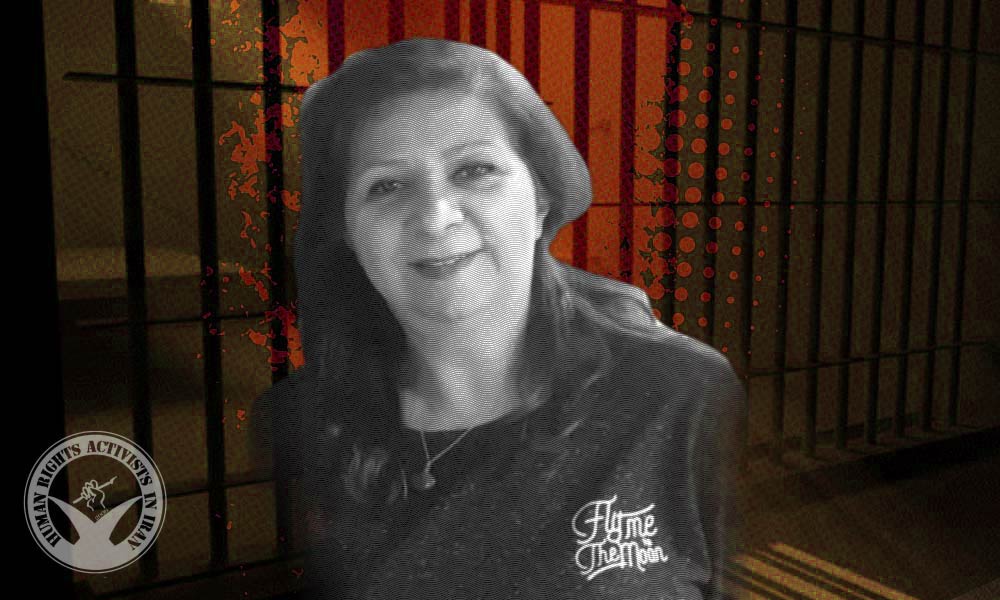
Baha’i Citizen Saba Sefidi Arrested In Tehran

On January 11, Baha’i citizen Saba Sefidi, resident of Tehran, was arrested after an appearance at Branch 2 of Evin Courthouse.

According to HRANA, the news agency of Human Rights Activists, the reason for Sefidi’s arrest and the charges against her are still unknown at the time of writing.

Regarding the prosecution and harassment of Baha’is by Iran’s regime, HRA Senior Advocacy Coordinator Skylar Thompson stated that HRA strongly condemned these discriminatory acts against religious minorities in Iran. She asked that the regime take action to ensure Iranian people, and particularly Baha’i citizens, are entitled to the freedom of religion and can perform religious acts freely.

According to unofficial sources, it is estimated that more than 300,000 Baha’is live in Iran, but the Iranian constitution recognizes only Islam, Christianity, Judaism, and Zoroastrianism. Because their faith is not considered legitimate by authorities, the rights of Baha’is in Iran have been systematically violated for years.

The deprivation of the freedom to practice their religion is a breach of Article 18 of the Universal Declaration of Human Rights and Article 18 of the International Covenant on Civil and Political Rights. The United Nations covenant holds that every person has the right to freedom of religion, freedom of converting religion, as well as freedom of expression, individually or collectively; openly or secretly.

Sunni Cleric Arrested By Security Forces in Kamyaran

On December 24, security forces arrested Sunni Cleric Mohammad-Mirza Rahmani in Kamyaran County, Kurdistan Province and transferred him to an unidentified location.

According to HRANA, the news agency of Human Rights Activists, quoting Kurdpa, Rahmani, a resident of the village Lown-e Sadat, was arrested due to his speech at the funeral of Heydar Ghorbani, a political prisoner who was recently executed in Sanandaj prison.

Despite inquiry from his family, his whereabouts are still unknown at the time of writing.

Two Baha’i Citizens Arrested and Sent to Yazd Prison to Serve Their Sentences

On December 13, Baha’i citizens Mitra Bandi Amir-Abadi and Hiva Yazdan Mehdi-Abadi were arrested at their home by security forces and sent to Yazd Prison to serve their sentences.

According to HRANA, the news agency of Human Rights Activists, Amir-Abadi and Mehdi-Abadi, along with two other Baha’i citizens, had been sentenced by Branch 2 of Yazd’s Revolutionary Court, headed by Judge Reza Javad Mousavi. They were sentenced to a combined 13 years and 4 months on the charge of “membership in Baha’i anti-regime groups and propaganda against the regime”. On appeal, they were acquitted from the first charge and the verdict was changed to 8 months imprisonment each.

Amir-Abadi and Mehdi-Abadi were arrested on May 30, 2020, and released on bail after three months of detention. Both women had previously faced other arrests and convictions. In December 2017, Mehdi-Abadi was detained for “teaching music to children” and transferred to Yazd Prison. She was released on bail on December 25 of that year.

Regarding the prosecution and harassment of Baha’is by Iran’s regime, HRA Senior Advocacy Coordinator Skylar Thompson stated that HRA strongly condemned these discriminatory acts against religious minorities in Iran. She asked that the regime take action to ensure Iranian people, and particularly Baha’i citizens, are entitled to the freedom of religion and can perform religious acts freely.

According to unofficial sources, it is estimated that more than 300,000 Baha’is live in Iran, but the Iranian constitution recognizes only Islam, Christianity, Judaism, and Zoroastrianism. Because their faith is not considered legitimate by authorities, the rights of Baha’is in Iran have been systematically violated for years.

This deprivation of the freedom to practice their religion is a breach of Article 18 of the Universal Declaration of Human Rights and Article 18 of the International Covenant on Civil and Political Rights. The United Nations covenant holds that every person has the right to freedom of religion, freedom of converting religion, as well as freedom of expression, individually or collectively; openly or secretly.
Subscribe to Our Newsletter

Now is definitely not the time to stop reading!

Pedram Abhar’s House Searched While He Remains Detained in Unknown Detention Center

On Tuesday, November 23, security forces raided and searched Baha’i citizen Pedram Abhar’s house in Tehran. On November 21, security forces arrested Pedram Abhar at his father’s home in Shiraz.

According to HRANA, the news agency of Human Rights Activists, at the time of arrest, they also searched the house and confiscated several family belongings such as identity cards, passports, cell phones, pictures and books related to the Baha’i faith. While Baha’i citizen, Pedram Abahar is still in detention in an unidentified detention center, his house in Tehran was searched by security forces again on Tuesday.

“On Sunday morning, November 21, at 10 am., Mr. Abhar departed from Shiraz to Bushehr,” an informed source told HRANA. “While he was at a rest stop on the road, he was surrounded by three cars. They arrested and transferred him back to his parents’ home in Shiraz. About 13 security agents searched the house. Yesterday, his parents went to the courthouse to find out about their son. However, they did not get an answer. Finally, this morning, Mr. Abhar was allowed to make a short call to his parent.”

Regarding this report, HRA Senior Advocacy Coordinator Skylar Thompson stated that HRA strongly condemned these discriminatory acts against religious minorities in Iran. She asked that the regime take action to ensure Iranian people, and Bahai’s citizens in particular, are entitled to the freedom of religion and can perform their religious acts freely.

According to unofficial sources, it is estimated that more than 300,000 Baha’is live in Iran, but the Iranian constitution recognizes only Islam, Christianity, Judaism, and Zoroastrianism. Because their faith is not considered legitimate by authorities, the rights of Baha’is in Iran have been systematically violated for years.

This deprivation of the freedom to practice their religion is a breach of Article 18 of the Universal Declaration of Human Rights and Article 18 of the International Covenant on Civil and Political Rights. The United Nations covenant holds that every person has the right to freedom of religion, freedom of converting religion, as well as freedom of expression, individually or collectively; openly or secretly.

The reason for Abhar’s arrest, the charges against him, the security institution responsible for the arrest, and the detainee’s whereabouts are all unknown as of this writing.

Baha’i Citizen Shiva Khalili Arrested and Released on Bail in Babol

On Tuesday, November 16, Baha’i citizen Shiva Khalili was arrested after being summoned and appearing at Branch 1 of the Public and Revolutionary Court of Babol.

According to HRANA, the news agency of Human Rights Activists, Khalili was released the following day on a bail of 700 million tomans until the end of legal proceedings. Shiva Khalili, a resident of Babol in Mazandaran Province, was summoned to the Revolutionary Court of Babol by phone.

According to unofficial sources, it is estimated that more than 300,000 Baha’is live in Iran, but the Iranian constitution recognizes only Islam, Christianity, Judaism, and Zoroastrianism. Because their faith is not considered legitimate by authorities, the rights of Baha’is in Iran have been systematically violated for years.

This deprivation of the freedom to practice their religion is a breach of Article 18 of the Universal Declaration of Human Rights, and Article 18 of the International Covenant on Civil and Political Rights. The United Nations covenant holds that every person has the right to freedom of religion, freedom of converting religion, as well as freedom of expression, individually or collectively; openly or secretly.
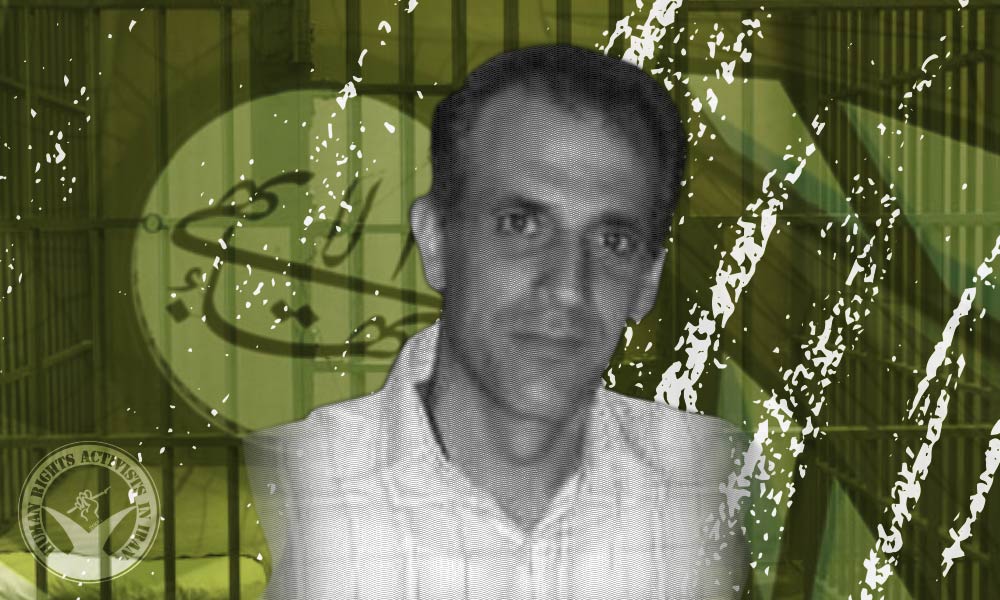
The reason for Khalili’s arrest and the charges against her are unknown as of this writing.

Two Christian Converts Sent to Bushehr Prison to Endure One Year Sentences

Earlier this Thursday, November 11, Christian converts Sasan Khosravi and Habib Heydari were sent to Bushehr Prison to endure their prison sentences.

According to HRANA, the news agency of Human Rights Activists, quoting Mohabbat News, the Revolutionary Court of Bushehr sentenced each of them to one-year imprisonment, among other punishments, in June of this year. These verdicts were later upheld by the court of appeals.

Khosravi and Heydari received these sentences on a charge of “propaganda against the regime”. They had also faced two other charges of “acting against national security” and “membership in anti-regime group”, but of both of these they were acquitted.

On July 1, 2019, the intelligence agents arrested Khosravi and Heydari in Bushehr and  released them on a bail of 300 million tomans after two weeks. During their detention period, the detainees were held in solitary confinement and denied any access to a lawyer. They were also forced to make a videotaped confession.

Despite the fact that Christians are recognized as a religious minority under Islamic law, the security services pursue the issue of Muslims converting to Christianity with particular sensitivity and deal harshly with those who convert to Christianity.

The Iranian regime targets Christian converts despite Article 18 of the Universal Declaration of Human Rights and Article 18 of the International Covenant on Civil and Political Rights, which state that every individual has the right to freedom of religion and belief and freedom to express it openly or secretly.


Three Christian Converts Summoned in Karaj to Endure Their Sentences

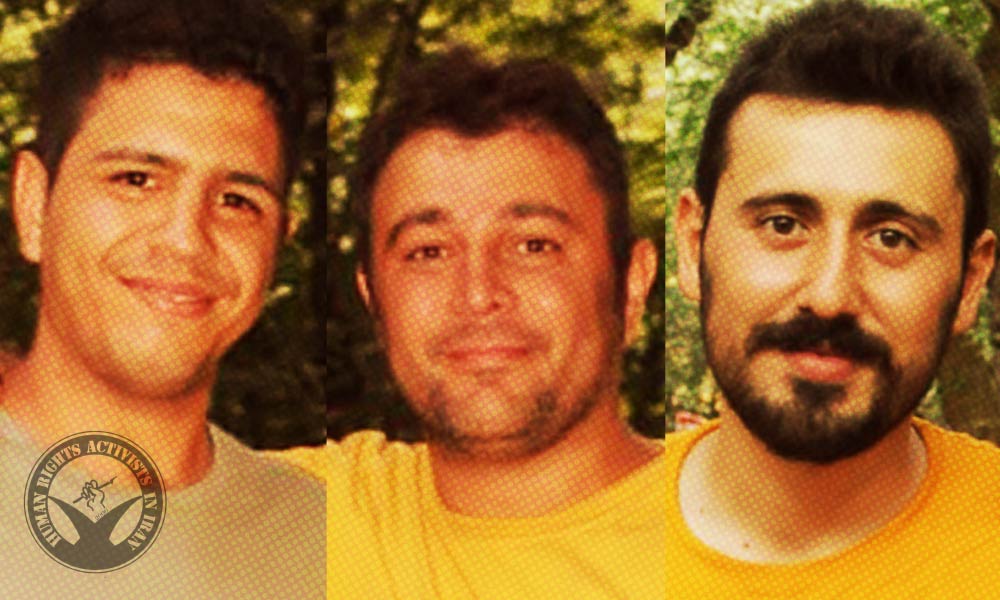
Christian Converts Amin Khaki, Milad Goodarzi, and Alireza Nourmohammadi were summoned to appear today, November 10, at the Executive Unit of the Court of Karaj to endure their sentences.

According to HRANA, the news agency of Human Rights Activists, Branch 12 of the Court of Appeals of Alborz Province had previously sentenced each of these citizens to three years in prison.

In their first trial, which took place on June 26 of this year, they were each sentenced to 5 years imprisonment and paying a fine of 40 million tomans by Branch 4 of the Revolutionary Court of Karaj on charges of “propaganda and catechizing deviant against the holy Sharia of Islam”.  Following the verdict, they were released each on bail of 250 million Tomans. On August 22, the verdict was reduced to three years each on appeal.

Despite the fact that Christians are recognized as a religious minority under Islamic law, nevertheless, the security services pursue the issue of Muslims converting to Christianity with particular sensitivity and deal harshly with the converts of the Christian faith.

The Iranian regime targets Christian converts despite Article 18 of the Universal Declaration of Human Rights and Article 18 of the International Covenant on Civil and Political Rights, which state that every individual has the right to freedom of religion and belief and freedom to express it openly or secretly.


Four Baha’i Citizens Sentenced to a Total of 32 Months Imprisonment by Appeals Court

The Court of Appeals in Yazd Province recently sentenced Baha’i citizens Amin Zolfaghari, Mahboobeh Misaghian, Mitra Bandi Amirabadi and Hiva Yazdan Mehdi Abadi to a total of 32 months in prison.

According to HRANA, the news agency of Human Rights Activists, in recent days, Branch 11 of the Court of Appeals in Yazd sentenced each of the four Baha’i citizens to eight months in prison on a charge of “propaganda against the regime”.

Initially, Branch 2 of the Revolutionary Court of Yazd Province had sentenced these citizens to a total of 13 years and 4 months in prison on a charge of “membership in Baha’s anti-regime groups and the propaganda against the regime”. Upon appeal, they were acquitted from the first charge.

On May 21, 2020,  intelligence agents arrested Mr. Amin Zolfaghari and transferred him to Yazd prison. He was released on bail on June 23 of that year. Ms. Misaghian was arrested by security forces on June 1, 2020, and released on bail on June 16, 2020.

Ms. Mitra Bandi Amirabadi and Ms. Hiva Yazdan Mehdi Abadi were arrested on May 30, 2020, and released on bail after three months of detention. These two citizens had previously faced other arrests and convictions. In December 2017, Yazdan Mehdi Abadi was detained for “teaching music to children” and transferred to Yazd Prison. She was released on bail on December 25 of that year.

According to an informed source, these two above-mentioned citizens were arrested and sentenced to suspended imprisonment for a period, which ended recently.

According to unofficial sources, it is estimated that more than 300,000 Baha’is live in Iran, but the Iranian constitution recognizes only Islam, Christianity, Judaism, and Zoroastrianism. Because their faith is not considered legitimate by authorities, the rights of Baha’is in Iran have been systematically violated for years.

This deprivation of the freedom to practice their religion is a breach of Article 18 of the Universal Declaration of Human Rights and Article 18 of the International Covenant on Civil and Political Rights. The United Nations covenant holds that every person has the right to freedom of religion, freedom of converting religion, as well as freedom of expression, individually or collectively; openly or secretly.