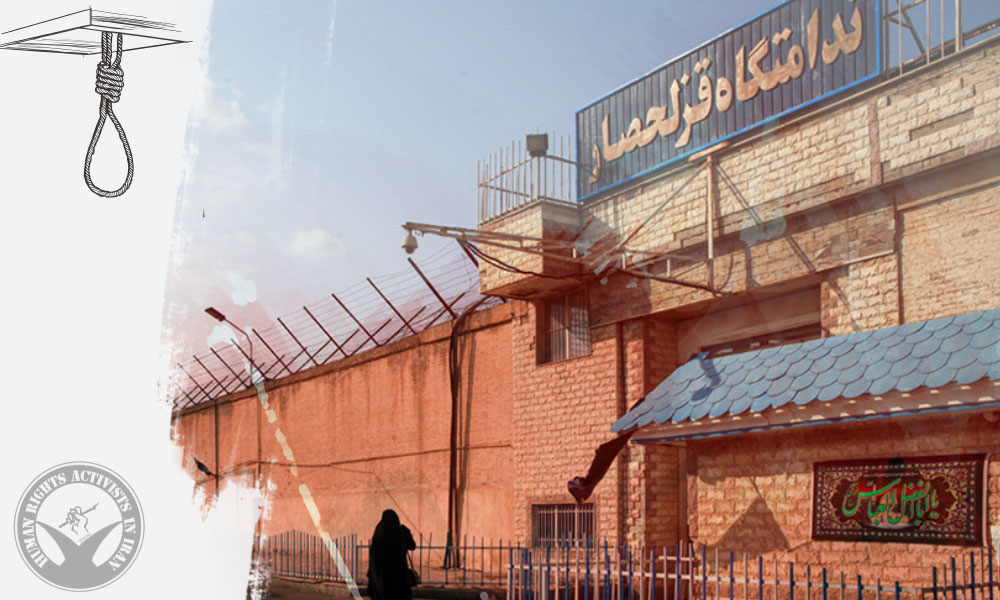
After Four Executions, Five Political Prisoners Face Imminent Risk

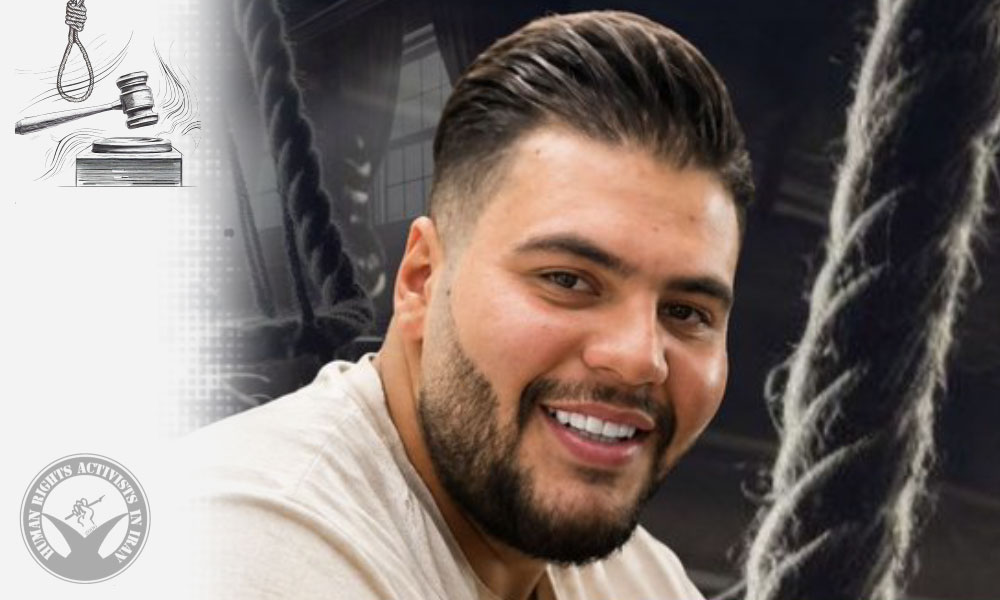
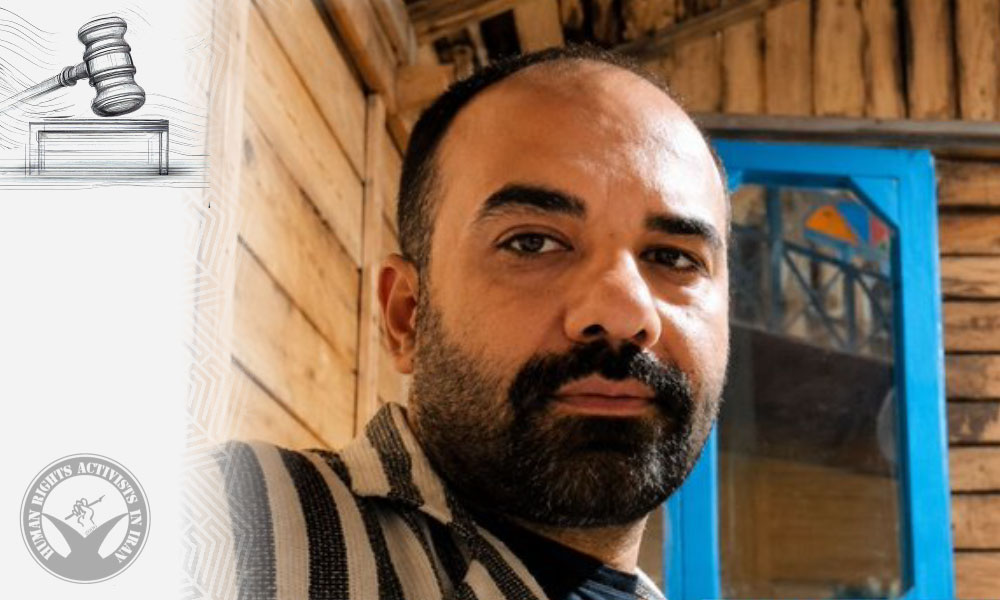
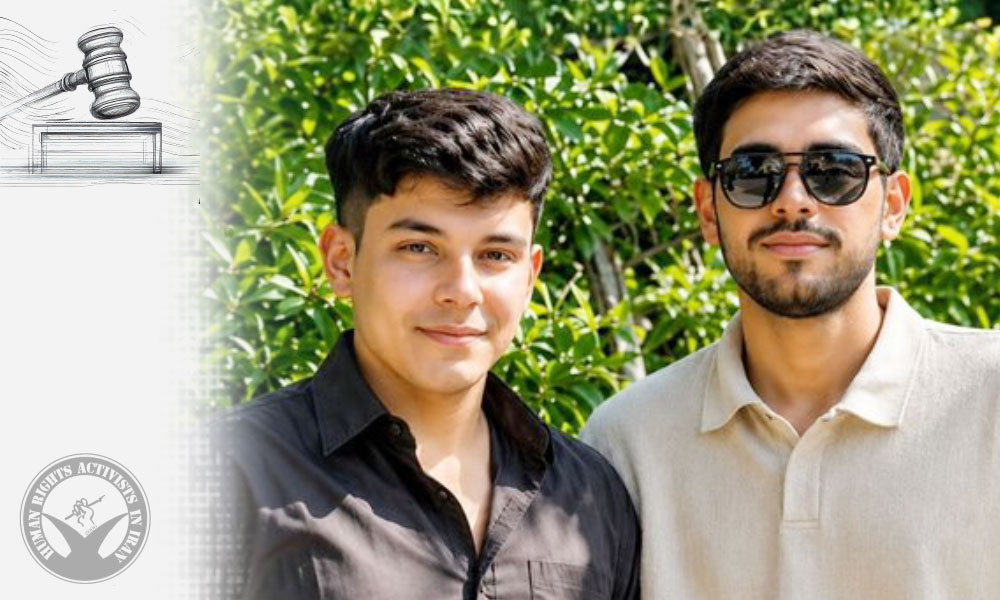
HRANA – Mohammad-Amin Biglari, Shahin Vahedparast Kaloor, Abolfazl Salehi Siavashani, Amirhossein Hatami, and Ali Fahim, five political prisoners sentenced to death by the Tehran Revolutionary Court in connection with the burning of a Basij base during the January protests of 2026, have been transferred to solitary confinement in Ghezel Hesar Prison. Following the execution of four other political prisoners over the past two days, their transfer has intensified concerns over their fate and the imminent risk that their sentences may be carried out.

On the evening of Sunday this week, a large number of political prisoners in Ghezel Hesar were moved to an undisclosed location, including several political prisoners already sentenced to death.

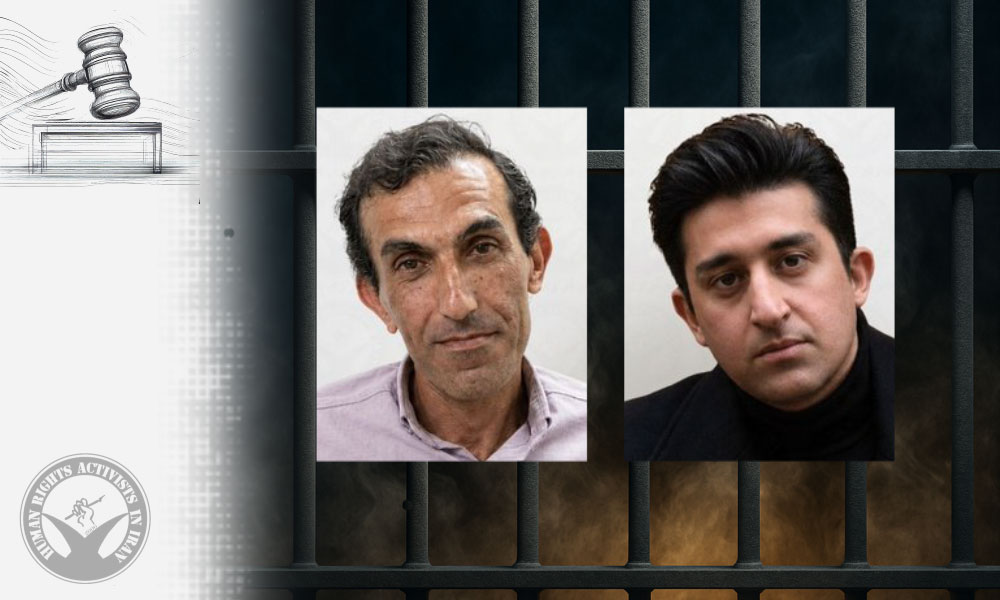
Only hours after this transfer, the death sentences of Akbar Daneshvar-Kar and Seyed Mohammad Taghavi-Sangdehi, two political prisoners, were carried out. Today, from among the same group of transferred political prisoners, Babak Alipour and Pouya Ghobadi were also executed.

After a period of uncertainty regarding the fate of the remaining transferred prisoners, HRANA has learned that at least five of them have been transferred to solitary cells in Unit 3, Ward 35 of Ghezel Hesar Prison in Karaj.

These individuals had been sentenced to death in a case related to the January 2026 protests. Given the executions of four other political prisoners over the past two days, this transfer has raised serious concerns regarding their fate and the danger of their executions being carried out.

Their case was heard in Branch 15 of the Tehran Revolutionary Court, presided over by Judge Abolqasem Salavati, and on February 7, 2026, death sentences were issued against them.

Hassan Aghakhani, one of the privately retained lawyers for Mohammad-Amin Biglari, had previously pointed to serious ambiguities regarding the alleged “confession” attributed to his client. He stated that the court-appointed lawyer at the preliminary stage had informed the family that the defendant had confessed, but the content of this confession, the conditions under which it was obtained, and the supporting documentation had never been made clear to the defense lawyers. He stressed that attributing this confession to his client is subject to serious doubt.

This case was opened following the events of the evening of January 8, 2026, and the fire at a Basij base in eastern Tehran. According to reports and videos of forced confessions aired by state television, these individuals had not played any role in setting the fire or destroying property at the site, but had merely entered a building that had already been set ablaze by others.

It is worth noting that protests and strikes by shopkeepers and bazaar merchants began on Sunday, December 28, 2025, in Tehran. Within two days, they spread beyond markets and commercial centers. With the participation of students, citizens, and various social groups, these demonstrations became among the most widespread protests in recent years. Following the crackdown by security forces, thousands were killed or injured, and tens of thousands were arrested or summoned by security institutions. For further information, you can refer to HRANA’s comprehensive report titled “Crimson Winter” which documents the first fifty days following the onset of nationwide protests in Iran.

Political Prisoners Babak Alipour and Pouya Ghobadi Executed

HRANA – The Judiciary Media Center has announced the execution of death sentences against Babak Alipour and Pouya Ghobadi, two political prisoners held in Ghezel Hesar Prison in Karaj, carried out at dawn today, Tuesday, March 31.

According to Mizan, the Judiciary Media Center, the executions were carried out this morning after the sentences had been upheld by the Supreme Court and the defendants’ appeals had been rejected.

The death sentences against Babak Alipour and Pouya Ghobadi, along with four others, had previously been issued on the charge of “baghi” (armed rebellion) through alleged membership in groups opposed to the state. In July of last year, the Supreme Court overturned this ruling and referred the case to a parallel branch for reconsideration.

In November 2025, they were retried in Branch 26 of the Tehran Revolutionary Court, presided over by Judge Iman Afshari. Ultimately, on December 7, 2025, the same branch reissued the death sentences for these political prisoners and formally notified their lawyers.

Regarding Babak Alipour, the Judiciary Media Center has claimed that he had been in contact via cyberspace with one of the “liaisons” of the MEK (People’s Mojahedin Organization of Iran). It alleged that, “at this person’s request to carry out an armed operation, he traveled from Gilan to Tehran and fired a projectile weapon (launcher) at the building of one of the country’s institutions. Of the four launchers used, only two functioned.”

As for Pouya Ghobadi, the same institution claimed that he had also “participated in several terrorist actions under the direction of the MEK.” According to the report, Ghobadi “was in a safe house assembling parts of explosive packages.” It further alleged that he had been in contact with one of the group’s liaisons through Telegram and had intended to illegally cross the border in order to receive the training necessary for conducting operations in Tehran.

Babak Alipour was arrested by security forces in Tehran in autumn 2023. On February 23, 2024, Pouya Ghobadi was also arrested in Chaldoran County and transferred to Maku Prison.

These individuals were formally charged in May 2024 in Branch 5 of the Tehran Public and Revolutionary Prosecutor’s Office, and were later transferred in the summer of that year to Ghezel Hesar Prison in Karaj.

Yesterday, the death sentences of Akbar Daneshvar-Kar and Seyed Mohammad Taghavi-Sangdehi, other defendants in the same case, were also carried out.

According to HRA’s Annual Report, in 2025, at least 2,063 people were executed in Iran. Based on this report, executions increased by 119% compared to 2024.

Nationwide Protests: Arrest of 13 Citizens, Including 8 Teenagers, in Various Cities

HRANA – As mass arrests by security forces continue, the identities of 13 detainees arrested in connection with the protests have been confirmed.

Based on information received by HRANA, Sanaz Shah-Hosseini was arrested at her residence in Ekbatan, Tehran, on January 10, 2026, and transferred to Evin Prison. Additionally, Amirsam Heydarian, Amirhossein Raznahan, Arsam Safaei, Ilya Nekoouifar, Amirali Delrooz, Amirhomayoun Romina, Abolfazl Kenari, and Ali-Abbas Shamsaei Moghaddam, eight students under the age of 17, were arrested on February 14, 2026, in Yasuj by agents of the IRGC Intelligence. Mehdi Savareh-Ulia was also arrested on January 8, 2026, in Karaj by IRGC Intelligence agents. He is currently being held in a state of legal limbo in Ghezel Hesar Prison in Karaj.

It should be noted that Mehdi Savareh-Ulia sustained serious injuries to his head and spine due to beatings during his arrest and interrogation. Despite his poor physical condition, he has reportedly been denied medical treatment. He was initially transferred to Ward 16 (security ward) of the Central Prison of Karaj. His arrest was carried out by agents of the Islamic Revolutionary Guard Corps (IRGC).

An informed source close to the families of the eight detained students confirmed the matter to HRANA, stating: “These teenagers were interrogated after their arrest, and judicial cases have been opened against them. So far, no information has been obtained regarding their place of detention.” Meanwhile, the IRGC Fath Intelligence Organization claimed in a statement that the individuals, allegedly operating as an eight-member team, were identified and arrested before taking any destructive action, as they were reportedly attempting to prepare and distribute incendiary materials and Molotov cocktails. However, the statement did not mention the ages or identities of the accused.

The Telegram channel “United Students” also reported the arrest of Ali Parvin and Mohammadamin Soltanzadeh, students at Tabriz University of Medical Sciences. According to the report, the two students were arrested on Monday, February 16, by security forces and transferred to an undisclosed location.

In another development, the Telegram channel of the Coordinating Council of Iranian Teachers’ Trade Associations announced the release of a teacher named Reza Shoja Mazraji. According to the report, he was released on February 7, 2026, after posting bail set at 2 billion tomans from one of The Ministry of Intelligence’s detention facilities in Sarakhs. The charges brought against him include assembly and collusion and propaganda against the regime. He had been arrested at his private residence in Sarakhs on January 9, 2026, by security forces.

So far, no information has been obtained regarding the charges against 12 of these individuals.

Among these citizens, Ali Parvin and Mohammadamin Soltanzadeh have previously faced judicial action due to their activities. Sanaz Shah-Hosseini had also been arrested during the nationwide protests of 2022. She was released from Evin Prison after one month at that time.

It is worth noting that gatherings and strikes by shopkeepers and market merchants began on Sunday, December 28, in Tehran and, after two days, spread beyond bazaars and commercial centers. With the participation of students, citizens, and various social groups, these protests became one of the most widespread demonstrations in recent years. Following the crackdown by law enforcement and security forces, thousands were killed or injured, and tens of thousands were arrested or summoned by security institutions. For further information, readers may refer to HRANA’s detailed report on the fiftieth day since the beginning of the protests, published last night.

Execution of 17 Prisoners on Charges of Murder or Drug-Related Offenses

HRANA – Over the past two days, HRANA reported the execution of 17 prisoners in various prisons across the country on charges related to drug offenses or murder.

On Saturday, February 14, four prisoners were hanged in Urmia Prison on murder charges. Further details regarding this case, including the identification of these four prisoners, are still under review by HRANA.

On Sunday, February 15, Mohammadshah Rashidi and Ali Davtalab were executed on murder charges in Ghezel Hesar Prison in Karaj.

On the same day, Siros Alizadeh in Nowshahr Prison, Amir Khan Mohammadi in Bandar Abbas Prison, Sohrab Daei in Ardabil Prison, a woman identified as Esmat Najafi in Qom Prison, Sasan Pazouki in Semnan Prison, and Ali Ashraf Rahmati in Borujerd Prison were also executed. These prisoners had previously been arrested on murder charges and sentenced to death by criminal courts.

Meanwhile, the executions of Ali Nouri in Naein Prison, Foroud Khalili and another prisoner in Arak Prison, Hassan Doosti in Tabriz Prison, and Mostafa Cheshmi in Qazvin Prison were carried out on charges related to drug offenses.

At the time of this report, prison authorities and relevant institutions have not officially announced the executions of these prisoners.

According to HRA’s annual report, in 2025, at least 2,063 people were executed in Iran. Based on this report, the implementation of death sentences increased by 119% compared to the year 2024. In many of these executions, due to secrecy and lack of transparency, prisoners were even deprived of the right to a final visit with their families.

Three Prisoners Executed in Ghezel Hesar Prison in Karaj

HRANA – At dawn today, the death sentences of three prisoners previously convicted of murder were carried out in Ghezel Hessar Prison in Karaj.

HRANA has confirmed the identity of one of the prisoners hanged at dawn today, Wednesday, November 26, 2025, as Davood Najafi. Based on information received by HRANA, these individuals had earlier been arrested on murder charges and subsequently sentenced to death by criminal courts.

Further details, including confirmation of the identities of the two other prisoners, are still under investigation by HRANA.

As of the time of drafting this report, the execution of these prisoners has not been announced by prison authorities or relevant institutions.

According to HRANA’s statistics, Ghezel Hesar Prison in Karaj carried out the highest number of executions among all Iranian prisons, with 150 inmates hanged. This figure has nearly doubled compared to the previous year, a deeply alarming increase that underscores the escalating use of capital punishment in Iran.

Subscribe to Our Newsletter

Now is definitely not the time to stop reading!

Execution of Three Prisoners in Ghezel Hesar Prison

HRANA – On Wednesday, November 19, the death sentences of three prisoners who had previously been sentenced to execution on charges of murder were carried out in Ghezel Hesar Prison.

The identities of two of the prisoners, Hooshang Norouzi and Javad Sadeghi, have been verified by HRANA.

According to information received by HRANA, the three prisoners had earlier been arrested on murder charges and subsequently sentenced to death by Criminal Courts.

Further details, including the identity of the third prisoner, are still being investigated by HRANA.

As of the time of this reporting, the executions have not been announced by prison authorities or other responsible institutions.

According to HRANA’s statistics, Ghezel Hesar Prison in Karaj carried out the highest number of executions among all Iranian prisons, with 150 inmates hanged. This figure has nearly doubled compared to the previous year, a deeply alarming increase that underscores the escalating use of capital punishment in Iran.

Four Prisoners Executed in Ghezel Hesar Prison, Karaj

HRANA – Today, November 12, four prisoners previously sentenced to death on murder charges were executed in Ghezel Hesar Prison in Karaj.

According to HRANA, the executions took place early this morning. The prisoners had been arrested on murder charges and later sentenced to death by the Criminal Court. Further details, including the identities of those executed, are still under investigation by HRANA.

As of the time of this report, the executions have not been officially announced by prison authorities or relevant government institutions.

According to HRANA’s statistics, Ghezel Hesar Prison in Karaj carried out the highest number of executions among all Iranian prisons, with 150 inmates hanged. This figure has nearly doubled compared to the previous year, a deeply alarming increase that underscores the escalating use of capital punishment in Iran.

Monthly Report – October 2025: Human Rights Situation in Iran

HRANA – This report reviews documented cases of human rights violations in Iran in October 2025, based on statistics compiled by HRANA, the news agency of Human Rights Activists in Iran. An unprecedented surge in executions, with 258 people executed this month, along with a new wave of arrests and home searches targeting Baha’is in Iran, and an increase in the arrest of children by security forces, were among the most significant human rights violations reported during this period.

Executions

In October, the Iranian regime executed 258 people, marking the highest number of executions since the beginning of this year. Among them, 220 were men and 7 were women.

Due to secret executions and the lack of reporting by state institutions and domestic media, the gender of 29 executed prisoners remains unknown.

Additionally, 10 of those executed were Afghan nationals, and two were juvenile offenders.

124 of the executed prisoners had been convicted of murder, and 122 on drug-related charges. Three individuals were executed on non-political “corruption on earth” (efsad-e fel-arz) charges, and one on the same charge with political grounds. Another significant point is the execution of six individuals on security-related charges, such as espionage. Also, one executed prisoner was convicted of rape.

During the same month, Iran’s judiciary also issued 11 new death sentences, including one for political activist Zahra Shahbaz Tabari, a 67-year-old woman, who was sentenced to death for alleged collaboration with anti-regime groups. Of the ten remaining individuals sentenced to death, seven were convicted of murder and three of enmity against God (moharebeh). Additionally, one individual was sentenced to public execution.

Prisoners’ Rights

In October, 16 political or religious prisoners were denied medical care. The most notable case was that of Motaleb Ahmadian, a political prisoner held in Evin Prison, who was deprived of medical treatment despite reporting in a recent letter that his pain and physical condition had worsened. In another case, delays in providing medical care led to the death of a non-political prisoner in Iranshahr Prison.

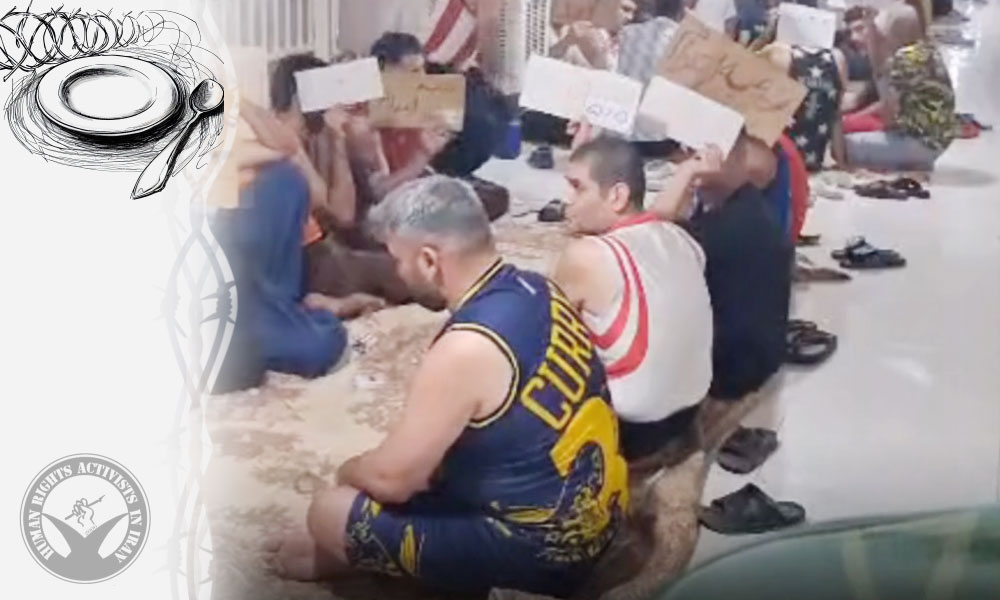
During this month, 103 prisoners went on hunger strike, the most significant being a six-day strike by inmates of Ghezel Hesar Prison in protest against the surge in executions.

HRANA also documented 49 cases of legal uncertainty for prisoners and detainees during October, along with 34 cases of punitive solitary confinement, two cases of prolonged solitary detention, and 30 instances in which families were denied information about the whereabouts or conditions of their detained relatives by security or judicial authorities.

Additionally, three cases of prisoner beatings and three forced confessions were reported. HRANA also recorded one case of suicide involving a female prisoner during October.

Kolbars and Fuel Carriers

In the past month, ten citizens were killed and six others injured as a result of indiscriminate shootings by military forces. These shootings claimed the lives of three kolbars (border porters) and injured one. Among fuel carriers (Sukhtbar), three were killed and four wounded. Additionally, one Kolbar in Baneh was injured by a landmine explosion.

Freedom of Thought and Expression

In the past month, Iran’s security apparatus arrested 55 individuals for expressing their opinions or exercising free speech. In this context, 25 people were summoned by security organizations, including six journalists from the Ham-Mihan newspaper, who were called in by the IRGC Intelligence Organization.

The homes of ten citizens were searched by security forces, the most notable case being the search of journalist Marzieh Rasouli’s home in Tehran.

In a clear violation of citizens’ freedom of expression, Iran’s judiciary sentenced 36 individuals to a total of 2,988 months in prison. Notable among these were Behfar Lalezari, sentenced to five years, and Shahin Zoghi Tabar, sentenced to ten years in prison.

In addition to prison terms, five people were sentenced to travel bans.
During the month, three prison sentences were carried out, eight court hearings were held, and nine individuals were subjected to social deprivations.

Additionally, citizens held eight protest gatherings, while one protest was prevented from taking place.

Workers’ Rights

In October, HRANA recorded 92 labor protests and 12 labor strikes across Iran. For participating in these protests, three workers from the Haft-Tappeh Sugarcane Company were summoned by the authorities.

According to HRANA’s reports, 45 workers lost their lives and 135 others were injured in workplace incidents resulting from non-compliance with occupational safety standards.

Trade associations and unions also held 102 protest gatherings and one strike by nurses, marking an increase compared to previous months.

In connection with these events, four individuals were arrested by security forces, and three others were summoned to court.

Additionally, 64 businesses were sealed for reasons such as “non-compliance with Islamic codes of conduct,” the most notable case being the closure of 16 establishments in Ahvaz.

Women’s Rights

In October, the murder of five women was reported. The most notable case was the killing of Zahra Ghaemi, a member of the Women’s Studies Group at the University of Tehran, who was murdered by her husband.

Children’s Rights

Regarding the rights and conditions of children in Iran, four cases of child arrests by security forces were reported.

HRANA also documented the arrest of children’s rights activist Hossein Mirbahari, and the closure of his organization, the Society for the Defense of the Rights of Working and Street Children, by security forces.

Additionally, the deaths of three children were reported as a result of neglect and official negligence. The deaths of three child laborers and the injury of five others were also reported.

Five other children were subjected to physical violence and corporal punishment, including the death of a 14-year-old student who suffered cardiac arrest after being forced to run as punishment.

The Iranian regime also executed two juvenile offenders, including Ali Aghajari, who was arrested five years ago at the age of 17 following a group altercation over farmland that resulted in one person’s death.

Additionally, the suicide of a 12-year-old child was reported in Shiraz.

Six Prisoners Executed in Ghezel Hesar Prison

HRANA – On Wednesday, October 29, at least six prisoners were executed in Ghezel Hesar Prison.

According to Hamshahri newspaper, four of the executed prisoners had been sentenced to death on murder charges.

In addition, according to reports obtained by HRANA, two other prisoners with similar charges were also executed in the same prison. HRANA has confirmed the identities of two of the executed prisoners as Zakaria Mohammad Khanlou and Javad Naeimi. These individuals had previously been tried in separate criminal cases and sentenced to death.

As of the time of this report, the executions of two of these prisoners have not been announced by prison officials or relevant authorities.

Further details, including the identities of the other four executed prisoners, are still being investigated by HRANA.

According to HRANA’s statistics, Ghezel Hesar Prison in Karaj carried out the highest number of executions among all Iranian prisons, with 150 inmates hanged. This figure has nearly doubled compared to the previous year, a deeply alarming increase that underscores the escalating use of capital punishment in Iran.

Execution of Three Prisoners in Ghezel Hesar Prison of Karaj

HRANA – On October 22, three prisoners were executed in Ghezel Hesar Prison of Karaj. These individuals had previously been sentenced to death on murder charges.

HRANA has identified one of the executed prisoners as Sobhan Zamani, who was hanged at dawn on Wednesday, October 22, 2025.

According to information obtained by HRANA, all three prisoners had previously been arrested on murder charges and later sentenced to death by the Criminal Courts.

The state-run Hamshahri newspaper identified another of the executed prisoners as “Shahab” and reported that “this prisoner killed his friend on July 30, 2023, allegedly over an honor-related motive. He was arrested a few days later in one of the cities of Khorasan Razavi Province. During the trial, the defendant stated that the victim, his longtime friend and drug supplier, had entered his home a few days before the incident and attempted to assault his sister. The defendant later encountered him in the street, leading to a fight in which he killed him.”

According to HRANA’s statistics, Ghezel Hesar Prison in Karaj carried out the highest number of executions among all Iranian prisons, with 150 inmates hanged. This figure has nearly doubled compared to the previous year, a deeply alarming increase that underscores the escalating use of capital punishment in Iran.