2022 Protests: Aref Khoshkar Executed at Ghezel Hesar Prison in Karaj

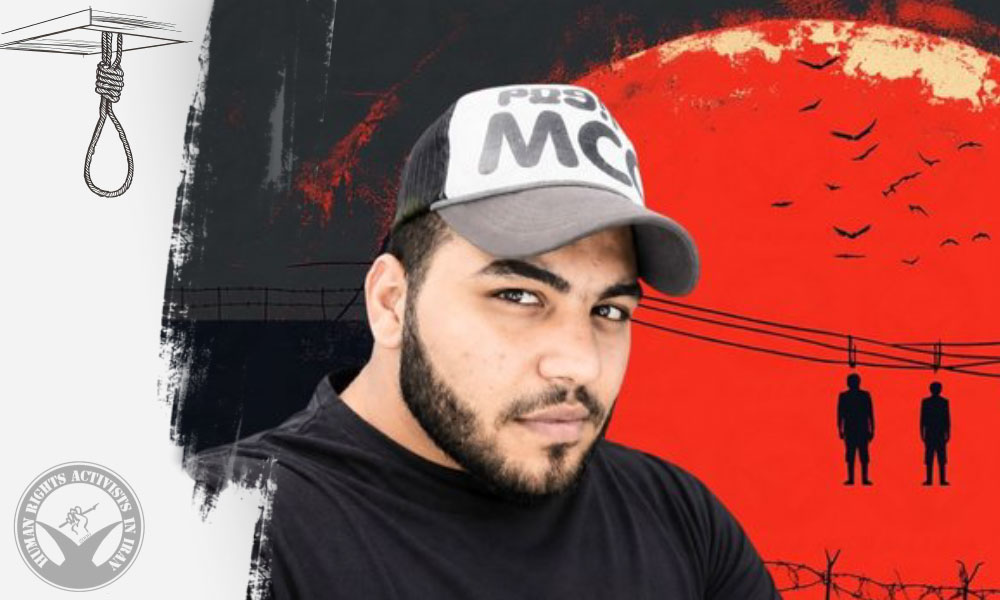
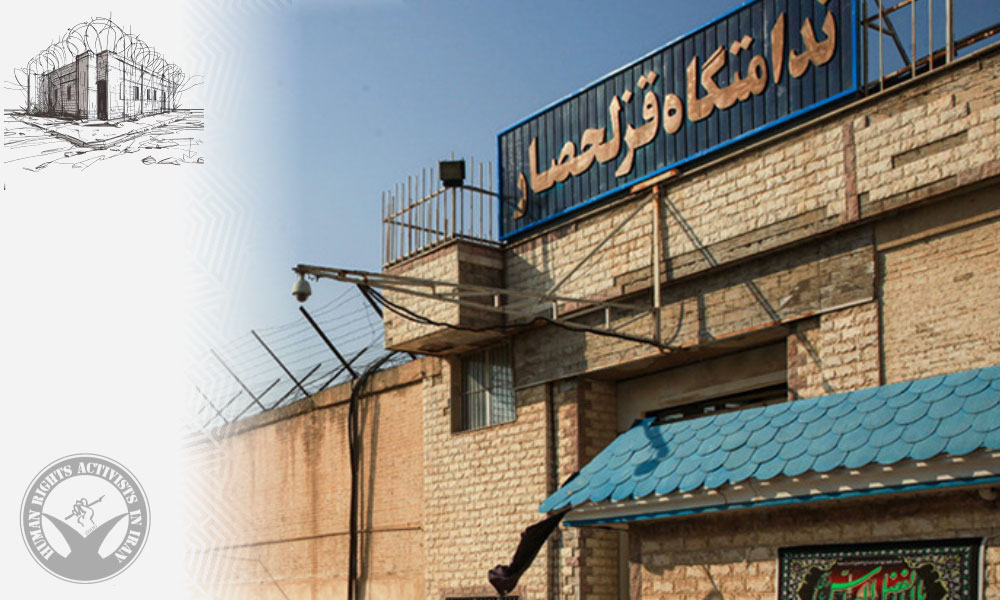
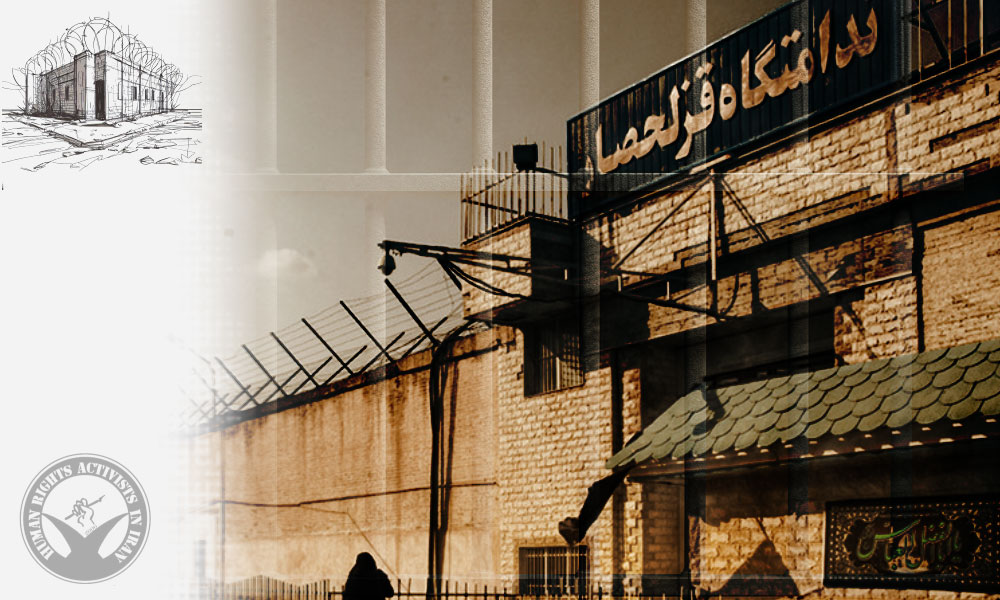
HRANA – The death sentence of Aref Khoshkar, one of those arrested during the 2022 nationwide protests, was carried out at dawn today, July 15, 2026, at Ghezel Hesar Prison in Karaj.

According to HRANA, the execution of Aref Khoshkar, a detainee from the 2022 nationwide protests, was carried out at dawn on Wednesday, July 15, 2026, at Ghezel Hesar Prison in Karaj.

A source close to the family of the political prisoner told HRANA that Khoshkar’s family was informed of his execution at approximately 8:00 a.m. today. Prison authorities refused to hand over his body to the family and transferred it to the Behesht Zahra morgue in Tehran at around 11:00 a.m. The family was also instructed to go to Behesht Zahra at approximately 9:00 a.m. on Thursday, July 16, 2026, to identify and receive his body.

The source added that Aref Khoshkar had been transferred to Suite 35 of Ghezel Hesar Prison on Saturday, July 11, 2026, and his family had their final visit with him on Sunday, July 12, 2026. His family had sought a one-month postponement of the execution and requested a meeting aimed at obtaining the consent of the victim’s family in an effort to halt the sentence. However, these efforts were unsuccessful. Despite assurances that such a meeting would be held, the relevant authorities ultimately took no action to arrange it.

Aref Khoshkar had been sentenced to death by the Revolutionary Court on the charge of moharebeh (enmity against God) through carrying and using a weapon, as well as the killing of a Basij member. His lawyer had previously pointed to significant ambiguities in the case, stating that the location of the killing cited by the court was not covered by surveillance cameras and that there was insufficient evidence to substantiate the charges.

Aref Khoshkar was arrested on November 11, 2022, during the nationwide protests in Tehran’s Fallah neighborhood. His indictment, which included charges of moharebeh through carrying and using a weapon, assembly and collusion against national security, and the killing of a Basij member, was referred to the Revolutionary Court.

Ghezel Hesar Inmates Protest Transfer of Six Death Row Prisoners for Execution

HRANA – Today, July 13, 2026, prisoners held in Unit 2 of Ghezel Hesar Prison in Karaj refused to accept their food rations in protest against the transfer of six death row prisoners to solitary confinement for the implementation of their death sentences.

According to HRANA, prisoners in Unit 2 of Ghezel Hesar Prison in Karaj have gone on strike.

Based on information received by HRANA, prisoners in Unit 2 of Ghezel Hesar Prison began their protest today, Monday, July 13, 2026, after six prisoners sentenced to death were transferred to solitary confinement ahead of their executions. As part of the protest, the inmates refused to receive the prison’s food rations and launched a strike.

Earlier today, the six prisoners, who had been sentenced to death on charges related to drug offenses, were moved to solitary confinement in preparation for the implementation of their death sentences.

It is worth noting that last year, HRANA also reported on strikes by a number of prisoners at Ghezel Hesar Prison protesting the implementation of execution sentences.

Death-row Inmate Dies by Suicide in Karaj’s Ghezel Hesar Prison

HRANA – On Monday, June 22, an inmate sentenced to death died by suicide in Ghezel Hesar Prison after ingesting pills and using methadone.

According to HRANA, an inmate in Ghezel Hesar Prison in Karaj ended his life. HRANA has identified the inmate as Mostafa Nezami, a resident of Tehran, single, and approximately 33 years old.

According to information received by HRANA, on Monday, June 22, he died in prison after ingesting pills and consuming methadone. Mr. Nezami was being held in Unit 3 of Ghezel Hesar Prison. He had been arrested in 2022 on charges of murder and was subsequently sentenced to death by a criminal court.

Eight Prisoners Executed in Ghezel Hesar Prison in Karaj

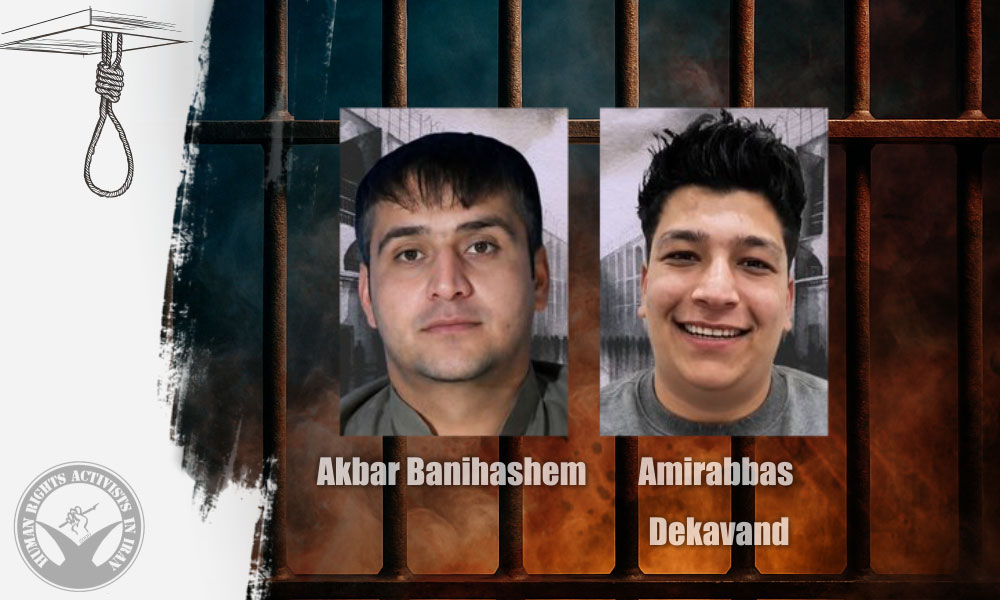
HRANA – On Saturday, June 13, Ghezel Hesar Prison in Karaj witnessed the execution of eight prisoners. HRANA has confirmed the identities of two of those executed, both of whom had previously been sentenced to death on murder charges.

On Saturday, June 13, authorities at Ghezel Hesar Prison in Karaj carried out the executions of eight prisoners. HRANA has identified two of them as Seyed Akbar Banihashem and Amirabbas Dekavand. Both prisoners had been sentenced to death on charges of murder. HRANA is continuing to investigate and verify the identities of the other six prisoners.

As of the time of this report, prison authorities and the relevant institutions have not publicly announced the executions of these prisoners.

According to HRA’s Annual Report, in 2025 at least 2,063 citizens, including 61 women and 2 juvenile offenders, were executed. Of these, the sentences of 11 individuals were carried out in public. During the same period, 172 other individuals were sentenced to death.

Former Prisoners Describe Beatings and Denial of Medical Care in Ghezel Hesar Prison

HRANA – Former inmates of Suite 35 at Ghezel Hesar Prison in Karaj have provided HRANA with accounts alleging the systematic mistreatment of prisoners, including physical assaults, the use of pipes as instruments of corporal punishment, denial of medical care, and the transfer of injured detainees to the facility. Multiple independent testimonies repeatedly identified a prison guard officer by name and described what sources characterized as a pattern of violent and degrading treatment of inmates.

According to HRANA, several former prisoners who had been held in Suite 35 of Ghezel Hesar Prison in recent months and have since been released have provided new details about conditions in the ward and the treatment of certain inmates.

According to these individuals, a number of detainees with physical injuries, including leg wounds, have been transferred to Ghezel Hesar Prison in recent months. Sources familiar with the matter reported that Parsham Parvas, Hojjat Naimi, and Sasan Jalilian were among those transferred to the prison while in poor physical condition.

HRANA has received accounts regarding the cause of these injuries; however, it is currently unable to independently verify all details concerning when, where, and how the injuries were sustained. Nevertheless, several informed sources separately confirmed that these individuals faced obstacles in accessing adequate medical care for a period following their transfer to prison.

One informed source stated: “Sasan Jalilian’s condition was more concerning than the others. He had suffered a serious gunshot wound to his leg, and despite the severity of the injury, his treatment was neither complete nor adequate.”

According to information received by HRANA, Parsham Parvas, a businessman residing in Tehran, was arrested in the mid-March 2026. Informed sources stated that his arrest was linked to his online activities and criticism of security conditions and inspection checkpoints. Hojjat Naimi, a 35-year-old resident of Tehran, reportedly faced security action because of content published on, or remaining on, his Instagram page.

Regarding Sasan Jalilian, a man approximately 25 years old, informed sources said he was arrested following a review of content on his Instagram account. HRANA has received conflicting information concerning the precise charges against him and therefore refrains from definitively identifying the accusations.

Several former prisoners also reported repeated beatings of inmates by certain prison officials. In most of these accounts, the name of Meysam Seifi, a prison guard officer, was mentioned.

One former political prisoner who was present in Suite 35 during an incident that resulted in the beating of Soheil Arabi told HRANA: “For several days, prisoners had been deprived of purchases, outdoor time, and certain facilities, and tensions in the ward had escalated. After inmates protested, Soheil Arabi was taken out of the ward. Some time later, sounds of a confrontation and blows could be heard from outside, and later we learned that he had been severely beaten.”

According to several former prisoners, physical abuse was not limited to punches and kicks. In some cases, water pipes were allegedly used to beat inmates. One former prisoner said: “Many times, prisoners would be taken out of the ward and return with bruises and visible signs of beating.”

Informed sources further stated that in one such case, the injuries inflicted on a prisoner were so severe that he required surgery after being transferred to a hospital. According to these sources, prison authorities initially recorded the cause of his injuries as “self-harm,” a claim that the prisoner himself rejected.

Another former prisoner described the atmosphere in the ward as follows: “For many of us, the most painful part was not being beaten ourselves. It was hearing the screams and pleas of other prisoners. Some nights those sounds continued for hours, and there was nothing anyone could do.”

At the same time, these former inmates emphasized that not all prison staff behaved in the same manner. Nevertheless, multiple independent accounts described violent conduct by certain prison officials.

Under the Executive Regulations of Iran’s Prisons Organization, adopted in 2021, as well as the directive on “Clarifying the Rights of Detainees, Respecting Their Dignity, and Supervising Detention Facilities,” prison authorities are required to uphold prisoners’ human dignity, ensure access to medical services, protect their physical safety, and prohibit all forms of torture, degrading treatment, harsh behavior, and physical or psychological abuse. Furthermore, prison regulations stipulate that disciplinary measures may only be imposed through legally prescribed procedures, and physical violence against prisoners is not among the lawful disciplinary sanctions.

This report follows a series of previous HRANA reports concerning Suite 35 of Ghezel Hesar Prison, a section that has repeatedly been the subject of complaints by prisoners and their families regarding detention conditions, imposed restrictions, and the treatment of detainees.

Subscribe to Our Newsletter

Now is definitely not the time to stop reading!

Iran Court Issues New Verdicts in Ekbatan Case After Supreme Court Overturns Death Sentences

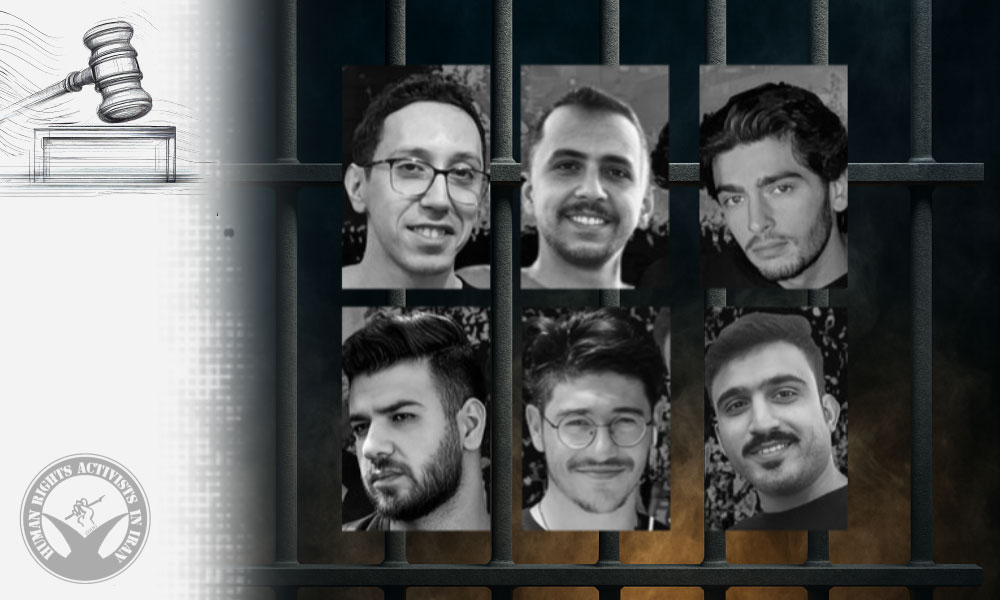
HRANA – Branch 13 of Tehran Province Criminal Court One has issued new verdicts for six defendants in the case known as “Ekbatan Town.” According to the ruling, Milad Armoun, Alireza Kafaei, and Amir Mohammad Khosh-Eghbal were each sentenced to imprisonment and payment of diyah (blood money) on charges of participation in murder. Navid Najaran, Hossein Nemati, and Alireza Barmarz Pournak were acquitted of the same charge. Their death sentences had previously been overturned by the Supreme Court.

According to HRANA, new verdicts have been issued for the defendants in the so-called “Ekbatan Town” case by Branch 13 of Tehran Province Criminal Court One.

Under the issued ruling, Milad Armoun, Alireza Kafaei, and Amir Mohammad Khosh-Eghbal were each sentenced to five years in prison and payment of an equal share of the full diyah for one person after being convicted of participation in intentional murder. Meanwhile, the three other defendants in the case, Alireza Barmarz Pournak, Hossein Nemati, and Navid Najaran, were acquitted of participation in intentional murder due to lack of evidence proving they inflicted blows on a specific part of Arman Aliverdi’s body.

The verdict was issued on February 4, 2025, and was formally communicated to the defendants’ lawyers yesterday.

In November 2024, these individuals had each been sentenced to death by Branch 13 of Tehran Criminal Court. In September 2025, the Supreme Court overturned the death sentences and referred the case back to Branch 13 for retrial. Ultimately, on December 3 of that year, a new hearing was held in the same branch.

The case involving Milad Armoun, Seyed Mohammad Mehdi Hosseini, Mehdi Imani, and Navid Najjaran, designated as confidential, had been returned in late April 2024 from Branch 13 of Tehran Province Criminal Court One to Branch Four of the Prosecutor’s Office for Criminal Affairs in Tehran’s District 27 to address deficiencies and objections in the case. In early September that year, after the deficiencies were addressed, the case was referred back to Branch 13 of Tehran Criminal Court One and Branch 15 of Tehran Revolutionary Court, presided over by Judge Abolqasem Salavati.

Four of the defendants , Nemati, Barmarz Pournak, Kafaei, and Khosh-Eghbal, were released from Ghezel Hesar Prison on bail in February 2024.

In late October 2023, after four court sessions were held, the court did not return the case to the prosecutor’s office for further investigation. Instead, Branch 13 of Tehran Criminal Court One intervened to conduct supplementary investigations, expedite proceedings, and determine the defendants’ status. Another part of the case was referred to Branch 15 of Tehran Revolutionary Court.

In May 2023, the spokesperson for Iran’s Judiciary announced that three defendants in the “murder of Arman Aliverdi” case had been charged with “enmity against God (moharebeh) through the use of cold weapons and acting against national security.” According to the indictment, these individuals were charged with “moharebeh,” “participation in intentional murder,” and “disrupting public order and peace.”

Previously, an informed source had told HRANA regarding the “Ekbatan Town” case: “The case has been divided into two sections. One section was referred to Branch 15 of Tehran Revolutionary Court, presided over by Judge Abolqasem Salavati, and the other to Branch 13 of Tehran Criminal Court One. So far, no verdict has been issued for those defendants whose cases in the Revolutionary Court involve security-related charges and moharebeh.”

In early November 2022, during nationwide protests and following the killing of a Basij member named Arman Aliverdi in Ekbatan Town, at least 50 young residents of the area were arrested by security and law enforcement forces. Indictments were ultimately issued against 14 of them.

January 2026 Protests; Mohammad Abbasi Executed in Ghezel Hesar Prison in Karaj

HRANA – Mohammad Abbasi, one of those arrested during the nationwide protests of January 2026 and held in Ghezel Hesar Prison in Karaj, was executed at dawn today. Mr. Abbasi had been arrested during the January 2026 nationwide protests, and his death sentence had recently been upheld by the Supreme Court.

According to HRANA, another protester detained during the 2026 nationwide protests was executed at dawn today, May 13, 2026.

A source informed on condition of anonymity and close to the family of this political prisoner told HRANA: “Officials at Ghezel Hesar Prison in Karaj asked Mohammad Abbasi’s family to come to the prison for a visit. However, after the family arrived, they were denied the opportunity to see him. After the Abbasi family left the prison, they were informed by phone that Mohammad Abbasi’s execution had been carried out.”

HRANA had previously reported on April 27, 2026, that Branch 39 of the Supreme Court had upheld Mohammad Abbasi’s death sentence after rejecting his appeal. In the same case, the 25-year prison sentence of his daughter, Fatemeh Abbasi, who is currently imprisoned in the women’s ward of Evin Prison, was also fully upheld by the Supreme Court.

Mohammad Abbasi had been arrested during the January 2026 nationwide protests in connection with the case involving the killing of Lieutenant Colonel Shahin Dehghani Kakavandi in Malard. Following judicial proceedings, he was sentenced to death by Branch 15 of the Tehran Revolutionary Court, presided over by Judge Abolghasem Salavati, on the charge of “enmity against God” (moharebeh).

After the initial verdict was issued, Ali Sharifzadeh Ardakani, an attorney-at-law, stated in an interview with Emtedad that the cases of Mohammad Abbasi and his daughter Fatemeh Abbasi had been referred to Branch 39 of the Supreme Court following an appeal by a court-appointed lawyer. He also said that Branch 39 of the Supreme Court, citing Note to Article 48 of the Criminal Procedure Code, had prevented him and another independent lawyer from representing the defendants in the case.

The Emtedad report further stated that there were numerous ambiguities and concerns regarding both the judicial process and the contents of the case against the two defendants. However, independent lawyers had been unable to effectively review or pursue the matter due to being denied access to the case file.

According to data collected by HRANA, simultaneous with the outbreak of military clashes, the issuance and implementation of death sentences in political and security-related cases have intensified. Including Mohammad Abbasi, at least 32 prisoners facing such charges have been executed during this period.

Erfan Shakourzadeh, Aerospace Engineering Student, Executed on Charges of “Espionage”

HRANA – The Judiciary’s media center announced the execution of Erfan Shakourzadeh, a master’s student in aerospace engineering. Mr. Shakourzadeh had previously been sentenced to death on charges of “intelligence cooperation with Mossad and the CIA.”

Mizan announced this morning that Erfan Shakourzadeh, who had been active in a scientific organization working in the satellite field, was accused of establishing contact with individuals affiliated with Mossad and CIA through platforms such as email, LinkedIn, and WhatsApp.

The report claims that he provided these entities with information regarding the location of his workplace, ongoing projects, and certain details related to the organization where he worked, and in return received payments in cryptocurrency. The Judiciary’s media outlet also alleged that he had sought to establish contact with the CIA in order to obtain a visa and continue his studies abroad.

The judiciary also released a video of what it described as forced confessions attributed to Erfan Shakourzadeh. In the video, which was reportedly recorded under unclear circumstances, he says that CIA and Mossad agents attempted to recruit individuals by promoting the idea that there was “no future or progress in Iran” and by raising topics such as the “futility of studying and working in the country.”

The report did not specify the prison where Mr. Shakourzadeh’s execution was carried out. However, it had previously been reported that he was transferred from Evin Prison to Ghezel Hesar Prison for the implementation of the death sentence.

Erfan Shakourzadeh, approximately 29 years old, was a master’s student in aerospace engineering and satellite technology at Iran University of Science and Technology.

Death Sentence of Mohammad Abbasi, 25-Year Term for Daughter Upheld by Supreme Court

HRANA – The death sentence of Mohammad Abbasi, who was arrested during the January 2026 protests and is currently held in Ghezel Hesar Prison, has been upheld by Branch 39 of the Supreme Court. In addition, the Supreme Court has fully upheld the 25-year prison sentence of his daughter, Fatemeh Abbasi, who is detained in the women’s ward of Evin Prison.

Based on information received by HRANA, Branch 39 of the Supreme Court rejected the appeal and upheld Mohammad Abbasi’s death sentence.
Likewise, the 25-year prison sentence of Fatemeh Abbasi was fully confirmed by the same branch.
Currently, Mr. Abbasi is being held in Ghezel Hesar Prison, while his daughter Fatemeh Abbasi remains in the women’s ward of Evin Prison.

These individuals were arrested during the nationwide protests of January 2026 in connection with the case involving the killing of Second Lieutenant Shahin Dehghani Kakavandi in Malard. Following initial trial proceedings, Mr. Abbasi was sentenced to death on charges of moharebeh (enmity against God) by Branch 15 of the Tehran Revolutionary Court, presided over by Judge Abolghasem Salavati. His daughter, Fatemeh Abbasi, was also sentenced by the same branch to 25 years in prison.

After the initial verdict was issued, Ali Sharifzadeh Ardakani, an attorney, stated in an interview with Emtedad that the case had been referred to Branch 39 of the Supreme Court following an appeal by court-appointed counsel. He further noted that “Branch 39 of the Supreme Court, citing Note to Article 48 of the Criminal Procedure Code, prevented him and another colleague from representing the case.” The report by Emtedad added that there are numerous ambiguities surrounding the case of these two defendants, but independent lawyers have been unable to review the case due to lack of access.

Report on the Latest Status of Soheil Arabi in Ghezel Hesar Prison, Karaj

HRANA – Soheil Arabi, a political defendant imprisoned in Ghezel Hesar Prison in Karaj, is still being held in a state of uncertainty in this prison. He was recently summoned to attend an interrogation session after receiving an official notice.

An informed source close to Arabi’s family confirmed the news to HRANA, stating: “Mr. Arabi has been held in solitary confinement in Ghezel Hesar Prison since his arrest, without a clear status. During interrogations, he was beaten by prison officers. He was eventually transferred to a hospital outside the prison and then returned to solitary confinement.”

According to this source, Arabi, who is facing charges of membership in anti-government groups, was recently summoned to attend an interrogation session after receiving a formal notice.

In March 2026, Soheil Arabi was arrested by security forces and transferred to Ghezel Hesar Prison in Karaj.

Soheil Arabi has previously been arrested and faced judicial action due to his activities.

It is worth noting that Soheil Arabi is a blogger and citizen journalist who received the “Press Freedom Award” from Reporters Without Borders in 2017. He has previously faced multiple convictions and legal actions. In 2014, he was sentenced to death by Branch 76 of the Tehran Criminal Court on charges of “insulting the Prophet of Islam” on Facebook. This sentence was later overturned and commuted to other punishments.