Human Rights Day: Introducing Imprisoned Civil Activists in Iran and Honoring Their Stand Against Human Rights Violations

Human Rights Day is also an opportunity to reexamine the values that form the foundation of human dignity, values such as justice, freedom, and equality, rooted in international documents and human experience

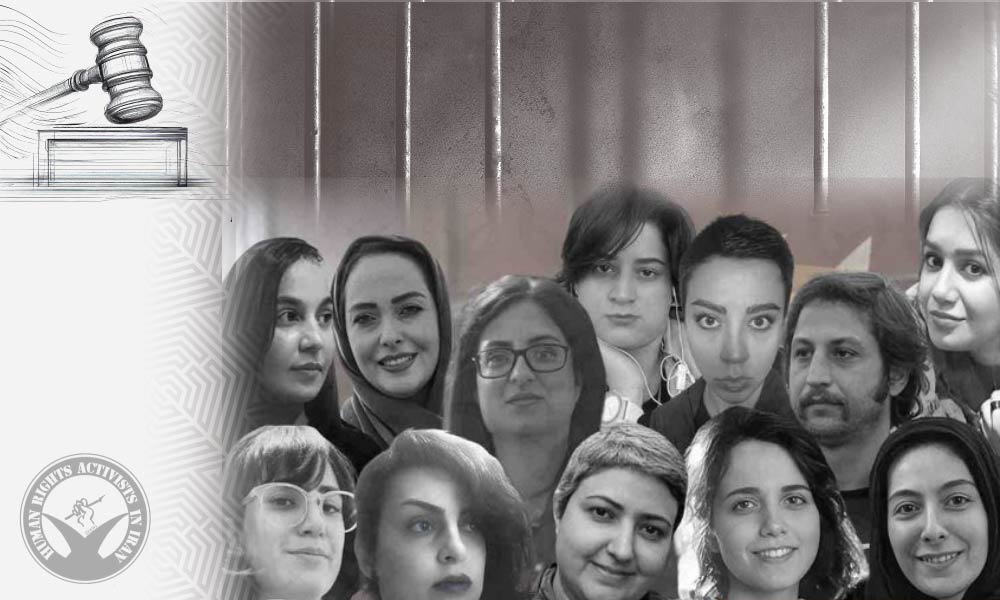
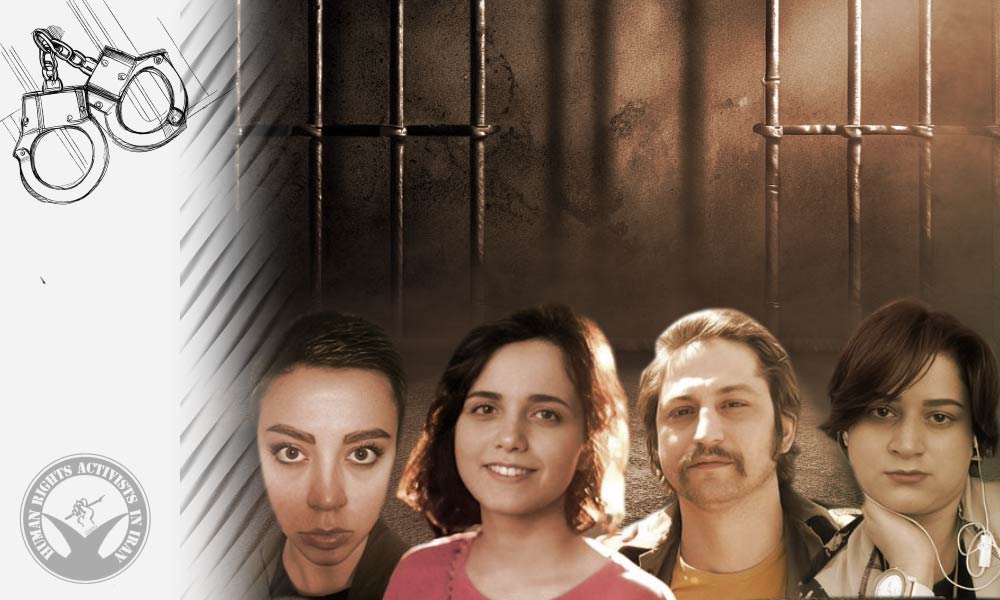
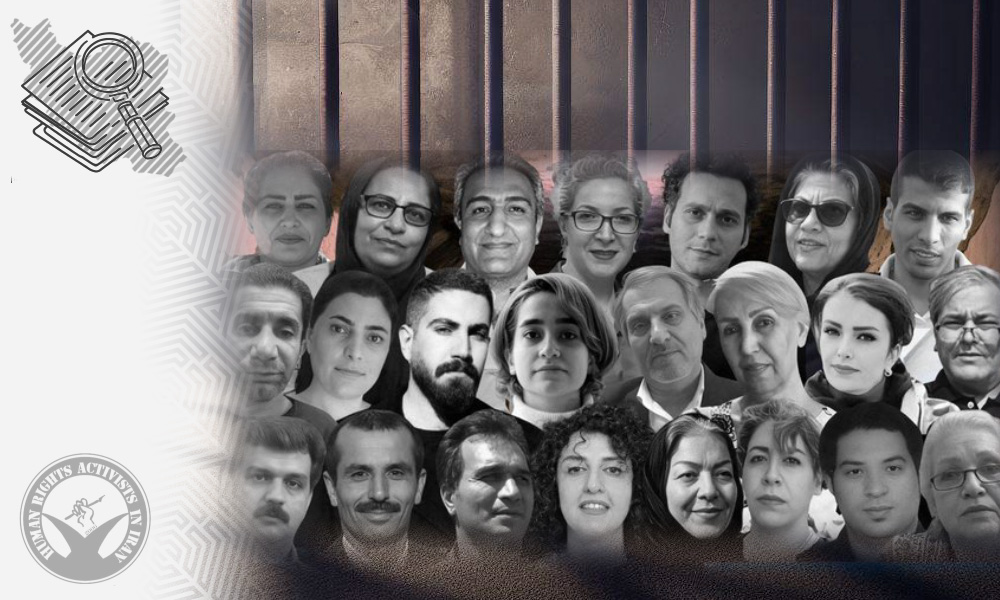
HRANA News Agency –Human Rights Day is an opportunity to reflect on the condition of imprisoned civil activists in Iran, individuals who are behind bars solely for defending fundamental human rights. HRANA, by publishing a list of these brave activists, calls on the international community to amplify their voices and demand the immediate release of advocates for freedom and justice.

This day serves as a moment to reconsider the role of human rights defenders and civil activists in societies where fundamental rights are still subject to structural violations. Marked annually on the global calendar, it commemorates the principles laid out in the Universal Declaration of Human Rights, adopted on December 10, 1948, principles that recognize freedom of expression, the prohibition of torture, the right to a fair trial, and human dignity as inalienable rights of all individuals. Nevertheless, the current reality in Iran highlights a stark gap between these international standards and the domestic situation.

In Iran, many human rights defenders, civil society activists, trade unionists, environmentalists, and advocates for fundamental freedoms face the threat of arrest, harsh sentences, and long-term deprivation, even for entirely peaceful activities conducted within the framework of domestic laws. These individuals, who constitute a significant part of the country’s civil society fabric, consistently encounter security pressures, broad restrictions, and systematic rights violations in their pursuit of transparency, justice, and equality. Most have been sentenced following closed-door trials, with limited access to legal counsel and based on vague or unsubstantiated charges, a process that not only contradicts Iran’s international obligations but also deeply impacts the civic space in the country.

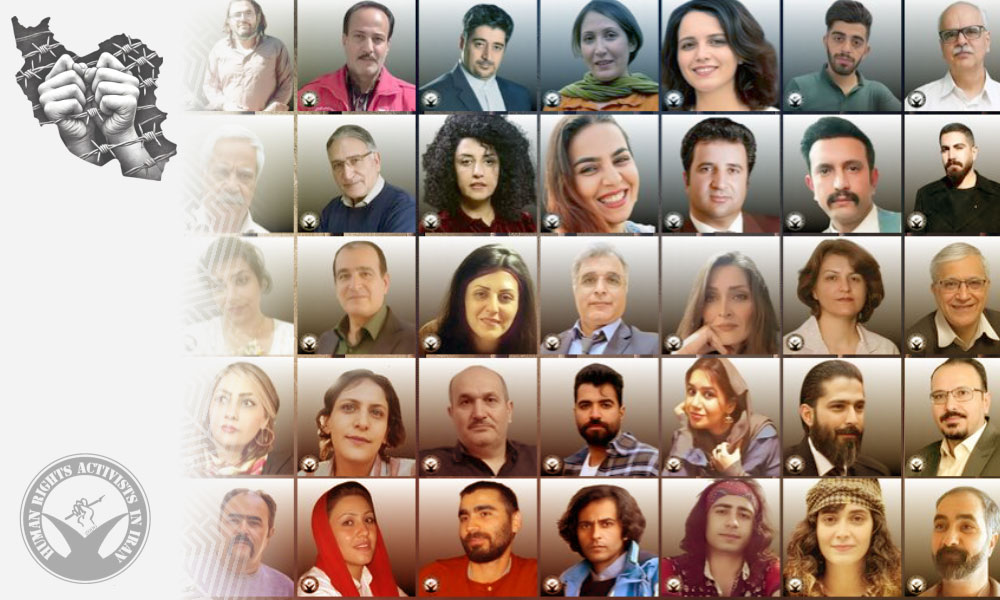
In this report, HRANA publishes a list of over 61 imprisoned human rights defenders and civil activists in Iran, including 8 of whom currently being held in pretrial detention. This list is the result of ongoing collection, verification, and documentation efforts, aiming to provide a clear representation of the various dimensions of human rights violations against these defenders. The publication of this list is not merely the release of names; it tells a part of the story of Iranian civil society, in which the struggle to defend human rights can come at the cost of one’s freedom, health, and personal security.

Beyond commemorating foundational principles, Human Rights Day is also an occasion to consider the role of society and international institutions in supporting these defenders. Raising public awareness, demanding accountability from authorities, and supporting activists’ efforts are essential tools for advancing human rights in Iran. Through this report.

This report, in addition to documenting and reporting on these individuals’ conditions, is a step toward transparent and continuous documentation, aimed at preserving the truth, preventing collective amnesia, and laying the groundwork for accountability. Despite pressures and restrictions, human rights defenders in Iran remain a vital part of the collective effort to achieve a freer and more just society. Human Rights Day is a moment to once again bring their names and efforts to the forefront.

List of names:
Mohammad Najafi1. Mohammad Najafi, Civil Rights Activist

Charges:
Sending a voice message from Arak Prison and expressing support for the 2022 nationwide protests; spreading falsehoods; propaganda against the regime; insulting the Supreme Leader.
Conviction: At least six separate cases totaling more than 24 years in prison.
Place of imprisonment: Evin Prison.
sharifeh mohammadi2. Sharifeh Mohammadi, labor activist

Charges: Propaganda against the regime; acting against national security; baghi (armed rebellion) through membership in one of the opposition groups.
Conviction: Following an order by the head of the judiciary, her sentence was reduced by one degree and changed to 30 years in prison.
Place of imprisonment: Lakan Prison in Rasht.

3. Fatemeh Sepehri, civil activist

Charges: Cooperation with hostile governments; assembly and collusion; insulting the Supreme Leader; propaganda against the regime; spreading falsehoods and disturbing public opinion.
Conviction: In five separate cases, a total of 41 years and 9 months in prison plus a monetary fine.
Place of imprisonment: Vakilabad Prison in Mashhad.

4. Golrokh Iraee, civil activist

Charges: Assembly and collusion against national security; propaganda against the regime; disrupting public order.
Conviction: Five years in prison and social deprivations.
Place of imprisonment: Evin Prison.

5. Maryam Akbari Monfared, civil activist

Charges: Propaganda against the regime and assembly and collusion against national security.
Conviction: Two years in prison.
Place of imprisonment: Qarchak Prison in Varamin.

6. Zartosht Ahmadi Ragheb, civil activist

Charges: Propaganda against the regime; assembly and collusion to commit crimes against internal and external security.
Conviction: In two separate cases, a total of six years and eight months in prison, social deprivations, and exile.
Place of imprisonment: Ghezel Hesar Prison in Karaj.

7- Payam Vali, Baha’i civil activist

Charges: Cooperation with hostile governments; inciting or persuading people to war and killing each other; propaganda against the regime.
Conviction: In three separate cases, 11 years and 5 months in prison, social deprivations, and exile.
Place of imprisonment: Karaj Central Penitentiary.

8. Mohammad Davari, labor activist

Charges: Insulting the Supreme Leader and propaganda against the regime in favor of anti-regime groups on the Internet.
Conviction: Four years and six months in prison, social deprivations, and exile.
Place of imprisonment: Adelabad Prison in Shiraz.

9. Hashem Khastar, civil activist

Charges: Insulting the founder of the Islamic Republic; insulting sacred values; insulting the Supreme Leader; disturbing public opinion; cooperation with foreign media; participating in unlawful gatherings; and propaganda against the regime.
Conviction: In two separate cases, a total of 18 years and six months in prison, social deprivations, and exile.
Place of imprisonment: Vakilabad Prison in Mashhad.

10. Anisha Asadollahi, labor activist

Charges: Assembly and collusion against national security and propaganda against the regime.
Conviction: Five years and eight months in prison.
Place of imprisonment: Evin Prison.

11- Mehran Raoof, labor activist

Charges: Participation in running an unlawful group and propaganda against the regime.
Conviction: Seven years and six months in prison.
Place of imprisonment: Evin Prison.

12- Mohammad Nourizad, civil activist

Charges: Sending an audio file out of Evin Prison; disrupting public order; spreading falsehoods; insulting the founder of the Islamic Republic; insulting sacred values; insulting the Supreme Leader; disturbing public opinion; cooperation with foreign media; participating in unlawful gatherings; propaganda against the regime; and damaging the door and window of the ward chief’s office.
Conviction: In six separate cases, a total of 28 years and 9 months in prison, 148 lashes, and exile.
Place of imprisonment: Evin Prison.

13- Saeed Madani, civil activist

Charges: Forming and administering anti-regime groups.
Conviction: Four years in prison.
Place of imprisonment: Damavand Prison.

14. Ahmadreza Haeri, civil activist

Charges: Assembly and collusion with the intent to commit a crime against national security; propaganda activities against the regime; and spreading falsehoods.
Conviction: In two separate cases, a total of six years and three months in prison.
Place of imprisonment: Ghezel Hesar Prison in Karaj.

15. Reza (Gholamreza) Aghdasi, labor activist

Charges: Propaganda against the regime and assembly and collusion with the intent to commit a crime against national security.
Conviction: Four years and three months in prison.
Place of imprisonment: Evin Prison

16. Arman Shadivand, environmental activist

Charges: Propaganda against the regime and insulting the Supreme Leader.
Conviction: Two years in prison.
Place of imprisonment: Darreh Shahr Prison.

17. Narges Mansouri, civil activist

Charges: Assembly and collusion against national security, and propaganda against the regime.
Conviction: Nine years in prison.
Place of imprisonment: Evin Prison.

18. Abbas Vahedian Shahroudi, civil activist

Charges: Forming a group with the intent to act against national security, and cooperating with groups opposing the regime.
Conviction: A total of 24 years in prison and two years of exile in three separate cases.
Place of imprisonment: Vakilabad Prison in Mashhad.

19. Mohammad Abolhasani, civil activist

Charges: Disrupting public order; assembly and collusion against national security; and propaganda activities against the regime.
Conviction: In three separate cases, a total of five years and three months in prison, social deprivations, and 12 lashes. The flogging sentence has been carried out.
Place of imprisonment: Choubindar Prison in Qazvin.

20- Taher Naghavi, attorney and civil activist

Charges: Propaganda against the regime and assembly and collusion with the intent to disrupt national security.
Conviction: Six years in prison and social deprivations.
Place of imprisonment: Evin Prison.

21- Maryam Jalal Hosseini, civil activist

Charges: Inciting and persuading people to war and violence against one another with the intent to disrupt national security; propaganda against the regime; insulting the Supreme Leader; and forming a group aimed at undermining national security.
Conviction: Six years in prison and exile.
Place of imprisonment: Kachouei Prison in Karaj.

22- Shakila Monfared, civil activist

Charges: Membership in anti-regime groups; destruction of public property; disrupting public order and public peace; propaganda activities against the regime; and insulting Islamic sacred values.
Conviction: In four separate cases, a total of 15 years and five months in prison, ten lashes, social deprivations, and exile.
Place of imprisonment: Evin Prison.

23- Morteza Seydi, labor activist

Charges: Forming a group under the name of a labor union with the intent to disrupt national security.
Conviction: Two years in prison.
Place of imprisonment: Evin Prison.

24. Nasrollah Amirloo, labor activist

Charges: Forming a group under the name of a labor union with the intent to disrupt national security.
Conviction: Two years in prison.
Place of imprisonment: Evin Prison.

25. Morteza Parvin, Azerbaijani-Turk activist

Charges: Propaganda against the regime and assembly and collusion with the intent to disrupt national security.
Conviction: Six years in prison.
Place of imprisonment: Evin Prison.

 26. Foad Fathi, labor activist

Charges: Membership in anti-regime groups; acting against national security; and propaganda against the regime.
Conviction: Four years in prison.
Place of imprisonment: Evin Prison.

27. Abdolrasoul Mortazavi, civil activist

Charges: Insulting the founder of the Islamic Republic; insulting sacred values; insulting the Supreme Leader; disturbing public opinion; cooperating with foreign media; participating in unlawful gatherings; propaganda against the regime; and disrupting public order.
Conviction: In three separate cases, 30 years in prison, with the maximum cumulative sentence stated as 15 years in prison.
Place of imprisonment: Dastgerd Prison in Isfahan.

28. Fariba Kamalabadi, Baha’i civil activist

Charges: Administering an organization described by authorities as a “deviant and misguided sect” with the aim of disrupting national security.
Conviction: Ten years in prison.
Place of imprisonment: Evin Prison.

29. Javad La’al-Mohammadi, civil activist

Charges: Giving interviews to foreign media and membership in anti-regime groups.
Conviction: In three separate cases, a total of 23 years in prison.
Place of imprisonment: Vakilabad Prison in Mashhad.

30- Golareh Abbasi, civil activist

Charges: Assembly and collusion against national security, and propaganda against the regime.
Conviction: 33 months in prison.
Place of imprisonment: Evin Prison.

31. Arsham Rezaei, civil activist

Charges: Assembly and collusion with the intent to commit a crime against national security; propaganda activities against the regime; inciting people to clashes and bloodshed; acquiring illicit gains; and spreading falsehoods.
Conviction: In two separate cases, a total of 15 years in prison, a monetary fine, 50 lashes, and social deprivations.
Place of imprisonment: Ghezel Hesar Prison in Karaj.

32- Vadood Asadi, Azerbaijani-Turk activist

Charges: Propaganda against the regime; membership in opposition groups; insulting the Supreme Leader; and assembly and collusion against national security.
Conviction: In two separate cases, a total of six years and three months in prison.
Place of imprisonment: Evin Prison.

33- Salar Taher Afshar, Azerbaijani-Turk activist

Charges: Assembly and collusion against national security.
Conviction: Five years in prison.
Place of imprisonment: Evin Prison.

34. Abdolaziz Azimi-Ghadim, Azerbaijani-Turk activist

Charges: Propaganda against the regime and assembly, and collusion against national security.
Conviction: Six years in prison.
Place of imprisonment: Evin Prison.

35. Elham Salehi, civil activist

Charges: Propaganda activities against the regime; spreading falsehoods; and appearing in public without a hijab.
Conviction: One year in prison and complementary punishments.
Place of imprisonment: Qarchak Prison in Varamin.

36. Abolfazl Khoran, teachers’ union activist

Charges: Insulting sacred values and disrupting public order and public peace.
Conviction: A total of six years in prison, 74 lashes, and a 40 million toman fine in two separate cases.
Place of imprisonment: Arak Prison.

37- Masoud Farhikhteh, teachers’ union activist

Charges: Assembly and collusion with the intent to commit crimes against the country’s internal security, and propaganda activities against the regime.
Conviction: Four years, one month, and 17 days in prison.
Place of imprisonment: Karaj Central Penitentiary.

38- Reza Mohammad-Hosseini, civil activist

Charges: Membership in anti-regime groups with the aim of disrupting national security; assembly and collusion to commit a crime against national security; and propaganda activities against the regime.
Conviction: Initially 41 years and six months, later reduced to five years in prison at the appeals stage.
Place of imprisonment: Ghezel Hesar Prison in Karaj.

39- Mahboobeh Rezaei, civil activist

Charges: Membership in anti-regime groups with the aim of disrupting national security; assembly and collusion with the intent to commit a crime against national security; propaganda activities against the regime; insulting Islamic sacred values; unveiling (appearing without hijab); and displaying immoral behavior in cyberspace.
Conviction: Initially 19 years and 9 months, later reduced to five years in prison at the appeals stage.
Place of imprisonment: Evin Prison.

40. Abbas Lessani, Azerbaijani-Turk activist

Charges: Forming an unlawful group; assembly and collusion against national security; and disrupting public order.
Conviction: He is being held in pretrial detention and has not yet been tried.
Place of imprisonment: Evin Prison.

41. Farhad Fahandej, Baha’i civil activist

Charges: No information has yet been made available regarding the charges brought against Mr. Fahandej.
Conviction: He is being held in pretrial detention and has not been tried.
Place of imprisonment: A Ministry of Intelligence’s detention facilities in Gorgan.

42. Jahangir Rostami, teachers’ union activist

Charges: No information has yet been made available regarding the charges brought against Mr. Rostami.
Conviction: He is being held in pretrial detention and has not been tried.
Place of imprisonment: The Ministry of Intelligence’s detention facility, known as Ward 209 of Evin Prison.

43. Ehsan Rostami, cultural activist

Charges: No information has yet been made available regarding the charges brought against Mr. Rostami.
Conviction: He is being held in pretrial detention and has not been tried.
Place of imprisonment: The Ministry of Intelligence’s detention facility, known as Ward 209 of Evin Prison.

44. Hassan Tozandehjani, cultural activist

Charges: No information has yet been made available regarding the charges brought against Mr. Tozandehjani.
Conviction: He is being held in pretrial detention and has not been tried.
Place of imprisonment: The Ministry of Intelligence’s detention facility, known as Ward 209 of Evin Prison.

45. Ramin Rostami, cultural activist

Charges: No information has yet been made available regarding the charges brought against Mr. Rostami.
Conviction: He is being held in pretrial detention and has not been tried.
Place of imprisonment: The Ministry of Intelligence’s detention facility, known as Ward 209 of Evin Prison.

46. Nima Mahdizadegan, cultural activist

Charges: No information has yet been made available regarding the charges brought against Mr. Mahdizadegan.
Conviction: He is being held in pretrial detention and has not been tried.
Place of imprisonment: The Ministry of Intelligence’s detention facility, known as Ward 209 of Evin Prison.

47. Mehdi Farrahi Shandiz, teachers’ union activist

Charges: No information has yet been made available regarding the charges brought against Mr. Farrahi Shandiz.
Conviction: He is being held in pretrial detention and has not been tried.
Place of imprisonment: Evin Prison.

The following list includes activists who are currently outside prison due to a suspension of their sentences, furlough, or other similar circumstances:


1. Narges Mohammadi, Nobel Peace Prize laureate and human rights activist

Charges: Propaganda activities against the Islamic Republic of Iran through publishing a statement (the statement against executions); staging a sit-in inside the prison office; disobeying the prison warden and officials (for refusing to end the protest sit-in); breaking windows; defamation and causing bodily harm; confrontation with an officer and disobedience; and additional propaganda activities against the regime.
Conviction: In seven separate cases, a total of 15 years and six months in prison, 74 lashes, exile, and social deprivations.
Place of imprisonment: Evin Prison (currently on medical furlough with the execution of her sentence temporarily suspended).

2- Amirsalar Davoudi, attorney and human rights activist

Charges: Insulting the Supreme Leader; disturbing public opinion; and forming an anti-security group.
Conviction: 14 years in prison.
Case status: Following the Supreme Court’s Branch 39 decision to accept his request for retrial and refer the case to a parallel branch, the enforcement of his sentence has been halted.

3- Fatemeh (Mojgan) Tadrisi, civil activist

Charges: Inciting and persuading people to war and violence against one another with the intent to disrupt national security; propaganda against the regime; insulting the Supreme Leader; and forming a group aimed at undermining national security.
Conviction: Six years in prison and exile.
Place of imprisonment: Kachouei Prison in Karaj (currently on medical furlough).

4. Peyman Farhangian, labor activist

Charges: Propaganda against the regime and forming a group with the intent to disrupt public order.
Conviction: In two separate cases, a total of 11 years in prison and social deprivations.
Place of imprisonment: Azbaram Prison in Lahijan (currently on furlough).

5. Jelveh Javaheri, women’s rights activist

Charges: Propaganda against the regime.
Conviction: One year in prison.
Case status: Following the request for retrial at the Supreme Court, the execution of her sentence has been temporarily halted, and she has been released on bail pending review.

6. Yasamin Heshdari, women’s rights activist

Charges: Membership in a group and assembly and collusion with the intent to disrupt national security.
Conviction: Six years, one month, and 17 days in prison.
Case status: Following the request for retrial at the Supreme Court, the execution of her sentence has been temporarily halted, and she has been released on bail.

7- Sara Jahani, women’s rights activist

Charges: Membership in a group and assembly and collusion with the intent to disrupt national security.
Conviction: Six years, one month, and 17 days in prison.
Case status: Following the request for retrial at the Supreme Court, the execution of her sentence has been temporarily halted, and she has been released on bail.

8- Matin Yazdani, women’s rights activist

Charges: Membership in a group and assembly and collusion with the intent to disrupt national security.
Conviction: Six years, one month, and 17 days in prison.
Case status: Following the request for retrial at the Supreme Court, the execution of her sentence has been temporarily halted, and she has been released on bail.

9- Negin Rezaei, women’s rights activist

Charges: Membership in a group and assembly and collusion with the intent to disrupt national security.
Conviction: Six years, one month, and 17 days in prison.
Case status: Following the request for retrial at the Supreme Court, the execution of her sentence has been temporarily halted, and she has been released on bail.

10- Forough Sami-Nia, women’s rights activist

Charges: Membership in a group and assembly and collusion with the intent to disrupt national security.
Conviction: Six years, one month, and 17 days in prison.
Case status: Following the request for retrial at the Supreme Court, the execution of her sentence has been temporarily halted, and she has been released on bail.

11- Shiva Shah-Siah, women’s rights activist

Charges: Membership in a group and assembly and collusion with the intent to disrupt national security.
Conviction: Six years, one month, and 17 days in prison.
Case status: Following the request for retrial at the Supreme Court, the execution of her sentence has been temporarily halted, and she has been released on bail.

12- Azadeh Chavoshian, women’s rights activist

Charges: Membership in a group and assembly and collusion with the intent to disrupt national security.
Conviction: Six years, one month, and 17 days in prison.
Case status: Following the request for retrial at the Supreme Court, the execution of her sentence has been temporarily halted, and she has been released on bail.

13- Zohreh (Fatemeh) Dadras, women’s rights activist

Charges: Forming a group with the aim of disrupting national security, and assembly and collusion with the intent to disrupt national security.
Conviction: Nine years, six months, and two days in prison.
Case status: Following the request for retrial at the Supreme Court, the execution of her sentence has been temporarily halted, and she has been released on bail.

14. Zahra Dadras, women’s rights activist

Charges: Membership in a group and assembly, and collusion with the intent to disrupt national security.
Conviction: Six years, one month, and 17 days in prison.
Case status: Following the request for retrial at the Supreme Court, the execution of her sentence has been temporarily halted, and she has been released on bail.

Human Rights Day is also an opportunity to re-examine the values that form the foundation of human dignity, values such as justice, freedom, and equality, rooted in international documents and human experience. The names recorded in this report reflect only a portion of a broader reality, one in which human rights defenders and civil activists in Iran, solely for their commitment to human principles and peaceful activities, face deprivation of liberty, security pressures, and fundamental rights violations.

These individuals, despite the limitations and high costs, embody values recognized by the international community. Silence or indifference toward their condition is not only a disregard for human suffering but also a dismissal of the principles on which the international system is built. In this context, on Human Rights Day, the following are demanded from Iranian authorities and the international community:

• Immediately and unconditionally release all individuals detained for the peaceful exercise of their rights, and review all related convictions to vacate unjust charges and ensure reparations for victims.

• End unlawful restrictions on the freedom of expression, association, assembly, and civic engagement, and halt the use of vague national security charges that criminalize peaceful dissent.

• Guarantee due process and fair trial rights, including access to independent legal counsel from the moment of arrest, transparent legal proceedings, and full access to families, medical care, and communication.

• Prohibit torture and all forms of ill-treatment, end the use of coerced forced confessions, and allow independent monitoring and inspections of all detention facilities.

• Allow independent monitoring and international engagement, including granting access to the UN Fact-Finding Mission, Special Rapporteurs (Thematic and Geographic Mandates), and credible civil society organizations to assess conditions and investigate violations.

• Establish effective accountability and oversight mechanisms to prevent recurrence of abuses, ensure judicial independence, reform vague criminal provisions enabling arbitrary detention, and hold perpetrators who enable the cycle of abuse against activists, responsible.

Finally, civil society as well as citizens across the globe are called upon to continue their support, advocacy, and awareness-raising efforts, ensuring that the situation of these prisoners is not sidelined. Amplifying their voices and demanding adherence to human rights obligations are essential steps toward achieving lasting change and alleviating the suffering of those who have sacrificed their freedom in defense of human rights.
Life-Threatening Neglect: The Dire Conditions of Political and Sick Prisoners in Iranian Prisons

HRANA News Agency –Political prisoners in Iran are facing dangerous and deteriorating conditions, including the denial of adequate medical care. This systemic neglect of prisoners’ basic rights, particularly those who are ill, constitutes a blatant violation of human rights and Iran’s domestic laws. The critical situation of these prisoners has once again raised international concerns about human rights violations in Iranian prisons.

Iranian prisons have long been recognized as centers of widespread human rights abuses, especially against political prisoners. These prisoners, often detained for their political and ideological beliefs, are frequently deprived of their basic rights, including access to medical care. This report examines the dire situation of political prisoners in Iran, particularly those who are ill, and analyzes the legal aspects of prisoners’ rights within the framework of Iranian law and the international commitments of the Islamic Republic.

Since the 1979 revolution, the Islamic Republic of Iran has used prisons as tools to suppress dissent. One of the most significant events in modern Iranian history is the mass executions of the summer of 1988, widely described as crimes against humanity. Thousands of political prisoners were executed without fair trials. In 2013, the Canadian Parliament condemned these executions and designated September 1 as a day of solidarity with Iran’s political prisoners, symbolizing international support for those imprisoned for their beliefs and political activities.

Amidst the mass executions of the 1980s, the focus on prisoners’ conditions and rights received less attention. While thousands of prisoners were executed, nearly all of them were deprived of their human rights as prisoners until their execution, including the prohibition of torture, the right to medical care, and respect for human dignity.

Current Situation of Political Prisoners

Iranian prisons remain sites of systematic human rights violations, particularly against political prisoners. Recent reports indicate that many political prisoners face serious health issues and are denied access to adequate medical care. This deprivation is often used as a tool for further pressure and suppression.

The Constitution of the Islamic Republic of Iran explicitly supports the rights of prisoners. Article 38 states that “all forms of torture for extracting confessions or information are forbidden. Coercing someone to testify, confess, or swear an oath is not permitted, and such testimony, confession, or oath shall have no validity or credibility. Violators of this article shall be punished according to the law.”

Furthermore, Article 39 states, “Insulting the dignity of a person who has been arrested, detained, imprisoned, or exiled in accordance with the law, in any form, is prohibited and shall be punishable.” These principles indicate that not only is torture forbidden, but any inhumane treatment of prisoners is also prohibited.

Additionally, the “Executive Regulations of the Organization of Prisons and Security and Corrective Measures of the Country,” with its updated version published in May 2021, sets out detailed regulations regarding prisoners’ health and medical rights. Articles 117 to 160 specifically address the healthcare and medical rights of prisoners. For instance, Article 118 emphasizes the involvement of the sick prisoner’s family in the treatment process. Article 149 refers to the “constant monitoring of prisoners concerning disease,” a right that has clearly been violated in many cases.

However, evidence shows that judicial authorities and prison officials in Iran frequently refuse to implement these laws and regulations. Many sick political prisoners have been deprived of the right to access medical care, and their health conditions are dire. This systematic neglect of prisoners’ health is a clear violation of the Constitution and related executive regulations. Among the latest instances of suspicious prisoner deaths is the ambiguous death of Mohammad Mirmousavi, whose death was announced after being detained in a Lahijan police detention center.

A long list of political prisoners deprived of sufficient medical care includes:

Motaleb Ahmadian, Pariwash Moslemi, Rahele Rahemi-Pour, Gholamhossein Kalbi, Reza Shahabi, Sajad Iman-Nejad, Reza (Gholamreza) Aghdasi, Jamal Ameli, Azar Korvandi Mousa-Zadeh, Marzieh Farsi, Hossein Kooshki-Nejad, Mohammad Rezvani Kashani, Taher Naghavi, Hoora Nikbakht, Sarvenaz Ahmadi, Hassan Saeedi, Meysam Dehban-Zadeh, Hamzeh Savari, Ruhollah Kavousi, Wissam Mazraeh, Alireza Mardasi, Jaber Sakhravi, Abdolemam Zayeri, Morteza Parvin, Anwar Chaleshi, Mohammad Davari, Maryam Jalal Hosseini, Afif Naeimi, Zeinab Jalalian, Afshin Baymani, Reza Salman-Zadeh, Nejat Anwar Hamidi, Narges Mohammadi, Rezvaneh Ahmadkhan-Beigi, Saman Yasin, Farzaneh Ghareh-Hassanlou, and Manouchehr Bakhtiari, Abolhassan Montazer, Vahid Bani-Amerian, and Zartosht Ahmadi Ragheb.

Iran’s International Commitments

The Islamic Republic of Iran is a member of the United Nations and, as a signatory to various international covenants, is committed to upholding human rights. Among these covenants is the “International Covenant on Civil and Political Rights,” which Iran joined in 1966. According to Article 7 of this covenant, “No one shall be subjected to torture or to cruel, inhuman or degrading treatment or punishment.”

Furthermore, the “United Nations Standard Minimum Rules for the Treatment of Prisoners” sets out principles to protect prisoners’ rights, emphasizing the need for appropriate medical care and considering deprivation of such rights as a form of torture.

By joining these covenants and adopting these rules, the Islamic Republic of Iran has committed to respecting prisoners’ rights. However, evidence shows these commitments have been widely violated. Political prisoners in Iran are not only deprived of their basic rights but are also subjected to treatment that clearly contradicts Iran’s international obligations.

Denial of Medical Care: A Form of Torture and Human Rights Violation

The denial of appropriate medical care for political prisoners in Iran can be considered a form of torture and a violation of human rights. These deprivations are not only systematically and deliberately imposed but are also used with political motives to intimidate and suppress opponents. In many cases, prison authorities refuse to provide treatment to prisoners and even prevent their transfer to specialized hospitals when their physical conditions are severe.

These actions constitute blatant violations of international covenants and Iran’s domestic laws. For example, in the case of Afshin Baymani, who suffers from coronary artery disease, the lack of proper treatment and denial of transfer to a hospital can be seen as a violation of his right to life and health.

International Reactions and the Role of the Global Community

International human rights organizations, including the United Nations, have repeatedly expressed concern over the situation of political prisoners in Iran. These organizations have stressed that as a UN member, Iran is obligated to abide by international human rights laws and must adhere to its commitments.

Human Rights Activists have repeatedly called on governments worldwide and international organizations to pressure the Islamic Republic to provide appropriate medical conditions for prisoners. The organization has also urged the international community to take a firm stance against human rights violations in Iran and to take necessary actions to protect prisoners’ rights.

In this context, there have been calls from international organizations, including the European Union, the International Red Cross, and the UN Special Rapporteur on the situation of human rights in Iran, for immediate intervention and the release of political prisoners. These organizations have demanded urgent medical care for sick prisoners and assurance of their access to basic rights.

Suggestions for the International Community

To address this dire situation, the international community must act in a coordinated and decisive manner against human rights violations in Iran. Actions that can be taken include:

  • Governments worldwide should exert more pressure on the Islamic Republic of Iran through international forums and human rights organizations to comply with its international obligations.
  • Imposing targeted sanctions on Iranian judicial and security officials involved in human rights violations and the torture of prisoners can serve as a tool to pressure the Iranian government.
  • The United Nations and other international bodies should establish monitoring mechanisms to oversee the situation of prisoners in Iran and publish periodic reports on their status.
  • Media outlets and human rights organizations should work to raise public awareness of the situation of political prisoners in Iran, thereby increasing pressure on Iranian authorities.

The situation of political prisoners in Iran reflects widespread human rights violations by the Islamic Republic. Denial of appropriate treatment, use of torture, and failure to respect prisoners’ basic rights indicate a deep human rights crisis in the country. The international community must act decisively and in coordination to defend these prisoners’ rights and hold Iranian authorities accountable for these crimes.


Three Women’s Rights Activists Arrested to Serve Prison Sentences

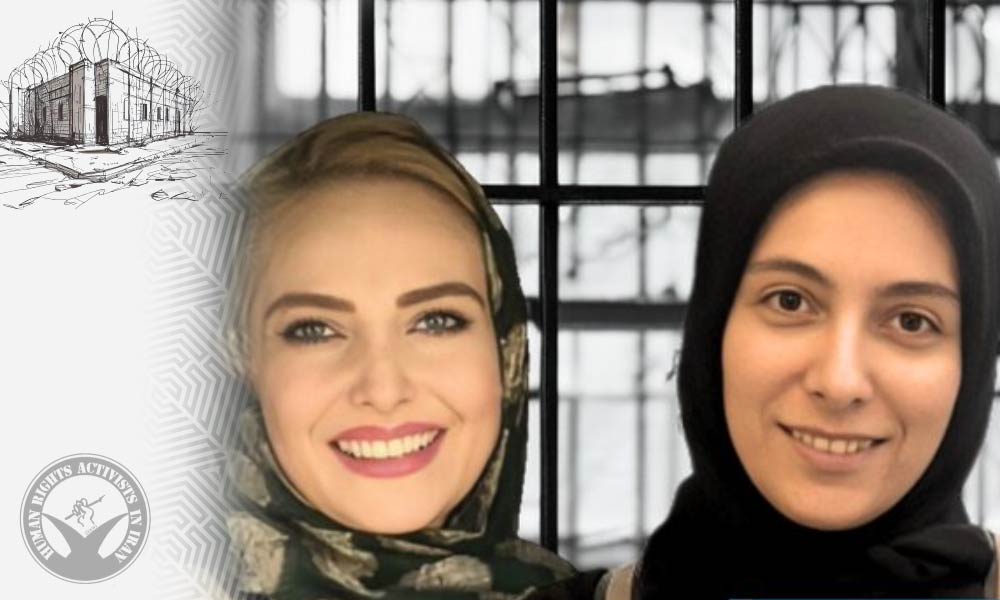
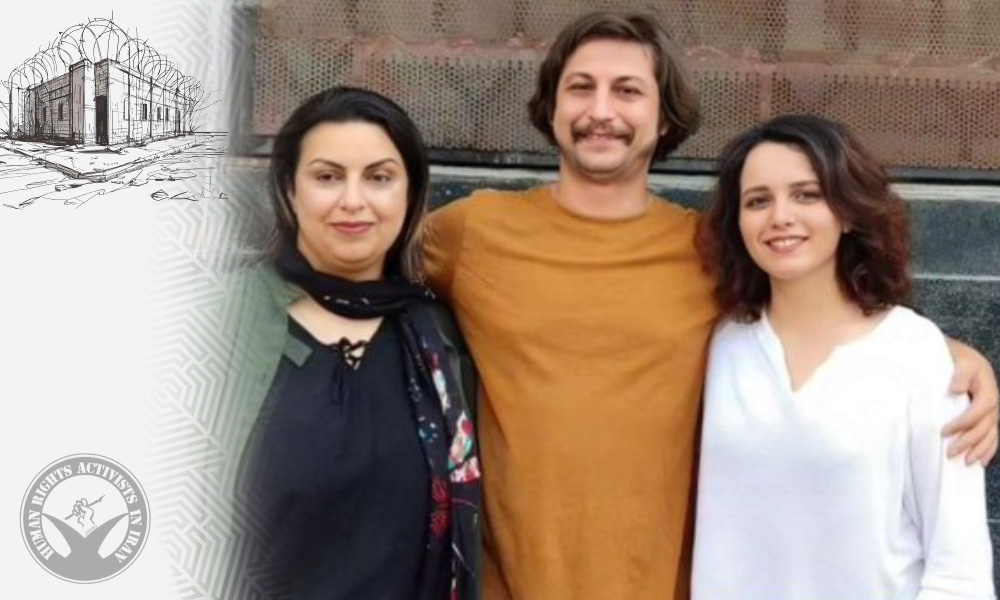
On Wednesday, July 17, Hooman Taheri, Sara Jahani, and Yasamin Heshdari, three women’s rights activists in Gilan, were arrested and transferred to Lakan Prison in Rasht after reporting to the Enforcement of Judgments department.

A source close to one of the activists’ families confirmed this news to HRANA, saying, “These individuals were summoned to the Enforcement of Judgments department of the Rasht Prosecutor’s Office simultaneously with the arrest of Zahra (Fatemeh) Dadras on July 10.”
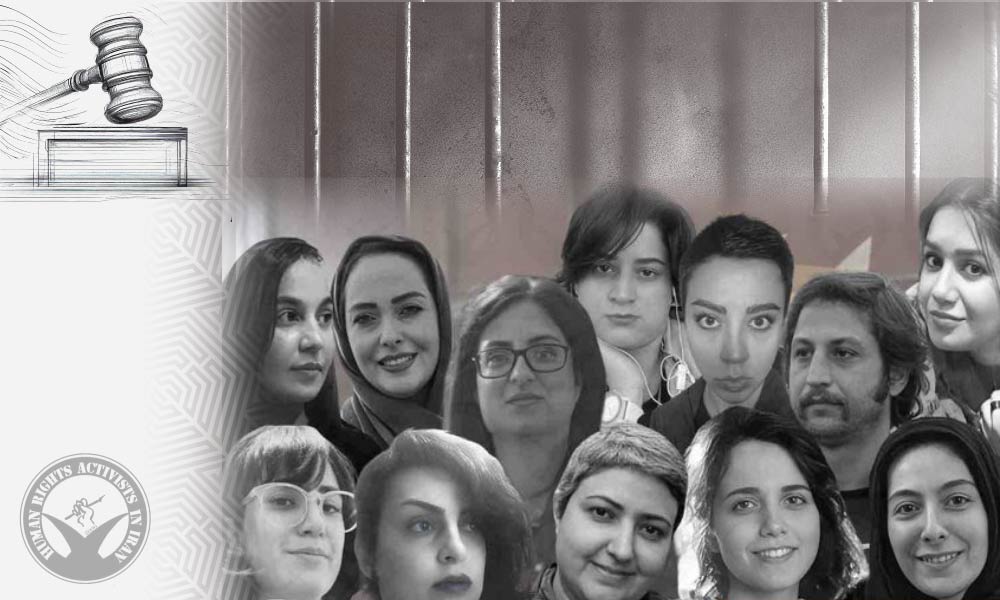
The case of these individuals, along with eight other women’s rights activists in Gilan named Forough Saminia, Zahra (Fatemeh) Dadras, Zahra Dadras, Shiva Shah-Siah, Negin Rezaei, Azadeh Chavoshian, Matin Yazdani, and Jelveh Javaheri, was referred to the Enforcement of Judgments department in late June this year.

These eleven women’s rights activists were separately arrested by security forces in Gilan on August 16 and 17, 2023. Zahra Dadras was released on bail from Lakan Prison on September 17 of last year, and Zohreh Dadras was released on October 1 of the same year.

On February 29, 2024, a court session was held to address the charges against them in a joint case at Branch 3 of the Revolutionary Court of Rasht, presided over by Judge Mehdi Rasekhi. Their initial verdicts were issued by this branch in early March of this year.

Their sentences were confirmed on May 28 of this year by Branch 11 of the Gilan Provincial Court of Appeal, presided over by Judge Mohammad Sadegh Iran Agideh.

According to the issued verdict, Zohreh Dadras was sentenced to nine years, six months, and two days in prison for “forming a group to disrupt national security” and “assembly and collusion against national security.” Zahra Dadras was sentenced to six years, one month, and seventeen days in prison for “membership in a group and assembly and collusion with the intent to disrupt national security.”

Additionally, other defendants in this case were also sentenced to prison. Farough Samiei Nia, Sara Jahani, Yasmin Hashdari, Shiva Shah Siah, Negin Rezaei, Azadeh Chavooshian, and Matin Yazdani were each sentenced to six years, one month, and seventeen days in prison, while Jelveh Javaheri and Hooman Taheri were each sentenced to one year for “propaganda against the regime.”

Women’s Rights Activists Zohreh and Zahra Dadras Arrested to Commence Serving Their Sentences

Zahra (Fatemeh) Dadras and Zohreh Dadras, women’s rights activists in Gilan province, were arrested to serve their prison sentences and transferred to Lakan Prison in Rasht on July 10, 2024.

Abolfazl Ghorbani, the lawyer for these two women’s rights activists, announced: “At 9 AM today, Zohreh (Fatemeh) Dadras was detained and transferred to the Enforcement of Judgments department without prior summons or notice. Similarly, Zahra Dadras was arrested at 12 PM today after appearing at the Criminal Sentences Execution branch. Both sisters were then transferred to Lakan Prison in Rasht.”

Hirakani News Agency announced today that the other nine defendants in this case, Forough Saminia, Sara Jahani, Yasamin Hashdari, Shiva Shah Sia, Negin Rezaie, Azadeh Chavoshian, Matin Yazdani, Hooman Taheri and Jelveh Javaheri, have also been summoned to the Revolutionary the Enforcement of Judgments office in Rasht by phone.

These women’s rights activists were separately arrested by security forces in Gilan on August 16 and 17, 2023. Zahra Dadras was released on bail from Lakan Prison on September 17 of last year, and Zohreh Dadras was released on October 1 of the same year.

On February 29, 2024, a court session was held to address the charges against them in a joint case at Branch 3 of the Revolutionary Court of Rasht, presided over by Judge Mehdi Rasekhi. Their initial verdicts were issued by this branch in early March of this year.

Their sentences were confirmed on May 28 of this year by Branch 11 of the Gilan Provincial Court of Appeal, presided over by Judge Mohammad Sadegh Iran Agideh.

According to the issued verdict, Zohreh Dadras was sentenced to nine years, six months, and two days in prison for “forming a group to disrupt national security” and “assembly and collusion against national security.” Zahra Dadras was sentenced to six years, one month, and seventeen days in prison for “membership in a group and assembly and collusion with the intent to disrupt national security.”

Additionally, other defendants in this case were also sentenced to prison. Farough Samiei Nia, Sara Jahani, Yasmin Hashdari, Shiva Shah Siah, Negin Rezaei, Azadeh Chavooshian, and Matin Yazdani were each sentenced to six years, one month, and seventeen days in prison, while Jelveh Javaheri and Hooman Taheri were each sentenced to one year for “propaganda against the regime.”

Appellate Court Confirms Lengthy Sentences for Eleven Women’s Rights Advocates

The Appellate Court of Gilan Province has confirmed a total of over 60 years in prison sentences for eleven women’s rights advocates.

The ruling, issued on May 28 by Branch 11 and overseen by Judge Mohammad-Sadegh Iran-Aghideh, includes a sentence of nine years, six months, and two days for Zohreh Dadras. She was charged with “forming a group to act against national security.”

Others, including Forough Saminia, Sara Jahani, Yasamin Hashdari, Shiva Shah Sia, Negin Rezaie, Azadeh Chavoshian, and Matin Yazdani, received six years and 47 days each for “joining a group to act against national security.” Additionally, Hooman Taheri and Jelveh Javaheri were each sentenced to one year in prison on charges of “propaganda against the regime.”

The original verdict was issued in late March 2024 following their detention in various cities across Gilan province on August 16 and 17, 2023. They were later released on bail from Lakan Prison in Rasht pending the outcome of their appeals.


Subscribe to Our Newsletter

Now is definitely not the time to stop reading!

Eleven Women’s Rights Advocates Sentenced to Over 60 Years in Combined Imprisonment

The Revolutionary Court in Rasht has delivered verdicts, sentencing eleven women’s rights advocates to a cumulative imprisonment exceeding 60 years and 6 months.

Judge Mehdi Rasekhi, presiding over the trial, sentenced Zohreh Dadras to nine years, six months, and two days for her alleged involvement in “forming a group to act against national security”. Forough Saminia, Sara Jahani, Yasamin Hashdari, Shiva Shah Sia, Negin Rezaie, Azadeh Chavoshian, Zohreh Dadras, and Matin Yazdani each received sentences of six years and 47 days for charges of “assembly and collusion to act against national security.” Additionally, Hooman Taheri and Jelveh Javaheri were each sentenced to one year in prison for “propaganda against the regime.”

The trial commenced on February 29, 2024. These individuals were initially detained during a mass arrest of citizens in Gilan Province on August 16 and 17, 2023. Subsequently, they were released on bail from Lakan Prison in Rasht pending the conclusion of legal proceedings.

Trial Commences for Twelve Women’s Rights Advocates at Revolutionary Court in Rasht

The Revolutionary Court of Rasht initiated the trial of twelve women’s rights advocates on February 29, 2024. The individuals facing charges include Forough Saminia, Sara Jahani, Zahra Dadras, Yasamin Hashdari, Shiva Shah Sia, Negin Rezaie, Vahedeh Khoshsirat, Azadeh Chavoshian, Zohreh Dadras, Matin Yazdani, Hooman Taheri, and Jelveh Javaheri.

Presided over by Judge Mehdi Rasekhi, the first nine women were charged with “membership in a group, assembly, and collusion to act against national security.” Meanwhile, Mr Taheri and Ms Javaheri face charges related to “forming groups to act against national security.”

These individuals were among those detained during a mass arrest of citizens in Gilan Province on August 16 and 17, 2023. Subsequently, they were released on bail from Lakan Prison in Rasht in the following days, pending the conclusion of legal proceedings.

Additional Four Individuals Detained in Gilan Province

In a recent development on Wednesday, August 16, security forces apprehended Shiva Shah Siah, Vahedeh Khoshsirat, Hooman Taheri, and Sara Jahani in Gilan Province.

This event follows HRANA’s report of the arrest of seven women’s rights activists on the same day within the province.

Khoshsirat and Shah Siah, both advocates for women’s rights, were taken into custody in Lahijan. Meanwhile, Mr. Taheri and Mrs. Jahani were apprehended separately in Rasht.

The precise reasons underlying their detentions, their current locations, and the specific charges brought against them all remain undisclosed at this juncture.