Appeals Court Upholds Sentences of Mothers of November 2019 Protest Victims

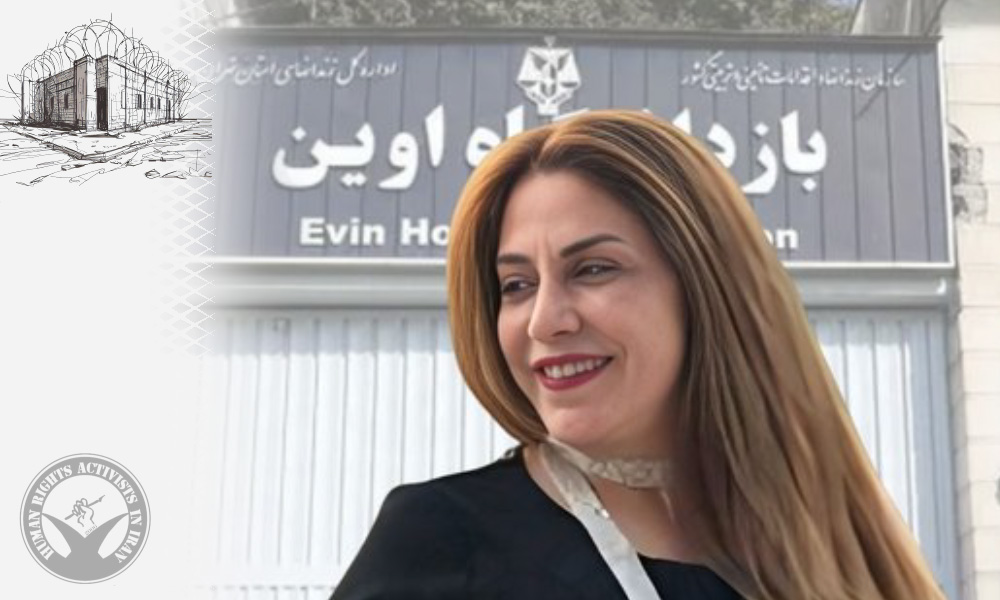
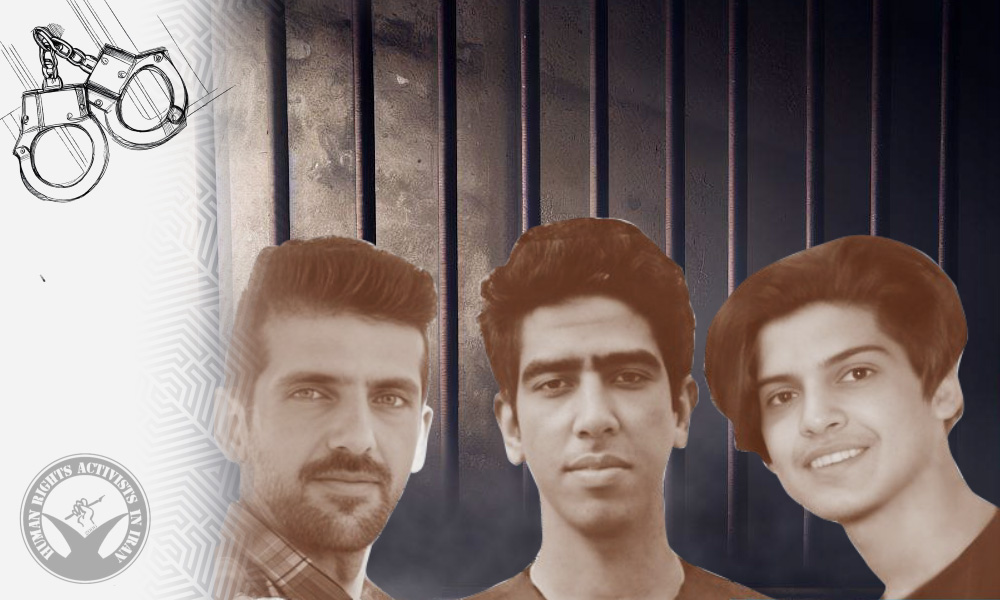
The prison sentences of Mahboubeh Ramazani, mother of Pejman Gholipour, and Rahimeh Yousefzadeh, mother of Navid Behboodi—victims of the November 2019 protests—have been upheld by Branch 36 of the Tehran Court of Appeals. Both were previously sentenced to 18 months and one day in prison by the Shahriar Revolutionary Court.

According to HRANA, the news agency of Human Rights Activists in Iran, the appeals court confirmed the verdict issued by Branch 2 of the Shahriar Revolutionary Court, rejecting the defendants’ appeals.

Reza Shafakhah, the women’s lawyer, stated that the upheld convictions include charges of “propaganda against the regime,” “membership in the Mothers of the November 2019 Victims group,” and “insulting the Supreme Leader.” The original sentence was handed down in September.

Both women have faced prior arrests and convictions for their activism. As mothers of victims killed during the November 2019 protests, they have become vocal advocates for justice.

The November 2019 protests, sparked by a sharp rise in fuel prices, erupted on November 15, 2019, and quickly spread across dozens of cities in Iran. The protests, which lasted several days, saw participation in 719 locations, according to Mohammad Javad Kolivand, an MP from Karaj. Seyed Hossein Naqavi Hosseini, spokesperson for the National Security and Foreign Policy Commission at the time, reported around 7,000 arrests. Human rights organizations estimate that hundreds were killed in the violent crackdown that followed.

This ruling underscores the ongoing suppression of dissent in Iran, particularly targeting those seeking accountability for the deaths of protesters during the November 2019 unrest.

Lawyer Behnam Nezadi Sentenced to One Year in Prison and Two-Year Ban on Practicing Law

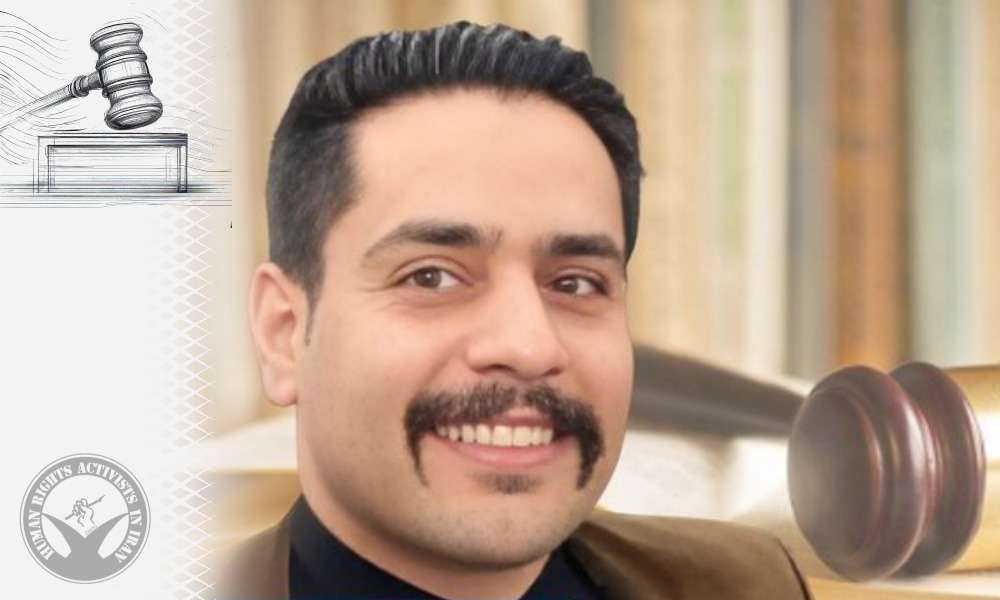
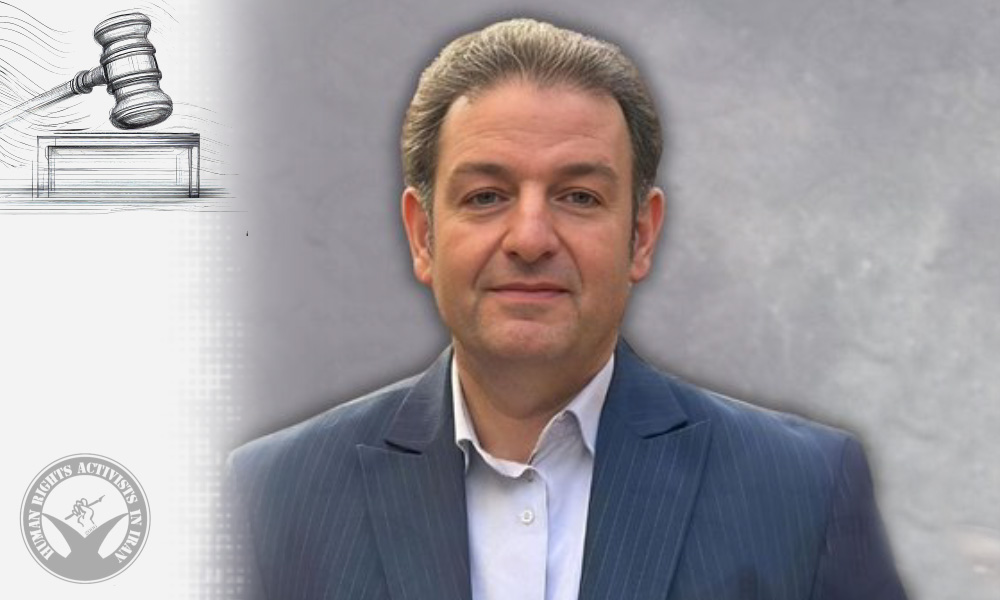
Behnam Nezadi, a member of the Central Bar Association, has been sentenced to one year in prison and a two-year ban on practicing law by Branch 2 of the Revolutionary Court in Arak.

According to HRANA, the news agency of Human Rights Activists in Iran, Mr. Nezadi was convicted on charges of “propaganda against the regime.” As an additional penalty, he has been prohibited from practicing law for two years.

Another part of Mr. Nezadi’s case, involving charges of “spreading falsehoods” and “disclosing confidential information,” is still pending review at the Criminal Court No. 2 in Arak, awaiting assignment to a branch.

Mr. Nezadi’s preliminary interrogation took place in late July at the Public and Revolutionary Prosecutor’s Office in District 23 of Tehran (special jurisdiction for interprovincial cases). During the session, he was charged with “propaganda against the regime,” “spreading falsehoods via cyberspace,” and “disclosing confidential investigative materials.” The authorities also cited actions such as “undermining the judiciary, eroding judges’ confidence, and attempting to overthrow the Islamic Republic” as examples of these allegations.

At the end of the interrogation, Mr. Nezadi was released on bail pending further proceedings. During the preliminary stages of the case, the investigating judge issued an order barring him from practicing law in Tehran.

Behnam Nezadi is the administrator of an Instagram page titled “Judicial Misconduct by Judges.” On this platform, he recently shared documents addressing the Disciplinary Prosecutor’s Office for Judges, arguing: “Filing complaints against judges is legally sanctioned, and encouraging people to seek legal recourse cannot be deemed a crime. Moreover, equating the judiciary as an institution with the entire regime is incorrect.”

Mr. Nezadi, a native of Arak and resident of Tehran, is a prominent lawyer and member of the Central Bar Association. His case is one of many highlighting the increasing restrictions imposed on lawyers and legal activists in Iran.

In 2023, the Department of Statistics and Publications of the Human Rights Activists in Iran (HRA) documented 2,380 cases in which citizens, including journalists and civil rights activists, faced legal and security consequences for exercising their freedom of expression and thought. These incidents resulted in the arrest of 3,130 individuals.

66-Year-Old Political Prisoner Sudabeh Fakharzadeh Continues Serving Five-Year Sentence in Evin Prison

Sudabeh Fakharzadeh, a 66-year-old political prisoner, is currently serving a five-year prison sentence in Evin Prison.

Fakharzadeh was convicted last year by Branch 26 of the Tehran Revolutionary Court, presided over by Judge Iman Afshari, on charges of “assembly and collusion to disrupt national security.”

Ms. Fakharzadeh was arrested by security forces in Tehran’s Chitgar Park in March 2023. Following her interrogation, she was transferred to the women’s ward of Evin Prison on May 9, 2023.

Her co-defendant in the case, Ms. Zeynab Homrang Seyedbeglou, was released from Evin Prison yesterday.

Sudabeh Fakharzadeh is a former political prisoner, having also been incarcerated during the 1980s.

Three Baha’i Citizens Arrested in Isfahan

On Saturday, November 2, security forces arrested three Baha’i citizens—Rashid Dehghani, Pedram Dehghani, and Parsa Dehghani—in the city of Tiran, Isfahan, and transferred them to an undisclosed location, according to Radio Farda. Rashid and Pedram are residents of Tehran, while Parsa resides in Karaj.

The three had traveled to Tiran in Isfahan to attend a Baha’i religious celebration, during which security forces detained them along with eight other Baha’i attendees. While the eight others have since been released, there is still no information on the whereabouts or condition of Rashid, Pedram, and Parsa Dehghani.

Baha’is are subjected to violations of their religious rights, comprising 82% of reports on infringements against religious minorities, according to HRA’s 2023 annual report.

The Baha’i faith is not recognized as a legitimate religion by Iranian authorities, leading to systematic and longstanding violations of the rights of Baha’is in the country. This includes the denial of their fundamental right to practice their religion, which constitutes a clear breach of both Article 18 of the Universal Declaration of Human Rights and Article 18 of the International Covenant on Civil and Political Rights. The United Nations covenant holds that every person has the right to freedom of religion, freedom of converting religion, as well as freedom of expression, individually or collectively; openly or secretly.

Lawyer Mohammadreza Faghihi Sentenced to 5 Years in Prison and Additional Restrictions

The Tehran Court of Appeals, Branch 36, has upheld the prison sentence and additional restrictions imposed on attorney Mohammadreza Faghihi. The initial ruling, issued by the preliminary court, sentenced Faghihi to five years in prison, a two-year travel ban, and a two-year prohibition from practicing law and participating in political groups.

The recent appellate ruling maintains these penalties, convicting Mr. Faghihi on charges of “assembly and collusion to act against national security.” In addition to the prison term, he faces a two-year ban on leaving the country, a two-year suspension from practicing law, and a two-year prohibition from participating in political organizations. The verdict was delivered to Faghihi’s legal team on November 4, and the case has since been sent to the enforcement branch for execution.

This decision echoes an earlier ruling from Branch 15 of Tehran’s Islamic Revolutionary Court, which imposed the same penalties.

Faghihi’s legal troubles trace back to October 12, 2022, when he, along with two other attorneys, was arrested by security forces during a protest held by lawyers outside the Central Bar Association in Argentina Square, Tehran. The protest called attention to the “violation of protesters’ rights and Article 27 of the Constitution.” Faghihi was released on bail on October 25, 2022, but has since faced additional legal challenges.

Mr. Faghihi has a prior history of arrests and convictions linked to his professional advocacy activities.

Subscribe to Our Newsletter

Now is definitely not the time to stop reading!

Female Student Detained After Removing Clothes

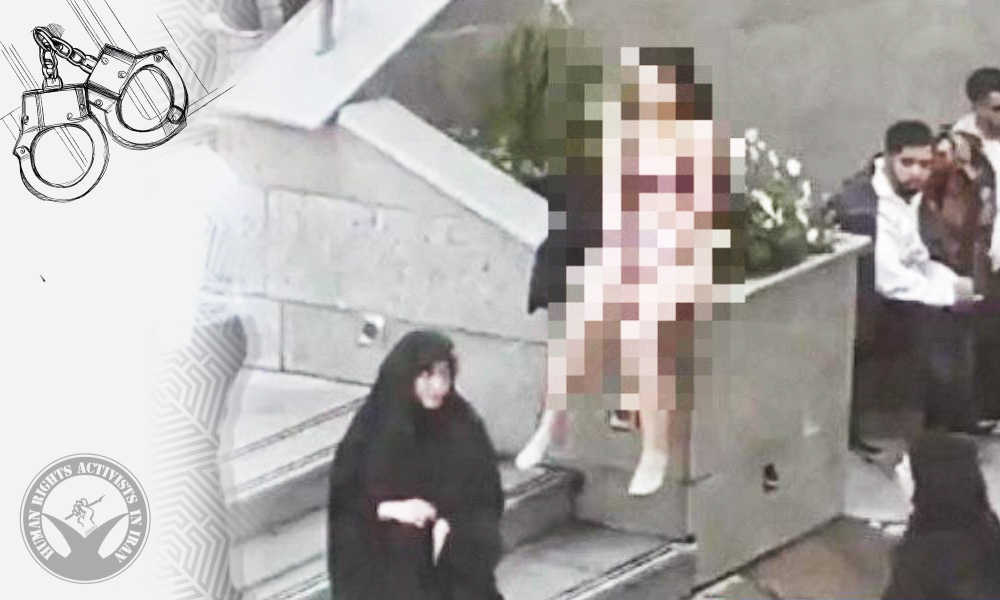
This afternoon, November 2, a female student at Tehran’s Islamic Azad University, Science and Research Branch, removed her clothes in a public. Student sources report that security forces violently detained her, transferring her to an undisclosed location.

According to Amirkabir Newsletter, the confrontation began when university security officers approached the student aggressively, citing her lack of compliance with hijab regulations. In response to this altercation, she removed her clothing and remained in only her undergarments as a form of protest before being detained with force.

In contrast, Fars News Agency disputed the claims of violent treatment, alleging instead that “the student attended class in inappropriate attire. After university security reminded her of the campus dress code, she undressed and walked around the university grounds unclothed.”

However, some sources have attributed the student’s actions to her mental state, denying any link to the issue of compulsory hijab.

The student’s identity remains unknown. HRANA continues to investigate whether mandatory hijab may have been a factor in this incident and to clarify the student’s possible motivations.

The original report was published on November 2 and was updated with new information on November 4.

Behrad Azargan, Baha’i Musician, Sentenced to 11 Years in Prison

Behrad Azargan, a Baha’i musician residing in Tehran, has been sentenced by the Revolutionary Court of Tehran to 11 years in prison, in addition to the confiscation of his seized belongings.

According to HRANA, the news agency of Human Rights Activists in Iran, Branch 15 of the Tehran Revolutionary Court, presided over by Judge Salavati, sentenced Azargan to five years in prison for “engaging in educational or promotional activities against Sharia of Islam” through affiliation with a sect or similar group, four years for “membership in anti-regime groups,” and two years for “spreading false information.” Additionally, the court ordered the confiscation of items seized from his home and imposed a two-year ban on his use of social media and travel abroad.

The court session addressing Azargan’s case was held on October 6.

Azargan’s home was raided on July 3 by security agents, who seized several personal items, including his phone and laptop.

He was subsequently detained on August 4 after appearing at the Third Branch of the Security Prosecutor’s Office to defend himself against charges of anti-regime propaganda. He was later released on bail from Evin Prison.

Two Baha’i Women in Babol Sentenced to 10 Years in Prison and Social Restrictions

Suzan Eid Mohammadzadegan and Niusha Badiei Sabet, two Baha’i citizens, have been sentenced to a total of 10 years in prison, along with additional social restrictions, by Branch 1 of the Babol Revolutionary Court.

In the court’s ruling, delivered to the defendants today, each was sentenced to five years in prison, with time served during pre-trial detention considered. Additionally, both women have been banned from all educational and training activities for 18 months. They were convicted of “engaging in educational or promotional activities contrary to the sacred Sharia of Islam.”

Eid Mohammadzadegan and Badiei Sabet were arrested on August 15, 2023, at Mohammadzadegan’s residence in Babol by security forces, who did not present a judicial warrant. The two were eventually released on bail on September 11, 2023, from Babol Prison.

Mohammad Sadegh Akbari, head of the judiciary in Mazandaran Province, had previously justified the closure of two schools and ten educational and sports centers in Babol by claiming these institutions were promoting the Baha’i faith. He also mentioned the arrest of two individuals, describing them as “prominent Baha’i instructors in Iran.”

However, a reliable source refuted these claims, telling HRANA, “Only four kindergartens were involved, at most. No religious promotion occurred in these centers; the focus was solely on children’s education, with parents present at all times.”

Niusha Badiei Sabet, 39, a psychologist, translator, and resident of Tehran, has faced previous arrests and judicial encounters due to her faith.

Five Female Prisoners Sentenced to 27 Months in Evin Prison

Varishe Moradi, Pakhshan Azizi, Mahboobeh Rezaei, Narges Mohammadi, and Parivash Moslemi, all prisoners held in Evin Prison, have been sentenced to a total of 27 months and one day in prison in connection with a recently opened case against them.

The ruling, issued by Branch 2 of the Criminal Court at the Quds Judicial Complex in Tehran, was presided over by Judge Abolfazl Amiri Shahrabi. The verdict was delivered to the prisoners in Evin on Saturday, October 19. Pakhshan Azizi, Mahboobeh Rezaei, Narges Mohammadi, and Varishe Moradi each received six-month sentences, while Pariyoush Moslemi was sentenced to three months and one day. The charges against them included “assaulting officers” and “disobedience.” Ms. Moslemi was acquitted of “disturbing prison order,” and the other defendants were cleared of “property destruction.”

A source close to the family of one of the prisoners confirmed the news to HRANA, noting that “Only Ms. Moslemi attended the court session, while the other prisoners refused to appear in court.”

The case dates back to August 6, when inmates in Evin’s women’s ward protested after learning of the execution of Reza Rasaei, resulting in a clash with prison guards. Following the protest, several female prisoners, including these five, were barred from making phone calls or meeting with their families.

Report on the Latest Status of Political Prisoner Saeideh Ghorbanali in Evin Prison

Saeideh (Bahareh) Ghorbanali, a political prisoner, is currently serving a two-year prison sentence in Evin Prison, as upheld by the Tehran Court of Appeals. Her transfer to the women’s ward occurred on September 7, 2024, following her arrest to serve this sentence.

According to a source close to Ghorbanali’s family, who confirmed the details to HRANA, Ghorbanali has recently been denied in-person visits with her family by direct order of the prison warden.

Ghorbanali’s legal troubles began in early 2019 when she was first arrested by security forces in Shahriar. Shortly after her initial detention, she was released on bail.

She later faced trial alongside nine others in a joint case at Branch 15 of the Tehran Revolutionary Court. In late 2019, Ghorbanali was sentenced to three years in prison on charges including “assembly and collusion against national security,” “propaganda against the regime,” and “insulting the founder of the Islamic Republic and the Supreme Leader.”

In May 2020, Branch 36 of the Tehran Court of Appeals, presided over by Judge Zargar, upheld her sentence. However, under Article 134 of the Islamic Penal Code, only the severest charge is applied, making Ghorbanali subject to two years of imprisonment.