Execution of Death Sentences of Two Prisoners, Including a Juvenile Offender, in Iranshahr Prison

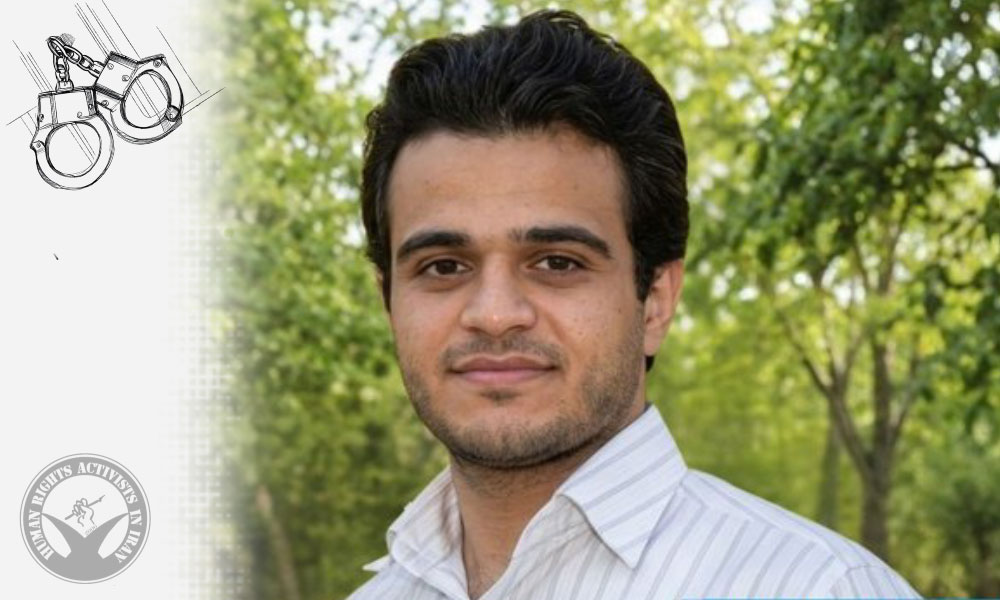
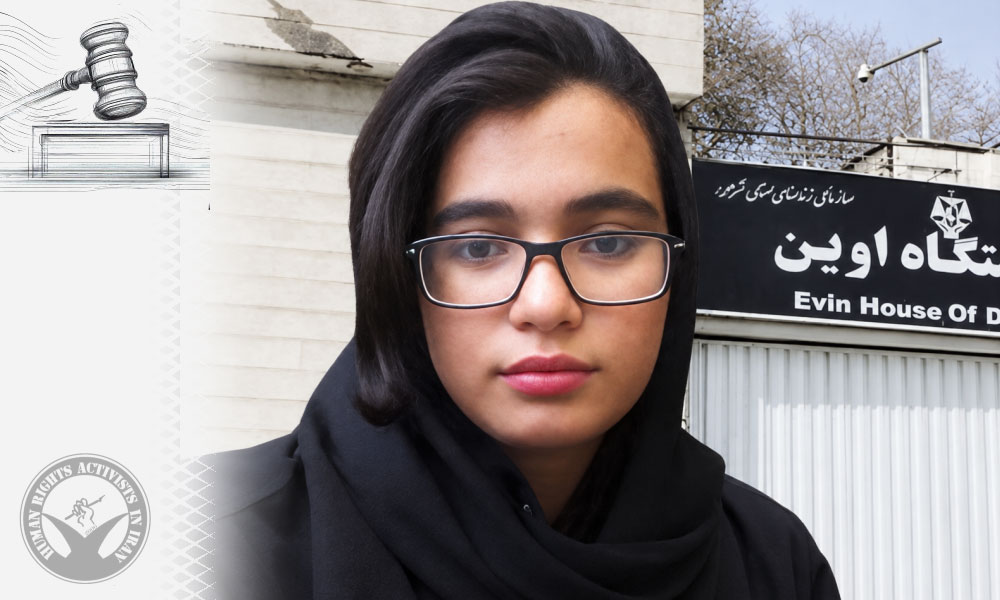
HRANA – The death sentences of two prisoners, including a juvenile offender, who had previously been sentenced to death on murder charges, were carried out in Iranshahr Prison.

According to a report by HRANA, citing Haal Vsh, two prisoners, including a juvenile offender, were executed by hanging in Iranshahr Prison.

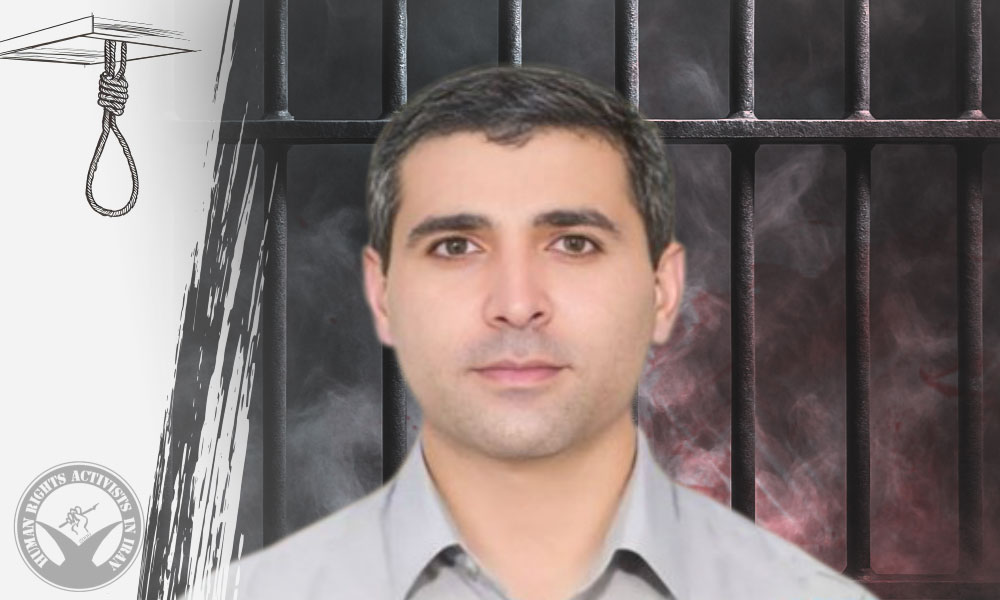
Based on the report, at dawn on Wednesday, July 22, 2026, the death sentence of Abdolvahed Sangari was carried out at the prison. He had been arrested in 2019 in Zahedan following a physical altercation that resulted in a murder charge and was subsequently sentenced to death by the judiciary. He had been transferred to solitary confinement on Tuesday, July 21, in preparation for his execution.

In a separate case, Meysam Irandegani was executed at dawn on Tuesday, July 21, at the same prison. According to Haal Vsh, he had been arrested approximately four years and two months earlier on a murder charge when he was only 14 years old. He was initially transferred to the Juvenile Correction and Rehabilitation Center in Zahedan before eventually being moved to Iranshahr Prison. His death sentence was later issued by the judicial authorities.

At the time of writing, the executions of these two prisoners had not been officially announced by prison authorities or the relevant state institutions.

According to HRA’s Annual Report, in 2025 at least 2,063 citizens, including 61 women and 2 juvenile offenders, were executed. Of these, the sentences of 11 individuals were carried out in public. During the same period, 172 other individuals were sentenced to death.

January 2026 Protests: Supreme Court Upholds Death Sentence of Ahad Shokouhian

HRANA – Branch 9 of Iran’s Supreme Court has upheld the death sentence of Ahad Shokouhian, who was arrested during the nationwide January 2026 protests. He had previously been sentenced to death three times by the Tehran Revolutionary Court in connection with the protests in Pakdasht.

According to HRANA, the death sentence of Ahad Shokouhian has been upheld.

The ruling was confirmed by Branch 9 of the Supreme Court. Earlier, Branch 26 of the Tehran Revolutionary Court, presided over by Judge Iman Afshari, sentenced Shokouhian to three death sentences on charges including acting against national security, assembly and collusion to act against national security, destruction of public property, and participation in the killing of two security force personnel. According to information received by HRANA, the allegations against him include participating in the January 8 protests in Pakdasht and setting fire to a mosque.

A source familiar with the case and close to Shokouhian’s family told HRANA that he was not present at the mosque when the fire occurred and was arrested solely because he bore a resemblance to another individual identified as the alleged perpetrator. Nevertheless, his sentence was issued and upheld without a thorough review of the available surveillance camera footage, and both the investigating judge and the trial judge refused requests to re-examine the recordings.

The source further stated that a significant portion of the prosecution’s case was based on confessions attributed to Ahad Shokouhian, although the circumstances under which those confessions were obtained remain unclear.

According to the same source, Shokouhian suffers from severe asthma, a condition that has been confirmed by the Legal Medicine Organization. Due to his physical condition, he would have been incapable of engaging in strenuous activities, including the alleged act of breaking down the mosque’s door.

Ahad Shokouhian was arrested on January 15, 2026, during the nationwide protests in Pakdasht and transferred to Khorin Prison in Varamin. In June 2026, he was transferred to Ghezel Hesar Prison in Karaj.

Ahad Shokouhian, 38, is a flower market worker in Tehran, the sole breadwinner of his family, and a resident of Pakdasht.

It should be noted that protests and strikes by shopkeepers and bazaar merchants began in Tehran on Sunday, December 28, 2025, and within two days spread beyond markets and commercial centers. With the participation of students, citizens, and various social groups, these protests became one of the largest protest movements of recent years. Following the crackdown by security and law enforcement forces, thousands were killed or injured, and tens of thousands were arrested or summoned by security agencies. For more information, readers may refer to HRANA’s comprehensive report titled “Crimson Winter,” documenting the first fifty days following the outbreak of Iran’s nationwide protests.

Escalation of Judicial Crackdown on Protesters: A Review of the Most Significant Cases from the Past Two Weeks

HRANA – Over the past two weeks, Iranian authorities have sharply escalated the use of capital punishment in cases linked to the January 2026 protests and politically motivated or national security prosecutions. Death sentences have been issued, upheld, and carried out across multiple cities, signaling an intensification of the judiciary’s crackdown on protesters and other defendants facing political and security-related charges.

According to HRANA, over the past two weeks, judicial proceedings in a number of cases related to the January 2026 protests and other security-related cases have entered a new phase, marked by the issuance and implementation of death sentences, the commencement of trials, and growing concerns over the condition of detainees.

The cases reviewed by HRANA span Isfahan, Shahrud, Mashhad, Tehran, Shiraz, Mahallat, Karaj, and Tabriz. They are accompanied by persistent allegations of fair trial violations, including denial of effective access to legal counsel, forced confessions, court hearings held inside prisons or conducted remotely, and a lack of transparency regarding the evidence relied upon by the courts. HRANA’s findings indicate that at least seven prisoners in protest- and security-related cases were executed during this period.

This report examines the most prominent recent cases that have resulted in death sentences or executions, or in which defendants are facing charges such as “enmity against God” (moharebeh) and “spreading corruption on earth” (efsad-e fel-arz). In cases where the available information is based solely on reports received by HRANA, the agency explicitly notes this and continues its independent investigation into the details of each case, including judicial proceedings, defendants’ access to legal counsel, and the evidence relied upon by the courts.

Several of these cases have drawn particular attention not only because of the number of defendants and the severity of the sentences, but also due to questions surrounding the judicial process. Reported concerns in some of these cases include restrictions on defense lawyers’ access to case files, court sessions held remotely or inside prisons, the failure to provide some families with the full text of court verdicts, and allegations that confessions were obtained under coercion.

Among these, the cases known as the “Alikhani Square” case and the “Isfahan Shohada Square” case have emerged as some of the most prominent during this period due to the harsh sentences imposed, the large number of defendants, and unresolved concerns regarding the judicial process. Meanwhile, the issuance of death sentences and the continuation of proceedings in similar cases in Shahrud, Mashhad, Shandiz, Shiraz, Mahallat, Tehran, and Malekan indicate that this pattern is not confined to a single city or a single case.

Below are the details of the cases for which HRANA has independently gathered and verified information, including the charges brought against the defendants, the course of judicial proceedings, and the status of the sentences from issuance through implementation.


Isfahan

The “Alikhani Square” Case: Death Sentences Issued and Carried Out Against Several Detainees

In this case, 59 individuals arrested during the January 2026 protests in Isfahan have been tried. According to information received by HRANA, 14 of them have been sentenced to death. HRANA has so far verified the identities of 12 of those sentenced to death.

The case was opened in connection with events that took place on January 8, 2026 in Alikhani Square in Isfahan, where the judiciary has alleged that police forces were attacked, public property was damaged, and violent acts were committed. The defendants face charges including “enmity against God” (moharebeh), destruction of public property, offenses related to attacks on law enforcement officers, and the killing of four members of the police force.

HRANA has verified the identities of the 12 defendants sentenced to death as Alireza Sepahi, Abolfazl Sepahi, Erfan Esfandiari, Gol Mohammad Mohammadi, Ghaem Hosseini, Sharvin Bagherian, Amirhossein Safari, Amirhossein Maleki, Ali Dashti, Abolfazl Ebrahimi, Alireza Raeisi, and Amirhossein Ebrahimi Analoucheh.

In the early hours of July 19, the death sentences of Erfan Esfandiari and Gol Mohammad Mohammadi were carried out. Subsequently, the transfer of Alireza Sepahi and Abolfazl Sepahi to solitary confinement has heightened concerns that the death sentences of the remaining condemned prisoners in this case may soon be implemented.

The handling of this case has raised serious concerns regarding compliance with fair trial standards. According to information received by HRANA, court hearings were conducted via video conference, and lawyers and the families of some defendants were denied access to the complete case files and the full text of the court’s verdicts. Additionally, some defendants were reportedly subjected to pressure and torture during interrogations in order to compel them to admit to the charges against them.

The “Shohada Square” Case

This case stems from the January 2026 protests in Isfahan and involves 16 defendants currently facing judicial proceedings. It relates to incidents that occurred in the vicinity of Shohada Square in Isfahan, near several shoe stores, during which two individuals were killed.

The charges brought against most of the defendants include “enmity against God” (moharebeh) through carrying bladed weapons, destruction of public property amounting to moharebeh, assembly and collusion, and propaganda against the state. Two of the defendants are charged with complicity in moharebeh and complicity in the destruction of public property.

HRANA has verified the identities of 12 of the defendants: Ahmadreza Saeedi, Navid Elyasi, Abolfazl Dadgostar, Mehdi Mansouri, Hamed Mehralian, Mehdi Asadi, Milad Booari, Mehrdad Booari, Ali Booari, Taraneh Rahimi, Romina Rahimi, and Setayesh Saedi.

The handling of this case has also raised concerns regarding judicial procedure. Although the case was formally registered with Branch 5 of the Isfahan Revolutionary Court, the defendants’ charges have been adjudicated by judges from Branch 1 of the Revolutionary Court in the same city. Hearings have been held inside Dastgerd Prison in Isfahan before Judge Morteza Barati and Judge Mohammadreza Tavakkoli, with a representative of the prosecutor’s office also present.

The defendants are being held in Dastgerd and Dowlatabad Prisons in Isfahan. Their defense lawyers have stated that they were not granted full access to the case files prior to the hearings. Additionally, some defendants were reportedly subjected to torture during interrogations.

It is also noteworthy that the indictment issued against these defendants does not contain any specific charge related to the killing of the two individuals who died during the Shohada Square incidents. According to information received by HRANA, no evidence has been presented demonstrating the defendants’ direct involvement in those deaths.

Execution of the Death Sentence of Mohammad Amini Dehaghani

The case of Mohammad Amini Dehaqani is related to the January 2026 protests in Dehaqan County, Isfahan Province. According to the judiciary’s media outlet, he was sentenced to death on charges of “setting fire to the Dehaqan governor’s office and police station by throwing Molotov cocktails” and “destroying public property in Imam Hossein Square” in the city. His death sentence was carried out on July 15, 2026, at Isfahan Prison.

According to publicly available information, the execution was carried out following judicial proceedings and the confirmation of the final verdict by the Supreme Court. HRANA has not yet been able to independently verify the details of the case, the judicial process, the evidence relied upon by the court, or the defendant’s legal defense. Further investigation into the case is ongoing.

Death Sentence Issued for Mahnam Navab Safavi

The case of Mahnam Navab Safavi, a 22-year-old rapper from Isfahan, is related to the nationwide protests of 2026. He was arrested on January 10, 2026, and was subsequently sentenced to death by Branch 5 of the Isfahan Revolutionary Court.

The charges brought against him include “enmity against God” (moharebeh) through the destruction of public property in the Sheikh Sadough area of Isfahan, “propaganda against the state,” “assembly and collusion,” “encouraging people to kill one another,” and “writing slogans.”

According to information received by HRANA, he is currently being held in Dastgerd Prison in Isfahan. HRANA has also received information indicating that he was subjected to forced confessions during his detention and that his trial was conducted remotely. HRANA is continuing to investigate the details of the case, the judicial proceedings, the defendant’s access to legal counsel, and the evidence relied upon by the court.

Kermanshah

Execution of the Death Sentences of Two Defendants Convicted of “Armed Rebellion”

This case dates back to 2017 and concerns allegations of membership in an armed group and activities against the Islamic Republic. The judiciary’s media outlet claimed that Mohi al-Din Abdollahi and Hossein Palani were “members of a group affiliated with ISIS” who intended to carry out armed operations inside Iran. According to this claim, following court proceedings, the Tehran Revolutionary Court sentenced both men to death on the charge of “armed rebellion against the Islamic Republic of Iran” (baghi).

After the Supreme Court upheld the verdicts, the death sentences of the two prisoners were carried out in the early hours of July 14, 2026, at Dizelabad Prison in Kermanshah.

The judiciary’s media outlet stated that, following the completion of the investigation and the issuance of the indictment, the case was referred to the Tehran Revolutionary Court, which ultimately issued the death sentences.

Soroush Karami Remains in Judicial Limbo on the Charge of “Enmity Against God”

The case of Soroush Karami, a resident of Kermanshah, is related to the January 2026 protests in Kermanshah. He was arrested during the protests on January 8, 2026, and has been charged with “enmity against God” (moharebeh). His case is currently under review by Branch 16 of the Public and Revolutionary Prosecutor’s Office in Kermanshah.

He was transferred from a security detention facility to Kermanshah Central Prison (Dizelabad) and is currently being held in solitary confinement in the prison’s security ward.

Soroush Karami has been denied access to legal counsel since the time of his arrest.

Karaj

Execution of Aref Khoshkar

The case of Aref Khoshkar was related to the nationwide protests of 2022 in Tehran. He was arrested during protests in the Fallah neighborhood and sentenced to death by the Revolutionary Court on charges including “enmity against God through carrying and using a weapon,” “the killing of a member of the Basij,” and “assembly and collusion against national security.”

Aref Khoshkar’s death sentence was carried out on July 15, 2026, at Ghezel Hesar Prison in Karaj, after his family’s efforts to halt the execution and a meeting aimed at obtaining the victim’s family’s consent proved unsuccessful.

According to information received by HRANA, Aref Khoshkar’s lawyer had previously pointed to ambiguities in the case, stating that there were no surveillance cameras at the site of the killing and that there was insufficient evidence linking the charges to his client.

Execution of Mehdi Khanki

The case of Mehdi Khanki, age 26, was related to the January 2026 protests in Karaj. According to the Judiciary Media Center, he had been sentenced to death on charges including “operational activities in support of Israel, the United States, and hostile groups” and “manufacturing, procuring, and possessing firearms and military ammunition, and using them.”

He was arrested by security forces at his residence in Karaj on February 10, 2026. After the Supreme Court upheld his sentence, he was executed on Wednesday, July 15, 2026, at Ghezel Hesar Prison in Karaj.

According to the judiciary, the case was heard by a branch of the Karaj Revolutionary Court, which issued the death sentence. HRANA has not yet been able to independently examine the details of the case, the evidence relied upon by the court, or the judicial proceedings. Further investigation into the matter is ongoing.

Shahrud: Death Sentence Issued for Arvin Kheirkhahan

The case of Arvin Kheirkhahan, aged approximately 20, is related to the January 2026 protests in Shahrud. He was arrested during the protests and is currently being held in Shahrud Prison.

He has been sentenced to death on charges of “enmity against God” (moharebeh) and “corruption on earth” (efsad-e fel-arz). His case has now been referred to the Supreme Court for review. To date, no detailed information has been made public regarding the branch handling the case, his access to legal counsel, or the details of the judicial proceedings.

Mashhad: Majid Nikandish Sentenced to Death

The case of Majid Nikandish, a 25-year-old resident of Quchan, is related to the January 2026 protests in Mashhad. He was arrested during the protests and is currently being held in Vakilabad Prison in Mashhad.

He was tried by Branch 1 of the Mashhad Revolutionary Court, presided over by Judge Gholamreza Akbari, and sentenced to death on the charge of “enmity against God” (moharebeh). According to information received by HRANA, he remains detained in Vakilabad Prison. HRANA has also received information indicating that he was subjected to forced confessions during his detention. The organization is continuing to investigate the details of the case, the judicial proceedings, and other aspects of his prosecution.

Shandiz: Mehdi Zarif Sentenced to Death

The case of Mehdi Zarif, aged 22, is related to the January 2026 protests in Shandiz. He was arrested in Shandiz on January 10, 2026.

He has been sentenced to death on charges including the destruction of public property. His death sentence has been upheld by the Supreme Court. According to information received by HRANA, he was subjected to forced confessions during interrogation.

Tehran: Mohammadreza Abdollahpour

The case of Mohammadreza Abdollahpour, one of those arrested during the 2026 nationwide protests, involves charges including “espionage” and the killing of a police officer during the January 9, 2026 protests in Tehran’s Saadat Abad district.

Following his arrest, he has spent more than five months in detention and remains held at Ghezel Hesar Prison in Karaj without a verdict having been issued.

According to information received by HRANA, court hearings in his case were held in April–May 2026, but no judgment has yet been issued. A source close to his family also stated that he has been denied access to a lawyer of his own choosing.

At present, little additional information is available regarding the judicial proceedings in this case. It is only known that Mohammadreza Abdollahpour’s trial sessions have been held, but no verdict has yet been issued.

The following cases are based on information that is still under review. HRANA is currently verifying the details of these cases, including the judicial proceedings, the legal status of the defendants, and other relevant aspects.


Shahrud: Protester Morteza Zamani Sentenced to Death

The case of Morteza Zamani, a 27-year-old resident of Shahrud, is related to the January 2026 protests in the city. He was arrested on January 8, 2026, during protests on Istgah Street in Shahrud and was subsequently transferred to Shahrud Prison.

Morteza Zamani has been sentenced to death on the charge of “enmity against God” (moharebeh) through the destruction and arson of public property.

No detailed information is currently available regarding the specifics of the case, the judicial proceedings, or his access to legal counsel. HRANA’s investigation into these matters is ongoing.

Shiraz: Two Citizens Sentenced to Death in Connection with the January Protests

The case of two citizens in Shiraz is related to the January 2026 protests. In this case, both defendants were sentenced to death by Branch 1 of the Shiraz Revolutionary Court.

The charges brought against them include “enmity against God” (moharebeh) through setting fire to public places and burning a Quran, as well as “acting against national security by sheltering protesters.” Their death sentences were issued more than two months ago.

The two defendants have been identified as 23-year-old Mojtaba Dehbandi and 27-year-old Kianoush Hamzehei Kazerouni. Following their arrest, they were transferred to Adelabad Prison in Shiraz.

The death sentences were issued at the trial court level and are not yet final. HRANA’s investigation into the details of the judicial proceedings, the defendants’ access to legal counsel, and the evidence relied upon by the court is ongoing.

Malekan: Ehsan Khodadadi

The case of Ehsan Khodadadi, a 32-year-old resident of Malekan, has been under investigation since June 2025 in connection with national security charges. The central allegations in the case involve claims that he sent the location of an Iranian Air Force facility in Tabriz, attempted to establish contact with Mossad, and transmitted information to the Iran International television network.

Ehsan Khodadadi has now been sentenced to death by Branch 1 of the Tabriz Revolutionary Court, presided over by Judge Reza Abdi. He was convicted on charges of “corruption on earth” (efsad-e fel-arz) through espionage for the benefit of the Israeli regime, “security, cultural, media, and propaganda activities for Israel,” “cooperation with hostile states,” “propaganda against the state,” and “cooperation through providing information to media outlets opposed to the regime.”

He is currently being held in Tabriz Prison. Reports have alleged that Ehsan Khodadadi was subjected to pressure, torture, and forced confessions during interrogation. HRANA has not been able to independently verify these claims. HRANA’s investigation into the details of the case, the judicial proceedings, the defendant’s access to legal counsel, and the evidence relied upon by the court is ongoing.

Tehran: Two Defendants Sentenced to Death in Connection with the January 2026 Protests

The case of three individuals arrested during the January 2026 protests in Tehran has resulted in severe sentences, including two death penalties. They were arrested on January 11, 2026, and their case was subsequently heard by Branch 15 of the Tehran Revolutionary Court, presided over by Judge Abolghasem Salavati.

The charges brought against the defendants include “attacking a mosque with Molotov cocktails,” “participation in unlawful gatherings,” and “assembly and collusion.”

The defendants have been identified as Mehdi Nazer, Mahnaz Chardouli, and Atefeh Nazer. Mehdi Nazer and Mahnaz Chardouli were each sentenced to death and 10 years’ imprisonment, while Atefeh Nazer was sentenced to 10 years’ imprisonment.

Lordegan: Ali Rahimi-Rigi Faces Political and Security Charges

The case of Ali Rahimi-Rigi, a 31-year-old detainee arrested during the January 2026 protests, stems from events related to those protests. He faces a range of charges, including “enmity against God” (moharebeh), “corruption on earth” (efsad-e fel-arz), possession and carrying of firearms and ammunition, destruction of property, unlawful assembly, propaganda against the state, assembly and collusion against national security, brandishing a weapon, and disrupting public order. He is currently being held in Lordegan Prison.

No detailed information has been made public regarding the branch handling his case, his access to legal counsel, or the evidence relied upon by the court. HRANA’s investigation into the details of the judicial proceedings is ongoing.

Mahallat: Five Protest Detainees Sentenced to Death

Five individuals arrested during the January 2026 protests in Mahallat, Markazi Province, have been sentenced to death by a judicial authority on the charge of “enmity against God” (moharebeh). Their death sentences were issued at the trial court level and are not yet final.

The defendants have been identified as Erfan Khalili, Ali Akbar Mahlouji, Hessam Isaei, Hossein Shokouhi, and Abolghasem Kazem Aslani. They are currently being held in Arak Prison.

HRANA’s investigation into the judicial proceedings, the defendants’ access to legal counsel, and the evidence relied upon by the court is ongoing.

Arak: 18-Year-Old Mahan Rahmati Faces Charge of “Enmity Against God”

The case of Mahan Rahmati, a resident of Arak born in January 2008, is related to the January 2026 protests. He has been charged with “enmity against God” (moharebeh), an offense that may carry the death penalty. He remains in detention, and recent information has heightened concerns regarding both the judicial proceedings in his case and the conditions of his detention.

No detailed information has been made public regarding the branch handling his case, his access to legal counsel, or the evidence relied upon by the court. HRANA’s investigation into the details of the judicial process is ongoing.

Overall, during the past two weeks, at least 50 individuals arrested in connection with the January 2026 protests have either been executed, sentenced to death, had their death sentences upheld, or faced charges such as “enmity against God” (moharebeh) and “corruption on earth” (efsad-e fel-arz), offenses that can carry the death penalty. The cases of a number of these individuals remain under investigation or judicial review, and complete information regarding the legal proceedings and court rulings is not yet available.

Background: The January 2026 Protests

It should be noted that protests and strikes by shopkeepers and bazaar merchants began in Tehran on Sunday, December 28, 2025, and within two days spread beyond markets and commercial centers. With the participation of students, citizens, and various social groups, these protests became one of the largest protest movements of recent years. Following the crackdown by security and law enforcement forces, thousands were killed or injured, and tens of thousands were arrested or summoned by security agencies. For more information, readers may refer to HRANA’s comprehensive report titled “Crimson Winter,” documenting the first fifty days following the outbreak of Iran’s nationwide protests.

Ghezel Hesar Prisoners’ Hunger Strike Enters Tenth Day

HRANA  – Yesterday, July 22, 2026, prisoners held in Ward 2 of Ghezel Hesar Prison in Karaj entered the tenth consecutive day of their protest against executions. The prisoners have continued both their sit-in and their refusal to accept prison food in response to the transfer of six inmates to solitary confinement for the implementation of their death sentences.

According to HRANA, the hunger strike by prisoners in Ward 2 of Ghezel Hesar Prison, which began on Monday, July 13, 2026, after six prisoners sentenced to death were transferred to solitary confinement, continued today.

Based on information received by HRANA, the prisoners gathered in the ward hall on Wednesday and once again refused to receive prison meals, marking the tenth day of their hunger strike. The protesting prisoners stated their opposition to the implementation of death sentences, particularly in cases involving drug-related offenses.

In recent days, videos recorded inside Ghezel Hesar Prison have also emerged, showing scenes from the prisoners’ hunger strike and sit-in.

The protests began on Monday, July 13, following the transfer of six prisoners sentenced to death in drug-related cases to solitary confinement. The move prompted a collective response from prisoners in Ward 2, who have continued their hunger strike and sit-in ever since.

It is worth noting that HRANA also reported last year on similar hunger strikes by a number of prisoners at Ghezel Hesar Prison protesting the implementation of death sentences.

A video showing yesterday’s sit-in and hunger strike by the prisoners of Ghezel Hesar Prison is provided below.

Political Prisoner Amirhassan Akbari Monfared Sentenced to Death

HRANA – Amirhassan Akbari Monfared, a political prisoner held in Evin Prison, has been sentenced to death by Judge Abolghasem Salavati on the charge of baghi (armed rebellion).

According to HRANA, 27-year-old Amirhassan Akbari Monfared has been sentenced to death.

According to a verdict issued by Branch 15 of the Tehran Revolutionary Court, presided over by Judge Abolghasem Salavati, and served on Mr. Akbari Monfared two days ago, he was sentenced to death on the charge of baghi (armed rebellion) through alleged membership in the People’s Mojahedin Organization of Iran (MEK). He is currently imprisoned in Evin Prison and had previously stood trial before the same court.

Amirhossein Akbari Monfared was arrested alongside his father, Mohammad Akbari Monfared, and his brother and sister, Amir hossein and Zeinab Akbari Monfared, by Ministry of Intelligence agents in Karaj during the winter of 2025. The three other family members were later released on bail.

So far, no information has been made available regarding the details of the charges brought against the other members of the family. However, a source previously informed HRANA that they are facing security-related charges.

Mohammad Akbari Monfared, aged approximately 58, Amirhassan Akbari Monfared, 33, Zeinab Akbari Monfared, 30, and Amirhossein Akbari Monfared, 27, are residents of Karaj.

Subscribe to Our Newsletter

Now is definitely not the time to stop reading!

Baha’i Citizen Arman Misaghian Sentenced to Two Years in Prison

HRANA – Arman Misaghian, a Baha’i citizen, has been sentenced by the Tehran Revolutionary Court to two years of discretionary imprisonment, along with additional punitive measures.

According to HRANA, Arman Misaghian, a Baha’i citizen, has been sentenced to prison.

Based on information received by HRANA, Branch 29 of the Tehran Revolutionary Court sentenced Arman Misaghian to one year of discretionary imprisonment on the charge of “propaganda against the regime” and an additional one year on the charge of “insulting the Supreme Leader.” As supplementary punishment, the court also banned him for two years from driving, signing commercial documents, and membership in groups.

The case was presided over by Judge Seyed Ali Mazloum.

So far, no information has been made available regarding the specific conduct underlying the charges brought against this citizen.

Over the past decade, Iran’s Baha’i community has been subjected to more security-related and judicial persecution than any other religious minority in the country. According to HRA’s annual reports, an average of 62.41% of all reported violations of the rights of religious minorities during the past year involved violations of the rights of Baha’i citizens.

January 2026 Protests: Mahnam Navab Safavi Sentenced to Death

HRANA – Mehnam Navab Safavi, arrested during the nationwide protests of January 2026 who is currently imprisoned in Dastgerd Prison in Isfahan, was sentenced to death by Branch 5 of the Revolutionary Court of Isfahan on the charge of moharebeh (“enmity against God”).

According to HRANA, Mahnam Navab Safavi, one of the detainees from the nationwide protests of January 2026, has been sentenced to death.

Based on information obtained by HRANA, Branch 5 of the Revolutionary Court of Isfahan, presided over by Judge Hemati-Nejad, sentenced Mr. Navab Safavi to death on charges including moharebeh through alleged involvement in “the destruction of public property,” “propaganda against the regime,” “assembly and collusion against national security,” and “encouraging people to commit murder.”

A source informed and close to the family of this citizen confirmed the news in a conversation with HRANA, stating that one of the alleged acts cited against Mr. Navab Safavi was writing slogans.

Mahnam Navab Safavi, 22, is a Persian-language rapper and a resident of Isfahan. He was arrested on January 10, 2026, during the nationwide protests in the Sheikh Sadough area of Isfahan and was later transferred to Dastgerd Prison in this city.

It should be noted that protests and strikes by shopkeepers and bazaar merchants began in Tehran on Sunday, December 28, 2025, and within two days spread beyond markets and commercial centers. With the participation of students, citizens, and various social groups, these protests became one of the largest protest movements of recent years. Following the crackdown by security and law enforcement forces, thousands were killed or injured, and tens of thousands were arrested or summoned by security agencies. For more information, readers may refer to HRANA’s comprehensive report titled “Crimson Winter,” documenting the first fifty days following the outbreak of Iran’s nationwide protests.

Younes Nabizadeh Sentenced to 10 Years in Prison

HRANA – Younes Nabizadeh, a resident of Urmia, was sentenced to 10 years in prison by Branch One of the Revolutionary Court of this city.

According to a report by Kolber News, Younes Nabizadeh has been sentenced to imprisonment.

Based on this report, Branch 1 of the Revolutionary Court of Urmia, presided over by Judge Najafzadeh, sentenced this citizen to 10 years and one day in prison on the charge of alleged membership in one of the opposition groups.

Previously, Mr. Nabizadeh’s court hearing was held via video conference in the same judicial branch.

In June 2024, Nabizadeh was arrested by security forces in Urmia and was later transferred to one of the Ministry of Intelligence’s detention facilities in this city.

The report did not provide further details regarding this citizen’s current place of detention.

Younes Nabizadeh, 37, is married and the father of two children. He is originally from Delo village in the Dizaj Dol region of Urmia County.

January 2026 Protests: Mohammad Abed-Raftar Sentenced to 21 Years in Prison

HRANA – Branch 47 of the Isfahan Province Court of Appeals has sentenced Mohammad Abed-Raftar, arrested during the January 2026 protests, to 21 years in prison and a two-year ban on residing in Isfahan Province. He had previously received the same prison sentence and a permanent ban on residing in Isfahan Province at the trial court level.

According to HRANA, Mohammad Abed-Raftar has been sentenced to 21 years in prison.

According to a ruling issued and served on July 2, 2026, by Branch 47 of the Isfahan Province Court of Appeals, Abed-Raftar was sentenced to one year in prison for “propaganda against the regime”; five years for “incitement and encouragement to wage war and commit killings”; five years in prison for “assembly and collusion to commit crimes against national security” and Ten years for “attempting to manufacture unconventional devices (Molotov cocktails) with the intent of cooperating with hostile states.”

As an additional punishment, he was also sentenced to a two-year ban on residing in Isfahan Province.

According to information received by HRANA, his case has now been referred to the sentence enforcement office.

On April 26, 2026, Abed-Raftar was tried before Branch 102 of the Shahin Shahr and Meymeh Criminal Court Two. On the same day, the court sentenced him to 21 years in prison and a permanent ban on residing in Isfahan Province. The ruling was issued by Javad Kamali, the judge responsible for handling cases within the jurisdiction of the Revolutionary Court in Shahin Shahr.

Although the charges fell within the jurisdiction of the Revolutionary Court, the case was heard by the Shahin Shahr Criminal Court because the city does not have an independent Revolutionary Court.

Abed-Raftar was arrested by security forces on January 8, 2026, and was ultimately released in March after posting 50 billion rials (5 billion tomans) in bail.

Mohammad Abed-Raftar, aged approximately 29, is a resident of Shahin Shahr, Isfahan Province.

January 2026 Protests: Mehdi Khanki Executed

HRANA – The Judiciary’s Media Center announced today that the death sentence of Mehdi Khanki, one of those arrested in connection with the Janauary 2026 nationwide protests, has been carried out. According to the state-run outlet, Khanki had previously been sentenced to death on charges of “carrying out operational activities on behalf of Israel, the United States, and hostile groups.”

Mizan, Iran’s Judiciary’s Media Center, announced today that Mehdi Khanki, one of those arrested in connection with the January 2026 protests, has been executed. According to Mizan, a branch of the Karaj Revolutionary Court had sentenced him to death and the confiscation of all his property under the Law on Intensifying Punishments for Espionage and Cooperation with the Zionist Regime and Hostile States Against National Security and Interests.
The charges against him included “carrying out operational activities on behalf of Israel, the United States, and hostile groups” and “manufacturing, obtaining, and possessing firearms and military ammunition, and using them.” The Judiciary stated that his sentence was carried out after being upheld by the Supreme Court.

According to the Judiciary’s claims, Mehdi Khanki was arrested at his residence in Karaj on February 10, 2026, by officers of the Alborz Province Police Intelligence Organization. Authorities alleged that firearms, ammunition, and explosive materials were discovered during a search of his home. The Judiciary further claimed that, during the judicial proceedings, he admitted to membership in a group opposed to the Islamic Republic, possession of firearms and military ammunition, manufacturing explosives, and distributing weapons during the protests.

The report did not provide further details, including the date or location of Khanki’s execution.

According to HRA’s Annual Report, in 2025 at least 2,063 citizens, including 61 women and 2 juvenile offenders, were executed. Of these, the sentences of 11 individuals were carried out in public. During the same period, 172 other individuals were sentenced to death.