Update on Fatemeh Sepehri’s Health in Vakilabad Prison

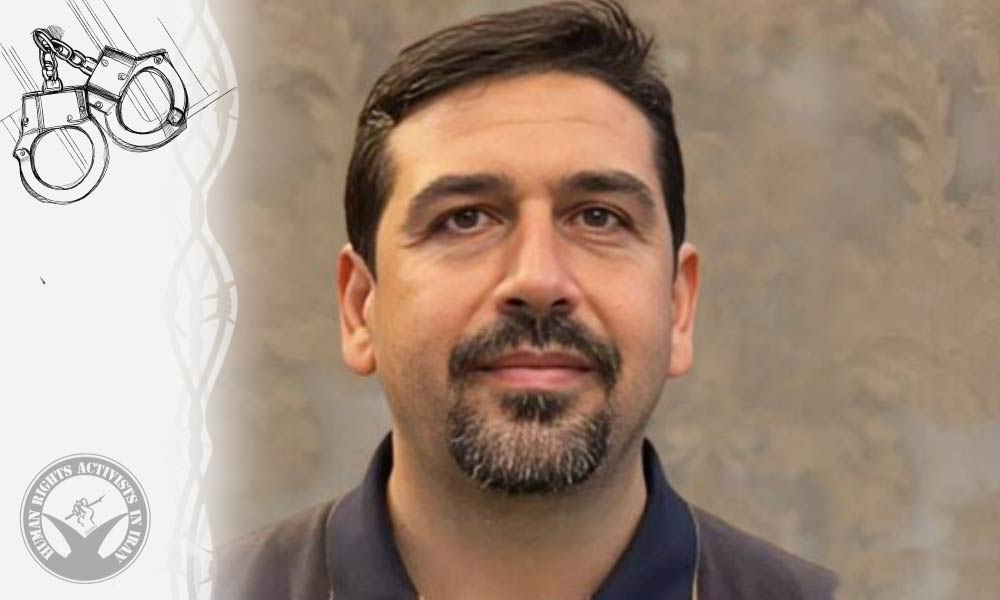
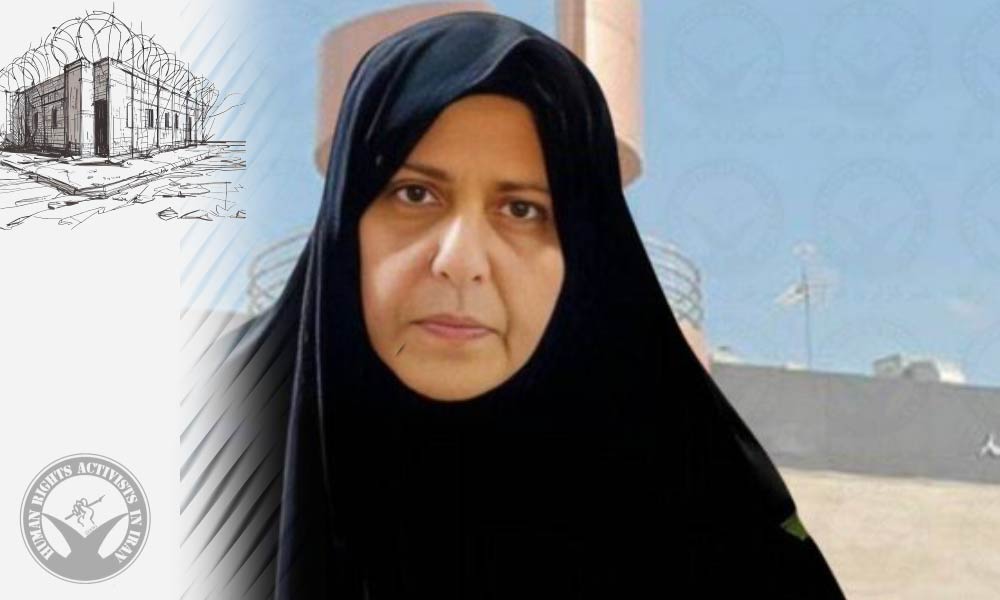
In an open letter addressed to the head of the Judiciary on Thursday, January 4, Khosrow Alikurdi appealed for the release of his client, Fatemeh Sepehri, a political prisoner currently held in Vakilabad Prison. Alikurdi expressed deep concern about Sepehri’s deteriorating health, emphasizing the denial of access to proper medical care.

Alikurdi’s letter detailed, “The use of medications to regulate her high heart rate has led to multiple physical and mental issues, including extended periods of unintentional sleep and depression.” The lawyer urged an end to Sepehri’s imprisonment, advocating for her release to receive essential medical treatment.

Sepehri’s brother, Asghar Sepehri, had previously voiced concerns regarding the inadequate medical care provided to his sister in prison. Despite being granted a one-week medical furlough in October 2023, Sepehri was re-arrested by security forces at her residence on the third day, interrupting her medical treatment.

Imprisoned since September 21, 2023, in Vakilabad Prison in Mashhad, Sepehri received ten years for “collaboration with hostile foreign governments,” five years for “assembly and collusion against national security,” two years for “insulting the Supreme Leader of Iran” and one year for “propaganda against the regime.” The ten-year sentence was enforced based on Article 134 of the Islamic Penal Code, following an unsuccessful appeal.

Additionally, Sepehri faced convictions from the Mashhad Criminal Court for “disseminating false information to disturb public opinion on the Internet and having interviews with foreign media,” resulting in one year of imprisonment and a fine.

Sepehri, known for her role as one of the signatories of a letter demanding Ali Khamenei’s resignation, has previously experienced arrests and convictions on similar grounds. The plea for her release is grounded in the urgency of addressing her declining health and securing appropriate medical attention.

Journalist Hassan Abbasi Arrested in Bandar Abbas

On January 2, 2024, security forces apprehended journalist Hassan Abbasi in Bandar Abbas and took him to an undisclosed location.

Abbasi’s current location and the specific charges against him remain undisclosed at this time. Notably, he has a history of previous arrests and legal confrontations related to his journalistic activities.

Hassan Abbasi serves as an editorial member of Tabnak News Outlet and is affiliated with the Association of Iranian Journalists in Tehran Province.

In 2023, the Department of Statistics and Publications of the Human Rights Activists in Iran (HRA) documented 2,380 cases in which citizens, including journalists and civil rights activists, faced legal and security consequences for exercising their freedom of expression and thought. These incidents resulted in the arrest of 3,130 individuals.

Mahnaz Tarah Sentenced to Four Years and Four Months in Prison

The Tehran Revolutionary Court has issued a four-year, four-month prison sentence to Mahnaz Tarah on political charges.

Iman Afshari, presiding over Branch 26 of the Revolutionary Court, delivered a three-year and eight-month sentence for “assembly and collusion to act against national security” and an additional eight months for “propaganda against the regime.”

Pending appeal, if the verdict is upheld, the enforceable prison term will be three years and eight months, under Article 134 of the Islamic Penal Code.

Security forces arrested Tarah on November 13, 2023, on a Tehran street. Following an 11-day detention in the Ministry of Intelligence’s Ward 209 of Evin Prison, she was subsequently transferred to the Public Ward of the same prison.

Tarah has a history of previous encounters with security and judicial confrontations.

Reports from the Department of Statistics and Publication of HRA in 2023 indicate a total of 193 cases in which Branch 26 of the Tehran Revolutionary Court, presided over by Judge Iman Afshari, has been involved in issuing verdicts that infringe upon the human rights of defendants.


Judo Coach Kaveh Amiri Arrested in Shahriar

On January 2, 2024, Kaveh Amiri was apprehended by security forces after his appearance at the Revolutionary Court in Shahriar.

A source close to his family verified Amiri’s arrest following his court appearance. Post-arrest, agents reportedly conducted searches at both his residence and his mother’s house.

The precise location of his current detention remains undisclosed.

Amiri’s initial arrest occurred on September 10 of the same year, after a summons and interrogation by the Security Police of Shahriar County. Within 24 hours, he was transferred to Evin Prison and subsequently released on bail on September 13.

Following legal proceedings, Amiri was later sentenced to eight months for “spreading propaganda against the regime,” a verdict that withstood appeal.

At 39 years old, Amiri is a judo coach and resident of Shahriar. The circumstances surrounding his recent arrest and the charges brought against him remain a cause for concern.

Physician Mohammad Shoja Arrested for Publishing a Photo of Food

Mohammad Shoja, a physician and pediatric heart specialist, has been apprehended by security forces in Bojnurd for sharing a picture of Cutlet (côtelette) food, which the regime authorities deemed insulting and blasphemous.

The incident unfolded in the aftermath of the Israeli airstrike in Syria that claimed the life of IRGC top commander Sayyed Razi Mousavi. Shoja’s social media post featuring the Cutlet was considered by the Bojnurd Prosecutor as an offensive reaction to Mousavi’s death.

“If charges are proven, Shoja will face the severest punishment,” declared the prosecutor. As of now, the precise location of Shoja’s detention remains undisclosed.

This arrest reflects a broader trend in Iran, where judicial authorities routinely prosecute citizens for their social media content, imposing stringent restrictions on freedom of expression. It raises concerns about the limitations placed on individuals to express their views openly in the digital space.

Subscribe to Our Newsletter

Now is definitely not the time to stop reading!

Government Seizes Baha’i Lands in Sari County

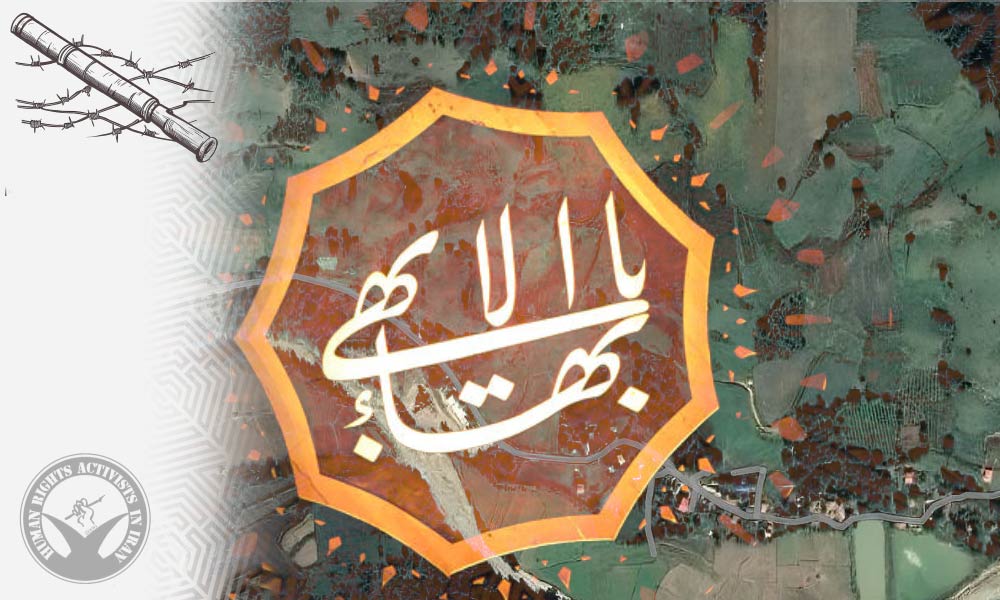
On January 1, 2024, police agents and forest rangers carried out the confiscation of approximately 60 hectares of Baha’i-owned land in the Ahmadabad Village, adjacent to Sari in Mazandaran Province.

Acting on the orders of the Sari Prosecutor, the agents blocked access to the village and took possession of the lands. Ahmadabad Village is predominantly inhabited by Baha’is, and according to a resident who spoke to HRANA, the police have cordoned off the confiscated lands with barbed wire. Of these lands, 25 are already under wheat cultivation, a practice maintained by Baha’is for decades.

In an interview with IRNA, the Representative of the Mazandaran governor attempted to justify the seizure, citing unauthorized use and construction on the lands. However, HRANA’s sources dispute this claim, asserting that there has been no illegal construction, and the landowners have been cultivating these plots since 1947.

A villager shared with HRANA that a few years ago, a dam construction plan near the village was approved, and the landowners were supposed to receive alternative plots in exchange for the lands submerged by the dam construction. Following this recent confiscation, it appears they will receive no compensation.

This incident is part of a pattern of the government confiscating Baha’i lands and properties. In a similar occurrence in 2021 and 2022, the government seized cultivating lands belonging to Baha’is in Ivel, Roshan Kouh, Sari County.

Sunni Prisoner Davoud Abdollahi Executed in Ghezel Hesar

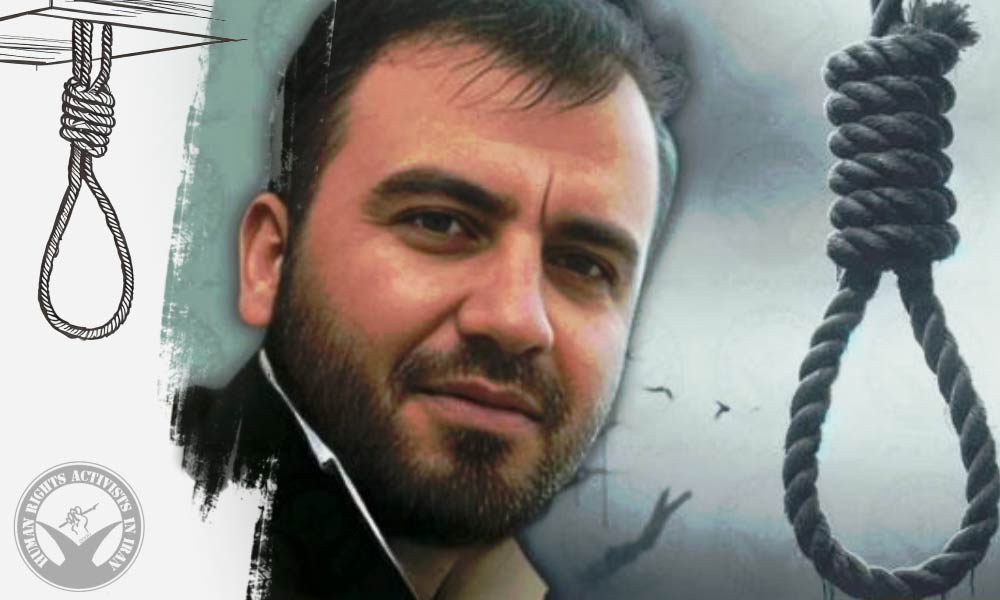
On January 2, 2024, Davoud Abdollahi, a Sunni prisoner, was executed in Ghezel (Qezel) Hesar Prison, Karaj, marking the end of his 13-year incarceration.

A source close to his family informed HRANA that the execution occurred without prior notice to his family. Abdollahi had been transferred to solitary confinement on December 26, following a hunger strike he initiated.

In a related legal case, two other Sunni defendants, Ghasem Abasteh and Ayoub Karimi, were executed on November 5 and November 29, 2023, respectively.

The origins of the case date back to September 2008 when Abdolrahim Tina, the Imam of a mosque in Mahabad, was assassinated by unidentified individuals. In January-February 2010, Abdollahi and six other Sunni suspects were arrested in connection to the assassination.

While in detention, Abdollahi faced multiple charges, including enmity against God (Moharebeh), allegedly through sympathizing with Salafism—a charge he consistently refuted. After spending fourteen months in legal limbo, Abdollahi was transferred to Rajai Shahr Prison, Karaj, where he remained until his relocation to Ghezel Hesar Prison in August of the current year.

Initially sentenced to death by Branch 28 of the Tehran Revolutionary Court, presided over by Mohammad Moghiseh, the verdict was later overturned by the Supreme Court. The case was then assigned to Branch 15 of the court, presided over by Judge Salavati, who reinstated the death sentences for Abdollahi and six others—Anvar Khezri, Kamran Sheikheh, Farhad Salimi, Khosro Besharat, Ghasem Abasteh, and Ayoub Karimi. This time, the Supreme Court confirmed the death sentences for him and his co-defendants.

Nine Individuals Executed for Drug Offenses in Ardabil

Ardabil Province judicial authorities have confirmed the execution of nine inmates in separate legal cases, all charged with drug offenses, within Ardabil Prison, as reported by Fars News Agency.

Following the Supreme Court’s confirmation of their verdicts, three inmates were executed. Additionally, six individuals were hanged in the preceding days, with their identities remaining undisclosed in the report.

The reports from the Department of Statistics and Publication of Human Rights Activists for the year 2023 reveal a concerning prevalence of executions for drug offenses in Iran, constituting 56.4% of the total executions. For a comprehensive examination of the details and statistics surrounding the executions in Iran, refer to HRANA’s report.


Mohammadi Brothers Detained in Sanandaj

On January 1, 2024, the Ministry of Intelligence apprehended Morteza and Ebrahim Mohammadi, residing in Sanandaj, and subsequently transported them to an undisclosed location.

Confirmation of their arrest came from a source closely connected to their family who disclosed to HRANA that on Monday, January 1, Ministry of Intelligence agents arrested Morteza Mohammadi at his residence in Hassan Abad village in Sanandaj County. Ebrahim Mohammadi faced arrest by security forces after presenting himself at the Investigation Office of Sanandaj Revolutionary Court to inquire about his brother.

“The agents forcibly entered the house, breaking doors and windows, and seized some family belongings.”

As of now, the reasons behind these arrests and the current whereabouts of the Mohammadi brothers remain unknown.

Morteza Mohammadi had previously been arrested during the 2022 nationwide protests and was later released on bail.

According to data collected by the Department of Statistics and Publication of HRA in 2023, Kurdistan Province accounted for a disproportionate 8.3% of reported human rights violations, including instances of arbitrary detentions.

Execution of Five Inmates for Armed Robbery in Karaj Central Prison

On January 1, 2024, the Central Prison of Karaj carried out the execution of five death-row inmates convicted of armed robbery, as reported by ISNA.

The Chief Justice of Alborz Province, Hossein Fazeli Harikandi, confirmed their identities were withheld due to their conviction of “gang armed robbery, making roads unsafe, instilling fear in the public, and causing significant damage to people’s property.”

According to Harikandi, the Karaj Revolutionary Court had sentenced them to death, although the exact date of the conviction was not disclosed. The executions took place after multiple confirmations of the death sentences by the Supreme Court.

In 2023, the Department of Statistics and Publication of Human Rights Activists in Iran documented a total of 746 executions, with 6 taking place in public. Among the executed individuals with identified genders, 597 were male, and 20 were female. Notably, 2 juvenile offenders, defined as individuals under the age of 18 at the time of their alleged crimes, were also executed. For a thorough analysis of the particulars and statistical breakdown of the executions in Iran, please consult HRANA’s annual report.