12 Prisoners Executed Across Multiple Prisons on Murder and Drug-Related Charges

HRANA – In recent days, dozens of prisoners across various prisons in Iran have been executed on charges related to murder and drug offenses. This report covers the execution of 12 prisoners.

Sunday, November 23 :
HRANA reported the execution of Ja’far Shokri on a murder charge in Birjand Prison.

According to Iran Human Rights Organization, a 36-year-old prisoner was executed in Maragheh Prison on a murder charge stemming from a conflict. The report did not provide further details, including the prisoner’s identity.

Tuesday, November 25:
According to HRANA, a prisoner named Noushad Amiri was executed in Qazvin Prison on charges related to drug offenses.

Wednesday, November 26:
According to HRANA, a prisoner named Hormoz Nejati was hanged in Esfarayen Prison. He had previously been arrested on charges related to drug offenses and later sentenced to death by the Revolutionary Court.

On the same day, Hyrkani News reported the execution of two prisoners, Ali Saye-afkan from Rasht and Mehrdad Pourhossein, in Lakan Prison in Rasht. Both had previously been arrested on drug-related charges and later sentenced to death by judicial authorities.

Finally, Haal Vsh reported the execution of six prisoners in Adelabad Prison in Shiraz. The identity of one of them, Hamid Yousef-Zahi, age 38, has been confirmed. He was executed on drug-related charges.

At the time this report was prepared, the executions of these prisoners had not been announced by prison officials or relevant authorities.

Two Prisoners, Including a Woman, Executed in Mashhad

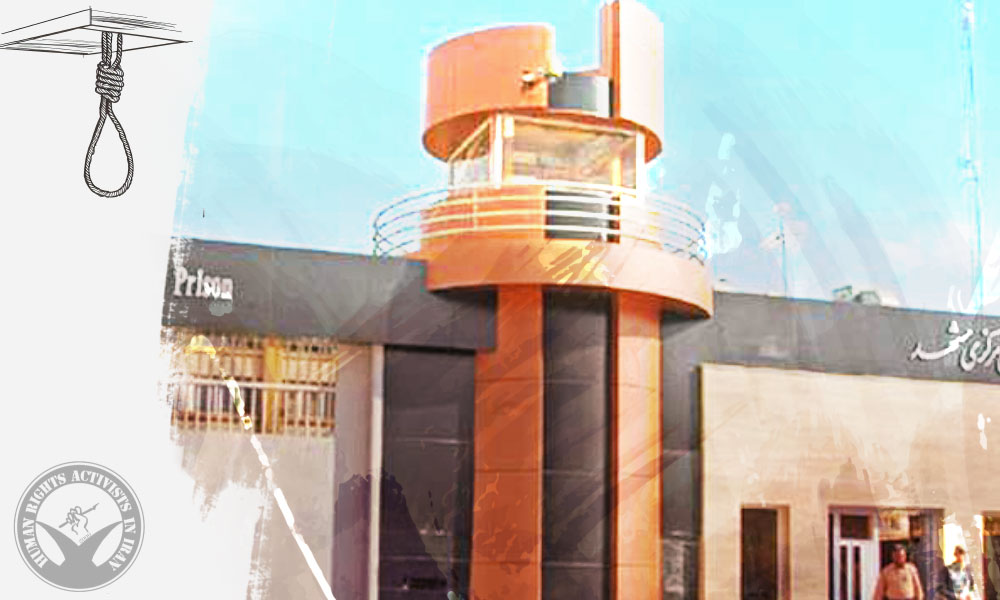
HRANA – At dawn today, Wednesday, November 26, the death sentences of two prisoners, including one woman, were carried out in Vakilabad Prison in Mashhad. These prisoners had previously been sentenced to death on murder charges.

HRANA has confirmed the identities of the prisoners as Mahin Rahimi and Seyed Javad Tabatabaei. They were executed at dawn today. Based on information received by HRANA, both individuals had earlier been arrested on charges of murder and later sentenced to death by criminal courts.

As of the time of drafting this report, the executions have not been announced by prison authorities or relevant institutions.

From the beginning of this year until the end of October, the Iranian regime has executed 1,286 people, marking an unprecedented increase compared to previous years.

Appeals Court: Nahid Behroozi Sentenced to Imprisonment and Additional Penalties

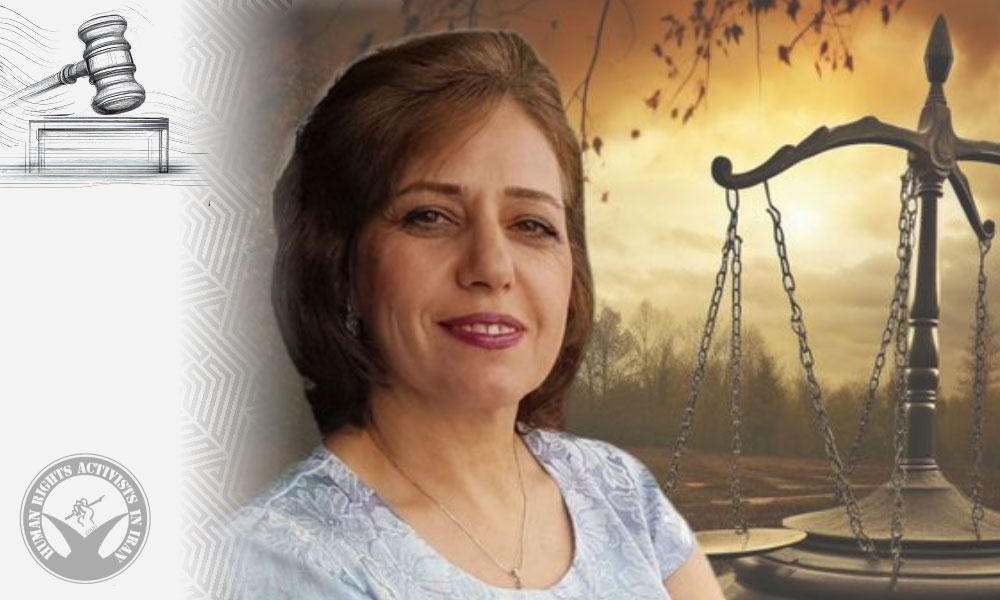
HRANA – Nahid Behroozi (Forouhari), a Baha’i citizen residing in Karaj, has been sentenced by Branch 12 of the Alborz Province Court of Appeals to three years in prison along with additional penalties.

This verdict was recently issued by Branch 12 of the Alborz Appeals Court based on the charge attributed to her under Article 500 bis of the Islamic Penal Code, which concerns “deviant educational or propaganda activities contrary to or disruptive of the sacred religion of Islam.” According to the judge’s ruling, her initial five-year prison sentence issued in the lower court has been reduced to three years. Her additional penalties, ten years of deprivation of social rights and the confiscation of seized property, including electronic devices and her religious books, were upheld in full.

On October 6, 2024, Ms. Behroozi had been sentenced by Branch 4 of the Karaj Revolutionary Court to five years’ imprisonment and complementary punishments for the same charge.

Ms. Behroozi was arrested on July 29, 2024, by agents of the Fardis branch of the Ministry of Intelligence while on a street in Karaj. Following her arrest, security agents searched her home. After completing interrogation at The Ministry of Intelligence’s detention facility, she was transferred to Kachouei Prison on August 15, 2024. She was released from Kachouei Prison on October 1, 2024, upon posting bail.

Two Prisoners Executed in Bojnurd Prison

HRANA – At dawn today, Wednesday, the death sentences of two prisoners previously convicted on drug-related charges were carried out in Bojnurd Prison.

HRANA has confirmed the identity of one of them as Ezzatollah Nashri. Based on information received by HRANA, these individuals had earlier been arrested on drug-related charges and subsequently sentenced to death by the Revolutionary Court.

Further details, including the identity of the second executed prisoner, are still under review by HRANA.

As of the time of preparing this report, the executions have not been announced by prison authorities or relevant institutions.

From the beginning of this year until the end of October, the Iranian regime has executed 1,286 people, marking an unprecedented increase compared to previous years.

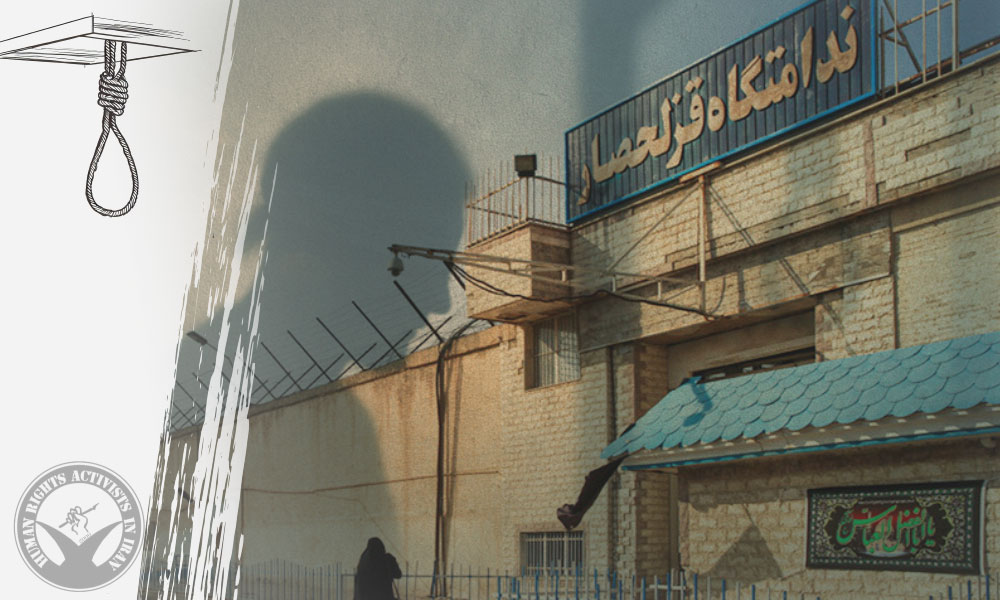
Three Prisoners Executed in Ghezel Hesar Prison in Karaj

HRANA – At dawn today, the death sentences of three prisoners previously convicted of murder were carried out in Ghezel Hessar Prison in Karaj.

HRANA has confirmed the identity of one of the prisoners hanged at dawn today, Wednesday, November 26, 2025, as Davood Najafi. Based on information received by HRANA, these individuals had earlier been arrested on murder charges and subsequently sentenced to death by criminal courts.

Further details, including confirmation of the identities of the two other prisoners, are still under investigation by HRANA.

As of the time of drafting this report, the execution of these prisoners has not been announced by prison authorities or relevant institutions.

According to HRANA’s statistics, Ghezel Hesar Prison in Karaj carried out the highest number of executions among all Iranian prisons, with 150 inmates hanged. This figure has nearly doubled compared to the previous year, a deeply alarming increase that underscores the escalating use of capital punishment in Iran.

Subscribe to Our Newsletter

Now is definitely not the time to stop reading!

A Report on the Execution of 12 Prisoners in Various Prisons Across Iran

HRANA – The unprecedented wave of executions this week continues. In recent days, HRANA has documented the executions of dozens of prisoners in different prisons across the country. This latest report provides details on twelve of them.

Saturday, November 22
According to HRANA, a prisoner named Ghasem Sarlak was hanged in Aligudarz Prison. Mr. Sarlak had previously been arrested on a murder charge and later sentenced to death by the Criminal Court.

Sunday, November 23
On this day, Mehran Saghaei, convicted of murder, was executed in Dorud Prison, and Arsalan Behbahani, convicted on drug-related charges, was executed in Sabzevar Prison. HRANA also reported the execution of two prisoners in Kashan Prison on murder charges. HRANA has confirmed the identity of one of them: Ashkan Sohrabi.

In addition, the death sentences of two prisoners were carried out in Adel Abad Prison in Shiraz on drug-related charges. HRANA has confirmed the identity of one of them: Shahmorad Dehqani.

Tuesday, November 25
According to HRANA, Amin Chahar-Bashi, convicted of murder, was executed in Gorgan Prison, and Gholamali Eftekhari, convicted on drug-related charges, was executed in Neyshabur Prison.

Finally, three prisoners were also hanged in Yazd Prison. They had previously been arrested on drug-related charges and sentenced to death by the Revolutionary Court. Further details, including identity confirmation, are still being investigated by HRANA.

As of the time of writing, the execution of these prisoners has not been announced by prison officials or the responsible authorities.

From the beginning of this year until the end of October, the Iranian regime has executed 1,286 people, marking an unprecedented increase compared to previous years.

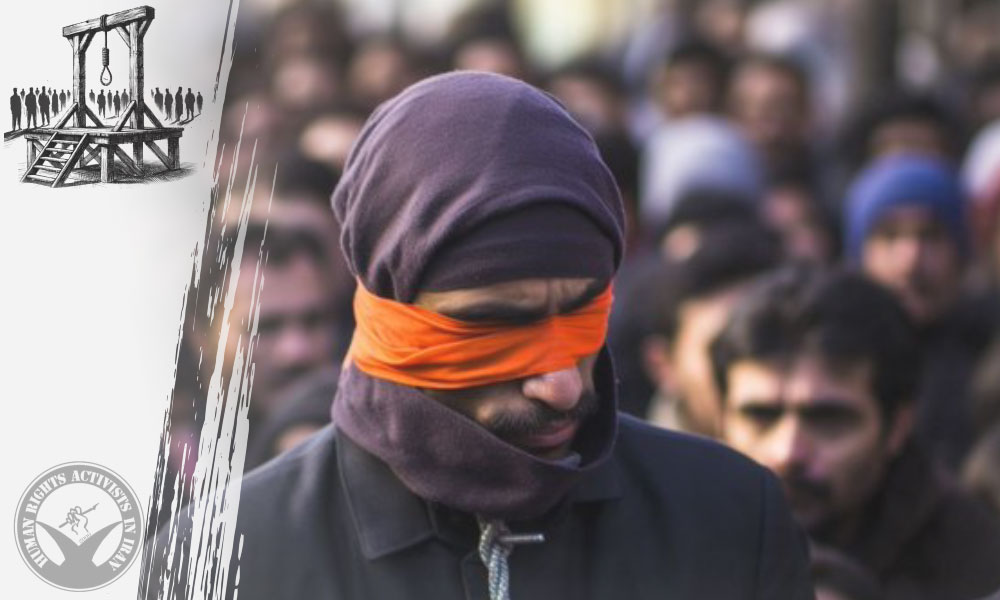
Bastam: A Prisoner Executed in Public

HRANA – At dawn today, Tuesday, November 25, the death sentence of a prisoner in the city of Bastam, previously convicted on the charge of rape, was carried out in public.

The Chief Justice of Semnan Province stated that this man was arrested in 2022 on charges of “rape and coercion” involving two women in Bastam. He was later sentenced to death by Branch 2 of the Criminal Court One of the province, and the verdict was upheld by the Supreme Court.

He added that the execution was carried out this morning, in public, within the Bastam judicial district.

The report does not mention the identity of the executed prisoner.

In 2024, according to 812 reports compiled by HRANA, the Iranian regime executed 930 individuals in its prisons, marking the highest number of executions in the past 12 years. Despite the scale of these executions, prison officials and other relevant authorities publicly acknowledged only 6% of them, highlighting the regime’s lack of transparency and accountability.

Annual Report on Violence Against Women in Iran: Orange the World

HRANA– On the eve of the Orange Week campaign, new one-year data shows that violence against women in Iran is not only a domestic problem but part of a broader, systemic machinery. From murder and sexual assault to judicial rulings and security-agency intervention, patterns of violence appear across the entire country. Women’s bodies, clothing, relationships, and public activism remain central targets of state control. This report summarizes documented cases recorded between November 24, 2024, and November 20, 2025.

Direct and Deadly Violence

Over the past year, more than 110 women and girls were killed in the context of domestic or family-related violence.
The victims included adult women as well as young girls aged 5, 9, 13, 18, and 23.

The main drivers of these killings were family disputes and long-standing tensions. Reported motives included so-called “honor” justifications, retaliation for refusing forced or child marriage, reactions to requests for divorce or separation, as well as suspicion, coercive control, and other forms of domination.

Methods of killing included stabbing, firearms, strangulation, severe beating, and burning.
In dozens of cases, the perpetrator attempted suicide after the murder.

At least 20 multi-victim family murders were recorded, including cases where women were killed alongside their young children or relatives in Golestan, Amol, Borujerd, Mahidasht (Kermanshah), Urmia, Maku, Khorramabad, Mahabad, Lahijan, and Tehran.

At least 25 honor killings were also reported. Victims included girls aged 17–18 and young women; in several cases, the perpetrator was a teenage boy within the family.

During this period, nine acid attacks against women were documented, from Tehran and Karaj to Khomam, Sanandaj, and Golestan.
Some victims lost sight in both eyes.

Additionally, at least six women were killed by their husbands or relatives through intentional burning in Sanandaj, Rezvanshahr, Bandar Abbas, Tehran, Mahabad, and Saqqez.

Sexual Violence and Assault

The documented cases include unprecedented and disturbing incidents, for example, rape inside an ambulance (in one case, the victim died), and the sexual harassment of 12 women seeking jobs in Tehran.

A gang rape in Yasuj led to the victim’s suicide. Serial cases of street harassment in Sanandaj, as well as staged sexual assaults by individuals posing as “employers,” “landlords,” or “ride-share drivers,” also appeared in the reporting.

One of the most shocking cases involved a woman and her young daughter who were imprisoned in a birdcage and assaulted over a period of six years.

Suicide and Self-Immolation Linked to Abuse

At least two women died by suicide following severe domestic violence or relationship breakdowns. One young woman in Mahabad died after self-immolation.

Structural and State-Driven Violence

Violence against women in public spheres also takes the form of security surveillance, judicial pressure, and cultural restrictions.

Arrests, Summonses, and Interrogations

During this period, at least 45 women were arrested, and more than 30 women were summoned to security agencies.
Targets included women’s rights activists, artists, female singers, content creators, women appearing in dance videos, protest participants, and women present in public without the mandatory hijab.

Closure of Businesses and Venues

At least 12 businesses, including cafés, galleries, clinics, and cultural centers, were sealed for alleged violations of “hijab” or “public decency.” One case involved a gynecology clinic in Yazd.

Cultural and Artistic Restrictions

Concerts were canceled due to the presence of female musicians or singers. Women participating in events faced fabricated legal charges, and seven female singers in Behbahan were summoned by authorities.

Security Crackdown on Clothing

Women were arrested over their clothing or for “dancing,” cases were opened against organizers of cultural events, and some women were barred from attending interrogation sessions due to their clothing—highlighting how intensely dress codes have been policed.

Judicial Penalties and Sentences

Over the past year, women collectively received more than 200 months of discretionary imprisonment, 74 to 178 lashes, bans on activity and travel, electronic ankle bracelets, and forced residence orders.

Examples include:

Hamideh Zeraei sentenced to 18 months in prison and 178 lashes
Hasti Amiri sentenced to 3 years in prison with supplementary penalties
Maryam Karimi given prison with an electronic monitoring bracelet
Nina Golestani and Rozita Rajai each sentenced to one year in prison
Fariba Hosseini and Elham Salehi receiving combined prison terms and activity bans

These rulings show that protesting women and civil activists face structured judicial violence.

Geography of Violence

Violence against women was recorded in most provinces, with the highest-risk areas including Tehran, Khorasan Razavi, Alborz, Kurdistan, Fars, West Azerbaijan, Ilam, and Kermanshah.
In these provinces, reports included a combination of family murders, acid attacks, sexual violence, and security-driven crackdowns.

Trends Over the Year

Analysis of the past year’s data shows distinct periods of intensified violence:

Winter and spring saw peaks in domestic and honor killings.
May was the deadliest month with 19 murders.
Summer brought increased security crackdowns, summonses, and business closures.
In the days leading up to March 8 (International Women’s Day), a wave of arrests and summonses targeted women’s rights activists.
Multi-victim family murders, killing a wife along with children or relatives, rose sharply in the final months of the year.
Sexual assaults using deceptive methods, job offers, rental arrangements, or promises of housing, also increased, alongside incidents in formal settings like emergency rooms and ambulances.

Meanwhile, state power structures continued to fuel violence through closures of venues, legal cases, arrests of women artists, and harsh sentences over dress or online content.

Violence as a Crime Against Humanity

The violence documented in this report cannot be understood without acknowledging the broader context of gender-based persecution as a crime against humanity. In 2023, after nine months of investigation, Human Rights Activists in Iran concluded that women and girls in Iran are deliberately and severely denied their fundamental rights because of their gender. These findings were later used as supporting evidence in UN determinations that gender-based persecution is occurring in Iran.

The cases presented here, from murder and sexual violence to punitive court rulings and systematic harassment, reflect patterns that are neither isolated nor accidental. They are part of a wider policy that, both in law and in practice, treats women and girls as lesser.

Recognizing this reality is essential, because the scale and persistence of these violations demand a response grounded in international law, justice, and accountability.

Six Months in Detention: Court Shifts Charges Against Attorney Abolfazl Ranjbari

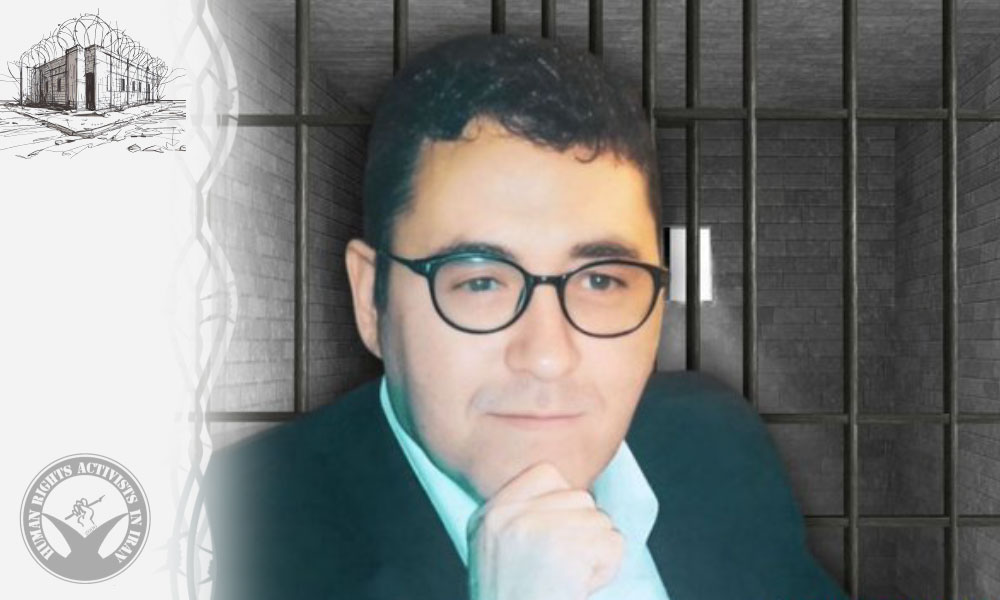
HRANA – Abolfazl Ranjbari, an attorney-at-law, has been detained for more than six months and remains held in Tabriz Prison. On November 18, the second session of his trial was convened at Branch 3 of the Tabriz Revolutionary Court.

Based on information received by HRANA, the second hearing in Mr. Ranjbari’s case took place on Tuesday, November 18, at Branch 3 of the Tabriz Revolutionary Court. In this session, the judge changed Mr. Ranjbari’s charge from “espionage” to “aiding and abetting in spreading corruption on earth (efsad fel-arz).” In the first court session, he had defended himself against the initial espionage charge.

A knowledgeable source close to the attorney confirmed this information to HRANA, stating: “The accusation against Mr. Ranjbari stems from his participation in an academic conference and the publication and translation of his articles in the Republic of Azerbaijan.”

Abolfazl Ranjbari, an attorney and writer, was arrested by security forces in Tabriz on May 4 of this year.

Fourteen Citizens Arrested Over Protest-Related Activities

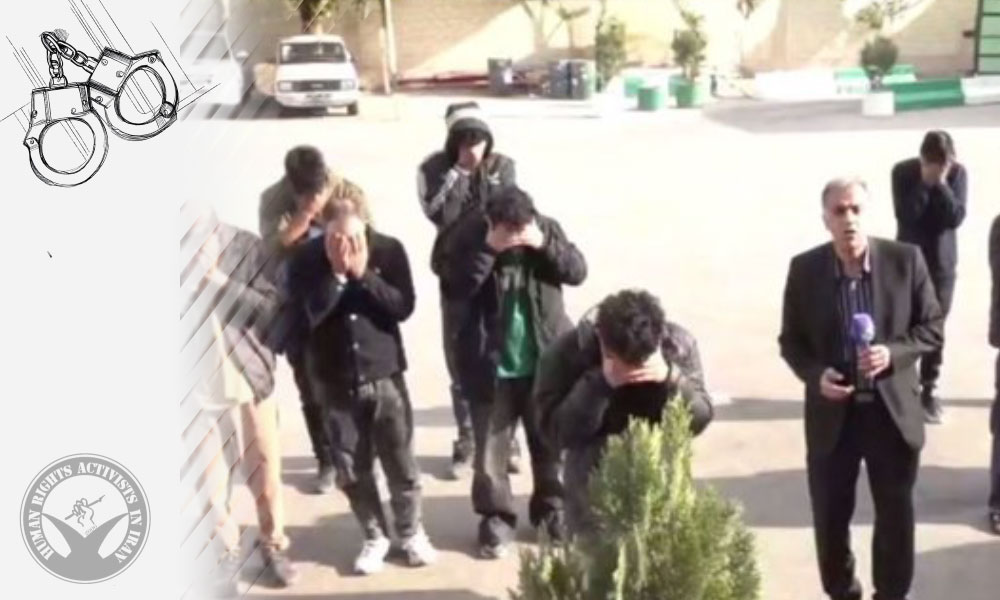
HRANA – Fourteen young people were arrested by law enforcement forces for writing protest slogans and posting critical messages. Their ages have been reported as between 22 and 30. Police media released a video accusing them of “contact with foreign actors.” In the footage, the detainees make statements against themselves.

According to HRANA, quoting the Police News Agency, 14 citizens were arrested by law enforcement on charges of writing slogans and distributing or installing banners critical of state policies.

The police-affiliated news agency published a video accusing these individuals of “communication with foreign countries.” In the footage, the detainees make statements that exhibit signs of coercion. Past cases show that such confessions typically lack legal credibility.

In parts of the video, the detainees utter phrases expressing “regret” and having been “misled.” The content follows the familiar pattern of forced confessions, and the conditions under which the recording was made are unclear.

Davood Fathalizadeh, the reporter, stated that the individuals are between 22 and 30 years old and claimed that they were “guided from outside the country.” However, no information has been provided regarding their identities or the time and location of their arrests.

It is important to emphasize that, aside from the violation of human dignity inherent in recording and broadcasting forced confessions, under the law, an individual is presumed innocent until receiving a final conviction in court. Any punitive action taken prior to a final conviction constitutes a violation of their civil and human rights.