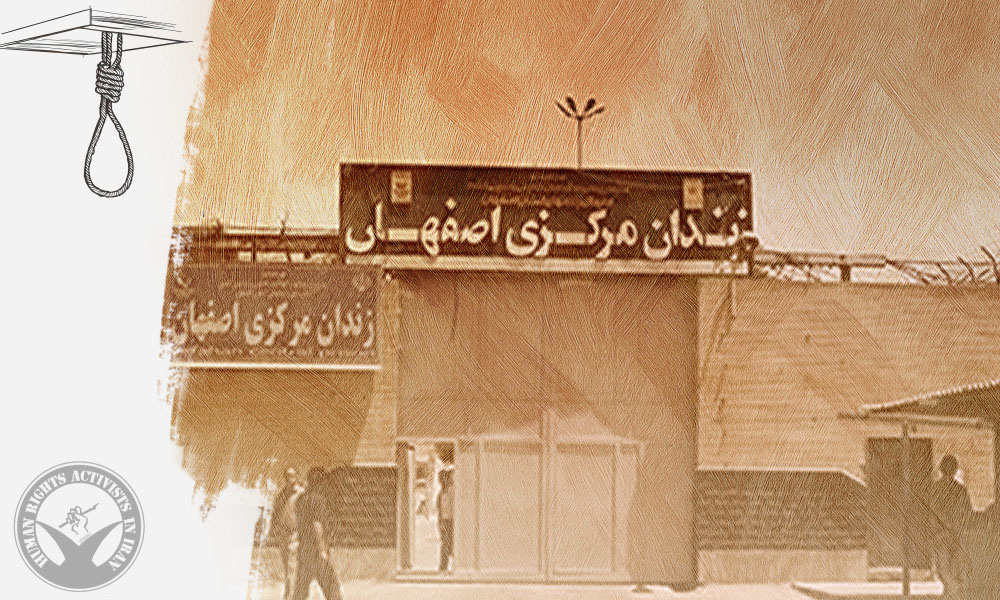
Execution of Two Prisoners in Dastgerd Prison in Isfahan

HRANA – At dawn on Tuesday, November 18, the death sentences of two prisoners who had previously been sentenced to execution on drug-related charges were carried out in Dastgerd Prison in Isfahan.

The identity of one of the prisoners has been identified as Akbar Faraji by HRANA.
According to information received by HRANA, the prisoners had earlier been arrested on drug-related charges and subsequently sentenced to death by the Revolutionary Court.

Further details, including the identity of the second executed prisoner, are still being investigated by HRANA.

As of the time of this reporting, the executions have not been announced by prison authorities or other responsible institutions.

From the beginning of this year until the end of October, the Iranian regime has executed 1,286 people, marking an unprecedented increase compared to previous years.

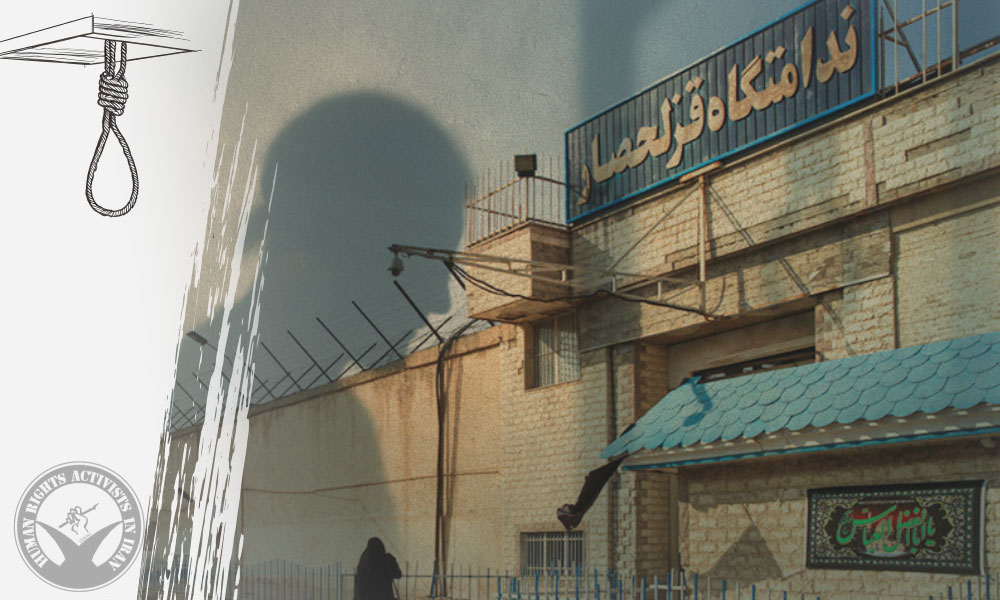
Execution of Three Prisoners in Ghezel Hesar Prison

HRANA – On Wednesday, November 19, the death sentences of three prisoners who had previously been sentenced to execution on charges of murder were carried out in Ghezel Hesar Prison.

The identities of two of the prisoners, Hooshang Norouzi and Javad Sadeghi, have been verified by HRANA.

According to information received by HRANA, the three prisoners had earlier been arrested on murder charges and subsequently sentenced to death by Criminal Courts.

Further details, including the identity of the third prisoner, are still being investigated by HRANA.

As of the time of this reporting, the executions have not been announced by prison authorities or other responsible institutions.

According to HRANA’s statistics, Ghezel Hesar Prison in Karaj carried out the highest number of executions among all Iranian prisons, with 150 inmates hanged. This figure has nearly doubled compared to the previous year, a deeply alarming increase that underscores the escalating use of capital punishment in Iran.

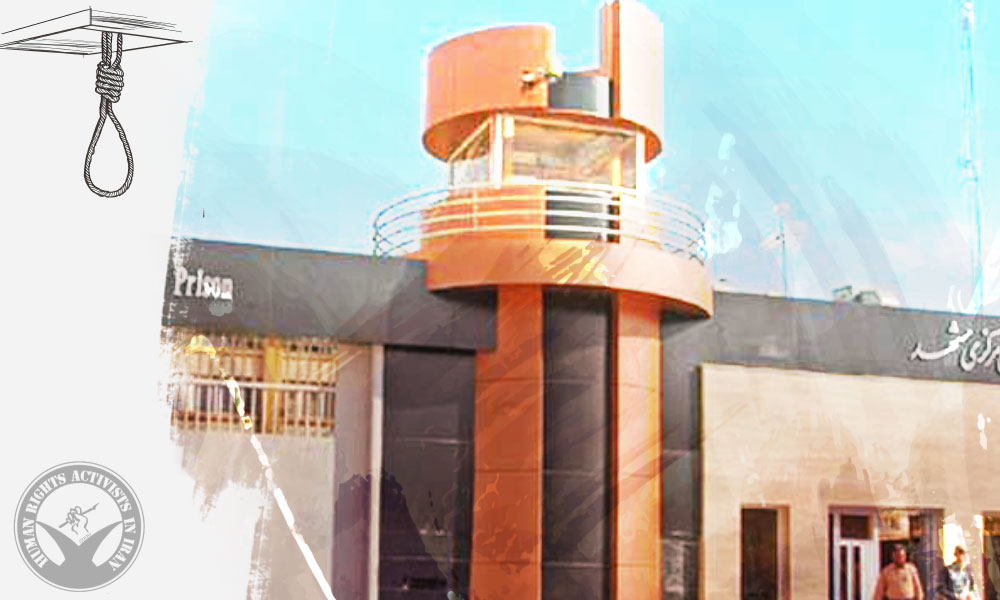
Two Prisoners Executed in Mashhad

HRANA – Yesterday, November 19, the death sentences of two prisoners who had previously been sentenced to execution on charges of murder were carried out in Vakilabad Prison in Mashhad.

The identities of these prisoners, Mohsen Fakhraie and Ne’mat Shamloo, have been verified by HRANA.
According to information obtained by HRANA, they had earlier been arrested on charges of murder and subsequently sentenced to death by the Criminal Court.

As of the time of this reporting, the executions have not been announced by prison authorities or other responsible institutions.

From the beginning of this year until the end of October, the Iranian regime has executed 1,286 people, marking an unprecedented increase compared to previous years.

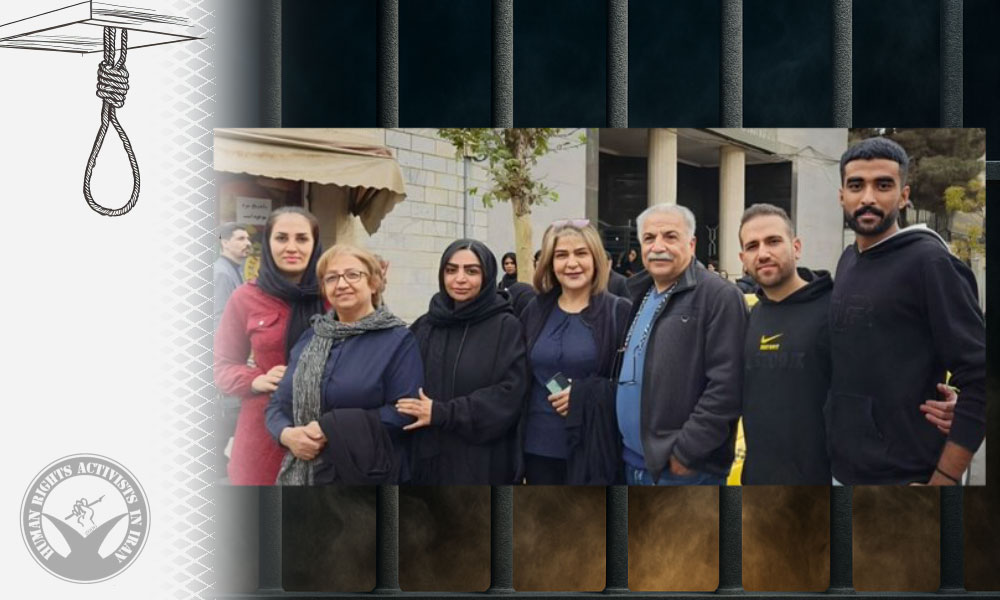
Seven Baha’i Citizens Now Imprisoned in Karaj Following Enforcement of Sentences

HRANA – Parsa Soroushian and Rouzbeh Naseri, two Baha’i citizens residing in Karaj, were transferred on Sunday, November 16, to the Central Penitentiary of Karaj to begin serving their prison sentences.

According to information received by HRANA, on November 16, these two Baha’i citizens were detained after appearing at the Enforcement Unit of the Karaj Revolutionary Court and were transferred to the Central Penitentiary of Karaj to begin serving their sentences.

In a separate report, HRANA had already announced the enforcement of the prison sentences for five other defendants in the same case: Naghmeh Mirza-Agha, Mahin Sa’adatmand, Mahshid Sefidi, Samar Masoudi, and Naser Rajab. Among them, Mr. Rajab was transferred to the Central Penitentiary of Karaj, while the four women were taken to Kachoui Prison. These citizens had been summoned to the Enforcement Unit of the Karaj Revolutionary Court in mid-Mehr for the execution of their sentences.

Following an appeals hearing on September 8, 2025, Branch 12 of the Alborz Province Court of Appeals reduced their sentences to five months in prison, two years of travel bans, and two years of bans on social activity. Previously, each had been sentenced by Branch 2 of the Karaj Revolutionary Court to ten months in prison along with additional penalties.

Naser Rajab has previously faced security-related persecution and arrest.

Over the past decade, the Iranian Bahá’í community has been disproportionately targeted by Iran’s security forces and judiciary, more than any other minority group. In the past three years, an average of 72 percent of the reports on religious rights violations collected by HRANA have documented the Iranian regime’s repression of the Bahá’í community.

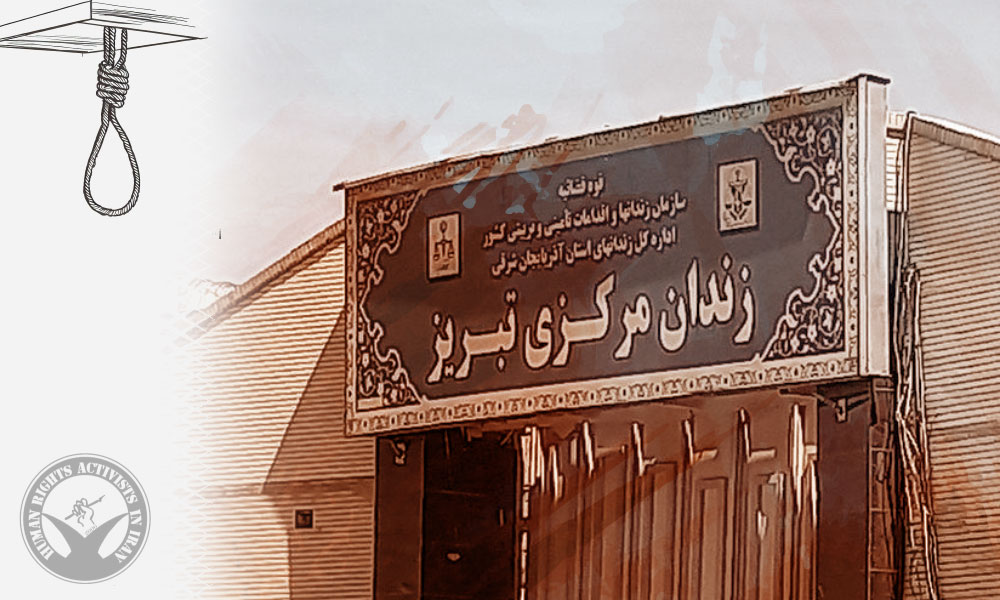
Drug-Related Charges: Three Prisoners Executed in Tabriz Prison

HRANA – Yesterday, 18 November 2025, the death sentences of three prisoners previously convicted on drug-related charges were carried out in Tabriz Prison.

HRANA has confirmed the identities of the prisoners who were hanged at dawn yesterday: Mehrdad Alivand, Yadollah Kazemi, and Jalil Moghanlou. These individuals had been arrested on drug-related charges and later sentenced to death by Revolutionary Courts.

As of the time of this report, prison authorities and relevant institutions have not announced the executions.

According to HRANA’s report, in 2024, over 52 percent of executed prisoners had been convicted on drug-related charges. Over the past ten years, individuals convicted of drug trafficking have accounted for 40 percent of all executions. Unfortunately, HRANA’s statistics show no progress in reducing executions for drug-related offenses.

From the beginning of this year until the end of October, the Iranian regime has executed 1,286 people, marking an unprecedented increase compared to previous years.

Subscribe to Our Newsletter

Now is definitely not the time to stop reading!

Moloud Afand Arrested in Miandoab

HRANA – Moloud Afand, a resident of Miandoab, was arrested by security forces at his home. Officers searched his residence and confiscated several of his digital devices.

According to Kolbar News, the individual has been identified as Moloud Afand, a resident of Hasanabad village in Miandoab County, West Azerbaijan province.

According to the report, yesterday, November 18, agents of the Urmia branch of the Ministry of Intelligence entered his home without presenting a judicial warrant. After conducting a thorough search and seizing Mr. Afand’s electronic devices, they placed him under arrest.

The report states that following his arrest, he was transferred to one of the security detention centers in Urmia.

No information is currently available regarding the reasons for his arrest or the charges brought against him.

Arbitrary arrests, transferring detainees to undisclosed locations, and leaving families in the dark about the fate of their loved ones are routine practices of the Iranian regime’s security agencies, such as the Ministry of Intelligence and the IRGC Intelligence Unit. This pattern of behavior stands in clear violation of the United Nations Standard Minimum Rules for the Treatment of Prisoners, known as the Nelson Mandela Rules.

Prolonged Detention and Legal Uncertainty for Ramin and Jahangir Rostami in Evin Prison

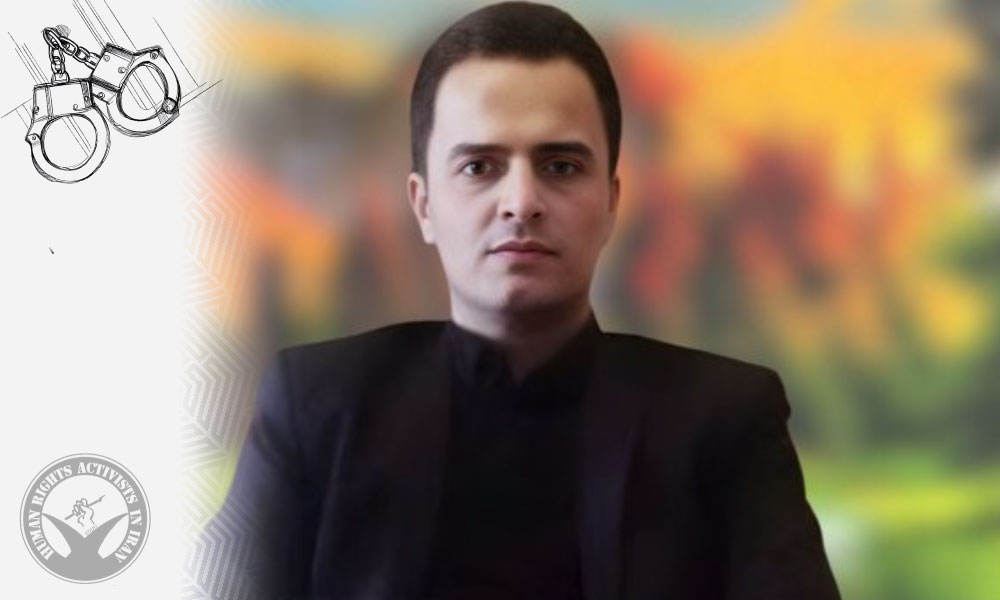
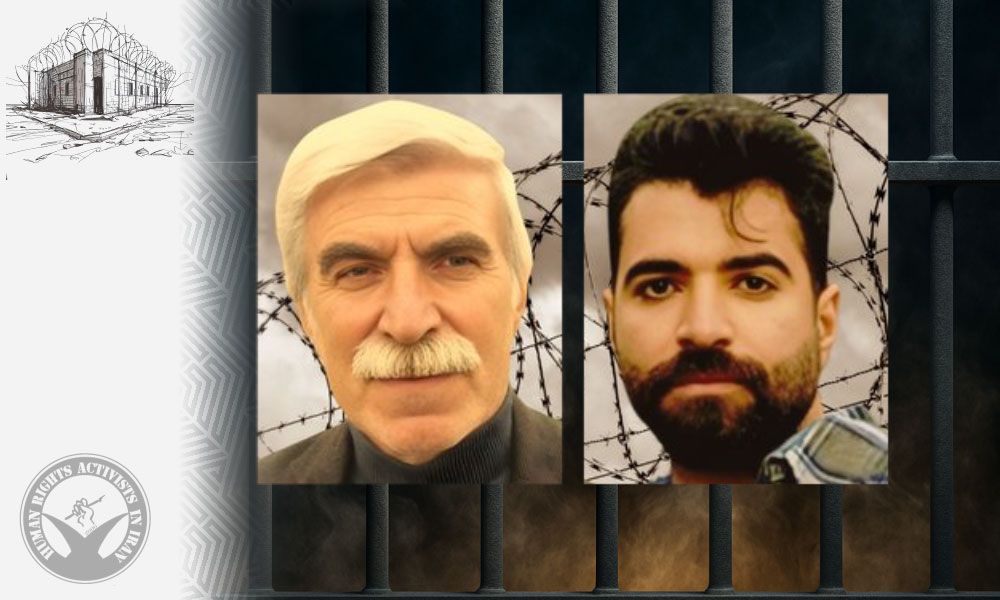
HRANA – More than a month after the arrest of Jahangir Rostami, a member of the Hersin Teachers’ Trade Association, and over three months after the arrest of Tehran resident Ramin Rostami, both men remain in a state of legal limbo in Evin Prison.

A source close to their families confirmed to HRANA: “It has now been 91 days since the arrest of Ramin Rostami and 33 days since the arrest of Jahangir Rostami. They continue to be held in The Ministry of Intelligence’s detention facility, known as Ward 209 of Evin Prison. Both have been denied access to legal counsel, and no meaningful action has been taken to advance their cases.”

On 20 August 2025, security forces arrested Ramin Rostami in Tehran and subsequently transferred him to Evin Prison. According to information obtained by HRANA, he launched a hunger strike shortly after his arrest to protest his ongoing detention and the uncertainty surrounding his legal status.

Ramin Rostami, originally from Harsin, has previously worked in publishing and the book industry.

As for Jahangir Rostami, the 63-year-old retired teacher was violently arrested at his home by security forces on 17 October 2025 and transferred to Evin Prison. He is the father of Ehsan Rostami, a cultural activist from Harsin who was himself arrested on 19 August in Tehran.

As of this report, no information has been made available regarding the charges brought against either detainee.

Another Iranian–American Imprisoned in Evin Prison

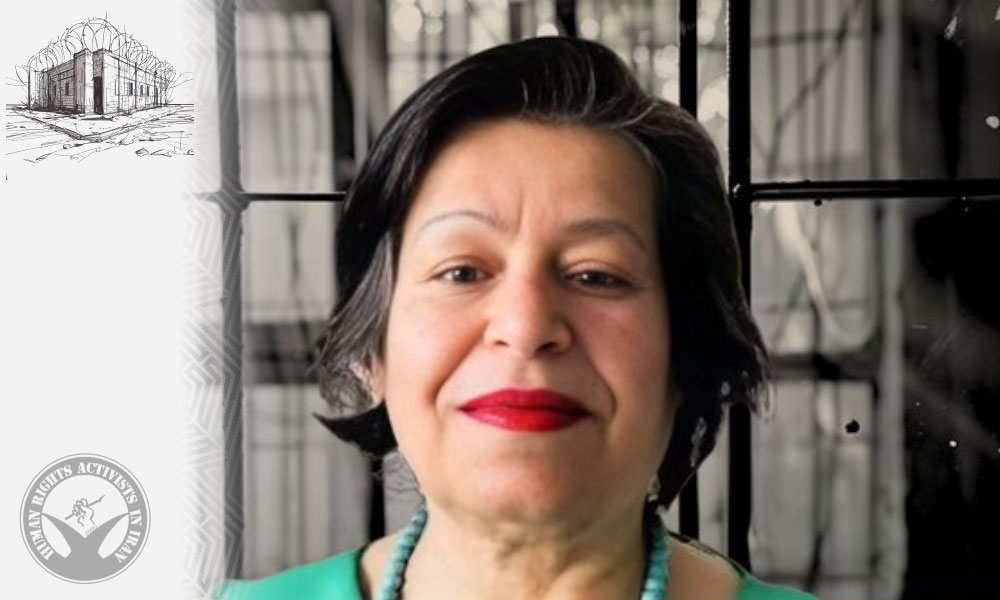
HRANA – Afarin Mohajer, an Iranian-American dual national residing in Los Angeles, has been in detention for 51 days and continues to be held in legal limbo in the women’s ward of Evin Prison.

According to HRANA, Ms. Mohajer, who had traveled to Iran for a visit, was arrested on Monday, September 29, 2025, at Imam Khomeini International Airport. No reliable information has yet been made available regarding the charges brought against her.

HRANA published an initial report on her arrest eight days ago, but it has now been confirmed that she also holds United States citizenship.

The arrest of dual nationals in Iran has been widely criticized by human rights organizations and Western governments over the past four decades. Critics argue that the Islamic Republic uses such detentions as tools of political pressure or bargaining leverage. This pattern began in 1979 with the takeover of the U.S. Embassy in Tehran, and continued in the following decades with the arrests of dual-national tourists, researchers, journalists, and activists.

In recent years, several similar cases have occurred. For example, Reza Valizadeh, an Iranian-American and former Radio Farda journalist, was arrested during a trip to Iran and sentenced to 10 years in prison, two years of exile, and social restrictions on charges of cooperation with the U.S. government. Additionally, Jamshid Sharmahd, an Iranian-German political activist residing in the United States, reportedly died in custody before his execution in October 2024.

Amid the rise in such cases, the European Union and several Western governments, including France and Germany, have issued warnings about the risk of their citizens being arrested in Iran and have advised them either to avoid traveling to Iran or to leave the country as soon as possible.

Appeals Court Ruling: Donya Hosseini Sentenced to Prison

HRANA – The prison sentence of Donya Hosseini has been upheld in full by Branch 36 of the Tehran Province Court of Appeals. Ms. Hosseini had previously been sentenced by Branch 26 of the Tehran Revolutionary Court to three years and six months of imprisonment.

Based on information received by HRANA, Ms. Hosseini was sentenced by Branch 36 of the Tehran Court of Appeals, presided over by Judge Khojasteh, to three years and six months in prison on the charge of “propaganda against the regime in support of strengthening the Israeli government.” This sentence had originally been issued at the preliminary stage by Branch 26 of the Tehran Revolutionary Court, presided over by Judge Iman Afshari.

Donya Hosseini, also known by the alias “Donya Azad,” aged 36, was arrested in Tehran by security forces on June 16 of this year and released from Qarchak Varamin Prison on Sunday, August 3, after posting bail of 3 billion tomans.

In 2023, Ms. Hosseini was also sentenced in a separate case to five years of suspended imprisonment and a monetary fine.

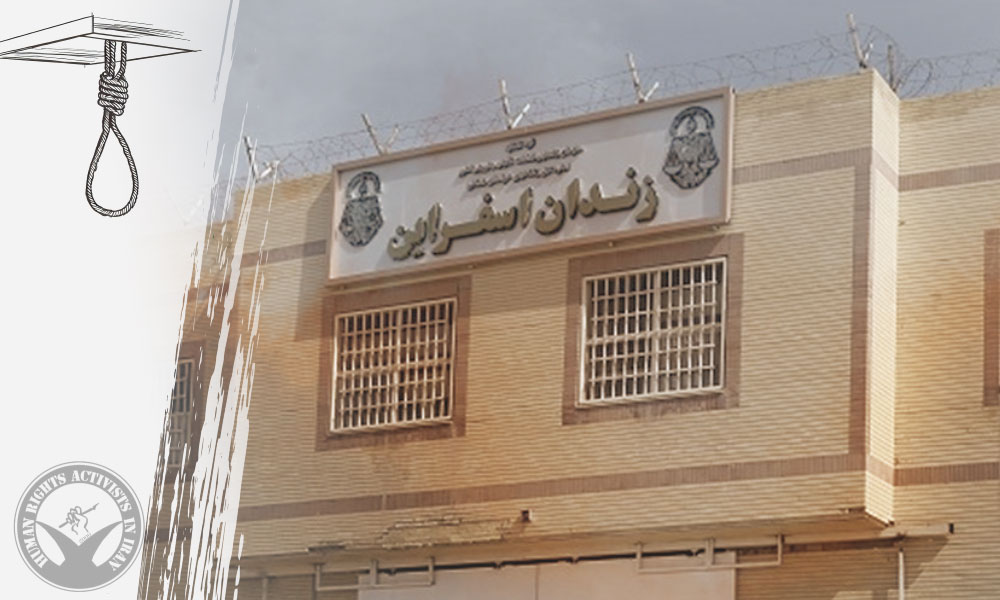
Drug-Related Charges: Three Prisoners Executed in Esfarayen Prison

HRANA – At dawn today, three prisoners were executed in Esfarayen Prison, North Khorasan province. These individuals had previously been sentenced to death on drug-related charges.

HRANA has confirmed the identity of one of the prisoners hanged at dawn today as Armin Shokri. The other two prisoners were Afghan nationals. Based on information received by HRANA, they had previously been arrested on drug-related charges and later sentenced to death by Revolutionary Courts.

Further details, including HRANA’s verification of all prisoners’ identities, are still under review.

As of the time of this report, the executions have not been announced by prison authorities or the responsible institutions.

From the beginning of this year until the end of October, the Iranian regime has executed 1,286 people, marking an unprecedented increase compared to previous years.