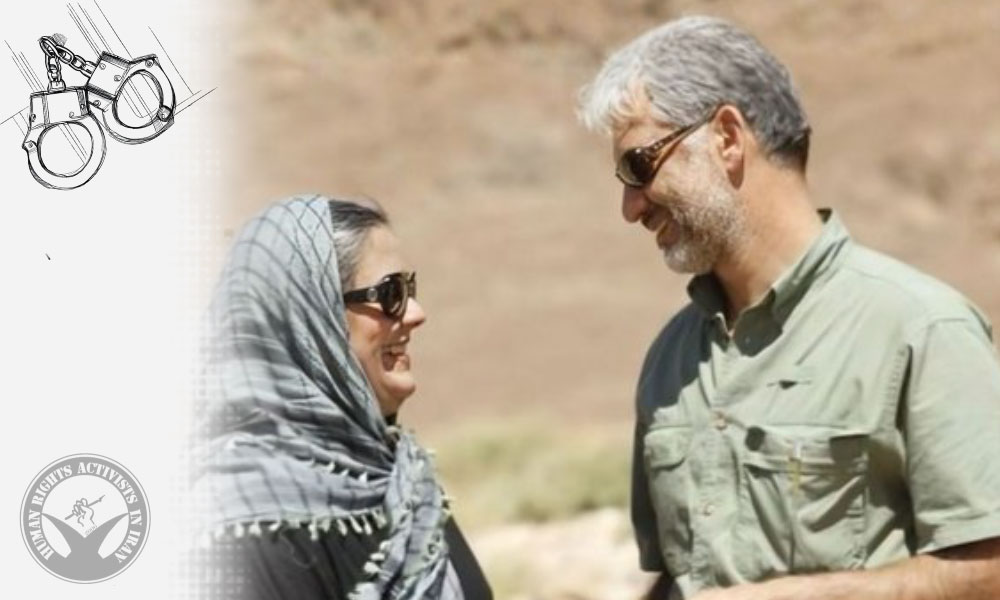
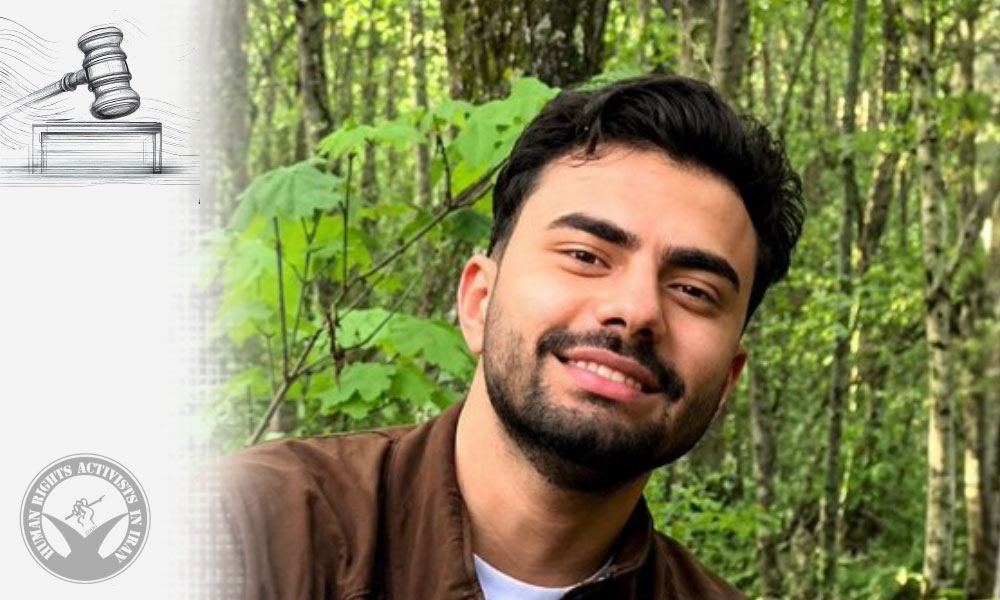
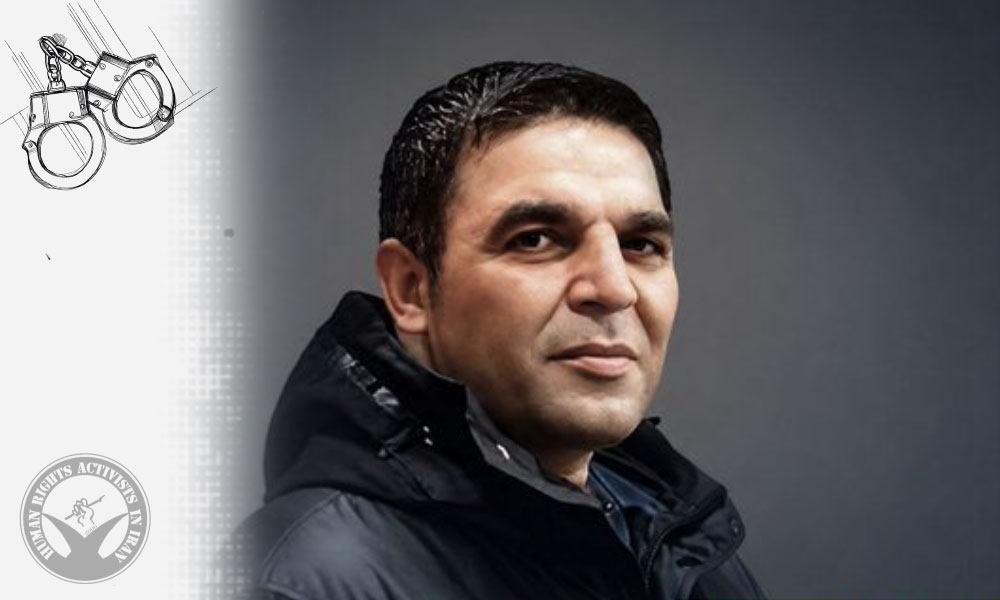
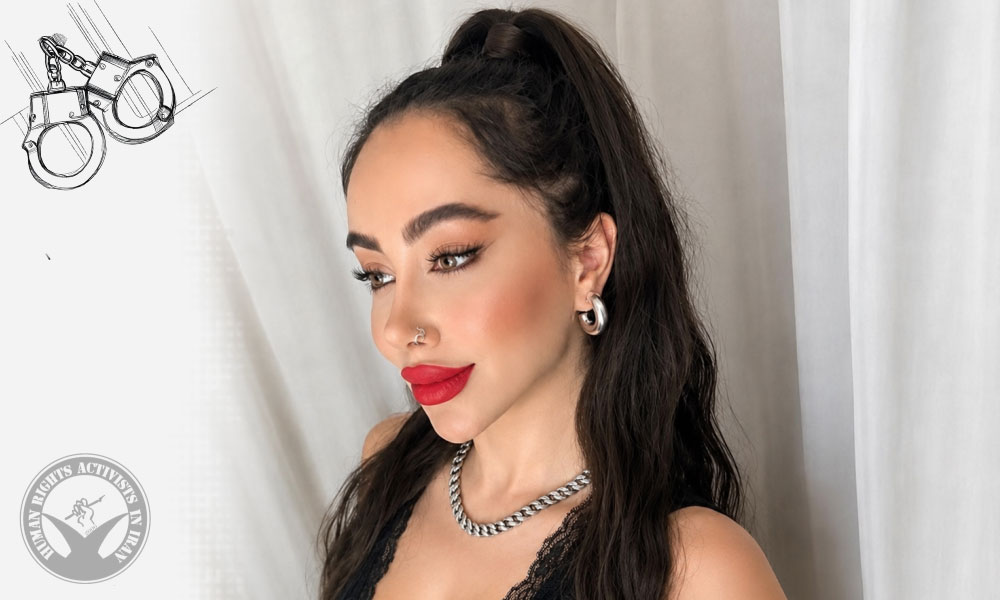
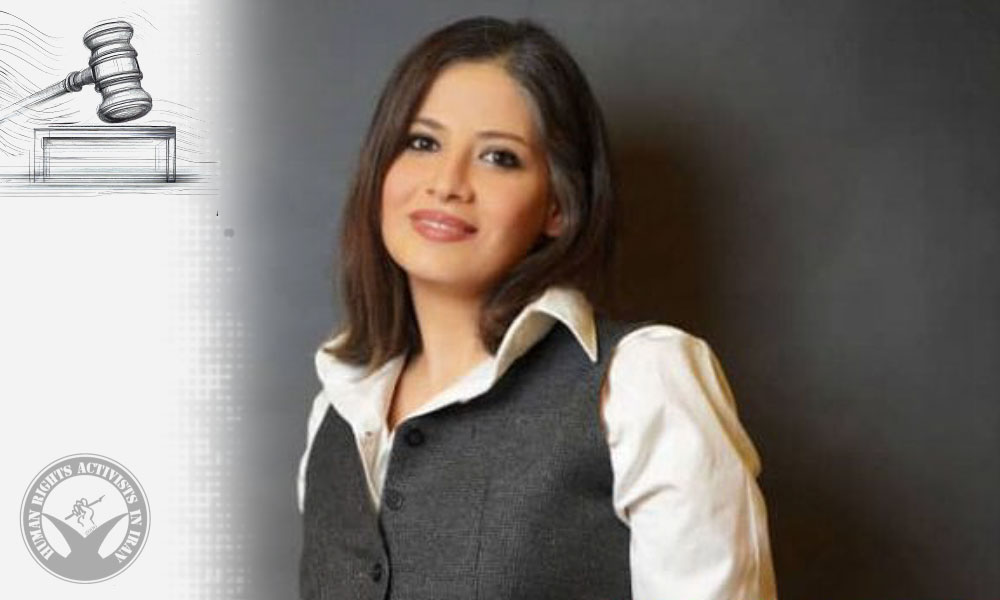
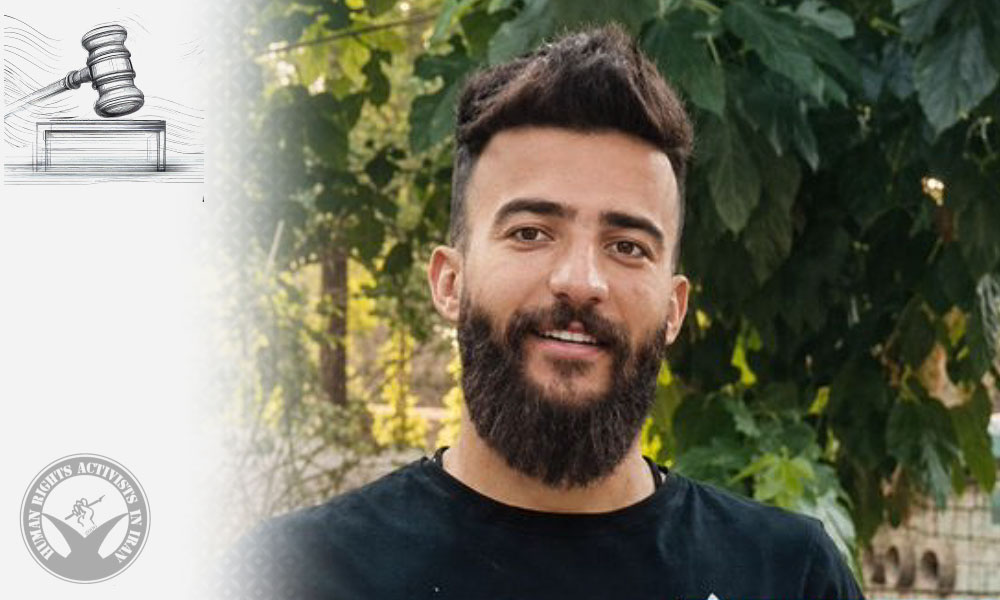
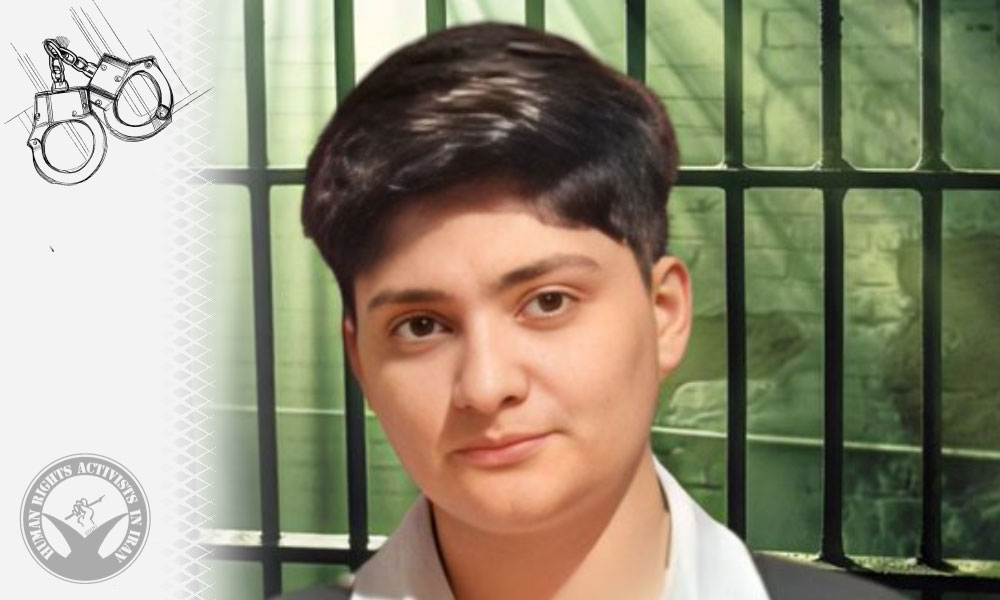
HRANA – Nooshin Manshadi, a resident of Yazd, and Hamed Raisi, a resident of Iranshahr, were recently arrested by security forces and transferred to an undisclosed location. Meanwhile, Mahsa Shafiei Moghaddam, a resident of Yasuj, and Javad Ebrahimi, a resident of Chaboksar, were arrested in January and remain in a state of uncertainty. Mahsa Shafiei Moghaddam is currently being held in Yasuj Prison.
Based on information received by HRANA, 40-year-old Nooshin Manshadi was arrested on February 22 at her residence in Yazd County by security forces and transferred to an undisclosed location. Hamed Raisi was also arrested by security forces on February 20 in Iranshahr and taken to an unknown location.
A source close to Mahsa Shafiei’s family confirmed to HRANA that she was arrested by security agents in Yasuj on January 8. She is currently being held in a state of uncertainty in Yasuj Prison.
Additionally, Hyrcani News reported that 18-year-old Javad Ebrahimi, a resident of Chaboksar, was arrested during the nationwide protests in January in the city. According to the report, there is still no information regarding his place of detention, and he has been subjected to pressure to obtain forced confessions.
As of the time of this report, no information has been obtained regarding the charges brought against these individuals.
Mahsa Shafiei Moghaddam has previously been arrested and faced judicial action due to her activities.
It should be noted that gatherings and strikes by shopkeepers and bazaar merchants began in Tehran on Sunday, December 28, 2025. After two days, the protests expanded beyond markets and commercial centers. With the participation of students, citizens, and various social groups, these demonstrations became one of the most widespread protests in recent years. Following the suppression of the protests by law enforcement and security forces, thousands were killed or injured, and tens of thousands were arrested or summoned by security institutions. For further information, refer to HRANA’s comprehensive report titled “The Crimson Winter: A 50 Day Record of Iran’s 2025–2026 Nationwide Protests.”
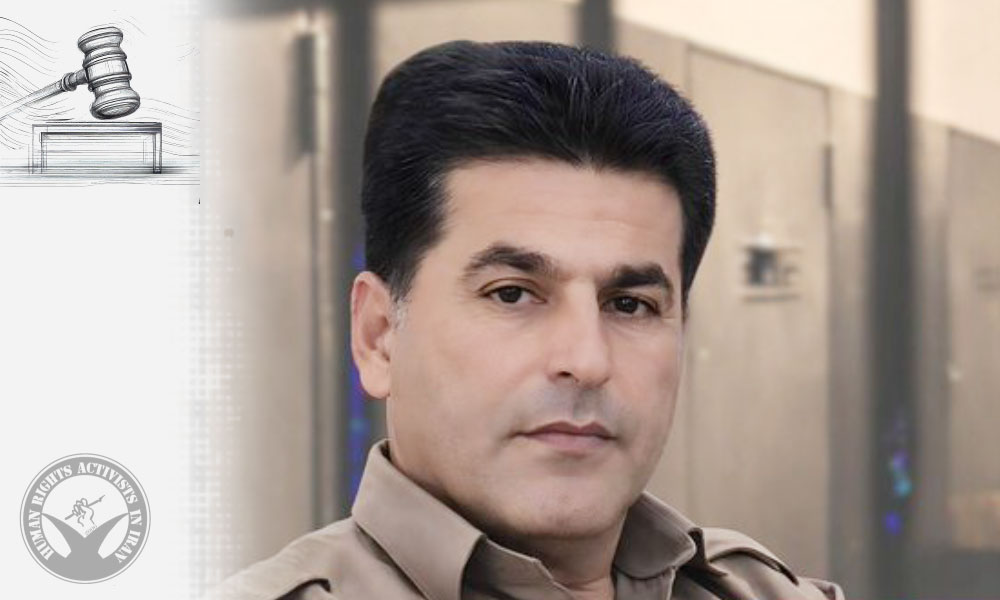
HRANA – Amin Masouri, a writer and researcher, has been sentenced by Branch 1 of the Revolutionary Court of Khorramabad to one year of discretionary imprisonment and two years of internal exile to the city of Sarakhs.
Based on information received by HRANA, Branch 1 of the Revolutionary Court of Khorramabad convicted Mr. Masouri on the charge of propaganda activities in favor of groups and organizations opposed to the regime, sentencing him to one year of discretionary imprisonment and two years of exile to Sarakhs. The verdict has been formally served to him in person.
Amin Masouri was arrested in August of 2025 by agents of the Ministry of Intelligence in Khorramabad and was later transferred to Parsilon Prison in the city. He was ultimately released on September 15 after posting bail set at 5 billion rials.
Amin Masouri has previously faced arrest and judicial action due to his activities.
HRANA – In connection with the recent nationwide protests, security forces have arrested 13 individuals. Some of those detained have since been released, while information regarding the charges against these individuals remains unclear.
Based on information received by HRANA, Mousa al-Reza Meshkani was arrested on January 10 in Meshkan, a district of Sabzevar, and is currently being held in Vakilabad Prison in Mashhad. Ali Sharifzadeh (Eizi), Saeed Gharagholi, and Mohammad Kalmishi were arrested in Sabzevar on January 8 (18 Dey), February 11, and January 9, respectively. Ali Sharifzadeh was transferred to Mashhad Prison, while Saeed Gharagholi and Mohammad Kalmishi are still being held in Sabzevar Prison. Reza Gerami was arrested on February 14 in Joghatai and is currently detained in the city’s prison.
Raham Rahimi, Elias Jahannoush, Ali Ansari, and Farshad and Farhad Salari, other residents of Sabzevar, were released on Tuesday, February 24, from Vakilabad Prison in Mashhad after posting bail.
Leila Bakhshandehfar, who had been arrested on January 3 by the Mashhad Intelligence Office, was also released yesterday from Vakilabad Prison in Mashhad. She had previously been sentenced by a judicial authority to four years and six months of discretionary imprisonment. The sentence was initially converted to a fine of 140 million tomans in lieu of imprisonment. Ultimately, taking into account her detention period and submission to the verdict, the amount was reduced to 70 million tomans.
Additionally, the Kurdpa news outlet reported that in the early hours of Monday, February 23, Ahmad Tamouei, a former political prisoner from Salmas County, was arrested by security forces in Tehran and taken to an undisclosed location. Mr. Tamouei has previously served prison sentences due to his activities.
Hyrcani media also reported that Sohrab Kolthoumi, 32, a resident of Rasht, was arrested by security forces at his home in the city on January 25.
According to the report, following his arrest, he was held for 26 days at an IRGC Intelligence detention facility, where he was interrogated and beaten. He was then transferred for a short time to the triage ward of Lakan Prison in Rasht. He was subsequently removed from the prison and transferred back to the IRGC Intelligence detention facility. Concerns have increased regarding continued pressure to extract a forced confession and about his physical condition.
As of the time of this report, no information has been obtained regarding the charges brought against these individuals.
It should be noted that gatherings and strikes by shopkeepers and bazaar merchants began in Tehran on Sunday, December 28, 2025. After two days, the protests expanded beyond markets and commercial centers. With the participation of students, citizens, and various social groups, these demonstrations became one of the most widespread protests in recent years. Following the suppression of the protests by law enforcement and security forces, thousands were killed or injured, and tens of thousands were arrested or summoned by security institutions. For further information, refer to HRANA’s comprehensive report titled “The Crimson Winter: A 50 Day Record of Iran’s 2025–2026 Nationwide Protests.”
HRANA – Armin Hassani Moghaddam and Amir Mehdi Raki Salimi, detainees of recent nationwide protests currently held in Sheyban Prison in Ahvaz, have each been sentenced by Branch One of the Ahvaz Revolutionary Court to 10 years in prison, a two-year travel ban, and one year of mandatory attendance at the Headquarters for the Promotion of Virtue and Prevention of Vice.
Hossein Ali Hatami, the defense attorney of Mr. Hassani Moghaddam, told HRANA that previously the prosecutor’s office had issued an indictment against the two citizens on charges of “disrupting public order and peace through participation in protests.” However, Branch One of the Ahvaz Revolutionary Court, without regard to the issued indictment and citing the Law on Intensifying the Punishment for Espionage and Cooperation with the State of Israel, sentenced each of them to 10 years in prison, a two-year ban on leaving the country, and one year of mandatory attendance at the Headquarters for the Promotion of Virtue and Prevention of Vice in Izeh.
The verdict was issued on February 17. This attorney added that in the case of Armin Hosseini Moghaddam, upon formally declaring his representation, in addition to objecting to the detention order, he has also filed an appeal request.
Mr. Hassani Moghaddam and Mr. Raki Salimi were arrested on February 8 during the nationwide protests in the Koshtargah district of Izeh by security forces and were transferred to Sheyban Prison in Ahvaz.
Hassani Moghaddam, is the father of one child. Both were employed in the field of manufacturing and installing wooden products (MDF) prior to their arrest.
HRANA – Milad Bakhtiari, a resident of Karaj, has been sentenced to 20 months in prison by Branch Two of the Revolutionary Court of this city.
Based on information received by HRANA, Branch Two of the Karaj Revolutionary Court sentenced him to a total of 20 months in prison on charges of “propaganda against the regime” and “assembly and collusion.”
An informed source close to Mr. Bakhtiari’s family confirmed the news to HRANA and stated: “Milad Bakhtiari has objected to the verdict issued by the Revolutionary Court, and the case is currently under review for reconsideration. He is presently being held in Ward Two of Ghezel Hesar Prison in Karaj.”
Mr. Bakhtiari was arrested on Friday, January 9, on one of the streets of Karaj and was transferred to an undisclosed location. He was ultimately transferred to Ghezel Hesar Prison on January 11.
Milad Bakhtiari, 29, is the son of Hourieh Farajzadeh Tarani and the nephew of Shahram Farajzadeh, who was killed during the violent events following the tenth presidential election on Ashura in 2009.
It should be noted that gatherings and strikes by shopkeepers and bazaar merchants began on Sunday, December 28, 2025, in Tehran. After two days, the protests expanded beyond markets and commercial centers. With the participation of students, citizens, and various social groups, these demonstrations became one of the most widespread protests in recent years. Following the crackdown by security and law enforcement forces, thousands were killed or injured, and tens of thousands were arrested or summoned by security institutions. For more information about these protests, refer to HRANA’s comprehensive report.
HRANA – Hoda Fori, Maryam Mirzaei, Nika Mahmoudi, and Meysam Yazdani were arrested on Sunday, February 22, and Omid Zabihi was arrested on Saturday, February 21, by IRGC Intelligence agents in Sari and transferred to undisclosed locations. Meanwhile, Sanaz Jahantigh, another resident of Sari, has been in detention for more than a month, and no information has been obtained regarding her fate or place of detention.
Based on information received by HRANA, Sanaz Jahantigh has been detained in Sari for over a month, and no information has yet been obtained about her place of detention. Omid Zabihi was arrested on Saturday, February 21. In addition, Hoda Fori, Maryam Mirzaei, Nika Mahmoudi, and Meysam Yazdani were arrested yesterday. These individuals were detained by IRGC Intelligence agents in Sari. The reason for their arrest has been reported as their activities on social media and participation in ceremonies commemorating those killed during the January protests.
It should be noted that Meysam Yazdani is the maternal uncle of Mohammad Javad Zahedi, one of those killed during the 2022 protests.
As of the time of this report, no information has been obtained regarding the charges brought against these six citizens or their place of detention.
It should be noted that gatherings and strikes by shopkeepers and bazaar merchants began on Sunday, December 28, 2025, in Tehran. After two days, the protests expanded beyond markets and commercial centers. With the participation of students, citizens, and various social groups, these demonstrations became one of the most widespread protests in recent years. Following the crackdown by security and law enforcement forces, thousands were killed or injured, and tens of thousands were arrested or summoned by security institutions. For more information about these protests, refer to HRANA’s comprehensive report.
HRANA – Nima Hassankhani, one of those arrested during recent nationwide protests, has been sentenced by Branch One of the Ahvaz Revolutionary Court to two years of imprisonment, a two-year travel ban, and one year of mandatory attendance at the Headquarters for the Promotion of Virtue and Prevention of Vice.
Based on the ruling issued by Branch One of the Ahvaz Revolutionary Court, Mr. Hassankhani was sentenced to two years in prison, a two-year ban on leaving the country, and one year of mandatory presence at the Headquarters for the Promotion of Virtue and Prevention of Vice on charges of “propaganda against the regime” and “disrupting public order and peace through participation in protests.”
Hossein-Ali Hatami, an attorney-at-law, told HRANA that in Nima Hassankhani’s case, upon formally declaring his representation, he has not only objected to the detention order but has also filed an appeal request.
Nima Hassankhani, a bodybuilding athlete and a shopkeeper in the city of Izeh, was arrested on February 7, 2026, during protests in the city and was subsequently transferred to Sheiban Prison in Ahvaz.
It should be noted that gatherings and strikes by shopkeepers and bazaar merchants began on Sunday, December 28, 2025, in Tehran. After two days, the protests expanded beyond markets and commercial centers. With the participation of students, citizens, and various social groups, these demonstrations became one of the most widespread protests in recent years. Following the crackdown by security and law enforcement forces, thousands were killed or injured, and tens of thousands were arrested or summoned by security institutions. For more information about these protests, refer to HRANA’s comprehensive report.
HRANA – The Criminal Court Two of Shirvan County has rejected the appeal filed by 18-year-old protester Danial Niazi against his temporary detention order and upheld his continued detention in a case that includes charges such as moharebeh (“enmity against God”), an accusation that, if proven, can carry severe punishments, including the death penalty.
The case was initially opened at Branch Two of the Public and Revolutionary Prosecutor’s Office in Shirvan, North Khorasan province, where a temporary detention order was issued against him. According to available documents, the investigating judge has charged Mr. Niazi with offenses including “enmity against God” (moharebeh), “complicity in attempted intentional murder,” “complicity in intentional assault and battery,” “membership in a gathering of more than three persons against public order,” “disrupting public order,” and “propaganda against the regime.” These charges were brought based on a private complaint and a report by law enforcement authorities.
Following the defendant’s objection to his detention, the case was reviewed by Branch 103 of the Criminal Court Two of Shirvan. Citing Articles 241 and 242 of the Criminal Procedure Code, the court rejected the appeal and fully upheld the detention order.
In its ruling, the court referred to the “severity of the charges,” the “degree of punishment associated with the alleged crimes,” the “necessity of ensuring security and public order,” the “report of judicial officers,” the “severity of injuries inflicted on the complainants,” and the “risk of flight by the defendant,” and deemed the continued detention of the 18-year-old protester justified on these grounds.
However, at this stage, only serious charges have been brought against this protester, and the court has rejected his appeal against detention based on the gravity of these accusations and their potential penalties. A substantive hearing and final judgment on the charges have not yet taken place.
According to information received by HRANA, during his detention this citizen has been subjected to pressure in order to obtain forced confessions. HRANA’s findings indicate that these confessions were extracted under circumstances in which the young protester did not have free access to a lawyer of his choosing.
Danial Niazi, a resident of Shirvan, was arrested with the use of violence by security forces at his family home on January 12, 2026. As of the time of this report, no information has been obtained regarding his current place of detention.
It should be noted that gatherings and strikes by shopkeepers and bazaar merchants began on Sunday, December 28, 2025, in Tehran. After two days, the protests expanded beyond markets and commercial centers. With the participation of students, citizens, and various social groups, these demonstrations became one of the most widespread protests in recent years. Following the crackdown by security and law enforcement forces, thousands were killed or injured, and tens of thousands were arrested or summoned by security institutions. For more information about these protests, refer to HRANA’s comprehensive report.
HRANA- Published today, this comprehensive report examines developments during the first fifty days following the eruption of nationwide protests in Iran on December 28, 2025, providing a detailed account of the unfolding events and the state response from December 2025 through February 2026.
Compiled through a coordinated, multi team documentation effort across HRA’s news agency HRANA, Spreading Justice, the Pasdaran Documentation Project, and the Statistics Department, the roughly 1,350 page report preserves a structured record of the opening phase of Iran’s 2025–2026 nationwide protests and the state response.
The findings are derived from more than 143,330 HRANA reports drawn from confidential and open sources, collected, verified, and analyzed during the 50-day window.
Download the full report in PDF format.
Why this report, and why now?
Large scale protest cycles generate two parallel dynamics: an unprecedented volume of documentation and a coordinated effort by state authorities to restrict communications, shape narratives, and intimidate sources. In this environment, the central risk is not only undercounting violations, but losing the ability to verify identities, locations, dates, and patterns while evidence remains recoverable.
This report adopts a disciplined human rights methodology centered on documenting minimum verifiable cases rather than publishing maximal estimates. It presents findings that can be substantiated through corroborated evidence, even where the broader scale of violations likely exceeds what can be confirmed in real time. The publication is intended both as a public record and as an archival foundation for legal analysis and future accountability processes.
What the report contains
The report maps the first fifty days of protests by addressing core accountability questions:
1. How did protests evolve and spread geographically
2. How did state forces respond, and through what structures
3. What forms of harm occurred
4. How did blackout conditions affect the availability, quality, and verification of information
5. How was content authenticated and cross checked in an environment shaped by surveillance, source risk, and restricted access
6. How were risks from manipulated, fabricated, or AI generated content identified and mitigated within the verification process
7. How can documented patterns be legally characterized
8. How can records, especially identities of victims and detainees, be preserved without increasing risk
Sections analyze protest trends and geography, university mobilization, slogans, the structure and tools of repression, patterns of violations including killings, injuries, arrests, coerced confessions, pressure on families, and attacks on medical neutrality, as well as legal analysis, international responses, and how HRA documentation initiatives mobilized.
At the center of the report are two core pillars: the verified accounting of those killed, including children, and the documented accounting of detainees, including minors, students, and individuals subjected to group arrests.
Key Findings
Geographic scope
• Total protest locations: 682
• Unique cities: 203
• Unique provinces: 31
The geographic distribution demonstrates that both protest activity and state response were nationwide in scope.
Student mobilization
• University protests documented: 55
• Protesting universities: 36
Universities emerged as central civic spaces within the broader protest movement and the state response.
Fatalities: scale and composition
Across the first fifty days covered by this report, consolidated documentation records:
• Protesters killed: 6,488
• Children killed, counted separately and not included among protesters: 236
• Civilians killed, non-protester: 76
• Military and government forces killed: 207
• Total fatalities: 7,007
An additional 11,744 cases remain under review and are not included in confirmed totals. Separately, HRA documented eight civilian deaths resulting from clashes between civilians in public. The categorical separation is deliberate. Distinguishing protesters, children, non-protester civilians, and government or pro-government fatalities prevents analytical conflation and enables clearer legal and statistical interpretation. The figures reflect a minimum verifiable record compiled under conditions where comprehensive access is not possible.
Injuries
• Injured military and security forces: 4,884
• Injured civilians: 25,846
These figures contextualize the breadth of harm beyond confirmed fatalities and illustrate the overall magnitude of violence.
Arrests
• Total arrests: 53,777
• Children, teenagers, and school students arrested: 555
• University students arrested: 147
Arrest figures include both individually identified cases and verified group arrests, reflecting documentation realities in which names are often unavailable or unsafe to publish.
Forced confessions
• Documented forced confessions: 369
The report treats coerced confessions as a systematic instrument of intimidation and narrative control within a heavily surveilled and restricted media environment.
Summonses
• Documented summonses: 11,053
Summonses function as a parallel mechanism of legal pressure, extending state control beyond those formally detained.
The List of the Deceased: Methodology and Protection
Appendix A contains the list of the deceased. Publication decisions are governed by a protection centered framework that weighs the public interest in disclosure against the risk of retaliation for relatives, witnesses, and HRANA’s network.
Where names are published, they are paired, where possible, with core identifiers including age, location, and documentation anchors used in verification. Entries are also paired with sources. Where a third-party source is listed as the primary source, HRANA has independently verified the information through its reporting network.
Where publication would create unacceptable risk, cases are reflected in verified totals and preserved within secure documentation systems for accountability purposes.
The list is the product of a structured, cross-checked verification methodology designed to preserve an accurate public record without increasing danger to those inside the country.
Legal Assessment and Accountability Relevance
The report includes a preliminary legal assessment, framing documented patterns as potential violations of international human rights law and, where applicable thresholds are met, international criminal law.
Patterns of lethal force, mass arrests, coerced confessions, and related violations are analyzed against legal standards governing the right to life, due process, freedom of expression and assembly, and protections against torture and cruel, inhuman, or degrading treatment.
By grounding its legal analysis with verified names, dates, locations, and corroborated patterns, the report connects documentation to concrete pathways for accountability.
HRANA – Abolfazl Salehi in Mashhad, Behrouz Izanlou in Bojnurd, Khan-Aziz Esmaili, a member of the Teachers’ Trade Association in Eslamabad-e Gharb, and Ahmad Hezbavi in Ahvaz have been arrested by security forces on different dates.
Based on information received by HRANA, Abolfazl Salehi, 20 years old, was arrested by security forces in January and transferred to an undisclosed location. At the same time, a video of his forced confessions was broadcast by official media outlets; however, it remains unclear under what circumstances the video was recorded. This has heightened concerns among his family and relatives.
Additionally, Ahmad Hezbavi was arrested on February 18 by security forces in Ahvaz while returning from a memorial ceremony marking the 40th day after the deaths of victims of the protests. No information is available regarding his place of detention.
Meanwhile, Kurdpa reported the continued detention of Behrouz Izanlou, a 39-year-old construction worker, father of two, and resident of Bojnord. According to the report, he was arrested on January 4 at his home without the presentation of a judicial warrant and was subjected to beating during the arrest. He was subsequently transferred to Bojnurd Prison and remains held there in a state of uncertainty. During his detention, Mr. Izanlou has been denied family visits and access to legal counsel.
Kurdpa also reported the arrest of Khan-Aziz Esmaili, a member of the Teachers’ trade Association of Eslamabad-e Gharb and a resident of the city. He was arrested on Sunday, February 22 at his home without a judicial warrant and transferred to an undisclosed location. During the arrest, security agents confiscated his mobile phone as well as the phones of all his family members.
Among these individuals, Khan-Aziz Esmaili has previously faced judicial action due to his activities.
As of the time of this report, no information has been obtained regarding the charges brought against these four citizens.
It should be noted that gatherings and strikes by shopkeepers and bazaar merchants began on Sunday, December 28, 2025, in Tehran. After two days, the protests expanded beyond markets and commercial centers. With the participation of students, citizens, and various social groups, these demonstrations became one of the most widespread protests in recent years. Following the crackdown by security and law enforcement forces, thousands were killed or injured, and tens of thousands were arrested or summoned by security institutions. For more information, you may refer to HRANA’s detailed report on the fiftieth day since the beginning of the protests.