
Baha’i Family Receives Prison Sentences in Bojnurd

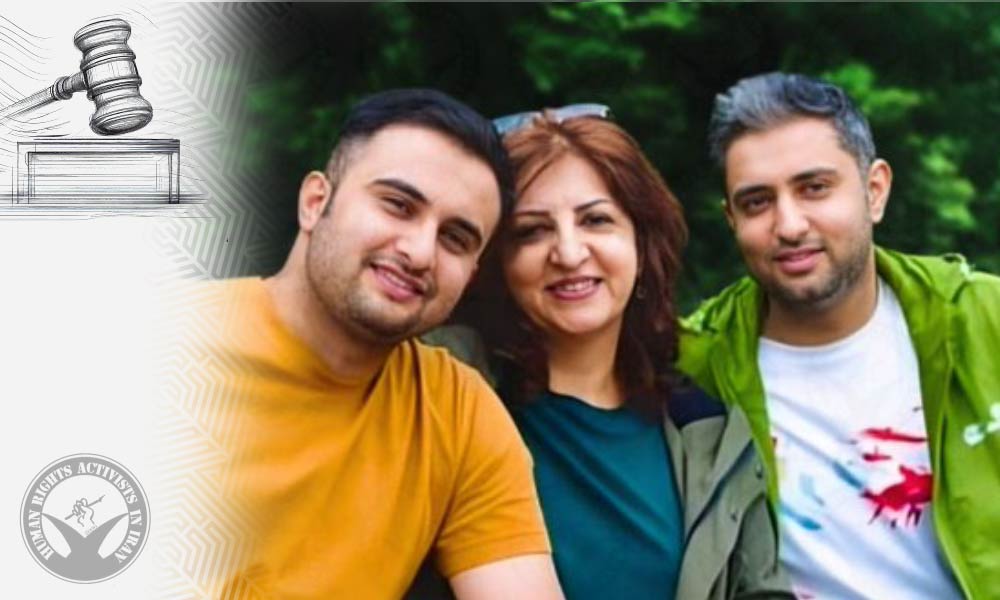
The Revolutionary Court of Bojnurd handed down prison sentences to Sholeh Shahidi and her two sons, Faran and Shayan Senaei, on January 9, 2024.

As per the recent ruling, Shayan Senaei has been sentenced to two years and two months, coupled with a fine, while Faran Senaei has received a two-year and six-month prison term, and Sholeh Shahidi is required to pay a fine.

In addition to imprisonment, the court imposed ten years of deprivation from certain social public services and the confiscation of some of their assets.

The charges leading to their conviction include “engaging in educational activities and propaganda against Islamic Sharia.” The court cited activities such as publishing posts on social media as examples of this charge.

Security forces arrested these Baha’i citizens at their Bojnurd residence on July 13, 2022. They were released on bail on August 4, 2022.

Notably, Sholeh Shahidi has previously faced legal challenges.

Baha’is are subjected to violations of their religious rights, comprising 82% of reports on infringements against religious minorities, according to HRA’s 2023 annual report.

The Baha’i faith is not recognized as a legitimate religion by Iranian authorities, leading to systematic and longstanding violations of the rights of Baha’is in the country. This includes the denial of their fundamental right to practice their religion, which constitutes a clear breach of both Article 18 of the Universal Declaration of Human Rights and Article 18 of the International Covenant on Civil and Political Rights. The United Nations covenant holds that every person has the right to freedom of religion, freedom of converting religion, as well as freedom of expression, individually or collectively; openly or secretly.
Six Baha’i Citizens’ Sentences Reduced to 29 Years and 10 Months on Appeal

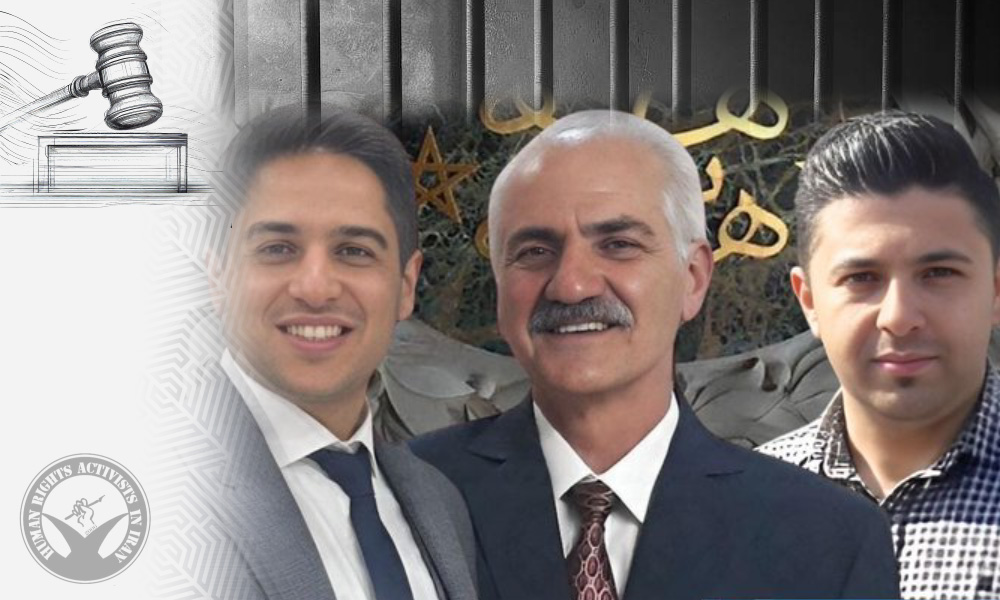
The Tehran Court of Appeals has revised the sentences of six Baha’i citizens, resulting in a combined prison term of 29 years and 10 months. The affected individuals are Saeedeh Khozuei, Saba Sefidi, Iraj Shakoor, Samira Ebrahimi, Pedram Abhar, and Arsalan Yazdani.

Presiding over Branch 36 of the Tehran Court of Appeals, Judge Abasasli issued the following breakdown for the revised sentences: Khozuei and Yazdani will serve six years each, Shakoor and Abhar five years each, Ebrahimi four years and five months, and Sefidi three years and five months.

A source close to the families, speaking to HRANA, revealed that “the government will confiscate the properties seized from these citizens during their arrest.”

The charges against each individual are as follows:

  • Saeedeh Khozuei: Five years for “membership in anti-regime groups” and one year for “propaganda against the regime.”
  • Arsalan Yazdani: Five years for “membership in anti-regime groups” and one year for “propaganda against the regime.”
  • Iraj Shakoor: Five years for “membership in anti-regime groups.”
  • Pedram Abhar: Five years for “membership in anti-regime groups.”
  • Samira Ebrahimi: Three years and five months for “membership in anti-regime groups” and one year for “propaganda against the regime.”
  • Saba Sefidi: Three years and five months for “membership in anti-regime groups.”

Initially, the Tehran Revolutionary Court had sentenced them to a combined 32 years and 10 months.

HRANA’s annual report has highlighted a concerning trend where, in 2022, 64.63% of reported human rights violations against religious minorities are directed toward the Baha’i community.

The Baha’i faith is not recognized as a legitimate religion by Iranian authorities, leading to systematic and longstanding violations of the rights of Baha’is in the country. This includes the denial of their fundamental right to practice their religion, which constitutes a clear breach of both Article 18 of the Universal Declaration of Human Rights and Article 18 of the International Covenant on Civil and Political Rights. The United Nations covenant holds that every person has the right to freedom of religion, freedom of converting religion, as well as freedom of expression, individually or collectively; openly or secretly.
Arrests of Five Baha’i Citizens in Karaj Heighten Concerns

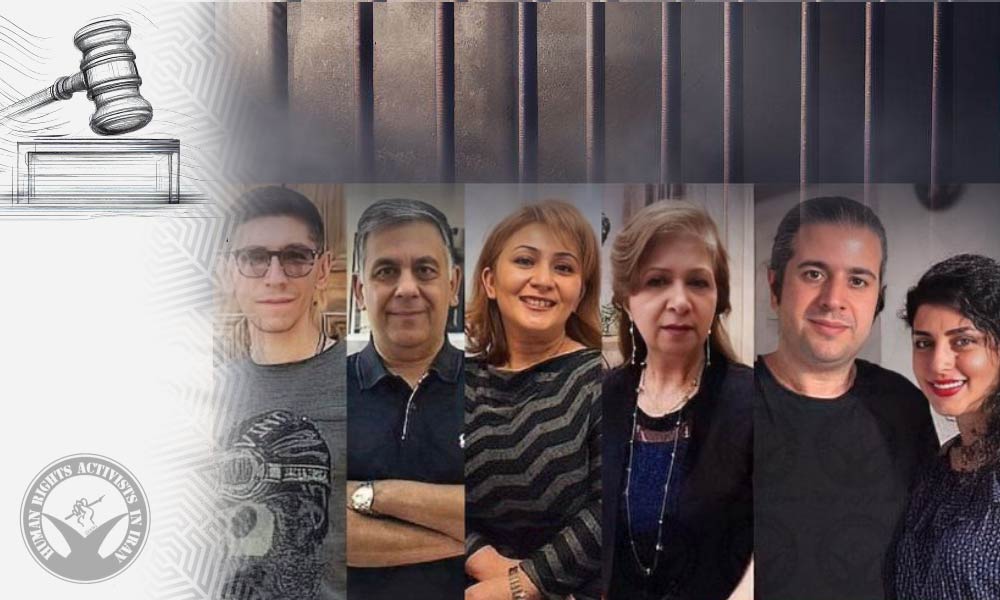
In a recent development, security forces in Karaj have detained Baha’i citizens Iman Ehsani, Iren Rahmani, Foad Taefi, Reza Yazdi, and Fahimeh Yazdi.

According to information received by HRANA, the Ministry of Intelligence apprehended these individuals on Tuesday, November 7. The exact location of their detention remains unknown, intensifying concerns among their families.

Iman Ehsani and Iren Rahmani are parents of two sons aged 2 and 4.

This incident follows HRANA’s prior report on the arrest of four other Baha’is in Karaj. The reasons behind these detentions and the charges against the individuals are currently undisclosed, adding to the growing uncertainty surrounding the situation.

The Baha’i faith is not recognized as a legitimate religion by Iranian authorities, leading to systematic and longstanding violations of the rights of Baha’is in the country. This includes the denial of their fundamental right to practice their religion, which constitutes a clear breach of both Article 18 of the Universal Declaration of Human Rights and Article 18 of the International Covenant on Civil and Political Rights. The United Nations covenant holds that every person has the right to freedom of religion, freedom of converting religion, as well as freedom of expression, individually or collectively; openly or secretly.


Four Baha’i Women Sentenced to Imprisonment

In a recent ruling, Nasim Sabeti, Azita Foroughi, Rouya Ezabadi, and Soheila Ahmadi, all members of the Baha’i faith, were handed down a prison sentence of three years and eight months.

The Mashhad Revolutionary Court, led by Judge Hadi Mansouri, has sentenced each of these Baha’i residents of Mashhad to three years imprisonment for alleged “involvement with groups deemed a threat to national security” and an additional eight months for “disseminating propaganda against the government.”

Should the verdict stand after the appeal process, in accordance with Article 134 of the Islamic Penal Code, a three-year prison term will be enforced.

Legal proceedings against these individuals commenced in July of this year.

The Baha’i faith is not recognized as a legitimate religion by Iranian authorities, leading to systematic and longstanding violations of the rights of Baha’is in the country. This includes the denial of their fundamental right to practice their religion, which constitutes a clear breach of both Article 18 of the Universal Declaration of Human Rights and Article 18 of the International Covenant on Civil and Political Rights. The United Nations covenant holds that every person has the right to freedom of religion, freedom of converting religion, as well as freedom of expression, individually or collectively; openly or secretly.

Four Baha’i Citizens Arrested in Yazd

On Sunday, October 1, 2023, security forces detained Baha’i citizens Vida Ahrari, Mojgan Basiri, Shokoofeh Basiri, and Jamal Ghadirzadeh in Yazd and transferred them to undisclosed locations.

According to an insider source who informed HRANA, these individuals were guests at Mrs. Basiri’s residence when security agents conducted a raid and apprehended them. Additionally, searches were carried out at the residences of all four Baha’i individuals.

The motives behind their arrests, as well as their current whereabouts, remain unknown.

HRANA’s annual report has highlighted a concerning trend where, in 2022, 64.63% of reported human rights violations against religious minorities are directed toward the Baha’i community.

The Baha’i faith is not recognized as a legitimate religion by Iranian authorities, leading to systematic and longstanding violations of the rights of Baha’is in the country. This includes the denial of their fundamental right to practice their religion, which constitutes a clear breach of both Article 18 of the Universal Declaration of Human Rights and Article 18 of the International Covenant on Civil and Political Rights. The United Nations covenant holds that every person has the right to freedom of religion, freedom of converting religion, as well as freedom of expression, individually or collectively; openly or secretly.
 

Subscribe to Our Newsletter

Now is definitely not the time to stop reading!

Sentences of 20 Years Upheld for Two Baha’i Women

The Tehran Court of Appeal has maintained the original rulings against Baha’i citizens, Mahvash Sabet (Shahriari) and Fariba Kamalabadi, confirming their 20-year prison terms. Initially, both women were sentenced to ten years, along with additional penalties by the Tehran Revolutionary Court on charges of “forming and leading groups to act against national security.”

A source close to Sabet’s family revealed to HRANA that Sabet, aged 70, is battling multiple illnesses that have been aggravated by her prolonged imprisonment. Over the past few months, she has faced several hospitalizations.

These individuals were formerly associated with a dissolved Baha’i group referred to as the “Yaran e Iran” or “Friends of Iran.” Their arrests occurred on July 31, 2022, alongside five other Baha’i individuals, apprehended by security forces across different cities. Moreover, intelligence agents conducted searches at a minimum of 37 Baha’i residences.

Following these apprehensions, the Ministry of Intelligence released a video portraying these individuals as spies, alleging their involvement in infiltrating kindergartens to propagate their beliefs and advocating for the removal of hijab. In response, Simin Fahandej, the spokesperson of the Bahá’í International Community, emphasized: “Iranians of goodwill, who number in their millions, see through these lies. The incident at the kindergarten is the latest in a shameful litany of brazen deception, propaganda, and hate speech, but these efforts do not go unnoticed by the international community and only work against Iran’s interests, showing its true motives of persecuting innocent people only for their beliefs.”

Two Baha’i Citizens Arrested in Rasht

Last Wednesday, July 19, Baha’i citizens Shiva Kashani-Nejad (Samieian) and Mojgan Samimi were separately arrested by security forces in Rasht, Gilan Province.

Reliable sources disclosed to HRANA that the Ministry of Intelligence was responsible for their arrests. Both were apprehended at their respective residences, with the agents conducting searches and confiscating some of their belongings.

While Samimi managed to call her family and inform them of her detention at Lakan Prison, Kashani-Nejad has not yet been granted the opportunity to contact her family, leaving her loved ones anxious about her whereabouts.

According to another source, Samimi is facing charges of “propaganda against the regime.”

In a related matter, Anisa Samieian, Kashani-Nejad’s daughter, and her husband Vesal Momtazi recently received a combined sentence of nine years and six months from the Rasht Revolutionary Court, further heightening concerns over the treatment of Baha’i citizens in the region.

The deprivation of the freedom to practice their religion is a breach of Article 18 of the Universal Declaration of Human Rights and Article 18 of the International Covenant on Civil and Political Rights. The United Nations covenant holds that every person has the right to freedom of religion, freedom of converting religion, as well as freedom of expression, individually or collectively; openly or secretly.

Fourteen Bahai Citizens Sentenced to a Total of 31 Years in Prison

In a concerning development, the Ghaemshahr Revolutionary Court has handed down a collective prison sentence of 31 years to 14 Bahai citizens.

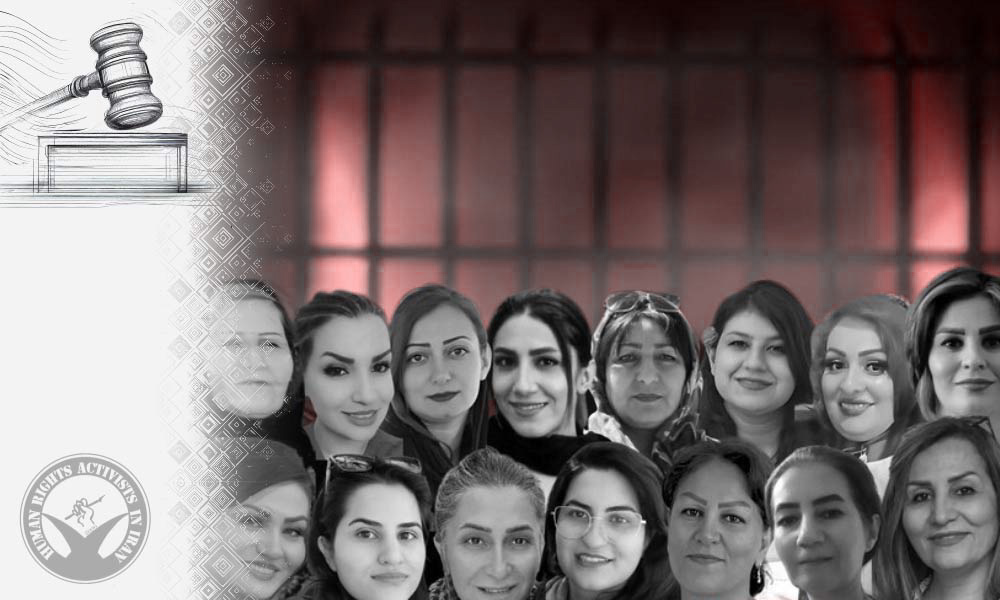
The individuals affected by this ruling are Mani Gholinejad, Bita Haghighi, Sanaz Hekmat Shoar, Negar Darabi, Sam Samimi, Mahsa Fathi, Samieh Gholinejad, Majir Samimi, Anis Senaei, Afnaneh Nematian, Basir Samimi, Hengameh Alipour, Gulben Fallah, and Nazanin Goli.
Bita Haghighi and Sanaz Hekmat Shoar have received three years and paying a fine. The rest have been sentenced to two years and one month. All their confiscated belongings during the arrest have also been seized.

The charges against these Bahai individuals revolve around allegations of engaging in “educational activities and propaganda at variance and against Islamic Sharia law.”

Security forces arrested these individuals in Sari and Babolsar, located in the Mazandaran Province, on August 31, 2022. Subsequently, they were released on bail in the months following their arrest.

During the time of their apprehension, the Ministry of Intelligence issued a statement accusing these citizens of being members of an espionage organization, further claiming that two among them had received training from Zionists in Israel.

According to HRANA annual report, from the total human rights reports regarding the violation of religious minorities’ rights, 64.63% belonged to the violation of the rights of Baha’is.

The deprivation of the freedom to practice their religion is a breach of Article 18 of the Universal Declaration of Human Rights and Article 18 of the International Covenant on Civil and Political Rights. The United Nations covenant holds that every person has the right to freedom of religion, freedom of converting religion, as well as freedom of expression, individually or collectively; openly or secretly.

 

Baha’i Couple Faces Nine-Year and Six-Month Combined Sentence

Vesal Momtazi and Anisa Samieian, a Baha’i couple, have been collectively sentenced to a nine-year and six-month prison term by the Rasht Revolutionary Court.

According to the verdict issued on June 13 by Branch 3 of the Rasht Revolutionary Court, Mrs. Samieian received a sentence of seven months and 16 days for “propaganda against the regime,” along with three years and six months for “engaging in educational activities and propaganda against Sharia law.” Meanwhile, Mr. Momtazi has been sentenced to seven months and 16 days for “propaganda against the regime,” one year and three months for “insulting the Supreme Leader of Iran,” and three years and six months for “insulting Sharia law.” In addition, he has been fined 38 million tomans. Both individuals are also subjected to social deprivations for a period of ten years. If these verdicts are upheld on appeal, each of them will serve three years and six months in prison.

On November 4, 2022, security forces conducted a search of their residence, resulting in their arrest. Mr. Momtazi was released on bail after his arrest on December 6, 2022. Mrs. Samieian, who was pregnant at the time, was granted release on bail following two interrogation sessions. It is important to note that this Baha’i couple has two young sons, aged five and three months.

According to HRANA annual report, from the total human rights reports regarding the violation of religious minorities’ rights, 64.63% belonged to the breach of the rights of Baha’is.

According to unofficial sources, it is estimated that more than 300,000 Baha’is live in Iran, but the Iranian Constitution recognizes only Islam as the official religion, in addition to Christianity, Judaism, and Zoroastrianism. Bahai faith is not considered legitimate by the authorities, and the rights of Baha’is in Iran have been systematically violated for years.

The deprivation of the freedom to practice their religion is a breach of Article 18 of the Universal Declaration of Human Rights and Article 18 of the International Covenant on Civil and Political Rights. The United Nations covenant holds that every person has the right to freedom of religion, freedom of converting religion, as well as freedom of expression, individually or collectively; openly or secretly.
13 Baha’i Citizens Sentenced to Over 40 Years in Prison Combined

The Court of Appeals in Karaj has issued a combined sentence of 40 years and seven months, along with additional punishments, for 13 Baha’i citizens.

The verdicts state that Afif Na’imi (Naeimi) will serve seven years, while Saman Ostovar and Kamyar Habibi will each serve five years. Rameleh Tirgarnejad, Elham Shareghi Arani, and Sabin Yazdani have been sentenced to three years. Mahsa Tirgar, Shahrzad Mastouri, Sadaf Sheikhzadeh, Negin Rezaie, Nakisa Rezaie, Sahba Adyani, and Bita Momtazi will serve two years and one month. Additionally, all individuals have been fined, prohibited from leaving the country, and restricted from residing in Alborz Province, along with other social deprivations.
They have been convicted of multiple charges such as “insulting and propaganda against Islamic Sharia, forming and running groups to act against national security through preaching Baha’i faith to children in Kindergartens, promoting against Islamic Sharia through holding coaching courses.”

The court session took place on June 15, 2023, without notifying their lawyers. The initial sentences have now been upheld and will be enforced within ten days, as confirmed by a reliable source who spoke to HRANA.

These citizens were detained during the summer of the previous year. While the specific grounds for the charges remain undisclosed, they appear to be related to their educational activities for children in Alborz Province, particularly preschool children. The Iranian regime perceives the peaceful activities of Baha’is in providing humanitarian aid and education as a threat to its own ideology.

According to HRANA annual report, from the total human rights reports regarding the violation of religious minorities’ rights, 64.63% belonged to the violation of the rights of Baha’is.