Two Prisoners Executed in Dastgerd Prison in Isfahan

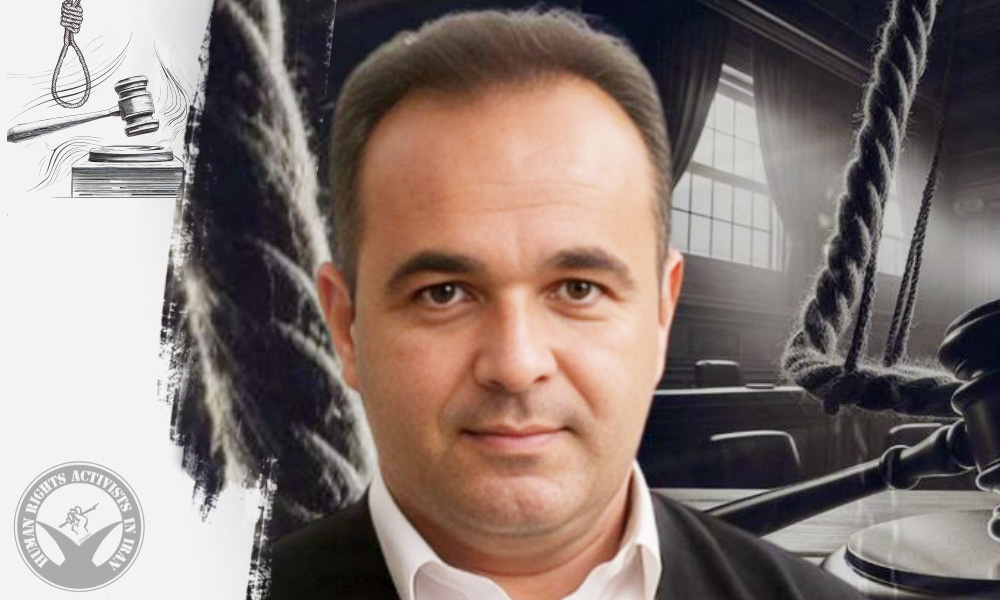
HRANA News Agency – At dawn on Monday, June 2, two prisoners who had previously been sentenced to death in a joint case on drug-related charges were executed in Dastgerd Prison in Isfahan.

The identities of the prisoners have been reported by Iran Human Rights as Habib Almasi, approximately 35 years old and father of two children, and Jabrail Hashemzadeh, 30 years old, both residents of Birjand.

According to the report, the two prisoners, who were related (maternal and paternal cousins), were arrested four years ago in a joint case on drug-related charges and were subsequently sentenced to death by the judiciary.

As of the time of this report, the execution of these individuals has not been officially announced by prison authorities or relevant institutions.

According to HRANA’s statistics, in 2024, 61 inmates were hanged in Dastgerd Prison in Isfahan — a 74% increase compared to the previous year. This sharp rise reflects a disturbing escalation in executions at this facility.

Prisoner Executed in Qom Prison

HRANA News Agency – At dawn on Sunday, June 1, the death sentence of a prisoner previously convicted on drug-related charges was carried out in Qom Prison.

According to HRANA, the news agency of Human Rights Activists in Iran, the executed individual has been identified as Shahriar Khalafi.

Based on information received by HRANA, Khalafi was arrested on drug-related charges and later sentenced to death by the Revolutionary Court.

As of the time of this report, prison authorities and official bodies have not publicly announced the execution.

According to HRANA’s report, in 2024, over 52 percent of executed prisoners had been convicted on drug-related charges. Over the past ten years, individuals convicted of drug trafficking have accounted for 40 percent of all executions. Unfortunately, HRANA’s statistics show no progress in reducing executions for drug-related offenses.

Family Concern Grows Over Incommunicado Detention of Farhad Kadkhoda-Ghaderi

HRANA News Agency – Farhad Kadkhoda-Ghaderi, a resident of Mahabad, was arrested on Saturday, May 31, by intelligence agents of the Islamic Revolutionary Guard Corps (IRGC) and taken to an undisclosed location. His continued incommunicado detention has raised serious concerns among his family and loved ones.

The arrest was carried out violently and without a judicial warrant. Despite five days passing since his detention, his family’s efforts to obtain information about his condition and whereabouts have been unsuccessful, heightening their concerns.

As of the time of this report, the reasons for Kadkhoda-Ghaderi’s arrest and any charges against him remain unknown.

Farhad Kadkhoda-Ghadri is a resident of Sarchenar village, located in the Mahabad region.

Arbitrary arrests, transferring detainees to undisclosed locations, and leaving families in the dark about the fate of their loved ones are routine practices of the Iranian regime’s security agencies, such as the Ministry of Intelligence and the IRGC Intelligence Unit. This pattern of behavior stands in clear violation of the United Nations Standard Minimum Rules for the Treatment of Prisoners, known as the Nelson Mandela Rules.

Supreme Court Upholds Death Sentence of Political Prisoner Azad Shojaei

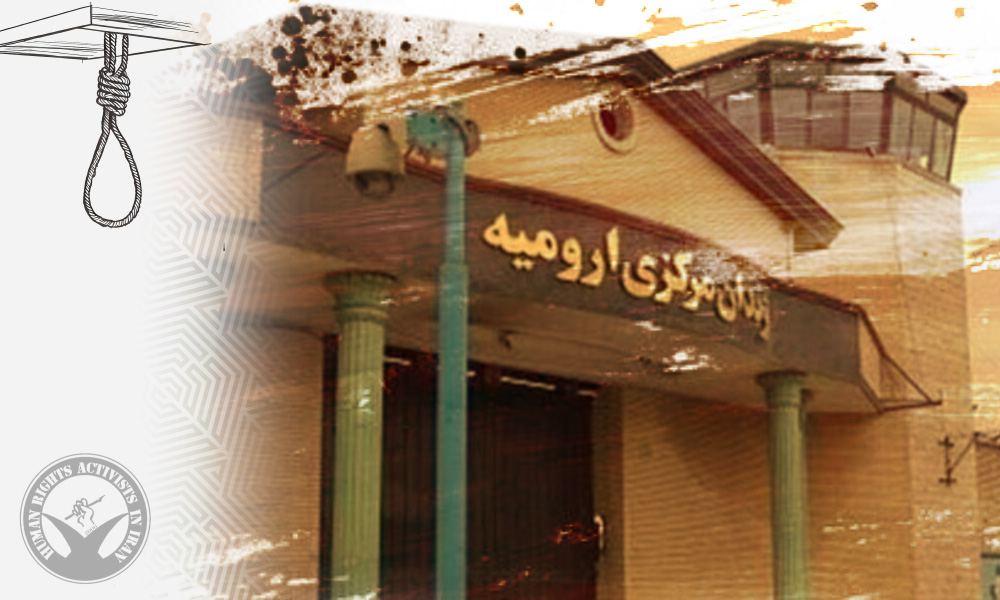
HRANA News Agency – The Supreme Court of Iran has upheld the death sentence of Azad Shojaei, a political prisoner currently held in Urmia Prison. Shojaei, a resident of Sardasht, was initially convicted by Branch 3 of the Urmia Revolutionary Court on charges of “spying for Israel” and “transferring equipment used in the assassination of Mohsen Fakhrizadeh.”

According to information received by HRANA, the ruling was recently confirmed by Branch 39 of the Supreme Court.

The case dates back to early 2024, when Shojaei was arrested along with two others, Edris Ali and Rasoul Ahmad Mohammad, by security forces and transferred to Urmia Prison. In November of the previous year, a judiciary spokesperson announced that all three had been sentenced to death.

Judiciary official Asghar Jahangir claimed that the men had transported equipment used in Fakhrizadeh’s assassination “under the guise of alcohol smuggling” and also accused them of espionage.

Mohsen Fakhrizadeh, a senior figure in Iran’s nuclear program, was killed in November 2020 in an ambush involving a car explosion and gunfire between his security team and unknown assailants.

Prisoner Executed in Urmia Prison for Drug Offenses

HRANA News Agency – On Monday, June 2, the execution of a prisoner previously sentenced to death on drug-related charges was carried out in Urmia Prison.

According to HRANA, the news agency of Human Rights Activists in Iran, the prisoner has been identified as Naser Nabizadeh, a resident of Urmia.

Based on information received by HRANA, Nabizadeh was arrested five years ago on drug-related charges and later sentenced to death by the Revolutionary Court.

As of the time of this report, prison authorities and responsible institutions have not officially announced the execution.

In 2024, according to 812 reports compiled by HRANA, the Iranian regime executed 930 individuals in its prisons—marking the highest number of executions in the past 12 years. Despite the scale of these executions, prison officials and other relevant authorities publicly acknowledged only 6% of them, highlighting the regime’s lack of transparency and accountability.

Subscribe to Our Newsletter

Now is definitely not the time to stop reading!

Truckers’ Strike: Farzad Rezaei Arrested in Divandarreh

HRANA News Agency– Farzad Rezaei, a resident of Divandarreh, was arrested by security forces for expressing support and solidarity with the nationwide truckers’ strike.

According to HRANA, the news agency of Human Rights Activists in Iran, Rezaei was detained recently in Divandarreh, Kurdistan province, amid the ongoing protests by truckers.

Sources told HRANA that his arrest was directly linked to his support for the strike. As of the time of this report, no information has been made available regarding his place of detention or the charges against him.

The truckers’ protests began in Iran on May 22. Since then, dozens of truckers and supporters have been arrested in various cities across the country.

Additionally, HRANA has published a comprehensive report on the past week’s strikes, detailing the causes behind the protests, their spread, the government’s response, and the status of those detained.

Two Prisoners Executed in Hamedan Prison

HRANA News Agency – At dawn today, June 2, two prisoners previously sentenced to death on drug-related charges were executed in Hamedan Prison.

HRANA has identified the two individuals as Navid Hodavand-Khani and Naeem Naseri.

According to information obtained by HRANA, both had been arrested on drug-related charges and later sentenced to death by the Revolutionary Court.

The prisoners were transferred to solitary confinement on May 31 in preparation for the execution.

As of the time of this report, the executions have not been officially announced by prison authorities or relevant institutions.

In 2024, according to 812 reports compiled by HRANA, the Iranian regime executed 930 individuals in its prisons—marking the highest number of executions in the past 12 years. Despite the scale of these executions, prison officials and other relevant authorities publicly acknowledged only 6% of them, highlighting the regime’s lack of transparency and accountability.

Truckers’ Strike: Two Arrested in Kurdistan Province

HRANA News Agency – Zanko Rostami in Dehgolan and Rezgar Moradi in Sanandaj were arrested by security forces for supporting and participating in the nationwide truckers’ strike.

Based on information obtained by HRANA, Rezgar Moradi was arrested on May 27 in Sanandaj, and Zanko Rostami was detained on May 25 in Dehgolan by security forces.

Mr. Rostami was arrested during a protest gathering by truckers in Dehgolan, and his current status remains unknown. Moradi was detained on the Sanandaj–Marivan road and, following the issuance of a one-month detention order, was transferred to Sanandaj Prison.

The truckers’ protests began in Iran on May 22. Since then, dozens of truckers and supporters have been arrested in various cities across the country.

Additionally, HRANA has published a comprehensive report on the past week’s strikes, detailing the causes behind the protests, their spread, the government’s response, and the status of those detained.

Ata Aziri Arrested for Supporting Truckers’ Strike

HRANA News Agency – On Wednesday, May 28, truck driver Ata Aziri was arrested by agents of the Ministry of Intelligence in Sanandaj for his support of the ongoing nationwide truck drivers’ strike. He is currently being held at the Ministry of Intelligence’s detention facility.

According to a source close to his family, agents from the Ministry of Intelligence visited Aziri’s home around noon, presented a warrant, and arrested him before transferring him to the agency’s detention center.

Information obtained by HRANA indicates that his arrest is directly linked to his participation in and support for the strike.

The nationwide truck drivers’ protests began on May 21. Since then, over 20 truckers and citizens supporting the movement have been arrested in various cities across Iran.

HRANA has also published a detailed report on the truckers’ strike over the past week, outlining the causes of the protest, its spread, the government’s response, and the condition of those detained.

Two Prisoners Executed in Kermanshah Prison for Drug Offenses

HRANA News Agency – On Wednesday, May 28, the death sentences of two prisoners previously convicted on drug-related charges were carried out in Kermanshah Prison.

HRANA has identified the two individuals as Farhad Hosseini and Shahmoradi (first name unknown).
According to information obtained by HRANA, Mr. Hosseini and Mr. Shahmoradi had previously been arrested on drug-related charges and were later sentenced to death by the Revolutionary Court.

As of the time of this report, the executions have not been officially announced by prison authorities or relevant institutions.

According to HRANA’s report, in 2024, over 52 percent of executed prisoners had been convicted on drug-related charges. Over the past ten years, individuals convicted of drug trafficking have accounted for 40 percent of all executions. Unfortunately, HRANA’s statistics show no progress in reducing executions for drug-related offenses.