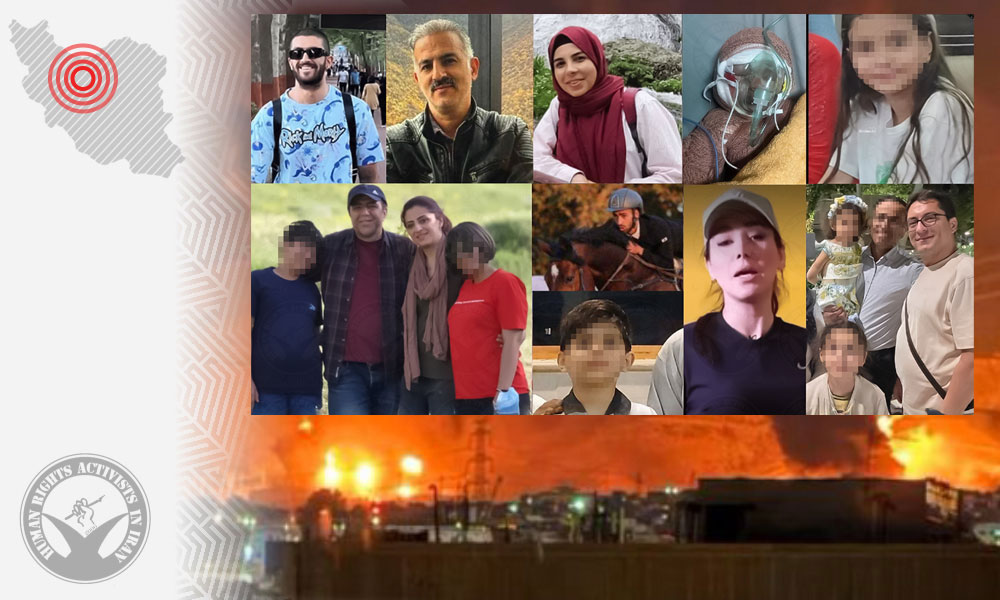
Day Six of Israeli Strikes on Iran: An Overview of the Events

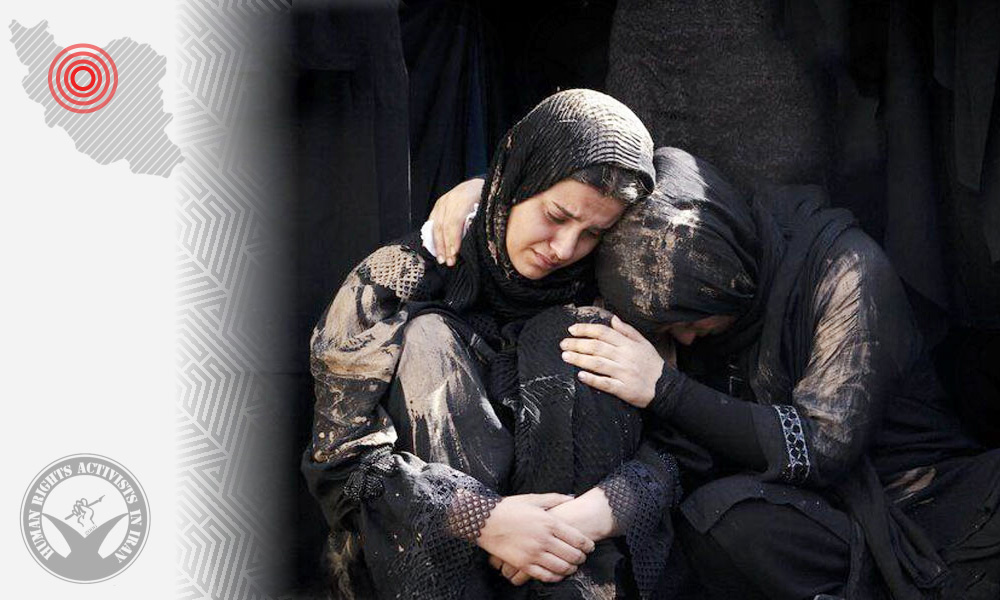
HRANA News Agency – On the sixth day of military conflict between Iran and Israel, multiple locations across Iran came under attack. The hostilities, which began in the early hours of Friday, June 13, with Israeli airstrikes on Iranian territory, have since spread to 21 provinces. According to reports, at least 10 people were killed in yesterday’s attacks. With these latest casualties, as of June 18, 21:00 UTC, the total number of killed and injured over the past six days has risen to 1,968, including 639 fatalities and 1,329 wounded.

Geographic Scope of the Strikes

As Israeli military strikes on Iranian territory continued, various infrastructures and facilities were targeted yesterday in the provinces of Zanjan, Fars, Tehran, Isfahan, Hamedan, Alborz, East Azerbaijan, Semnan, Kermanshah, Mazandaran, Khuzestan, Ilam, Qom, Bushehr, Gilan, and Qazvin. Tehran was the primary target of the attacks.

Yesterday, the spokesperson for the Iranian Red Crescent announced that 21 provinces have been affected since the onset of the Israeli attacks.

Latest Casualty Figures as of Now

Since the beginning of Israel’s attacks on Iran, hundreds of military and civilian individuals have been killed or injured. The military or civilian status of a significant portion of the victims mentioned in this report remains under investigation.

Yesterday, HRANA reported a total of 1,911 killed or injured during the first five days of the conflict. However, after reviewing and documenting a new batch of information and received evidence, HRANA has added 47 additional casualties to its reports for those first five days, which includes the deaths of four children.

At least 10 more individuals lost their lives in Iran yesterday due to Israeli attacks. Simultaneously, the Police Information Center announced in a statement that an unspecified number of personnel from the Police Command (FARAJA headquarters) were injured in yesterday’s attacks.

Based on HRANA’s reports, which rely on its network of volunteers and other non-governmental sources, the total number of people killed and injured as a result of Israel’s attacks has now reached at least 1,968 as of June 18, 21:00 UTC.

Yesterday’s Civilian Casualties (Deaths and Injuries)
ProvinceCityDateCategoryKilledInjuredNeighborhoods & Locations
ZanjanAbharJune 18Military20Unspecified
KermanshahKermanshahJune 18Military80Kermanshah Air Defense Site
TehranTehranJune 18Military–UnspecifiedFARAJA Headquarters


These figures are broken down as follows:

▫️Civilians:
Killed: 263
Injured: 335

▫️Military personnel:
Killed: 154
Injured: 126

▫️Unspecified:
Killed: 222
Injured: 868

▫️Total killed: 639
▫️Total injured: 1,329
▫️Total casualties: 1,968

While independent sources report 1,968 casualties in Iran, yesterday Ali Mousavi, the Islamic Republic’s ambassador in London, stated that nearly 1,500 people have been killed or injured so far in Israel’s attacks on Iran. He did not provide exact figures but claimed that 224 civilians, including 20 children, had been killed. Meanwhile, on Monday, the Minister of Health reported that 1,800 people had been injured during the first four days of attacks.

The Red Crescent spokesperson also reported yesterday: “So far, 145 injured individuals have been transferred to hospitals by the Red Crescent, and 75 were treated on site.” A government spokesperson added that 120 women and children had been injured in the attacks.

Earlier, Hossein Kermanpour, head of the Ministry of Health’s Public Relations Center, stated on social media that 1,481 people had been killed or injured during the first 65 hours of Israel’s attacks, adding that “more than 90% of these individuals were civilians.” He also reported that 522 people had been discharged, putting the death toll at 224 and the number of injured at 1,257.

Widespread Disruption to Civilian Life: Iran Under War and Disorder

With the continued Israeli military attacks on Iranian soil, the civilian dimensions of this conflict are expanding daily. The crisis has now triggered nationwide consequences, from shortages of essentials to the collapse of urban services and the abandonment of vulnerable populations. Field reports and accounts from citizens across the country, obtained by HRANA, paint a clear picture of the growing humanitarian catastrophe and the failure of support systems.

Banks Failing to Meet Urgent Needs

Disruptions in banking operations and cash shortages are among the most pressing challenges. According to citizens, many bank branches have limited daily cash withdrawals to one million tomans — an amount insufficient for daily family expenses, especially during a crisis. Most ATMs are empty, and with online purchases impossible, many struggle to secure basic necessities. The shutdown of Bank Sepah and Bank Pasargad’s banking networks due to cyberattacks has further paralyzed financial transactions, leaving many citizens desperate.

Public Transportation and Unaffordable Costs

In provinces affected by the conflict, intercity travel has nearly collapsed. Buses and other public transport are scarce, and where available, fares have surged to unaffordable levels. A Tehran resident trying to reach family in Gilan said: “For three people, the ride cost 8 million tomans. How much does a government employee even make?”

Elderly, Sick, and Disabled Left Isolated

Elderly, disabled, or care-dependent citizens are among the first victims of institutional neglect in this crisis. Many have been left alone at home, unable to receive assistance. A user outside of Iran wrote: “My friend’s father has Alzheimer’s and is alone in Tehran. No one can take him out. My mother is alone in a wheelchair too.” Medical services have also been disrupted, vital medications are scarce, and treatment for chronic illnesses has been suspended or interrupted.

Rationing, Shortages, and Anxiety

Shops are either closed or have empty shelves. A citizen in Tehran reported: “Sanitary pads are being rationed.” Another citizen from Rasht said: “There’s no bread unless you wait in long lines for hours. People are fighting each other over a loaf.” Sharp spikes in food prices have added to the pressure, with the cost of some basic items doubling in less than a week.

Forced to Work Amid Bombardments

In some areas like District 18 of Tehran, even after evacuation orders, factories and businesses remained operational. Industries continue to run 24/7 with rotating shifts, forcing workers to show up despite the threat of airstrikes. “During the bombardment of District 18, my friend’s shift started at 4 AM and they didn’t shut down,” one person recounted — just one of many examples of workers being denied legal protections during wartime.

Afghan Migrants: Caught Between Discrimination and Victimization

Afghan migrants not only face the danger of attacks but are also subjected to additional pressure. Many have been accused of espionage or denied emergency assistance. In some cases, migrants have reportedly been denied access to shelters altogether.

Pets: Silent Victims of the Crisis

With no support structures, pets have also been left vulnerable. Moving them is costly and difficult; many owners are either forced to abandon their pets or remain in unsafe areas to stay with them. One citizen told HRANA: “I have three cats. I can’t leave them behind. But no one tells me where I can go with my animals.”

Conscripts: Cheap Labor in an Unrecognized War

Conscripts, who generally do not serve in active combat roles, are being forcibly kept in military service during the conflict. With professional military staff reduced, conscripts face mandatory extended shifts. During the attack on the Tehran Police Command (FATA), several conscripts were killed, but official media made no mention of them. One local source said: “My friend was a conscript there. He was killed. No name mentioned, no mourning. They just threatened them, saying if you don’t show up, it will count as desertion under wartime rules.”

Communication Blackouts and Cross-Border Anxiety

Internet disruptions and messaging app shutdowns — especially in central regions — have severed communication between families inside Iran and relatives abroad. Families with children or parents in Europe, Canada, or neighboring countries remain in complete uncertainty. One person said: “My sister is in the Netherlands; my elderly parents are alone in Tehran. I have no way to help them, no contact.”

State Propaganda and Lack of Practical Information

State media continue to focus on military activities and propaganda, providing no practical information on sheltering, safe routes, or rescue guidelines. While the International Atomic Energy Agency (IAEA) has raised concerns about nuclear contamination from bombings of Iran’s nuclear facilities, no public guidance or reliable reporting on radiation levels has been provided in nearby cities. Citizens report that scattered social media messages and stressful phone calls are their only sources of information.

Communications Disruptions and Cyberattacks: Secondary Consequences

From the first day of the attacks, internet disruptions were observed across Iran. Yesterday, NetBlocks, which monitors global internet access, reported: “Live data shows that nationwide internet in Iran has been almost completely cut off.”

The Ministry of Information and Communications Technology confirmed the internet restrictions in a statement, claiming the move was intended to prevent Israel from using Iran’s communications network for military purposes.

Later in the day, Iran’s state broadcaster IRIB suffered a brief live-stream disruption due to a cyberattack, which its public relations office blamed on Israel.

Many citizens reported to HRANA that they had received suspicious text messages containing infected links.

Meanwhile, a well-known hacking group with a history of targeting Iranian entities launched a large-scale attack, successfully stealing over $90 million in cryptocurrency from Nobitex, Iran’s largest crypto trading platform.

Arrests and Security Crackdowns

State media reported yesterday that 21 individuals were arrested for online activities. These include five people in Khorramabad, Borujerd, and Dorud; one person in Razan County; ten individuals in Takestan, Alborz, Buin Zahra, and Avaj; two in Boukan; one in Qazvin; one in Gachsaran; and several others in Ilam.

Including these new arrests, the total number of citizens detained over the past six days for online activity and publishing content related to Israel’s attacks on Iran has reached 160.

Additionally, the public relations office of the IRGC’s Zarandieh branch announced the arrest of several individuals in this city, accusing them of being “affiliated with Israel.” Arrests also included an Afghan national in Shahr-e-Rey, one person in Saqqez, four in Qasr-e-Shirin, and one in Alborz Province, all on charges of collaboration with Israel.

Several others were arrested in Karaj, Arak, and Baharestan on accusations of spying for Israel.

A Telegram channel affiliated with the IRGC published images of two individuals arrested in Tehran, alleging they had launched drones toward Shahriar. Separately, two individuals in Pishva County and one in the Navab district of Tehran were arrested for allegedly manufacturing drones for Israel. Some were also arrested in Tehran and Alborz provinces while transporting drones using pickup trucks.

Channels close to security agencies also reported that 18 Afghan nationals involved in drone manufacturing in Mehrabad, Mashhad, were arrested by the Ministry of Intelligence before carrying out their planned operations.

The IRGC-affiliated Tasnim News Agency announced that six women accused of spying for Israel were arrested by the Intelligence Organization while attempting to leave the country through Qasr-e-Shirin.

The National Police Chief also reported the arrest of four individuals, accusing them of being “terrorists.” He stated that they were wounded during clashes with police forces but did not specify the locations of the arrests.

Continued Israeli Attacks on Civilian Infrastructure on the Sixth Day

On the sixth day of attacks, Israel targeted civilian areas and infrastructure in the cities of Tehran, Ilam, Fardis, Karaj, Shahre Qods, Chalous, Tabriz, Shahroud, Zanjan, Qazvin, Abhar, and Shahriar. Among the civilian and infrastructure sites struck were: the Parsian Resources Research Center in Zanjan, the Tehran Nuclear Research Center, Ilam Petrochemical Complex, airports in Kermanshah, Tabriz, and Karaj, fuel storage facilities in Alborz Province, and the TSA Centrifuge Production Workshop in Karaj.

The specific neighborhoods and districts in Tehran targeted yesterday include: Piroozi, Sabalan, Sayyad, Punak, Garmdareh, Bagheri Highway, District 18, Damavand Street, Lavasan Road, Aghdasieh, Jordan, Kordestan Highway, Vanak, Kavousieh, Nobonyad, Seoul Street, District 22, Chitgar, Shahran, Phases 2 and 8 of Pardis, Sadr Highway, Babayi Highway, Tehranpars, Afsarieh, Simón Bolívar Street, and Lavizan.

Additionally, yesterday there were reports of air defense engagements against hostile projectiles in the cities of Abhar, Shiraz, Parand, Isfahan, Hamedan, Garmdareh, Tabriz, Shahroud, Kermanshah, Tehran, Varamin, Roudehen, Ahvaz, Robat Karim, Dezful, Andimeshk, Qaleh Hassan Khan, Ilam, Qom, and Bushehr.

In addition to civilian areas, the following military sites were struck yesterday: Janbozorgi Barracks in Shahr-e-Rey, a missile ammunition depot in Sorkheh Hesar (Tehran), military facilities in Parand, the Bidganeh Complex in Malard, Parchin military installations, Imam Hossein University (affiliated with the IRGC), Zein al-Din Barracks in Abhar, the IRGC Barracks at Darvazeh Ghoran in Tehran, Imam Hassan Barracks, several military sites in Kermanshah, the Police Command Headquarters (FARAJA) near Vanak Square, the Sarallah IRGC Headquarters, and the Meisami Base in Karaj.

Yesterday, the country’s Air Defense Command announced that since the start of the military conflict, it has shot down 61 unmanned aerial vehicles and cruise missiles.

Emphasis on Compliance with Humanitarian Obligations

As the field consequences of the attacks continue to grow, damage to civilian infrastructure and disruptions to emergency and medical services have also intensified. These circumstances underscore the urgent need for strict adherence to international humanitarian law, including the principles of precaution, proportionality, and distinction between military and civilian targets.

International organizations and human rights defenders have once again emphasized the need to ensure safe and unhindered access to emergency aid and protection for civilians. The ongoing indiscriminate nature of the attacks, with little regard for civilian presence, poses a serious challenge to the legitimacy of military actions by both sides.

While continuing to monitor developments on the ground, HRA emphasizes the urgent need for independent investigations, thorough documentation of alleged violations, and legal accountability for all parties involved.

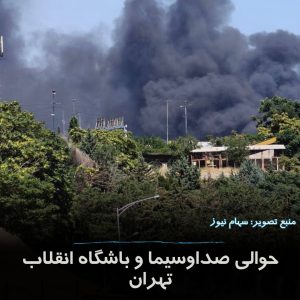
TehranTehranEast Tehran
East TehranEast TehranNortheast Tehran
Northeast TehranEastern Tehran MountainsImam Hossein Military
University in Northeast Tehran
Around the Lavizan neighborhood
East Tehran
Lavizan Defense Industries
Company in Tehran
Around Zanjan
Near the Red Crescent Building –
Tehran
Near the Red Crescent Building –
Tehran
Near the Red Crescent Building –
Tehran
Payam Airport, KarajPayam Airport, KarajKharjir Garrison Aerospace
Complex in Southeast Tehran
KermanshahAirport -Kermanshah

The Fifth Day of Israeli Attacks on Iran: A Review of the Incidents

HRANA News Agency – The military conflict between Iran and Israel, which began in the early hours of Friday, June 13th, with Israeli airstrikes on Iranian territory, entered its fifth day yesterday. Since the outset of the conflict, military installations, civilian infrastructure, and residential areas across Iran have been targeted.

Yesterday, the spokesperson of the Iranian Red Crescent reported that 21 provinces have been affected since the start of Israel’s attacks. According to published reports, at least seven people were killed or injured in yesterday’s assaults. Based on non-governmental sources, as of June 17, 23:00 UTC, the total number of casualties over the past five days has reached at least 1,911, including 585 dead and 1,326 injured.

Geographic Scope of the Strikes

In continuation of Israel’s military attacks on Iranian territory, yesterday energy infrastructure, military facilities, and residential areas were attacked in the provinces of Tehran, Isfahan, East Azerbaijan, Alborz, Markazi, Qazvin, Khuzestan, Hormozgan, West Azerbaijan, Khorasan Razavi, Kurdistan, Kermanshah, Chaharmahal and Bakhtiari, Hamedan, Bushehr, and Kerman. Isfahan Province was Israel’s primary target yesterday.

Regarding the geographical scope of Israel’s attacks in Iran, Mojtaba Khaledi, the spokesperson for the Red Crescent, without naming specific provinces, stated: “Since the beginning of Israel’s attacks, 21 provinces have been involved.”

Casualties among Red Crescent rescue workers in Tehran were among yesterday’s notable events. According to the Red Crescent spokesperson, four rescue workers have been killed in the Israeli attacks so far.

Explosions in some areas have caused extensive damage and likely resulted in additional casualties. Further information is under investigation and will be updated.

Military Equipment and Scale of Attacks

The Israeli army previously announced that during the first three days of attacks on Iran, it conducted 720 airstrikes across various parts of the country. This figure has not yet been updated by Israel.

In the investigations of human rights groups, proportionality under the laws of war is of particular importance — including proportionality between targets and weaponry. According to information gathered from credible sources, the Israeli army used the following weapons in its attack:


WeaponTypeModel/VariantDescription & Role
1HaropLoitering attack drone– (IAI Harop)Autonomous kamikaze drone that loiters and dives onto targets (especially radars). Used to suppress Iranian air defenses and communications by homing in on radar emissions.
2HarpyLoitering anti-radar drone– (IAI Harpy)Anti-radiation loitering munition designed to seek and destroy enemy radars. Older, fire-and-forget drone that crashes into SAM radar emitters. Complemented Harop in knocking out Iran’s SAM sites.
3F-35I “Adir”Stealth multirole fighterF-35I (Israel variant)5th-gen stealth fighter jet with Israeli electronics. Penetrated Iranian airspace undetected to lead initial strikes, targeting air defenses, command centers, and nuclear sites with precision munitions.
4F-15I “Ra’am”Strike fighter-bomberF-15I (Israel variant)Long-range heavy fighter (F-15E variant) carrying large payloads (bunker busters, etc.). Non-stealth, but high payload and range; used to bomb hardened sites like Natanz once air defenses were down.
5F-16I “Sufa”Multirole fighterF-16D Block 52+ (Israel)Versatile fighter jet with conformal fuel tanks for extended range. Dropped guided bombs (e.g., SPICE, JDAM) on a wide array of targets (missile launchers, bases, leaders). Backbone of strike force.
6DelilahAir-launched cruise missile– (IMI Delilah)Standoff cruise missile (loitering munition) with ~250 km range. Can loiter and be retargeted in flight. Used to surgically strike mobile or well-hidden targets (radars, convoys) from afar.
7RampageAir-to-surface guided missile– (Elbit Rampage)Supersonic guided strike missile (air-launched rocket) designed to penetrate bunkers and hit high-value targets at long range. Difficult to intercept due to high speed.
8Blue SparrowAir-launched ballistic missile (ALBM)– (Blue Sparrow target missile)Air-dropped ballistic missile used as a pseudo-weapon. Released from aircraft to strike like a short-range ballistic missile. Provided Israel a way to hit distant hardened targets quickly.
9LORAShort-range ballistic missileLORA (IAI)Surface-launched ballistic missile (ground/ship) with ~400 km range and 10 m accuracy. Carries a 570 kg warhead. Used to hit fixed strategic targets (bases, infrastructure) at long range in opening salvo.
10SPICE-1000/2000Precision glide bomb kitSPICE family (Rafael)Electro-optical/GPS guided bombs (1000 lb or 2000 lb) that glide to target. Extremely accurate (<3 m CEP). Used to destroy buildings, runways, and other fixed targets with minimal collateral damage.
11JDAM BombsGPS-guided bomb (kit)GBU-31 JDAM etc.Joint Direct Attack Munition – a guidance kit for 500–2000 lb bombs using GPS/INS. Turns “dumb” bombs into all-weather smart bombs (~5–10 m accuracy). Formed a large portion of munitions dropped on Iranian targets.
12GBU-39 Small Diameter BombGuided glide bombGBU-39/B SDB I250 lb glide bomb with GPS guidance and pop-out wings (range ~110 km). Small warhead for pinpoint strikes on SAM sites, launchers, etc. Allows multiple bombs per aircraft hardpoint.
13GBU-28 “Bunker Buster”Laser/GPS guided bombGBU-28/B5,000 lb deep-penetration bomb developed to destroy heavily fortified underground facilities. Can penetrate dozens of feet of concrete/earth. Deployed by F-15I against Iran’s buried nuclear sites (e.g. Natanz).


Latest Casualty Figures

Since the beginning of Israel’s attacks on Iran, hundreds of both military and civilian individuals have been killed or injured. The military or civilian status of a significant number of the victims cited in this report remains under investigation.

In addition to the figures reported during the first four days of attacks, HRANA, after reviewing and verifying additional information and documentation, has added 806 more fatalities and injuries to its earlier casualty reports for those initial days. However, in some cases, these new figures reflect reclassification of victims rather than an actual increase in total numbers.

Beyond the casualties reported in previous days, as detailed earlier, yesterday’s attacks accounted for three additional deaths and four injuries. According to HRANA’s reports, based on its volunteer network and other non-governmental sources, the total number of people killed or injured as a result of Israel’s attacks has now reached at least 1,911.


Civilian Casualties (Killed and Injured)
ProvinceCityDateKilledInjuredNotesNeighborhoods & Locations
KashanKashanJune 1734–Checkpoint Station

According to non-governmental sources, as of the time this report was compiled (June 17, 23:00 UTC), a total of 1,911 military or civilian citizens have been killed or injured, broken down as follows:

▫️Civilians:
Deaths: 239
Injured: 335

▫️Military personnel:
Deaths: 126
Injured: 123

▫️Unspecified:
Deaths: 220
Injured: 868

▫️Total deaths: 585
▫️Total injured: 1,326
▫️Total human casualties: 1,911 individuals

While a detailed examination of various non-governmental sources documents 1,911 casualties inside Iran, yesterday Ali Mousavi, the Islamic Republic’s ambassador in London, announced that nearly 1,500 people have been killed or injured in the Israeli attacks on Iran. He did not provide precise figures but stated that 224 civilians, including 20 children, have been killed. This comes after the Minister of Health announced yesterday that 1,800 people were injured in Iran during the first four days of the attacks.

At noon yesterday, the Red Crescent spokesperson reported: “So far, 145 injured individuals have been transferred to hospitals by the Red Crescent, and 75 were treated at the scene.” Additionally, a government spokesperson said that 120 women and children have been injured as a result of the Israeli attacks.

Previously, Hossein Kermanpour, head of public relations for the Ministry of Health, claimed in a social media post that 1,481 people were killed or injured during the first 65 hours of Israel’s attack on Iran. He stated that “more than 90 percent of these individuals were civilians.” According to Kermanpour, 522 people have been discharged, with 224 killed and 1,257 injured.

Continued Israeli Strikes on Iran’s Civilian Infrastructure on the Fifth Day

On the fifth day, Israeli attacks struck civilian areas and infrastructure in the cities of Tehran, Kashan, Tabriz, Nazarabad, Zarandieh, Khomein, Qazvin, Najafabad, Ardestan, Shahin Shahr, and Naein. Among the civilian targets were the IRIB broadcasting complex in Tehran, the Nazarabad Industrial Zone, and the Zaviyeh Industrial Park.

According to documented reports, the following civilian areas were targeted: Piroozi Street, areas near IRIB headquarters, Majidieh, Andarzgoo, Sabalan Square, Velenjak, Pasdaran, and Elahieh in Tehran; Valayat District in Qazvin; and areas near Alavijeh Junction in Shahin Shahr.

Additionally, yesterday air defense confrontations with hostile projectiles were reported in Mahabad, Tehran, Natanz, Bandar Abbas, Qazvin, Shiraz, Tabriz, Mashhad, Saqqez, Sabzevar, Kermanshah, Ahvaz, Nahavand, Malayer, and Bushehr.

Alongside civilian sites, several military locations were struck, including: a checkpoint headquarters in the Kashan region, Heshmatiyeh Barracks, Al-Zahra Barracks in Tabriz, Quds IRGC Barracks in Shahin Shahr, an ammunition depot and Ayat Base in Villashahr, Hashem Abad Air Defense site in Naein, an additional ammunition depot in Ekhtiarabad, and the 15th of Khordad Barracks in Isfahan.

Communication Disruptions and Secondary Consequences

From the start of the attacks, the Minister of Communications claimed that due to the “special circumstances of the country,” the ministry had temporarily restricted internet access. WhatsApp remained blocked for the fifth consecutive day. IRIB, as the sole official radio and television broadcaster in Iran, urged citizens to delete WhatsApp and Instagram from their phones, claiming that these apps were stealing Iranian user data and cooperating with Israel.

Since the outbreak of military hostilities, access to services based on Cloudflare has also been disrupted — an ongoing issue that has seriously affected independent media activity, emergency data transmission, and real-time access to information.

This morning, Bank Sepah’s infrastructure came under cyberattack, disrupting its services. The IRGC-affiliated Fars News Agency confirmed the cyberattack and reported that because Bank Sepah supports some gas stations, fuel service disruptions may occur in the coming hours.

Later in the day, users across various provinces reported widespread internet disruptions. No official government statements have been made about these interruptions so far.

Official media outlets also reported widespread internet disruptions across multiple provinces. Simultaneously, ArvanCloud Radar and the Telecommunication Infrastructure Company’s monitoring dashboard — which show real-time internet status — also experienced disruptions. Some IT experts warned of the possibility of a complete disconnection from the international internet in the coming hours. Meanwhile, NetBlocks, which monitors internet access restrictions worldwide, confirmed the internet disruptions in Iran.

Yesterday, the Israeli attacks also shut down Tehran’s Grand Bazaar. According to published images, shopkeepers refused to open their businesses.

Arrests and Security Crackdowns

Yesterday, at least 21 individuals were arrested for online activities. Among them: 1 in Bafgh, 18 in Lorestan Province, 1 in Boukan, and 1 in Tehran.

Including these new detentions, a total of 139 Iranian citizens have been arrested over the past five days for their online activity and content related to Israel’s attack on Iran.

Additionally, Fars News Agency, affiliated with Iran’s security institutions, reported the formation of legal cases and arrests of several citizens and media outlets. According to the report, among those targeted were ISNA News Agency, Dideban Iran website, Asr Iran website, Salam Telegram channel, and individuals including Mostafa Mehryein, Motahareh Gonei, Sadegh Al-Hosseini, Ali Sharif Zarchi, Asal Esmaeilzadeh, Hassan Asadi Lari, Atiyeh Rad, Ali Taremi, Atefeh Chaharmahalian, Hadi Tabakhgar, and Hadi Kasaeizadeh. Some of them received warnings, legal cases were opened for others, and some were arrested by court orders. HRANA had previously reported the arrests of Motahareh Gonei and Mostafa Mehryein.

The Tasnim News Agency also reported the arrests of two individuals in Isfahan and Savojbolagh, accusing them of being “affiliated with the Mossad intelligence agency.” The deputy governor of Zanjan Province also announced the arrest of several individuals on charges of collaborating with Israel. Government-affiliated media also published video footage reporting that one individual in Bushehr was arrested for allegedly collaborating with Israeli intelligence.

It should be noted that yesterday, an Iranian prisoner named Esmail Fekri was executed on charges of “spying for Israel.” The judiciary’s news agency claimed that Mr. Fekri was arrested in December 2023, and after the initial verdict, the case was sent to the Supreme Court for appeal, where, “based on the existing evidence,” the lower court’s ruling was upheld.

Other Related Developments

One related development was the cancellation of all nurses’ leave across the country. Sajad Razavi, Deputy Minister of Health for Treatment Affairs, announced that all doctors and nurses nationwide had their leaves canceled and were required to remain continuously present at medical centers.

Emphasis on Compliance with Humanitarian Obligations

As stated above that among other instances, the civilian targets have included the IRIB broadcasting complex in Tehran.

While IRIB functions as a central propaganda outlet for the Iranian government and the IRGC, its targeting raises serious concerns under international humanitarian law. State media is protected as a civilian object unless and for such time as it makes an effective contribution to military action and its destruction offers a definite military advantage. The dissemination of propaganda alone does not satisfy this threshold. Absent concrete evidence that IRIB was directly used for military purposes, such as transmitting operational instructions, its targeting would likely constitute a violation of IHL.

As the field consequences of the attacks expand, the damage to civilian infrastructure and disruption of emergency and medical services have increased. These conditions underscore the urgent need for strict adherence to humanitarian law obligations, including the principles of precaution, proportionality, and distinction between military and civilian targets.

International bodies and human rights defenders have once again stressed the need to ensure safe and unimpeded access to emergency aid and protection for civilians. The ongoing indiscriminate nature of attacks without proper distinction poses serious challenges to the legitimacy of military actions by both parties.

HRA, while continuing to monitor developments on the ground, emphasizes the need for independent investigations, accurate documentation of suspected violations, and legal accountability for all parties involved.


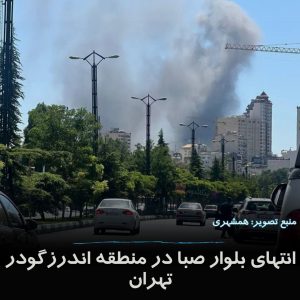
Saba Blvd in the Andarzgoo area
– Tehran
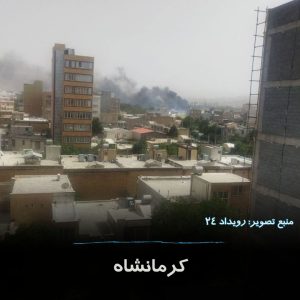
KermanshahNear IRIB (state broadcaster)

Esmail Fekri Executed on Charges of Espionage

HRANA News Agency – On Monday, June 16, the Judiciary’s media center announced the execution of Esmail Fekri, a prisoner convicted of spying for Israel.

According to the state-affiliated Mizan News Agency, the execution was carried out at dawn on June 16, 2025. The Judiciary’s media outlet claimed that “after identifying a spy network linked to Israel in December 2023, Esmail Fekri was arrested on charges of intelligence cooperation and espionage for Israel, under the charges of ‘enmity against God’ (Moharebeh) and ‘spreading corruption on earth’ (efsad fel-arz).” Following the issuance of an indictment, court sessions were held with the presence of the defendant and his lawyer. The court found him guilty and sentenced him to death. The sentence was later upheld by the Supreme Court after a review of the appeal. The execution was carried out following legal procedures.

Esmail Fekri, who had been sentenced to death on charges of “espionage,” was transferred to Ghezel Hesar Prison in Karaj in late February 2025.

In 2024, according to 812 reports compiled by HRANA, the Iranian regime executed 930 individuals in its prisons—marking the highest number of executions in the past 12 years. Despite the scale of these executions, prison officials and other relevant authorities publicly acknowledged only 6% of them, highlighting the regime’s lack of transparency and accountability.

Student Activist Motahareh Goonehi Arrested

HRANA News Agency – On Saturday, June 14, student activist Motahareh Goonehi (Gounei) was arrested by security forces in Tehran.

The arrest took place earlier today, but no information has been released regarding the reasons for her detention, the charges brought against her, or her place of custody.

Goonehi is a dental student and the former political secretary of the Islamic Association of Students at the University of Tehran and Tehran University of Medical Sciences. She has previously faced arrest and security-related pressures due to her activism. She was released from Evin Prison on March 16, 2025, after completing her prison sentence.

Dozens Killed and Injured: Report on the Second Day of Israeli Strikes on Iran

HRANA News Agency – Yesterday, June 14, military clashes between Iran and Israel continued for a second consecutive day. The conflict began early Friday morning with Israeli airstrikes on Iranian territory, which have so far targeted military, civilian, and residential areas across 18 provinces of Iran and were ongoing at the time of this report’s publication.

According to official and local sources, at least 93 people were killed or injured yesterday. As of 22:00 UTC on June 14, the total number of casualties in Iran over the past two days has reached at least 863.

Geographic Scope of the Strikes

Today, provinces including Lorestan, Kermanshah, East Azerbaijan, Alborz, Zanjan, Hamedan, Tehran, Bushehr, Qazvin, Fars, Khuzestan, Gilan, Hormozgan, Isfahan, and West Azerbaijan were hit by Israeli forces. On Friday, 12 provinces had already been targeted. A spokesperson for the Red Crescent Society announced the immediate formation of an emergency operations center following the Israeli strikes and stated that so far, 1,414 personnel across 362 rescue teams in 18 provinces have been involved in relief efforts.

F-35 fighter jets, ballistic missiles, air-launched cruise missiles, drones, and suicide micro-drones were among the main weapons reportedly used by Israel in these attacks. However, the country has not yet released further details about the types and quantities of weapons deployed.

Casualties and Human Losses

On the first day of the attacks, HRANA documented reports indicating at least 678 people were killed or injured. Among them, at least 35 were identified as women and children.

On Saturday, HRANA received new information regarding the human toll from yesterday, documenting the deaths of 8 military personnel and injuries to 83 civilians. Additionally, it was confirmed that one person died in Kermanshah Province, though their status as civilian or military has not yet been determined. Including this update, the total number of casualties from the first day of Israeli strikes on Iran rose to 770.

As of the time of this report, a total of 863 civilians or military personnel have been killed or wounded—215 killed and 648 injured. Among them, 51 military personnel were killed and 31 wounded. The classification of a significant portion of the 863 individuals as military or civilian remains under investigation.

The report continues with a detailed account of human losses on the second day of the attacks.

Casualties Without Verified Classification
ProvinceCityDateKilledInjuredNotesNeighborhoods and Locations
LorestanKhorramabadUnspecified (between June 13–14)110–Unspecified
Non-Military (Civilian) Casualties and Injuries
ProvinceCityDateKilledInjuredNotesNeighborhoods and Locations
TehranTehranUnspecified (between June 13–14)40–Unspecified
HamedanAsadabad CountyJune 1435Includes 7 aid workersMissile base/facilities
UnspecifiedUnspecifiedUnspecified (between June 13–14)71Includes two childrenUnspecified
LorestanUnspecifiedUnspecified (between June 13–14)20–Unspecified
West AzerbaijanUnspecifiedJune 1420Ambulance attackUnspecified
KermanshahKermanshahUnspecified (between June 13–14)10–Unspecified
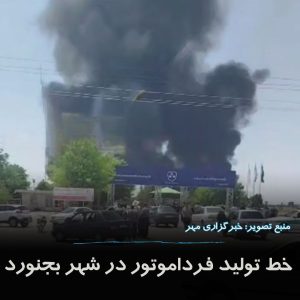
LorestanBorujerdJune 14UnspecifiedUnspecifiedWidespread human loss among workersFarda Motors Factory
Military Casualties and Injuries
ProvinceKilledInjuredDateKey Targeted Locations
Zanjan30June 14Various centers
Markazi30June 14Basij Resistance Zone, Zarandieh
Hamedan57June 14Missile base/facilities in Asadabad
Tehran20Unspecified (between June 13–14)Unspecified
Tehran10June 14FARAJA Logistics and Support Base
Unspecified4–Unspecified (between June 13–14)Unspecified
East Azerbaijan1220Unspecified (between June 13–14)Unspecified


The identities of some victims, as well as whether they were directly participating in hostilities (DPH), remain under investigation.

Additionally, Tasnim News Agency, which is close to Iran’s security institutions, published a video of a teacher holding pictures of eight of his students. Without specifying their identities, he claims the children were killed on Friday during Israeli military attacks. No further details regarding this claim have been released.


Prominent Individuals Killed

On Saturday, state media reported that three additional nuclear scientists—Ali Bakaei Karimi, Mansour Asgari, and Saeed Borji—were killed during Saturday’s Israeli attacks on Iranian territory. With these confirmed names, the death toll among scientific and nuclear professionals in these attacks has reached at least 10.

Additionally, the identities of Gholamreza Mehrabi, Deputy Intelligence Chief of the Armed Forces General Staff, and Brigadier General Khosro Hassani, Deputy Intelligence Chief of the IRGC Aerospace Force, were confirmed among the military personnel killed in Friday’s attacks.

Continued Israeli Attacks on Civilian Infrastructure

Israeli airstrikes across various parts of Iran have continued, targeting several civilian, industrial, and medical centers. In Tehran, one of Israel’s projectiles struck the outer section of Hakim Children’s Hospital. According to the deputy director of Tehran University of Medical Sciences, the strike resulted in no casualties.

In Ilam Province, the fire station in the city of Musian was hit, while in Borujerd, Lorestan Province, the “Farda Motors” automobile factory suffered a direct strike. According to the company’s public relations office, the attack led to a massive fire and severe financial and human losses, with reports indicating several factory personnel were killed.

In Qazvin Province, videos from the Alborz Industrial Park showed explosions and ambulance sirens following a missile strike. In Tabriz, areas near the city’s petrochemical plant were bombed.

Parts of the city of Ashtianan in Lorestan and areas in Kermanshah were also targeted. Witnesses reported successive explosions and thick smoke.

The Iranian Ministry of Petroleum reported that a fire at the “Fajr Jam” refinery in Bushehr Province—caused by an Israeli drone strike—has been contained. This facility processed gas from the South Pars field and the Nar and Kangan reserves. The attack marked the first Israeli strike on Iran’s oil and gas infrastructure in this conflict.

There were also numerous reports of military activities, including air defense operations, across various cities such as Tabriz, Malard, southern and central Tehran, the Pasteur neighborhood in Tehran, Chaldoran, the airspace over Ahvaz Steel Industries, Urmia, Bukan, Bandar Abbas, Naqadeh, Shahroud, Isfahan, Maragheh, Oramanat, Javanrud, Mashhad, Ravansar, Malard, and Fadayan-e-Islam in Shahr-e-Rey. Military installations reportedly involved included Tabriz’s Second Tactical Air Base, the Imam Ali base in Khorramabad, the IRGC missile booster component factory in Shamsabad (Tabriz), the Imam Hassan base in Mahidasht, the Isfahan nuclear site, and the Natanz nuclear site.

Communication Disruptions and Secondary Effects

Following the attacks, Iran’s Ministry of Communications imposed temporary internet restrictions citing “the country’s special conditions.” WhatsApp, unblocked earlier in January, was once again filtered, and access to Cloudflare-based services was disrupted. These measures significantly hampered independent media operations, emergency data transmission, and immediate access to information for the second consecutive day.

From the early hours of the Israeli strikes, prosecutors and security officials warned citizens against sharing images or information about the events.

Over the past two days, state media reported the arrest of several citizens for sharing footage of the attacks or for “welcoming the Israeli strikes” on Iran. Five individuals were detained in Yazd, 14 in Hormozgan, 16 in Isfahan, 21 in Semnan, one in Rumeshkan, and several in Dezful. Additionally, on Saturday, student activist Motahareh Gonei was arrested in Tehran by security forces for posting related content.

International Humanitarian Law (IHL) Analysis

In the context of the international armed conflict between Iran and Israel, protecting critical civilian infrastructure is an absolute obligation under IHL. Article 52 of Additional Protocol I to the Geneva Conventions states that civilian objects must not be targeted unless they are used for military purposes.

According to available reports, some strikes have affected residential areas, power grids, healthcare facilities, and educational centers. Absent evidence of military use, such attacks could constitute unlawful acts.

Beyond targeting, Article 54 of the same protocol prohibits the deliberate destruction of essential facilities crucial to civilian survival. Destroying infrastructure such as water supplies, electricity, and clinics can have long-term effects on civilian life and contravenes fundamental IHL principles.

Hours after the attacks began, the Human Rights Activists in Iran issued a detailed statement calling on all parties to the conflict to “uphold their binding obligations under international humanitarian law” and immediately implement the following actions:

. Precisely identify military targets and avoid striking civilians;

. Issue effective warnings to allow time for shelter or evacuation;

. Avoid attacks on densely populated areas and vital infrastructure;

. Weigh military advantage against potential civilian harm.

The statement, raising questions about the necessity of military objectives, adequacy of warnings, and extent of civilian infrastructure damage, emphasized that “compliance with IHL is not optional; it is a legal and moral duty,” and warned that “any deviation from these principles constitutes a serious breach of IHL.”

Accordingly, the group not only demanded an immediate halt to indiscriminate and disproportionate attacks but also pledged to “continue documenting incidents, analyzing damage patterns, and pursuing accountability” on a daily basis.

International Reactions to the Israeli Attacks on Iran: Global Consensus on the Need for Restraint

Israel’s extensive strikes on Iranian territory drew widespread responses from governments and international institutions. Most statements condemned the attacks or expressed deep concern over escalating tensions, emphasizing the need for restraint and a return to diplomacy.

Countries including the UK, Germany, Japan, Australia, Russia, Saudi Arabia, Oman, Lebanon, Iraq, Jordan, China, the United Nations, and the International Atomic Energy Agency either explicitly condemned the strikes or warned of their dangerous consequences. Despite political differences, these entities agreed on one point: preventing regional escalation and preserving international stability.

Emphasis on Compliance with Humanitarian Norms

Amid ongoing strikes and their impact on civilian areas—including damage to relief and medical infrastructure—concerns have grown about potential violations of IHL obligations by the warring parties. In this context, the imperative for all sides to adhere to the principles of distinction, proportionality, and precaution, and to ensure humanitarian access, has gained even greater urgency.

HRANA had previously provided a detailed report on the first day of Israeli military strikes on Iranian soil. It will continue to monitor developments closely and publish the latest field data and analysis.

Israeli drone strike on Hakim
Children’s Hospital, Tehran
Musian Fire Station –
Ilam Province
Farda Motors production
line in Bojnourd
Alborz Industrial Park,
Qazvin
Ashtarian Machinery Plant, LorestanKangan Port, Bushehr
Areas around Tabriz RefineryPhase 14 Refineries of South Pars
Gas Field
Tabriz

Subscribe to Our Newsletter

Now is definitely not the time to stop reading!

Unresolved Detention: Bijan Kazemi Still Held in Evin Prison

HRANA News Agency – Bijan Kazemi, a resident of Kuhdasht,  remains in limbo in Evin Prison more than four months after his arrest.

Kazemi has been in detention for over four months and remains in an uncertain state. A source informed HRANA that Kazemi has been denied visitation rights and access to his lawyer. No legal proceedings have taken place regarding his case thus far.

Bijan Kazemi was transferred to the Ministry of Intelligence’s detention facility, known as Ward 209 of Evin Prison, on January 22, 2025. He was initially arrested by Intelligence Ministry agents in Kuhdasht, Lorestan province, on January 19, 2025.

As of the time of this report, the reasons for his arrest and the charges against him remain unknown.

Kazemi has previously faced legal action due to his activism.

Businessman Saeed Mohammadi Doraki Held in Legal Limbo in Evin Prison

HRANA News Agency – Saeed Mohammadi Doraki, a 61-year-old businessman from Isfahan, remains in a state of legal limbo in Evin Prison more than a year after his arrest.

A source close to his family told HRANA: “Mr. Doraki has been held in Evin Prison for over a year without any clear judicial process. In protest of this indefinite detention, he is currently on a hunger strike.”

Doraki was arrested on April 21, 2024, upon arrival at Tehran’s Imam Khomeini International Airport after returning to Iran.

It is noteworthy that he had previously written a letter from prison claiming to offer solutions for improving Iran’s economic and social conditions. Some close to him believe these activities may have contributed to the continuation of his detention.

Saeed Mohammadi Doraki, a businessman originally from Isfahan, had been residing in Turkey prior to his arrest.

Retired Teacher Zina Fereydounian Sentenced to Prison

HRANA News Agency – Zina Fereydounian, a retired teacher from Qorveh, has been sentenced by the city’s Revolutionary Court to over 13 months of prison and an additional three years of suspended imprisonment in two separate cases.

According to HRANA, the news agency of Human Rights Activists in Iran, Fereydounian was sentenced to 10 months in prison for “propaganda against the regime.” In a separate case, she was sentenced to 91 days of discretionary imprisonment and an additional three years of suspended prison time. The court also imposed a travel ban on her.

Following the court’s refusal to allow her to serve her sentence under electronic monitoring outside prison, the 10-month sentence was referred to the sentence enforcement unit.

A source close to Faridounian’s family told HRANA: “In Qorveh, she supported vulnerable groups by covering wedding and living expenses. Her prison sentence stems solely from her criticism of social conditions.”

Three Prisoners Executed in Malayer, Arak, and Zanjan

HRANA- Over the course of Monday and Tuesday, three prisoners were executed in the prisons of Malayer, Arak, and Zanjan.

According to HRANA, at dawn on Monday, June 9, Mostafa Hajibabaei was executed in Malayer Prison, Hamedan Province, on a murder charge. He had previously been arrested and later sentenced to death by a criminal court for the alleged killing.

HRANA also reported another execution on Tuesday, June 10, in Zanjan Prison. The prisoner has been identified as Mirza Morad Rezaei, a resident of Kuhdasht. Based on information received by HRANA, he had been arrested on drug-related charges and later sentenced to death by the Revolutionary Court.

That same day, a prisoner named Ali Rezaei—a father to one daughter and a resident of Khondab—was executed in Arak Prison. He had been arrested approximately six years ago on a murder charge and sentenced to death by a criminal court.

As of the time of this report, none of these executions have been officially confirmed by prison authorities or responsible institutions.

In 2024, according to 812 reports compiled by HRANA, the Iranian regime executed 930 individuals in its prisons—marking the highest number of executions in the past 12 years. Despite the scale of these executions, prison officials and other relevant authorities publicly acknowledged only 6% of them, highlighting the regime’s lack of transparency and accountability.

Six Baha’i Women in Hamedan Sentenced to a Total of 38 Years and 11 Months in Prison

HRANA – six Baha’i women residing in Hamedan—have been collectively sentenced to 38 years and 11 months in prison by Branch 2 of the Hamedan Revolutionary Court.

According to HRANA, the news agency of Human Rights Activists in Iran, the sentences were recently issued and formally communicated to the defendants. The charges include “membership in the Baha’i community” and “teaching and promoting activities deemed contrary to Islamic principles.”

The details of the verdict for each individual are as follows:

  • Neda Mohebi was sentenced to five years in prison for teaching and promoting the Baha’i faith, and an additional two years and eight months for membership in the Baha’i community. Three years of her sentence have been suspended for five years.

  • Atefeh Zahedi, Farideh Ayoubi, Noora Ayoubi, Zarrindokht Ahadzadeh, and Zhaleh Rezaei were each sentenced to two years and eight months for Baha’i community membership, and three years and seven months for promoting activities against Islamic law. For Noora Ayoubi, Ahadzadeh, and Rezaei, two years of their prison sentences were suspended for five years.

All six were previously released on bail in December 2023 after being detained by security forces on November 7, 2023. They were held in The Ministry of Intelligence’s detention facility in Hamedan. Security forces also searched the homes of Zhaleh Rezaei and Farideh Ayoubi following their arrests.

Over the past decade, the Iranian Bahá’í community has been disproportionately targeted by Iran’s security forces and judiciary—more than any other minority group. In the past three years, an average of 72 percent of the reports on religious rights violations collected by HRANA have documented the Iranian regime’s repression of the Bahá’í community.