Three Prisoners Executed in Ghezel Hesar Prison

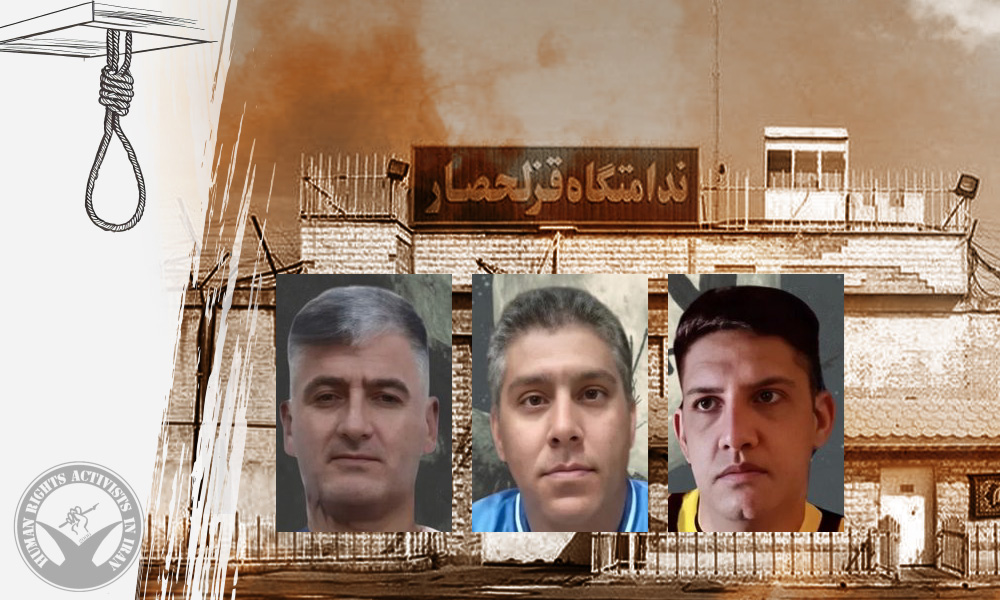
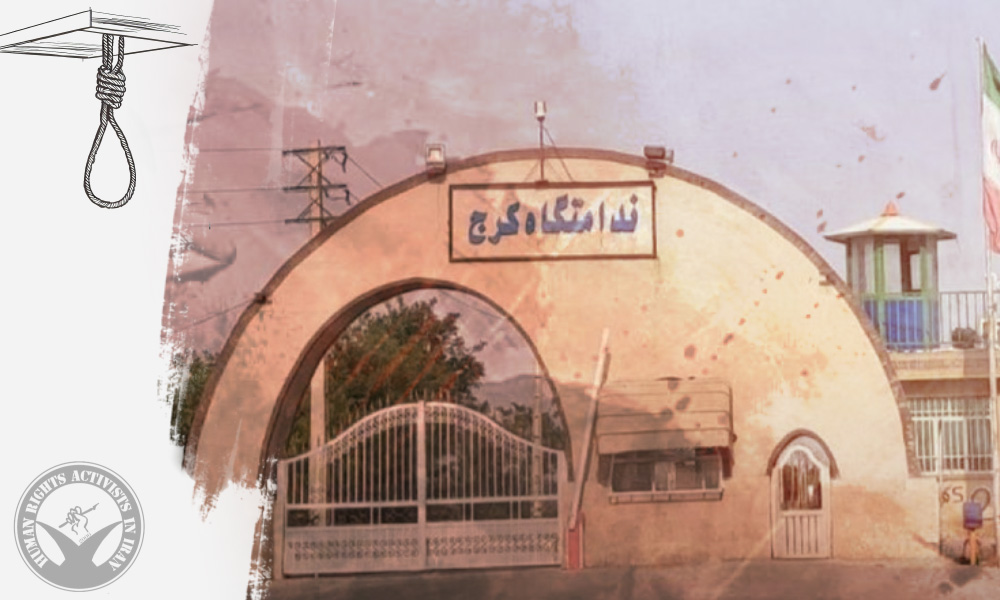
HRANA – At dawn today, Wednesday, June 11, the death sentences of three prisoners previously convicted of drug-related offenses were carried out in Ghezel Hesar Prison in Karaj.

HRANA has identified the individuals executed this morning as: Ardeshir Soltanabadi from Harsin, Masoud Naseri from Kermanshah, and Sajad Moradian from Nourabad.

According to information received by HRANA, the three had been arrested on drug-related charges and later sentenced to death by the Revolutionary Court.

As of the time of this report, prison officials and responsible authorities have not officially announced the executions.

According to HRANA’s statistics, Ghezel Hesar Prison in Karaj carried out the highest number of executions among all Iranian prisons, with 150 inmates hanged. This figure has nearly doubled compared to the previous year — a deeply alarming increase that underscores the escalating use of capital punishment in Iran.

Death Row Inmate Aydin Shari’atmadar Killed During Escape Attempt

HRANA – Aydin Shari’atmadar, a death row prisoner held for nearly two decades in Ghezel Hesar Prison in Karaj, was fatally shot by police on Saturday, June 7, during an attempted escape from Imam Ali Hospital.

According to the HRANA, Shari’atmadar had been transferred to the hospital due to internal bleeding. While hospitalized, he reportedly overpowered the accompanying officers with the help of armed individuals believed to be his relatives and attempted to flee. Police opened fire after issuing a warning, killing him at the scene.

News of Shari’atmadar’s death sparked protests among inmates at Ghezel Hesar. Dozens of prisoners reportedly chanted slogans such as “Freedom or death,” and for several hours, they prevented the prison yard gates from being closed.

The protest prompted a heightened security presence inside the facility. Unconfirmed reports also suggest limited clashes between inmates and prison guards, though no official statements have been released regarding the incident.

Death Sentences of 9 Prisoners Convicted of Moharebeh Carried Out

HRANA News Agency – The death sentences of 9 prisoners who had previously been convicted of moharebeh (enmity against God) through baghi (armed rebellion) and armed uprising were carried out.

According to Mizan, Judiciary’s media outlet, after court sessions were held in the presence of the defendants and their lawyers, the court sentenced these 9 individuals to death. Ultimately, after the Supreme Court upheld the verdict, the executions were carried out.

The case against these defendants, based on charges of moharebeh through baghi and armed uprising and possession of military-grade weapons, had been referred to the Tehran Public and Revolutionary Prosecutor’s Office via judicial delegation. After investigations were completed and an indictment was issued, the case was sent to court.

Regarding the details of the case, the report claims: “In February 2018, the commander of the IRGC Ground Forces announced the dismantling of a team affiliated with ISIS in western Iran. According to General Pakpour, ISIS had planned to carry out several terrorist operations in Iran’s border and central cities by sending its members into the country. In a military operation, several ISIS-linked individuals were killed and others were arrested. Three military personnel were also killed in the operation. A variety of military weapons, ammunition, machine guns, 50 grenades, several thermal cameras, pistols, and a large quantity of bullets and magazines were reportedly seized from the suspects.”

In 2024, according to 812 reports compiled by HRANA, the Iranian regime executed 930 individuals in its prisons—marking the highest number of executions in the past 12 years. Despite the scale of these executions, prison officials and other relevant authorities publicly acknowledged only 6% of them, highlighting the regime’s lack of transparency and accountability.

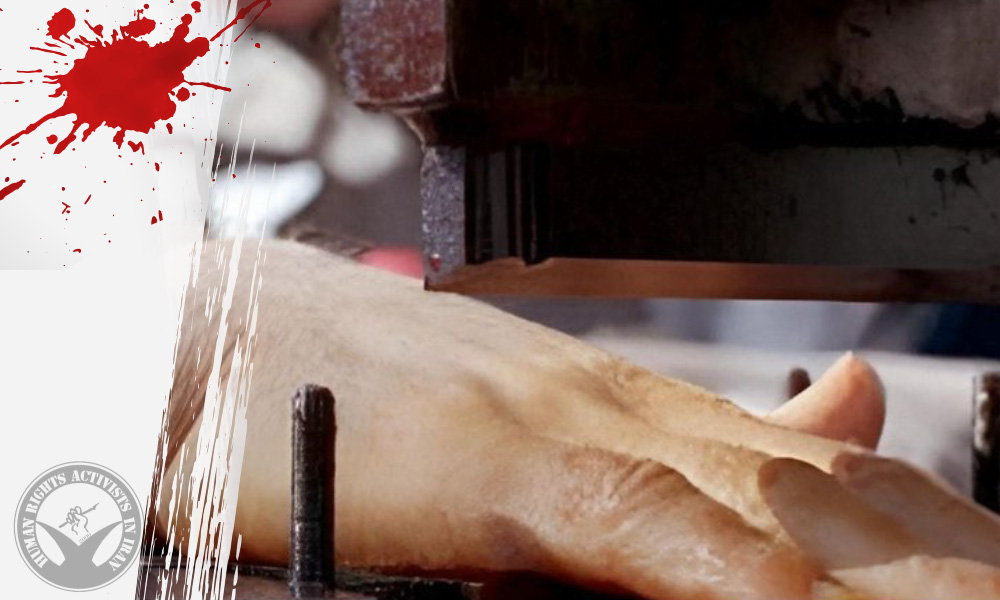
Amputation Sentences for Two Theft Defendants Carried Out in Dastgerd Prison, Isfahan

HRANA News Agency – The head of the Judiciary in Isfahan Province has confirmed that the amputation sentences for two individuals convicted of theft were carried out in Dastgerd Prison, Isfahan.

According to HRANA, citing ISNA, the punishments were enforced following the completion of all judicial procedures. The individuals were sentenced after their cases were reviewed by the prosecutor’s office, the preliminary court, and the provincial appeals court, with the verdicts ultimately upheld by the Supreme Court.

Asadollah Jafari, the head of the provincial judiciary, did not disclose the identities of the individuals but stated that they had been convicted of participating in both hudud (theft offenses defined under Islamic law) and ta’zir (discretionary punishments under civil law) thefts, as well as related offenses including property destruction and intentional bodily harm.

The implementation of amputation as a criminal punishment has been widely condemned by human rights organizations, as it violates the inherent principle of human dignity. The International Covenant on Civil and Political Rights explicitly prohibits cruel, inhuman, or degrading punishments.

Execution of Three Prisoners in Karaj Central Prison

At dawn on Monday, June 9, officials at Karaj Central Prison executed three death row prisoners by hanging.

HRANA has identified the three individuals as Hamzeh (Yaghoub) Yari, Karim Hemmati, and Saman Khorrami. All three had been sentenced to death on drug-related charges.

One day prior, HRANA had reported that at least three prisoners had been transferred to solitary confinement in the prison in preparation for their executions.

As of the time of this report, the executions have not been officially announced by prison authorities or relevant institutions.
In 2024, a total of 191 inmates were executed in Alborz province alone — equivalent to 7 executions per 100,000 people in this small province.

Subscribe to Our Newsletter

Now is definitely not the time to stop reading!

Ongoing Detention of 19 “Yamani” Followers in Mashhad’s Vakilabad Prison

HRANA News Agency – Nineteen individuals affiliated with the “Yamani” religious movement, remain in legal limbo in Vakilabad Prison in Mashhad, one week after their arrest.

These detainees are Amir Zorami, Amin Akbari, Reza Ghiasi, Amir Zohan, Seyed Yahya Tarrahomi, Hamed Nejad-Nik, Emad Eftetahi, Alireza Salim Kaviani, Ghasem Hatami, Seyed Ali Hosseini, Sajjad Rezvan, Mohammad Hossein Nazarnajhad, Mostafa Tavana, Mohammad Kazem Fathi, and five others.

Based on information received by HRANA, these individuals were arrested by IRGC forces while attending a religious gathering.

As of the time of this report, no information has been released regarding the charges brought against these citizens.

Every year in Iran, individuals are arrested merely for claiming a connection to the Shi’a messianic figure, the Hidden Imam. The “Yemeni” movement, led by Ahmad al-Hasan Yamani, operates based on messianic claims related to Mahdism.

Iran’s security apparatus—particularly the Ministry of Intelligence—maintains dedicated divisions tasked with confronting religions, spiritual groups, and ideological-religious communities that do not align with the state’s official ideology.

Prisoner Executed in Arak Prison for Drug-Related Offenses

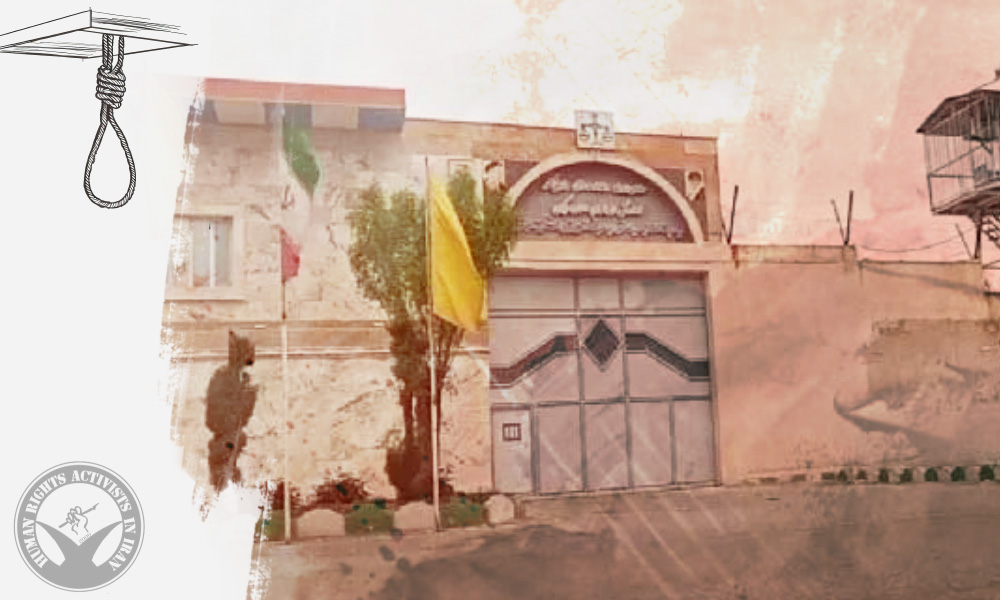
HRANA News Agency – The death sentence of a prisoner previously convicted of drug-related offenses was carried out at dawn yesterday, Sunday, June 8, in Arak Prison.

HRANA has identified the hanged prisoner as Davood Alinejad. According to information obtained by HRANA, Mr. Alinejad had previously been arrested on drug-related charges and was later sentenced to death by the Revolutionary Court.

As of the time of this report, the execution has not been officially announced by prison authorities or relevant institutions.

According to HRANA reports, in 2024, only 6% of executions were announced by official bodies or domestic media outlets. Over the past five years, 77% of executions have gone unreported—commonly referred to as secret executions. In some of these cases, the lack of transparency is so severe that the death-row prisoners are denied even the chance for a final visit with their families.

Drug-Related Offenses: Prisoner Executed in Tabriz Prison

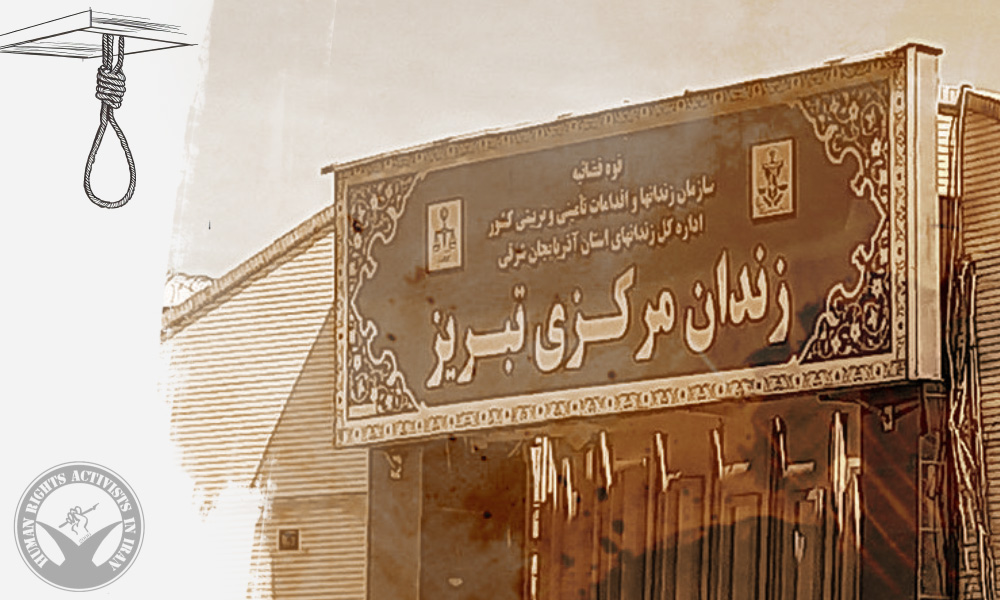
HRANA News Agency – At dawn on Tuesday, June 3, 2025, the death sentence of a prisoner previously convicted on drug-related charges was carried out in Tabriz Prison.

According to HRANA, citing Iran Human Rights, the execution took place at dawn on Tuesday, June 3, 2025.

ran Human Rights has identified the prisoner as Gholi Faramarzi, approximately 50 years old and a resident of Urmia.

According to the report, Mr. Faramarzi was arrested five years ago on charges related to drug offenses and later sentenced to death by a judicial authority.

As of the time of this report, prison officials and responsible institutions have not publicly announced the execution.

In 2024, according to 812 reports compiled by HRANA, the Iranian regime executed 930 individuals in its prisons—marking the highest number of executions in the past 12 years. Despite the scale of these executions, prison officials and other relevant authorities publicly acknowledged only 6% of them, highlighting the regime’s lack of transparency and accountability.

Baha’i Mother and Son Interrogated in Isfahan Following Intelligence Raid

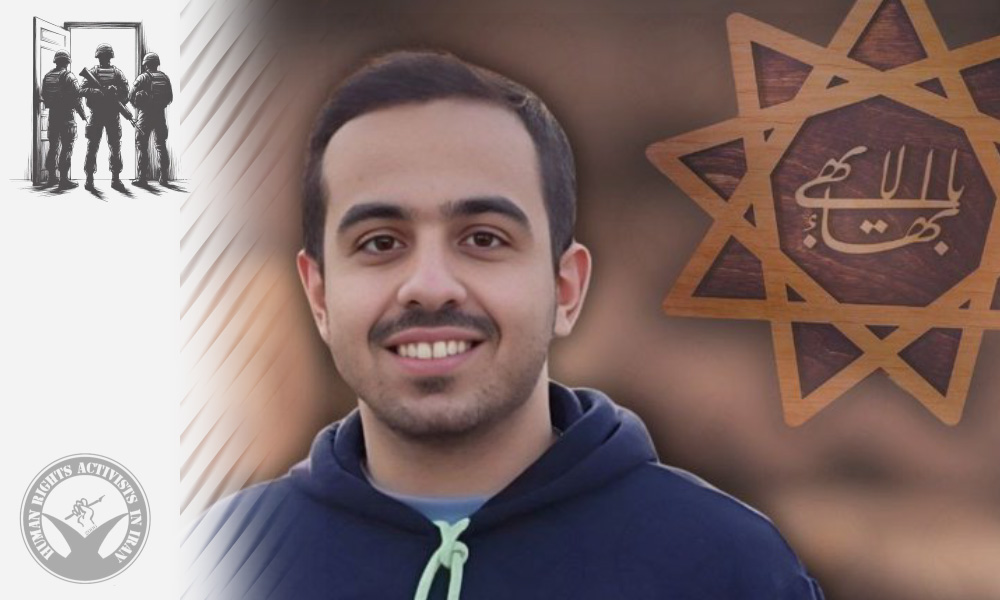
Arman Bahrami and his mother, Elham Siadat, two Baha’i citizens in Isfahan, were summoned and interrogated by the Ministry of Intelligence following a search of their home.

According to a source close to the family, the two appeared at the Ministry’s office in Isfahan on Tuesday, June 3, 2025, where they were interrogated for nine hours before being released. Their summons came days after agents searched their home on May 28, during which several personal belongings — including cash, gold, and electronic devices — were seized. The source noted that the search warrant did not authorize the confiscation of property, and that damage was done to household items during the raid.

“The agents explicitly said their aim was to harass,” the source told HRANA. “They mentioned they are trying to fabricate a case by locating a private complainant and threatened that if the matter is publicized, more serious charges would follow.”

At the time of this report, no information has been released about the interrogation details or potential charges.

Bahrami and Siadat have previously faced security-related pressures from Iranian authorities due to their religious beliefs.

Over the past decade, the Iranian Bahá’í community has been disproportionately targeted by Iran’s security forces and judiciary—more than any other minority group. In the past three years, an average of 72 percent of the reports on religious rights violations collected by HRANA have documented the Iranian regime’s repression of the Bahá’í community.

Prisoner Executed in Malayer Prison

HRANA News Agency – The death sentence of a prisoner who had previously been convicted of murder was carried out at dawn on Monday, June 2, in Malayer Prison, Hamedan Province.

Hamadan province. HRANA has identified the prisoner hanged at dawn on Monday, June 2, 2025, as Afshin Yari.

According to information received by HRANA, Mr. Yari had been arrested on murder charges and was later sentenced to death by a criminal court.

As of the time of this report, the execution has not been officially announced by prison authorities or responsible institutions.

In 2024, according to 812 reports compiled by HRANA, the Iranian regime executed 930 individuals in its prisons—marking the highest number of executions in the past 12 years. Despite the scale of these executions, prison officials and other relevant authorities publicly acknowledged only 6% of them, highlighting the regime’s lack of transparency and accountability.