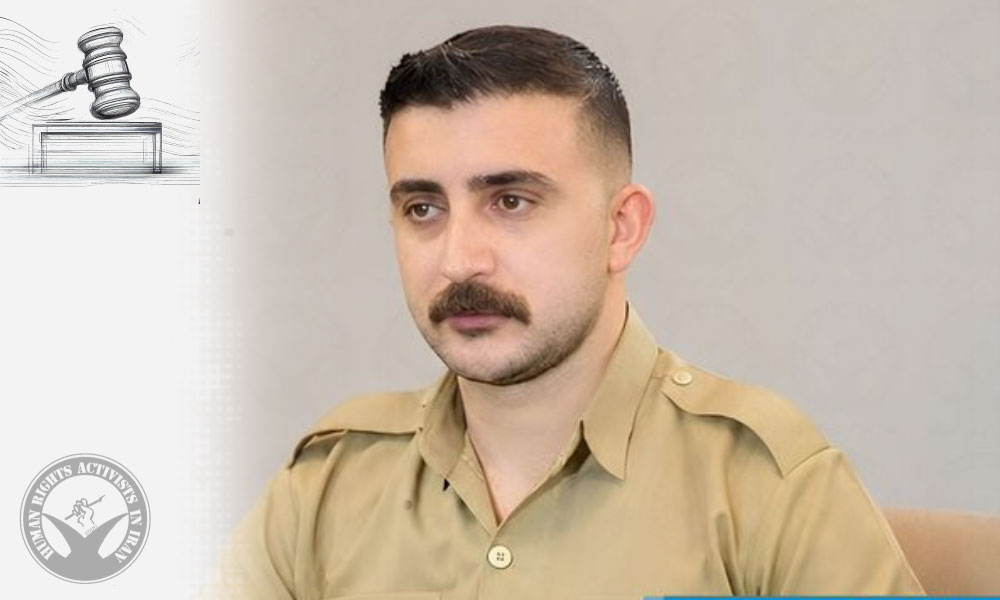
Ali Barati Sentenced to Prison by the Revolutionary Court of Bojnurd

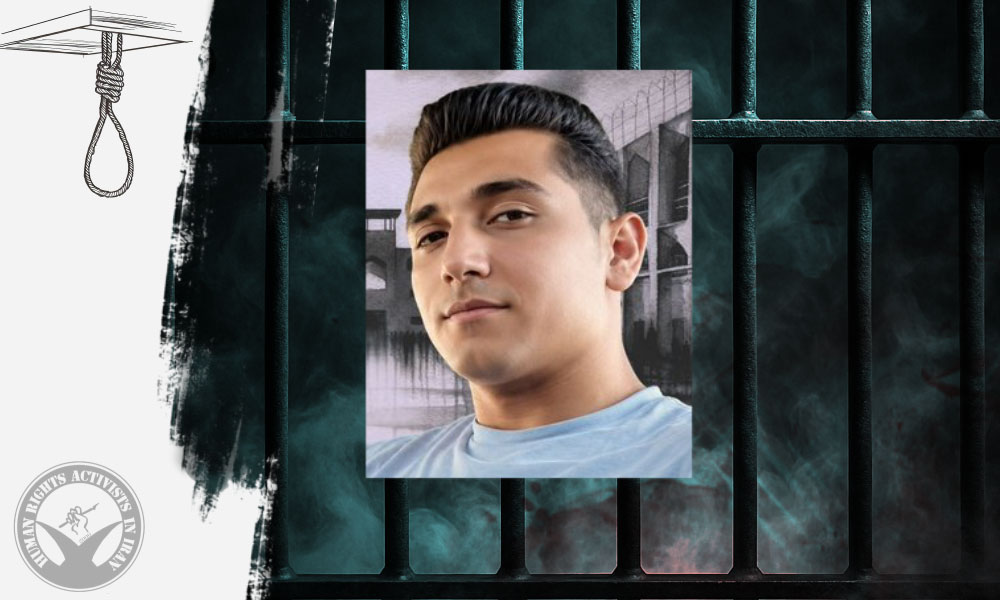
HRANA – Ali Barati, one of the individuals arrested during the January protests, has been sentenced to three years and eight months of discretionary imprisonment by the Revolutionary Court of Bojnurd.

According to a report by HRANA, citing Kurdpa, Ali Barati has been sentenced to prison.

Based on the report, in late June, a branch of the Revolutionary Court of Bojnurd, presided over by Judge Lajevardi, sentenced Mr. Barati to three years and eight months of discretionary imprisonment on the charge of “assembly and collusion against national security.” The verdict was issued despite the fact that he was denied access to legal counsel throughout the proceedings.

Ali Barati was arrested by security forces on January 9, 2026, in connection with the nationwide protests. He was temporarily released on bail on January 15, 2026, after posting bail set at 30 billion tomans.

During his detention, Mr. Barati was denied access to a lawyer, as well as the right to family visits and telephone contact with his family.

It should be noted that protests and strikes by shopkeepers and bazaar merchants began in Tehran on Sunday, December 28, 2025, and within two days spread beyond markets and commercial centers. With the participation of students, citizens, and various social groups, these protests became one of the largest protest movements of recent years. Following the crackdown by security and law enforcement forces, thousands were killed or injured, and tens of thousands were arrested or summoned by security agencies. For more information, readers may refer to HRANA’s comprehensive report titled “Crimson Winter,” documenting the first fifty days following the outbreak of Iran’s nationwide protests.

Isfahan: Abolfazl Sepahi and Amirhossein Safari Publicly Executed

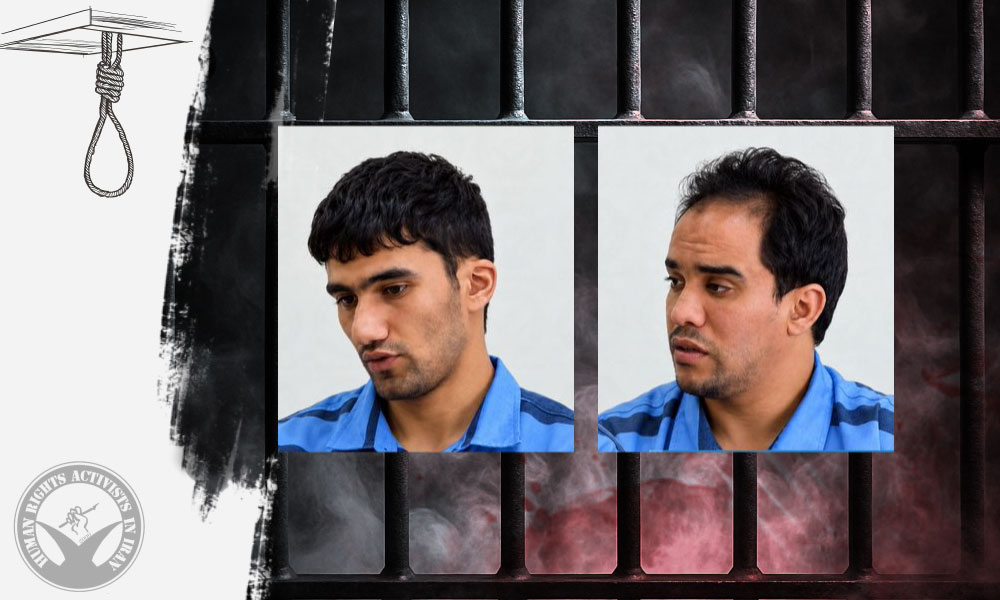
HRANA – Abolfazl Sepahi and Amirhossein Safari, two individuals arrested during the nationwide protests of January 2026, were publicly executed today, July 28, 2026, in Alikhani Square in Isfahan. They had been sentenced to death in the case known as the “Isfahan Alikhani Square” case. Erfan Esfandiari and Gol-Mohammad Mohammadi, two other defendants in the same case, were executed several days earlier.

According to HRANA, the death sentences of Abolfazl Sepahi Badjani and Amirhossein Safari Hosseinabadi, both arrested during the January 2026 protests in Isfahan, were carried out.

Based on information received by HRANA, the executions were carried out at dawn today, Tuesday, July 28, 2026, in Alikhani Square in Isfahan. A knowledgeable source confirmed the news to HRANA, stating:

“The bodies of those executed have not yet been returned to their families. Meanwhile, the families of the other defendants in this case are gathered outside Dastgerd Prison in Isfahan, expressing concern that the death sentences against their children and relatives may also be carried out.”

The Judiciary’s Media Center has claimed that during the protests on January 8, 2026, in Alikhani Square, Isfahan, four law enforcement officers were killed. It further alleged that a number of protesters attacked security forces using firearms, bladed weapons, and incendiary materials, while also damaging public property. The judiciary additionally claimed that, following the attack on law enforcement personnel, the defendants committed violent acts, including setting fire to the bodies of those who had been killed.

According to the Judiciary’s Media Center, Abolfazl Sepahi Badjani and Amirhossein Safari Hosseinabadi were sentenced to death on charges including “membership in rebel groups acting against national security, moharebeh (enmity against God), spreading corruption on earth, destruction and arson of public property,” along with other related charges. The judiciary further claimed that after the verdicts were issued, the case was reviewed by the Supreme Court, which upheld the sentences, and that the executions were carried out following the completion of legal procedures.

However, HRANA has not been able to independently verify the claims made by the Judiciary’s Media Center.

According to information received by HRANA, the judicial proceedings in this case were marked by significant restrictions, including the defense lawyer’s lack of effective access to the case file, court hearings conducted via videoconference, families being denied information about the contents of the verdicts, and the court’s failure to consider defense evidence. Given the well-documented record of the Islamic Republic’s security and judicial institutions in relying on forced confessions, torture, and other forms of ill-treatment in security-related cases, serious concerns remain regarding compliance with fair trial standards and the defendants’ rights.

HRANA had previously reported that the proceedings against Alireza Sepahi and Abolfazl Sepahi were also marred by procedural shortcomings, including ineffective access to the case file by defense counsel, the inability to obtain a copy of the court’s ruling, hearings conducted via videoconference, and the court’s disregard for defense evidence. According to a source close to the family, they also remain uninformed about the details of the charges, the evidence relied upon by the court, and the full contents of the verdicts.

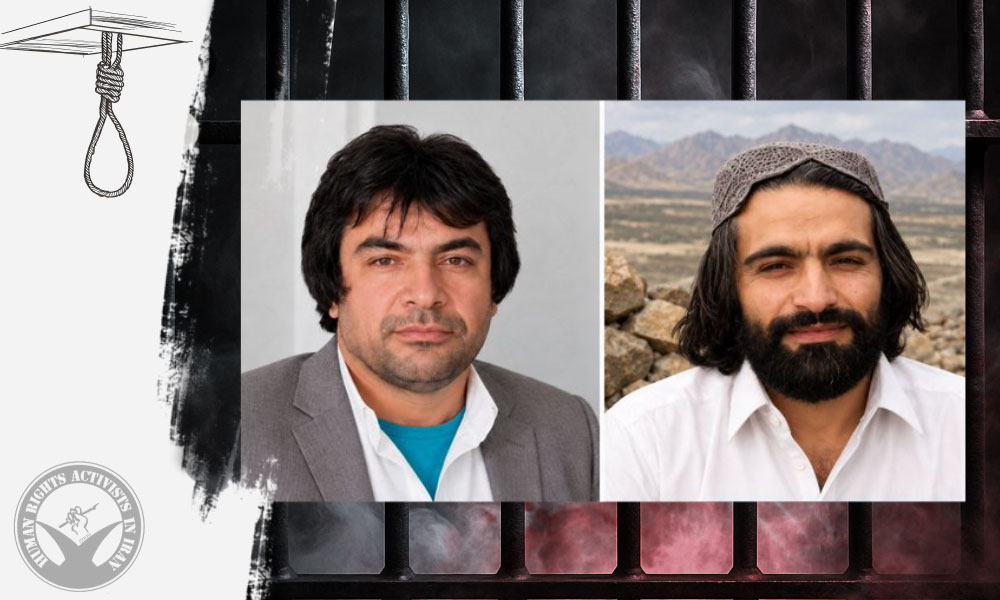
Erfan Esfandiari and Gol-Mohammad Mohammadi, two other individuals sentenced to death in the so-called “Isfahan Alikhani Square” case, were executed in Isfahan on July 19, 2026.

In the initial trial, 15 defendants were sentenced to death. According to information provided by the defense lawyer, the death sentence of one defendant was overturned by the higher judicial authority, while the death sentences of the remaining 14 defendants were upheld.

The identities of 12 of those sentenced to death have been identified as:
Alireza Sepahi, Abolfazl Sepahi, Erfan Esfandiari, Gol-Mohammad Mohammadi, Amirhossein Safari, Ghaem Hosseini, Shervin Bagherian, Amirhossein Maleki, Ali Dashti, Abolfazl Ebrahimi, Alireza Raisi, and Amirhossein Ebrahimi Analoucheh.

Ghezel Hesar Prisoners’ Strike Enters Its Fifteenth Day in Protest Against Death Sentences

HRANA – Yesterday, July 27, 2026, prisoners held in Ward 2 of Ghezel Hesar Prison in Karaj continued their hunger strike and sit-in protest for the fifteenth consecutive day in opposition to the implementation of death sentences.

According to HRANA, prisoners in Ward 2 have continued refusing their prison food rations while maintaining their sit-in protest.

Based on information received by HRANA, the prisoners continued their strike for the fifteenth straight day on Monday, July 27, 2026. By gathering in the ward’s main hall, staging a sit-in, and refusing to accept prison food rations, the protesting prisoners reiterated their opposition to the implementation of death sentences, particularly in cases related to drug offenses.

Yesterday, on the fourteenth day of the strike, approximately 140 prisoners serving sentences other than death were transferred from Ward 2 to Hall 3 of Ward 1 in Ghezel Hesar Prison. Prison authorities have reportedly decided that only death-row prisoners will remain in Ward 2. Over the past week, hundreds of prisoners have been transferred from Ward 2 to other sections of the prison. However, prison officials have yet to provide any explanation regarding the reason for or manner in which these transfers have been carried out.

In recent days, several reports and images from inside Ghezel Hesar Prison have also been published, documenting parts of the prisoners’ hunger strike and sit-in protest.

The strike began on Monday, July 13, 2026, after six prisoners sentenced to death in drug-related cases were transferred to solitary confinement. Since then, the protesting prisoners have refused to accept prison food rations and have continued their sit-in, demanding an end to executions. As part of the protest, some prisoners have also sewn their lips shut.

The renewed protests come despite commitments made last October, when, following a seven-day collective hunger strike by Ward 2 prisoners, representatives of the Head of the Judiciary, the Head of the Prisons Organization, and the director of Ghezel Hesar Prison met with the prisoners. During that meeting, they reportedly promised that executions would be suspended for at least six months and that there would be an opportunity to review the cases of those sentenced to death, while also pursuing amendments to the Anti-Narcotics Law. Following those assurances, the prisoners ended their strike but stressed that continuation of the agreement depended on the authorities fulfilling their commitments. The protesting prisoners now say that the resumption of executions and the current conditions amount to a disregard for those earlier promises and commitments.

The protests also continue as, on July 22, 2026, Hossein Zolfaghari, the President’s representative and Secretary-General of the Anti-Narcotics Headquarters, met with the Head of the Judiciary to discuss amendments to the Anti-Narcotics Law and existing legal shortcomings in this area. According to the published report of the meeting, the government’s proposed bill to amend the Anti-Narcotics Law and the need to review certain regulations concerning drug-related offenses were among the topics discussed. This is particularly significant given that a substantial number of the protesting prisoners in Ward 2 of Ghezel Hesar are on death row for drug-related offenses, and one of their principal demands is the suspension of executions until the law is revised.

Arash Mirzaei Sentenced to Three Years in Prison

HRANA – Arash Mirzaei, a resident of Bojnurd who was arrested during the January 2026 protests, has been sentenced to three years in prison by the Revolutionary Court of Bojnurd.

According to HRANA, Arash Mirzaei has been sentenced to imprisonment.

Based on information received by HRANA, the Revolutionary Court of Bojnurd sentenced Mr. Mirzaei to three years in prison on the charge of “assembly and collusion against national security.” The verdict was issued in absentia in June 2026.

A source close to Mr. Mirzaei’s family confirmed the news, stating: “Mr. Mirzaei had gone to the Bojnurd courthouse to follow up on another legal case when he learned that the Revolutionary Court had convicted him.”

Mr. Mirzaei was arrested by security forces on January 4, 2026, in connection with the nationwide protests. After spending six days in detention, he was released on bail.

Arash Mirzaei, 19, is a resident of Bojnurd County, North Khorasan province.

It should be noted that protests and strikes by shopkeepers and bazaar merchants began in Tehran on Sunday, December 28, 2025, and within two days spread beyond markets and commercial centers. With the participation of students, citizens, and various social groups, these protests became one of the largest protest movements of recent years. Following the crackdown by security and law enforcement forces, thousands were killed or injured, and tens of thousands were arrested or summoned by security agencies. For more information, readers may refer to HRANA’s comprehensive report titled “Crimson Winter,” documenting the first fifty days following the outbreak of Iran’s nationwide protests.

January 2026 Protests: Hadiseh Morvaridi Sentenced to Three Years in Prison

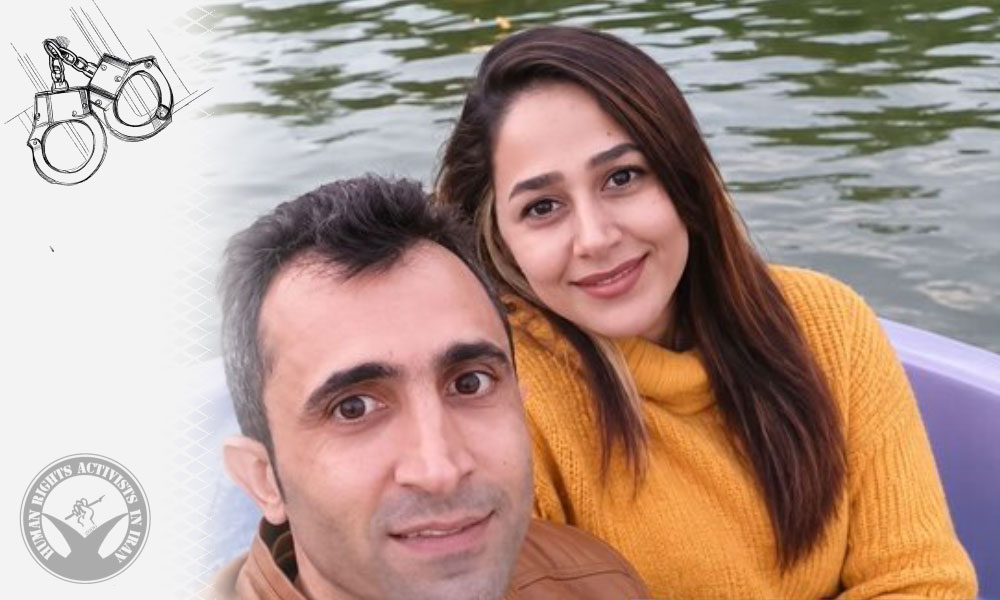
HRANA – Hadiseh Morvaridi, who was arrested during the nationwide protests in January 2026 and is currently imprisoned in Vakilabad Prison in Mashhad, has been sentenced to a total of three years in prison in two separate cases.

According to HRANA, Hadiseh Morvaridi has been sentenced to prison in two separate judicial cases.

Based on information received by HRANA, judicial authorities in Mashhad sentenced Ms. Morvaridi to two years in prison on the charge of “insulting the Supreme Leader” and one year in prison in a separate case on the charge of “propaganda against the regime.”

Hadiseh Morvaridi, 24, was arrested on January 8, 2026, in Fariman in connection with the nationwide protests of 2026.

HRANA is continuing to investigate further details, including the branch of the court that issued the sentences.

It should be noted that protests and strikes by shopkeepers and bazaar merchants began in Tehran on Sunday, December 28, 2025, and within two days spread beyond markets and commercial centers. With the participation of students, citizens, and various social groups, these protests became one of the largest protest movements of recent years. Following the crackdown by security and law enforcement forces, thousands were killed or injured, and tens of thousands were arrested or summoned by security agencies. For more information, readers may refer to HRANA’s comprehensive report titled “Crimson Winter,” documenting the first fifty days following the outbreak of Iran’s nationwide protests.

Subscribe to Our Newsletter

Now is definitely not the time to stop reading!

Saeed Lashani Arrested by Security Forces in Dorud

HRANA – Saeed Lashani, a resident of Dorud, was arrested today by Ministry of Intelligence agents, who reportedly used violence and beat him during the arrest.

According to HRANA, Saeed Lashani has been arrested in Dorud, Lorestan province.

A source close to Lashani’s family told HRANA that he was arrested on Saturday, July 25, 2026, by Ministry of Intelligence agents at his family home without the presentation of a judicial warrant. The agents also confiscated several of his electronic devices, including his mobile phone and laptop.

The source further stated: “Mr. Lashani was beaten by the agents both during his arrest and afterward while in detention. Due to injuries sustained from the assault, emergency medical personnel were called to provide him with treatment.”

As of the time of publication, no information has been obtained regarding his exact place of detention, the reasons for his arrest, or the charges brought against him.

Saeed Lashani is a resident of Dorud and the brother of former political prisoner Nasrollah Lashani.

Abolfazl Rahbar and Omid Rahbar Sentenced to a Combined 46 Years in Prison

HRANA – Abolfazl Rahbar and his cousin, Omid Rahbar, political prisoners held in Ghezel Hesar Prison in Karaj, have been sentenced by the Revolutionary Court to 20 and 26 years in prison, respectively.

According to HRANA, Abolfazl Rahbar and Omid Rahbar have been sentenced to a combined total of 46 years in prison.

The Revolutionary Court tried Abolfazl Rahbar and his cousin, Omid Rahbar, on charges of alleged membership in an opposition group. Under the court’s ruling, Abolfazl Rahbar was sentenced to 20 years in prison, while Omid Rahbar received a 26-year prison sentence. The verdict was communicated to them verbally.

The two political prisoners were transferred from Fashafouyeh Prison to Ghezel Hesar Prison in Karaj in late April 2026. They are currently being held in Suite 37 of Ghezel Hesar Prison.

Abolfazl Rahbar, 23, a building painter, and Omid Rahbar, 24, a laborer, were arrested by security forces in January 2026.

Political Prisoner Isa Chari Sentenced to Death

HRANA – Isa Chari, a political prisoner currently held in Ghezel Hesar Prison in Karaj, has been sentenced to death by Branch 23 of the Tehran Revolutionary Court.

According to HRANA, Isa Chari has been sentenced to death.

Based on information received by HRANA, the political prisoner was sentenced to death by Branch 23 of the Tehran Revolutionary Court, presided over by Judge Mohammad-Mehdi Shahmirzadi, on charges of alleged membership in the People’s Mojahedin Organization of Iran (MEK) and carrying out anti-security activities.

Isa Chari was arrested on December 7, 2025, by the IRGC intelligence forces. He is currently being held in Suite 35, Unit 3 of Ghezel Hesar Prison in Karaj.

Previously, the Public and Revolutionary Prosecutor of Qarchak County claimed that Isa Chari was among the “destabilizing elements affiliated with groups and organizations based outside the country” and had carried out “anti-security activities” in the county.

Isa Chari, 37, is a native of Aqqala and the father of two young children. Before his arrest, he worked at a poultry farm in Varamin to support his family.

Ali Sanaei’s 10-Year Prison Sentence Upheld on Appeal

HRANA – The 10-year prison sentence of Ali Sanaei, a student imprisoned in Greater Tehran Prison, has been upheld in full by the Tehran Province Court of Appeals.

According to a report by HRANA, citing United Students, Ali Sanaei’s conviction has been affirmed by the appellate court.

Based on the report, the Tehran Province Court of Appeals upheld Mr. Sanaei’s prison sentence without modification. In the initial trial, Branch 28 of the Revolutionary Court, presided over by Judge Mohammadreza Amouzad, sentenced him to 10 years in prison on charges of “insulting the Supreme Leader,” “assembly and collusion against domestic and foreign security,” “propaganda against the regime,” and “collaboration with Israel.”

The student was arrested by security forces in Malard County on March 4, 2025, and was subsequently transferred to Greater Tehran Prison.

Ali Sanaei is 22 years old and a computer science student.

After Death Sentence Overturned by Supreme Court, Karim Khojasteh Sentenced to Prison

HRANA – Following the overturning of Karim Khojasteh’s death sentence by the Supreme Court and the referral of his case to a parallel court, the political prisoner held in Lakan Prison in Rasht has been sentenced to 12 years and six months in prison.

According to HRANA, Karim Khojasteh has been sentenced to imprisonment.

After the Supreme Court overturned his death sentence and referred the case to a parallel branch for retrial, Khojasteh was sentenced to 12 years and six months in prison. The ruling was issued recently by Branch 1 of the Rasht Revolutionary Court.

In December 2025, the same court had sentenced him to death on the charge of baghi (armed rebellion against the regime) through alleged membership in an opposition group.

Karim Khojasteh was arrested by security forces at his workplace on March 13, 2025, and transferred to Lakan Prison in Rasht.

He had previously been arrested on July 20, 2024, due to his critical activities and was released on bail of 500 million tomans on November 29, 2024.

Karim Khojasteh is a resident of Khomam County, located in the northern province of Gilan.