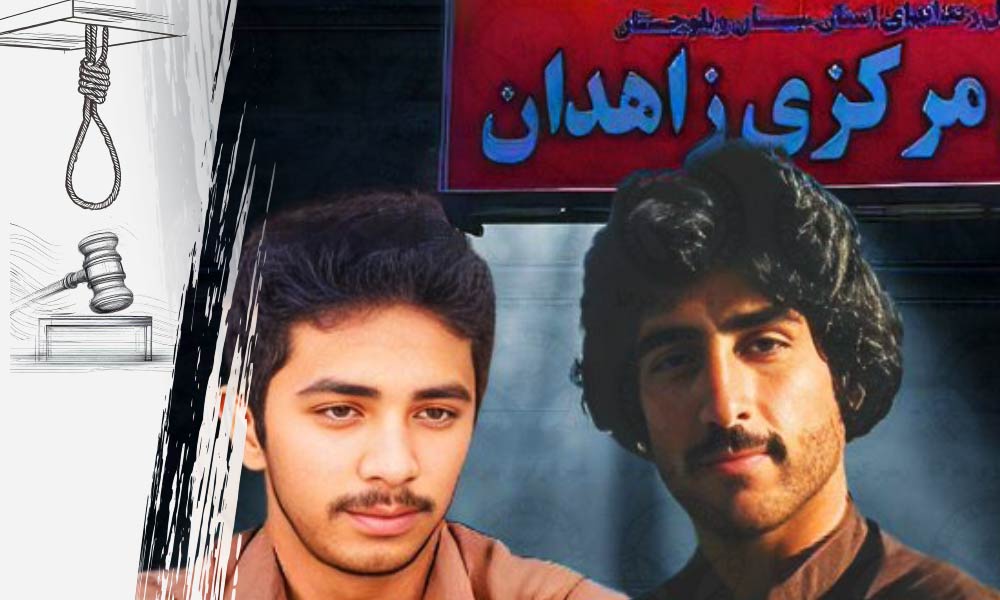
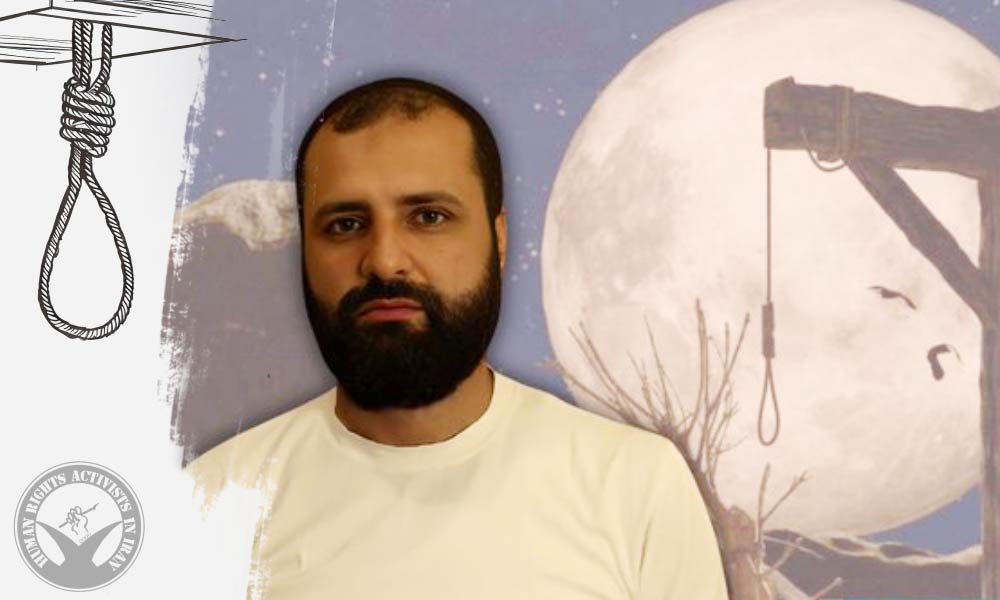
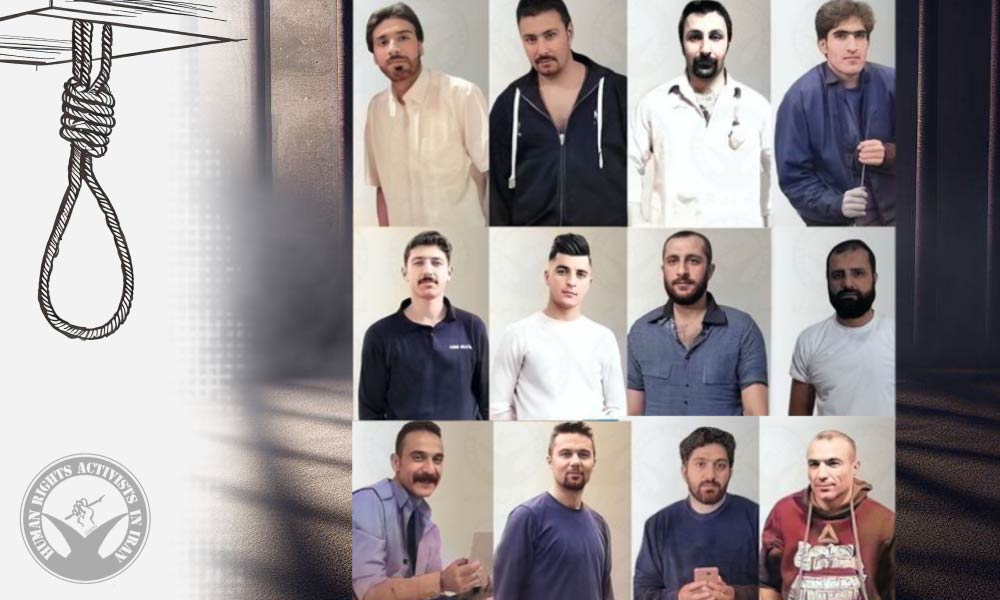
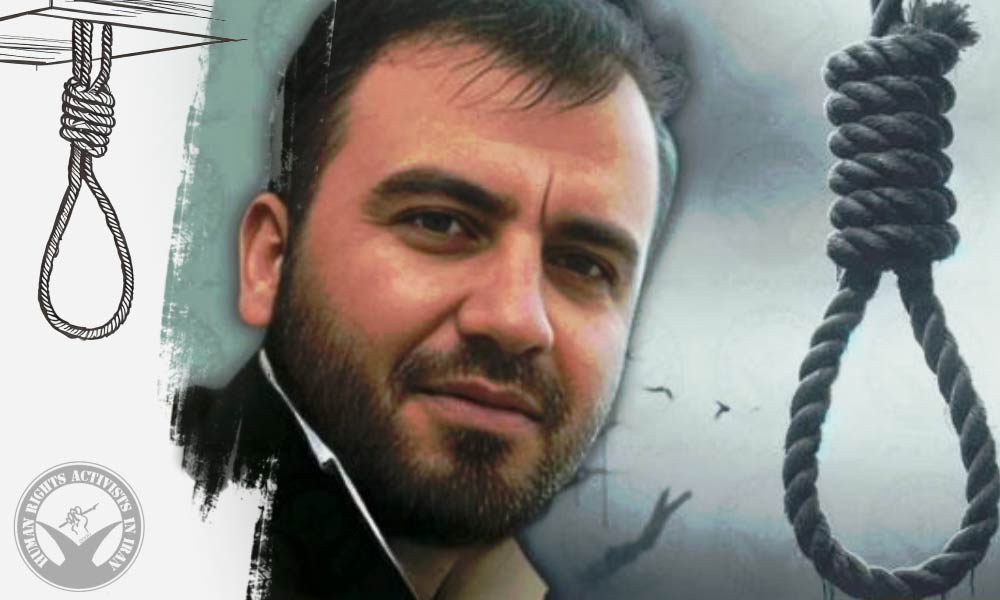
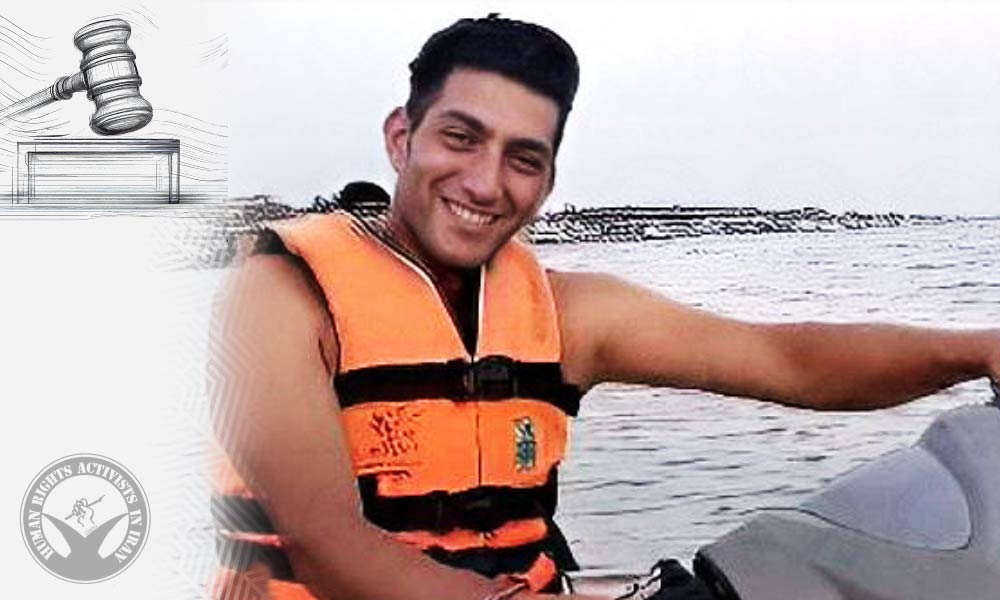
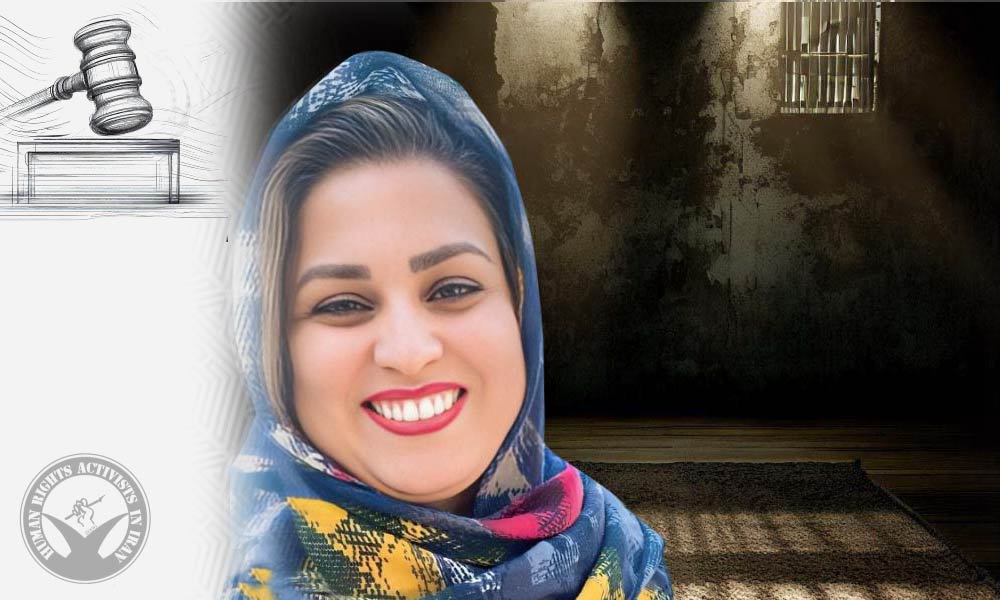
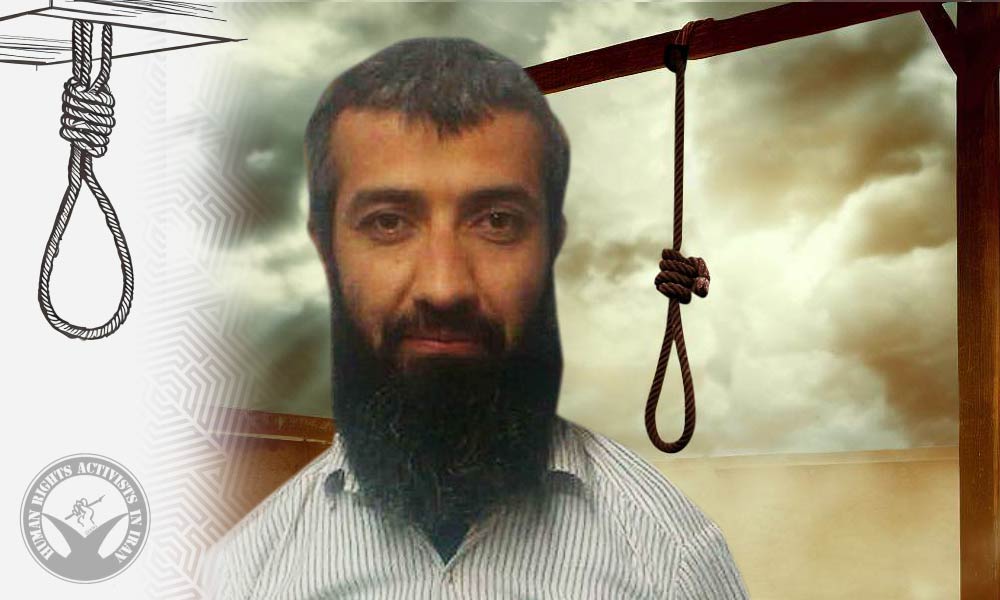
As of now, a minimum of twelve prisoners in Iran are on the verge of execution, convicted of security-political charges such as “enmity against God (moharebeh), spreading corruption on the Earth, and collaboration with adversary countries.”
HRANA has confirmed their imprisonment in various facilities, including Evin (Tehran), Ghezel Hesar (Karaj), Sheyban Prison (Ahvaz), Dizelabad (Kermanshah), and Zahedan Prisons.
The Tehran Revolutionary Court, specifically Branch 26 and 28 led by Judges Iman Afshari and Mohammad Moghiseh, respectively, is responsible for the majority of these verdicts.
Below is a detailed account of some of these individuals and their current legal status:
Mohsen Mazloum
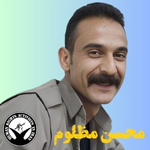
- Prison: Evin Prison, Ward 209
- Most Serious Charges: Due to the denial of access to case details for his lawyer, the precise charges leading to the verdict remain undisclosed. However, following the arrest, the Ministry of Intelligence accused him of collaborating with Israel, attempting to sabotage a military facility in Isfahan, and affiliating with the Komala Party (a Kurdistan organization associated with the Communist Party of Iran).
- Court: Branch 26 of the Tehran Revolutionary Court, Judge Iman Afshari
- Current Status: Death sentence confirmed in Branch 9 of the Supreme Court. Retrial request rejected.
Pezhman Fatehi
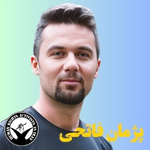
- Prison: Evin Prison, Ward 209
- Most Serious Charges: Due to the denial of access to case details for his lawyer, the precise charges leading to the verdict remain undisclosed. However, following the arrest, the Ministry of Intelligence accused him of collaborating with Israel, attempting to sabotage a military facility in Isfahan, and affiliating with the Komala Party (a Kurdistan organization associated with the Communist Party of Iran).
- Court: Branch 26 of the Tehran Revolutionary Court, Judge Iman Afshari
- Current Status: Death sentence confirmed in Branch 9 of the Supreme Court. Retrial request rejected.
Vafa Azarbar
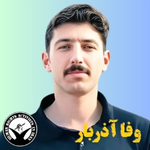
- Prison: Evin Prison, Ward 209
- Most Serious Charges: Due to the denial of access to case details for his lawyer, the precise charges leading to the verdict remain undisclosed. However, following the arrest, the Ministry of Intelligence accused him of collaborating with Israel, attempting to sabotage a military facility in Isfahan, and affiliating with the Komala Party (a Kurdistan organization associated with the Communist Party of Iran).
- Court: Branch 26 of the Tehran Revolutionary Court, Judge Iman Afshari
- Current Status: Death sentence confirmed in Branch 9 of the Supreme Court. Retrial request rejected.
Mohammad (Hazhir) Faramarzi
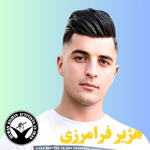
- Prison: Evin Prison, Ward 209
- Most Serious Charges: Due to the denial of access to case details for his lawyer, the precise charges leading to the verdict remain undisclosed. However, following the arrest, the Ministry of Intelligence accused him of collaborating with Israel, attempting to sabotage a military facility in Isfahan, and affiliating with the Komala Party (a Kurdistan organization associated with the Communist Party of Iran).
- Court: Branch 26 of the Tehran Revolutionary Court, Judge Iman Afshari
- Current Status: Death sentence confirmed in Branch 9 of the Supreme Court. Retrial request rejected.
Description:
On July 23, 2022, Mohsen Mazloum (28), Pezhman (Pejman) Fatehi (28), Vafa Azarbar (29), and Hazhir (Hajir) Faramarzi (29) were apprehended by Iran Police Intelligence (FARAJA) in Sumay-ye Beradust District, Urmia County.
Kamran Sheikheh
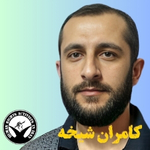
- Prison: Ghezel Hesar Prison, Karaj
- Most Serious Charges: Similar to Anvar Khezri
- Court: Branch 28 of the Tehran Revolutionary Court, Judge Mohammad Moghiseh
- Current Status: Death sentence confirmed by the Supreme Court.
Farhad Salimi
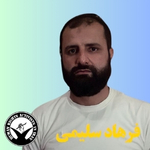
- Prison: Ghezel Hesar Prison, Karaj
- Most Serious Charges: Similar to Anvar Khezri
- Court: Branch 28 of the Tehran Revolutionary Court, Judge Mohammad Moghiseh
- Current Status: Death sentence confirmed by the Supreme Court.
Khosrow Besharat
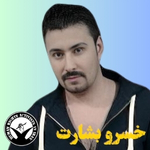
- Prison: Ghezel Hesar Prison, Karaj
- Most Serious Charges: Similar to Anvar Khezri
- Court: Branch 28 of the Tehran Revolutionary Court, Judge Mohammad Moghiseh
- Current Status: Death sentence confirmed by the Supreme Court.
Currently incarcerated in Ghezel Hesar Prison in Karaj, these four Sunni prisoners were part of a group arrested in January-February 2010, accused of aiding in the assassination of Abdolrahim Tina, the Imam of a mosque in Mahabad, which occurred in February 2010.
Description:
Originally sentenced to death by Branch 28 of the Tehran Revolutionary Court, presided over by Mohammad Moghiseh, the verdict was later overturned by the Supreme Court. Subsequently, the case was transferred to Branch 15 of the court, led by Judge Salavati, who reinstated the death sentences for Davoud Abdollahi, Anvar Khezri, Kamran Sheikheh, Farhad Salimi, Khosro Besharat, Ghasem Abasteh, and Ayoub Karimi. On this occasion, the Supreme Court confirmed the death sentences for them and their co-defendants. Among them, Abasteh, Karimi, and Abdollahi have been executed.
Reza Rasaei
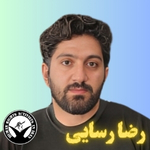
- Prison: Dizelabad, Kermanshah
- Most Serious Charges: Involvement in the killing of Nader Beyrami, head of IRGC Intelligence, during protests in Sahneh County, Kermanshah province.
- Court: Branch 1 of the Criminal Court of Kermanshah
- Current Status: Death sentence confirmed by the Supreme Court.
Description:
Rasaei, 34 years old and known as a Yarsan follower residing in Sahneh County, was arrested on November 24, 2022, by the police and subsequently detained in Sahneh County. After the completion of the interrogation process, he was transferred to Dizel-Abad prison in Kermanshah.
His arrest followed the murder of Nader Beyrami, the head of IRGC Intelligence, in Sahneh County during the 21st annual commemoration ceremony of the death of Seyeed Khalil Alinejad, a leader of the Yaresan community.
Farshid Hassan-Zahi
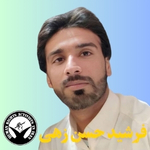
- Prison: Ward 9 of Zahedan Prison
- Most Serious Charges: Shooting at the police station vehicle, causing the death of a conscript and a first lieutenant.
- Court: Branch 1 of the Criminal Court of Zahedan
- Current Status: Death sentence issued, awaiting confirmation by the Supreme Court.
Description:
Arrested for shooting at a police vehicle, Hassan-Zahi, aged 26, currently awaits confirmation of his death sentence.
Mansour Dahmardeh
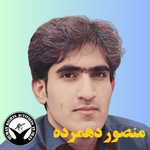
- Prison: Ward 9 of Zahedan Prison
- Most Serious Charges: Spreading Corruption on Earth
- Court: Branch 2 of the Criminal Court (Shahid Nouri) in Zahedan
- Current Status: Death sentence issued.
Description:
Dahmardeh, a 23-year-old citizen with disabilities, was apprehended during the 2022 nationwide protests in Zahedan and confined to the city’s prison. In January 2023, Branch 2 of the Criminal Court (Shahid Nouri) sentenced him to death on charges of “spreading corruption on earth.” Despite his poor health condition, he has been denied sufficient medical care in Zahedan Prison.
Abbas (Mojahed) Korkori
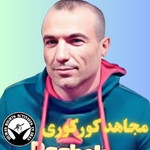
- Prison: Sheiban Prison, Ahvaz
- Most Serious Charges: Enmity against God (Moharebeh) through using a weapon, spreading corruption on earth, and forming a rebellion group.
- Current Status: Death sentence confirmed by the Supreme Court
Description
Mizan, the judiciary’s news agency, claims that Korkori is responsible for killing 10-year-old Kian Pirfalak during protests in Izeh. However, Pirfalak’s parents have repeatedly denied these accusations and claimed that their son was killed in a shooting by regime forces. Zeinab Molaei-Rad, Kian’s mother, said during his funeral, “On the way back home, the regime agents opened fire on our car.”
The due process involving these twelve death-row convicts reveals a troubling trend of violations against the rights of citizens and prisoners in Iran. Some prisoners, who have managed to communicate from within prison, claim they have endured torture and coerced confessions. In cases where communication was restricted, families have attested to confessions obtained under duress, highlighting the inhumane treatment by judicial and security officials and a blatant disregard for human rights.
Iran’s judicial-security institutions have a long history of constructing legal cases, leveling false accusations, and engaging in torture and mistreatment against political prisoners. These actions constitute a clear violation of the Universal Declaration of Human Rights and other internationally ratified conventions.
Article 10 of the Universal Declaration of Human Rights emphasizes that “Everyone is entitled in full equality to a fair and public hearing by an independent and impartial tribunal, in the determination of his rights and obligations and of any criminal charge against him.”
Furthermore, Article 5 of the declaration unequivocally states that “no one shall be subjected to torture or to cruel, inhuman, or degrading treatment or punishment.”