Sunni Prisoner Ghasem Abasteh Executed in Qezel Hesar, Karaj

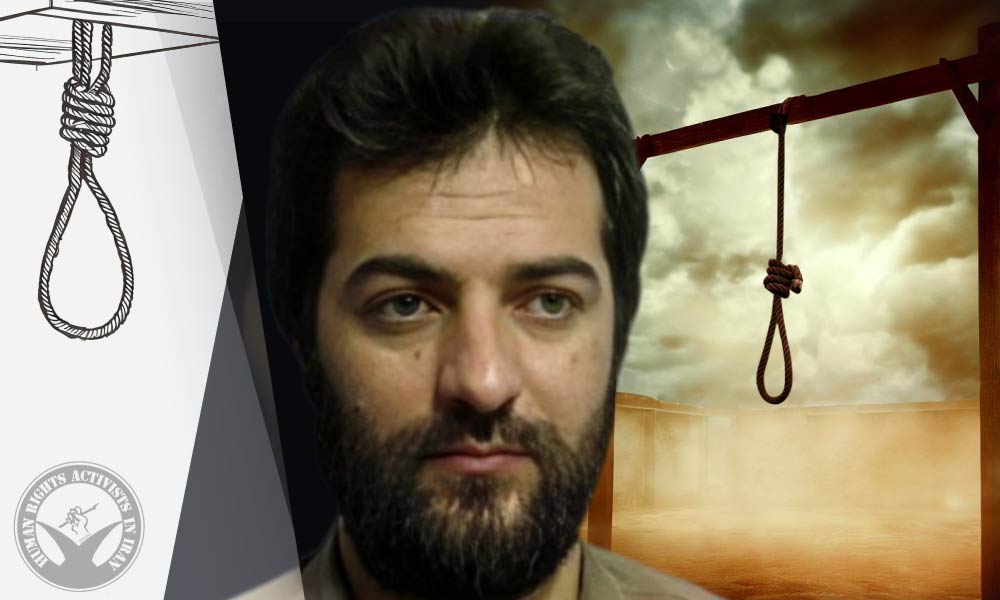
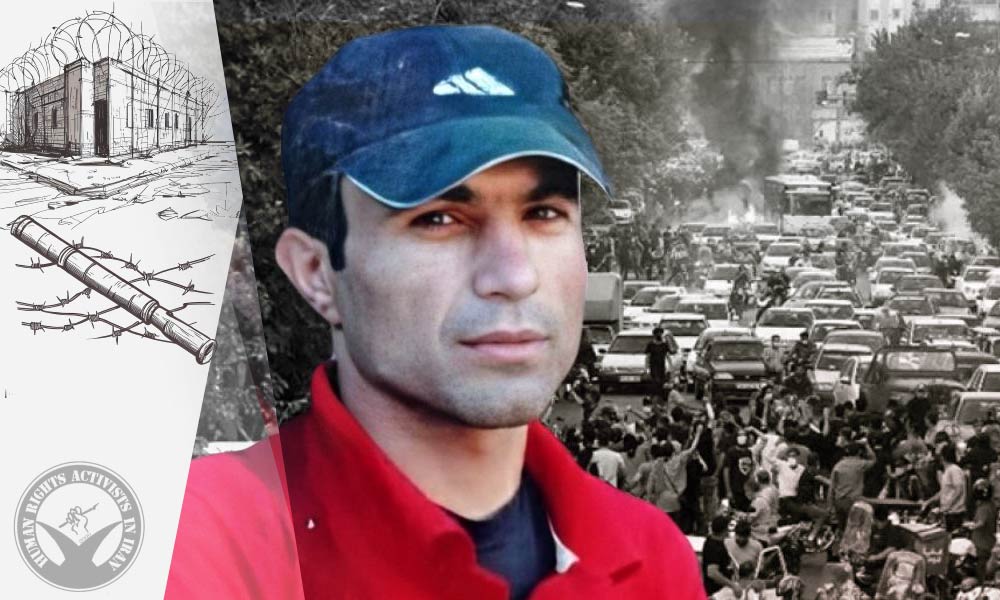
On November 5, 2023, Ghasem Abasteh, a Sunni prisoner who had spent 13 years and 9 months behind bars, was executed in Qezel Hesar, Karaj.

Abasteh’s ordeal through the legal system began in January-February 2010 when he was initially arrested. After enduring 14 months of uncertainty in Evin and Urmia Prisons, he found himself in Rajai Shahr Prison, located in Karaj. This year, in August, he was transferred to Qezel (Ghezel) Hesar Prison.

Throughout his ordeal, Abasteh faced multiple charges, including the serious accusation of “enmity against God” (Moharebeh) due to his alleged sympathies with Salafi Groups, a religious movement within Sunni Islam, which he consistently denied.

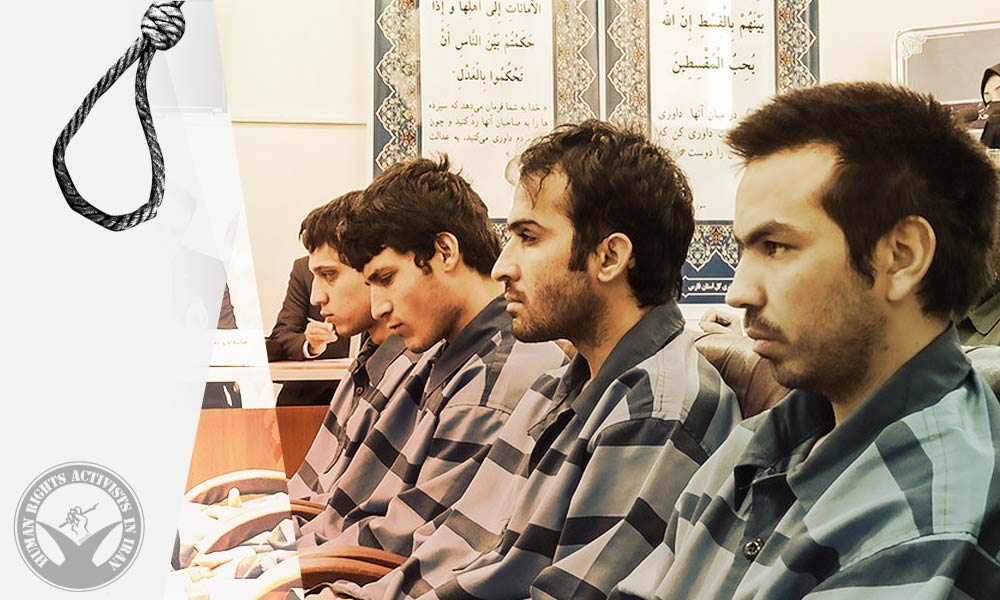
In February-March 2016, he and six other Sunni prisoners received a death sentence from Branch 28 of the Tehran Revolutionary Court. However, this verdict was later overturned by the Supreme Court, leading to the case being transferred to Branch 15 of the Tehran Revolutionary Court.

Judge Salavati, presiding over this court, handed down the death sentence to these six individuals again on June 17 and 18, 2019. This time, the Supreme Court upheld the death sentence for Ghasem Abasteh, along with Anvar Khezri, Kamran Sheikheh, Farhad Salimi, Khosro Besharat, Ayoub Karimi, and Davoud Abdollahi.

According to data compiled by the Center of Statistics of Human Rights Activists in Iran (HRA), between October 10, 2022, and October 8, 2023, a total of 659 individuals were executed by hanging in Iran, representing a 24% increase compared to the corresponding period in the previous year. Seven of these executions were conducted publicly. Concerningly, many of the defendants were denied access to a fair trial and due process. For details and statistics, read HRANA’s report.

Brutal Attack on Abbas Korkori in Prison Leads to Hospitalization

Abbas (Mojahed) Korkori, currently imprisoned at Sheyban Prison in Ahvaz, has been subjected to a violent assault by prison guards, resulting in his hospitalization. He is currently facing a death sentence.

A source closely connected to Korkori’s family has disclosed to HRANA that Korkori was brutally beaten by prison guards. He has been hospitalized since October 31, and visible bruises and wounds mar his face and body.

The same source has revealed that Korkori is being denied access to make a phone call.

Korkori, a resident of Izeh, has been sentenced to death by the Ahvaz Revolutionary Court on charges of  “enmity against God (Moharebeh)” and “spreading corruption on earth.” Korkori was also convicted of the destruction of private and public properties, forming and participating in anti-regime groups, and armed rebellion against the regime.

The Revolutionary Court claims that Korkori was found guilty based on evidence obtained by CCTV cameras and Criminal Justice expert reports, which testify that the bullets that led to the death of 10-year-old Kian Pirfalak during protests in Izeh, were shot from the gun discovered with the defendant. Additionally, weapons, bullets, and Molotov cocktails were discovered at the defendant’s hideout, and the Governor of Izeh reported damages caused by the defendant and his associates to public and government properties.

“This verdict is not final and can be appealed to the Supreme Court,” the report asserts.

However, Pirfalak’s parents have repeatedly denied these accusations and claimed that their son was killed in a shooting by regime forces. Zeinab Molaei-Rad, Kian’s mother, said during his funeral, “On the way back home, the regime agents opened fire on our car.”

“As Kian’s mother, I will refute any claims that any regular citizen can be the murderer of my son,” his mother said in reaction to the accusations against Abbas Korkori and several others.

During the protest in Izeh, on November 16, 2022, at least seven individuals, including Kiran Pirfalak, were killed in the shooting by regime forces.


Political Prisoner Nayeb Askari Initiates Hunger Strike in Protest of Death Sentence

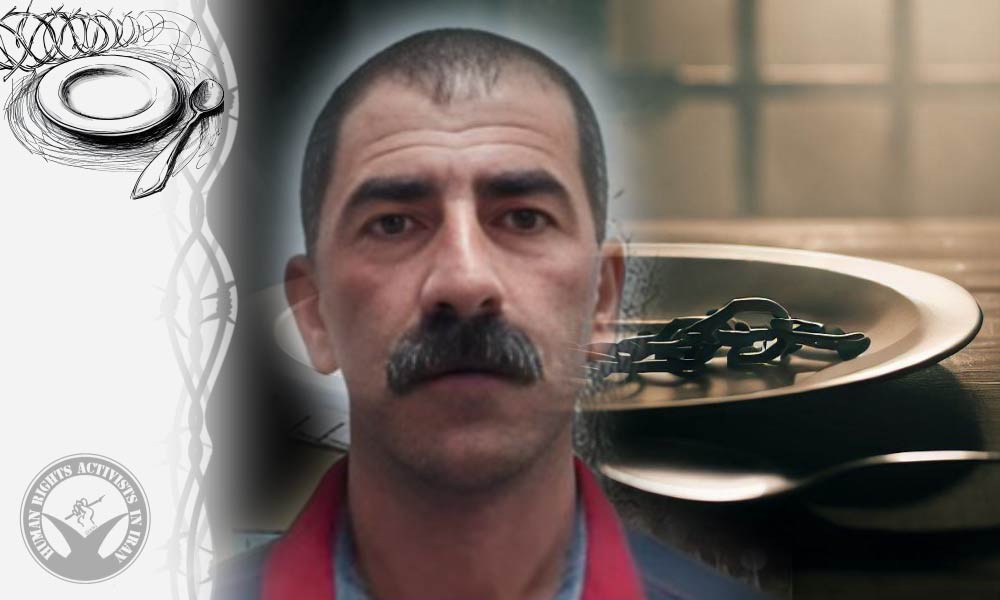
Nayeb (Naeb) Askari, a political prisoner currently held in Urmia Prison, commenced a hunger strike on September 28 to protest against his death sentence.

A source close to Askari’s family relayed the news of his hunger strike to HRANA on Thursday. Another source disclosed that Askari initiated his hunger strike upon being transferred to the quarantine section.

IRGC intelligence agents apprehended Askari on March 27, 2021, in Urmia, subsequently relocating him to a detention facility. On June 17, 2021, he was transferred to Urmia Prison, where he has remained in detention.

In April 2023, Nayeb Askari was sentenced to death by Branch 2 of the Urmia Revolutionary Court, charged with “enmity against God (Moharebeh).”

Sources closely connected to his family have reported Askari’s deteriorating health during his detention. In February/January 2022, he experienced a convulsion but was denied adequate medical attention. The prison infirmary was allegedly ill-equipped, resorting to the arbitrary prescription of non-specific medication in such cases.

Furthermore, on July 12, 2021, he faced a new case stemming from a complaint by the head of Urmia Prison. As a result, he received an additional three months of imprisonment and 50 lashes for the charge of “disrupting prison order.”

Nayeb Askari is a father of two children, underscoring the urgency of addressing his situation.

Two Defendants in the “Shah-Cheragh” Case Publicly Executed

On July 8, 2023, two individuals involved in the “Shah-Cheragh” legal case, namely Mohammad Ramez Rashidi and Seyed Naeem Hashemi Ghetali, were executed publicly on a street in Shiraz, as reported by Mizan, the judiciary’s news agency.

The Shiraz Revolutionary Court, presided by Judge Mahmood Sadati, sentenced them on March 18, 2023. Additionally, three other defendants in this case, namely Mohammad Rahmani, Mostafa Amani, and Hamid Allah Kabuli, were given prison sentences of 25, 15, and five years, respectively.

The charges against all five defendants included “enmity against God (moharebeh),” “spreading corruption,” and “Baghi (armed rebellion),” as indicted on December 8, 2022.

The terrorist attack took place on October 26, 2022, at the Shah Cheragh mosque in Shiraz, resulting in the tragic loss of at least 13 lives. In April 2022, Chief Justice Kazem Mousavi announced that “the main perpetrator was killed during the attack, and two out of the five defendants, in this case, have been sentenced to death and will be executed publicly in the near future.”

Sahand Nourmohammadzadeh’s Sentence Confirmed by Supreme Court

Shargh Newspaper reports that Sahand Nour-Mohammadzadeh’s lawyer, Hamed Ahmadi, has disclosed that the Supreme Court has upheld a six-year prison sentence and ten years of exile for his client. Nourmohammadzadeh’s initial death sentence was commuted to imprisonment following a retrial.

Ahmadi explains that the enforcement of ten years of exile will depend on the application of Article 134 of the Islamic Penal Code. Otherwise, Nourmohammadzadeh will serve the entirety of his prison sentence.

Nourmohammadzadeh has been exiled to Kahnuj, Kerman province, for charges of “enmity against God (Moharebeh).” Additionally, he has been sentenced to five years in prison for “assembly and collusion against national security” and one year in prison for “disturbing public order.” The Supreme Court overturned the initial death sentence and referred the case to Branch 26 for review.

Subscribe to Our Newsletter

Now is definitely not the time to stop reading!

Ardavan Fallahi’s Detention Extended in Evin Prison, Charges Modified

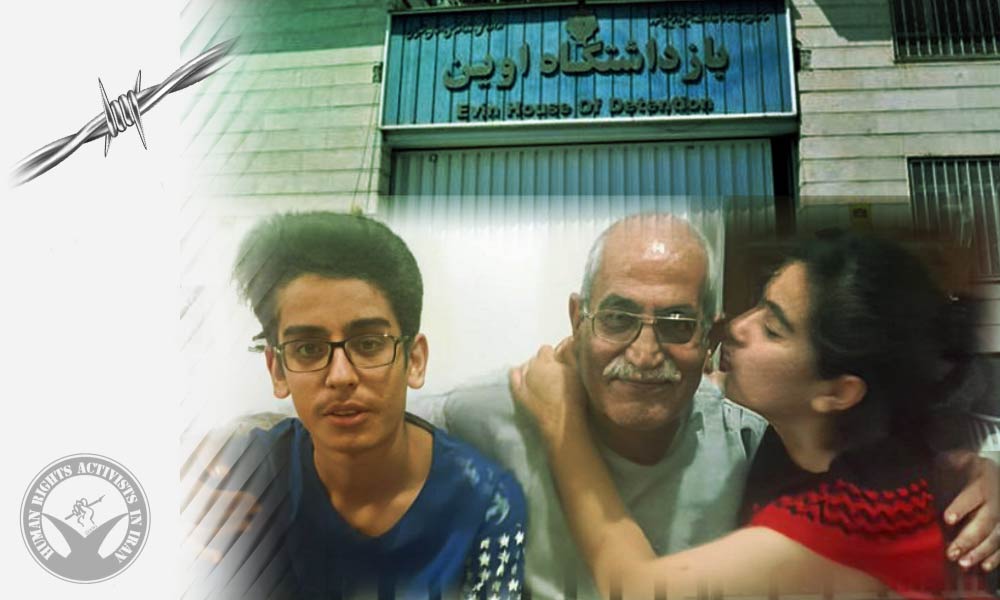
Ardavan Fallahi, who was apprehended during the nationwide protests in 2022, is currently held in Evin Prison alongside his father, Nasrollah, and sister, Arghavan.

In a recent update provided by their lawyer, Erfan Karam Veisi, it has been revealed that the Evin Courthouse has decided to extend their detention once again after six months since the arrest. Notably, the charge of “enmity against God (Moharebeh),” as initially stated in his detention extension notice, has been dropped by judicial officials. However, Fallahi still faces charges such as “spreading corruption on earth” and “assembly and collusion against national security,” which carry severe penalties if convicted.

Ardavan Fallahi, aged 24, was arrested in Isfahan on November 3, 2022, followed by the subsequent arrests of his 66-year-old father and 22-year-old sister in Shiraz the following day. On February 12, 2023, they were transferred to Evin Prison in Tehran.

Despite having attended two sessions, they have yet to be formally indicted.

Iranian Supreme Court Overturns Death Sentence of Protestor Javad Roohi

HRANA, Human Rights Activists News Agency – the Iranian Supreme Court has overturned the three execution sentences and other punishments previously imposed on Javad Roohi, who was arrested during nationwide protests in Nowshahr.

Roohi’s lawyer, Majid Kaveh, confirmed that Branch 9 of the Iranian Supreme Court responded to Roohi’s request for a retrial and annulled the verdict issued by the Sari Revolutionary Court. The case has now been referred to another court branch for further review.

Back in January 2023, Roohi was handed three death sentences on charges including “spreading corruption on earth,” “enmity against God (Moharebeh)” for burning the Quran, blasphemy, arson and destruction of property, as well as “insulting people to unrest and assembly and collusion against national security.”

One of the main accusations against Roohi was setting fire to a traffic police station using a Molotov cocktail in Nowshahr. The judge further alleged that he played a leading role in the “unrest” and considered his participation in street dancing during the protests as a criminal act. Roohi has vehemently denied all these accusations. Despite presenting a strong defense, the court dismissed Roohi’s arguments as “pointless” and sentenced him to death.

Background on the 2022 Nationwide Protests

The arrest of Mahsa Amini by Tehran Morality Police for her improper hejab and her suspicious death on September 16 sparked protests sweeping across Iran. Protesters came to the streets with the central slogan “Women, Life, Freedom” in protest against the performance, laws and structure of the regime. During the nationwide protests, thousands of people, including journalists, artists, lawyers, teachers, students and civil rights activists, were arrested.


Two Defendants Sentenced to Public Execution in Shah Cheragh Attack Case

Two defendants involved in the Shah Cheragh shrine attack have been sentenced to death publicly and are set to be executed soon, according to the Chief Justice of Fars Province.

According to HRANA, the news agency of Human Rights Activists, as reported by Fars News Agency, two defendants allegedly responsible for the Shah Cheragh mosque attack has been sentenced to death.

The terrorist attack took place on October 26, 2022, at the Shah Cheragh mosque in Shiraz, resulting in the death of at least 13 people. According to Chief Justice Kazem Mousavi, the primary perpetrator was killed during the attack and out of the five defendants in this case, two have received the death penalty and will be executed publicly in the near future.

Earlier, Mousavi stated that the Tehran and Shiraz revolutionary courts have charged the five defendants, all from a neighboring country, with various offenses, including “enmity against God (Moharebeh), spreading corruption on earth, and armed rebellion (Baghi).”

Mousavi also mentioned that in a separate legal case related to this attack, additional defendants will face trial in Fars Military Court for their alleged failure and negligence in providing security.

Update on Health Condition of Political Prisoner Hamzeh Savari in Rajai Shahr Prison

HRANA, Human Rights Activists News Agency- Hamzeh Savari Laftah, a political prisoner serving a life sentence in Karaj’s Rajai Shahr Prison, continues to face health challenges as he battles lung disease while being denied adequate medical care.

According to a reliable source interviewed by HRANA, SSavari has not received the necessary medical attention for his lung disease during his imprisonment.

The source added, “Last year, prison officials denied his request for temporary release to attend his mother’s funeral.”

Arrested at the age of 16 on September 2, 2005, Savari was initially sentenced to death by the Ahvaz Revolutionary Court on charges of “spreading corruption on earth, enmity against God (Moharebeh), and acting against national security.” However, the sentence was later commuted to life imprisonment.

Throughout his time in prison, Savari has been coping with various health issues, including knee lumps, lumbar disc problems, spinal issues, and varicocele.

Iran Protests: Supreme Court Upholds Death Sentences of Three Protesters

Branch 9 of the Iranian Supreme Court has confirmed the death sentences of three protestors who were arrested during the nationwide protests in 2022 in Isfahan. Saleh Mirhashemi, Majid Kazemi, and Saeed Yaghoubi were accused of enmity against God (Moharebeh) in a legal case known as “Khaneh e Isfahan (Isfahan House).”

According to HRANA, the news agency of Human Rights Activists, the Supreme Court of Iran upheld death sentences against three protests arrested during the nationwide protests of 2022.

Amir Kazemi, Majid Kazemi’s cousin, spoke to HRANA and shared details about the case: “Branch 9 of the Supreme Court, presided over by Judge Ghasem Mazinani, dismissed the appeal request and upheld the death sentences. The highest judicial authority in Iran upheld these verdicts without considering the errors and defects in this legal case.”

Kazemi added, “The death penalty for the three first-row defendants was upheld, despite judiciary officials’ promise to their families that they would be granted amnesty on Eid al-Fitr (Holiday of Breaking the Fast). Coerced confessions were the only evidence presented during the trial. There was no evidence proving the claim that warm weapons were discovered from the defendants.”

Earlier, in a phone call to his relative from prison, Majid Kazemi revealed that they were tortured and coerced into confessing.

Initially, Saleh Mirhashemi was sentenced to death for “Moharebeh through using a Colt gun,” “forming and running groups to act against national security,” and “assembly and collusion against national security.” He also received ten years for “membership and collaboration with Monafeghin.”

Majid Kazemi and Saeed Yaghoubi were sentenced to death for “Moharebeh through using warm weapons” and ten years in prison for “forming and running groups to act against national security” and “assembly and collusion against national security.”

The fourth-row defendant, Amir Nasr Azadani, was sentenced to 16 years for “assisting in enmity against God,” five years for “membership in illegal groups to act against national security,” and five years for “assembly and collusion against national security.”

The fifth-row defendant, Soheid Jahangiri, was sentenced to two years for “assembly and collusion against national security.” The sixth-row defendant, Jaber Mirhashemi, was acquitted of all charges.