HRANA – HRA’s Statistics Department has released its monthly report for October 2024, documenting persistent human rights abuses across Iran.
Executions: This month, 145 individuals were executed, including 137 men, 5 women, and 1 juvenile. Additionally, 11 new death sentences were issued. Many executions were related to drug offenses, directly contradicting the right to life under the ICCPR. Notable cases include 21-year-old Mehdi Brahui, executed on October 9, despite being a minor at the time of his alleged crime. On October 28, dual German-Iranian citizen Jamshid Sharmehed was executed for “corruption on earth,” a sentence that has strained EU-Iran relations.
Freedom of Thought and Expression: Iran continued to detain individuals for political and expressive activities. This month, 17 arrests and 5 trials were reported. Among them, six Azerbaijani activists were sentenced to a total of 53 years on charges of collusion, propaganda, and espionage. Women prisoners who protested an execution faced additional sentences. In a separate case, editor Mohammad Reza Saadi awaits sentencing after being charged with “propaganda” for criticizing Iran’s economy.
Prison Conditions: Prisoner mistreatment and neglect continue. There were 34 cases of medical neglect, and 10 detainees lacked communication access, leaving families uncertain of their fates. Mahmoud Dehmardeh, a death row inmate, died after delayed medical treatment, highlighting systemic medical neglect.
Women’s Rights: Women face continued repression. This month, two women were killed due to domestic violence, two were raped, and seven were detained for hijab violations. Cases include arrests over “immoral content” on Instagram, and a visually impaired woman was assaulted and murdered in Ardabil. In another case, a woman in Tehran suffered an acid attack following a dispute with a neighbor.
Labor Rights: Worker rights are precarious, with 68 work-related deaths and 126 injuries reported. Additionally, 737 workers reported unpaid wages, and recent protests led to arrests and harsh treatment of demonstrators. Two teenage fuel carriers were injured by a landmine, and two civilians were killed by military forces in Sarbisheh during indiscriminate shooting.
International Update: Iran featured in the UN’s recent report on reprisals, which noted threats, arrests, and surveillance of activists, especially those cooperating with the UN. The EU condemned the execution of Jamshid Sharmehed and called on Iran to halt executions and end detentions for political leverage.
Executions
This month in Iran, the execution of 145 individuals took place, comprising 137 men and 5 women, and 1 juvenile offender. A total of 11 individuals were sentenced to death. Iran persists in executing individuals for offenses falling short of the standards outlined in the International Covenant on Civil and Political Rights. Notably, there remains a consistent trend of individuals being executed for drug-related crimes, a practice in clear contravention of the right to life as stipulated by the ICCPR. This month, 57 people were executed for drug-related offenses.
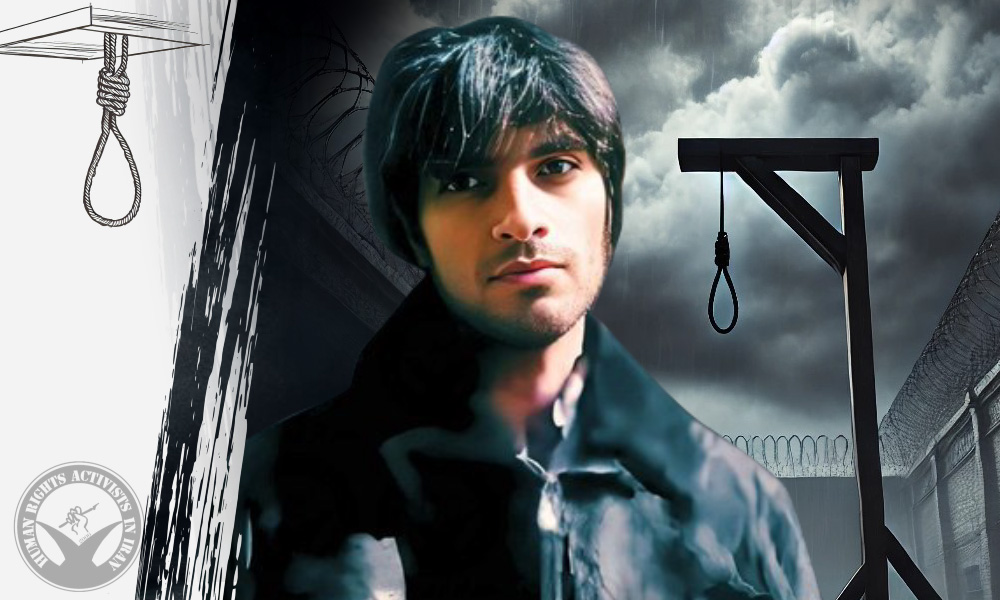
On October 9, 2024, Iranian authorities executed 21-year-old Mehdi Brahui in Zahedan Prison. Arrested at 17 for alleged involvement in a fatal group altercation in Khash, Brahui was convicted and sentenced to death by the Special Children’s Court of Sistan and Baluchistan Province. His execution, carried out despite international prohibitions against executing individuals for crimes committed as minors, has not been officially acknowledged by prison officials or relevant institutions.
Jamshid Sharmehed, a dual Iranian-German citizen, was executed on October 28, after being sentenced to death by the Tehran Revolutionary Court in March 2022 for “corruption on earth” and involvement in directing alleged terrorist acts. His sentence, upheld by the Supreme Court in May 2023, was executed, though the location was not disclosed. Sharmehed’s trial was held in Tehran’s Revolutionary Court, led by Judge Abolqasem Salavati. Iranian authorities previously identified Sharmehed as a leading figure in the “Thunder” group, which they accuse of anti-state activities. His daughter, Ghazaleh Sharmehed, reported restricted access to legal counsel and claimed he was held in solitary confinement under duress to sign documents. Sharmehed, who was born in 1955 and resided in the United States, had taken leadership of the Kingdom Assembly following the disappearance of its founder, though his connection to the group remains disputed.
In recent weeks, multiple executions have been carried out in Iran. Ten prisoners convicted of murder and drug-related charges were executed in Shiraz’s Adel Abad Prison, while two others faced the same fate in Tabriz and Jiroft prisons. Among those executed in Shiraz, Kazem Saadipour, Reza Namdari, and Hossein Heydari for drug-related offenses. Additional executions included Hadi Falah in Tabriz and Younes Akhtar Samar in Jiroft, both convicted of similar charges. Meanwhile, a prisoner in Bushehr was spared execution after the victim’s family consented to a reprieve, facilitated by efforts from local authorities and community leaders.

Freedom of Thought and Expression
Iran continues to crack down on anyone who protests or criticizes the regime, persistently violating the right to freedom of expression and thought. This month alone, 17 individuals have been arrested related to freedom of expression, 5 trials, and 6 people were arrested without any judicial order.

Six Azerbaijani (Turkish) activists—Kamal Nouri, Ayaz Seifkhah, Abdul Aziz Azimi Kadim, Baqer Hajizadeh, Hossein Piri, and Araz Aman—have been sentenced to a combined 53 years in prison by Tehran’s Revolutionary Court, specifically Branch 15, under Judge Abolqasem Salavati.
The sentences, issued on October 25, 2024, include:
- Hossein Piri: 5 years for assembly and collusion.
- Abdul Aziz Azimi Kadim: Charges of propaganda against the regime.
- Araz Aman, Ayaz Seifkhah, Baqer Hajizadeh: Each sentenced to 8 years for espionage and 5 years for assembly and collusion.
- Kamal Nouri: Sentenced to 3 years, with part of this term suspended.
Five female prisoners in Evin Prison—Varisheh Moradi, Paharhan Azizi, Mahbobeh Rezaei, Narges Mohammadi, and Paryosh Moslami—were collectively sentenced to 27 months and one day in prison in a recent joint case. The sentence was issued by Tehran’s Quds criminal court under Judge Abolfazl Ameri Shahrabi and delivered on October 28, 2024.
The verdict includes:
- Azizi, Rezaei, Mohammadi, and Moradi: Each sentenced to six months for conflict with agents and rebellion.
- Paryosh Moslami: Sentenced to three months and one day for the same charge; acquitted of disturbing prison order, as were the other defendants.
This case began on August 16 following protests by women prisoners after learning of Reza Rasaei’s execution. Following this protest, some prisoners faced additional restrictions, such as bans on phone calls and family visits. Only Moslami attended the court session, while the other defendants refused to appear.
Additionally, protestors of the 2022 nationwide protests continue to battle in court. Ayub Ghaibipour Hajior, detained during the 2022 nationwide protests in Iran, has had his 11-year prison sentence and exile to Kerman prison upheld by the Supreme Court. Originally sentenced by the Ahvaz Revolutionary Court for deliberate arson, destruction of public property, and propaganda against the regime—including allegedly burning a statue of Qasem Soleimani—his case was initially overturned and sent for re-examination but ultimately reaffirmed by the court.
Mr. Ghaibipour received 10 years for muharibeh (enmity against God) and an additional year for propaganda against the regime. He was arrested in November 2022 in Ahvaz, detained in Shiban prison, and later released on a substantial bail of three billion tomans. During his detention, he reportedly lacked adequate medical care.
Mohammad Reza Saadi, editor-in-chief of Jahan Sanat newspaper, was found guilty by Tehran’s Criminal Court of “propaganda against the Islamic Republic” after publishing an article critical of Iran’s economic instability amid tensions with Israel. The article, titled “Media Bombing of the Markets,” argued that economic weaknesses, such as a fragile stock market and currency devaluation, hinder Iran’s military capabilities. This led to charges of disrupting public psychological security and harming the economic atmosphere. While the court convicted Saadi, the jury recommended a lenient sentence, with the final decision pending.
Prison Conditions
In October, there were 34 cases of prisoners lacking medical care and there were 10 cases where no information about the person has been available after their arrest, leaving families in the dark about the prisoners’ fates due to a lack of contact. Furthermore, 24 prisoners have been transferred to solitary confinement, 9 prisoners have had no access to a lawyer, and 11 have gone on hunger strikes in protest of their conditions.
Javad Mohammadi Fard, a political prisoner in Urmia Prison, attempted suicide on October 2, reportedly due to untreated severe stomach issues and denial of medical leave. After his suicide attempt, prison authorities transferred him briefly to a psychiatric center before returning him to prison, where he remains in poor health. Despite suspicions of stomach cancer, he has been denied specialized medical treatment. Mohammadi Fard was arrested in July 2022, later sentenced to four years on security charges, with his appeal denied in February 2023.
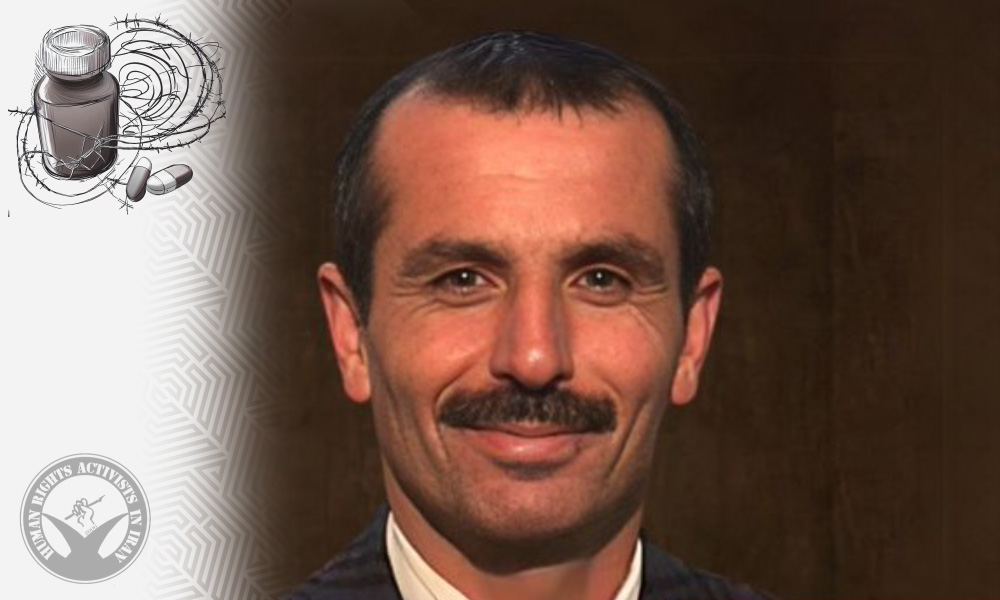
Mahmoud Dehmardeh, a 41-year-old death row inmate in Zabul Prison, died of a heart attack on October 30 after reportedly being denied necessary medical care. Despite long-standing health issues, including diabetes and shoulder pain, prison officials allegedly resisted requests to transfer him to an external hospital for proper treatment. After his collapse in prison, he was taken to Amir al-Momenin Hospital, but it was too late, and his family was informed of his death by phone. Dehmardeh was arrested in 2019 on murder charges and later sentenced to death. His case highlights ongoing reports of medical neglect for prisoners, despite regulations ensuring their right to medical care.
Parham Parori, a detainee from the 2022 nationwide protests in Iran, is currently serving his sentence in Iranshahr Prison, where he has reportedly been subjected to violence due to a lack of separation from general crime inmates. His mother, Sarveh Sozani, reported that he was recently beaten by other prisoners, resulting in a fractured eye, six stitches, and severe burns from scalding tea. Additionally, Matal Ahmadian, a 39-year-old political prisoner in Evin Prison, is in critical health, suffering from multiple conditions, including a duodenal ulcer, testicular infection, lumbar disc issues, and severe digestive problems. Despite medical recommendations for external treatment, Tehran’s prosecutor, Ali Salehi, has denied his transfer to a hospital, insisting on prison infirmary care. His health has deteriorated, causing severe heart palpitations and abdominal swelling.

Women
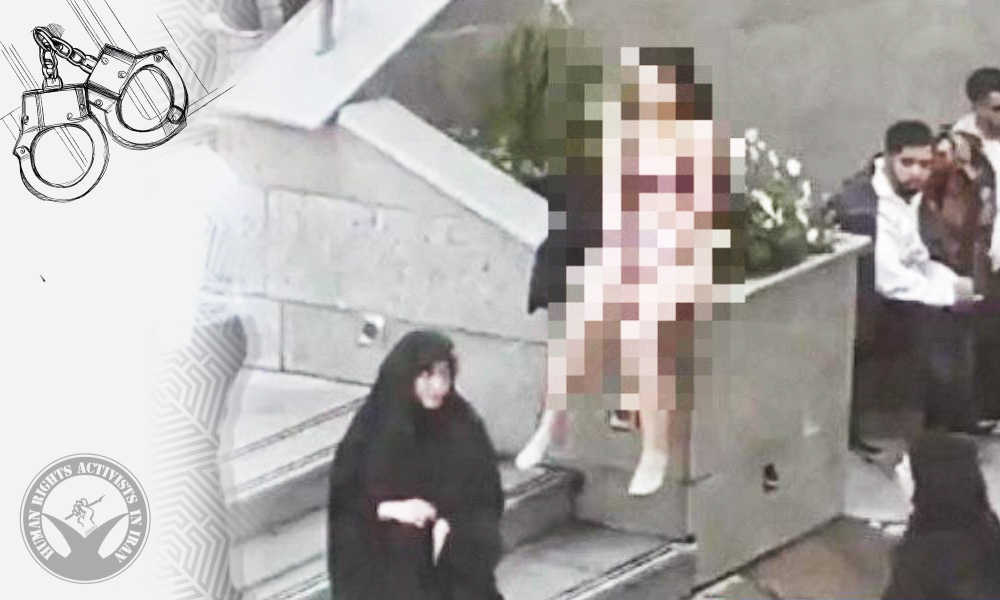
This month, 2 women were killed due to domestic violent, and 2 was raped and 7 cases of arresting women for hijab violation. Women continue to face harassment and arrests for not wearing hijab properly.
The head of FATA police in Bushehr announced the arrest of seven women and teenage girls for allegedly producing and sharing “immoral advertising content” on Instagram. According to Mehdi Ghasemi, these individuals, part of a group engaged in a form of group sport “imitating foreign examples,” created and posted what authorities deemed “vulgar content” on Bushehr’s beaches. Following coordination with judicial authorities, the police blocked their Instagram pages, seized digital devices, and referred the women to judicial authorities. The identities and locations of those arrested were not disclosed.
In mid-October 2024, a 39-year-old visually impaired woman named Soraya was sexually assaulted and murdered in Ardabil, Iran. The assailant, her neighbor, allegedly entered her home disguised in a woman’s chador, waited for her return, and then attacked her. He was arrested days later and confessed to the crime during interrogation.
In Tehran, a 50-year-old woman was attacked with acid by her neighbor, Roya, following a dispute. The victim reported that ongoing disagreements escalated when Roya splashed acid on her after a confrontation. Although she received hospital treatment for severe burns, the victim is now pursuing legal action. Despite legislation introduced in 2018 to increase penalties for acid attacks, acid remains easily accessible in Iran, and incidents persist due to inadequate preventive measures and law enforcement. Authorities have initiated an investigation under Judge Azim Sohrabi to fully assess the case.
The police commander of Pardis city reported the arrest of a man who used female models to advertise joint pain treatments on Instagram, presenting himself as an orthopedic doctor. The authorities have blocked his Instagram page and sealed his business location. Although details of the charges and the individual’s whereabouts were not disclosed, a court case has been filed against him.
Workers
Workers in Iran face ongoing challenges and hazardous workplaces. In a tragic turn of events, this month saw 68 fatalities resulting from work-related accidents, with an additional 126 workers left injured. Moreover, 737 workers reported unpaid wages. This month there were also 4 strikes and 91 worker gatherings.
During a protest by Arghwan Gostar petrochemical workers in front of the Chavar courthouse in Ilam, two workers attempted self-immolation to protest their employment situation and the arrest of their colleagues. Among them was the father of one of the detained workers. The protest, held on October 7, 2024, gathered dozens of workers demanding the release of arrested colleagues and a resolution to ongoing job security issues. Arghwan Gostar workers have faced severe financial difficulties over the past three months, leading to recent protests during which several workers were reportedly arrested and taken to undisclosed locations.
In mid October , four workers from Toos Asphalt Company, a contractor for Chadormeloi Mine in Yazd, were arrested during a protest rally. The workers were demonstrating against unmet demands, and authorities issued bail for their temporary release. Additionally, several other workers received summonses via text message to appear before judicial authorities for questioning. The identities and current locations of those detained have not been disclosed. In recent days, Toos Asphalt workers have held several protest gatherings, urging that their grievances be addressed.
This month, 5 kulbars were killed, and 5 Sukhtbar were also killed. Two teenage fuel tankers, Shahram Shahnawazi, 17, and Ali Shahnawazi, 16, were injured in Mirjaveh city after an anti-personnel mine explosion on November 7, 2024. Reportedly planted by the IRGC, the mine caused neck and hand injuries to the teens. When border guards arrived at the Mirjaveh border post, the teens were beaten, and their vehicle was set on fire.
Two citizens were killed in Sarbisheh city, South Khorasan province, following indiscriminate shooting by military forces. One of the victims, identified as Iraj Sarani Mokher, 34, a married father of two, lost his life along with another individual when military personnel fired at their cars without prior warning approximately 20 kilometers from Sarbisheh’s center. One victim died instantly, while the other succumbed to injuries after being taken to Sarbisheh Hospital.

International News Update:
The UN Secretary-General’s report on reprisals against individuals cooperating with the United Nations highlighted 32 countries where incidents have been documented, including Iran. These reprisals often involve threats, arbitrary arrests, torture, and intimidation, especially toward activists, journalists, and human rights defenders. Despite legal protections, restrictive laws and surveillance continue to hinder cooperation with the UN. The report also addresses self-censorship due to fear of reprisal, noting an increase in anonymous cases to protect individuals. The UN remains committed to supporting safe engagement for civil society, with initiatives like the Agenda for Protection, which emphasizes safeguarding human rights defenders and vulnerable groups.
The European Union strongly condemned Iran’s execution of German-Iranian national Jamshid Sharmahd, offering condolences to his family and expressing solidarity with Germany. The EU criticized Sharmahd’s abduction and imprisonment without a fair trial, reaffirming its opposition to capital punishment. It also urged Iran to end detentions of foreign and dual nationals for political leverage and emphasized that these actions violate international law. The EU warned that this execution damages EU-Iran relations and is considering significant, targeted measures in response.
In a recent UK Parliament debate, MPs reaffirmed a commitment to imposing targeted sanctions on Iran focused on addressing human rights violations. The measures aim to deter Iran’s ongoing repression, including its treatment of women, religious minorities, and protestors. The government emphasized expanding sanctions to restrict key resources, enabling it to respond to Iran’s suppression of civil freedoms. These sanctions reflect the UK’s broader strategy of upholding human rights and opposing Iran’s internal abuses, while also working with international partners to enhance enforcement and support for those affected.
 Download Full Pdf: Monthly Report October