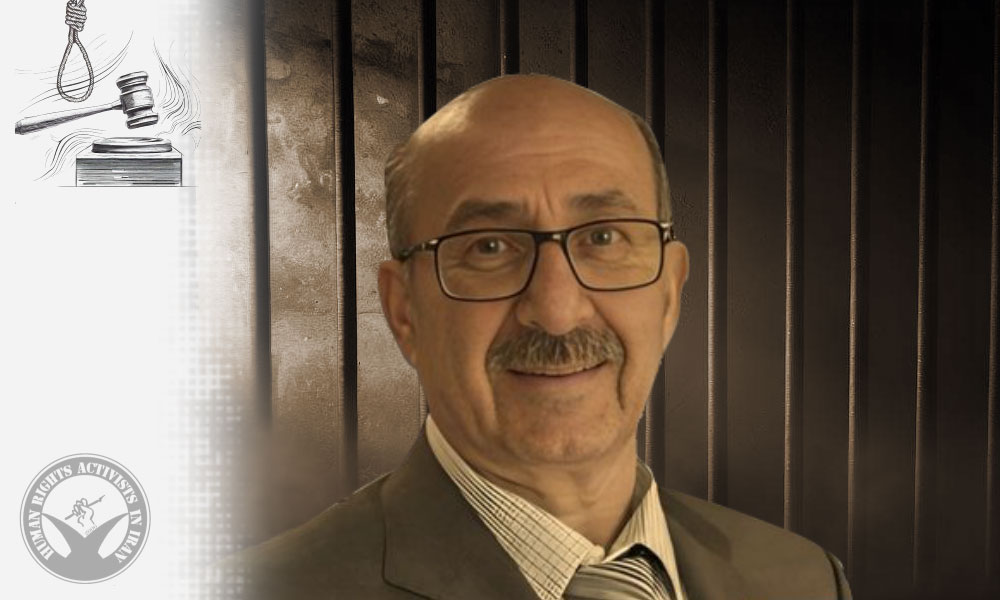
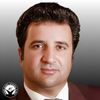
 | 1. Mohammad Najafi, Civil Rights Activist
Charges: Sending a voice message from Arak Prison and expressing support for the 2022 nationwide protests; spreading falsehoods; propaganda against the regime; insulting the Supreme Leader.
Conviction: At least six separate cases totaling more than 24 years in prison.
Place of imprisonment: Evin Prison. | |
 | 2. Sharifeh Mohammadi, labor activist Charges: Propaganda against the regime; acting against national security; baghi (armed rebellion) through membership in one of the opposition groups.
Conviction: Following an order by the head of the judiciary, her sentence was reduced by one degree and changed to 30 years in prison.
Place of imprisonment: Lakan Prison in Rasht. | |
 | 3. Fatemeh Sepehri, civil activist Charges: Cooperation with hostile governments; assembly and collusion; insulting the Supreme Leader; propaganda against the regime; spreading falsehoods and disturbing public opinion.
Conviction: In five separate cases, a total of 41 years and 9 months in prison plus a monetary fine.
Place of imprisonment: Vakilabad Prison in Mashhad. | |
 | 4. Golrokh Iraee, civil activist Charges: Assembly and collusion against national security; propaganda against the regime; disrupting public order.
Conviction: Five years in prison and social deprivations.
Place of imprisonment: Evin Prison. | |
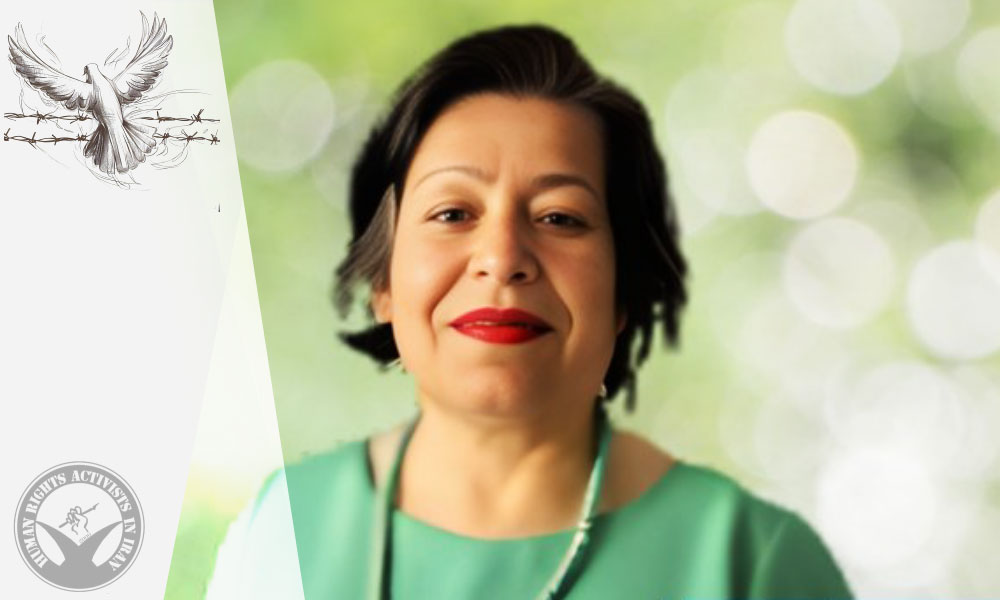
 | 5. Maryam Akbari Monfared, civil activist Charges: Propaganda against the regime and assembly and collusion against national security.
Conviction: Two years in prison.
Place of imprisonment: Qarchak Prison in Varamin. | |
 | 6. Zartosht Ahmadi Ragheb, civil activist Charges: Propaganda against the regime; assembly and collusion to commit crimes against internal and external security.
Conviction: In two separate cases, a total of six years and eight months in prison, social deprivations, and exile.
Place of imprisonment: Ghezel Hesar Prison in Karaj. | |
 | 7- Payam Vali, Baha’i civil activist Charges: Cooperation with hostile governments; inciting or persuading people to war and killing each other; propaganda against the regime.
Conviction: In three separate cases, 11 years and 5 months in prison, social deprivations, and exile.
Place of imprisonment: Karaj Central Penitentiary. | |
 | 8. Mohammad Davari, labor activist Charges: Insulting the Supreme Leader and propaganda against the regime in favor of anti-regime groups on the Internet.
Conviction: Four years and six months in prison, social deprivations, and exile.
Place of imprisonment: Adelabad Prison in Shiraz. | |
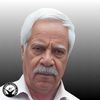 | 9. Hashem Khastar, civil activist Charges: Insulting the founder of the Islamic Republic; insulting sacred values; insulting the Supreme Leader; disturbing public opinion; cooperation with foreign media; participating in unlawful gatherings; and propaganda against the regime.
Conviction: In two separate cases, a total of 18 years and six months in prison, social deprivations, and exile.
Place of imprisonment: Vakilabad Prison in Mashhad. | |
 | 10. Anisha Asadollahi, labor activist Charges: Assembly and collusion against national security and propaganda against the regime.
Conviction: Five years and eight months in prison.
Place of imprisonment: Evin Prison. | |
 | 11- Mehran Raoof, labor activist Charges: Participation in running an unlawful group and propaganda against the regime.
Conviction: Seven years and six months in prison.
Place of imprisonment: Evin Prison. | |
 | 12- Mohammad Nourizad, civil activist Charges: Sending an audio file out of Evin Prison; disrupting public order; spreading falsehoods; insulting the founder of the Islamic Republic; insulting sacred values; insulting the Supreme Leader; disturbing public opinion; cooperation with foreign media; participating in unlawful gatherings; propaganda against the regime; and damaging the door and window of the ward chief’s office.
Conviction: In six separate cases, a total of 28 years and 9 months in prison, 148 lashes, and exile.
Place of imprisonment: Evin Prison. | |
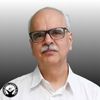 | 13- Saeed Madani, civil activist Charges: Forming and administering anti-regime groups.
Conviction: Four years in prison.
Place of imprisonment: Damavand Prison. | |
 | 14. Ahmadreza Haeri, civil activist Charges: Assembly and collusion with the intent to commit a crime against national security; propaganda activities against the regime; and spreading falsehoods.
Conviction: In two separate cases, a total of six years and three months in prison.
Place of imprisonment: Ghezel Hesar Prison in Karaj. | |
 | 15. Reza (Gholamreza) Aghdasi, labor activist Charges: Propaganda against the regime and assembly and collusion with the intent to commit a crime against national security.
Conviction: Four years and three months in prison.
Place of imprisonment: Evin Prison | |
 | 16. Arman Shadivand, environmental activist Charges: Propaganda against the regime and insulting the Supreme Leader.
Conviction: Two years in prison.
Place of imprisonment: Darreh Shahr Prison. | |
 | 17. Narges Mansouri, civil activist Charges: Assembly and collusion against national security, and propaganda against the regime.
Conviction: Nine years in prison.
Place of imprisonment: Evin Prison. | |
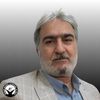 | 18. Abbas Vahedian Shahroudi, civil activist Charges: Forming a group with the intent to act against national security, and cooperating with groups opposing the regime.
Conviction: A total of 24 years in prison and two years of exile in three separate cases.
Place of imprisonment: Vakilabad Prison in Mashhad. | |
 | 19. Mohammad Abolhasani, civil activist Charges: Disrupting public order; assembly and collusion against national security; and propaganda activities against the regime.
Conviction: In three separate cases, a total of five years and three months in prison, social deprivations, and 12 lashes. The flogging sentence has been carried out.
Place of imprisonment: Choubindar Prison in Qazvin. | |
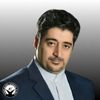 | 20- Taher Naghavi, attorney and civil activist Charges: Propaganda against the regime and assembly and collusion with the intent to disrupt national security.
Conviction: Six years in prison and social deprivations.
Place of imprisonment: Evin Prison. | |
 | 21- Maryam Jalal Hosseini, civil activist Charges: Inciting and persuading people to war and violence against one another with the intent to disrupt national security; propaganda against the regime; insulting the Supreme Leader; and forming a group aimed at undermining national security.
Conviction: Six years in prison and exile.
Place of imprisonment: Kachouei Prison in Karaj. | |
 | 22- Shakila Monfared, civil activist Charges: Membership in anti-regime groups; destruction of public property; disrupting public order and public peace; propaganda activities against the regime; and insulting Islamic sacred values.
Conviction: In four separate cases, a total of 15 years and five months in prison, ten lashes, social deprivations, and exile.
Place of imprisonment: Evin Prison. | |
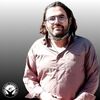 | 23- Morteza Seydi, labor activist Charges: Forming a group under the name of a labor union with the intent to disrupt national security.
Conviction: Two years in prison.
Place of imprisonment: Evin Prison. | |
 | 24. Nasrollah Amirloo, labor activist Charges: Forming a group under the name of a labor union with the intent to disrupt national security.
Conviction: Two years in prison.
Place of imprisonment: Evin Prison. | |
 | 25. Morteza Parvin, Azerbaijani-Turk activist Charges: Propaganda against the regime and assembly and collusion with the intent to disrupt national security.
Conviction: Six years in prison.
Place of imprisonment: Evin Prison. | |
 | 26. Foad Fathi, labor activist Charges: Membership in anti-regime groups; acting against national security; and propaganda against the regime.
Conviction: Four years in prison.
Place of imprisonment: Evin Prison. | |
 | 27. Abdolrasoul Mortazavi, civil activist Charges: Insulting the founder of the Islamic Republic; insulting sacred values; insulting the Supreme Leader; disturbing public opinion; cooperating with foreign media; participating in unlawful gatherings; propaganda against the regime; and disrupting public order.
Conviction: In three separate cases, 30 years in prison, with the maximum cumulative sentence stated as 15 years in prison.
Place of imprisonment: Dastgerd Prison in Isfahan. | |
 | 28. Fariba Kamalabadi, Baha’i civil activist Charges: Administering an organization described by authorities as a “deviant and misguided sect” with the aim of disrupting national security.
Conviction: Ten years in prison.
Place of imprisonment: Evin Prison. | |
 | 29. Javad La’al-Mohammadi, civil activist Charges: Giving interviews to foreign media and membership in anti-regime groups.
Conviction: In three separate cases, a total of 23 years in prison.
Place of imprisonment: Vakilabad Prison in Mashhad. | |
 | 30- Golareh Abbasi, civil activist Charges: Assembly and collusion against national security, and propaganda against the regime.
Conviction: 33 months in prison.
Place of imprisonment: Evin Prison. | |
 | 31. Arsham Rezaei, civil activist Charges: Assembly and collusion with the intent to commit a crime against national security; propaganda activities against the regime; inciting people to clashes and bloodshed; acquiring illicit gains; and spreading falsehoods.
Conviction: In two separate cases, a total of 15 years in prison, a monetary fine, 50 lashes, and social deprivations.
Place of imprisonment: Ghezel Hesar Prison in Karaj. | |
 | 32- Vadood Asadi, Azerbaijani-Turk activist Charges: Propaganda against the regime; membership in opposition groups; insulting the Supreme Leader; and assembly and collusion against national security.
Conviction: In two separate cases, a total of six years and three months in prison.
Place of imprisonment: Evin Prison. | |
 | 33- Salar Taher Afshar, Azerbaijani-Turk activist Charges: Assembly and collusion against national security.
Conviction: Five years in prison.
Place of imprisonment: Evin Prison. | |
 | 34. Abdolaziz Azimi-Ghadim, Azerbaijani-Turk activist Charges: Propaganda against the regime and assembly, and collusion against national security.
Conviction: Six years in prison.
Place of imprisonment: Evin Prison. | |
 | 35. Elham Salehi, civil activist Charges: Propaganda activities against the regime; spreading falsehoods; and appearing in public without a hijab.
Conviction: One year in prison and complementary punishments.
Place of imprisonment: Qarchak Prison in Varamin. | |
 | 36. Abolfazl Khoran, teachers’ union activist Charges: Insulting sacred values and disrupting public order and public peace.
Conviction: A total of six years in prison, 74 lashes, and a 40 million toman fine in two separate cases.
Place of imprisonment: Arak Prison. | |
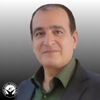 | 37- Masoud Farhikhteh, teachers’ union activist Charges: Assembly and collusion with the intent to commit crimes against the country’s internal security, and propaganda activities against the regime.
Conviction: Four years, one month, and 17 days in prison.
Place of imprisonment: Karaj Central Penitentiary. | |
 | 38- Reza Mohammad-Hosseini, civil activist Charges: Membership in anti-regime groups with the aim of disrupting national security; assembly and collusion to commit a crime against national security; and propaganda activities against the regime.
Conviction: Initially 41 years and six months, later reduced to five years in prison at the appeals stage.
Place of imprisonment: Ghezel Hesar Prison in Karaj. | |
 | 39- Mahboobeh Rezaei, civil activist Charges: Membership in anti-regime groups with the aim of disrupting national security; assembly and collusion with the intent to commit a crime against national security; propaganda activities against the regime; insulting Islamic sacred values; unveiling (appearing without hijab); and displaying immoral behavior in cyberspace.
Conviction: Initially 19 years and 9 months, later reduced to five years in prison at the appeals stage.
Place of imprisonment: Evin Prison. | |
 | 40. Abbas Lessani, Azerbaijani-Turk activist Charges: Forming an unlawful group; assembly and collusion against national security; and disrupting public order.
Conviction: He is being held in pretrial detention and has not yet been tried.
Place of imprisonment: Evin Prison. | |
 | 41. Farhad Fahandej, Baha’i civil activist Charges: No information has yet been made available regarding the charges brought against Mr. Fahandej.
Conviction: He is being held in pretrial detention and has not been tried.
Place of imprisonment: A Ministry of Intelligence’s detention facilities in Gorgan. | |
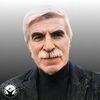 | 42. Jahangir Rostami, teachers’ union activist Charges: No information has yet been made available regarding the charges brought against Mr. Rostami.
Conviction: He is being held in pretrial detention and has not been tried.
Place of imprisonment: The Ministry of Intelligence’s detention facility, known as Ward 209 of Evin Prison. | |
 | 43. Ehsan Rostami, cultural activist Charges: No information has yet been made available regarding the charges brought against Mr. Rostami.
Conviction: He is being held in pretrial detention and has not been tried.
Place of imprisonment: The Ministry of Intelligence’s detention facility, known as Ward 209 of Evin Prison. | |
 | 44. Hassan Tozandehjani, cultural activist Charges: No information has yet been made available regarding the charges brought against Mr. Tozandehjani.
Conviction: He is being held in pretrial detention and has not been tried.
Place of imprisonment: The Ministry of Intelligence’s detention facility, known as Ward 209 of Evin Prison. | |
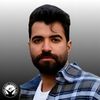 | 45. Ramin Rostami, cultural activist Charges: No information has yet been made available regarding the charges brought against Mr. Rostami.
Conviction: He is being held in pretrial detention and has not been tried.
Place of imprisonment: The Ministry of Intelligence’s detention facility, known as Ward 209 of Evin Prison. | |
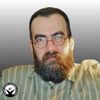 | 46. Nima Mahdizadegan, cultural activist Charges: No information has yet been made available regarding the charges brought against Mr. Mahdizadegan.
Conviction: He is being held in pretrial detention and has not been tried.
Place of imprisonment: The Ministry of Intelligence’s detention facility, known as Ward 209 of Evin Prison. | |
 | 47. Mehdi Farrahi Shandiz, teachers’ union activist Charges: No information has yet been made available regarding the charges brought against Mr. Farrahi Shandiz.
Conviction: He is being held in pretrial detention and has not been tried.
Place of imprisonment: Evin Prison. | |
The following list includes activists who are currently outside prison due to a suspension of their sentences, furlough, or other similar circumstances: | |
 | 1. Narges Mohammadi, Nobel Peace Prize laureate and human rights activist Charges: Propaganda activities against the Islamic Republic of Iran through publishing a statement (the statement against executions); staging a sit-in inside the prison office; disobeying the prison warden and officials (for refusing to end the protest sit-in); breaking windows; defamation and causing bodily harm; confrontation with an officer and disobedience; and additional propaganda activities against the regime.
Conviction: In seven separate cases, a total of 15 years and six months in prison, 74 lashes, exile, and social deprivations.
Place of imprisonment: Evin Prison (currently on medical furlough with the execution of her sentence temporarily suspended). | |
 | 2- Amirsalar Davoudi, attorney and human rights activist Charges: Insulting the Supreme Leader; disturbing public opinion; and forming an anti-security group.
Conviction: 14 years in prison.
Case status: Following the Supreme Court’s Branch 39 decision to accept his request for retrial and refer the case to a parallel branch, the enforcement of his sentence has been halted. | |
 | 3- Fatemeh (Mojgan) Tadrisi, civil activist Charges: Inciting and persuading people to war and violence against one another with the intent to disrupt national security; propaganda against the regime; insulting the Supreme Leader; and forming a group aimed at undermining national security.
Conviction: Six years in prison and exile.
Place of imprisonment: Kachouei Prison in Karaj (currently on medical furlough). | |
 | 4. Peyman Farhangian, labor activist Charges: Propaganda against the regime and forming a group with the intent to disrupt public order.
Conviction: In two separate cases, a total of 11 years in prison and social deprivations.
Place of imprisonment: Azbaram Prison in Lahijan (currently on furlough). | |
 | 5. Jelveh Javaheri, women’s rights activist Charges: Propaganda against the regime.
Conviction: One year in prison.
Case status: Following the request for retrial at the Supreme Court, the execution of her sentence has been temporarily halted, and she has been released on bail pending review. | |
 | 6. Yasamin Heshdari, women’s rights activist Charges: Membership in a group and assembly and collusion with the intent to disrupt national security.
Conviction: Six years, one month, and 17 days in prison.
Case status: Following the request for retrial at the Supreme Court, the execution of her sentence has been temporarily halted, and she has been released on bail. | |
 | 7- Sara Jahani, women’s rights activist Charges: Membership in a group and assembly and collusion with the intent to disrupt national security.
Conviction: Six years, one month, and 17 days in prison.
Case status: Following the request for retrial at the Supreme Court, the execution of her sentence has been temporarily halted, and she has been released on bail. | |
 | 8- Matin Yazdani, women’s rights activist Charges: Membership in a group and assembly and collusion with the intent to disrupt national security.
Conviction: Six years, one month, and 17 days in prison.
Case status: Following the request for retrial at the Supreme Court, the execution of her sentence has been temporarily halted, and she has been released on bail. | |
 | 9- Negin Rezaei, women’s rights activist Charges: Membership in a group and assembly and collusion with the intent to disrupt national security.
Conviction: Six years, one month, and 17 days in prison.
Case status: Following the request for retrial at the Supreme Court, the execution of her sentence has been temporarily halted, and she has been released on bail. | |
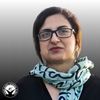 | 10- Forough Sami-Nia, women’s rights activist Charges: Membership in a group and assembly and collusion with the intent to disrupt national security.
Conviction: Six years, one month, and 17 days in prison.
Case status: Following the request for retrial at the Supreme Court, the execution of her sentence has been temporarily halted, and she has been released on bail. | |
 | 11- Shiva Shah-Siah, women’s rights activist Charges: Membership in a group and assembly and collusion with the intent to disrupt national security.
Conviction: Six years, one month, and 17 days in prison.
Case status: Following the request for retrial at the Supreme Court, the execution of her sentence has been temporarily halted, and she has been released on bail. | |
 | 12- Azadeh Chavoshian, women’s rights activist Charges: Membership in a group and assembly and collusion with the intent to disrupt national security.
Conviction: Six years, one month, and 17 days in prison.
Case status: Following the request for retrial at the Supreme Court, the execution of her sentence has been temporarily halted, and she has been released on bail. | |
 | 13- Zohreh (Fatemeh) Dadras, women’s rights activist Charges: Forming a group with the aim of disrupting national security, and assembly and collusion with the intent to disrupt national security.
Conviction: Nine years, six months, and two days in prison.
Case status: Following the request for retrial at the Supreme Court, the execution of her sentence has been temporarily halted, and she has been released on bail. | |
 | 14. Zahra Dadras, women’s rights activist Charges: Membership in a group and assembly, and collusion with the intent to disrupt national security.
Conviction: Six years, one month, and 17 days in prison.
Case status: Following the request for retrial at the Supreme Court, the execution of her sentence has been temporarily halted, and she has been released on bail. | |