HRANA – HRA’s Statistics Department has released its monthly report for June 2024, highlighting ongoing human rights violations across Iran. This month, 8 individuals were executed, all men, with only 1 execution officially reported. Alongside these executions, 10 individuals were sentenced to death, underscoring a persistent use of capital punishment in Iran, often for offenses that do not meet international standards, notably drug-related crimes. This practice starkly contradicts the right to life as articulated in the International Covenant on Civil and Political Rights (ICCPR).
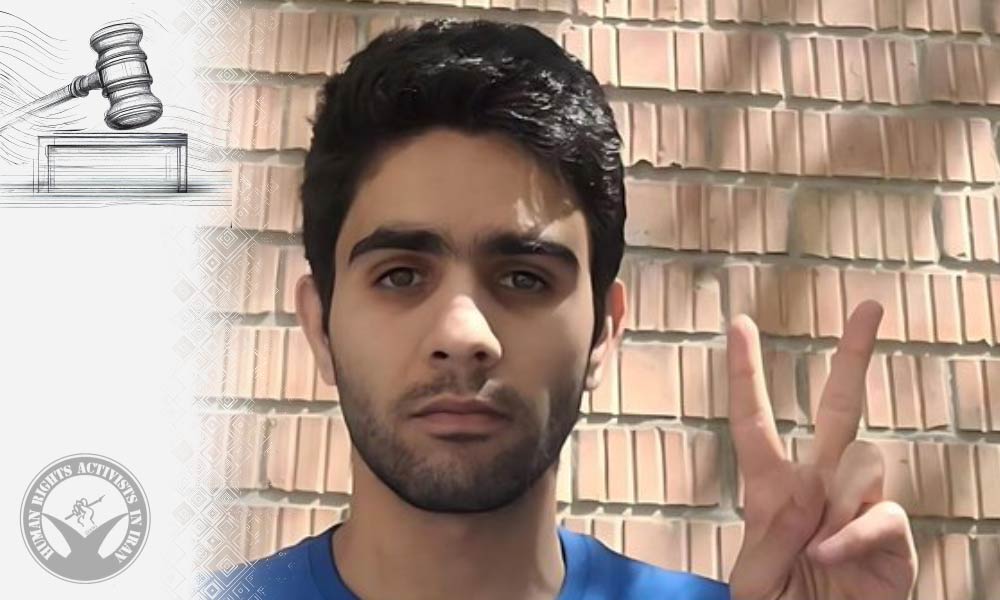
Freedom of expression remains severely curtailed, with 167 individuals arrested in relation to this issue during June. Among them were journalists Saba Azarpik and Yashar Soltani, who were imprisoned under allegations of publishing content deemed detrimental to societal psychological security. Additionally, political activists such as Matin Hasan faced harsh sentences, with Hasan receiving a 31-month prison term for alleged involvement in protests against the regime.
Prison conditions continue to deteriorate, with reports of 19 cases of medical neglect and significant delays in judicial processes affecting 94 cases. Political prisoners like Reza Khazaei and Muhammad Girgij faced severe mistreatment, including solitary confinement and suspicious circumstances leading to deaths in custody.
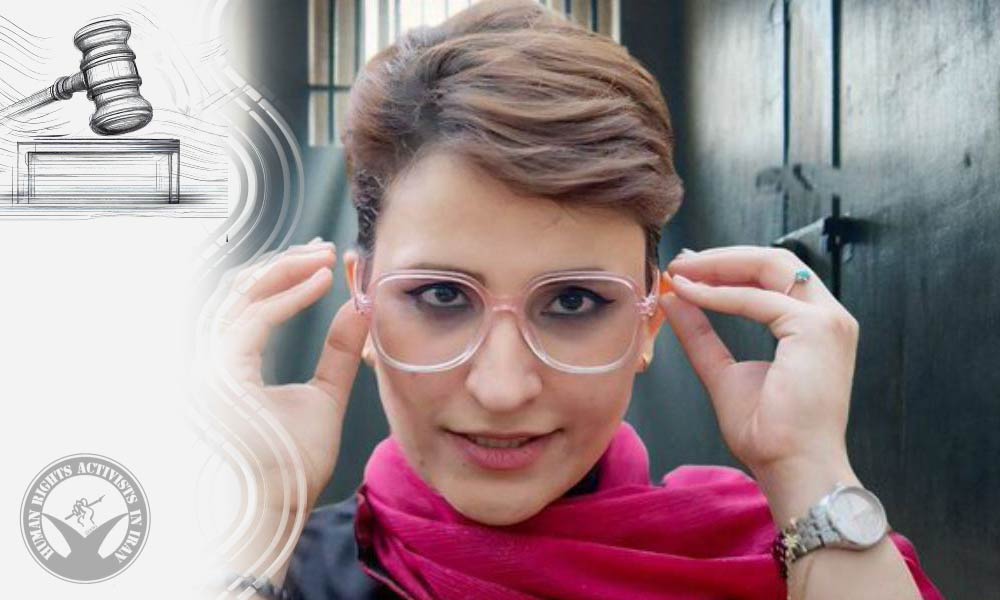
Women’s rights violations persist under Iran’s “Operation Noor,” with incidents such as the forcible detention of over 100 students for violating mandatory hijab laws at Azad University and violent arrests of women in Tehran and Behbahan for non-compliance with hijab regulations. Atena Farghdani received a harsh six-year prison sentence for her civil activism, including charges of insulting sacred things and propagating against the regime.
Workers in Iran endure hazardous conditions, with 44 fatalities and 183 injuries recorded from work-related accidents in June. Additionally, over 820 workers reported unpaid wages, exacerbating economic hardships in the face of unsafe working environments.
This report underscores ongoing human rights abuses in Iran, including executions without transparency, suppression of dissent, dire prison conditions, systematic violations of women’s rights, and unsafe labor practices, warranting urgent international attention and action.
Executions
This month in Iran, the execution of 8 individuals took place, comprising 8 men and 0 women. Additionally, of the 8 executions only 1 were reported by official sources. A total of 10 individuals were sentenced to death. Iran persists in executing individuals for offenses falling short of the standards outlined in the International Covenant on Civil and Political Rights. Notably, there remains a consistent trend of individuals being executed for drug-related crimes, a practice in clear contravention of the right to life as stipulated by the ICCPR. This month, 6 people were executed for drug-related offenses.
This month the Supreme Court of Iran, upheld the death sentence for Sunni Cleric Mohammad Khezrnejad. He was arrested during the nationwide 2022 protests. He was found guilty on the charge of “spreading corruption on earth,” “compromising national security by threatening the country’s integrity or independence,” and “engaging in propaganda against the regime. Similar to other cases the conviction was largely based on coerced confessions extracted during interrogations, where Khezrnejad allegedly confessed to “leading protests in Bukan and affiliating with anti-regime factions.”

Freedom of Thought and Expression
Iran continues to crack down on anyone who protests or criticizes the regime, persistently violating the right to freedom of expression and thought. This month alone, 167 individuals have been arrested related to freedom of expression, 55 trials, and 2 cases of assault and battery by police Among those affected are journalists Saba Azarpik and Yashar Soltani, who were arrested and taken to prison to serve their sentences. Azarpik was sentenced to two years in prison on five counts of publishing lies,
 defamation, and threats, following complaints from the Islamic Council, Mohsen Dehnavi, Zahra Sheikhi, and two others. Additionally, Azarpik also faced a miscarriage due to her treatment and stress while being imprisoned,
Soltani, the director of Scan News channel, was charged with “publishing content aimed at disru pting the psychological security of society.” Iran continues to imprison journalists for content deemed contrary to the regime’s interests. Additionally, journalists Hadi Kesaizadeh, and Vahid Ashtari have been arrested due to their work. Mohammad Parsi currently has an active case against him for writing about the death of Nika Shakrami, Kesaizadeh was arrested for the same issue.
Moreover, politically motivated sentences are still being handed down. Matin Hasan received a thirty-one-month prison sentence for his role in the 2019 protests, with charges including “incitin
g people to engage in warfare with the intent to disrupt national security” and “propaganda against the regime.” Similarly, Mehdi Sabeti was se
ntenced to two years in prison for “insulting the Supreme Leader” and an additional year for “propaganda against the regime.”
In Astra, several citizens were arrested for their reaction to the late president Ebrahim Raisi, according to the governor, a video was posted on social media of the citizens celebrating his death, like burning the president’s banner and images.
On June 17th, Reza Babranjad, the brother of Mehdi Babranjad—one of the victimsof the 2022 nationwide protests—was arrested. No information has been provided regarding the reasons for his arrest or the charges
against him. Furthermore, Narges Mohammadi was sentenced to an additional one year in prison for ‘propaganda against the regime’, her lawyer claims this is for words about Dina Qalibaf , her letter about boycotting the parliamentary elections, and the letter to the parliaments of Sweden and Norway. Lastly, Atena Farghdani, a cartoonist and civil activist imprisoned in Evin prison, was sentenced to six years in prison by the twenty-sixth branch of Tehran Revolutionary Court for insulting sacred things and propaganda against the regime.

Prison Conditions
In Iran, there have been 19 cases of prisoners lacking medical care and 94 cases of uncertainty due to excessive prolongation of the judicial process and delays in determining the individuals’ status. Additionally, there are 25 cases where no information about the person has been available after their arrest, leaving families in the dark about the prisoners’ fates due to a lack of contact. Meanwhile, 8 political prisoners have been granted medical leave. Furthermore, 4 prisoners have been transferred to solitary confinement, 21 prisoners have had no access to a lawyer, and 6 have gone on hunger strikes in protest of their conditions.
 Prisoners continue to be treated violently. On June 9th, Reza Khazaei, an inmate at Qazalhasar Prison, was beaten by prison offi
cers and subsequently transferred to solitary confinement. Khazaei was beaten following the publication of a video from inside the prison, showing prisoners, including Khazaei, protesting the implementation of numerous death sentences, poor conditions, and misconduct by prison officials.
Additionally, on June 25th, Muhammad Girgij was arrested by anti-narcotics forces while on his way to his father’s house. Unaware of his arrest, his family feared for his safety and searched for him. Three days later, on June 28th,
Zahedan’s drug department contacted his father, informing him that his son had died in their detention center. Despite the father’s demands for an explanation and to see his son’s body, no information was provided, and he was told to return the next day to collect the body. This case is part of a troubling pattern of suspicious deaths in police and judicial custody in Iran, with many cases remaining unresolved and uninvestigated.
Prisoners in Ward 4 of Evin Prison are facing many problems, especially overcrowding. Ward four of Evin prison has four halls. Halls 3 and 4, which have a capacity of 120 people, are now crowded with more than 300 people.
In conclusion, the treatment of prisoners in Iran remains a critical human rights concern, with ongoing reports of medical neglect, violence, lack of legal representation, and punitive actions against political dissent.

Women
A notable incident occurred at Azad University Central Tehran Branch on June 9th, where at least 100 students were forcibly detained for not adhering to mandatory hijab laws. They were released only after signing a commitment letter to comply with hijab rules, with some being allowed to leave only after changing their veils.
On June 27th, police officers in Tehran violently arrested a young woman for not observing the mandatory hijab, as depicted in photos circulating on social media. The woman initially resisted arrest but was eventually forced into a police van. Her identity and whereabouts remain unknown. This incident is part of Iran’s “Noor” plan, initiated on April 25th, to enforce the mandatory hijab, which has led to numerous reports of violence and arrests of women.
Additionally, a video on social networks shows another arrest for non-compliance with the hijab laws in Behbahan National Park. On June 22nd, a woman was arrested by several officers of the Noor Project, who used violence during the arrest. Women’s rights activists reported that she was insulted after being taken to the “Headquarters of the Public Order of the Islamic Revolutionary Guard Corps” and was later released on bond. Her identity and the specific charges against her remain unknown.
Workers
Workers in Iran face ongoing challenges and hazardous workplaces. In a tragic turn of events, this month saw 44 fatalities resulting from work-related accidents, with an additional 183 workers left injured. Moreover, 820 workers reported unpaid wages, while 2000 others were denied their insurance rights.
Due to unsafe environmental conditions and poor working environments, four workers have died in accidents in the cities of Urmia, Selmas, and Meybod. Additionally, two workers trapped under rubble following a mine collapse in Shazand city lost their lives. In another incident, two well diggers died from gas exposure in a sewage well in Selmas city. Specifically, in Golan village of Selmas city, West Azarbaijan province, the two well diggers succumbed to gas exposure before rescuers could arrive.
About eighty workers from the municipality of Sisherd have reported 21 months of salary arrears, attributed by the employer to “lack of financial resources.”
One worker shared their frustrations, stating that this year they only received a small portion of their April salary, while the salaries for February, March, and the Eid bonus of 1402 remain unpaid. Additionally, since 2019, they have accumulated 21 months of unpaid wages. Despite the change of several mayors, none have addressed the outstanding wage demands from previous administrations. The worker also highlighted further issues, including a seven-month delay in insurance premium payments, which has prevented some colleagues from accessing pension services for several years.
Lastly, in June, there were 3 killings of Kulbars and nine injuries. On the 31st of Arkan Balwaseh, and Dana (surname unknown), were killed during a military shooting in the border areas of Horaman.

International News Update:
On the 20th of June the Secretary-General published his report, including information provided by HRA, to the General Assembly detailing the state of human rights in Iran from August 2023 to March 2024. It highlights increased engagement by Iran with human rights bodies, but expresses grave concerns over the high number of executions, including those related to drug offenses and the execution of minors and protest participants. Civic freedoms remain severely restricted, with targeted repression against journalists, artists, lawyers, and human rights defenders. The report criticizes the Chastity and Hijab Bill for imposing strict dress codes on women and underscores ongoing economic hardships exacerbated by mismanagement and sanctions. Additionally, issues such as the lack of education for children with disabilities, child marriages, and discrimination against minorities are addressed. Despite some positive steps, such as referencing international human rights conventions in judicial decisions and efforts toward accountability for protest-related abuses, significant human rights violations and the need for continued cooperation and reform remain major concerns.
In response to the Secretary General’s report, Ali Bahreini, Iran’s Permanent Representative to the UN in Geneva, expressed Iran’s opposition to selective mandates within the Human Rights Council, arguing that such approaches do not effectively protect or promote human rights. He emphasized the importance of cooperation with concerned countries as the genuine path to promoting human rights. Iran pledged to enhance cooperation with the High Commissioner for Human Rights and announced its participation in upcoming sessions of the Committee on the Elimination of Racial Discrimination and the Universal Periodic Review cycle. Bahreini highlighted concerns about Iranians’ deprivation of economic, social, and cultural rights due to unilateral coercive measures, lamenting the suffocation of human rights monitoring mechanisms on this issue. Iran’s commitment to minimizing the application of the death penalty to the most serious crimes was underscored, with ongoing efforts noted to further reduce its scope. Lastly, Bahreini asserted that Iran’s upcoming national elections would showcase its dedication to democracy and the empowerment of its citizens.
On the 27th of June, a group of independent experts called on Iran to release Narges Mohammadi and all women human rights defenders imprisoned for their activism. Narges Mohammadi, serving over 13 years with additional sentences for her advocacy, faces unfair charges framed as “national security” violations to silence dissent. The experts highlight her multiple convictions related to her human rights work, including advocating for female prisoners. The Working Group on Arbitrary Detention has deemed her imprisonment arbitrary. The experts criticize Iran’s discriminatory justice system and the impunity for violations against women, urging respect for fundamental rights such as access to legal and medical support, which Mohammadi has been denied. They condemn the repression of women’s rights activists, particularly those opposing compulsory veiling, and stress that such repression violates Iran’s international human rights obligations.
Download Full Pdf: Monthly Report June