Naqadeh Farmer Arrested by Revolutionary Guards

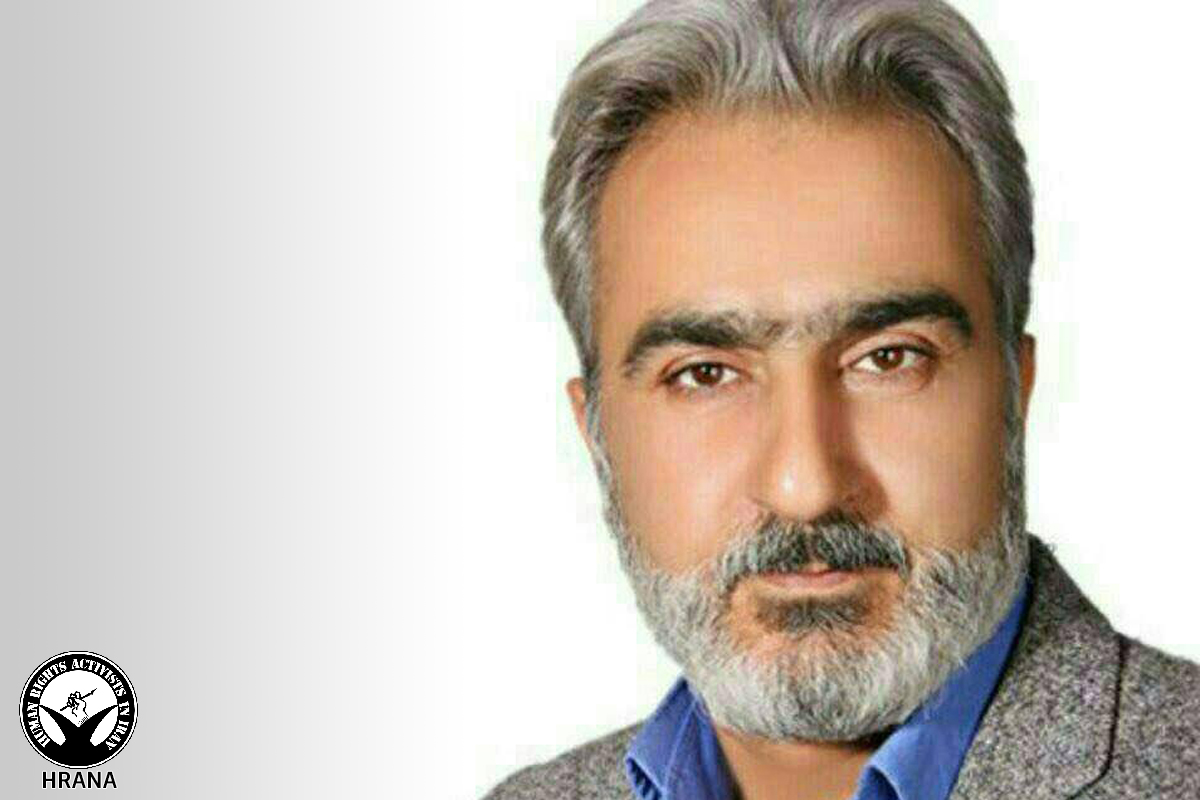
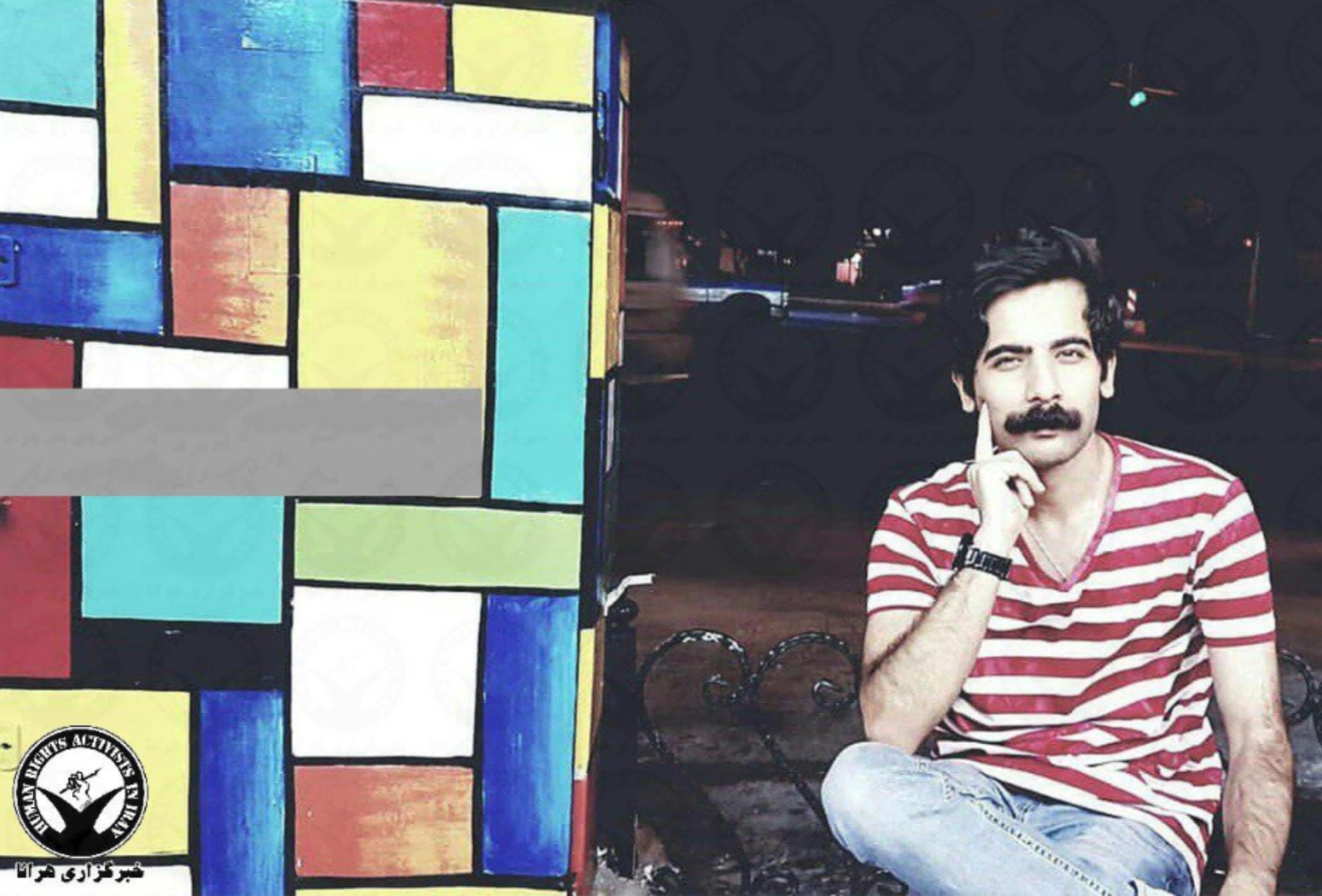
Human Rights Activists News Agency (HRANA) – A farmer from the village of Kooyik in Naqadeh county, West Azerbaijan Province was arrested on September 2nd.

Saadi Maroof Khalkhaaneh, 23, was arrested by authorities from the Intelligence Unit of the Iranian Revolutionary Guard Corps (IRGC) and transported to an unidentified location.

A source close to the family confirmed the news to HRANA, stating Saadi was accused of “backing opposition parties” and detained without an arrest order.

In repeated inquiries about him to security authorities, the source said, Khalkhaaneh’s family has been met with the stock response that he is “in IRGC custody.” His whereabouts remain unknown.

Urmia Prisoner Enters 11th Day of Hunger Strike

Human Rights Activists News Agency (HRANA) – Mehdi Taha of Urmia Central Prison’s Ward 14 is entering the 11th day of a hunger strike he declared August 30th in protest of being denied furlough.

Taha is currently in year six of a 15-year sentence for drug-related offenses. He has been repeatedly denied furlough over the course of his detention. According to a close source, Taha believes prison authorities are refusing his furlough requests out of spite.

Violence against Executed Kurdish Political Prisoners Follows them to the Grave, Continue to Haunt their Families

Human Rights Activists News Agency (HRANA) – “Loghman’s mother has scratched at her own face so much that she has claw marks across her cheeks,” writes former political prisoner Bahman Ahmadi Amouee, documenting a family’s anguish over the sudden loss of their son Loghman Moradi, who was executed without trial, or any official warning, on Saturday, September 8th. “Her daughter is helping her to stand, and together they are wailing.”
Amouee, a journalist and former political prisoner, writes as a witness to the tightly-controlled visits to the grave sites of Zanyar and Loghman Moradi in Tehran’s Behesht-e Zahra cemetery, where their families were permitted to say final goodbyes on the condition that they refrain from screaming, wailing, or taking any pictures or video.
Pursuant to a dubious legal proceeding that drew outrage from human rights organizations across the world, both Moradi cousins, along with their co-defendant Ramin Hossein Panahi, were hanged to death in an undisclosed location in Tehran Province on Saturday.
Ramin’s brother Amjad reported to HRANA that the victims’ respective families have been threatened with detention by the Ministry of Intelligence. Ramin’s remains will not be handed over to his family for burial, Amjad said, but will instead meet the same fate as that of the Moradis, and of many political prisoners before them: interment by the government in secret location.
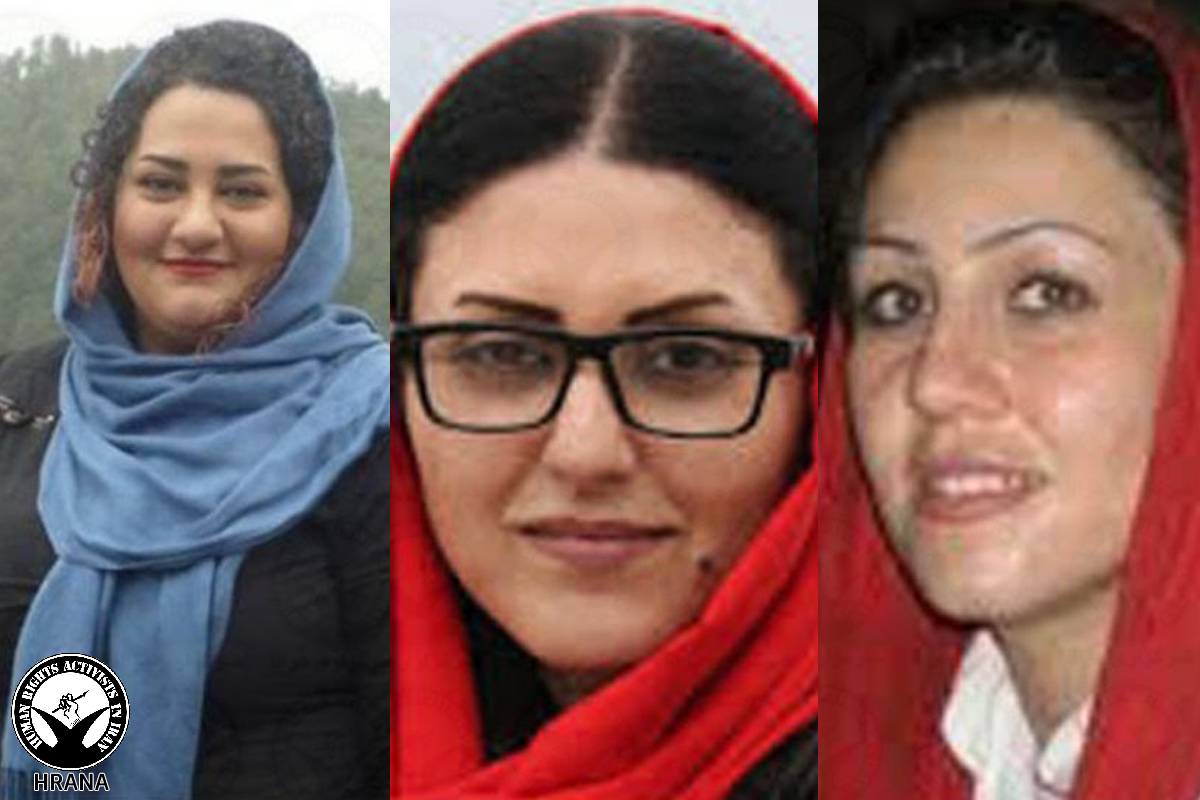
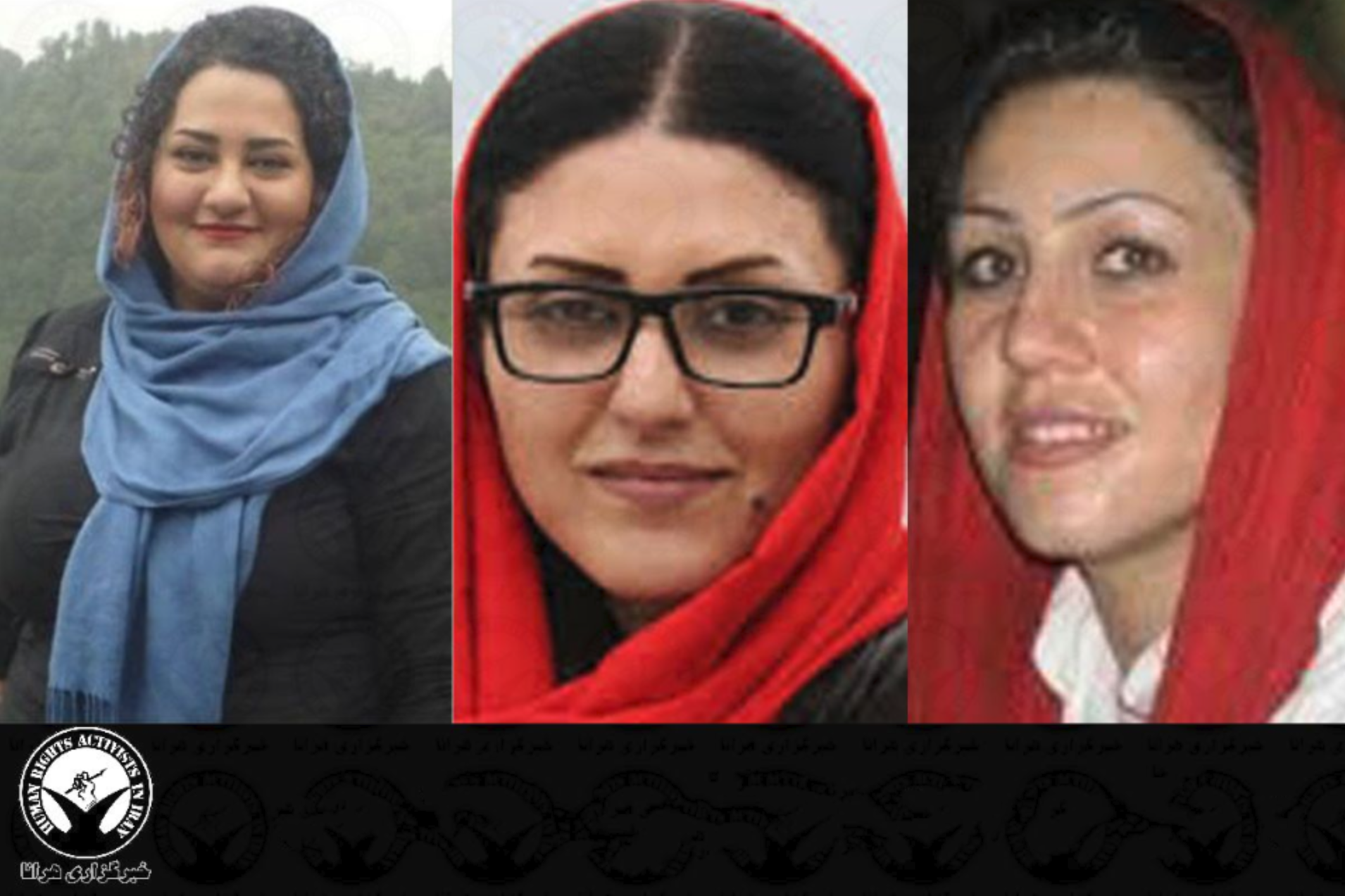
In an open letter, Atena Daemi and six other civil activists imprisoned at Evin have expressed condolences to the families of the victims.
Bahman Ahmadi Amouee wrote a report, excerpted above, from his observations of the victims’ grieving families during their final visitation to their graves. The text of Amouee’s letter, sourced from his website, is below, translated to English by HRANA:
“Loghman’s mother has scratched at her own face so much that she has claw marks across her cheeks. Her daughter is helping her to stand, and they are both wailing. She is engulfed in sorrow. I’m in disbelief that this broken girl is Loghman’s little sister. Across the way, her surviving brother hangs his head. They arrived only this morning from Marivan. The family, along with their attorneys, have been treading from room to room in the prosecutor’s office. As if they still cannot believe the news of Loghman and Zanyar’s execution, they say, ‘we won’t believe it until we see the bodies.’ If lore on such matters again proves true, there will be no viewing of the bodies, nor any information released about their burial site. And yet, hope lingers.
At 11 a.m., the family’s attorney Saleh Nikbakht announces that authorities have granted permission for the families to view the bodies in the preparation washroom of the mortuary. I hasten to make my way there. It appears I was faster than everyone else. It is noon, and a few other families are circulating, waiting for their own loved ones’ burials. Sounds of tears and lamentations fill the air. Every few minutes, an intercom pronounces the name of one of the bodies, requesting the family to come forward to identify it.
I asked myself if Zanyar and Loghman would be announced this way. Never would I have imagined coming to find them in a place like this. For two and a half years, we were together day and night. I remember Loghman’s laugh, his wide grin. He was a few years older than Zanyar, and more protective of him than a brother. Each time he would spread out the table cloth for meals, he would call out, ‘Dear Zanyar, come! Let us eat!’
I went to the census bureau of Behesht-e Zahra to see what I could find out. The person behind the computer told me their names weren’t in the system at all. They didn’t figure on the list of those buried in previous days, either. We’re being given the run-around once again, I thought. Distraught, Zanyar’s brother Diyar said, “we got a call from a blocked number–they said we need to go to Behesht-e Zahra.” Loghman and Zanyar’s cellmates are there, too. Everyone we ask says something different. Nikbakht goes into a room. After a few minutes, Diyar goes after him. Four security officers held a meeting with a handful of Behesht-e Zahra administrators; an hour passed. Finally they came out with the news: Zanyar and Loghman’s family members were granted permission to visit their bodies, on the condition that they do not take any pictures or recordings. Oh, and they weren’t going to be allowed to scream or wail when they got there, either.”
Hours go by; Behesht-e Zahra is now closed, all of its employees gone. The large mortuary washroom is so hollow that the slightest sound I’d make would reverberate across the room. I feel empty. I am sitting in a corner, waiting with Zanyar and Loghman’s former cellmates. For a moment, a thought crosses my mind; and if we’re being strung along again…? Loghman’s mother bursts outside, and playing herself on the ground beneath the burning sun. She is cold and racked with trembling, asking over and over to see her dead son.
They summon the immediate family members. We flood through a door. They stop us from advancing further. The windows are cloaked over with banners and cloth.
The families have been standing, choked, over the shrouded bodies of Loghman and Zanyar for half of an hour now. Loghman’s mother was finally able to see her son, covered in a burial cloth. But Zanyar’s mother is not here to do the same. His aunt, uncle, and brother go to see him instead.
A man dressed in a blue suit, his shirt buttoned up to the neck, is ordering people around the room; it seems he’s their boss. Saleh Nikbakht tells him, ‘since they have not been buried yet, won’t you allow us to take them to Loghman’s ancestral village, 25 miles from Marivan? The family has a hard time traveling to Tehran. We ask you to think of them as well.’
The man responds, ‘I have to take it up with the prosecutor. For now, they will stay in the morgue for a few days. If he approves your request, they will be transferred to the location you ask. If not, we will bury them here in Behesht-e Zahra and tell you the location of their grave.’ Wailing and crying burst forth again. The family exits. The summer sun sears into us, and the sounds of crying do not let up. The shrouded bodies are loaded into a pickup truck and taken away. Osman, Loghman’s father, looks defeated. His thin frame is even more haggard than before. He says through sobs, ‘What hurts is that I couldn’t do anything for them.’ Those who had so far been holding back tears are now bawling. Loghman’s sister is clawing at her own face now, howling out tears along with their mother. Their laments shift into Kurdish; all I can understand are the boys’ names.”

Outcry against Secret Executions of Zanyar & Loghman Moradi and Ramin Hossein Panahi

Human Rights Activists News Agency (HRANA) – Three Kurdish political prisoners now lay buried in an undisclosed location after being executed in secret on September 8th on murder charges never proven in Tehran criminal court, sparking outrage from their families, attorneys, and the human rights community at large.
Without notifying their lawyers or loved ones, prison authorities hanged to death Zanyar Moradi, Loghman Moradi, and Ramin Hossein Panahi, contravening [both Iranian and international law] by seizing and interring their bodies in a location yet unknown to their families, who were put on guard by the Ministry of Intelligence not to speak up about the incident. Hossein Panahi’s brother Amjad confirmed this to HRANA.
While initial reports by Iranian official sources indicated the executions took place in Rajai Shahr (Gohardasht) Prison in Karaj–the capital of Alborz province about 30 miles west of Tehran, where Hossein Panahi and the Moradis were last known to be held–the Tehran Prosecutor’s Office recently indicated in a statement that they were executed “in Tehran,” accusing the deceased men of violent crimes while withholding further details about their deaths or remains.
Hossein Panahi’s lawyer Hossein Ahmadiniaz stated that the execution of the three young men was not only abrupt– it was also unlawful on several counts.
“Based on an amendment to section 478 of Criminal Procedure Law, once a request for retrial has been submitted on behalf of defendants charged with offenses punishable by death, the execution of the sentence must be stayed. Moreover, once a request for clemency is registered with the Clemency & Forgiveness Commission, the execution must be immediately stayed.”
According to Ahmadiniaz, the transfer of the prisoners from Sanandaj [300 miles west of Tehran] to Karaj [on the western outskirts of Tehran], preventing Hossein Panahi’s legal team from conferencing with him, was enough in itself to establish authorities’ disregard of the law. Ahmadiniaz’s statements are backed by Saleh Nikbakht, the lawyer representing Zanyar and Loghman Moradi, who has published documents (pictured) demonstrating that the judiciary’s investigation into his client’s murder charges was far from complete.
Ahmadiniaz went on, “As Ramin’s Hossein Panahi’s legal team, we declare his innocence, and the unlawful and irreligious nature of the verdict and sentence against him […]. Panahi was subjected to an unfair procedure devoid of due process. He was the victim of a political trial. My heart goes out to Hossein Panahi’s family, and I offer them my condolences. I consider the execution of Ramin Hossein Panahi a firebrand of hatred and calamity, and condemn it in the strongest sense of the word.”
The families of Panahi and the Moradis had been abruptly called in for a visit with their imprisoned loved ones on September 7th, raising the specter of their imminent execution. That night, Nikbakht explains, he went to [Rajai Shahr Prison] where he stood guard from midnight to 6 a.m. alongside Loghman’s father, a number of other Moradi family members, and group of civil activists.
“The agents there first told us that [the prisoners] had been handed to Ministry of Intelligence authorities, and gave us no further information about their fate,” Ahmadiniaz related to HRANA. “We followed up on their indications by heading to the Alborz Intelligence Office, where we were told over an intercom that the Moradis were not there, and that we should go back to [Rajai Shahr]. Finally, a prison official emerged at around 4:30 a.m. to say that the prison isn’t the sentence executioner, and that they were unaware of the prisoners’ whereabouts as of their transfer to the Intelligence Ministry. With confidence, he told us that the execution had not taken place in that prison.”
Nikbakht also bemoaned misinformation being disseminated about his clients’ ordeal. “A news agency announced today [Saturday, September 8th] at 2:51 p.m. that these executions were carried out in the presence of the lawyers. This claim, at least in case of [the Moradis], is fundamentally false. I am their lawyer[…] and neither their families nor I had any knowledge of how or where the execution took place.”

An excerpt of Nikbakht’s defense statement, translated into English by HRANA, is below.
My clients had two cases–one on a charge of Moharebeh (enmity against God), for which a death sentence was handed down and confirmed [by the Supreme Court]. Their lawyer in this case was from Marivan [of Kurdistan Province in western Iran]. The second case involved the assassination of three Salafis in Marivan, which was being investigated in Branch 4 of Tehran Criminal Court. I took over the case in March 2013. In the first day of trial on July 23rd, 2014, I raised objections to the claim that my clients were responsible for the three murders in question. Some of my objections were as follows:
· Lack of a report detailing reconstruction of the crime scene
· Lack of evidence of their involvement in the murder
· Lack of a murder weapon
· Lack of efforts on the part of authorities to locate the murder weapon
In my clients’ case file, they were quoted as saying that they disposed of the murder weapon in Marivan lake. This section of the lake in question is 2 to 5 meters deep, a depth at which even a cursory search would have recovered the murder weapon. The only evidence against my clients was their confession. The defendants have protested the veracity of this confession. Specifically, after they were transferred from solitary confinement in Sanandaj and Evin prisons to Rajai Shahr’s [general ward], they wrote a detailed letter to the Head of the Judiciary explaining how their confessions had been extracted. There was no evidence to prove they had committed the murder. Branch 4 of Tehran Criminal Court (Previously Branch 74) sent the case to Branch 27 of Tehran Criminal Investigation, which, in turn, sent the case to Marivan Court, who were to complete the investigation. Following a few back and forths, I was told that neither new evidence nor the murder weapon had been found, and that they ultimately sent the case back to Tehran without addressing the flaws in the case.
There has been no new hearing since the discovery of flaws in the case during the first court session, and the charge of murdering three Salafis was never substantiated. On the day of the murder, Loghman, who was fingered as an accomplice, was working on a crane on a construction site in Sarvabad, 35 km [20 miles] from Marivan. He only returned to Marivan an hour and half after the murder occurred.
[…] What’s more, the right of the murder victims’ family supersedes that of God (and the state) in religious law. It was unlawful to execute them for “Moharebeh,” a crime against God [and state], before first addressing the death sentence for murder. The documents below are from the Judiciary’s electronic information center, and show the murder charges were still pending investigation and trial.”
International Reaction
Philip Luther, Amnesty International’s Research and Advocacy Director for the Middle East and North Africa, released a statement in response to the executions of Zanyar Moradi, Loghman Moradi, and Ramin Hossein Panahi. The full text of his statement is below.
“We are horrified by the news that the Iranian authorities have executed these men, despite widespread condemnation of their death sentences, and calls from UN human rights experts and other bodies to halt their executions.
The trials of all three men were grossly unfair. All were denied access to their lawyers and families after their arrest, and all said they were tortured into making “confessions”. In sentencing them to death despite these massive failings in due process, the Iranian authorities have once again demonstrated their brazen disregard for the right to life. We call on the international community to strongly condemn these executions and urge the Iranian authorities to respect their obligations under international law. The Iranian authorities must take steps to ensure that everyone has a fair trial, that torture and other ill-treatment are absolutely prohibited, and that the practice of forced ‘confessions’ is stopped once and for all. They must also immediately impose an official moratorium on executions with a view to abolishing the death penalty.”

Rajai Shahr Warden Breaks Prisoner’s Wrist, Toes

Human Rights Activists News Agency (HRANA) – A Rajai Shahr (Gohardasht) Prison warden known as “Mr. Zalali” assaulted 28-year-old prisoner Reza Ghasemi for unknown reasons on Tuesday, September 4th, breaking his right wrist and toes of both feet, confining him to a wheelchair.

Ghasemi is being held in Ward 10 of Rajai Shahr (30 miles west of Tehran), where beating and mistreatment of prisoners is not without precedent: Behrouz Hosseini from ward 6 was severely beaten Saturday, July 7, 2018 by prison staff; Earlier, on May 16th, Sunni prisoner Hamzeh Darvish, who had previously been transferred to the Coroner’s Office for health problems attributed to his hunger strike, was beaten. Prior to his visit to the Coroner’s office, prison officials reportedly intimidated and threatened him, warning him not to make incriminating statements against them.

Iranian President Hassan Rouhani has sloganeered against civil rights repressions, publishing a Civil Rights Charter and verbally pushing for the comprehensive implementation of its provisions. Article 64 of the charter reads, “anyone arrested, convicted, or imprisoned is entitled to their civil rights, including proper nutrition, clothing, health and medical care, educational and cultural services, religious worship and practices.” Thus far, though, Rouhani’s rhetoric has yet to materialize into concrete initiatives.

Subscribe to Our Newsletter

Now is definitely not the time to stop reading!

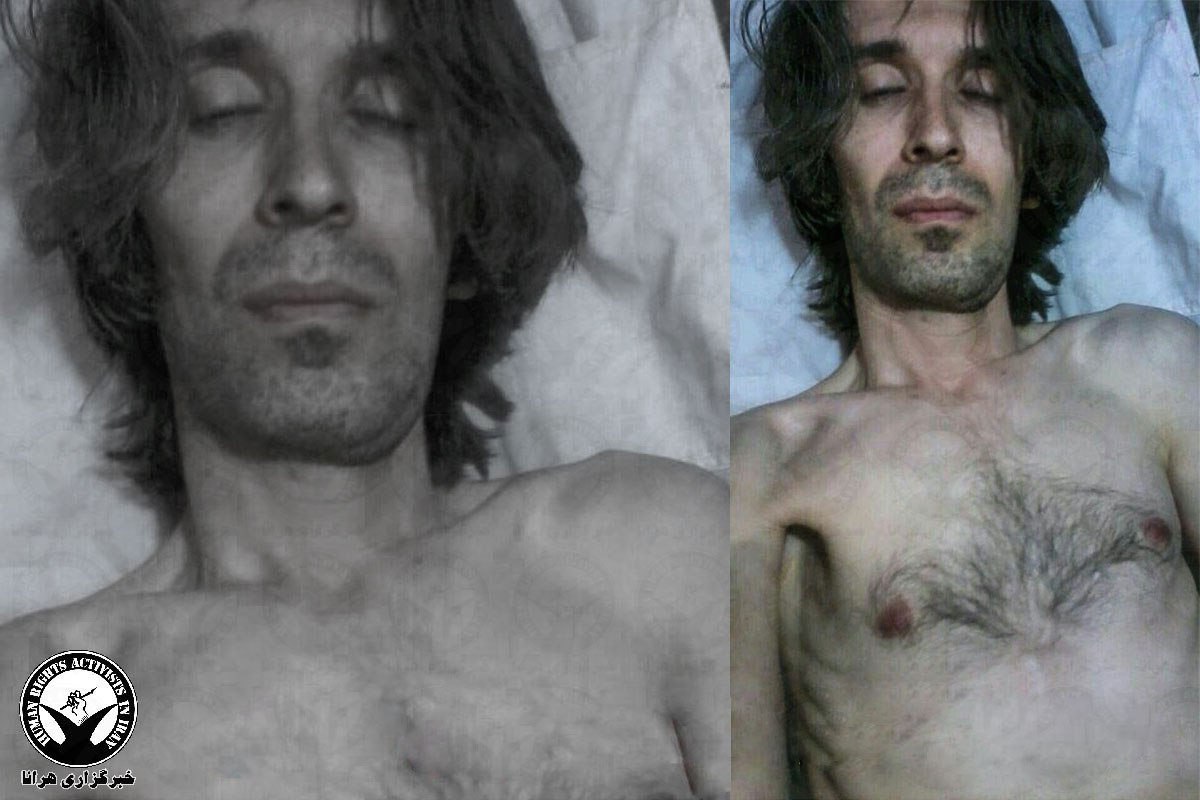
Imprisoned Civil Rights Activist Farhad Meysami Enters 38th Day of Hunger Strike

Human Rights Activists News Agency (HRANA) – The health condition of Farhad Meysami — who declared hunger strike the day after his arrest on July 31st in protest to his detention and the denial of his right to a lawyer of his choice — is in steady decline.

A source close to the matter told HRANA, “His blood pressure dropped very low on Saturday, September 8th. The doctor recommended he be treated in a hospital or the prison clinic, saying that his vital signs would remain unstable otherwise. He has lost 14 kilograms [30 pounds] since the start of his hunger strike, and weighs 64.5 kilograms [142 pounds] now.”

Suffering from intestinal colitis that he has been treating with medication for the past 18 years, Meysami has announced that his diet will be limited to that medicine, and will only end his hunger strike if Reza Khandan, the husband of imprisoned lawyer and human rights defender Nasrin Sotoudeh, is unconditionally released.

Meysami was arrested by security forces in his personal library on Tuesday, July 31, 2018, and during his interrogation was charged with “Collusion and conspiracy to threaten national security,” “Disseminating propaganda against the regime,” and “Insulting the hijab, an essential sacrament of Islam.” On Monday, September 3rd, Branch 7 of Evin Court added “Propagation of corruption and decadence” to his charging document.

Human Rights Watch previously issued a statement in which they mentioned Meysami’s ordeal, asking Iranian authorities to stop the repression of human rights defenders and immediately release those who are being persecuted for their peaceful expressions of dissent.

Amnesty International also appealed to Iranian authorities, opposing their crackdown on civil society and unlawful detention of lawyers and human rights activists including Farhad Meysami. They demanded these prisoners’ immediate release, and that authorities provide every detainee with access to a lawyer of their choice at the time of their arrest.

Iran, an open-air prison for lawyers: A report

Human Rights Activist News Agency (HRANA) – This past week has seen a sharp increase in the arrests of lawyers in Iran, many among them specialists in defending civil rights, women’s rights, and human rights activists.

Nobel Peace Prize laureate Shirin Ebadi shed light on this trend in an exchange with HRANA, stating that Iranian officials and its judiciary aim to create a climate of intimidation in which citizens find it easier to turn a blind eye to government abuses of power.

“[Authorities] prefer no one dare protest [their] unlawful actions,” Ebadi said.

She went on to note that arrests of lawyers not only put innocent people behind bars, but they also leave the lawyer’s clients–often prisoners of conscience and other political detainees–defenseless.

Ebadi drew on historical context to explain that authorities of the early Islamic Republic recognized legal scholars and independent lawyers as “nuisances,” or impediments to illicit activity, from the outset. This wariness on the part of the Iranian authorities led an appointee of the Judiciary to close the Iranian Bar Association for 18 years.

When authorities finally sanctioned elections for the Bar Association’s new board of directors, their permission roughly coincided with the passing of a law mandating all members be pre-approved by a Judiciary-controlled organ called the Disciplinary Court of Judges. Ebadi cites this filtering as the reason behind the Bar Association’s lack of autonomy, as it is known to refrain from advocating for its arrested members.

The following is a list of legal practitioners affected by this recent wave of repression.

Nasrin Sotoudeh, lawyer and human rights activist

Nasrin Sotoudeh was among the first lawyers arrested on June 13th of this year. She was arrested in her home and subsequently taken to Evin Prison.

According to lawyer Payam Derafshan, who was arrested himself on August 31st and has since been released, Sotoudeh is being held on three counts: a five-year sentence for espionage, which does not figure on her formal charge sheet; a lawsuit brought by a prosecutorial interrogator in the central Iranian city of Kashan; and an arrest order issued by Branch 2 of the Interrogations Unit.

The prosecutorial interrogator recently doubled down on his accusations against Sotoudeh, presenting new charges of “helping to form house churches,” “inciting the organization of a referendum,” and “attempts to organize gatherings.”

Sotoudeh declared hunger strike on August 25th to protest both her arrest and the judicial pressures being placed upon her family, relatives, and friends.

Abdolfatah Soltani, lawyer, activist, and human rights defender

Soltani’s September 10, 2011 arrest was followed by a sentence of 18 years in prison and a 20-year ban from the Iranian bar association. According to an Iranian court, his trespasses include his acceptance of the Nuremberg International Human Rights Award, statements he made to the media about his casework, and his role as co-founder of the Center for Supporters of Human Rights (CSHR).

Soltani’s prison sentence was reduced to 13 years in an appeals court. Pursuant to the principle of concurrent sentences per Article 134 of the Islamic Penal Code, his sentence was reduced again to 10 years, and his 20-year Bar-association ban was reduced to two.

Years of enduring poor living conditions in prison, including being cut off from nutritious food and [potable] water, have taken a toll on Soltani: he now suffers from a host of health issues including broken teeth, anemia, irritable bowel syndrome, and [abnormal] blood pressure fluctuations.

The formal record of Soltani’s charges equates his human rights activities to “acting against national security.” Ten of the accusations being levelled against him are listed below:

1- Forming the illegal anti-security body CSHR
2- Giving interviews to counter-revolutionary media and foreign enemies
3- Acting against the regime on the pretext of human rights
4- Waging anti-regime psychological campaigns via published statements
5- Portraying Baha’i cult members as victims
6- Publishing human rights reports, all while cognizant of their adverse impact on Iranian national security and foreign politics and of their potential exploitation by the enemies of the revolution
7- Slandering the judiciary regarding testimonies extracted by torture and intimidation in prison
8- Disseminating disparaging news about the country and compromising public faith in the judiciary
9- Defending human rights cases and extremist clients on a pro bono basis
10-Anti-Islamic propagandizing and violating the principles of Islam by indiscriminately condemning execution sentences and implicitly rejecting the principle of Qesas [retribution] by calling it violent

While Soltani was in prison, his daughter Homa died of a heart attack on August 3rd at the age of 27. He was granted restricted furlough to attend her funeral.

Ghasem Sholeh-Saadi and Arash Kaykhosravi, lawyers and human rights activists

On August 18th, a number of protestors were detained during a public demonstration before Tehran’s Parliament building in protest to both the Caspian Sea treaty and the vetting of election candidates by the Guardian Council. Three lawyers–Ghasem Sholeh-Saadi, Arash Kaykhosravi, and Masoud Javadieh–were among those detained.

Several arrestees were released within hours, and Javadieh was released on bail the following day. Sholeh-Saadi and Kaykhosravi, facing charges from Branch 5 of the Evin prosecutor’s office, were sent to Great Tehran Penitentiary.

On August 21st, Sholeh-Saadi and Kaykhosravi, were sent again to the Evin prosecutor’s office, shackled and in prison garb. They were read their charges (“gathering and collusion against national security”), issued a one-month arrest order, and returned to prison.

Sholeh-Saadi is a legal scholar and former member of parliament. He had previously been convicted and jailed for “insulting the Supreme Leader” in a letter he infamously published in 2002.

Kaykhosravi has taken on such high-profile cases as that of lawyer Mohammad Najafi and Kavous Seyed Emami, the university professor and environmental activist who died in Evin Prison on February 8th. Prison authorities claimed Emami had committed suicide.

Kaykhosravi has since been transferred to Evin Prison.

Payam Dorafshan and Farokh Forouzan, lawyers

Attorneys Payam Dorafshan and Farrokh Forouzan were arrested in the home of their imprisoned colleague Arash Kaykhosravi on August 31st.

Dorafshan was among a group of lawyers suing Bijan Ghasemzadeh, interrogator in Branch Two of the Culture and Media court, for his decision to ban the popular messaging app Telegram. Forouzan works in children’s rights.

Both have since been released. The reason for their arrest remains unclear.

Mohammad Najafi, lawyer and human rights activist

On July 29th, Branch 102 of the Second Criminal Court in the central Iranian city of Arak sentenced lawyer Mohammad Najafi and dozens of other citizens to prison terms for participating in January’s Shazand County protests.

Najafi was convicted of “disrupting order and public peace by taking part in illegal gatherings” and sentenced to one year in prison plus 74 lashes. Prior charges of “publishing false information to disrupt the public conscience” brought the prison sentence to a total of two years.

Najafi is among those investigating the death of a protestor in January’s Shazand protests. He publicly spoke out about the death of Vahid Heydari, a citizen who died while in the custody of authorities after being arrested in Arak.

Zaynab Taheri

Lawyer Zaynab Taheri was arrested on June 19th, one day after the execution of her client Mohammadreza Salas Babajani, a Sufi Dervish prisoner convicted of killing three police officers. She had publicly advocated for Babajani on social media.

She was arrested by the Culture and Media court and convicted of both “publishing falsehoods to disrupt the public conscience” and “propaganda against the regime.” She was released on bail August 8th.

On August 31st, the International Federation of Human Rights, known by its French acronym FIDH, expressed concern over the harassment of Taheri by judicial authorities, asking Iranian officials to cease their harassment of her and other human rights defenders.

Taheri’s clients included Salas Babajani, Mohammad Ali Taheri, and Ahmadreza Jalali.

Hoda Amid, lawyer and women’s rights activist

On the morning of September 10th, security forces arrested Hoda Amid in her home along with Najmeh Vahedi, another women’s rights activist with a formal education in sociology who was with Amid at the time. Amid and Vahedi are known to have organized educational training workshops for women inquiring about their rights in marriage contracts.

The precise reason for Amid’s arrest and her current status remain unknown.

Political Executions: Zanyar & Loghman Moradi and Ramin Hossein-Panahi Hanged to Death

Human Rights Activists News Agency (HRANA) Zanyar Moradi, Loghman Moradi and Ramin Hossein-Panahi, three Iranian political prisoners, were reportedly executed on the morning of Saturday, September 8th in Karaj’s Rajai Shahr Prison.
Iran’s Fars news agency published a report on September 8th claiming these three men were “thugs who took military and terrorist measures in western Iran and brought insecurity and killed the loved ones of a number of families.”
On September 7th, families of Zanyar and Loghman Moradi had met them in solitary confinement cells, as requested by prison authorities.
Families of Zanyar and Loghman were contacted by authorities of Rajai Shahr on September 5th and asked to go to the prison, Zanyar’s brother told Hrana. “Loghman’s father and I were able to meet with them. Zanyar told us that they were sent to solitary confinement three days ago for unknown reasons…but they had guessed that it was for execution which is why they started a hunger strike that morning.”
Zanyar and Loghman Moradi were sentenced to death after being convicted of murdering the son of Marivan’s Friday prayer leader; a charge they have always denied.
On December 22, 2010, the two Kurdish family friends were sentenced to death by Branch 15 of the Tehran Revolutionary Court, presided by Judge Salavati. They were charged with membership in the banned leftist party Komele and murder of the son of Marivan’s Friday prayer leader on July 5, 2009. Both Zanyar and Loghman have repeatedly said their confessions to the crimes were extracted from them under duress.
Zanyar and Loghman had previously written an open letter, published in May 2017, detailing their case and the torture they had experienced.
Ramin Hossein-Panahi, too, was executed today in Rajai Shahr Prison, according to his lawyer, Hossein Ahmadiniaz.
Ramin’s family had not been contacted for a final visit, Ahmadiniaz told HRANA.
The legal team defending Hossein-Panahi had previously written a letter to the head of the Judiciary, asking for the execution order to stop on national security grounds.
Hossein-Panahi published a video on social media about ten days ago, insisting on his innocence and refuting the charges against him.

Dervish Hunger Striker Transferred to Prison Clinic

Human Rights Activists News Agency (HRANA) – Mojtaba Biranvand, a Dervish prisoner who went on hunger strike after being attacked by prison officials in the Great Tehran Penitentiary, was transferred to the prison’s clinic on September 7, 2018, after experiencing a steep drop in blood pressure.

Steadfast to the terms of his hunger strike, Biranvand has declined both intravenous treatment and transfer to an outside hospital. He was moved to declare a hunger strike after he and his comrades were violently raided by prison guards during a sit-in protest and transferred to solitary confinement cells. HRANA previously published an open letter from the Dervish prisoners outlining their terms of protest.

As punishment for his participation in protests against the restrictive measures imposed on Gonabadi Dervish spiritual leader Noor Ali Tabandeh, Biranvand was previously sentenced to seven years in prison and two years in exile, to be served in the southeastern province of Sistan & Baluchestan.

Three Women’s Rights Activists Detained in Three Days

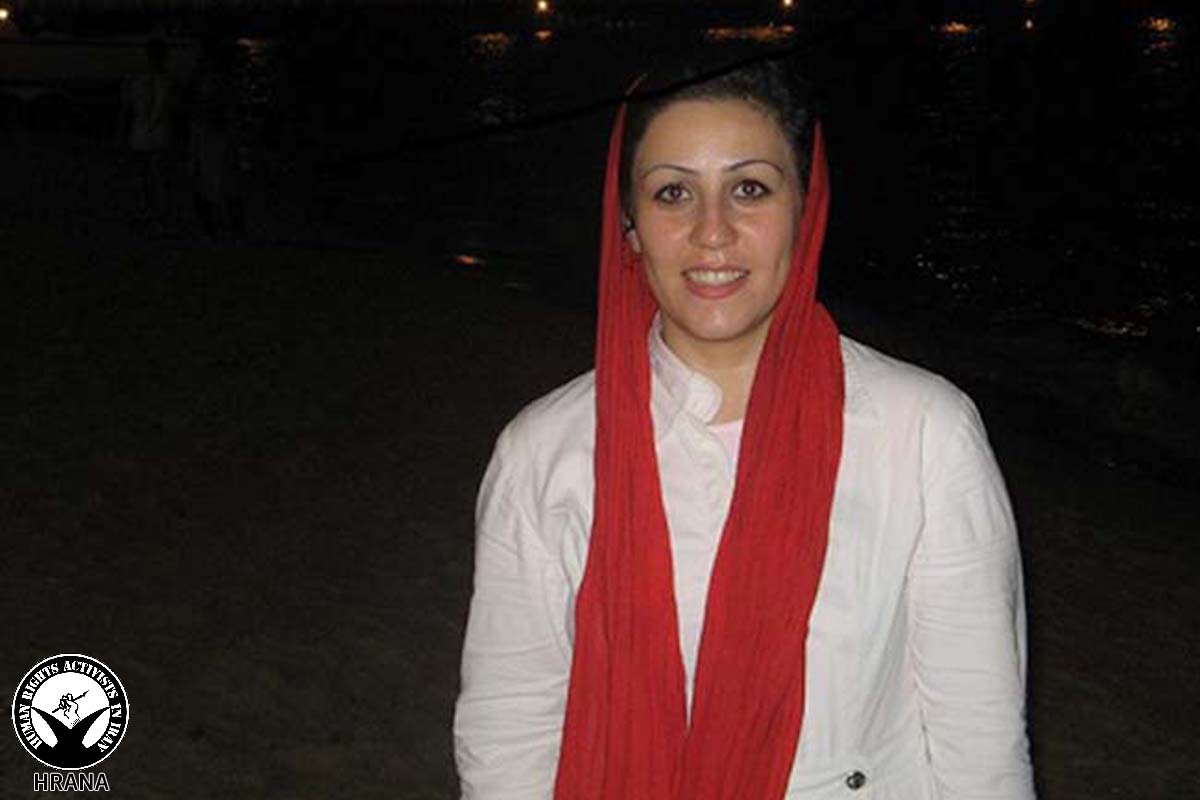
Human Rights Activists News Agency (HRANA) – Rezvaneh Mohammadi is the third women’s rights activist to be taken into custody by authorities in the past three days.

A source close to Mohammadi’s family told HRANA that she was arrested by security forces for unknown reasons on the evening of Monday, September 3, 2018.

Mohammadi’s arrest comes only two days after the arrests of activists Najmeh Vahedi and Hoda Amid, an attorney, on September 1st. The two were reportedly arrested for hosting training workshops for women inquiring about their rights in marriage contracts. At the time of this report, no further information was available on their conditions or the reasons behind their arrests.

Mohammadi, Vahedi, and Amid join a recent wave of citizens detained for their active and public defense of human rights. Lawyers Arash Kaykhosravi, Payam Dorafshan, Farrokh Forouzan, and Ghasem Sholeh-Saadi were detained in August. Dorafshan and Forouzan have since been released.