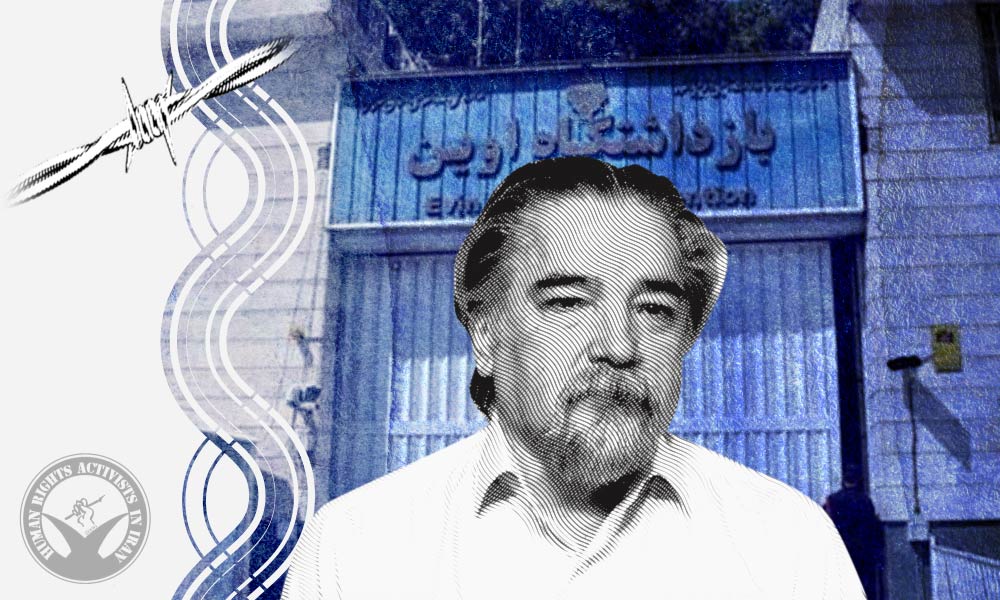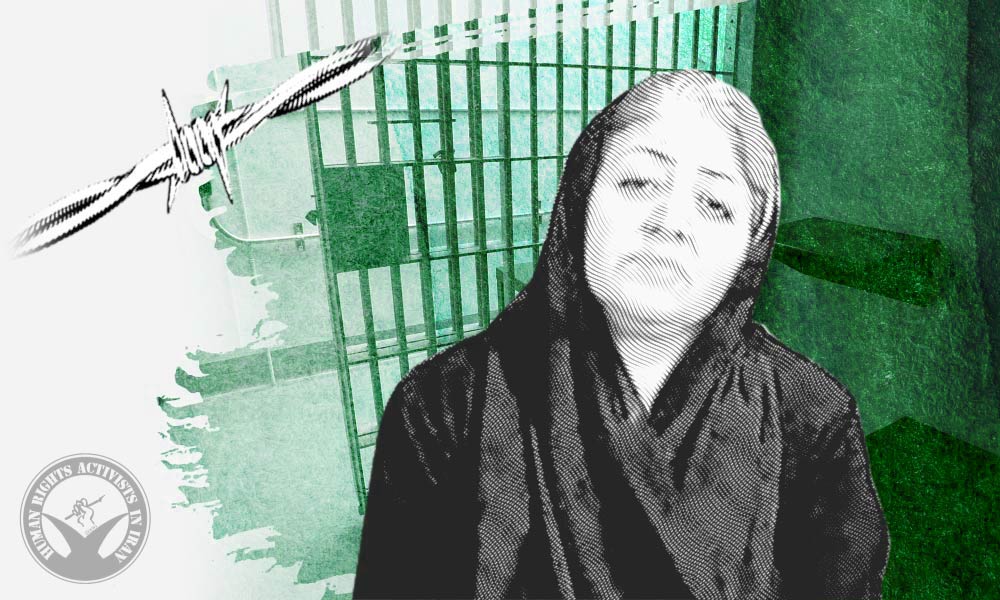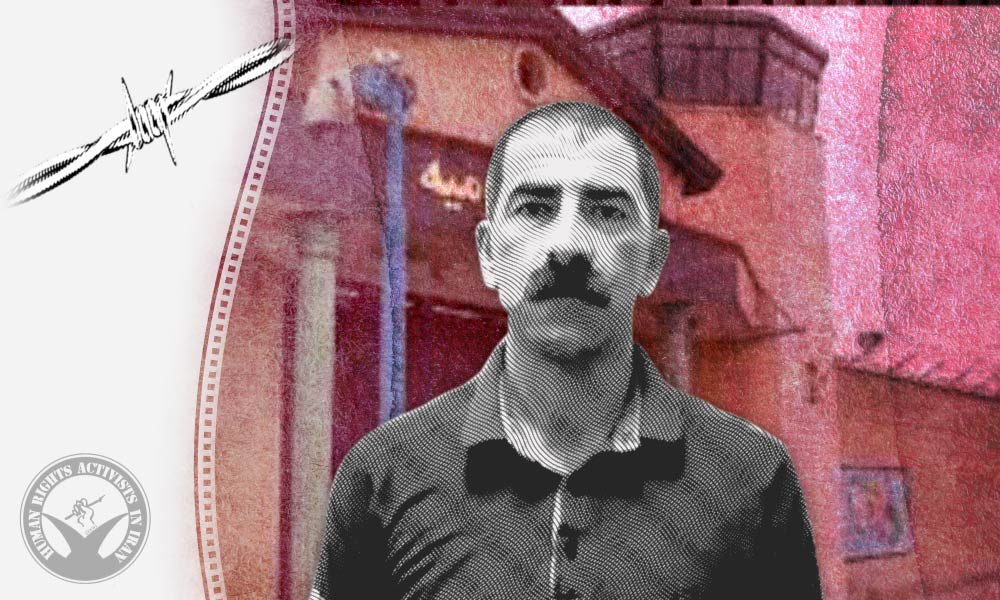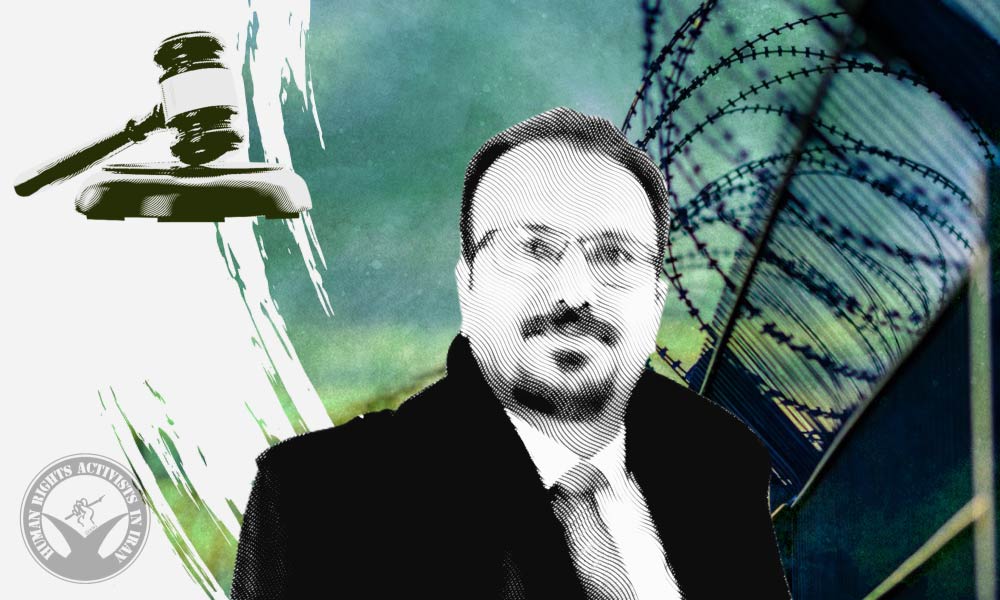
Sunni Prisoner Hamzeh Darvish Still on Hunger Strike After 12 Days

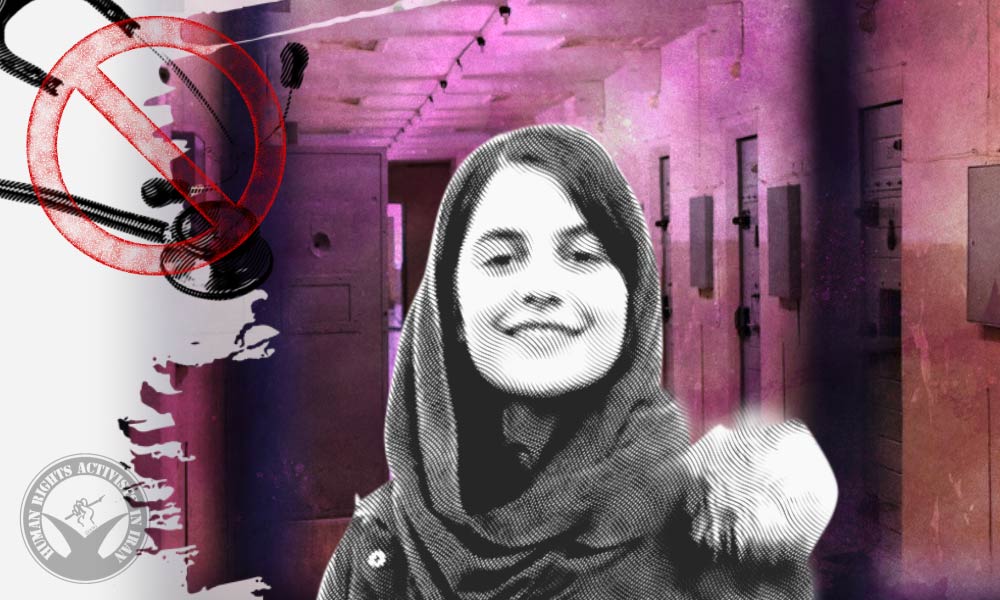
Sunni Prisoner Hamzeh Darvish, who is serving a 15 year sentence in Lakan Prison, is still on hunger strike after 12 days. On February 5, he went on hunger strike to protest his conditions and being held in the same ward of prisoners of violent crimes. He ask to be returned to Rajai Shahr Prison.

According to HRANA, the news agency of Human Rights Activists, on February 3, the first interrogation session was held for a new case recently opened against him in Branch 16 of the Public and Revolutionary Court of Rasht City. In this new case, he was charged with “offensive statements against the current and former Supreme Leader of Iran”.

This case has been opened following the complaints of the ministry of intelligence and regarding audio of Darvish circulated on social media. In this audio recording, Darvish explains his conditions in prison.

Darvish claims that in 2014, ISIS troops tricked him into Turkey and then he travelled to Syria. He had been in ISIS jail for some time, then escaped to Iran and introduced himself to the security forces.

After spending one year in detention, he was released on bail. However, he was arrested again and sentenced to 15 years imprisonment in a trial which raised many questions. On May 11, 2020, he was transferred from Rajai Shahr Prison to Lakan Prison. On September 30, 2020, he was held in solitary confinement for more than two months for the second time.

Political Prisoner Ebrahim Seddigh Hamedani Relocated to Solitary Confinement While Still on Hunger Strike

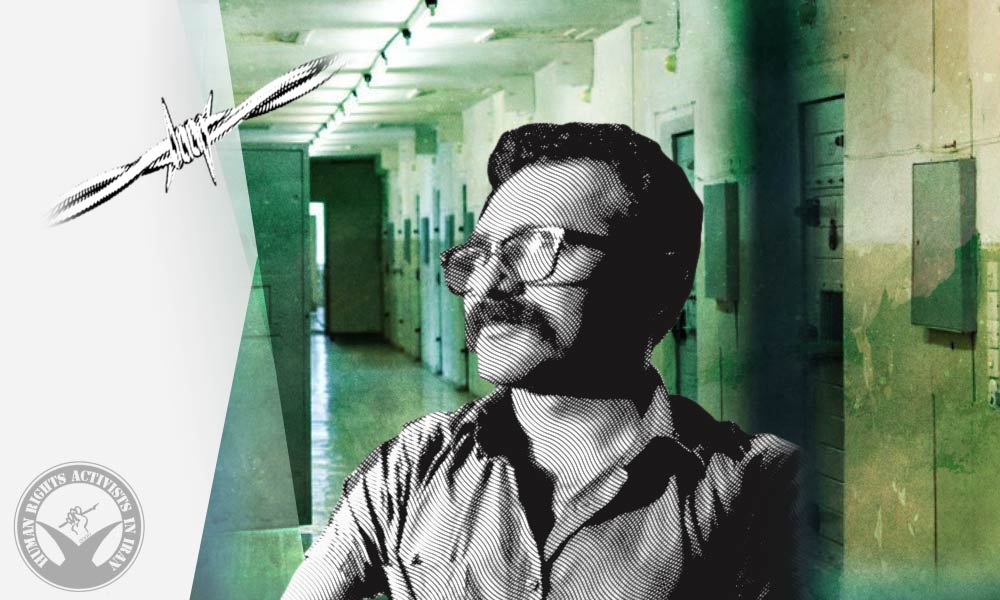
Political prisoner Ebrahim Seddigh Hamedani, who is on hunger strike and refusing to take medicine, was relocated to a solitary confinement cell in Mariwan Prison. Since February 12, he has been on hunger strike in protest against a failure by prison officials to fulfill their promises. His son, Salar Seddigh Hamedani, is jailed in Kamyaran Prison. He went on hunger strike for a few days on February 3.

According to HRANA, the news agency of Human Rights Activists, on January 3, Hamedani, along with his son, went on hunger strike to protest the housing of political prisoners in the same ward as prisoners of violent crime, which violates prison regulations. Ten days ago, they ended their hunger strike following promises by prison officials.

On February 23, 2019, Hamedani, his son Salar, and his daughter Maryam Seddigh were arrested. He was transferred to Urmia Central Prison on April 23, 2019.

Maryam Seddigh Hamedani was released from prison on April 25, 2019.

Branch 2 of the Revolutionary Court of Urmia sentenced each to 16 years imprisonment on the charges such as “acting against national security through membership in one of the anti-regime organizations” and “propaganda against the regime.”

In August of 2020, while they were spending their sentence terms, they were relocated to the detention centre of the Ministry of intelligence in Urmia city and interrogated for allegedly “propaganda against the regime inside prison.” Subsequently, a new legal case was opened against them.

In 2005, Ebrahim Seddigh Hamedani had earlier been sentenced to six years imprisonment for the same charges. He was released after serving two and a half years of his sentence on probation.

Civil Activist Raheleh Ahmadi Granted Furlough After Contracting COVID-19

On February 16, civil activist Raheleh Ahmadi, currently imprisoned in Evin Prison, was dispatched for five days of medical furlough after contracting COVID-19.

According to HRANA, the news agency of Human Rights Activists, Ahmadi showed worrying COVID-19 symptoms such as dizziness, fatigue, diarrhea, nausea, sore throat, acute body aches and fever for several days, yet was deprived of adequate medical treatment, along with other inmates. According to an informed source, she fell twice due to acute dizziness. Ahmadi suffers from a low functioning thyroid, which worsens her health condition.

On July 9, 2019, Ahmadi was arrested by security forces. In December of 2019, the Revolutionary Court of Tehran sentenced her to three years and six months in prison on charges of “assembly and collusion against national security through collaboration with anti-regime media” and eight months on the charge of “propaganda against the regime”. She was acquitted from the charge of “promoting indecency through removing the veil from her head in public and publishing its picture on the internet”.

Based on Article 134 of the Islamic Penal Code, the sentence of three years and six months is enforceable for the count of “assembly and collusion”. Instead of objecting and appealing the sentence, she asked for commutation and consequently, the verdict was reduced to two years and seven months in prison.

On February 15, 2020, she was sent to Evin Prison to serve her sentence.

On July 18, 2021, she was granted furlough to attend her mother’s funeral. During her incarceration, a new legal case was opened against her in Branch 1 of Evin Courthouse. However, she refused to appear in court after being unable to access a selected lawyer.

Ahmadi is the mother of Saba Kurd Afshari. She is a political prisoner and civil activist.

Civil Activist Arasham Rezai On Hunger Strike, Refuses to Take Medicine

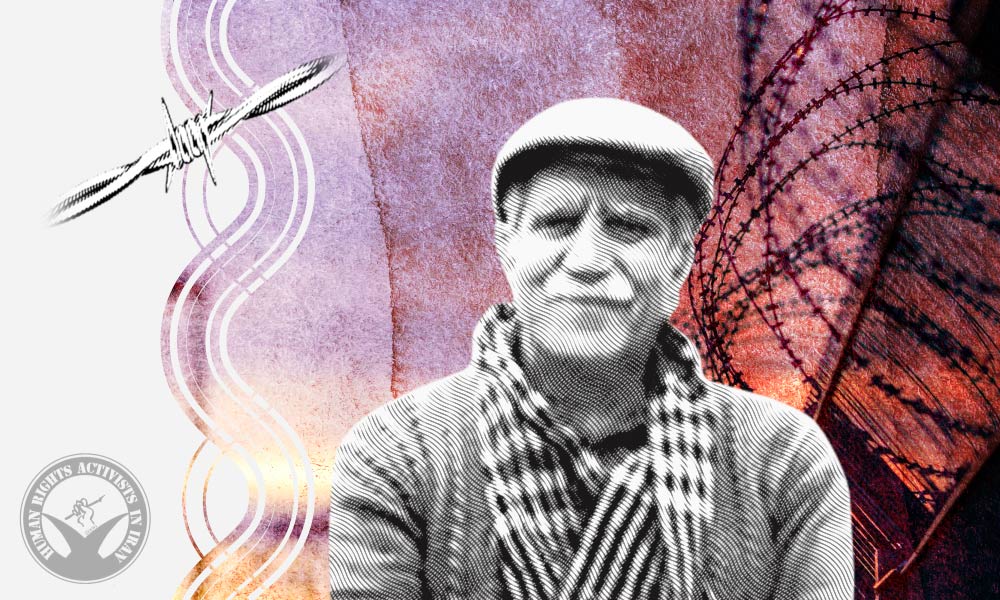
Imprisoned civil activist Arasham (Mahmood) Rezai went on hunger strike and refused to take medicine in protest against the refusal of his request for medical furlough. He needs urgent treatment for a hiatal hernia, stomach infection and duodenal ulcer.

According to HRANA, the news agency of Human Rights Activists, Rezai, a civil activist imprisoned in Rajai Shahr Prison, went on a hunger strike and refused to take his medicines.

On February 2, 2022, he was dispatched to the Hospital in Karaj City where he was diagnosed with a hiatal hernia, stomach infection and duodenal ulcer for which he needs treatment. Nonetheless, his request for a medical furlough has been rejected.

Moreover, he is suffering from damages to his left knee due to torture and being beaten by a shocker.

According to an informed source, prison officials will not dispatch him to a hospital for an MRI despite the prescription of a prison doctor.

Rezai was arrested on January 7 of 2019 by the regime’s intelligence and security forces. On November 13 of that year, he was released on bail for 2 billion Rial (approx. 8000 dollars).

On February 26, 2019, the Islamic Revolutionary Court sentenced Rezai, without informing the defendant’s attorney that the court session was taking place, to eight years and six months imprisonment on the charges of “propaganda against the regime”, “assembly and collusion against national security”, and “offensive statements against the supreme leader of Iran”. Grounded on Article 134 of the Islamic Penal Code, for the second charge, the severest punishment of 5 years was enforceable.

To serve his sentence, on October 18, 2020, he was arrested and transferred to a solitary confinement cell in Rajai Shahr Prison. Finally, he was relocated to a public section of this prison on December 19 2020.

On January 20 of this year, on new charges, the revolutionary court sentenced him to an additional 15 months imprisonment (which was later reduced to 11 months on appeal) and 4 months penal labour.

Khadijeh Mehdipour Beaten in Ilam Prison

On February 10, political prisoner Khadijeh Mehdipour was beaten by several prisoners of violent crime in Ilam Prison. Mehdipour is currently held in a ward where she is housed alongside prisoners of violent crime, which is in violation of the prison rules.

According to HRANA, the news agency of Human Rights Activists, Mehdipour was beaten by her three fellow inmates.

According to an informed source, the beating was instigated by the head of the prison. Mehdipour has been hurt in her eyes.

Confirming this news, Public Relations of the Ilam Prison Organization in an announcement claimed that after watching a documentary about Qasem Soleimani and the marching following his death, Mehdipour uttered offensive statements against Soleimani, leading to a quarrel with one of her fellow inmates.

He claimed further that this quarrel occurred without any instigation from prison officials and no one got hurt seriously.

Mehdipour is currently serving her 20 month sentence in Ilam Prison.

On October 10, 2021, the IRGC’s intelligence agents arrested her at her uncle’s house and transferred her to Ilam Prison after two days of interrogation.

Finally, she was sentenced to 20 months in prison on charges of “propaganda against the regime” and “offensive statements against the supreme leader of Iran”. She was acquitted of the charge of “advocating for anti-regime groups”.

She had earlier faced other arrests and convictions. On October 3, 2020, the security forces arrested her in Ilam City and thereafter she was fined 3 million tomans in exchange for imprisonment.

Subscribe to Our Newsletter

Now is definitely not the time to stop reading!

Shakila Monfaed Fined and Sentenced to Imprisonment

Political prisoner Shakila Monfared was fined and sentenced to two years and eight months in prison on charges in a new case recently opened against her.

According to HRANA, the news agency of Human Rights Activists, the Branch 26 of the Revolutionary Court of Tehran Monfared to two years and eight months in prison and a 10 million toman fine.

While serving her prison sentence in Qarchak Prison in Varamin City, she faced a new case and was charged with “membership in one of the anti-regime groups and spreading lies”, for which she was respectively sentenced to two years and eight months in prison and paying a fine of 10 million.

On August 31, 2020, the security forces arrested Monfared while she was leaving her home. They transferred her to one of the detention centers at disposal of the IRGC in Tehran. Reportedly, they did not have a warrant for this arrest.

On September 9, of last year she was relocated to the quarantine section of the women ward of Evin Prison. On September 14, she was released on bail of 400 million tomans until the end of legal proceedings.

In January of this year, the joint court trial of Shakila Monfared, Arsham Rezaei, and Mohammad Abolhassani was held in Branch 26 of the Revolutionary Court of Tehran, presided over by Judge Iman Afshari. 27-year-old Monfared was sentenced to 6 years in prison and 4 months of probation work in the Agricultural Jihad on charges of “propaganda activities against the system” and “insulting the sanctities of Islam”.

Monfared was granted furlough on August 23 of this year and returned to jail on September 7.

Inmates of Maragheh Prison Held in Poor Conditions

The inmates of Maragheh Prison are held in very poor conditions. Some of their problems include poor heating on cold days, co-housing political prisoners with prisoners of violent crimes and a shortage of sanitary services and beds. Moreover, the head of the prison has been ordered to deny adequate medical treatment to an inmate with a methadone addiction.

According to HRANA, the news agency of Human Rights Activists, prisoners in Maragheh Prison are held in poor, ill-equipped conditions and suffer from various problems.

Currently, about 1200 inmates are held in Maragheh Prison. This prison consists of four wards for men and one for women. Ward No. 1 houses inmates on death row and Ward No. 2 houses prisoners who are still in due process and awaiting their verdict.

An informed source explained the condition of Ward No. 4 to HRANA:

“140 inmates are held in this ward, while it has only 104 beds. Hence, some of the inmates have to sleep on the cold floor. Other wards have the same problem, which in cold days makes things harder for those [who] sleep on the floor.”

This ward has only three sanitary services for 140 inmates. The informed source also stated that the heating system can hardly warm the rooms and that inmates have to sleep with three blankets in order to keep themselves warm.

“Akbari, the head of the prison, has been ordered to refuse to accept any request, such as for furlough from the inmates with methadone addiction, until they [stop addiction]. Nonetheless, they do not provide these inmates with any adequate addiction treatment” the source added.

Our sources told a story of an inmate who used 20cc of methadone per day. They were forced to quit and consequently contracted a severe mental disorder. They have been hospitalized for two months.

The other problem is that political prisoners and prisoners of violent crimes are held in the same ward, which is in violation of prison rules.

Soheila Hejab Beaten and Threatened Following Protest Against Poor Quality Prison Food

Since January 31, inmates of the women’s ward in the Correctional Center of Kermanshah have refused to get their meals in protest against the poor quality of the prison food. During the protest, the head of the prison guards beat political prisoner Soheila Hejab and threatened to open a new legal case against her and send her to an exile prison. Other protesting prisoners have been threatened with denial of visits and phone calls.

According to HRANA, the news agency of Human Rights Activists, an informed source stated that “on the first day, Soheila Hejab brought a piece of burned food to the head of the prison and asked her if he [could] eat it. He responded that they are running low on budget and therefore the food is what it is. When Soheila Hejab was returning to her ward, she saw the decorations for celebrating Fajr decade (an annual ten-day celebration for the triumph of the 1979 revolution). She protested why they do not use the costs of this celebration for improving food quality. Following a verbal quarrel, in response, the Head of Prison Guards Leila Hosseini-Nia beat her hard in the chest and hit her with a mirror.”

According to this source, prison officials have tried to accuse her of provoking a riot in prison. They have threatened to deny other prisoners visitations and phone calls unless they corroborated this and signed reports as witnesses.

Once before, in October 2021, Hejab was beaten in Qarchak Prison while on hunger strike.

Hejab was arrested by security forces on June 1, 2019, and then released from Evin Prison in Tehran on a bail of 3 billion tomans on March 14, 2020.

Branch 28 of the Revolutionary Court sentenced her to 18 years in prison on charges of “propaganda against the regime”, “illegal assembly”, “incitement of public opinions to riot” and “organizing unlawful political groups”.

On May 23, 2020, the intelligence unit of the Revolutionary Guards arrested and transferred her to Gharchak Prison in Varamin City to serve her sentence. She was then transferred to Sanandaj Prison and then, on January 7, to the Correctional Center of Kermanshah City.

Keyvan Samimi Released From Jail

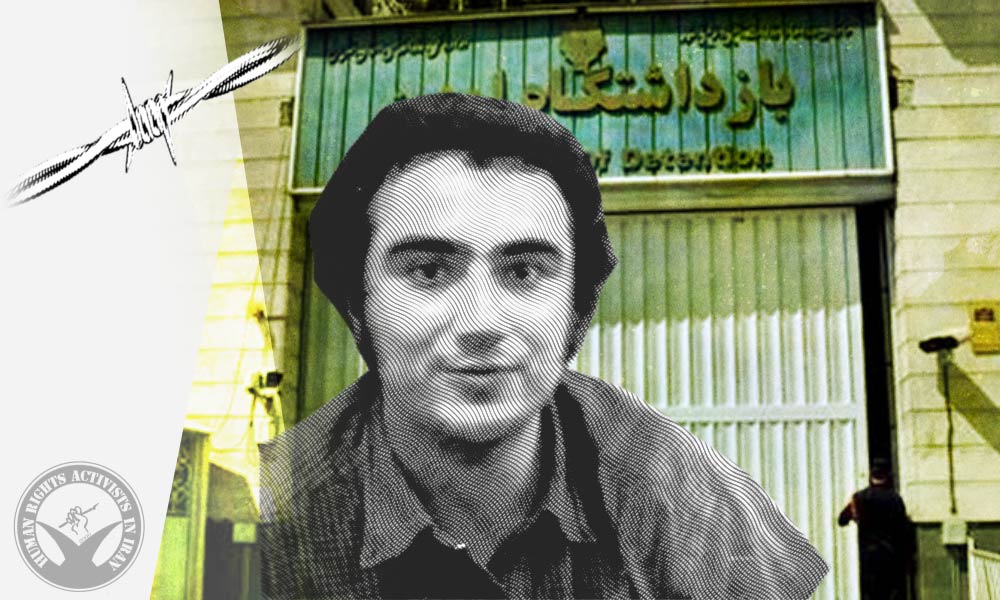
On February 1,  Keyvan Samimi was released from jail by a stay of execution order. According to his lawyer, Mostafa Nili, this release is temporary and issued considering forensic medicine’s report on Samimi’s health.

According to HRANA, the news agency of Human Rights Activists, Samimi, the imprisoned editor of Iran Farda Magazine and a member of the Iranian Writers’ Association, was released from jail by order of the prosecutor.

According to Nili, the order to suspend his incarceration has been issued considering Samimi’s health and is grounded on Article 533 of the Criminal Procedure code.

Samimi was sent into exile in Semnan Prison after several relocations.

He has been serving his two year sentence since December 7, 2020.

On May 1, 2019, he attended the workers’ protests on the anniversary of Labour Day before Parliament. The protest turned violent due to the interference of security forces, leading to his arrest along with dozens of other protestors. On May 12, 2019, security forces raided and searched the Iran Farda magazine office and confiscated many documents, including his computer. On June 17, 2019, he finally was released on bail until the end of legal proceedings.

On April 20, 2020, in a trial in absentia, Branch 26 of the Revolutionary Court of Tehran sentenced him to three years imprisonment on the charge of “assembly and collusion to act against national security”. The verdict was upheld on appeal but was reduced to two years in the retrial.

Samimi has previously served six years in prison in 2009 for questioning the 2009 Presidential Election, participating in protests, and writing articles critical of the Islamic Regime. His two political activist brothers were executed, one by this regime and the other by the former regime.

Ali Musa-Nejad Farkoosh On Hunger Strike in Rajai Shahr Prison

On February 1, imprisoned civil activist Ali Musa-Nejad Farkoosh went on hunger strike and refused to take his medicine as a way of demanding freedom for political prisoners and prisoners of conscience.

According to HRANA, the news agency of Human Rights Activists, he was sent on furlough for treatment, however, on October 27, 2021, he was forced to return to Rajai Shahr Prison despite the treatment remaining unfinished. Recently, forensic medicine confirmed that he prisoner suffers from acute diseases that require surgery.

On January 10, 2019, the security forces arrested Farkoosh before releasing him until the end of legal proceedings.

In June 2019, the Revolutionary Court of Tehran, headed by Judge Moghayeseh, sentenced Farkoosh to eight years in prison on charges of “assembly and collusion to act against national security”, “an offensive statement against the current and former supreme leaders of Iran” and “propaganda against the regime”. This verdict was upheld by Branch 36 of Tehran’s Court of Appeals. Grounded on Article 134 of the Islamic Penal Code, the severest punishment of five years for the count of “assembly and collusion” is enforceable.

On November 29, 2020, he was sent to Rajai Shahr Prison to serve his sentence.

In Iran’s prisons, hunger strikes are common among prisoners despite causing long-term physical and mental impairment. Hunger strikes are used as a last resort to achieve urgent demands such as unlawful long-term detention without trials, violations of prisoners’ rights and infringement in due process.