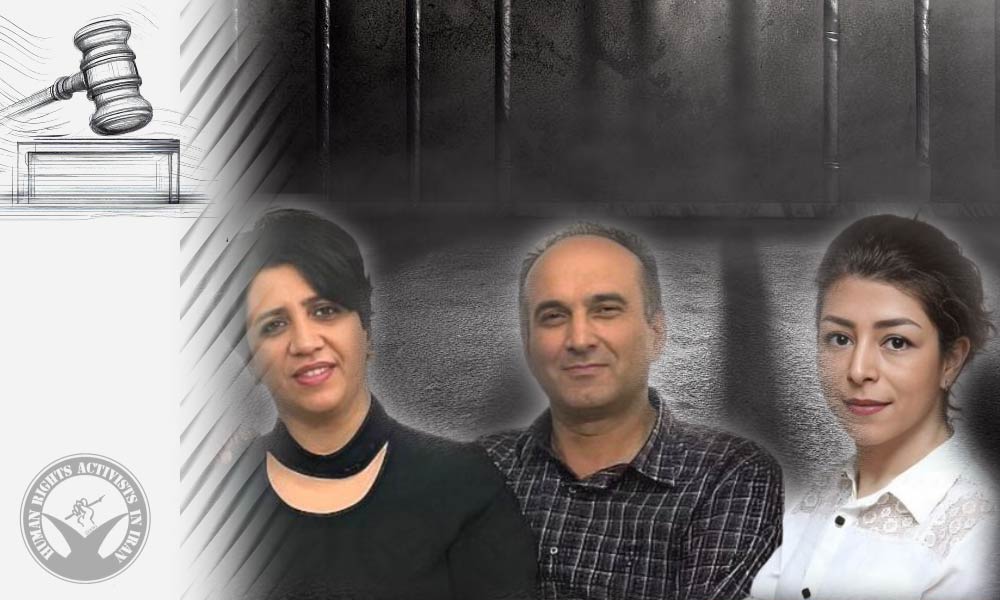
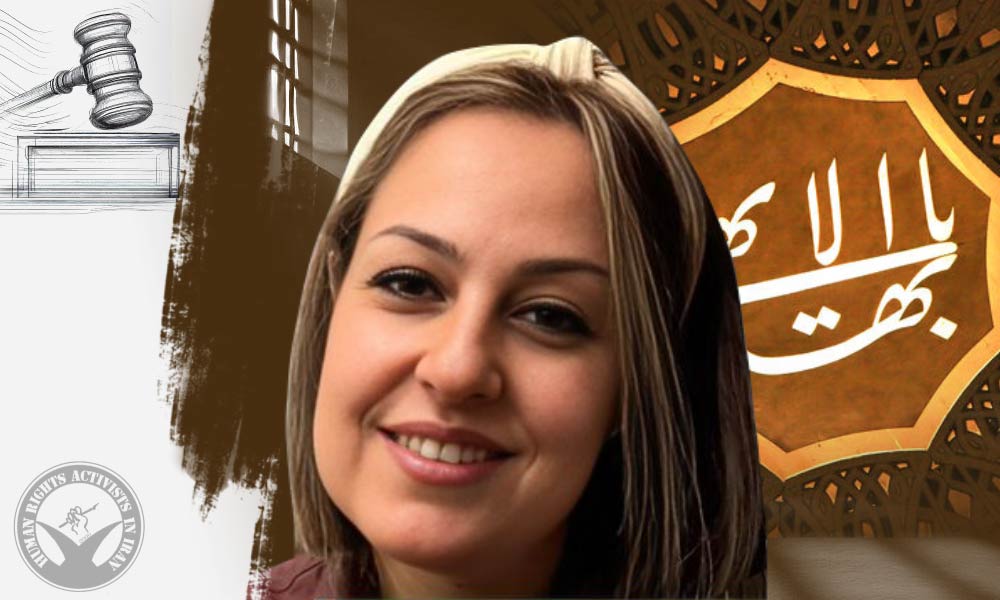
Four Baha’i Women Sentenced to Imprisonment

In a recent ruling, Nasim Sabeti, Azita Foroughi, Rouya Ezabadi, and Soheila Ahmadi, all members of the Baha’i faith, were handed down a prison sentence of three years and eight months.

The Mashhad Revolutionary Court, led by Judge Hadi Mansouri, has sentenced each of these Baha’i residents of Mashhad to three years imprisonment for alleged “involvement with groups deemed a threat to national security” and an additional eight months for “disseminating propaganda against the government.”

Should the verdict stand after the appeal process, in accordance with Article 134 of the Islamic Penal Code, a three-year prison term will be enforced.

Legal proceedings against these individuals commenced in July of this year.

The Baha’i faith is not recognized as a legitimate religion by Iranian authorities, leading to systematic and longstanding violations of the rights of Baha’is in the country. This includes the denial of their fundamental right to practice their religion, which constitutes a clear breach of both Article 18 of the Universal Declaration of Human Rights and Article 18 of the International Covenant on Civil and Political Rights. The United Nations covenant holds that every person has the right to freedom of religion, freedom of converting religion, as well as freedom of expression, individually or collectively; openly or secretly.
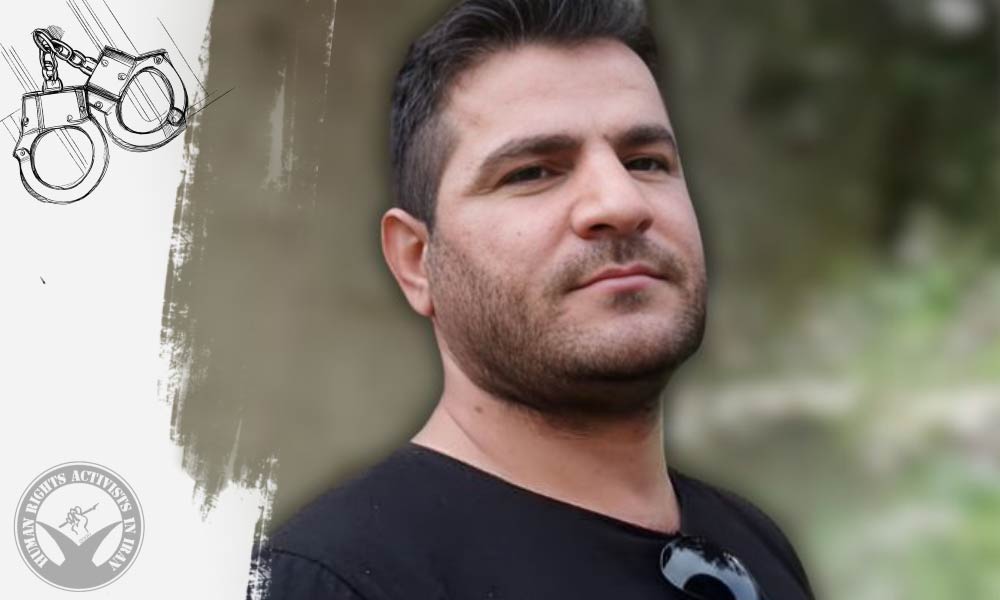
Baha’i Citizen Nooshin Mesbah Receives Prison Sentence

The Mashhad Revolutionary Court has handed down a sentence of three years and eight months to Baha’i citizen Nooshin Mesbah.

According to the ruling issued by Judge Hadi Mansouri, Mesbah has been sentenced to three years for “membership in groups aiming to endanger national security” and an additional eight months for “spreading propaganda against the regime.”

If the verdict is upheld on appeal, in accordance with Article 134 of the Islamic Penal Code, the initial three-year prison term will be implemented. Notably, Mesbah had been released on bail totaling 5 billion tomans (approximately 100,000 dollars) in late August, following the conclusion of her interrogation process.

The Baha’i faith is not recognized as a legitimate religion by Iranian authorities, leading to systematic and longstanding violations of the rights of Baha’is in the country. This includes the denial of their fundamental right to practice their religion, which constitutes a clear breach of both Article 18 of the Universal Declaration of Human Rights and Article 18 of the International Covenant on Civil and Political Rights. The United Nations covenant holds that every person has the right to freedom of religion, freedom of converting religion, as well as freedom of expression, individually or collectively; openly or secretly.


Arrest of 10 Baha’i Women in Isfahan Sparks Concern

On October 23, 2023, security forces in Isfahan arrested ten Baha’i women, raising concerns about their well-being. The detained individuals are identified as Neda Badakhsh, Arezoo Sobhanian, Yeganeh Roohbakhsh, Mojgan Shah Rezaie, Parastoo Hakim, Yeganeh Agahi, Bahareh Lotfi, Shana Shoghifar, Negin Khademi, and Neda Emadi.

According to a Baha’i citizen who shared information with HRANA, Ministry of Intelligence agents conducted searches of the women’s residences and confiscated some of their belongings.

At present, the reasons for their arrest and the specific allegations against them remain undisclosed, raising questions and concerns about their situation.

The Baha’i faith is not recognized as a legitimate religion by Iranian authorities, leading to systematic and longstanding violations of the rights of Baha’is in the country. This includes the denial of their fundamental right to practice their religion, which constitutes a clear breach of both Article 18 of the Universal Declaration of Human Rights and Article 18 of the International Covenant on Civil and Political Rights. The United Nations covenant holds that every person has the right to freedom of religion, freedom of converting religion, as well as freedom of expression, individually or collectively; openly or secretly.
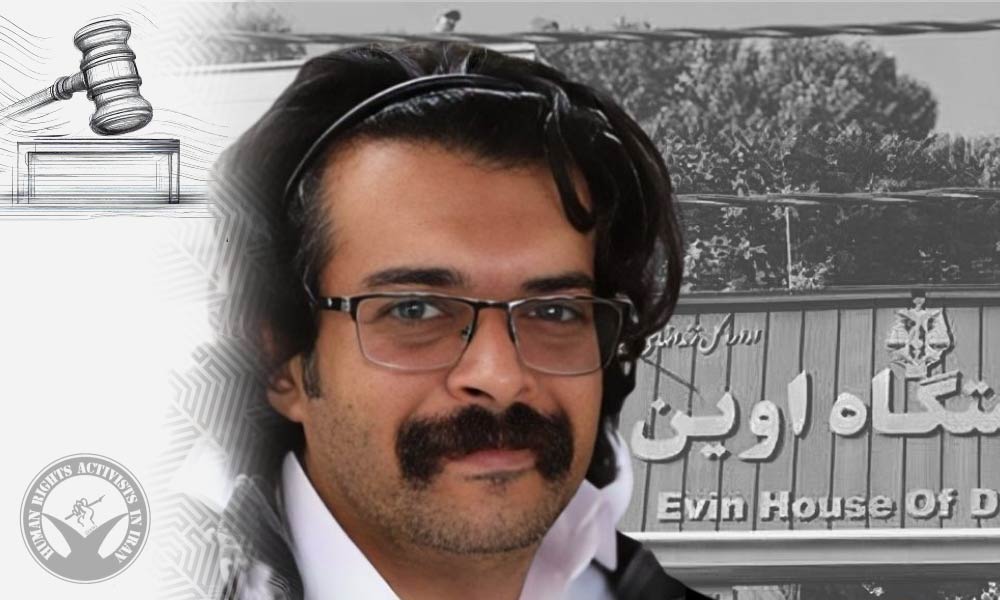
Gonabadi Dervish Arash Moradi Arrested in Kashan

On October 17, Arash Moradi, a Gonabadi Dervish, was arrested by security forces in Kashan and promptly taken to an undisclosed facility.

A source with close ties to his family has informed HRANA that Moradi’s arrest unfolded at his place of work, where the agents conducted a search and confiscated some of his personal belongings.
The motivations behind Moradi’s arrest, his current whereabouts, and the specific charges brought against him remain shrouded in uncertainty.
Moradi was previously detained during the 2018 Dervish protests and subsequently sentenced to one year in prison. After serving his sentence, Moradi was released from the Great Tehran Penitentiary.
This development takes place against the backdrop of a broader pattern of suppression and persecution faced by the Gonabadi Dervish community in Iran, who have long struggled against government restrictions on their religious practices and their peaceful expressions of dissent.

Four Baha’i Citizens Sentenced to Twelve Years on Appeal

In a recent development, the Tehran Court of Appeal has issued a collective 12-year prison sentence to Baha’i citizens Shadi Shahidzadeh, Mansour Amini, Valiollah Ghadamian, and Ataollah Zafar.

Presiding over the case, Judge Abbasali Hoozan has pronounced the following sentences: Shahidzadeh will serve five years, while Zafar and Ghadamian will each serve two years, and Amini will face a three-year term.

It is worth noting that initially, the Tehran Revolutionary Court had sentenced all four individuals to five years in prison on charges of “membership in illegal groups aimed at disrupting national security.”

These Baha’i citizens were apprehended by security forces on May 1, 2023, and subsequently transferred to Ward 209 of Evin Prison.

HRANA’s annual report has highlighted a concerning trend where, in 2022, 64.63% of reported human rights violations against religious minorities are directed toward the Baha’i community.

The Baha’i faith is not recognized as a legitimate religion by Iranian authorities, leading to systematic and longstanding violations of the rights of Baha’is in the country. This includes the denial of their fundamental right to practice their religion, which constitutes a clear breach of both Article 18 of the Universal Declaration of Human Rights and Article 18 of the International Covenant on Civil and Political Rights. The United Nations covenant holds that every person has the right to freedom of religion, freedom of converting religion, as well as freedom of expression, individually or collectively; openly or secretly.

Subscribe to Our Newsletter

Now is definitely not the time to stop reading!

Sanaz Tafazoli’s Prison Sentence Upheld on Appeal

The Court of Appeal in Razavi Khorasan Province has upheld the ten-year and nine-month prison sentence of Baha’i citizen Sanaz Tafazoli. Tafazoli is currently incarcerated in Vakilabad Prison, Mashhad.

According to information provided by a source closely associated with her family, the court session was held on Thursday, October 5, in the absence of both Tafazoli and her legal counsel.

Previously, the Mashhad Revolutionary Court had sentenced Tafazoli to six years and six months for “forming a group to act against national security,” three years and seven months for “assembly and collusion against national security,” and eight months for “educational/promotional activities against Sharia.”

On Tuesday, November 22, 2022, intelligence agents apprehended Tafazoli, aged 45, in Mashhad. A search of her residence resulted in the confiscation of belongings belonging to both her and her son.

After multiple extensions of Tafazoli’s detention period, she was incarcerated at Vakilabad Prison on December 29, 2022.

In February, she was granted a ten-billion-toman bail. However, judicial authorities declined her release on bail, returning this heavy bail to her family.

According to the HRANA annual report, a significant portion, accounting for 64.63%, of human rights violations against religious minorities were related to the infringement of Baha’i rights.

The denial of the freedom to practice a religion constitutes a breach of Article 18 of the Universal Declaration of Human Rights and Article 18 of the International Covenant on Civil and Political Rights. The United Nations covenant asserts that every individual possesses the right to religious freedom, the freedom to convert, and the freedom of expression, both individually and collectively, openly or privately.

Baha’i Citizen Ahmad Naeimi Arrested in Yazd

On October 5, 2023, Ministry of Intelligence agents apprehended Baha’i citizen Ahmad Naeimi (Naeemi) in Yazd and subsequently transported him to a detention facility.

According to a source closely connected to Naeimi’s family who informed HRANA, two agents detained Naeimi at his workplace. As of now, the exact reasons for his arrest and the specific allegations against him remain undisclosed.

HRANA’s annual report has highlighted a concerning trend where, in 2022, 64.63% of reported human rights violations against religious minorities are directed toward the Baha’i community.

The Baha’i faith is not recognized as a legitimate religion by Iranian authorities, leading to systematic and longstanding violations of the rights of Baha’is in the country. This includes the denial of their fundamental right to practice their religion, which constitutes a clear breach of both Article 18 of the Universal Declaration of Human Rights and Article 18 of the International Covenant on Civil and Political Rights. The United Nations covenant holds that every person has the right to freedom of religion, freedom of converting religion, as well as freedom of expression, individually or collectively; openly or secretly.
Baha’i Citizen Iman Rashidi Detained in Yazd

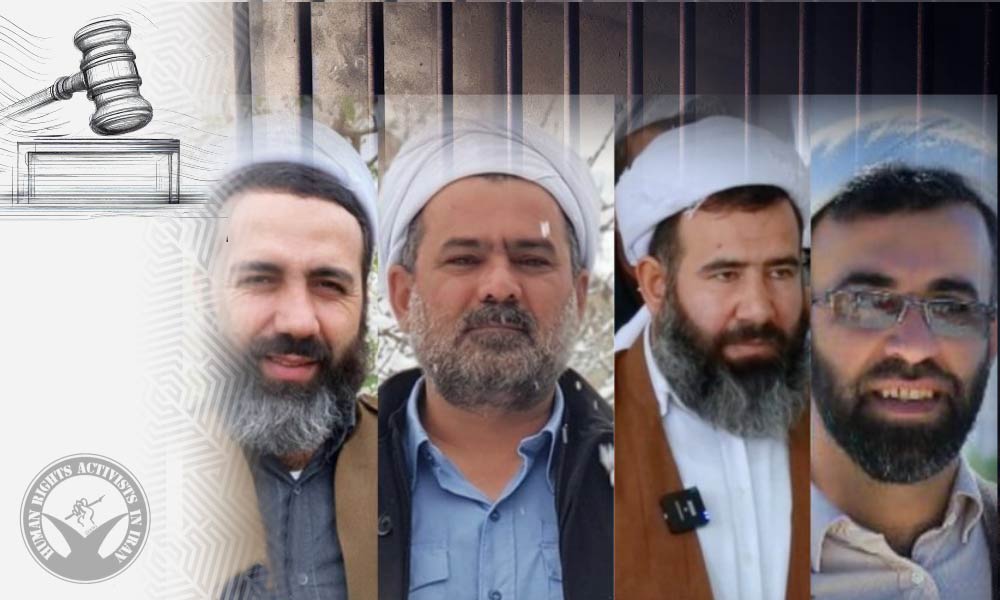
Iman Rashidi, a Baha’i citizen, was taken into custody on October 5, 2023, by agents from the Ministry of Intelligence in Yazd, and subsequently transported to an undisclosed detention facility.

According to a source close to his family, HRANA has learned that Rashidi’s wife was leaving their residence when she was confronted and encircled by intelligence agents. Under duress, she was compelled to lead the agents to Mr. Rashidi’s location, resulting in his arrest.

During the operation, the agents also conducted a search of his residence and confiscated some of his personal belongings.

As of now, the reasons behind Rashidi’s arrest and the specific allegations against him remain unknown.

The Baha’i faith is not recognized as a legitimate religion by Iranian authorities, leading to systematic and longstanding violations of the rights of Baha’is in the country. This includes the denial of their fundamental right to practice their religion, which constitutes a clear breach of both Article 18 of the Universal Declaration of Human Rights and Article 18 of the International Covenant on Civil and Political Rights. The United Nations covenant holds that every person has the right to freedom of religion, freedom of converting religion, as well as freedom of expression, individually or collectively; openly or secretly.
Azerbaijani-Turk Activist Abbas Lisani’s Exile Term Extended

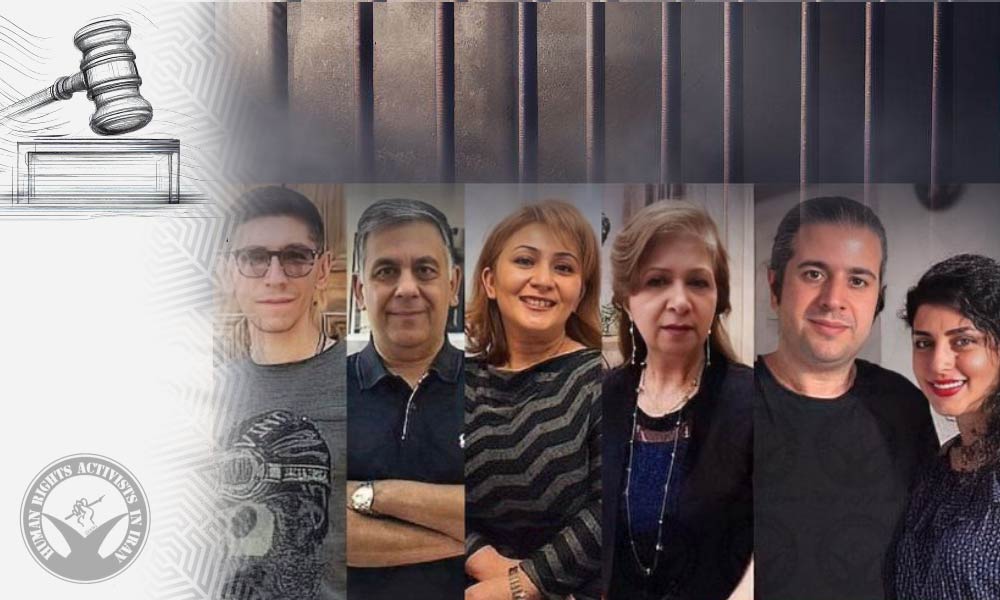
The Ardabil Court of Appeals has extended the mandatory residence period in Yazd for Azerbaijani-Turk activist Abbas Lisani (Lesani) by one-third.

Branch 1 of the Ardabil Court of Appeals made this decision due to allegations that Lisani had violated the terms of his exile.

In a previous retrial, Branch 1 of Iran’s Supreme Court had sentenced Lisani to eight years in prison and two years of exile in Yazd County. This sentence was based on charges of “creating and leading groups with the intent of undermining national security.” However, he was acquitted of the charge of “acting against national security,” for which he had initially received a five-year prison sentence.

Lisani was placed in exile after his release from Ardabil prison on February 21, 2023.

Lisani has a long history of arrests and convictions stemming from his peaceful activism.

Four Baha’i Citizens Arrested in Yazd

On Sunday, October 1, 2023, security forces detained Baha’i citizens Vida Ahrari, Mojgan Basiri, Shokoofeh Basiri, and Jamal Ghadirzadeh in Yazd and transferred them to undisclosed locations.

According to an insider source who informed HRANA, these individuals were guests at Mrs. Basiri’s residence when security agents conducted a raid and apprehended them. Additionally, searches were carried out at the residences of all four Baha’i individuals.

The motives behind their arrests, as well as their current whereabouts, remain unknown.

HRANA’s annual report has highlighted a concerning trend where, in 2022, 64.63% of reported human rights violations against religious minorities are directed toward the Baha’i community.

The Baha’i faith is not recognized as a legitimate religion by Iranian authorities, leading to systematic and longstanding violations of the rights of Baha’is in the country. This includes the denial of their fundamental right to practice their religion, which constitutes a clear breach of both Article 18 of the Universal Declaration of Human Rights and Article 18 of the International Covenant on Civil and Political Rights. The United Nations covenant holds that every person has the right to freedom of religion, freedom of converting religion, as well as freedom of expression, individually or collectively; openly or secretly.