Prisoner Executed in Sepidar Prison, Ahvaz

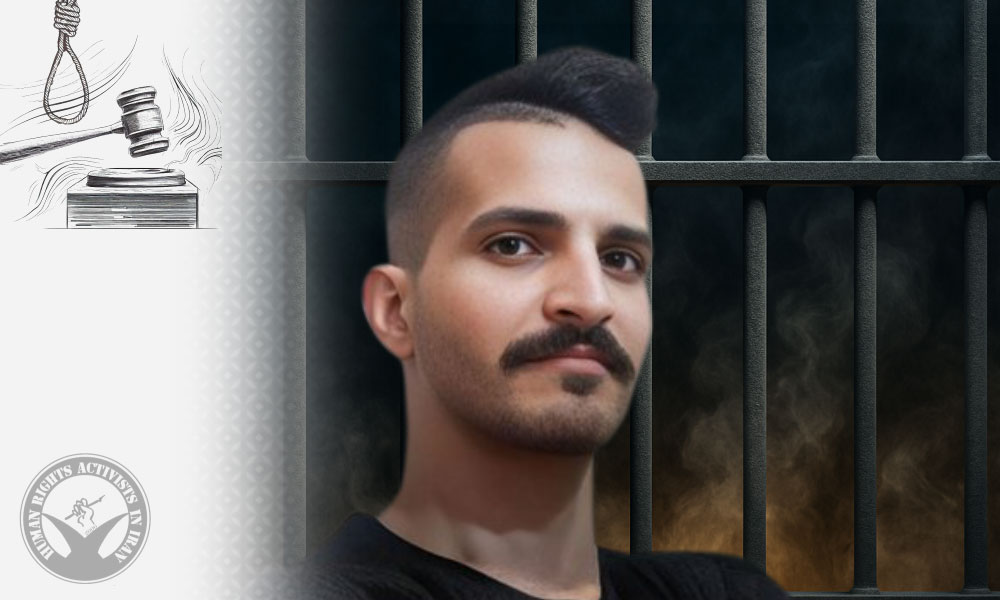
HRANA News Agency – On Thursday, February 20, 2025, a prisoner previously sentenced to death on murder charges was executed in Sepidar Prison, Ahvaz.

According to HRANA, the news agency of the Human Rights Activists in Iran, the executed prisoner has been identified as Babak Hajipour, 49, from Masjed Soleyman, Khuzestan province.

A source close to Hajipour’s family confirmed the news to HRANA, stating: “In 1994, following a dispute, he was arrested and charged with murder. After serving four years in prison, he was acquitted and released. However, his case was reopened, and he was sentenced to death in absentia by the Criminal Court. In 2014, he was rearrested and transferred to Sepidar Prison in Ahvaz.”

As of the time of this report, prison and judicial authorities have not publicly announced the execution.

Babak Hajipour’s Death Notice

In 2024, the Department of Statistics and Publication of Human Rights Activists in Iran documented 812 cases related to the right to life, including the sentencing of 214 individuals to death and the execution of 930 individuals. Among these, 4 executions were carried out in public. Of those executed, 818 were male, 26 were female, and 5 were juvenile offenders—individuals under 18 years old at the time of their alleged crimes.

Maziar Seyednejad Sentenced to 39 Months in Prison Following Sentence Consolidation

HRANA News Agency – Following the acceptance of a request for sentence consolidation, labor activist Maziar Seyednejad’s sentence was reduced to three years, three months, and two days by the Khuzestan Province Court of Appeals. Previously, he had been sentenced to a total of six years in prison across two separate cases heard by Revolutionary Courts in Ahvaz and Tehran.

According to HRANA, the news agency of Human Rights Activists in Iran, this revised sentence was issued by Branch 16 of the Khuzestan Court of Appeals, presided over by Saeed Koosha, on December 20, 2023, and has since been communicated to Seyednejad. He was sentenced to two years, seven months, and sixteen days in prison for “membership in an anti-regime group” and to seven months and sixteen days for “propaganda against the regime.” Under Article 134 of the Islamic Penal Code, the severest sentence—two years, seven months, and sixteen days—will be enforceable.

Seyednejad, currently on furlough, had previously been sentenced by Branch 15 of the Tehran Revolutionary Court in January 2023 to three years in prison, a two-year ban on leaving the country, prohibition from joining political parties or groups, and a ban on social media activity for charges of “membership in an illegal Marxist-leftist group” and “propaganda against the regime.” In another case, Branch 4 of the Ahvaz Revolutionary Court sentenced him to three years in prison for “membership in anti-regime groups (communist groups).”

Seyednejad was arrested by security forces on June 7, 2021, at his home in Tehran and was released from Evin Prison on August 16, 2021, after posting bail of 600 million tomans. He eventually reported to Evin Prison on May 21, 2022, to serve his sentence.

Maziar Seyednejad has a history of arrests and convictions related to his activism.

Mokhtar Alboshokeh Exposes Torture and Medical Neglect in Ahvaz Police Detention

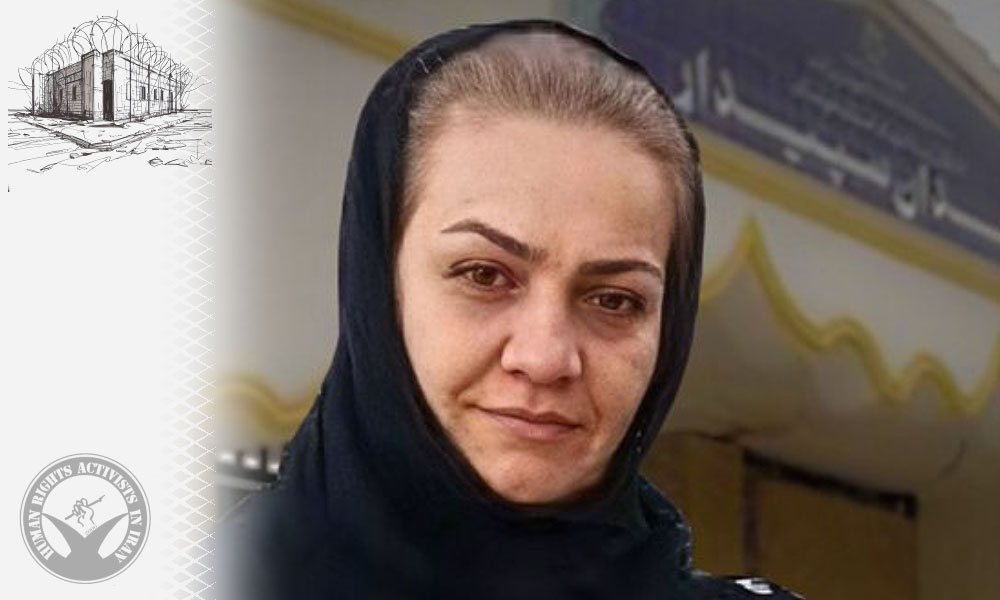
HRANA News Agency – Mokhtar Alboshokeh, a political prisoner held in Sheiban Prison in Ahvaz, has described the physical and psychological torture he endured in one of the police detention facilities in Ahvaz in an open letter.

In the letter, he recounts how officers subjected him to verbal sexual harassment and repeatedly struck his abdomen despite being aware of his hernia condition. These violent acts exacerbated his illness, causing severe pain. Alboshokeh, who is serving a life sentence, also reveals that he has been deprived of essential medical treatment, despite medical recommendations. Instead of receiving appropriate care, he has been forced to rely on heavy painkillers and medications to endure the pain caused by his condition and the torture.

Previously, Alboshokeh was removed from prison on orders from the Iranian Cyber Police (FATA) and was subsequently beaten while in one of the police detention centers in Ahvaz. His letter details the worsening of his condition due to the violent acts and the resulting injuries.

Here is the full text of Mokhtar Alboshokeh’s letter:

“When you’ve been in prison for 14 years with a life sentence plus five more years, even a glimpse of the streets, cars in motion, the trees lining the boulevards, or the hurried faces of people seems like embarking on a luxurious tour to see the most beautiful sights in the world. That’s why, on December 6, 2024, when I was called and escorted to a car within the prison grounds, a spark of excitement ignited in me. This feeling lasted only until I left the prison gate with a group of plainclothes agents I didn’t recognize. The person in the front seat turned, punched me hard in the face, and instructed his colleague beside me, ‘Put a blindfold and handcuffs on this scum!’

Holding my aching face, I resisted while the two officers beside me wrenched my hands away, forcing them behind my back to handcuff me. Their aggressive actions caused severe pain as I caught the last fleeting glimpses of the world outside the prison before a blindfold plunged me into complete darkness. At that moment, it struck me: ‘Mokhtar, this isn’t a sightseeing trip. There will be no boulevards, trees, cars, or faces of passersby to marvel at.’ But even then, I didn’t anticipate the extent of torture awaiting me—especially after spending 14 years in prison!

I tried to reassure myself: ‘I’ve already spent 14 years in prison with a life sentence for a crime I didn’t commit. What more could they want from me to justify tormenting me further?’ While I was lost in these thoughts, a powerful punch to my lower abdomen left me doubled over in pain. Reflexively, I said, ‘Please, don’t hit me! I have a severe hernia.’ The officer next to me, seemingly thrilled by this information, sneered and said, ‘Oh, even better!’ He hurled vulgar sexual insults and added, ‘A hernia, huh? I’ll make you forget all about it!’ before landing another brutal punch to the same spot.

During the drive to their detention center, their relentless barrage of obscene insults directed at my mother, sister, and family was so psychologically painful that it almost distracted me from the physical pain of their punches and slaps. After arriving at the facility—later revealed to belong to the Ahvaz Cyber Police (FATA)—I endured severe torture for several days.

I lost track of time but eventually passed out from the repeated punches and kicks, especially to my abdomen. When I regained consciousness, I found myself chained to a hospital bed with handcuffs and leg shackles. A man, presumably a doctor, was pleading with the officers, saying, ‘This man has a severe hernia, and there’s a high risk of rupture. He needs to stay here and undergo immediate surgery.’ Ignoring him as though he were talking to a wall, the plainclothes officers dragged me off the hospital bed after re-blindfolding and handcuffing me, returning me to their torture chamber.

This cycle of torture, vulgar insults aimed at my family, losing consciousness, being taken to the hospital, the doctor’s pleas for urgent treatment, and the officers’ indifference repeated itself. All of this happened while I was on a hunger strike. Eventually, I was returned to Sheiban Prison in Ahvaz. And why did they do all this? Because they found my name in the contact list of a phone belonging to someone who had been arrested. I’ve been in their prison for 14 years!

When I returned to the prison ward, I initially thought I had been gone for over two months. My cellmates reminded me it had only been 12 days—from December 6 to December 18. Now, a month after those events, I feel an irreparable void inside me—not because of the physical torture, but because of the psychological torment of their relentless vulgar insults against my loved ones. It’s a wound that will never heal.”

Background on Mokhtar Alboshokeh

Mokhtar Alboshokeh was arrested by security forces in March 2011 in the city of Khalafabad (also known as Ramshir) in Khuzestan Province. In July 2012, he was sentenced to death by Branch 3 of the Ahvaz Revolutionary Court, presided over by Judge Seyyed Mohammad Bagher Mousavi, on charges of moharebeh (waging war against God), efsad-e-fel-arz (spreading corruption on earth), propaganda against the Islamic Republic, and actions against national security. His death sentence was later commuted to life imprisonment.

Continued Arrests of Citizens in Khuzestan: Eight More Detained

HRANA News Agency – In the ongoing wave of arrests in Khuzestan Province, eight more citizens—identified as Emad Mazraeh, Hossein Albuobaid, Hossein Shalibavi, Ma’leh Shavardi, Mohsen Berihi, Ahmad Zanbouri, Tareq Janami, and Bagher Shavardi—have been detained by security forces in the cities of Ahvaz and Shadegan in recent days.

  • Identities and Details:
    • Emad Mazraeh was arrested on January 10, and Hossein Albuobaid and Bagher Shavardi were arrested on January 13 in Shadegan. Security forces searched the homes of Mazraeh and Albuobaid and confiscated family members’ phones.
    • On Saturday, January 11, Hossein Shalibavi, Ma’leh Shavardi, Mohsen Berihi, Ahmad Zanbouri, and Tareq Janami were arrested in Ahvaz.

The reasons for these arrests and the current whereabouts of the detainees remain unknown.

Since last week, reports indicate that dozens of individuals have been arrested across Khuzestan Province. HRANA previously identified 30 of the detained individuals.

According to data from the Department of Statistics and Publications of HRA in 2024, Khuzestan Province ranked second in reported human rights violations by Iran’s regime, trailing only Tehran Province.

Khaled Pirzadeh Attempts Suicide in Evin Prison Over Denial of Medical Treatment

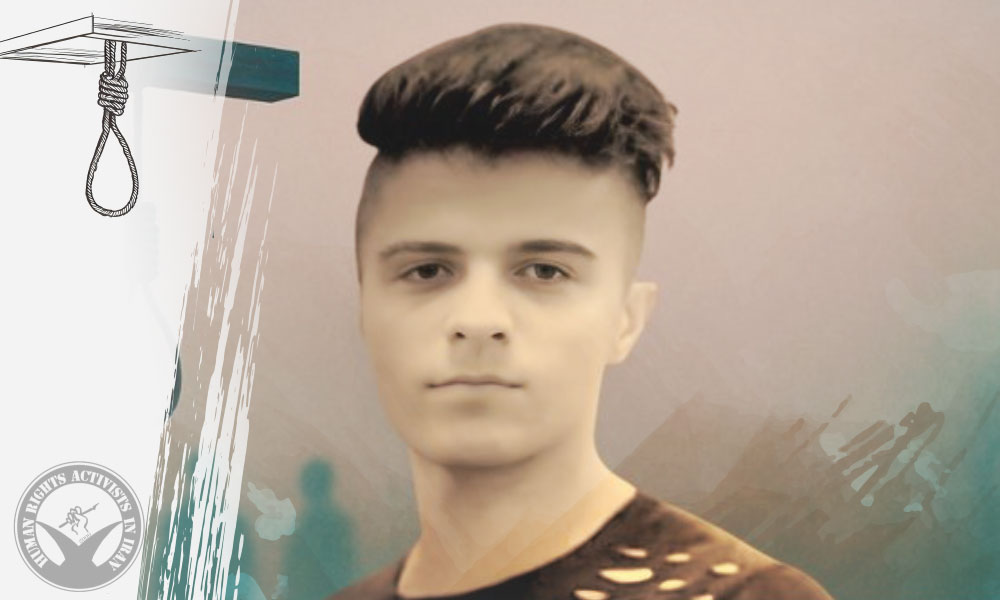
HRANA News Agency – Khaled Pirzadeh, a political prisoner held in Evin Prison, attempted suicide by cutting his neck in protest against being denied adequate medical treatment. Following the attempt, he was transferred to a hospital and returned to prison hours later.

Zeinab Zobeidi, Mr. Pirzadeh’s wife, announced on her personal social media page that he took this action in protest against being deprived of vital medications and proper medical care. She stated that he was taken to a hospital for stitches but was returned to prison shortly after.

This incident occurred just two days after Mr. Pirzadeh released an audio message from prison, revealing that he had been denied necessary medical care, hospital transfers, and access to life-saving medications.

Pirzadeh was arrested by security forces in Ahvaz in September 2023 and was transferred on October 15 from The Ministry of Intelligence’s detention facility, known as Ward 209 of Evin Prison, to Ward 6 of the same prison.

In January 2024, he was sentenced by Branch 26 of the Tehran Revolutionary Court, presided over by Judge Iman Afshari, to a total of five years and eight months in prison.

Mr. Pirzadeh has previously been arrested and imprisoned due to his activities.

Subscribe to Our Newsletter

Now is definitely not the time to stop reading!

Bookstore Owner Ahlam Bandar Arrested by Security Forces in Ahvaz

Yesterday, January 7, Ahlam Bandar, a resident of Ahvaz, was arrested by security forces in the city and transferred to an undisclosed location.

The identity of the detainee, Ahlam Bandar, who runs a bookstore named Laris in Ahvaz, has been confirmed by HRANA. Additionally, the bookstore’s Instagram page announced the suspension of its activities.

The reasons for her arrest and her current whereabouts remain unknown at this time.

According to data collected in 2024 by the Department of Statistics and Publications of HRA, Khuzestan Province ranked second in the number of human rights violations committed by Iran’s regime, following Tehran Province.

Four Teachers’ Union Activists in Khuzestan Sentenced to a Total of 24 Years in Prison

Siamak Sadeghi Chehrazi, Kokab Bodaqi-Panah, Pirooz Nami, and Ali Koroushat, teachers’ union activists in Khuzestan, have been sentenced by the Ahvaz Revolutionary Court to a combined total of 24 years in prison in a joint case.

According to HRANA, the news agency of Human Rights Activists in Iran, the four union activists were sentenced by Branch 3 of the Ahvaz Revolutionary Court. On Tuesday, January 7, 2025, they were verbally informed of their sentences. Each was sentenced to five years in prison on charges of “assembly and collusion against national security” and one year for “propaganda against the regime,” amounting to a total of 24 years for all four activists.

The court hearing for their case took place on November 6, 2024, in the same branch.

Kokab Bodaqi-Panah, a teachers’ union activist in Khuzestan, had previously been charged by Branch 13 of the Prosecutor’s Office in Ahvaz in October 2024 and was released on bail following her indictment.

Siamak Sadeghi Chehrazi, Pirooz Nami, and Ali Koroushat have faced prior legal actions due to their union activities.

Saeed Esmaeil Mazraeh Arrested in Ahvaz

Yesterday, Saeed Esmaeil Mazraeh, a writer and researcher residing in Ahvaz, was arrested by Ministry of Intelligence agents at his home and transferred to an undisclosed location. During the raid, agents searched his home and confiscated some of his digital belongings.

According to HRANA, the news agency of Human Rights Activists in Iran, the arrest took place on Monday, January 6, 2025. Agents searched Mr. Mazraeh’s residence, seizing personal items including his mobile phone and computer.

HRANA’s sources indicate that Mr. Mazraeh, who suffers from kidney disease, remains in an unknown condition, raising his family’s concerns about his health and fate. The reasons for his arrest and the charges against him remain unknown.

Saeed Esmaeil Mazraeh, 32, is married and resides in Ahvaz. He holds a master’s degree in literature, works as a researcher, and has authored several books.

Ayoub Gheibipour Arrested by IRGC Intelligence in Ahvaz

Ayoub Gheibipour Hajivar, one of the detainees from the 2022 nationwide protests, was arrested by security forces in Ahvaz yesterday and transferred to an undisclosed location.

According to HRANA, the news agency of Human Rights Activists in Iran, a source close to Gheibipour’s family confirmed the news, stating:
“Yesterday, IRGC intelligence agents first went to Mr. Gheibipour’s family home in Ahvaz. After learning he was not home, they went to the gym where he was training and arrested him there. The agents also confiscated the gym’s CCTV cameras. His current location remains unknown.”

The source added: “Mr. Gheibipour has not received any summons to serve his sentence. It is likely that his arrest is connected to his activities.”
In April of 2024, the Ahvaz Revolutionary Court sentenced Gheibipour on charges of arson, destruction of public property, and propaganda against the regime. He was given a 10-year prison term in exile in Kerman Prison for “moharebeh” (enmity against God) and an additional year for “propaganda against the regime.” One of the charges cited against him was “burning a statue of Qassem Soleimani.”

Initially, this verdict was overturned by Branch 20 of the Supreme Court and sent back for retrial. The Ahvaz Revolutionary Court reinstated the same sentence, which was later upheld by the Supreme Court in late October 2024.

Gheibipour was previously arrested in November 2022 during the nationwide protests and detained at Sheiban Prison in Ahvaz. He was eventually released on February 13, 2024, after posting a bail of 3 billion tomans. During his detention, he was denied adequate medical care.

Execution of a Prisoner in Sepidar Prison, Ahvaz

On Wednesday, January 1, 2025, the death sentence of a prisoner previously convicted of murder was carried out in Sepidar Prison in Ahvaz.

HRANA has identified the prisoner as Ali Moradi. Based on information obtained by HRANA, Mr. Moradi had been arrested on charges of murder and subsequently sentenced to death by judicial authorities.

As of the time of this report, the execution has not been officially announced by prison authorities or relevant institutions.

In 2024, the Department of Statistics and Publication of Human Rights Activists in Iran documented 812 cases related to the right to life, including the sentencing of 214 individuals to death and the execution of 930 individuals. Among these, 4 executions were carried out in public. Of those executed, 818 were male, 26 were female, and 5 were juvenile offenders—individuals under 18 years old at the time of their alleged crimes.