Five Citizens Receive a Combined 20 Years and Fine for Political Charges

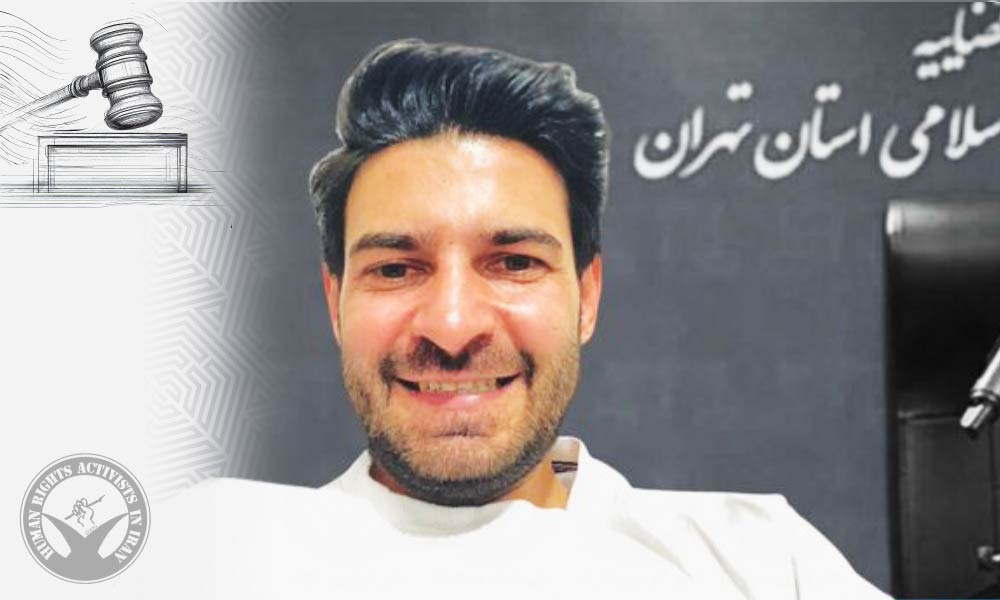
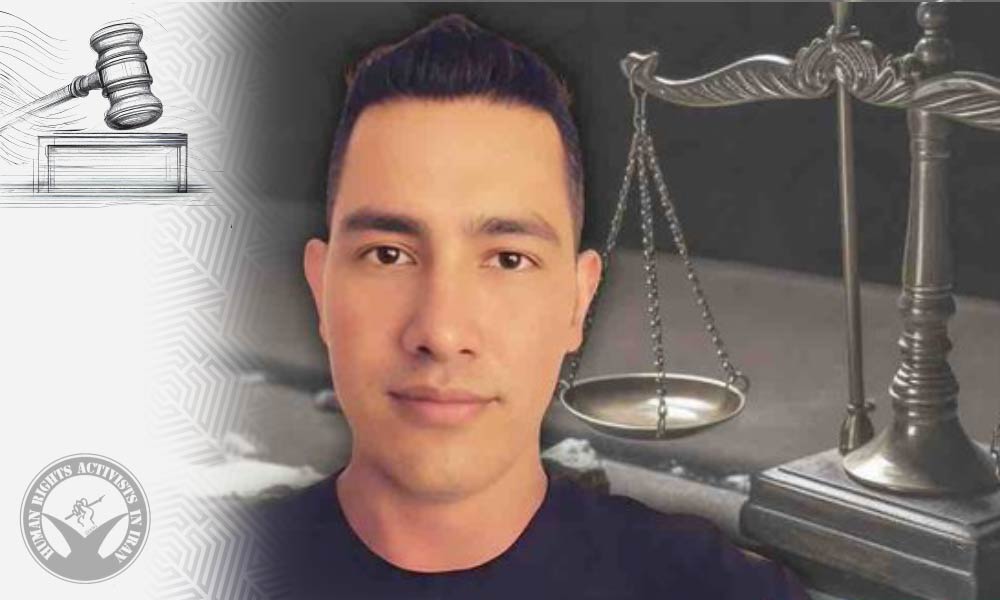
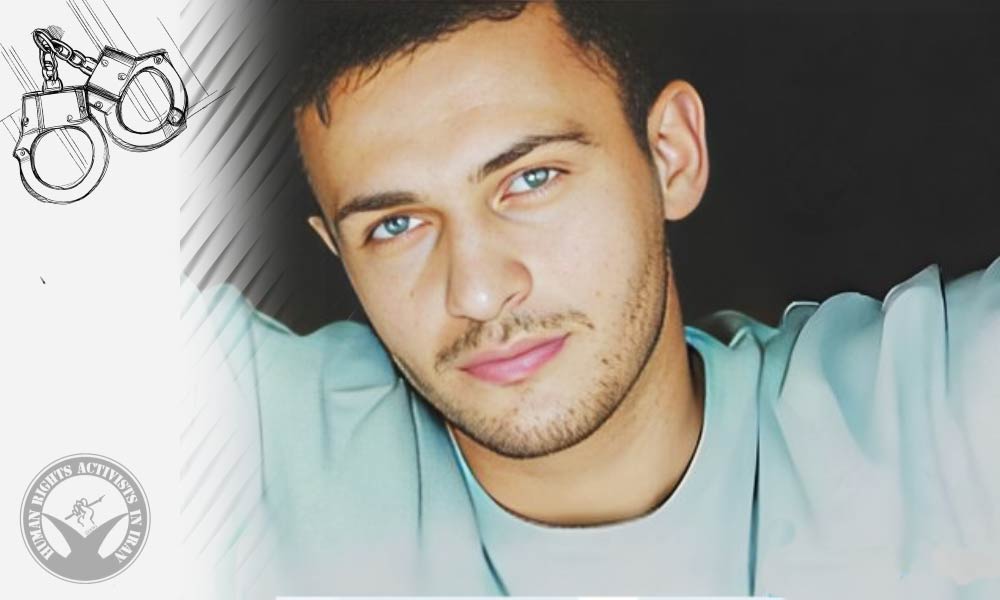
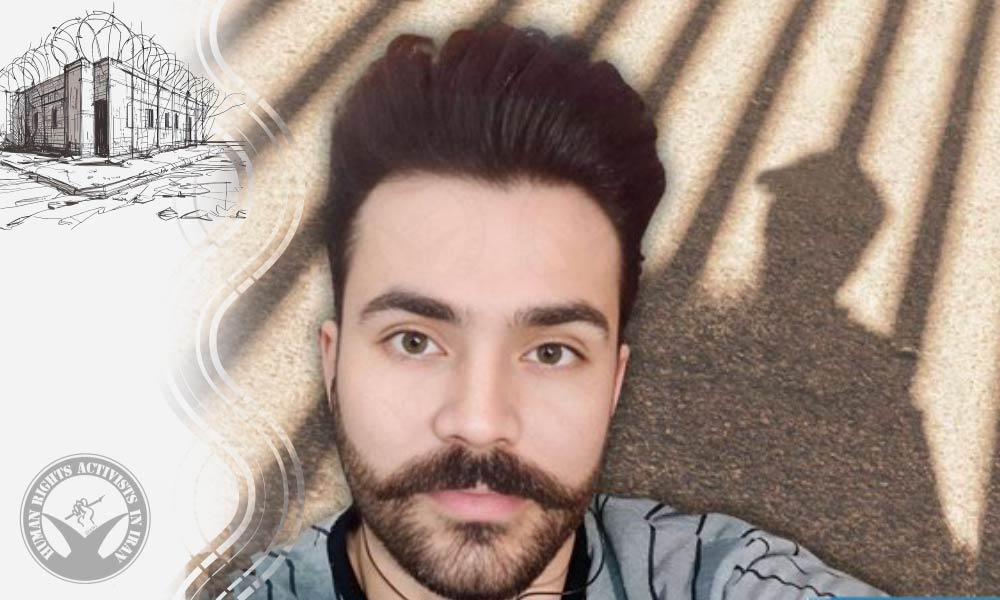
The Tehran Revolutionary Court has recently sentenced Zahra Safaie, Parastoo Moeini, Mohammad-Masoud Moeini, and Kamran Rezaiefar to five years, totaling twenty years in prison for political charges. Meanwhile, co-defendant Teymour (Timur) Rezaeian has been ordered to pay a fine.

Presiding over the court, Judge Iman Afshari found these individuals guilty of “assembly and collusion against national security.”

The arrests occurred on September 12, 2023, with Rezaeian apprehended one day later. Initially held in Ward 209 of Evin Prison, Later, they were transferred to the IRGC’s detention center, known as A-1.

According to HRANA reports, Safaie is currently held in the Women’s Ward of Evin Prison, while her son, Mohammad-Masoud Moeini, and Rezaiefar are in Ward 4 of the same prison. Two other defendants have been released on bail.

Notably, Rezaiefar has a history of arrests and convictions. In November 2021, he received a death sentence for “spreading corruption on earth,” which was later overturned by the Supreme Court. The current status of his legal case remains uncertain.


Reza Aghdasi Sentenced to Four Years and Three Months on Political Charges

Reza (Gholamreza) Aghdasi has received a verdict of four years and three months for political charges from Branch 26 of the Tehran Revolutionary Court. He is currently jailed in Evin Prison.

Presiding over the court, Iman Afshari delivered a three-year and seven-month sentence (including the detention period) to Aghdasi for “assembly and collusion against national security” and an additional eight months for “spreading propaganda against the regime.”

Following being fired from Iran Khodro, an Iranian automaker company, Aghdasi was arrested on October 24, 2023, and subsequently detained in Evin Prison after being summoned to Evin Courthouse.

According to a source close to his family, Aghdasi, aged 57 and a resident of Karaj, is grappling with hearing impairment and other health issues. His residence was searched during the 2022 nationwide protests, resulting in the confiscation of some of his belongings.

Twelve Inmates Executed Across Various Prisons

In a recent escalation of capital punishment, a total of twelve inmates faced execution in different Iranian prisons. The executions took place at Qezel Hesar Prison in Karaj, Lakan Prison in Rasht, Kashan Prison, and Khorramabad Prison.

On Wednesday, Qezel Hesar Prison recorded the highest number of executions, totaling seven inmates. Among them, three individuals, including one identified by HRANA as Hamed Bakhshayesh, were convicted of murder, while two others received the death penalty for drug offenses. Another inmate, Ayoub Karimi, a Sunni prisoner, faced charges of “enmity against God (Moharebeh) through sympathizing with Salafism.” HRANA is actively working to identify the seventh executed inmate.

On Wednesday, Qezel Hesar prison witnessed the highest number of executions, totaling seven inmates. Among them, three individuals, including one identified by HRANA as Hamed Bakhshayesh, were convicted of murder, while two others received the death penalty for drug offenses. Another inmate, Ayoub Karimi, a Sunni prisoner, faced charges of “enmity against God (Moharebeh) and spreading corruption on earth through sympathizing with Salafism.” HRANA is actively working to identify the seventh executed inmate.

On November 25, 2023, Mohsen Sedaghat, and Geda-Ali Saber Motlagh (62) were also executed in Lakan Prison in Rasht. Motlagh was a political prisoner in the 1980s. In 2020-2021, he was rearrested and sentenced to death. He was accused of killing a government official which he was consistently refuted. Sedaghat was convicted of murder.

Lastly, Iran Human Rights Organization reported the execution of Masoud Basak, aged 33, in Kashan Prison and Morad Biranvand, aged 40, and Morad Geravand in Khorramabad Prison.


Baha’i Citizen Rouya Malakooti Receives Six-Year, Eight-Month Sentence

The Mashhad Revolutionary Court, presided over by Judge Hadi Mansouri, has handed down a six-year, eight-month prison sentence to Baha’i Citizen Rouya Malakooti.

The verdict includes a six-year term for “forming groups to act against national security” and an additional eight months for “spreading propaganda against the regime.”

In the event the verdict is upheld on appeal, Article 134 of the Islamic Penal Code mandates the enforcement of the initial six-year prison term.

Malakooti, along with eight other Baha’i women, was summoned to appear in Mashhad on July 29. While all were called, only Malakooti was arrested and subsequently jailed in Vakilabad Prison after an extensive interrogation.

The 2022 annual report by HRANA underscores a troubling trend, revealing that 64.63% of reported human rights violations against religious minorities target the Baha’i community.

The Baha’i faith faces persistent discrimination in Iran, as it is not officially recognized by the authorities. This systemic injustice results in consistent violations of the Baha’is’ fundamental right to practice their religion, a direct violation of Article 18 of the Universal Declaration of Human Rights and Article 18 of the International Covenant on Civil and Political Rights. The United Nations covenant explicitly guarantees every person the right to freedom of religion, freedom to change their religion, and freedom of expression, individually or collectively, openly or in private.

Mohammad Davari Receives Four Years and Six Months Prison Sentence

The Shiraz Revolutionary Court has issued a verdict sentencing workers’ rights activist Mohammad Davari to four years and six months in prison. The sentence includes a two-year mandatory residence in Bardsir County, Kerman Province, a two-year travel ban, and additional social deprivations.

Presiding over the court, Judge Mahmood Sadati delivered a three-year prison term, a two-year prohibition from leaving the country, a ban on social media activities, and a two-year mandatory residence in Bardsir County for charges related to “insulting the Supreme Leader of Iran.” Additionally, Davari was handed a one-year and six-month sentence for “propaganda against the regime in favor of anti-regime groups.”

Despite the severity of the charges, a source informed HRANA that the court did not provide any specific examples for the accusation of “insulting the Supreme Leader of Iran.”

Furthermore, Davari is concurrently facing allegations of “disseminating false information” in another pending legal case, currently under consideration by the Shiraz Criminal Court.

Notably, Mohammad Davari has a history of prior arrests and convictions stemming from his activism. He is a civil engineering graduate from Yasuj University and a political science alumnus from Shiraz Payam Noor University.

Subscribe to Our Newsletter

Now is definitely not the time to stop reading!

Morteza Nour-Mohammadi Detained for Over 70 days in Legal Limbo

Morteza Nour-Mohammadi Naradrli (Nazarlu) remains in a state of legal uncertainty, having been detained for more than 70 days in the Ministry of Intelligence’s detention facility in Tabriz.

According to a source close to his family, HRANA learned that Nour-Mohammadi has recently been formally charged by the Public and Revolutionary Court. Additionally, the bail required for his temporary release has been escalated to 700 million Tomans, approximately 14,000 dollars.

Initially accused of the political charge of “assembly and collusion against national security,” Nour-Mohammadi now faces an additional legal challenge, being charged with “membership in a group to act against national security.”

On September 9, 2023, Nour-Mohammadi, a resident of Shabestar, was apprehended by security forces at the National Organization for Civil Registration in Sufian city and subsequently detained in Tabriz Prison. After a period, he was moved to a detention facility.

Nour-Mohammadi had publicly revealed that the Civil Registration office had denied issuing a birth certificate for his newborn child with the name “Hunai.” This denial was attributed to the Iranian regime’s stringent restrictions on name selection, particularly those with ethnic or foreign origins.

Update on Amir-Nasr Azadani’s Current Situation in Dastgerd Prison

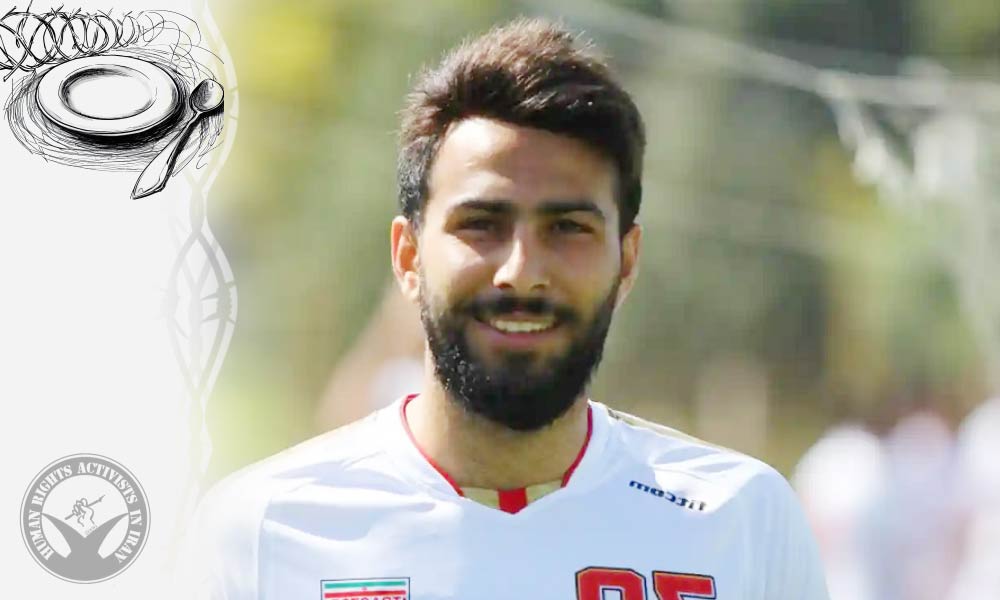
Amir-Nasr Azadani, a former soccer player involved in the legal case “Khaneh e Isfahan (Isfahan House),” is presently incarcerated in Dastgerd Prison, Isfahan, serving a sixteen-year sentence imposed by the Isfahan Revolutionary Court.

A source close to Azadani’s family informed HRANA that in January 2023, he received five years for “membership in illegal groups to act against national security,” five years for “assembly and collusion against national security,” and sixteen years for “enmity against God (Moharebeh).” In May of the same year, the Supreme Court accepted his retrial plea, leading to the review of his case by another branch court.

“In the review, the Isfahan Revolutionary Court acquitted him of the first two charges, yet upheld his 16-year prison term for Moharebeh,” the source clarified.

Azadani’s lawyer has submitted a request for a retrial, and the case is currently pending before the Supreme Court.

Amid nationwide protests on November 17, 2022, Azadani was arrested by security forces in connection to the “Khaneh e Isfahan” case. Notably, three other defendants in the same case, Saleh Mir Hashemi (36), Majid Kazemi (30), and Saeed Yaghoubi (37), were executed on May 19, 2023, for charges of enmity against God (Moharebeh).

Kazem Ali Nejad Arrested in Eslamshahr

On November 20, Kazem Ali-Nejad Baraloo was apprehended in Eslamshahr, Tehran Province, by security forces, who subsequently transferred him to an undisclosed location.

According to a source closely connected to his family, at 7:00 am on Monday, a group of nine individuals in plainclothes arrived at Ali-Nejad’s residence. They conducted an extensive search, seized some of his personal belongings, and took him into custody.

The grounds for Ali-Nejad’s arrest, his current whereabouts, and the charges against him remain shrouded in uncertainty at this time.

It is worth noting that Ali-Nejad has a history of previous arrests and convictions related to political charges. The circumstances surrounding his latest detention add to the ongoing concern about the state of human rights and political freedoms in the region. The lack of transparency regarding the nature of the charges further underscores the need for a thorough and fair legal process.

Bi-Monthly Statistical Report: Increased Pressure on the Baha’i Community with Dozens of Arrests and Convictions

HRANA News Agency – Over the last 60 days, at least 40 Baha’i citizens have been arrested by security forces, and the homes of at least 66 individuals have been searched by security forces. Additionally, during the mentioned period, 38 Baha’i citizens have been collectively sentenced to more than 133 years in prison by judicial authorities.

According to HRANA, the news agency of human rights activists in Iran, there has been a significant increase in actions against Baha’i citizens in Iran over the past 60 days.

During this period, at least 40 Baha’i citizens in six cities have been arrested by security forces. The homes of at least 66 Baha’i citizens in various cities of the country have been searched by security agents. Also, during the mentioned period, 38 Baha’i citizens have been collectively sentenced to 133 years and 9 months in prison by judicial authorities.

The identities of the forty arrested Baha’i citizens have been confirmed by HRANA as follows:

. Sahar Mohebpour, Roxana Vojdani, Setareh Ta’ami, and Bahareh Ghaderi in Shiraz;
. Vida Ahrari, Mozhgan Basiri, Shokoufeh Basiri, Jamal Ghadirzadeh, Iman Rashidi, and Ahmad Naeimi in Yazd;
. Neda Badkhsh, Arzoo Sobhanian, Yeganeh Roohbakhsh, Mozhgan Shahrezaei, Parasto Hakim, Yeganeh Aghahi, Bahareh Lotfi, Shana  Shouqi Far, Negin Khademi, and Neda Emadi in Esfahan;
. Ali Bagher Kashi, Sohba Taef, Shervin Shabrakh, Nika Esmaeilpour, Babak Zeinali (Zeynali), Iman Ehsani, Eiren Rahmani, Foad Taefi, Reza Yazdi and Fahimeh Yazdi in Karaj;
. Naeim Aghdasi, Neda Mahboobi, Zhaleh Rezaei, Zhenous Shadabi, Atofeh Zahedi, Masoud Azarnoush, Zarin Ahadzadeh, Farideh Ayoubi, Noura Ayoubi in Hamedan; and
. Masoud Mahmoudi in Shirvan.

HRANA has also identified the names of sixty-six Baha’i citizens whose homes have been searched by security forces from September 23 to November 21 (covering the period from the beginning of Mehr to the end of Aban month in the Hijri Calendar). The individuals affected include:

. Roya Sheikhi, Sahar Mohebpour, Roxana Vojdani, Setareh Ta’ami, and Bahareh Ghaderi in Shiraz;
. Vida Ahrari, Mozhgan Basiri, Shokoufeh Basiri, Jamal Ghadirzadeh, Iman Rashidi in Yazd;
. Soheil Haqdoust, Hossein Fanaian, Sohrab Loghaei, Ebrahim Loghaei, Favaed Loghaei in Ghaem Shahr;
. Neda Badkhsh, Arzoo Sobhanian, Yeganeh Roohbakhsh, Mozhgan Shahrezaei, Parasto Hakim, Yeganeh Aghahi, Bahareh Lotfi, Shana Shouqi Far, Negin Khademi, and Neda Emadi in Esfahan;
. Sohba Taef, Shervin Shabrakh, Nika Esmaeilpour, and Babak Zeinali in Karaj;
. Mehran Khandel, Pouran Habibi (Khandel), Zhenous Shadabi, Akhtar Kowsari (Naeimi), Aghdas Abrar Ahadi, Fatanah Moshtag, Behnam Ayoubi, Noghreh Ayoubi, Rozita Azarnoush, Masoud Azarnoush, Zhaleh Rezaei, Farideh Ayoubi, Parviz Ma’boodi, Afshin Rashedi, Hamid Rashedi, Kiumars Rashedi, Rouhiyeh Abdi, Hamid Azizi, Ramin Moghimi, Ata Rajabi, Mozaffar Ayoubi, Enayat Takapouyi, Farhang Ma’boodi, Shoogh Angir Soroushian, Pegah Mobin, Akbar Norani, Khoshgel Rezaei, Manouchehr Ayoubi, Hassan Rezaei, Amin Moghimi, Shouja Jahangiri, Saman Khodayari, Parviz Seifi, Ziba Jahangiri, Arzoo Jahangiri, and Kaveh Bayati in Hamedan; and
. Masoud Mahmoudi in Shirvan.

A Baha’i citizen residing in Hamedan, in an interview with HRANA, described the conduct of security forces during the search of homes as “violent,” stating, “Security forces lifted the ceramic tiles and floorings of houses, inspected the feathers of household birds, and even tore apart sofas. Confiscation of cash, gold, and valuable items including property and vehicle documents was another form of harassment by the security forces during these raids.”

The Baha’i International Community, headquartered in Geneva, has reacted to the recent developments and increased pressure on this community with a statement. In a section of this community’s news statement addressing the home searches, it is stated, “Houses of five elderly women aged between 70 to 90 years in Hamedan were raided.

One of these individuals suffers from Alzheimer’s disease, and another was quickly transferred to the hospital’s intensive care unit due to distress and anxiety following the attack on her home. In another case, the door of an 82-year-old woman’s house was broken, and her home was searched and ransacked in her absence. Husbands of two of these women were among the more than 200 Baha’is who were executed by the Iranian government after the Islamic Revolution of 1979.”

During this period, 38 Baha’i citizens named Sirus Zabihi Moghaddam, Shahdokht Khanjani, Noushin Misbah, Golnoosh Nasiri, Farideh Moradi, Saeedeh Khozouei, Saba Safidi, Iraj Shokouh, Samira Ebrahimi, Pedram Abhar, Arsalan Yazdani, Nasim Sabeti, Azita Foroughi, Roya Ghaane Azabadi, Soheila Ahmadi, Hassan Salehi, Vahid Dana, Saeed Abedi, Sanaz Tafazoli, Shadi Shahidzadeh, Mansour Amini, Ataollah Zafar, Velayat Ghadamian, Bita Haghighi, Sanaz Hekmat Shoar, Mani Gholinejad, Negar Darabi, Sam Samimi, Mahsa Fathi, Samieh Gholinejad, Mojir Samimi, Anis Sanaei, Afananeh Nematian, Basir Samimi, Hengameh Alipour, Golban Falah, Nazanin Goli, and Susan Badavam were sentenced by judicial authorities to a total of 133 years and 9 months in prison and to pay a fine of 786 million and two hundred thousand Tomans.

Additionally, some of these citizens faced supplementary punishments such as deprivation of social rights, prohibition of membership and activity in groups, political, social, and cultural parties, and prohibition of activity in cyberspace.

It is worth mentioning that in the past two months, in addition to the above, the enforcement of a five-year travel restriction for Hooshidar Zarei in Shiraz, an 8-month prison sentence for Sina Shahri in Tabriz, and a two-year prison sentence for Homayoun Khanlari in Rasht also took place.

The Baha’i community in Iran constitutes the largest unofficial religious minority in the country. However, since the change of regime in Iran in 1979, this community has been systematically marginalized and deprived of basic rights, including access to higher education and employment in public sectors. Followers of the Baha’i Faith in Iran are often subjected to arbitrary arrests, false imprisonment, property confiscation, and harassment. The Iranian government’s refusal to recognize the Baha’i Faith as a religion has led to a situation where Baha’is are deprived of many civil rights that are granted to officially recognized religious minorities, exacerbating their challenges and vulnerabilities in Iran.

Since the establishment of the Islamic Republic of Iran, hundreds of Baha’is have been executed or reported missing, while thousands have faced arrests and various penalties, including property confiscation and ongoing deprivations.

Actress Hanieh Tavassoli Receives Suspended Imprisonment and Fine

The Tehran Revolutionary Court has handed actress Hanieh Tavassoli a six-month prison sentence and a 15 million-toman fine. The prison term has been suspended for three years.

The court found Tavassoli guilty of “dissemination of false information to disturb public opinion,” as announced by her lawyer, Maryam Kian Ersi.

On October 29, 2023, the Tehran Prosecutor indicted eight cinema practitioners, including Tavassoli, for disseminating false information. Tavassoli was apprehended by security forces on September 16 of this year and subsequently released on bail the following day.