Execution of Three Inmates at Qezel Hesar Prison

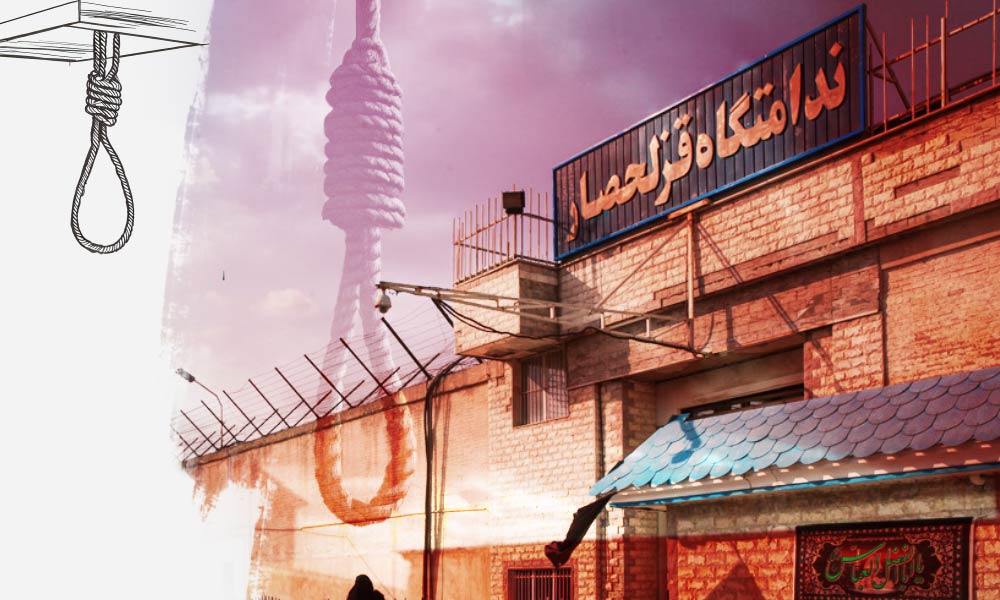
Qezel (Ghezel) Hesar Prison in Karaj recently executed three inmates who had been convicted of murder and rape.

HRANA has identified two of the executed individuals as Akbar Qara Gozlu and Ehsan Hamedi, both previously convicted of murder. The third inmate subjected to capital punishment was convicted of rape.

As of the time of this report, no official statements from authorities or coverage by domestic media outlets within the country have confirmed these executions.

According to data gathered by the Department of Statistics and Publication of Human Rights Activists, Ghezel Hesar Prison in Karaj witnessed the highest number of executions in 2023, with Zahedan Prison following behind. For a comprehensive examination of the details and statistics surrounding the executions in Iran, refer to HRANA’s report.

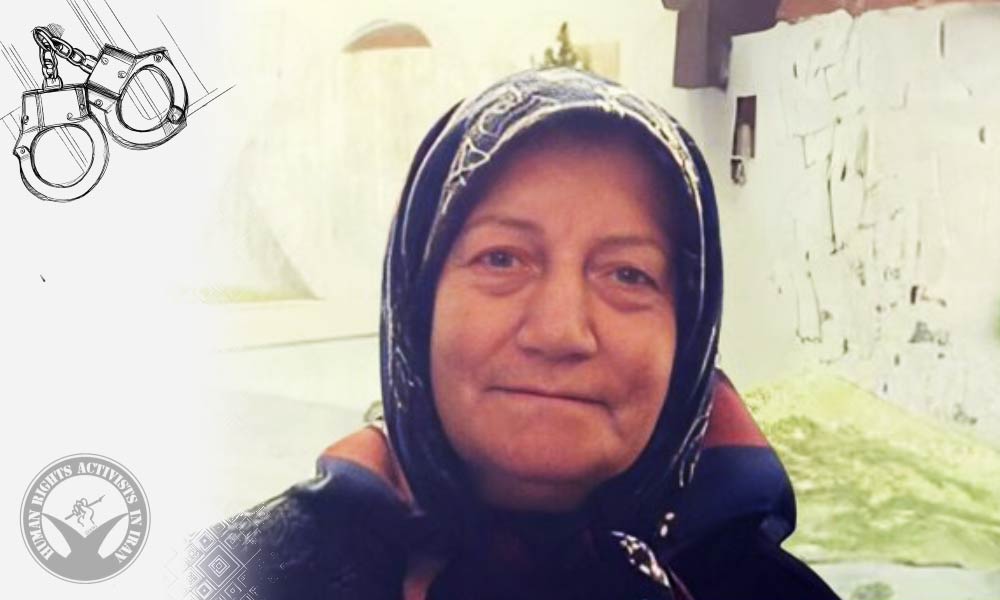
Political Prisoner Zeynab Jalalian Denied Vital Medical Care, Faces Risk of Blindness

Zeynab Jalalian, a political prisoner, is currently enduring her sixteenth year of a life sentence at Yazd Prison, where she is housed alongside inmates convicted of violent crimes. Despite grappling with health issues, she continues to be deprived of proper medical attention within the prison.

A credible source disclosed to HRANA that due to pterygium, Jalalian’s eyesight has significantly deteriorated. Information from additional sources further affirms that she is now at a heightened risk of blindness. Additionally, she is suffering from kidney and digestive diseases, yet she remains without adequate medical care.

Jalalian is confined to a ward with inmates convicted of violent crimes, and her location in an exiled city results in infrequent family visits.

In 2007, Iranian intelligence arrested Zeynab Jalalian, leading to a death sentence by the Revolutionary Court on charges of “enmity against God through membership in an anti-regime group” and an additional year for illegal departure from the country. The sentence was later commuted to life imprisonment on appeal.

Throughout her detention, Jalalian has undertaken hunger strikes on multiple occasions. She has endured torture, including flogging on her feet, physical beatings, and threats of sexual violence. The denial of essential medical care adds to the urgent concerns for her well-being.

Supreme Court of Iran Upholds Death Sentence for Reza Rasaei

The Supreme Court of Iran has recently affirmed the death sentence for Reza Rasaei (Rasaie), arrested in connection with the 2022 nationwide protests.

In October of this year, Rasaei was condemned to death for his alleged involvement in the killing of Nader Beyrami, the head of IRGC Intelligence, during the protests in Sahneh County, Kermanshah province.

A family member of Rasaei, who spoke to HRANA, confirmed that Judge Barani presided over the Supreme Court’s decision to uphold the death sentence. Notably, the court’s ruling appears to have been influenced by a confession obtained under duress during Rasaei’s detention.

In addition to the capital punishment, Rasaei faces other charges, including non-fatal injury, threatening with a knife, and disturbing public order by causing unrest. Initially, he received additional penalties such as Diya (wergild), a year sentence, and 74 lashes.

Rasaei was apprehended on November 24, 2022, by the police and subsequently detained in Sahneh County. Following the completion of the interrogation process, he was transferred to Dizel-Abad prison in Kermanshah.

Several other protesters involved in the November 18, 2022 demonstration are also confronting charges related to their alleged role in the death of the IRGC’s intelligence officer. This protest resulted in the deaths of several protestors at the hands of police and security forces.

Reza (Gholamreza) Rasaei, aged 34, is known as a Yarsan follower and resides in Sahneh County.

Gonabadi Dervish Arash Moradi Faces Eight-Year Prison Term

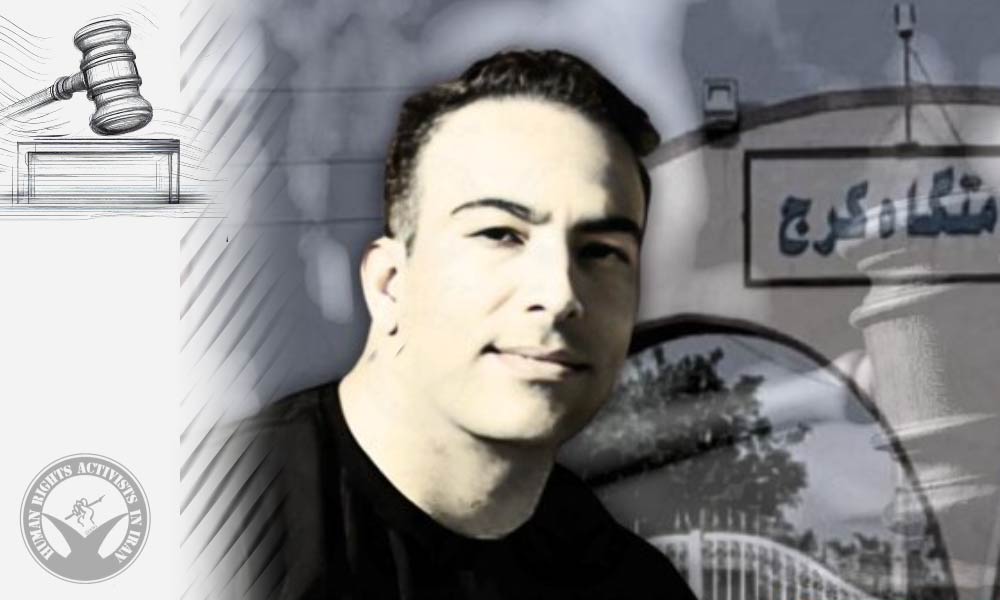
Arash Moradi, a Gonabadi Dervish currently held in Evin Prison, has been handed an eight-year prison sentence by the Tehran Revolutionary Court.

Presiding over Branch 29 of the Tehran Revolutionary Court, Judge Ali Mazloum detailed Moradi’s sentencing as follows: two years for “disturbing public opinions,” one year for “propaganda against the regime,” three years for “blasphemy,” and two years for “insulting the former and current Supreme Court of Iran.” The cumulative punishment amounts to eight years of imprisonment.

Citing Article 134 of the Islamic Penal Code, which stipulates that the most severe penalty should be applied in cases involving multiple charges, Moradi is slated to serve three years in prison.

A reliable source close to Moradi’s family informed HRANA of a notable development during the legal proceedings, where the charge of “disseminating false information” was altered to “disturbing public opinions.”

Furthermore, the court had previously dismissed charges of “assembly and collusion against national security” and “inciting people to violence.”

Moradi was apprehended on October 17 by security forces at his workplace in Kashan and subsequently confined to Ward 4 of Evin Prison.

This is not Moradi’s first encounter with the legal system, as he was previously detained during the 2018 Dervish protests, resulting in a one-year prison sentence. Following the completion of his sentence, Moradi was released from the Great Tehran Penitentiary.

Mohammad-Reza Kamrani-Nejad Faces Political Charges and Increased Bail

Mohammad-Reza Kamrani-Nejad, a resident of Tehran, has recently been indicted on charges of “assembly and collusion against national security,” “propaganda against the regime,” and “forming a group to act against national security.”

According to a source close to his family, two additional charges have been added, leading to an increased bail amount of 3.5 billion tomans (approximately 70,000 dollars).

Kamrani-Nejad was apprehended by security forces on September 4, 2023, and subsequently released on bail in the amount of two billion tomans on November 19, 2023. He was released after providing the bail.

Previously, a source close to Kamrani-Nejad’s family told HRANA that he, along with Mehdi Meskin-Navaz, is facing a new legal case following a complaint lodged by officials from the Great Tehran Penitentiary. The charges include “publishing a video with manipulated audio and visual elements,” specifically referring to a voice file that Kamrani-Nejad had shared regarding his detention in the Great Tehran Penitentiary.

Subscribe to Our Newsletter

Now is definitely not the time to stop reading!

Four Inmates Executed in Karaj Following Drug Convictions

On December 12, 2023, the Central Prison of Karaj carried out the execution of four individuals who had been convicted of drug-related offenses, employing hanging as the method of execution.

HRANA has identified two of the executed individuals as Amin Zakeri and Khalil (last name unknown). HRANA is actively engaged in the process of identifying the remaining two inmates. HRANA is working on identifying the remaining two inmates.

No official sources or domestic media outlets within the country have provided coverage of these executions at the time of writing. The lack of official information raises concerns about transparency and accountability in the execution process.

According to data compiled by the Center of Statistics of Human Rights Activists in Iran (HRA), between October 10, 2022, and October 8, 2023, a total of 659 individuals were executed by hanging in Iran, representing a 24% increase compared to the corresponding period in the previous year. Seven of these executions were conducted publicly. Concerningly, many of the defendants were denied access to a fair trial and due process. For details and statistics, read HRANA’s report.

Six Baha’i Citizens’ Sentences Reduced to 29 Years and 10 Months on Appeal

The Tehran Court of Appeals has revised the sentences of six Baha’i citizens, resulting in a combined prison term of 29 years and 10 months. The affected individuals are Saeedeh Khozuei, Saba Sefidi, Iraj Shakoor, Samira Ebrahimi, Pedram Abhar, and Arsalan Yazdani.

Presiding over Branch 36 of the Tehran Court of Appeals, Judge Abasasli issued the following breakdown for the revised sentences: Khozuei and Yazdani will serve six years each, Shakoor and Abhar five years each, Ebrahimi four years and five months, and Sefidi three years and five months.

A source close to the families, speaking to HRANA, revealed that “the government will confiscate the properties seized from these citizens during their arrest.”

The charges against each individual are as follows:

  • Saeedeh Khozuei: Five years for “membership in anti-regime groups” and one year for “propaganda against the regime.”
  • Arsalan Yazdani: Five years for “membership in anti-regime groups” and one year for “propaganda against the regime.”
  • Iraj Shakoor: Five years for “membership in anti-regime groups.”
  • Pedram Abhar: Five years for “membership in anti-regime groups.”
  • Samira Ebrahimi: Three years and five months for “membership in anti-regime groups” and one year for “propaganda against the regime.”
  • Saba Sefidi: Three years and five months for “membership in anti-regime groups.”

Initially, the Tehran Revolutionary Court had sentenced them to a combined 32 years and 10 months.

HRANA’s annual report has highlighted a concerning trend where, in 2022, 64.63% of reported human rights violations against religious minorities are directed toward the Baha’i community.

The Baha’i faith is not recognized as a legitimate religion by Iranian authorities, leading to systematic and longstanding violations of the rights of Baha’is in the country. This includes the denial of their fundamental right to practice their religion, which constitutes a clear breach of both Article 18 of the Universal Declaration of Human Rights and Article 18 of the International Covenant on Civil and Political Rights. The United Nations covenant holds that every person has the right to freedom of religion, freedom of converting religion, as well as freedom of expression, individually or collectively; openly or secretly.

Report on Abolfazl Pour-Hosseini’s Condition in Central Prison of Karaj

Abolfazl Pour-Hosseini, a follower of Iranian mysticism known as Erfan-e-Halgheh, has recently been sentenced to three years in prison with an additional two years of suspended imprisonment by the Revolutionary Court. He is currently imprisoned in the Central Prison of Karaj.

A source close to Pour-Hosseini’s family provided HRANA with details about this verdict. Moreover, Pour-Hosseini faces charges of “propaganda against the regime and inciting people to act against national security” in a separate case under review by the Karaj Revolutionary Court.

According to this source, Pour-Hosseini has rejected the charges and declined to sign the charge sheet.

On June 13, 2023, IRGC Intelligence forces in Karaj arrested Pour-Hosseini, detaining him in the Central Prison of the city. According to a statement from one of his friends to HRANA, Pour-Hosseini was distributing a leaflet about Erfan-e-Halgheh at the time of his arrest.

Pour-Hosseini had previously been arrested in 2022 for attending a meeting of this mysticist group in Qom, being released on bond after a period of detention. Aged approximately 47, Pour-Hosseini is the father of one daughter and anticipates becoming a father once again.

Notably, concerns persist about the violation of freedom of religion in Iran, exemplified by cases like Pour-Hosseini’s. This incident adds to ongoing apprehensions regarding the protection of religious rights in the country.


Four Inmates Executed for Drug Offenses in Central Prison of Karaj

On December 5, 2023, the Central Prison of Karaj carried out the execution of four inmates convicted of drug offenses.

HRANA has identified three of the executed inmates as Sasan Maleki, Mojtaba Amiri, and Manouchehr Nourabad (Barzgar). These individuals had been transferred to solitary confinement in anticipation of their impending executions. HRANA is actively working to identify the fourth inmate involved in the execution.

No official sources or domestic media outlets within the country have provided coverage of these executions at the time of writing. The lack of official information raises concerns about transparency and accountability in the execution process.

According to data compiled by the Center of Statistics of Human Rights Activists in Iran (HRA), between October 10, 2022, and October 8, 2023, a total of 659 individuals were executed by hanging in Iran, representing a 24% increase compared to the corresponding period in the previous year. Seven of these executions were conducted publicly. Concerningly, many of the defendants were denied access to a fair trial and due process. For details and statistics, read HRANA’s report.


Kamran Rezaie Executed in Shiraz

On November 30, 2023, Kamran Rezaie, 33, was executed in Adelabad Prison, located in Shiraz.

As per the Iran Human Rights Organization, Rezaie, apprehended during the 2019-2020 nationwide protests (Aban Protests), faced accusations of killing a Basij militia force member. The nature of the charges remains unclear, leaving uncertainty as to whether intentional murder was the sole accusation or if additional charges, such as “enmity against God” (Moharebeh), were involved.

Remarkably, over the past six years, neither media outlets nor human rights organizations have reported on Rezaie’s case. As of the latest update, HRANA has been unable to independently verify the details surrounding his case.

According to data compiled by the Center of Statistics of Human Rights Activists in Iran (HRA), between October 10, 2022, and October 8, 2023, a total of 659 individuals were executed by hanging in Iran, representing a 24% increase compared to the corresponding period in the previous year. Seven of these executions were conducted publicly. Concerningly, many of the defendants were denied access to a fair trial and due process. For details and statistics, read HRANA’s report.