Nine Inmates Executed in Qezel Hesar Prison

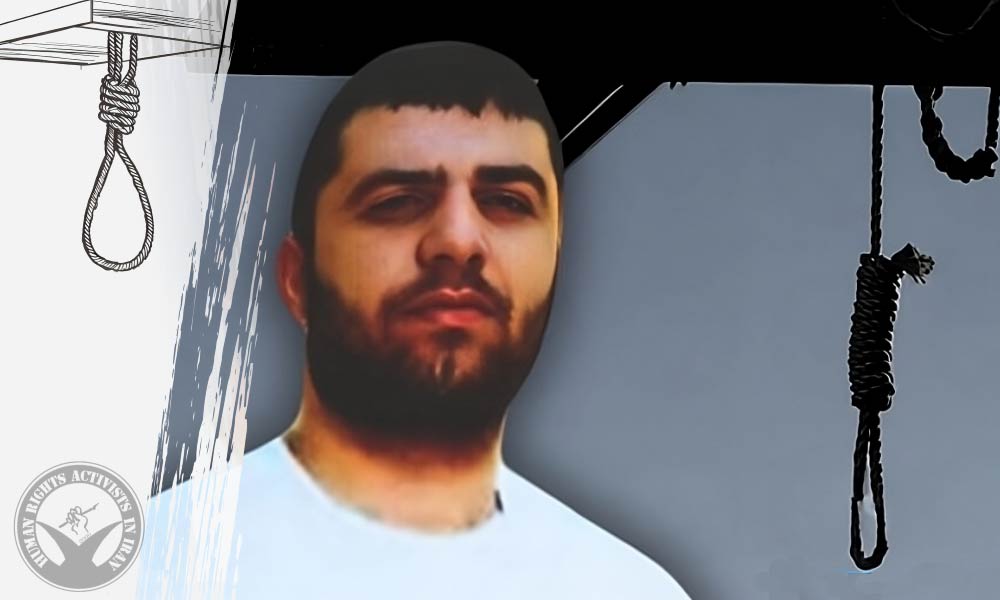
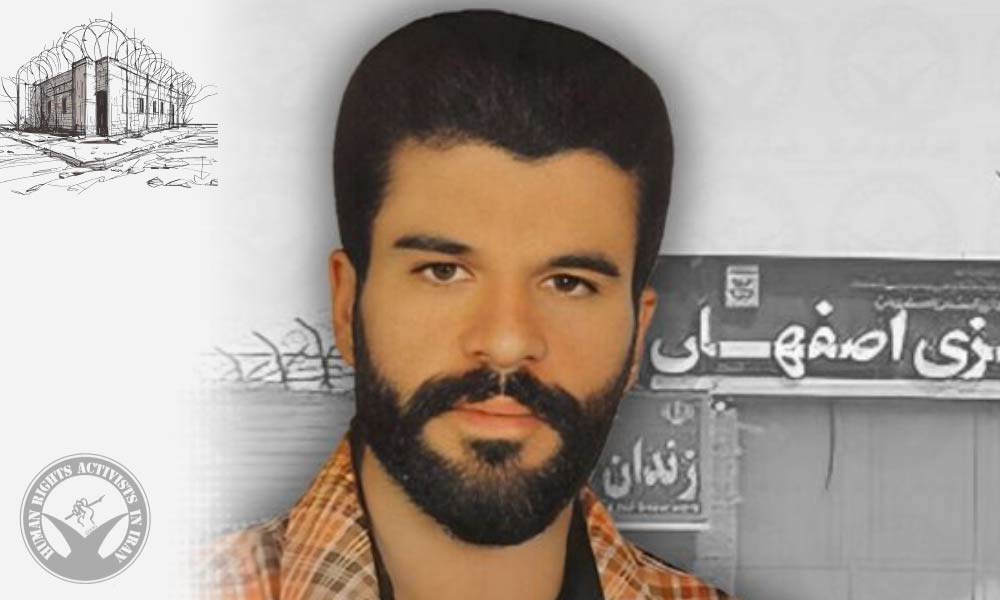
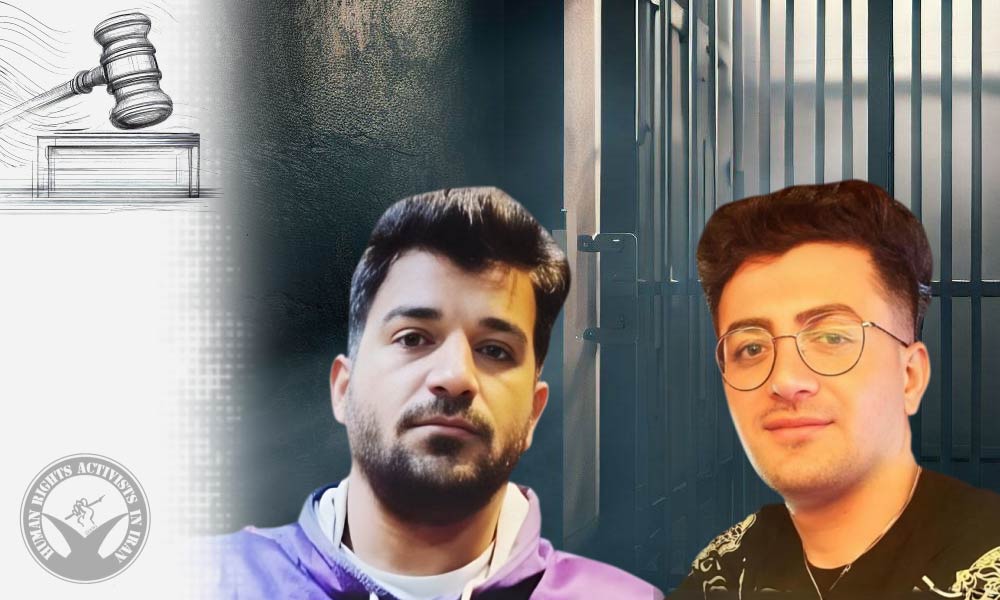
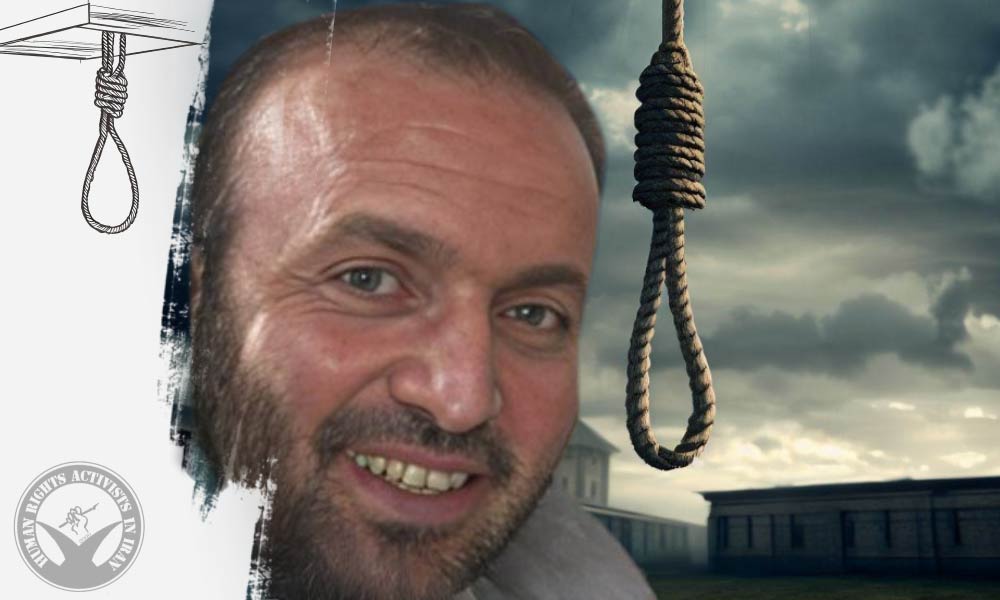
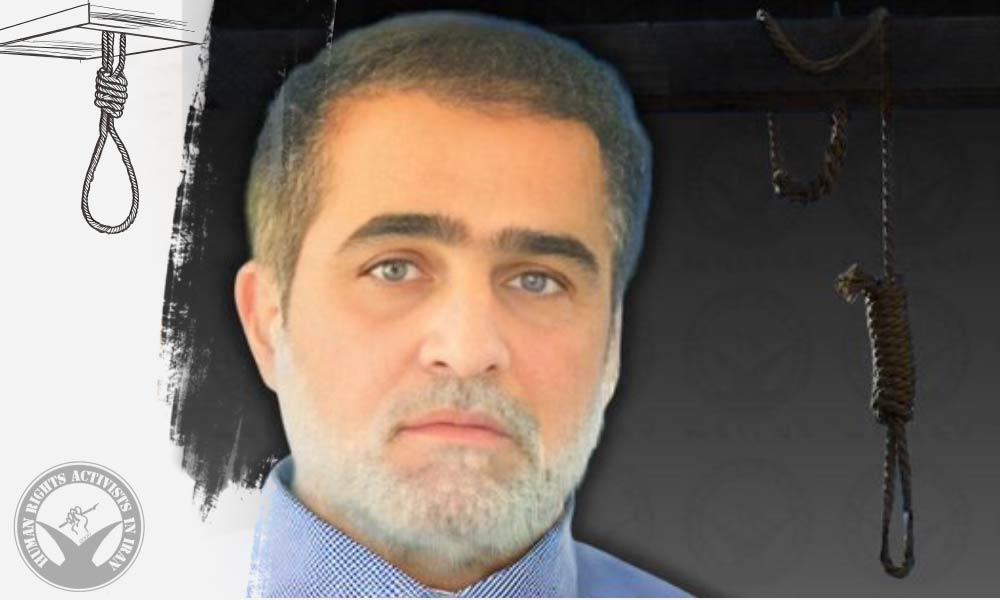
On November 15, 2023, authorities at Qezel (Ghezel) Hesar Prison carried out the execution of nine individuals on death row. HRANA has identified two of the executed as Nazir Mohammad, an Afghan national, and Bagher Mohammadi, both convicted of drug offenses.

Additionally, two other inmates faced execution for “enmity against God (Moharebeh) via armed robbery,” while the remaining five were convicted of murder.

The relocation of these individuals to solitary confinement was reported by HRANA one day prior to the executions.

As of the time of writing, no official statements from government sources or coverage by domestic media outlets within the country have been made regarding these executions.

According to data compiled by the Center of Statistics of Human Rights Activists in Iran (HRA), between October 10, 2022, and October 8, 2023, a total of 659 individuals were executed by hanging in Iran, representing a 24% increase compared to the corresponding period in the previous year. Seven of these executions were conducted publicly. Concerningly, many of the defendants were denied access to a fair trial and due process. For details and statistics, read HRANA’s report.


Four Baha’i Citizens Arrested in Karaj

On November 7, Baha’i citizens Sahba Taef, Shervin Shabrokh, Nika Esmaeil Pour, and Babak Zeynali were apprehended by security forces in Karaj and subsequently taken to an undisclosed facility.

The arrests were brought to the attention of HRANA by a concerned Baha’i citizen. According to this source, security agents conducted a search of their residence during the operation. As of now, the reasons for their arrests and their current whereabouts remain unknown, raising significant concerns about their well-being and the circumstances surrounding their detention.

HRANA’s annual report has highlighted a concerning trend where, in 2022, 64.63% of reported human rights violations against religious minorities are directed toward the Baha’i community.

The Baha’i faith is not recognized as a legitimate religion by Iranian authorities, leading to systematic and longstanding violations of the rights of Baha’is in the country. This includes the denial of their fundamental right to practice their religion, which constitutes a clear breach of both Article 18 of the Universal Declaration of Human Rights and Article 18 of the International Covenant on Civil and Political Rights. The United Nations covenant holds that every person has the right to freedom of religion, freedom of converting religion, as well as freedom of expression, individually or collectively; openly or secretly.


Ten Death-Row Inmates Face Imminent Execution at Qezel Hesar Prison

On November 7, ten death-row inmates at Qezel (Ghezel) Hesar Prison were moved to solitary confinement, signaling their impending execution.

Among these individuals, four have been convicted of drug-related offenses, five for murder, and one for Moharebeh through armed robbery. HRANA is diligently working on identifying these individuals and monitoring the situation as it unfolds.

Fourteen Baha’i Citizens Receive Sentences and Fines in Mazandaran

The Mazandaran Court of Appeal has handed down sentences and fines to 14 Baha’i citizens.

On November 2, verdicts were delivered, with Bita Haghighi and Sanaz Hekmat Shoar sentenced to three years in prison and a 30-million-toman fine (approximately 600 dollars). Mani Ghoi-Nejad, Negar Darabi, Sam Samimi, Mahsa Fathi, Samieh Gholi-Nejad, Majir Samimi, Anis Senaei, Afnaneh Nematian, Basir Samimi, Hengameh Alipour, Golin Falah, and Nazanin Goli were sentenced a fifty-million-toman fine (approximately 1000 dollars) in exchange for the initial sentence of two years and one month.

A source has informed HRANA that the individuals were verbally notified of these verdicts, seemingly in an attempt to prevent them from appealing. Their legal representation has also been denied access to the case documents. Additionally, they have been given ten days to pay the imposed fines.

These citizens had previously received a cumulative sentence of 31 years and were fined by the Qaem Shahr Revolutionary Court. Furthermore, all of their assets were seized.

The individuals were arrested by security forces in Sari and Babolsar, both located in Mazandaran Province, on August 31, 2022. They were subsequently released on bail in the months following their arrest.

At the time of their apprehension, the Ministry of Intelligence released a statement, accusing these citizens of being members of an espionage organization and claiming that two of them had received training from individuals in Israel.

According to HRANA annual report, from the total human rights reports regarding the violation of religious minorities’ rights, 64.63% belonged to the violation of the rights of Baha’is.

The Baha’i faith is not recognized as a legitimate religion by Iranian authorities, leading to systematic and longstanding violations of the rights of Baha’is in the country. This includes the denial of their fundamental right to practice their religion, which constitutes a clear breach of both Article 18 of the Universal Declaration of Human Rights and Article 18 of the International Covenant on Civil and Political Rights. The United Nations covenant holds that every person has the right to freedom of religion, freedom of converting religion, as well as freedom of expression, individually or collectively; openly or secretly.

Two Inmates Executed in Qezel Hesar Prison, Karaj

On October 24, 2023, two inmates convicted of rape were executed in Qezel (Ghezel) Hesar Prison, located in Karaj.

The identity of these inmates, who are Afghan nationals, remains undisclosed at this time. HRANA is actively engaged in efforts to ascertain the identities of those subjected to the execution.

It’s worth noting that, as of the time of this report, no official sources or domestic media outlets within the country have provided coverage of these executions.

According to data compiled by the Center of Statistics of Human Rights Activists in Iran (HRA), between October 10, 2022, and October 8, 2023, a total of 659 individuals were executed by hanging in Iran, representing a 24% increase compared to the corresponding period in the previous year. Seven of these executions were conducted publicly. Concerningly, many of the defendants were denied access to a fair trial and due process. For details and statistics, read HRANA’s report.

Subscribe to Our Newsletter

Now is definitely not the time to stop reading!

Ali Aghel Detained in Mashhad

On October 23, Ali Aghel was apprehended in Mashhad and subsequently incarcerated at Vakilabad prison after his appearance at the Mashhad Public and Revolutionary Court.

A reliable source with close ties to his family notified HRANA about Aghel’s detention, which occurred following a summons. This source disclosed that Aghel is now facing charges related to “propaganda against the regime” and “membership in anti-regime groups.”

Arrest of 10 Baha’i Women in Isfahan Sparks Concern

On October 23, 2023, security forces in Isfahan arrested ten Baha’i women, raising concerns about their well-being. The detained individuals are identified as Neda Badakhsh, Arezoo Sobhanian, Yeganeh Roohbakhsh, Mojgan Shah Rezaie, Parastoo Hakim, Yeganeh Agahi, Bahareh Lotfi, Shana Shoghifar, Negin Khademi, and Neda Emadi.

According to a Baha’i citizen who shared information with HRANA, Ministry of Intelligence agents conducted searches of the women’s residences and confiscated some of their belongings.

At present, the reasons for their arrest and the specific allegations against them remain undisclosed, raising questions and concerns about their situation.

The Baha’i faith is not recognized as a legitimate religion by Iranian authorities, leading to systematic and longstanding violations of the rights of Baha’is in the country. This includes the denial of their fundamental right to practice their religion, which constitutes a clear breach of both Article 18 of the Universal Declaration of Human Rights and Article 18 of the International Covenant on Civil and Political Rights. The United Nations covenant holds that every person has the right to freedom of religion, freedom of converting religion, as well as freedom of expression, individually or collectively; openly or secretly.

Gonabadi Dervish Arash Moradi Arrested in Kashan

On October 17, Arash Moradi, a Gonabadi Dervish, was arrested by security forces in Kashan and promptly taken to an undisclosed facility.

A source with close ties to his family has informed HRANA that Moradi’s arrest unfolded at his place of work, where the agents conducted a search and confiscated some of his personal belongings.
The motivations behind Moradi’s arrest, his current whereabouts, and the specific charges brought against him remain shrouded in uncertainty.
Moradi was previously detained during the 2018 Dervish protests and subsequently sentenced to one year in prison. After serving his sentence, Moradi was released from the Great Tehran Penitentiary.
This development takes place against the backdrop of a broader pattern of suppression and persecution faced by the Gonabadi Dervish community in Iran, who have long struggled against government restrictions on their religious practices and their peaceful expressions of dissent.

Two Inmates Executed, Six Others on the Verge of Imminent Execution

On Sunday, October 8, two inmates met their fate with executions, one in Torbat-e Heydariyeh Prison and another in the Central Prison of Karaj.

In the Central Prison of Karaj, Mehrab Sin-Tab, a 38-year-old inmate, was executed for the murder of his wife, a crime committed two years ago, as per HRANA reports.

Additionally, HRANA has disclosed that six death-row inmates, all convicted of murder, were transferred to solitary confinement in Qezel Hesar Prison, Karaj, on October 10, awaiting imminent execution. Notably, two of these individuals are Afghan nationals, and one is a Baluchi Citizen.

Furthermore, Haal Vsh has reported the execution of Emam-Baksh Gorgij in Torbat-e Heydariyeh Prison. Gorgij was convicted of drug offenses and was hanged without prior notice to his family, denying him a final family visit.

At the time of writing, no official sources or domestic media outlets within the country have reported on these executions.

According to data compiled by the Center of Statistics of Human Rights Activists in Iran (HRA), between October 10, 2022, and October 8, 2023, a total of 659 individuals were executed by hanging in Iran, representing a 24% increase compared to the corresponding period in the previous year. Seven of these executions were conducted publicly. Concerningly, many of the defendants were denied access to a fair trial and due process. For details and statistics, read HRANA’s report.

Four Baha’i Citizens Sentenced to Twelve Years on Appeal

In a recent development, the Tehran Court of Appeal has issued a collective 12-year prison sentence to Baha’i citizens Shadi Shahidzadeh, Mansour Amini, Valiollah Ghadamian, and Ataollah Zafar.

Presiding over the case, Judge Abbasali Hoozan has pronounced the following sentences: Shahidzadeh will serve five years, while Zafar and Ghadamian will each serve two years, and Amini will face a three-year term.

It is worth noting that initially, the Tehran Revolutionary Court had sentenced all four individuals to five years in prison on charges of “membership in illegal groups aimed at disrupting national security.”

These Baha’i citizens were apprehended by security forces on May 1, 2023, and subsequently transferred to Ward 209 of Evin Prison.

HRANA’s annual report has highlighted a concerning trend where, in 2022, 64.63% of reported human rights violations against religious minorities are directed toward the Baha’i community.

The Baha’i faith is not recognized as a legitimate religion by Iranian authorities, leading to systematic and longstanding violations of the rights of Baha’is in the country. This includes the denial of their fundamental right to practice their religion, which constitutes a clear breach of both Article 18 of the Universal Declaration of Human Rights and Article 18 of the International Covenant on Civil and Political Rights. The United Nations covenant holds that every person has the right to freedom of religion, freedom of converting religion, as well as freedom of expression, individually or collectively; openly or secretly.